
Cloth Hall
A Renaissance trading hall turned souvenir market at the heart of medieval Krakow.
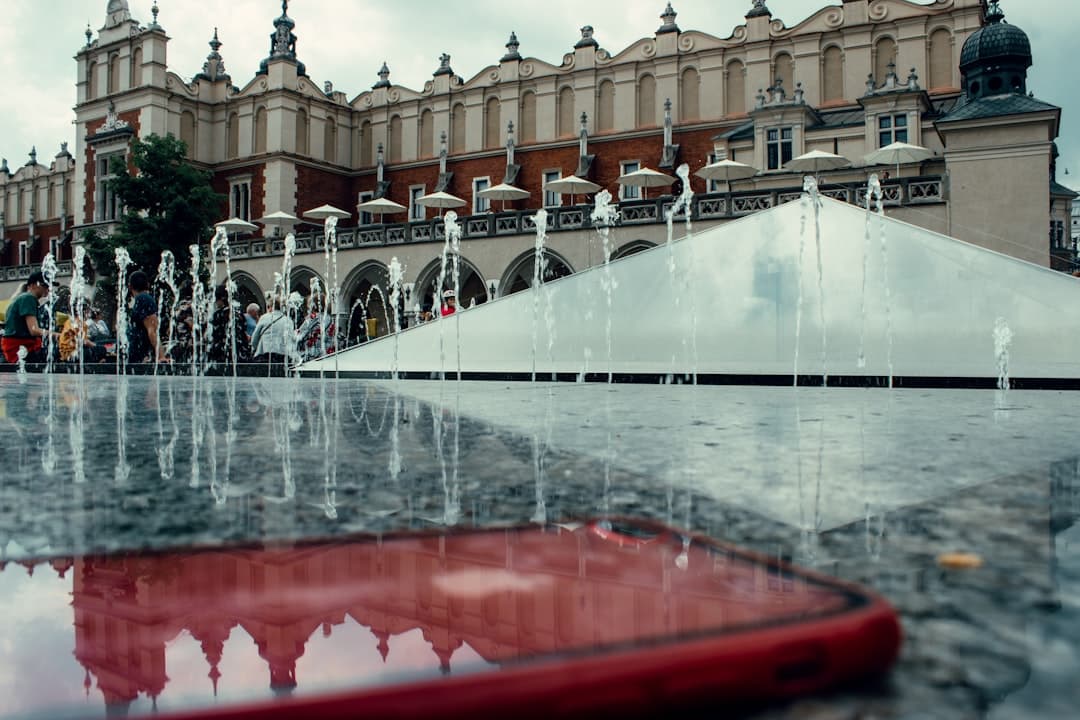
The Cloth Hall — known in Polish as Sukiennice — sits dead center in Krakow's vast Main Market Square, one of the largest medieval town squares in Europe. Built in the 14th century and remodeled in Renaissance style after a fire in the 1550s, it served for centuries as the commercial heart of the city, where merchants traded cloth, spices, and luxury goods from across Europe and the East. Today it's one of Poland's most iconic buildings and a UNESCO World Heritage Site as part of the Old Town — a long, arcaded hall with an ornate attic parapet that looks almost theatrical against the backdrop of the square.
Step inside and the ground floor is a lively indoor market crammed with stalls selling amber jewelry, hand-carved wooden boxes, linen tablecloths, leather goods, and the kind of folk art and craft souvenirs that Poland does genuinely well. It's touristy, yes, but the quality is real and the atmosphere is fun — haggling is mild but vendors are friendly. Upstairs, the first floor houses a branch of the National Museum in Krakow dedicated to 19th-century Polish painting, including major works by Jan Matejko and Henryk Siemiradzki. Most visitors skip it entirely, which is their loss.
The building is free to walk through at ground level, so you can wander the market stalls without spending a zloty. The gallery upstairs charges a modest admission. Come in the morning to avoid the thickest crowds, and don't rush — the arcaded exterior loggia is one of the best spots in the city to sit, watch the square come to life, and drink a coffee from one of the nearby cafes.