
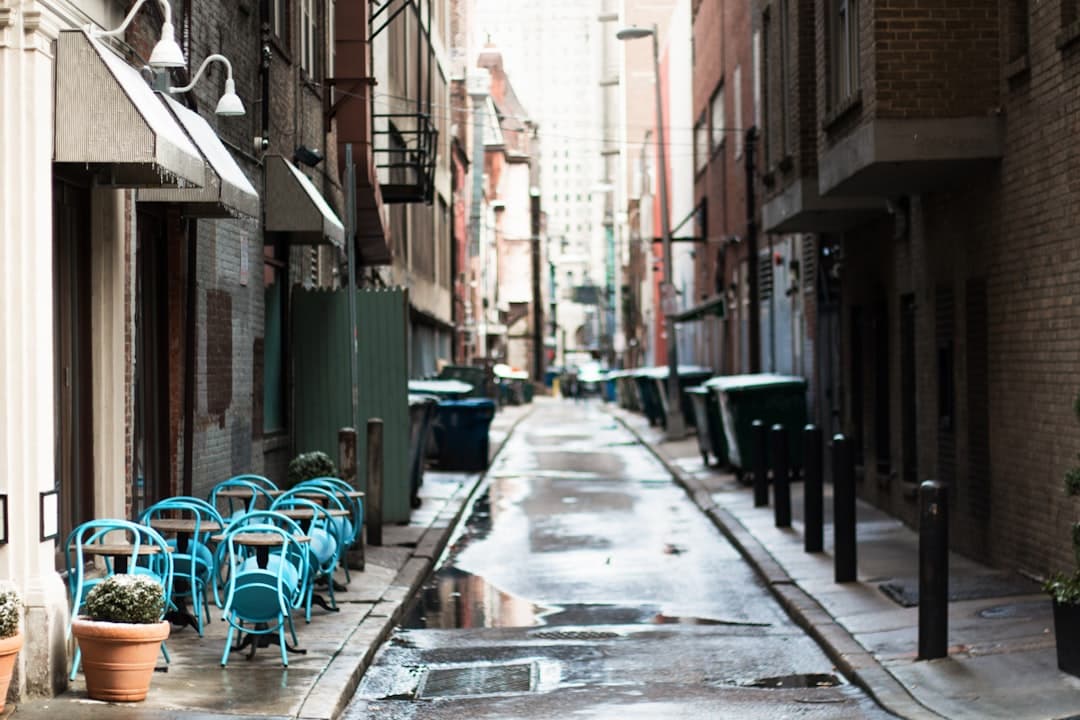
Elfreth's Alley
The oldest continuously inhabited residential street in the United States, unchanged for 300 years.
Elfreth's Alley is a narrow cobblestone lane in Philadelphia's Old City neighborhood that has been home to working families since around 1702 — making it the oldest continuously inhabited residential street in America. The 32 tiny rowhouses lining the alley were built between 1713 and 1836, and they look almost exactly as they did then: brick facades, shuttered windows, window boxes, and doorways so modest you have to duck. The street is named for Jeremiah Elfreth, a blacksmith and property owner who helped develop the block in the early 18th century. While Independence Hall and the Liberty Bell get the headlines, this one-block alley offers something those sites cannot — the texture of everyday colonial life, not the grand political story.
Walking Elfreth's Alley takes about ten minutes end to end, but most people linger. You're looking at original Federal and Georgian architecture, and the scale of it — these were small homes for artisans, sailors, and tradespeople — makes history feel immediate in a way that a larger monument doesn't. One of the houses, No. 126, operates as the Elfreth's Alley Museum, run by the Elfreth's Alley Association, and it's genuinely worth the small admission: you can step inside a colonial-era rowhouse and see period furnishings, rotating exhibits, and learn about the women, immigrants, and craftspeople who actually lived there. Several of the other 32 houses are still private residences, which gives the block a lived-in quality that most historic sites have scrubbed away entirely.
The alley sits just a block or two from the Delaware River waterfront and is walkable from the main Old City cluster of historic sites. It's free to walk through at any time, though the museum has limited hours so check ahead. Early mornings on weekdays are the sweet spot — golden light on the brick, almost no crowds, and a stillness that makes it easy to forget you're in a major American city. The alley also hosts an open-house event called Fete Day, typically held in June, when residents open their homes to visitors.