
Golden Circle
Reykjavik / Golden Circle

Golden Circle

Iceland's geological greatest hits, all within a single day's drive.

🏛️ Sights & Landmarks🌿 Nature & Outdoors🎯 Activities & Experiences
🧗 Adventurous👨‍👩‍👧 Family-friendly🌹 Romantic

The Golden Circle is Iceland's most famous touring route — a roughly 300-kilometre loop from Reykjavik that takes in three of the country's most dramatic natural wonders in a single day. It's not a place so much as a journey, one that's become the default first adventure for visitors to Iceland, and with very good reason. The three anchors are Þingvellir National Park, where the North American and Eurasian tectonic plates visibly pull apart; the Geysir geothermal area, which gave the English language the word 'geyser'; and Gullfoss, a thundering two-tiered waterfall that drops 32 metres into a glacial canyon.

In practice, you spend most of the day moving between these three sites. At Þingvellir, you walk the rift valley floor between continental plates — it's one of the few places on earth where you can do this on dry land — and you're standing on the site of Iceland's original parliament, the Althing, founded in 930 AD. At Geysir, the star is Strokkur, which erupts every five to ten minutes, shooting a column of boiling water 15 to 40 metres into the air. At Gullfoss, you walk alongside the Hvítá river as it plunges into a canyon, often getting soaked in spray. Many tours also stop at Kerið, a vivid volcanic crater lake, and the tomato farm at Friðheimar, where you can eat tomato soup in a working greenhouse.

Most visitors do the Golden Circle as a guided day tour or a self-drive from Reykjavik. Self-driving gives you more flexibility — you can linger at Þingvellir, which tour buses often shortchange, and it takes about 30 minutes to reach the first stop. The route is well-signposted and the roads are paved, making it one of the more accessible Icelandic adventures. That said, it's genuinely popular: the Geysir area and Gullfoss can feel overwhelmed by noon in summer. Going clockwise (Þingvellir first) and starting early puts you ahead of the tour buses.

Local Tips

  1. 1

    Drive the route clockwise — Þingvellir first, Geysir second, Gullfoss last — to arrive at each site before the tour buses that start with Gullfoss.

  2. 2

    At Geysir, position yourself slightly downwind of Strokkur and watch the surface of the water for a blue-green bubble forming just before it erupts — that's your two-second warning to get your camera ready.

  3. 3

    Þingvellir is consistently underestimated and rushed on tours; if you're self-driving, budget at least 90 minutes here rather than the 45 most people give it — the walk along the Almannagjá rift is genuinely stunning.

  4. 4

    Add Kerið volcanic crater (a small entry fee applies) and Friðheimar greenhouse restaurant to the route — they're easy detours and break up the drive with experiences that feel much less touristy than the three main stops.

When to Go

Best times
June–August

Long daylight hours (up to 24 hours in midsummer) let you linger as long as you like, but crowds at Geysir and Gullfoss peak heavily — start before 9am to stay ahead of tour groups.

September–October

Arguably the best time: smaller crowds, golden light, autumn colours at Þingvellir, and a realistic chance of seeing the northern lights on the drive back.

November–March

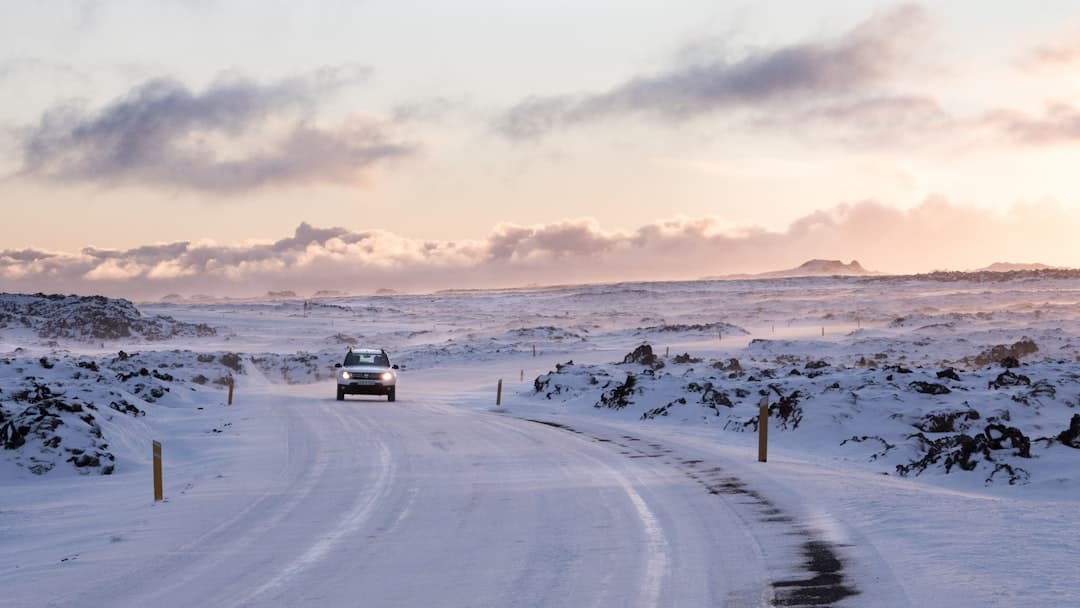
Dramatically beautiful with snow and ice, but daylight is limited (as few as 4–5 hours in December) and some secondary roads may be icy or closed — stick to the main paved route and check road conditions on road.is.

Try to avoid
Midday in high summer

Gullfoss and Geysir are at their most crowded between 11am and 3pm when tour buses converge; the experience is noticeably diminished.

Why Visit

01

Watch Strokkur geyser erupt on a near-perfect 5–10 minute schedule, shooting boiling water high into the cold air — one of nature's most reliably dramatic performances.

02

Walk the literal crack between two tectonic plates at Þingvellir, where the ground itself is slowly splitting apart and history runs 1,000 years deep.

03

See Iceland's geological range — geothermal fields, glacial waterfalls, volcanic craters, and ancient rift valleys — all in a single day without specialist equipment or guide.