
Fort St Elmo
The fortress that held Malta's fate during the Great Siege of 1565.
Fort St Elmo sits at the very tip of Valletta's peninsula, where the Grand Harbour meets Marsamxett Harbour, and it is one of the most historically significant military fortifications in the entire Mediterranean. Built by the Knights of St John in the 1500s, it became the epicentre of one of the most dramatic sieges in European history — the Great Siege of 1565, when a massive Ottoman force attempted to take Malta and was ultimately repelled. The fort's defenders, massively outnumbered, held out for weeks and were eventually overwhelmed to a man. Their sacrifice bought enough time for reinforcements to arrive and save the island. Without Fort St Elmo, there would be no Valletta, and possibly no Malta as we know it.
Today the fort houses the National War Museum, which is the main draw for most visitors. Inside you'll find artefacts ranging from ancient armour and cannons to a biplane and a George Cross — the actual medal awarded to the entire island of Malta by King George VI in 1942 for its extraordinary resistance during the Second World War. The fort's architecture is a layered timeline of military engineering: the original star-shaped design has been expanded and rebuilt multiple times, and you can walk the wide rampart walls for sweeping views over both harbours. On certain weekends, historical re-enactment groups stage in-costume military drills in the courtyards — theatrical but genuinely informative.
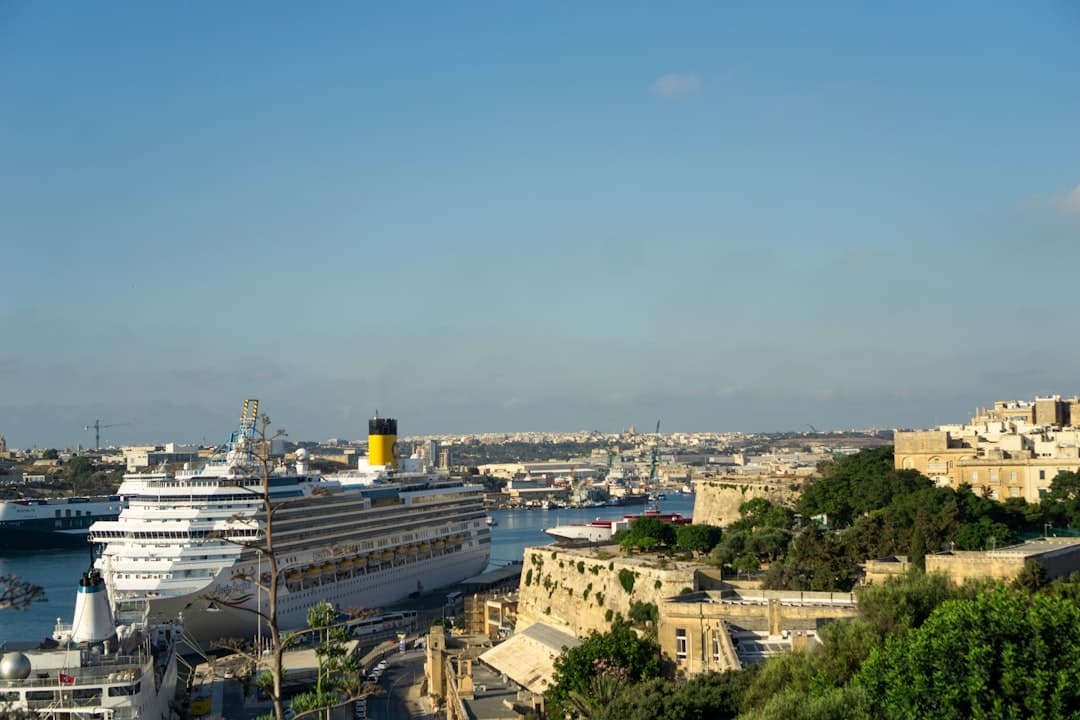
The fort is located at the far end of Valletta near the tip of the peninsula, a straightforward walk down Republic Street or along the waterfront promenade. Summer evenings occasionally see open-air events held within the walls. If you visit during the day, the rampart views toward Birgu and Senglea across the Grand Harbour are among the best in the city — and the light is extraordinary in the late afternoon. Give yourself at least a couple of hours to do it justice rather than rushing through.