Casa Vicens
Gaudí's first major building, hiding in plain sight in Gràcia.
Casa Vicens was Antoni Gaudí's debut as an architect — built between 1883 and 1885 as a summer villa for the tile manufacturer Manuel Vicens i Montaner — and it's where you can see him figuring out exactly who he was going to become. Long overshadowed by the Sagrada Família and Casa Batlló, it only opened to the public in 2017 after being privately owned for most of its existence. That late arrival to the tourist circuit means it still feels genuinely discovered rather than trampled, yet it's a UNESCO World Heritage Site and one of the most architecturally significant buildings in Barcelona.
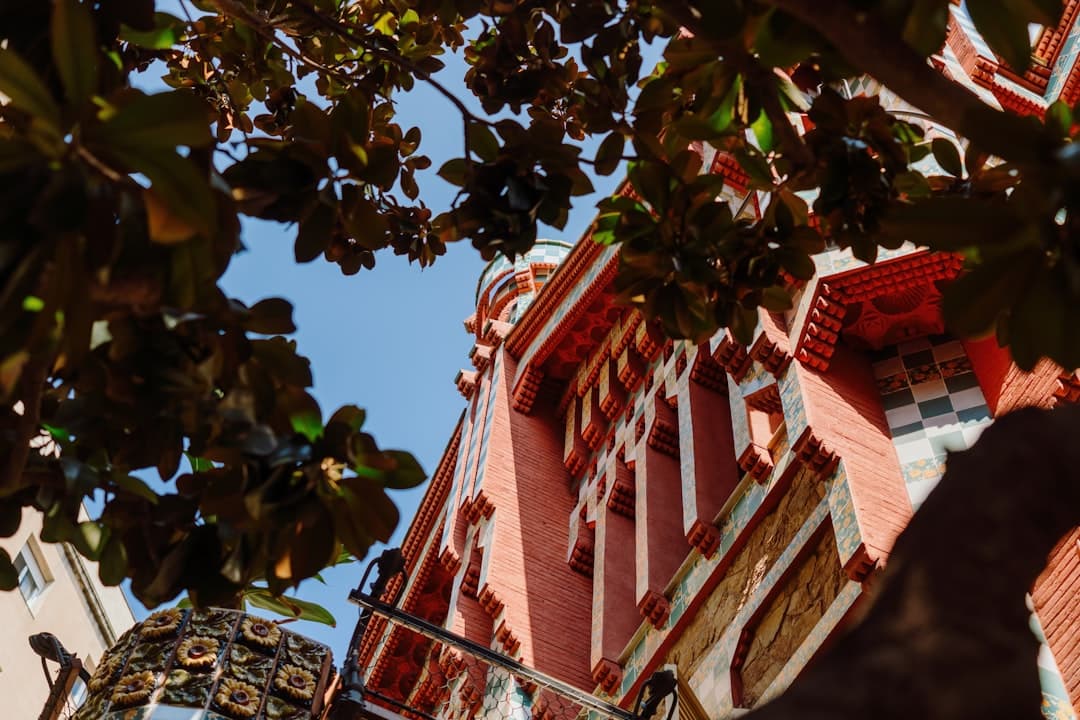
The building is a riot of Moorish and Orientalist influences — geometric ceramic tiles, intricate ironwork, a minaret-like tower, and a facade covered in checkerboard patterns of yellow, white, and green. Inside, the rooms have been carefully restored to reflect how they would have appeared in the 1880s, with elaborate painted ceilings, carved wooden details, and the original Japanese-influenced smoking room that still feels surreal and beautiful. The garden has been partially recreated, and the house includes an exhibition space that explains the building's history and its place in Gaudí's career arc.
Casa Vicens sits in the Gràcia neighbourhood, which is worth exploring in its own right — full of independent cafés, bookshops, and local squares that feel nothing like the Eixample tourist corridor. Crowds here are a fraction of what you'd face at the big Gaudí hits, so you can actually stand in front of the facade and take a photo without forty people in the way. Book tickets online in advance to secure your preferred time slot; the building has timed entry and capacity is limited.