El Born
Barcelona's most stylishly lived-in medieval neighborhood, built for wandering.
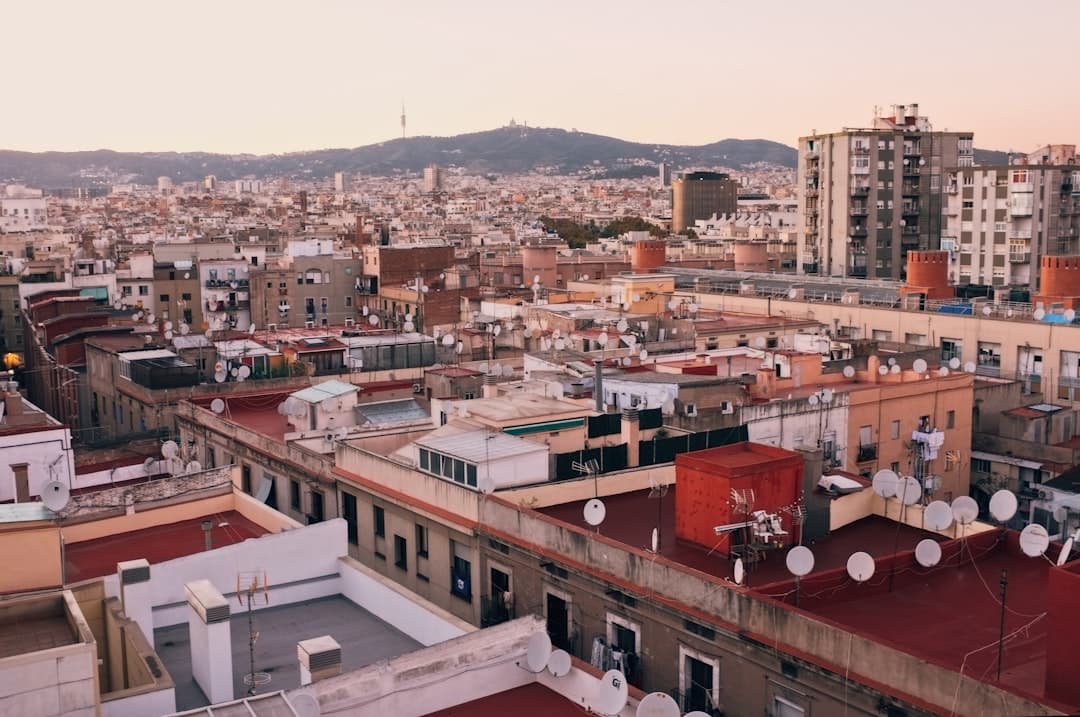
El Born is a compact, dense neighborhood in Barcelona's Ciutat Vella district, wedged between the Gothic Quarter and the Barceloneta waterfront. It centers on the Passeig del Born — a wide, tree-lined promenade that was once a jousting ground — and fans out into a tight grid of narrow medieval streets. For centuries it was the city's commercial and maritime heart; today it's been reinvented as one of Europe's most successful examples of neighborhood-scale cultural regeneration, home to independent boutiques, serious restaurants, world-class museums, and a local population that actually still lives there.
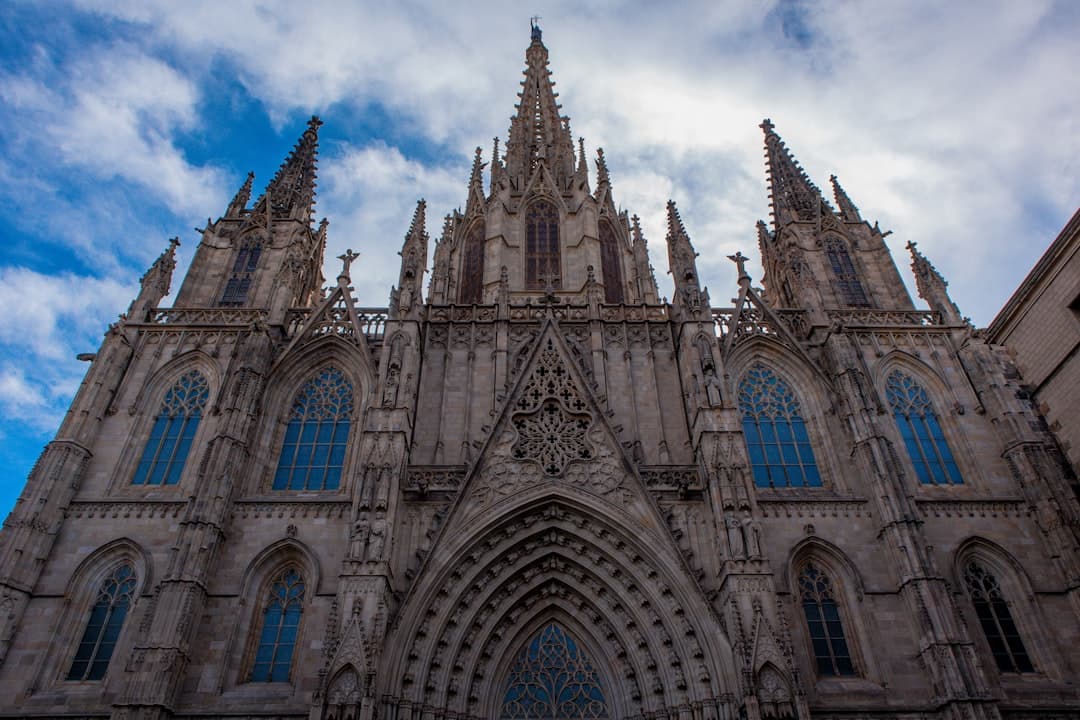
The experience of El Born is fundamentally about moving through it on foot. You'll pass the soaring Gothic arches of the Basílica de Santa Maria del Mar — a 14th-century church built by the merchants and shipworkers of the neighborhood — and stumble into the Mercat de Santa Caterina, designed by Enric Miralles with a wildly colorful mosaic roof. The Museu Picasso, housed across five connected medieval palaces on Carrer de Montcada, draws long queues but rewards with the world's most important collection of Picasso's early work. The El Born Cultural Centre, inside a spectacular 19th-century iron market hall, preserves the ruins of the 1714 siege of Barcelona beneath its floor — a genuinely moving piece of history you can walk over on glass walkways.
The practical key to El Born is timing. Mornings are calm — locals at the bars on Passeig del Born having coffee, the streets before the tour groups arrive. By early afternoon it fills up, and by evening it transforms again into one of the city's best spots for vermouth, pintxos, and natural wine. Carrer del Parlament, Carrer del Parlament, Carrer de Vidrieria, and the streets around El Xampanyet (an ancient cava bar on Carrer de Montcada) are where you want to be for drinking and eating. Don't try to rush El Born — it rewards people who slow down.