Gothic Quarter
Barcelona / Gothic Quarter

Gothic Quarter

Two thousand years of Barcelona's history compressed into one walkable medieval maze.

🏛️ Sights & Landmarks🍽️ Food & Drink🎭 Arts & Entertainment🏘️ Neighborhoods
🧗 Adventurous🎭 Cultural🌹 Romantic

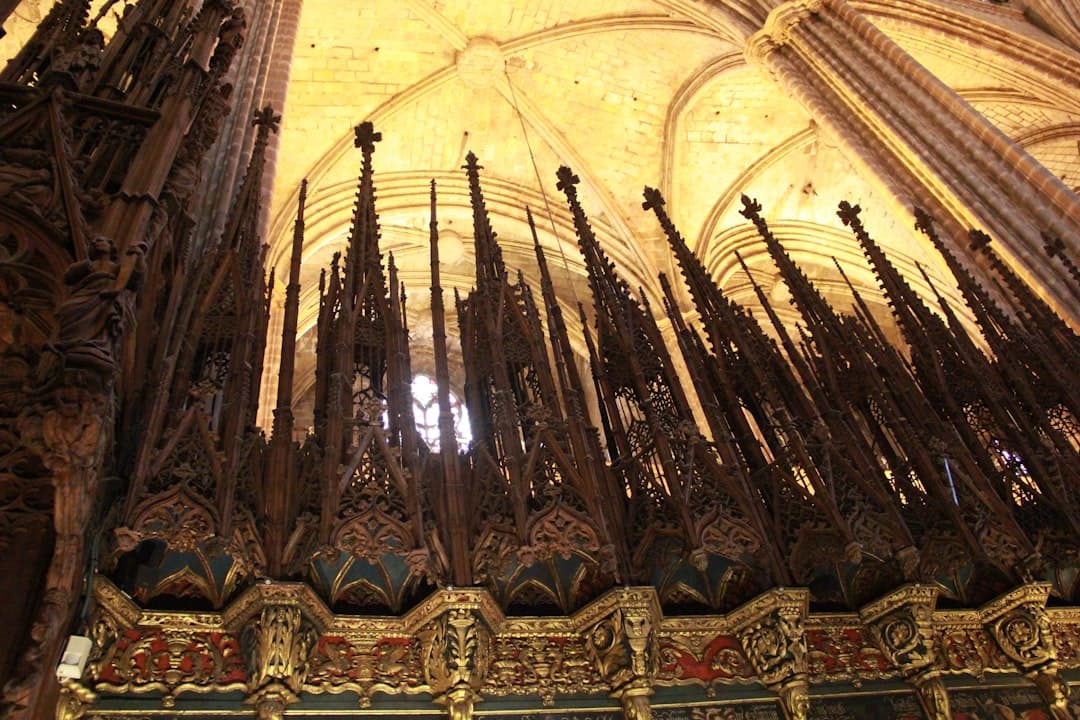
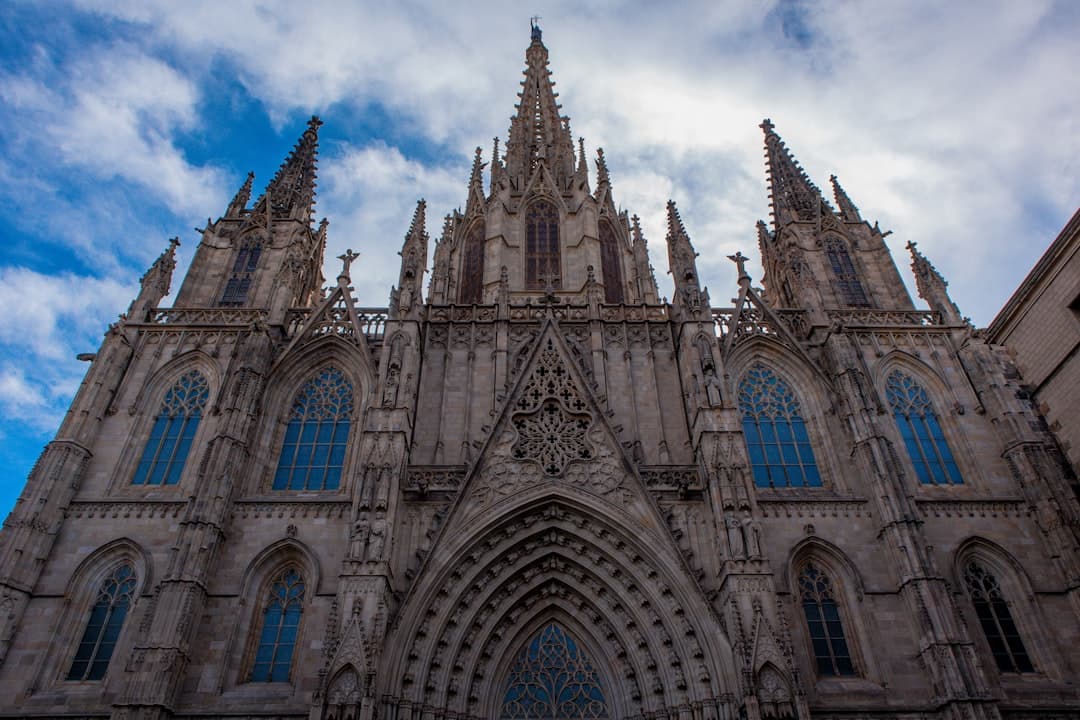
The Gothic Quarter — Barri Gòtic in Catalan — is the ancient heart of Barcelona, a dense tangle of narrow stone streets, medieval churches, and Roman ruins occupying the oldest continuously inhabited part of the city. It sits within the Ciutat Vella district, bounded roughly by La Rambla to the west, the Via Laietana to the east, and the waterfront to the south. What you're walking through here is genuinely old: the Romans founded Barcino here around 10 BCE, and fragments of their original city walls still stand embedded in later construction. The cathedral, a soaring Gothic masterpiece begun in the 13th century, anchors the whole quarter and gives it its name.

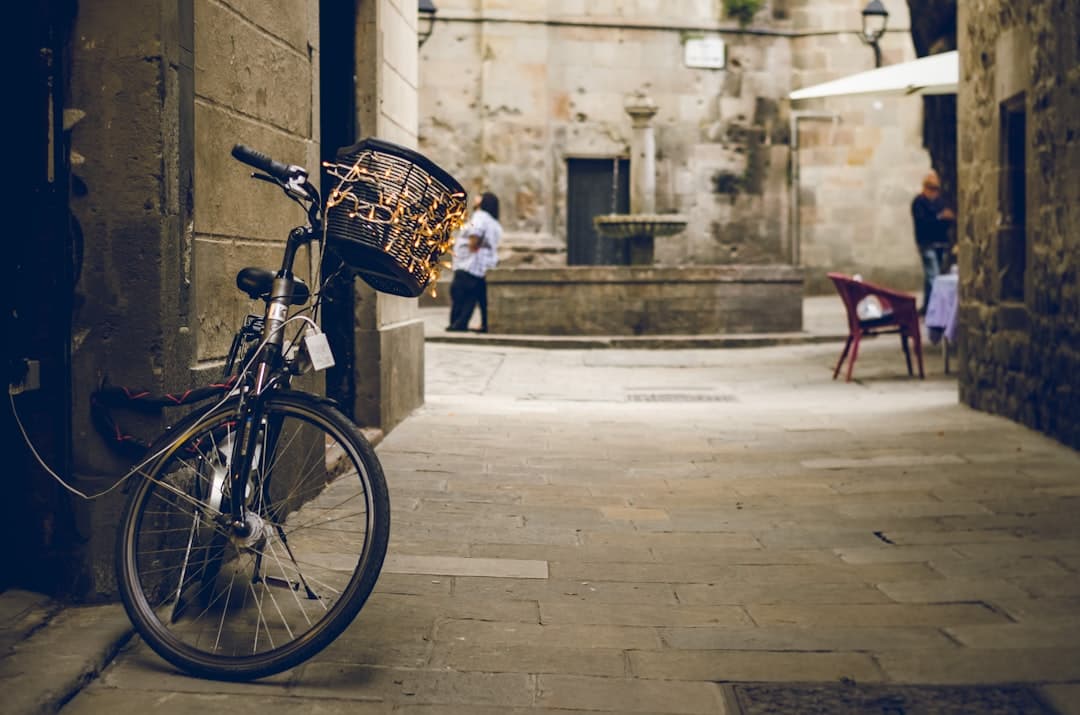
In practice, exploring the Gothic Quarter means getting slightly, willingly lost. Streets like Carrer del Bisbe — with its neo-Gothic bridge connecting two medieval buildings — and the shadowy Plaça de Sant Felip Neri, scarred with shrapnel marks from Civil War bombings, reward slow walkers who duck away from the main drag. The Cathedral of Barcelona, with its cloister full of white geese (a long-standing tradition), is the obvious anchor stop. Nearby, the Temple d'August hides four intact Roman columns inside a medieval courtyard, a genuinely surprising find. The Plaça Reial, a grand 19th-century square ringed with palm trees and lampposts designed by a young Antoni Gaudí, makes a good place to sit and take stock.

The honest insider note is this: the Gothic Quarter is heavily touristed, and a significant chunk of its "medieval" streetscape was actually reconstructed or embellished in the early 20th century to look more authentically Gothic than it originally was. That doesn't diminish the experience, but go in knowing the real and the theatrical are thoroughly mixed. Visit the core sights in the morning before the crowds thicken, then push south toward the El Call neighborhood — Barcelona's old Jewish quarter — where the streets narrow further and the tourist density drops noticeably.
Local Tips

  1. 1

    The Temple d'August — four intact Roman columns from the 1st century BCE — is tucked inside a medieval courtyard at Carrer del Paradís 10. It's free to enter and most visitors walk right past it. Don't.

  2. 2

    Avoid Carrer de la Boqueria and the streets directly around La Rambla for eating — restaurants here are almost universally mediocre and overpriced. Push one or two blocks deeper into the quarter for noticeably better food at lower prices.

  3. 3

    The Plaça de Sant Felip Neri is one of the most quietly moving spots in the city — a small, worn square where the pockmarks in the church wall are bullet and shrapnel damage from a 1938 Francoist air raid. It's rarely crowded and worth lingering in.

  4. 4

    The Gothic Quarter's El Call section (the medieval Jewish quarter, centered around Carrer de Sant Domènec del Call) has the narrowest, most atmospheric streets in the area and a small but worthwhile museum — the Museu d'Història dels Jueus — explaining the community's history before the 1391 pogrom.

When to Go

Best times
Early morning (before 9am)

The quarter before the tour groups arrive is a completely different experience — stone streets in cool shadow, locals heading to work, almost no crowds. The Cathedral exterior is particularly beautiful at this hour.

Late September–October

Crowds thin noticeably, temperatures are comfortable for walking, and the Festa de la Mercè (late September) fills the streets with free concerts and human towers — a genuine local celebration rather than a tourist event.

December–February

Low season means quieter streets and cooler but usually mild weather. Some smaller sites keep reduced hours, but the major landmarks are open and the quarter has a less performative, more local feel.

Try to avoid
July–August

Peak tourist season means the main streets around the Cathedral and Plaça Reial are genuinely packed by mid-morning. Heat in the narrow lanes can also be oppressive. Visit early morning or stick to the quieter southern streets.

Why Visit

01

You can walk through 2,000 years of layered history in a single afternoon — Roman walls, medieval churches, and Civil War scars all within a few blocks of each other.

02

The Cathedral of Barcelona and its geese-filled Gothic cloister is one of the most atmospheric religious sites in Spain, and entry to the cloister is free.

03

Hidden courtyards, surprise Roman columns, and a former Jewish quarter make this a neighborhood that keeps revealing itself the deeper you explore.