
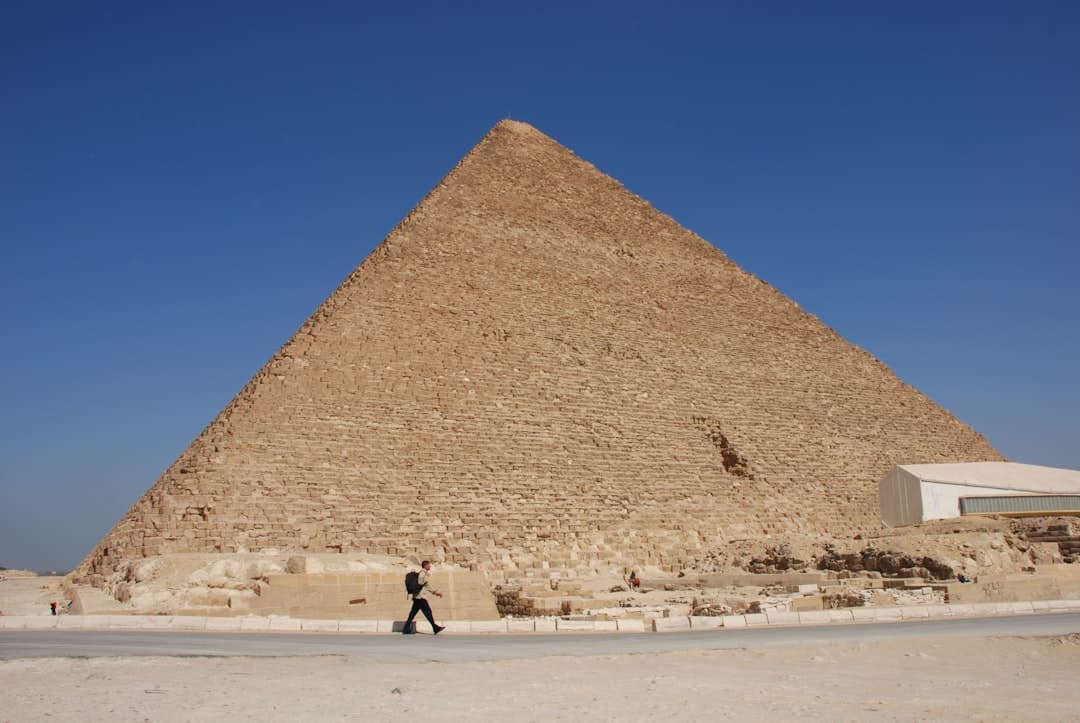
Citadel of Saladin
Cairo / Citadel of Saladin

Citadel of Saladin

A medieval fortress that ruled Cairo for 700 years, still standing above the city.

🏛️ Sights & Landmarks🎭 Arts & Entertainment
🧗 Adventurous👨‍👩‍👧 Family-friendly🎭 Cultural

The Citadel of Saladin is a massive medieval fortification perched on a spur of the Mokattam Hills in the heart of Cairo, built in the 1170s by the great Muslim military leader Salah ad-Din — the same Saladin who fought Richard the Lionheart during the Crusades. For roughly seven centuries, from the time of Saladin through the Ottoman era and into the reign of Muhammad Ali in the 19th century, this was the seat of Egyptian power — the place where sultans and rulers governed one of the most important cities in the Islamic world. It's not just a ruin; it's a layered, living monument to almost a thousand years of history.

Inside the sprawling complex you'll find several distinct highlights. The Muhammad Ali Mosque — an Ottoman-style domed mosque completed in 1848 with twin minarets visible from all over Cairo — dominates the skyline and is worth visiting for the interior alabaster details alone. There are also older Mamluk-era structures, including the 13th-century Mosque of al-Nasir Muhammad. The site contains multiple museums, among them the Military Museum, the Police Museum, and the National Museum of Egyptian Civilization's older annexes, though the museum offerings vary in quality. The real draw, though, is the panoramic view of Cairo from the ramparts — minarets, the Nile shimmer, and on a clear day, the pyramids of Giza on the horizon.

The Citadel sits in the Islamic Cairo district, and it pairs naturally with a walk through the medieval bazaars and mosques of Khan el-Khalili and the surrounding streets. Come in the morning when the light is golden and the crowds are thin — by early afternoon tour groups fill the Muhammad Ali Mosque. Entrance fees are modest by international standards but vary by nationality, and there's a separate ticket structure for different museums within the complex. Comfortable shoes are non-negotiable; the terrain is uneven and the distances between attractions inside are larger than they look on a map.

Local Tips

  1. 1

    The view of the pyramids from the northern terrace is best in the early morning before haze builds — by noon on most days the visibility drops significantly and the pyramids can disappear entirely.

  2. 2

    Buy a single combined ticket that covers the main complex rather than paying separately for each museum — it's better value and saves time at multiple entry points inside the fortress.

  3. 3

    The Citadel sits at the top of a steep hill and taxis or ride-hailing apps (Uber and Careem both operate in Cairo) will drop you directly at the main gate — the walk up from the base of Salah Salem Road is longer and harder than it looks.

  4. 4

    Pair your visit with a walk through the nearby Street of the Tentmakers (Sharia al-Khayamiya) just downhill — it's one of the last covered bazaar streets in Cairo with artisans still working traditional appliqué textiles.

When to Go

Best times
October to February

Cairo's cooler months make walking the large, exposed citadel complex far more comfortable. Temperatures drop to manageable levels and the haze that obscures pyramid views is less intense.

Ramadan

Opening hours and museum access may shift during Ramadan. The citadel takes on a different, more atmospheric quality in the evenings, but daytime visits can feel quieter and some services are reduced.

Try to avoid
June to August

Summer heat in Cairo is brutal — temperatures regularly exceed 35°C and the Citadel's open terraces and stone surfaces offer little shade. Arrive at opening time or avoid this period entirely.

Midday on weekends

Tour buses arrive in force between 10am and 2pm, particularly on weekends. The Muhammad Ali Mosque can become genuinely congested — early morning visits make a significant difference.

Why Visit

01

The Muhammad Ali Mosque offers one of the most striking interiors in Cairo — soaring domes, Ottoman chandeliers, and walls clad in alabaster quarried from the same region as the pyramids.

02

The views from the ramparts take in all of Cairo at once: minarets, the Nile, the desert edge, and on clear days the Giza pyramids — no other spot in the city gives you this perspective.

03

It's a genuine medieval fortress with 800 years of layered history, where you can walk through Mamluk gates, Ottoman mosques, and 19th-century palaces in a single visit.