
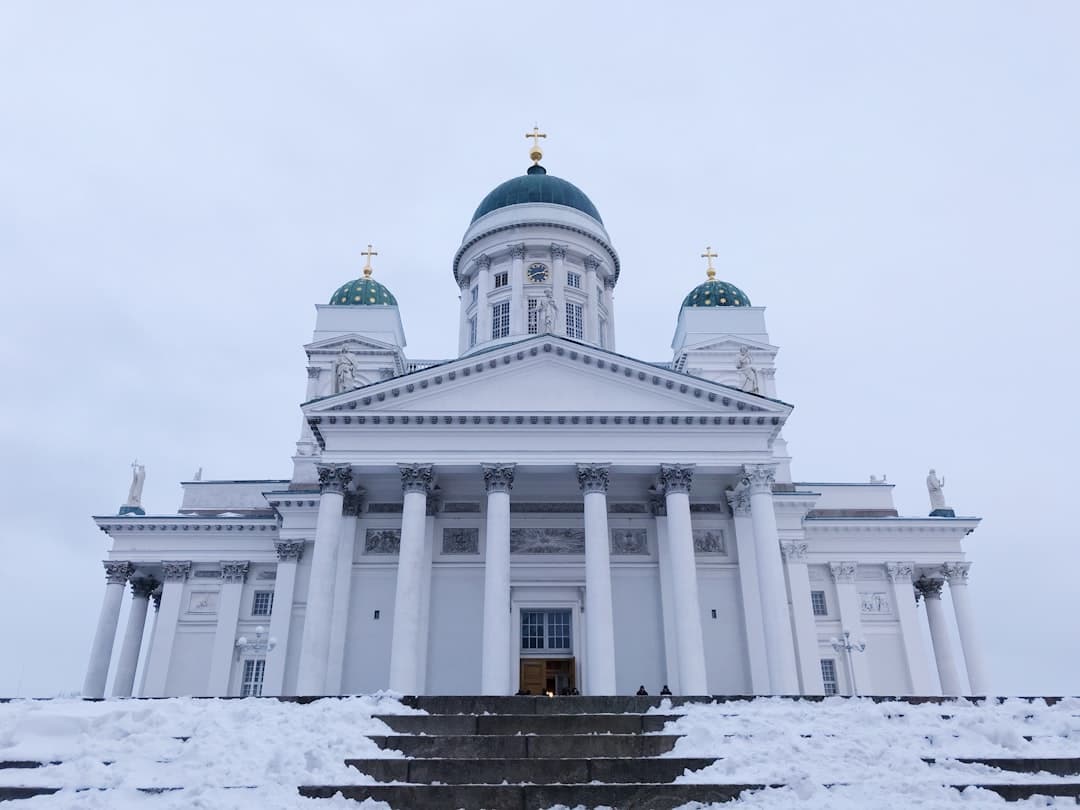
Ateneum Art Museum
Finland's national art collection, anchored by the masters of the Finnish Golden Age.
The Ateneum is Finland's oldest and largest art museum, housed in a grand neoclassical building completed in 1887 right in the heart of Helsinki, steps from the central railway station. It holds the national collection of Finnish art spanning from the 18th century through to the mid-20th century, alongside a solid international collection that includes works by Van Gogh, Cézanne, and Edvard Munch. For anyone wanting to understand Finnish visual culture — its relationship with landscape, light, national identity, and independence — this is the essential starting point.
The permanent collection is built around the Finnish Golden Age of the late 19th century, when painters like Akseli Gallen-Kallela, Albert Edelfelt, Helene Schjerfbeck, and Eero Järnefelt were essentially inventing what it meant to depict Finland. Gallen-Kallela's monumental Kalevala-inspired works are here, including the Aino Triptych — mythological, moody, and utterly distinctive. Schjerfbeck's self-portraits trace a life's work across decades. The international wing adds weight and context without overshadowing the Finnish material. Temporary exhibitions rotate regularly and tend to be ambitious, drawing major international names alongside deeper dives into Finnish art history.
The museum is right on Kaivokatu, the street that runs along the south side of the railway station — you literally cannot miss the building. Wednesday and Thursday evening hours until 8pm are a genuine gift: the crowds thin out noticeably after about 5pm, and the quality of light inside the galleries at dusk is something else entirely. The café on the ground floor is a pleasant spot for a coffee break, and the museum shop stocks unusually good art books and prints.