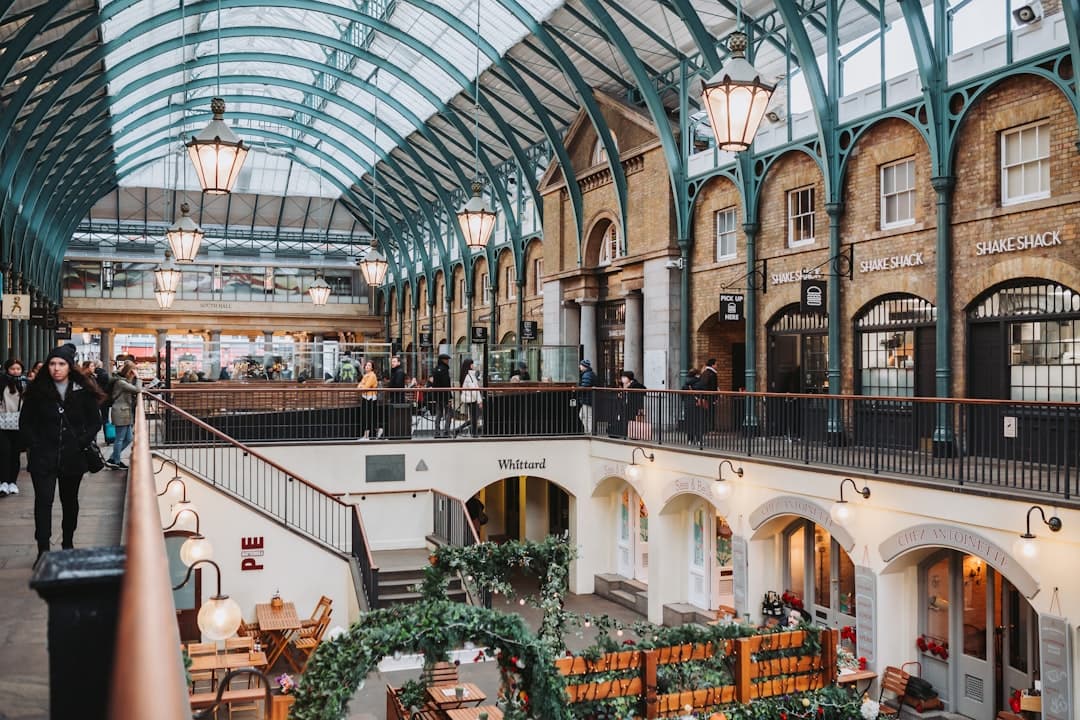
Covent Garden
London's most theatrical public square, where street performers meet market halls.
Covent Garden is one of London's most beloved and historic districts, centered on a grand piazza that has been a gathering place since the 17th century. Originally a convent garden belonging to Westminster Abbey, it became London's primary fruit and vegetable market for over 300 years before the traders relocated to Nine Elms in 1974. The Victorian market building — a cast-iron and glass structure designed by Charles Fowler in 1830 — was saved from demolition and transformed into the vibrant shopping and dining destination it is today. It sits at the heart of London's Theatreland, bordered by the Royal Opera House on its eastern flank and surrounded by cobbled streets that have been entertaining Londoners for centuries.
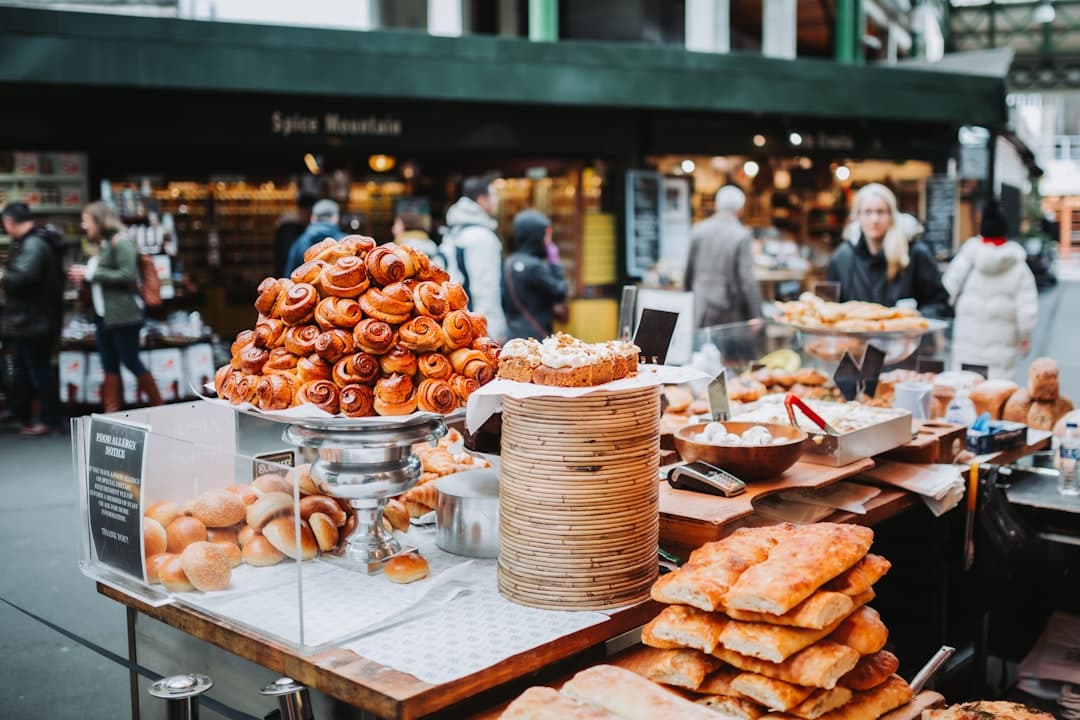
The experience here is layered and genuinely varied. The covered market halls split across three levels house independent boutiques, jewelry designers, and specialty food stalls alongside well-known names. Outside in the piazza, some of London's most accomplished street performers — jugglers, opera singers, magicians, living statues — work the space throughout the day, and the quality is genuinely high because the pitches are licensed and competitive. The surrounding streets reward wandering: Neal's Yard is a tucked-away courtyard painted in improbable colors, Neal's Yard Dairy is arguably the best cheese shop in London, and Floral Street has become a quiet anchor for fashion. The Transport Museum on the eastern edge of the piazza is underrated and excellent.
Weekends get very crowded, especially in the market hall and around the central piazza — if you want to move freely and actually browse, weekday mornings are far more manageable. The area is compact enough to explore on foot but dense enough to reward an unhurried half-day. Covent Garden Tube station is notoriously busy and has a long lift queue; Leicester Square is a five-minute walk and usually quicker to exit.