
Colaba
Mumbai / Colaba

Colaba

Mumbai's colonial-era waterfront neighborhood where history, hustle, and great food collide.

🛍️ Shopping🏛️ Sights & Landmarks🍽️ Food & Drink🎭 Arts & Entertainment🏘️ Neighborhoods
🧗 Adventurous🍽 Foodie🎭 Cultural🌹 Romantic

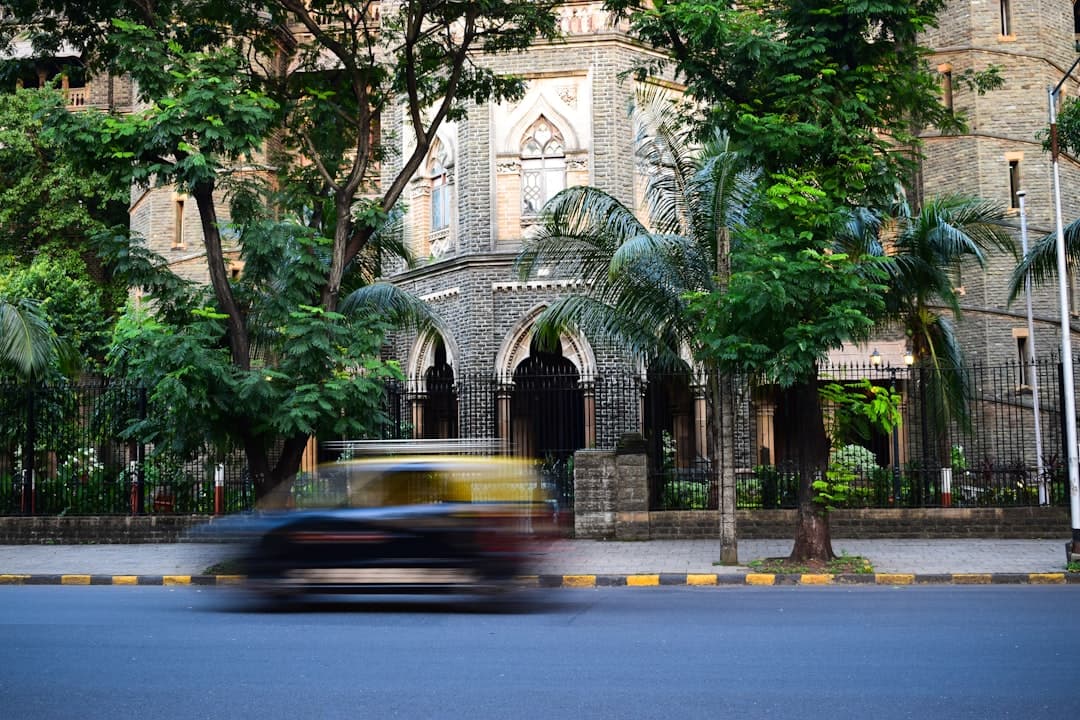
Colaba is the southernmost tip of Mumbai's peninsula — a dense, atmospheric neighborhood that was once a separate island and is now one of the city's most iconic districts. It's where the British East India Company established its earliest foothold, and that colonial legacy is still visible everywhere: in the Gothic and Indo-Saracenic architecture, in the grand old buildings lining its lanes, and in the legendary Taj Mahal Palace Hotel facing the Arabian Sea. The Gateway of India, the stone arch built to commemorate King George V's 1911 visit, anchors the waterfront and remains one of India's most recognized monuments. Colaba is where Mumbai shows you its full spectrum — heritage and grime, luxury and chaos, tourists and locals, all compressed into a few square kilometers.

Visiting Colaba means moving between modes constantly. You might start at the Gateway of India, watching the harbor ferries depart for Elephanta Island while hawkers sell chai and selfie sticks. From there, Colaba Causeway — the neighborhood's spine — pulls you south through a bazaar of stalls selling silver jewelry, leather goods, hippie pants, and antiques alongside pharmacies and vegetable vendors. The side streets hide galleries, Afghan snack joints, and some of Mumbai's most beloved old restaurants like Leopold Cafe, which has been serving cold Kingfisher beers since 1871, and Bademiya, the legendary open-air kebab stall that's fed the city's night owls for decades. The Afghan Church — formally the Church of St. John the Evangelist — and Colaba Woods offer quieter corners.

Colaba works best on foot, though the Causeway's crowds can be intense on weekends. Haggling is expected at street stalls, but fixed-price shops exist too. The neighborhood is walkable from the CST railway station area, and both Churchgate and CST suburban rail stations are nearby. Evenings are particularly atmospheric when the Gateway lights up and the sea breeze kicks in — arrive at the waterfront around sunset and you'll understand why Mumbaikars have been doing the same thing for generations.

Local Tips

  1. 1

    The Colaba Causeway stall vendors will quote tourist prices — start at roughly a third of the asking price and meet somewhere in the middle. Don't feel bad about it; this is the expected ritual.

  2. 2

    Leopold Cafe is a famous institution and worth a visit for the atmosphere and history, but the food is mediocre. Go for a beer and the bullet-hole-marked walls (a reminder of the 2008 attacks), not the cuisine.

  3. 3

    Bademiya, the open-air kebab stall on Tulloch Road behind the Taj, is best after 10pm when the crowds thin slightly and the skewers are flying fastest — the seekh kebabs and roomali roti are what you want.

  4. 4

    The small lanes running east off the Causeway toward the waterfront hide some of Colaba's best finds — antique dealers, art galleries, and the Afghan Church, which sees almost no tourists despite being genuinely beautiful.

When to Go

Best times
November to February

The dry season brings comfortable temperatures and low humidity — ideal for walking the Causeway and lingering at the waterfront. This is peak tourist season but the weather genuinely earns it.

Sunset (year-round)

The Gateway of India waterfront at golden hour is one of Mumbai's defining experiences — locals gather, the light is extraordinary, and the harbor comes alive with boat traffic.

Try to avoid
June to September (Monsoon)

Mumbai's monsoon is dramatic and the city doesn't shut down, but the waterfront gets rough, street stalls thin out, and navigating the Causeway in heavy rain is miserable. The Taj and indoor spots still function perfectly.

Why Visit

01

The Gateway of India and the adjacent waterfront offer one of South Asia's great urban viewpoints, best experienced at dusk with the Taj Mahal Palace Hotel behind you and fishing boats on the harbor.

02

Colaba Causeway is one of Mumbai's most rewarding street markets for jewelry, antiques, and textiles — chaotic, photogenic, and genuinely good for finding things you won't see in a mall.

03

The neighborhood concentrates a remarkable amount of Mumbai's culinary history in a small area, from 150-year-old cafes to late-night kebab carts that have fed generations of the city's night owls.