
Canal Saint-Martin
Paris / Canal Saint-Martin

Canal Saint-Martin

A tree-lined waterway where Paris slows down and gets genuinely local.

🏛️ Sights & Landmarks🌿 Nature & Outdoors🎯 Activities & Experiences🏘️ Neighborhoods
🌿 Relaxing🌹 Romantic🗺 Off the beaten path

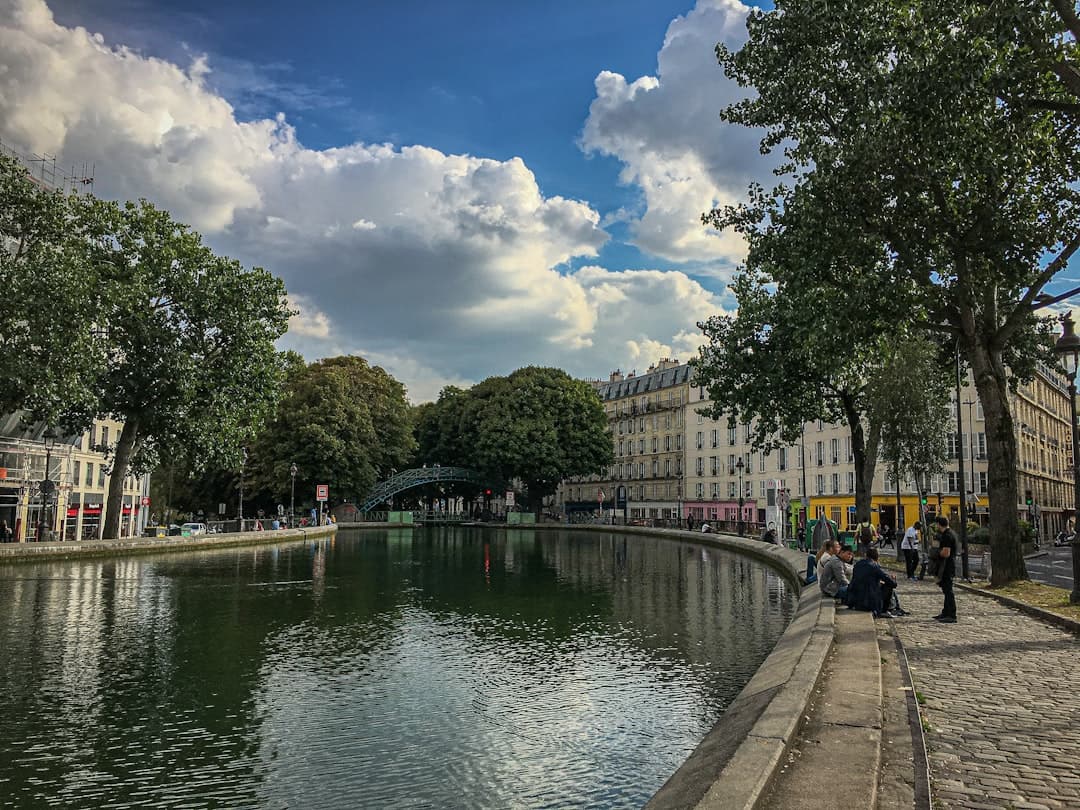
Canal Saint-Martin is a 4.5-kilometre stretch of water cutting through the 10th arrondissement of Paris, built under Napoleon in the early 19th century to supply fresh water to the city. For a long time it was a working industrial canal, lined with warehouses and workshops, but over the past two decades it has transformed into one of the most beloved and lived-in neighbourhoods in Paris — a place where Parisians actually hang out rather than one that exists primarily for tourists.

The canal itself is the draw: iron footbridges arc over the water at regular intervals, plane trees line the banks, and the nine locks create a series of small basins where the water sits still and dark green. On warm evenings, locals spread out along the quays with wine and takeaway food from the surrounding restaurants — it's one of the great free social spaces in Paris. The surrounding streets are packed with independent cafés, vintage shops, concept stores, and small restaurants. The area around Rue de Lancry and Quai de Valmy has become a hub for a younger, creative Paris crowd. The film Amélie famously featured the canal, which brought a wave of romantic attention to it — though the reality is more relaxed and unselfconscious than that association might suggest.

The canal runs between Place de la République to the south and the Bassin de la Villette to the north, where it opens into a wide lake with outdoor activities and more neighbourhood life. The best approach is to walk the full length of the quays on a weekend afternoon, dipping into whichever café or shop catches your eye. Sunday is particularly good — parts of the quayside roads are closed to traffic, and the whole thing feels almost Italian in its easy, unhurried rhythm. Avoid August when the neighbourhood empties out along with the rest of Paris.
Local Tips

  1. 1

    Walk the canal from south to north — start near République and finish at the Bassin de la Villette, where you can grab a drink at one of the waterside bars and watch people play pétanque.

  2. 2

    Rue de Lancry and Rue Beaurepaire are the best streets for browsing — a mix of vintage clothing, independent concept stores, and the kind of café that has good natural wine and no tourist menu.

  3. 3

    Pick up food for a quayside picnic from one of the boulangeries or the small grocers on Rue du Faubourg du Temple rather than eating at a restaurant — watching the locks operate while eating a good sandwich is one of the better Paris experiences.

  4. 4

    The locks are actually fascinating to watch when a boat passes through — the old manual lock-keeper system is still operating and each passage takes several minutes of choreographed gate-opening and water-filling.

When to Go

Best times
Spring (April–June)

The plane trees are fully leafed out, the light on the water is gorgeous, and the quays start filling with people in the evenings — this is the canal at its most atmospheric.

Summer evenings (July)

Warm nights turn the quayside into a spontaneous outdoor party — locals bring bottles and picnic food and line the banks for hours after sunset.

Sunday afternoons

Parts of the quayside are closed to traffic on Sundays, making it far more pleasant to walk and linger — the best single time to visit.

Try to avoid
August

Many of the independent shops, cafés, and restaurants close for the summer holidays, and the neighbourhood loses much of its energy.

Why Visit

01

One of the few places in Paris where you can sit outside for hours with locals doing exactly the same thing — no ticket, no queue, no agenda.

02

The ironwork bridges, mossy lock gates, and tree-canopied quays are genuinely beautiful, with a completely different visual character from the grand Haussmann boulevards.

03

The surrounding streets are among the best in Paris for independent shops, neighbourhood restaurants, and cafés that aren't performing for tourists.