Eiffel Tower
The iron lattice that turned a city's skyline into the world's most recognizable postcard.
Built as the entrance arch for the 1889 World's Fair, the Eiffel Tower was designed by engineer Gustave Eiffel and was, at the time, the tallest man-made structure on Earth. Parisians famously hated it at first — writers and artists signed petitions calling it an eyesore — but it was never torn down as originally planned, and it has since become both the defining symbol of Paris and one of the most visited monuments on the planet. Around seven million people come here every year, which tells you something about how thoroughly history proved the critics wrong.
The experience unfolds across three levels. The first and second floors are reached by lift or by the 674 stairs (more than you think, but genuinely worth doing), and each offers a progressively more dramatic view over the Seine, the Champ de Mars, Sacré-Cœur, and the dense Haussmann boulevards stretching toward every horizon. The summit, at 276 metres, is lift-only, and on a clear day the view reaches 70 kilometres in every direction. There's a champagne bar up there, which sounds gimmicky but is actually a rather wonderful way to mark the occasion. After dark, the tower does its famous light show — 20,000 bulbs sparkling for five minutes at the top of every hour — and the whole structure turns gold against the night sky.
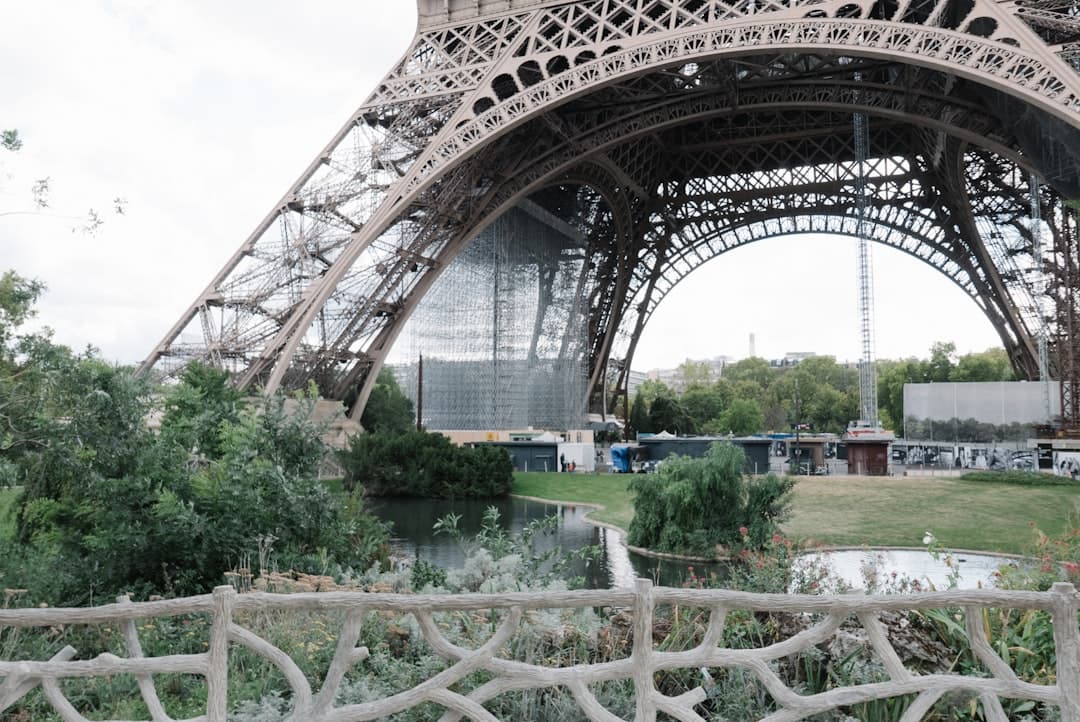
The single biggest mistake visitors make is showing up without a ticket. The queues for on-the-day tickets can run two to three hours in peak season, and timed-entry slots sell out days or weeks ahead. Book online through the official SETE website before you arrive. Another underrated move: don't just go up — give yourself time to walk around the base, look up through the ironwork from below, and linger on the Champ de Mars lawn afterward. The tower from underneath is a completely different and genuinely spectacular thing.