Centraal Station
Amsterdam's grand gateway, a Gothic masterpiece hiding in plain sight.
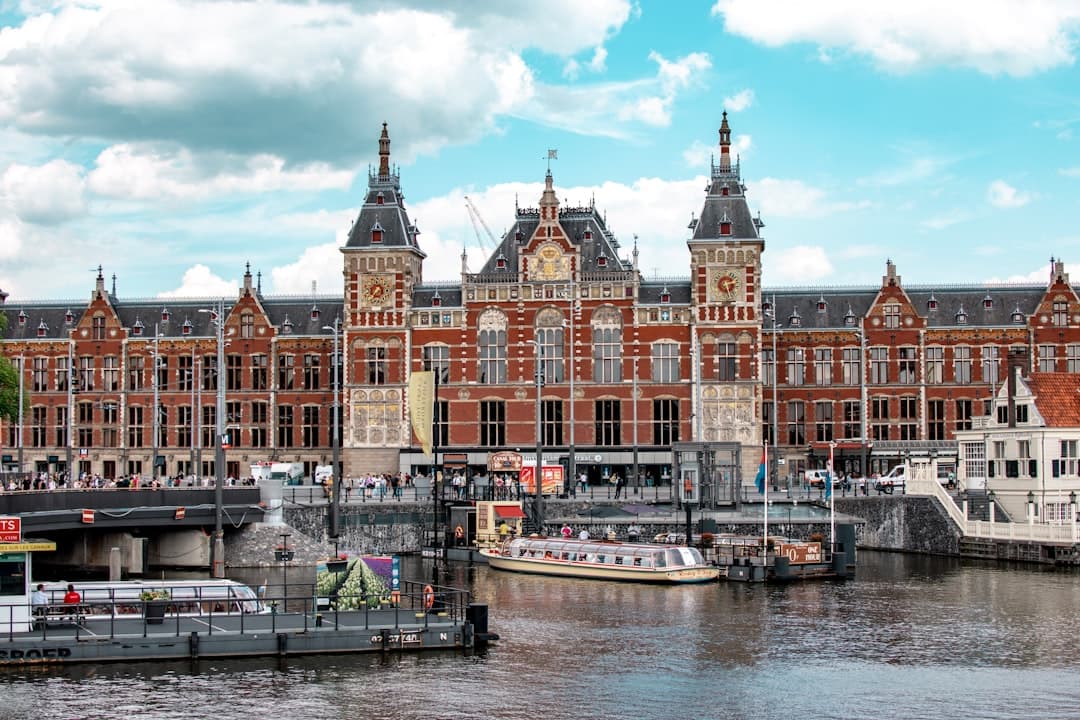
Amsterdam Centraal is the city's main railway station, opened in 1889 and designed by Pierre Cuypers — the same architect behind the Rijksmuseum. That's not a coincidence; the two buildings share the same neo-Gothic, neo-Renaissance DNA, and together they anchor opposite ends of the Damrak. Most visitors rush through without looking up, which is their loss. The station is one of the most architecturally significant public buildings in the Netherlands, and it processes roughly 250,000 passengers a day, making it one of Europe's busiest rail hubs.
Once you slow down, the building rewards attention. The façade is a riot of red brick, stone detailing, and gilded ornaments, including two stone reliefs on the towers representing maritime trade and rail travel — a nod to Amsterdam's dual identity as a port city and a modern nation. Inside, the main hall has been renovated in recent years and blends original ironwork with contemporary retail and food options. Step outside onto the Stationsplein and you get one of Amsterdam's great urban views: the IJ waterfront, ferries heading to Amsterdam Noord, and the city fanning out before you. The free ferries depart from directly behind the station and are worth taking just for the crossing.
Practically speaking, Centraal is where almost every visitor to Amsterdam begins and ends their trip, and it connects to trams, buses, the metro, and international trains including Thalys and Eurostar services. The area immediately around the station — particularly the Damrak — is aggressively touristy, so don't judge the city by what you see in that first 500 metres. Walk ten minutes in almost any direction and the real Amsterdam opens up. If you have a few minutes to kill, the small Stedelijk Museum display in the station's east wing occasionally features rotating art installations.