De Pijp
Amsterdam's most lived-in neighbourhood, built on bohemian grit and great food.
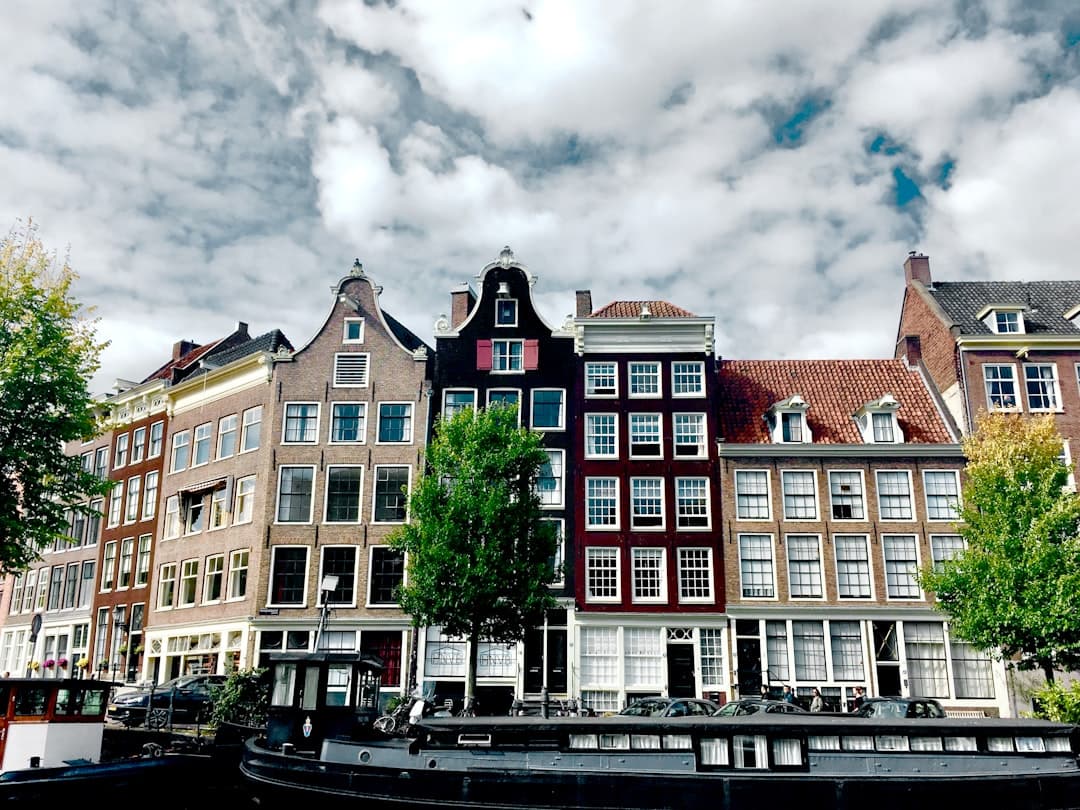
De Pijp is a dense, lively neighbourhood just south of Amsterdam's canal ring, and it's long been the city's most culturally mixed and creatively charged district. Originally built in the late 19th century as working-class housing — the long, narrow streets gave it the nickname 'the Pipe' — it became home to artists, immigrants, and students when rents elsewhere climbed. Today it retains that mongrel energy: Turkish bakeries next to natural wine bars, Indonesian warungs around the corner from Dutch craft beer cafés. It's the neighbourhood where Amsterdam actually lives, rather than poses for photographs.
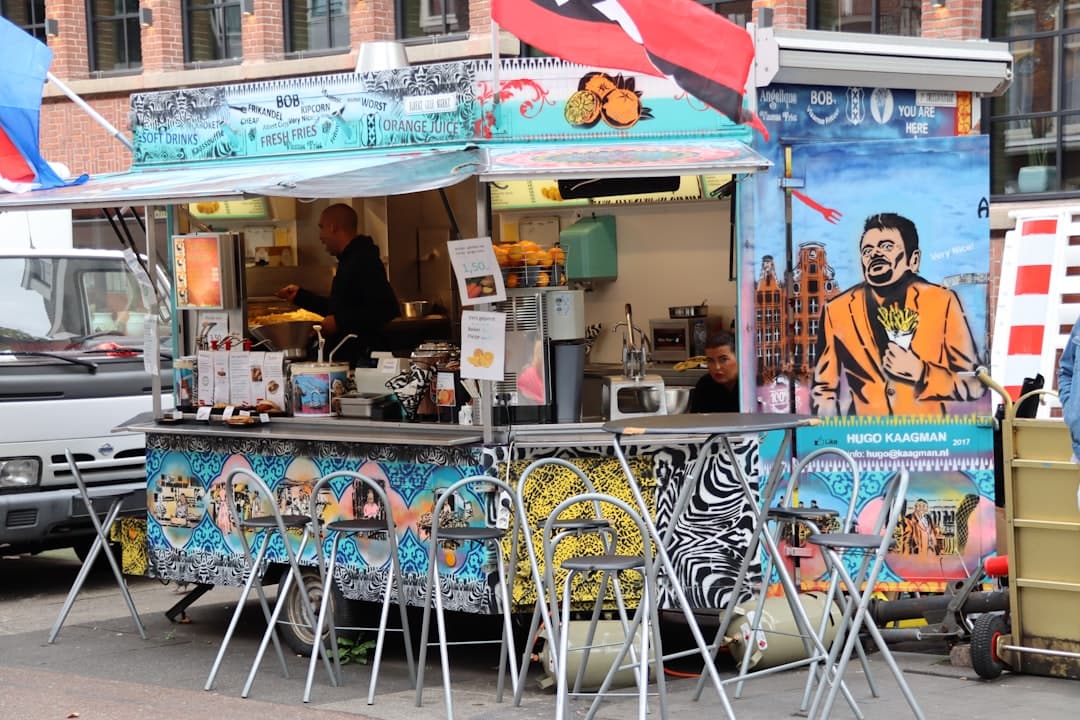
The heart of De Pijp is the Albert Cuyp Market, one of the largest street markets in Europe, running daily (except Sundays) along the main boulevard. You can spend an hour grazing your way down it — stroopwafels straight from the iron, raw herring with pickles, Surinamese roti, fresh stroopwafels, Dutch cheese samples — before ducking into the side streets where the real neighbourhood life happens. The area around Gerard Douplein square is where locals cluster at terraces on warm afternoons. Brouwerij Troost, a craft brewery on Cornelis Troostplein, is a landmark in its own right. Sarphatipark, a small but beautiful Victorian park at the southern end, offers a quiet counterpoint to the market's intensity.
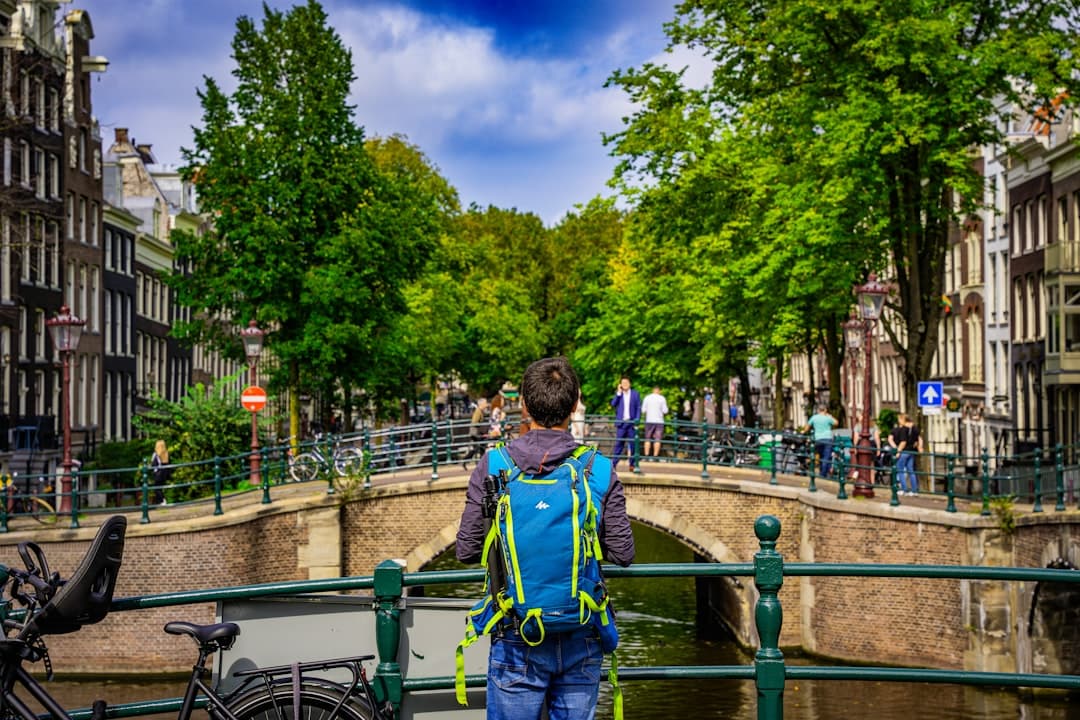
De Pijp rewards wandering over planning. Pick a morning, walk to the Albert Cuyp, eat something you can't identify, then lose yourself in the side streets heading toward Sarphatipark. The neighbourhood is well connected — trams 3, 4, and 24 all run through it — and it sits between the Rijksmuseum area and the Amstel River, making it an easy and excellent addition to any central Amsterdam day.