Dutch Resistance Museum
The human story of Nazi occupation, told through Dutch eyes.
The Dutch Resistance Museum — Verzetsmuseum in Dutch — is one of the most thoughtfully designed history museums in Europe, dedicated to the five years the Netherlands spent under Nazi occupation from 1940 to 1945. It doesn't deal in abstract politics or distant statistics. Instead, it puts ordinary Dutch people at the center: the teachers, printers, clergy, and dock workers who faced impossible choices about how to respond to occupation. Some resisted. Some collaborated. Many tried simply to survive. The museum is honest about all of it.
The main exhibition takes you through the occupation year by year, using reconstructed street scenes, personal documents, secret hiding places, and audio testimonies to recreate what daily life actually felt like. You'll see forged identity cards, illegal underground newspapers, a reconstructed kitchen used to hide Jewish families, and the radio sets people risked their lives to own. The exhibits don't lecture — they present dilemmas and let you sit with them. A separate wing dedicated to children, the Verzetsmuseum Junior, uses the stories of four real children from different backgrounds to make the history accessible to younger visitors without softening it.
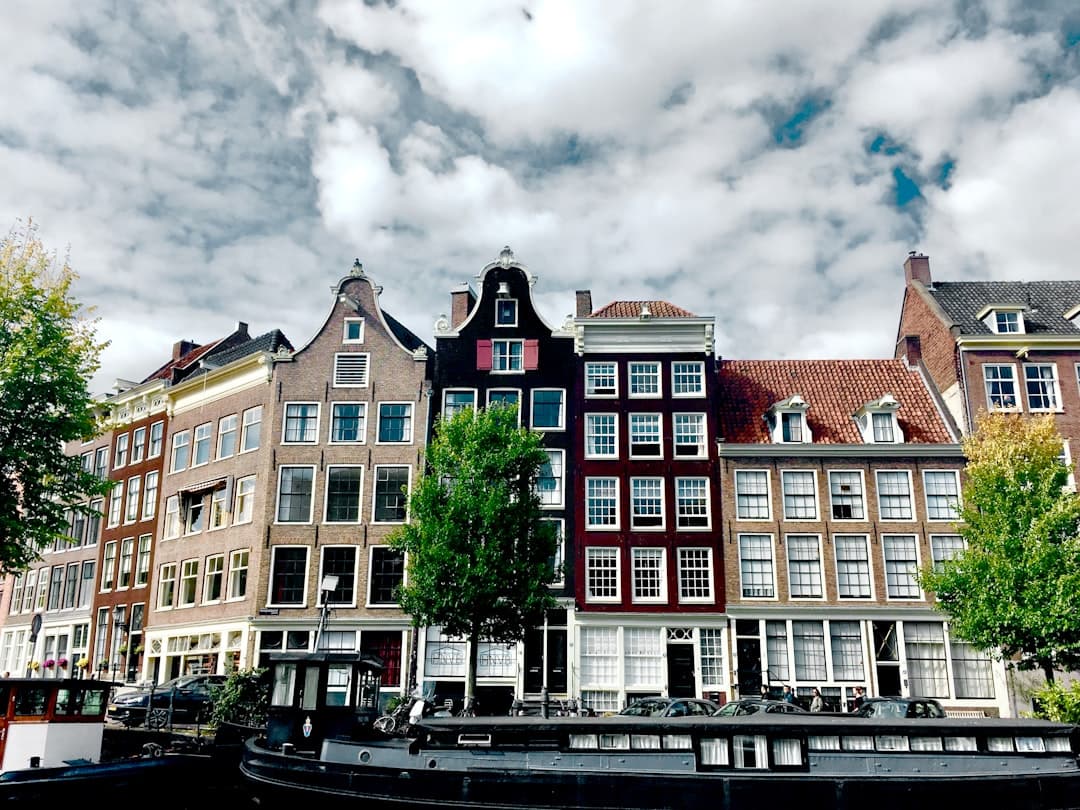
The museum sits in the Plantage neighborhood, close to the Artis zoo and the Hortus Botanicus, in a building that was once a trade union hall — itself a piece of Amsterdam labor history. It's significantly less crowded than the Anne Frank House, covers overlapping history in considerably more depth, and is arguably the more rewarding experience for adults. Plan around two hours. The museum shop has an unusually good selection of books on Dutch wartime history if you want to go deeper.