Feira da Ladra
Lisbon / Feira da Ladra

Feira da Ladra

Lisbon's oldest flea market, spilling across a hilltop square since the 18th century.

🛍️ Shopping🏛️ Sights & Landmarks🎯 Activities & Experiences
🧗 Adventurous🎭 Cultural🗺 Off the beaten path

Feira da Ladra — literally 'Thieves' Market' — is Lisbon's famous open-air flea market, held every Tuesday and Saturday on Campo de Santa Clara, a broad hilltop square in the Alfama district. It's one of the oldest markets in Europe, with roots going back to at least the 12th century, and it has been a fixture of Lisbon life for so long that it barely registers as a tourist attraction to locals — it's simply part of the city's rhythm. The name nods to the market's historical reputation as a place where stolen goods quietly changed hands, though today it's far more innocuous and eclectic.

What you'll actually find is a sprawling, gloriously chaotic mix: genuine antiques and dusty junk in roughly equal measure, vintage Portuguese ceramics, old azulejo tiles, colonial-era African and Asian objects that reflect Portugal's imperial past, used clothing, vinyl records, old cameras, military medals, religious iconography, and endless piles of things that defy categorization. The vendors range from professional antique dealers with well-organized stalls near the church of São Vicente de Fora to informal sellers sitting on blankets at the lower end, surrounded by cardboard boxes of odds and ends. Haggling is expected and perfectly normal — it's part of the experience.

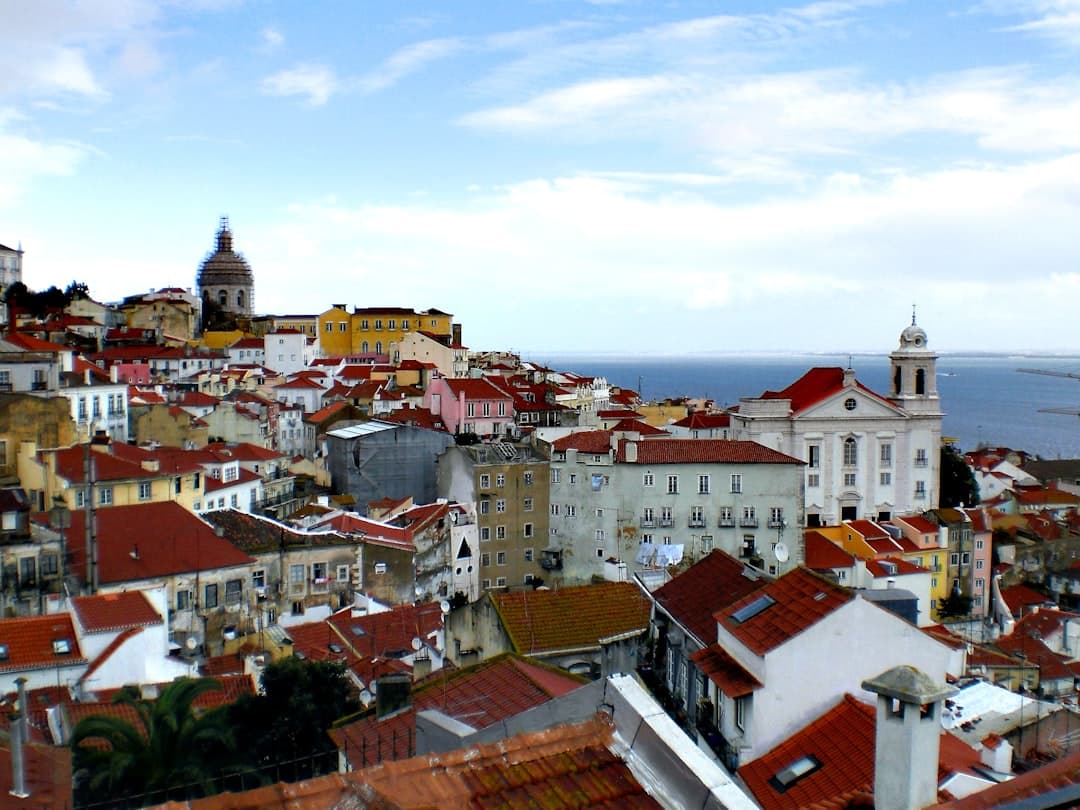
The market runs from around 9am, but the best finds go early — serious collectors and dealers are often there before 9. That said, there's a strong case for arriving mid-morning when the light is good, the stalls are fully set up, and you can grab a coffee and a pastel de nata from one of the cafes on the square's edge. The views from Campo de Santa Clara out over the Tagus river are genuinely beautiful, which makes aimless wandering here feel worthwhile even if you buy nothing at all.
Local Tips

  1. 1

    The upper section near São Vicente de Fora church tends to have more established dealers with better-quality antiques; the lower end near the street is where you'll find the real junk-shop diving.

  2. 2

    Bring cash — euros only, small bills preferred. Almost no vendors accept cards, and there's no ATM on the square itself.

  3. 3

    Bargaining is standard, but be respectful about it. A smile and a reasonable counter-offer go a long way; lowballing aggressively tends to kill the deal.

  4. 4

    Combine the visit with the nearby National Pantheon (also on Campo de Santa Clara) and the church of São Vicente de Fora — both are excellent and a short walk from the market stalls.

When to Go

Best times
Summer (June–August)

The market gets crowded and the hilltop square offers little shade — go early morning before 10am to beat both heat and tourist crowds.

Early morning (before 10am)

The best pieces go quickly; dealers and serious collectors arrive first. Earlier is better if you're hunting for something specific.

Try to avoid
Rainy days

Many vendors don't set up in heavy rain and the market can be sparse or cancelled — check the forecast before making it a special trip.

Why Visit

01

A rare chance to dig through centuries of Portuguese history in physical form — colonial-era objects, vintage tiles, and genuine antiques surface regularly among the clutter.

02

The setting on a hilltop square with sweeping views over the Tagus makes this feel like much more than a market — it's one of the great free afternoons in Lisbon.

03

Unlike many European flea markets that have gone upscale or tourist-facing, this one still operates like a real, lived-in local institution — chaotic, unpredictable, and full of character.