
Eyüp Sultan Mosque
The holiest mosque in Istanbul, built over a companion of the Prophet Muhammad.
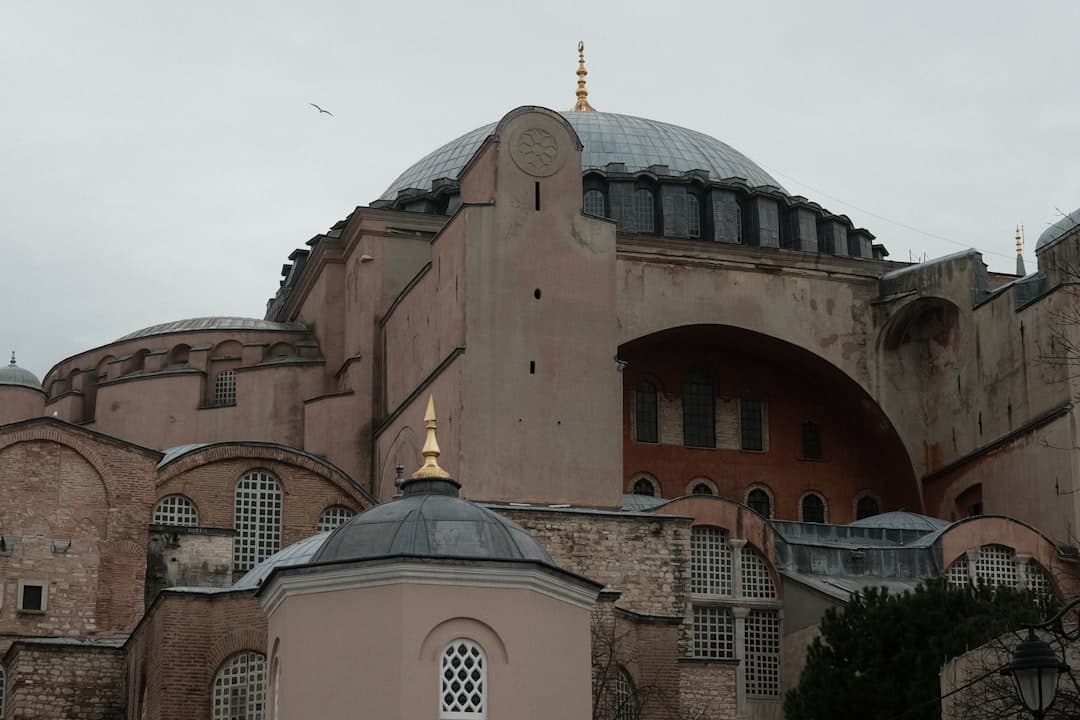
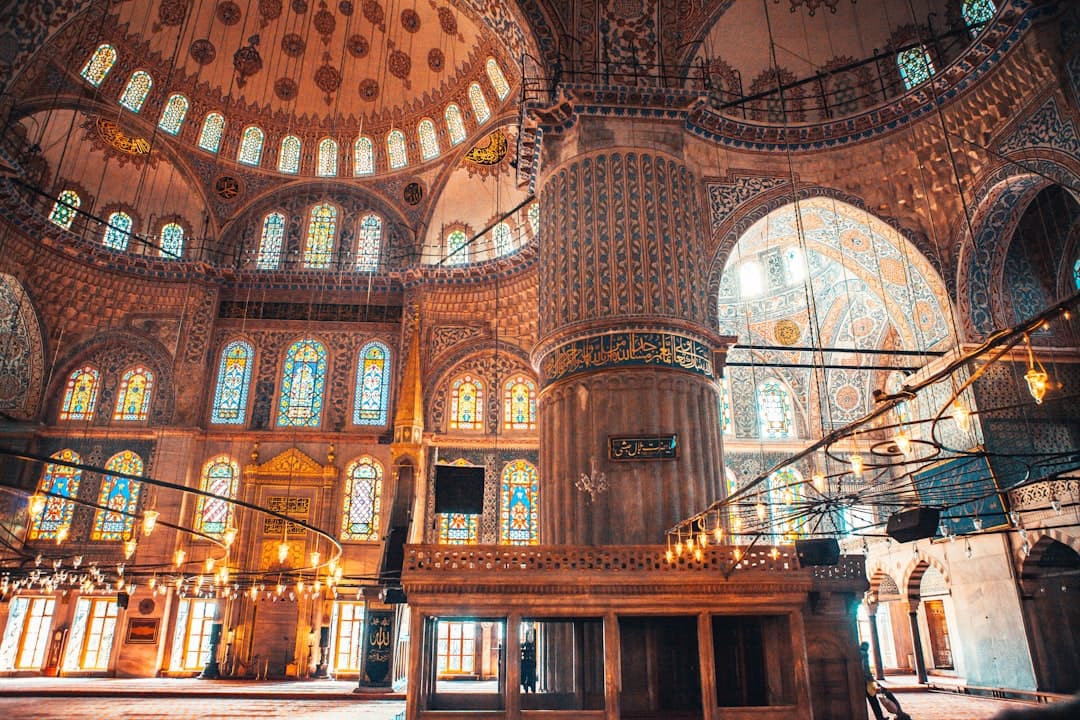
Eyüp Sultan Mosque sits at the top of the Golden Horn, about 5 kilometers northwest of the historic Sultanahmet district, in one of Istanbul's oldest and most deeply religious neighborhoods. It was built by Sultan Mehmed II shortly after the Ottoman conquest of Constantinople in 1453, constructed over the tomb of Eyüp el-Ensari — a companion and standard-bearer of the Prophet Muhammad who died during the Arab siege of Constantinople in 668 AD. For observant Muslims, this makes it the holiest site in Istanbul and one of the most sacred in the entire Islamic world outside of Mecca, Medina, and Jerusalem. The mosque has been rebuilt and expanded over the centuries, with the current structure dating largely from 1800 under Sultan Selim III, featuring white marble, domed courtyards, and elegant Ottoman calligraphy throughout.
Visiting Eyüp Sultan is a genuinely moving experience, even if you have no religious connection to the site. The mosque complex wraps around a serene courtyard filled with enormous plane trees that are centuries old. At the center is the tomb of Eyüp el-Ensari — tiled in Iznik ceramics, glittering with gold and silver offerings, and almost always crowded with worshippers praying quietly. The surrounding neighborhood is equally atmospheric: narrow lanes lined with Ottoman-era graves, vendors selling prayer beads and religious texts, and a stream of pilgrims and local families who treat this as a place of everyday devotion rather than a tourist attraction. From here, you can take a cable car or walk up the hill to the Pierre Loti Café, a hilltop teahouse with sweeping views over the Golden Horn.
Eyüp Sultan is an active, working mosque and one of Istanbul's most attended — Friday prayers draw enormous crowds. Non-Muslim visitors are welcome but should approach with genuine respect: remove shoes, dress modestly, and avoid wandering through during active prayer times. The tomb itself has separate entry queues for men and women. Combine this visit with a walk through the surrounding cemetery, one of the largest and oldest Ottoman graveyards in the city, where elaborate tombstones tell Istanbul's history in stone. Go on a weekday morning for the most contemplative experience.