Grand Bazaar
A 500-year-old labyrinth of 4,000 shops built on commerce, carpets, and controlled chaos.
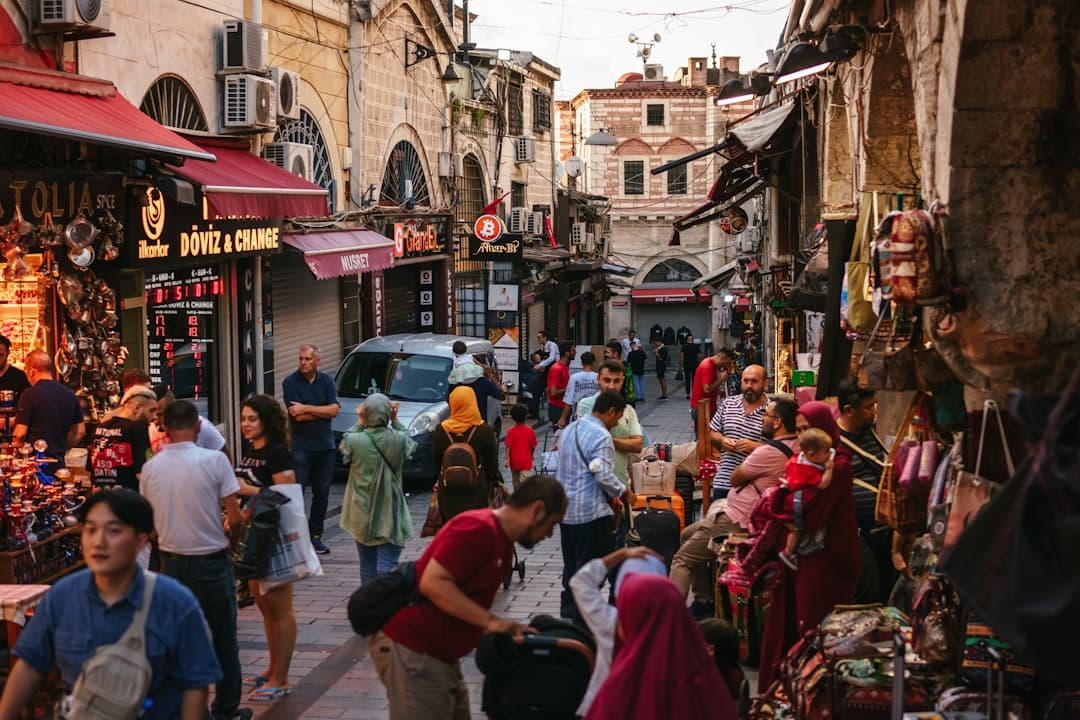
The Grand Bazaar — Kapalıçarşı in Turkish — is one of the oldest and largest covered markets in the world, a sprawling indoor city of over 4,000 shops spread across 61 covered streets in the heart of Istanbul's historic peninsula. Built in the 1450s under Sultan Mehmed II shortly after the Ottoman conquest of Constantinople, it has been a center of trade for more than five and a half centuries. Today it draws somewhere between 250,000 and 400,000 visitors on a busy day, making it one of the most-visited sites on earth — not as a museum, but as a living, working market.
Inside, the scale is genuinely disorienting. The bazaar is organized loosely by trade — jewelers cluster on Kalpakçılar Caddesi, the main boulevard glittering with gold; carpet and kilim dealers occupy deeper sections; leather goods, ceramics, lanterns, spices, and textiles fill the surrounding alleys. You can buy an 18-carat gold bracelet, a hand-painted Iznik tile reproduction, a backgammon set inlaid with mother-of-pearl, or a cup of tea pressed on you by a shopkeeper with no purchase required. The architecture itself is beautiful — domed ceilings, ornate gates, hans (caravanserais) tucked off the main routes — but it rewards wandering rather than sightseeing.
The classic advice is to come with a rough idea of what you want but no rigid plan, and to treat the first day as reconnaissance if you're serious about buying anything. Prices are almost never fixed — bargaining is expected, especially for carpets, leather, and jewelry. The shopkeepers are skilled and friendly, and the tea invitations are genuine hospitality, not obligation. Come on a weekday morning to beat the cruise ship crowds, enter through the Beyazıt Gate near the university, and give yourself time to get lost. The disorientation is part of the experience.