Hagia Sophia
Istanbul / Hagia Sophia

Hagia Sophia

Fifteen centuries of history, three religions, one building that changed the world.

🏛️ Sights & Landmarks🎭 Arts & Entertainment
👨‍👩‍👧 Family-friendly🎭 Cultural

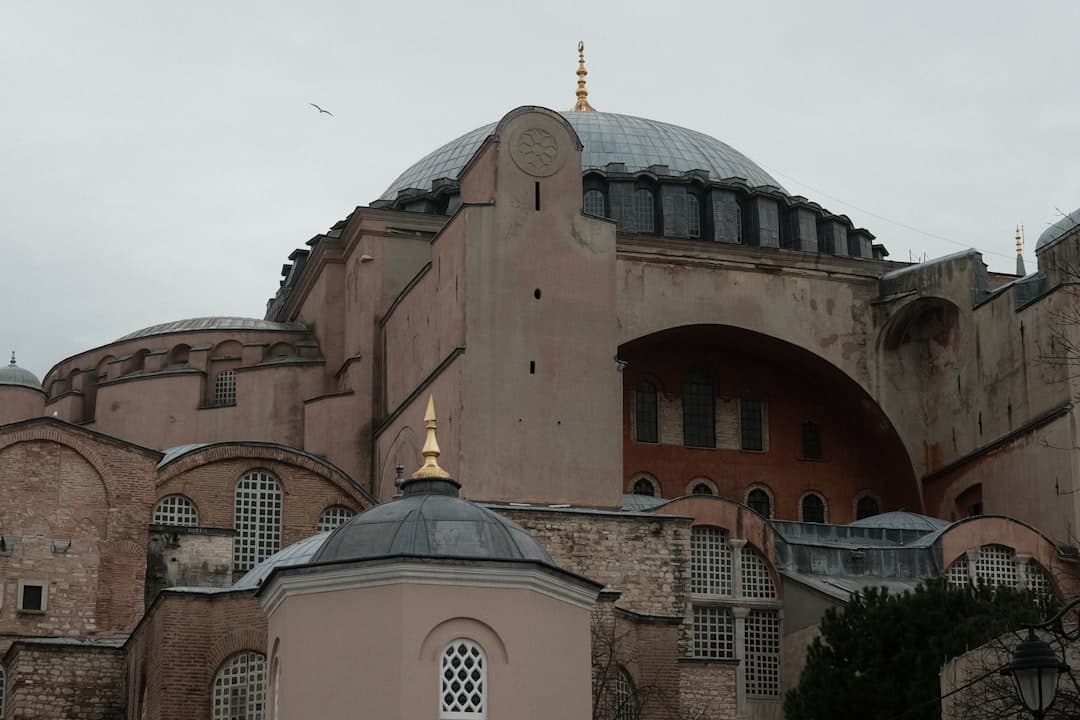
Hagia Sophia is one of the most important buildings ever constructed. Built by the Byzantine Emperor Justinian I in 537 AD, it served as the greatest Christian cathedral in the world for nearly a thousand years, then became a mosque after the Ottoman conquest of Constantinople in 1453, then a museum in 1934 under Atatürk's secular republic, and finally a working mosque again from 2020 onward. That arc alone — Byzantine Christian, Ottoman Islamic, secular monument, living mosque — tells the whole story of Istanbul, a city that has been at the center of civilizations for millennia. The building's central dome, 55 meters high and 31 meters wide, was the largest in the world when it was built and remained so for centuries. Standing inside it, you genuinely feel that.

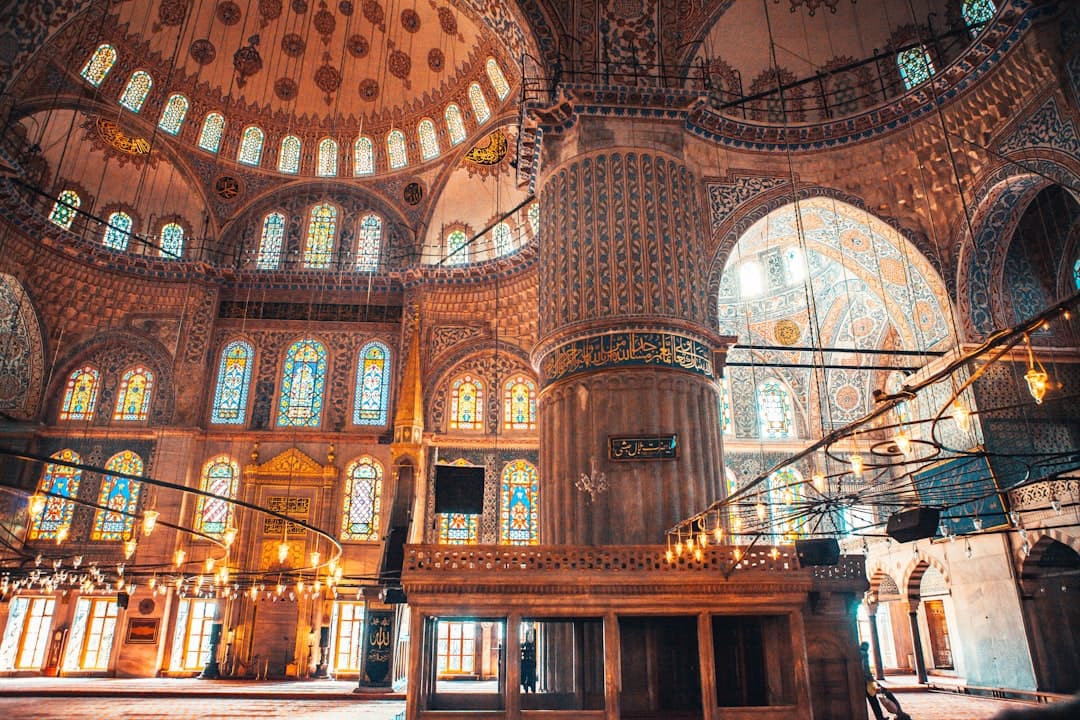
Visitors enter the vast interior where Byzantine gold mosaics coexist with Ottoman calligraphic medallions and the structural bones of Justinian's original engineering. The famous Deësis mosaic in the upper gallery — Christ flanked by the Virgin Mary and John the Baptist — is considered one of the finest examples of Byzantine art in existence, its humanistic rendering far ahead of its time. The upper gallery offers vertiginous views down into the main nave and closer access to the mosaics. Because it is now an active mosque, prayer times punctuate the day and worshippers fill the space during the five daily salat, which is itself extraordinary to witness.

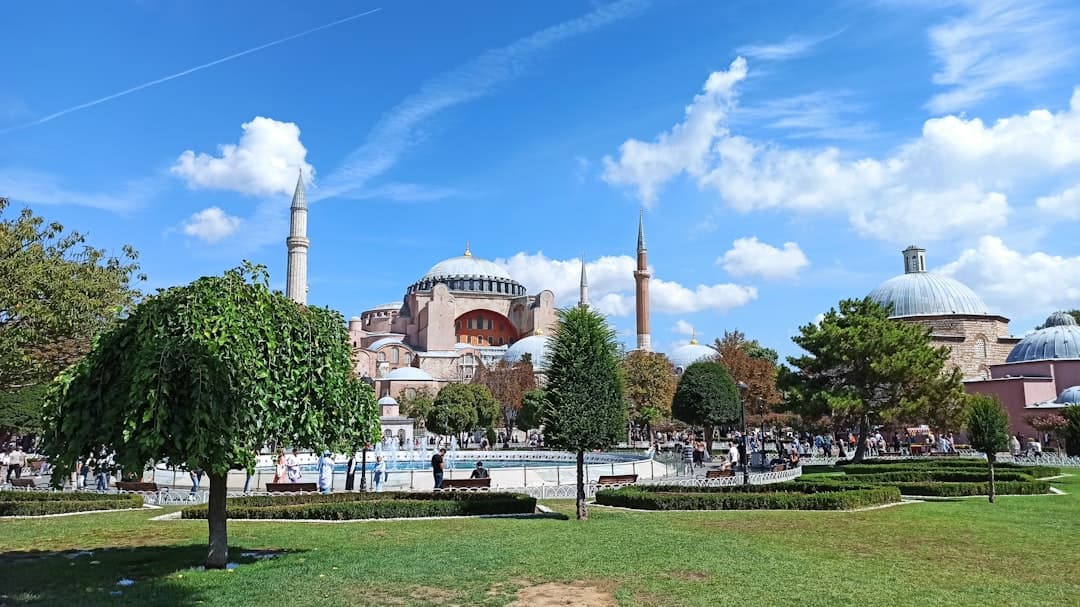
Since its reconversion to a mosque in 2020, non-Muslim visitors are still welcomed but the experience has changed. Entry is free, but certain areas are closed during prayer times and some mosaic zones may have restricted access. The building sits in Sultanahmet Square, directly across from the Blue Mosque, and the area around it is dense with vendors, tour groups, and genuine pilgrims. Come early in the morning — well before 9am if you can — to have any sense of the space before the crowds arrive. Remove shoes before entering and dress accordingly.
Local Tips

  1. 1

    The upper gallery is where the best Byzantine mosaics are, including the Deësis — don't skip it even though the ramp up feels like a detour. It is worth every step.

  2. 2

    Directly outside, aggressive carpet shop touts and 'friendly locals' offering to guide you are a persistent feature of Sultanahmet. A polite but firm refusal and keeping walking is the only strategy.

  3. 3

    The çay (tea) gardens just outside in the square are a good place to decompress after the interior — sit, drink cheap tea, and look back at the building from the outside.

  4. 4

    Hagia Sophia is an active mosque, not a museum — the prayer call (ezan) will sound while you're inside and worshippers will be praying alongside tourists. Treat the space accordingly, keep your voice low, and stay out of the cordoned prayer areas.

When to Go

Best times
Early morning (before 9am)

Tour groups arrive in force by mid-morning. Getting there at opening gives you the interior largely to yourself — the light through the high windows at this hour is also exceptional.

April–May and September–October

Shoulder season brings manageable crowds, pleasant temperatures, and the Sultanahmet area at its most liveable. This is the best window to visit Istanbul and Hagia Sophia in particular.

Try to avoid
July–August

Peak tourist season means the interior can feel dangerously crowded, the surrounding square is relentlessly hot, and queues stretch outside. The experience is significantly diminished.

Friday midday prayer

The main Friday prayer draws large numbers of worshippers and non-Muslim visitors are typically asked to wait outside during this time. Plan around it or embrace it as a cultural moment.

Why Visit

01

The dome is a genuine engineering marvel — standing beneath it, knowing it was built in the 6th century, is a quietly staggering experience that photographs cannot prepare you for.

02

The layering of Byzantine mosaics and Ottoman Islamic art in a single space is found nowhere else on earth — it is a physical record of 1,500 years of history.

03

Entry is free, which for a site of this global significance feels almost implausible — it is one of the great bargains in all of travel.