Empire State Building
The skyline icon that defined New York's ambition, floor by floor.
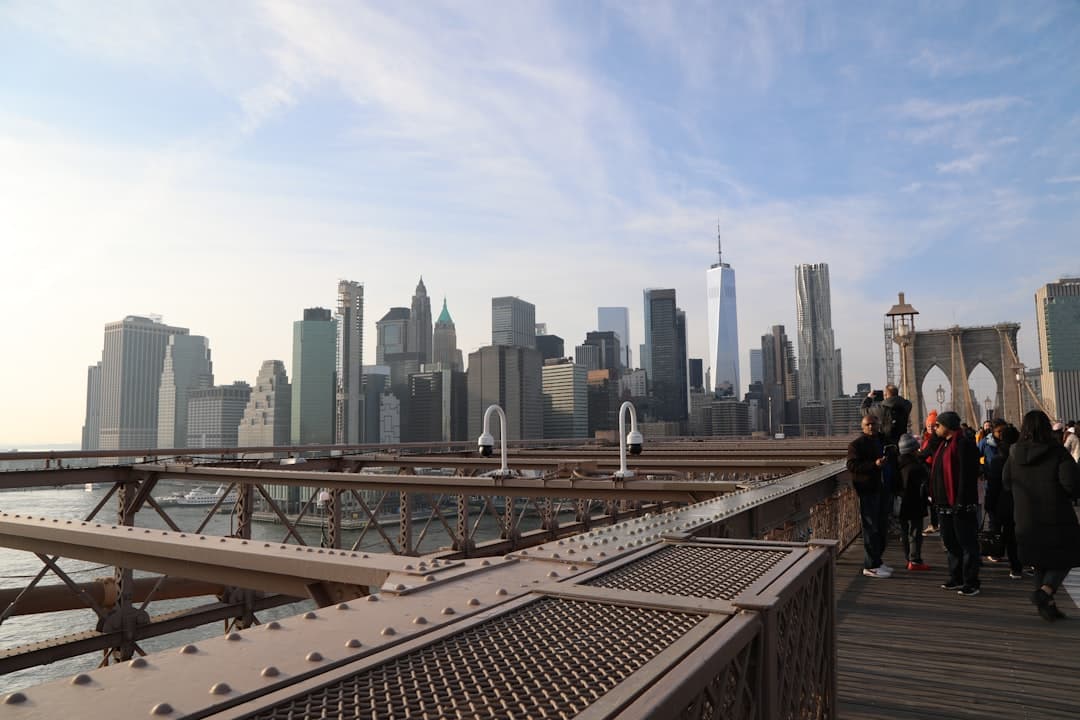
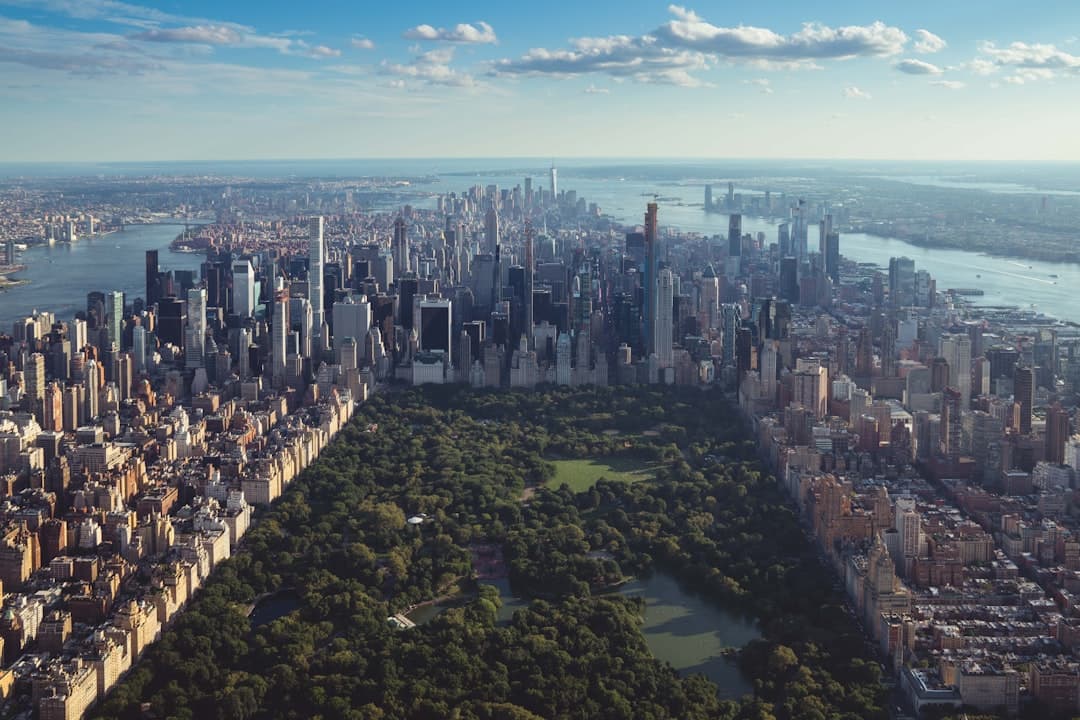
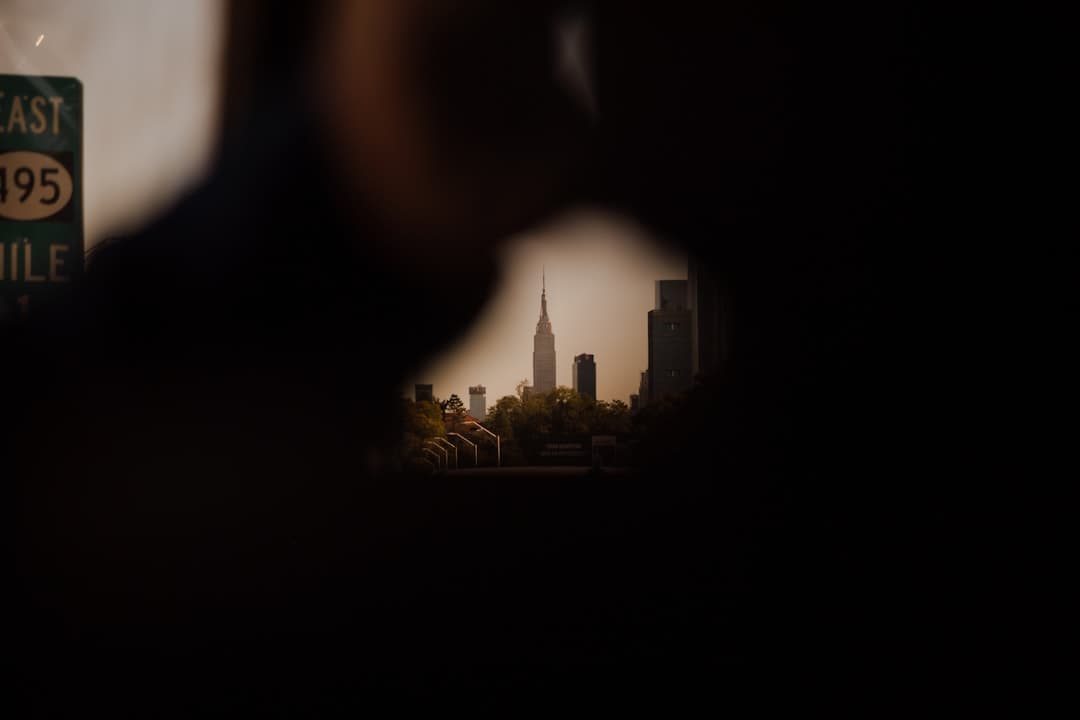
The Empire State Building is one of the most recognizable structures on earth — a 102-story Art Deco skyscraper that opened in 1931 and held the title of the world's tallest building for nearly 40 years. Built during the Great Depression at a pace of roughly four and a half floors per week, it became an instant symbol of New York's refusal to be knocked down. It sits in Midtown Manhattan at 34th Street and Fifth Avenue, and its stepped limestone and granite silhouette, crowned by a broadcast tower and nightly light displays, is the building most people picture when they think of New York.
Visitors ride elevators to two main observation decks: the main deck on the 86th floor, which has both indoor and outdoor wrap-around terraces with 360-degree views of Manhattan, the Hudson and East Rivers, and on clear days, five states; and the Top Deck on the 102nd floor, an enclosed glass observatory with the highest sightlines. The 86th floor is the classic experience — you're standing on the same open-air terrace where Cary Grant waited in An Affair to Remember, where King Kong swatted biplanes, where millions of tourists have pressed their faces into the wind and finally understood what the fuss is about New York. The building also houses a permanent exhibit on its own construction history, which is genuinely worth your time.
Crowds are a real factor here — this is one of the most visited paid attractions in the United States. Buying timed-entry tickets in advance online is non-negotiable if you want to avoid queues that can stretch over an hour. The sweet spot for visiting is either early morning when doors open or, better yet, in the evening when the city lights up below you and the atmosphere shifts from tourist stampede to something genuinely cinematic. The 86th floor after dark is one of the great free-standing experiences in New York.