Grand Central Terminal
New York's grandest train station doubles as a breathtaking civic monument.
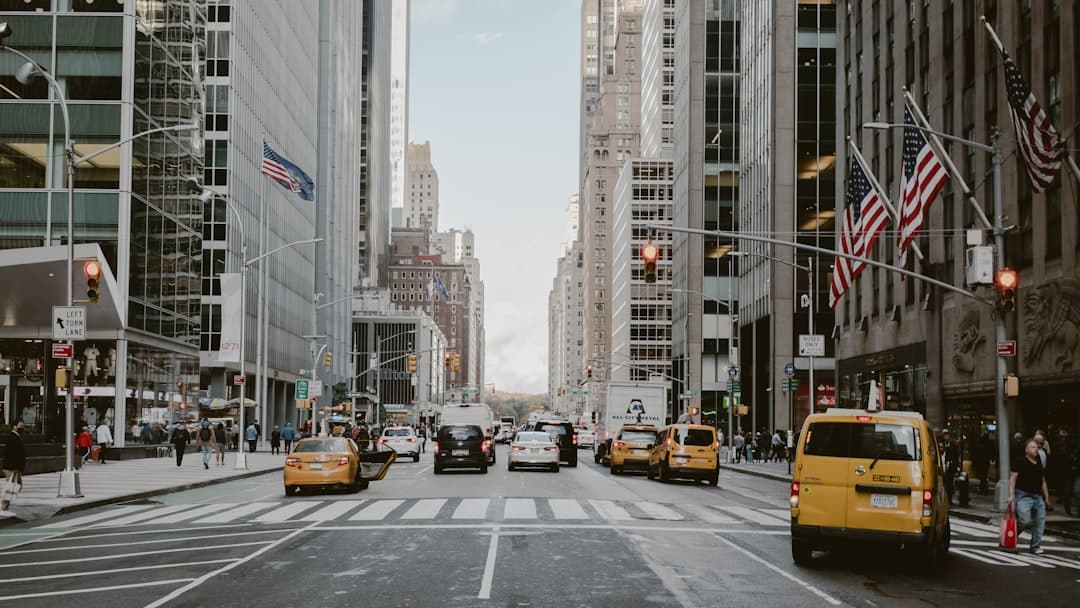
Grand Central Terminal is one of the most famous train stations in the world, and also one of the most beautiful buildings in New York City. Opened in 1913 and built in the Beaux-Arts style, it sits at the intersection of Park Avenue and 42nd Street in Midtown Manhattan. The terminal was nearly demolished in the 1960s before a landmark preservation battle — famously championed by Jacqueline Kennedy Onassis — saved it. Today it serves Metro-North Railroad commuters heading to the suburbs of New York and Connecticut, but it draws millions of visitors who come purely to stand inside it and look up.
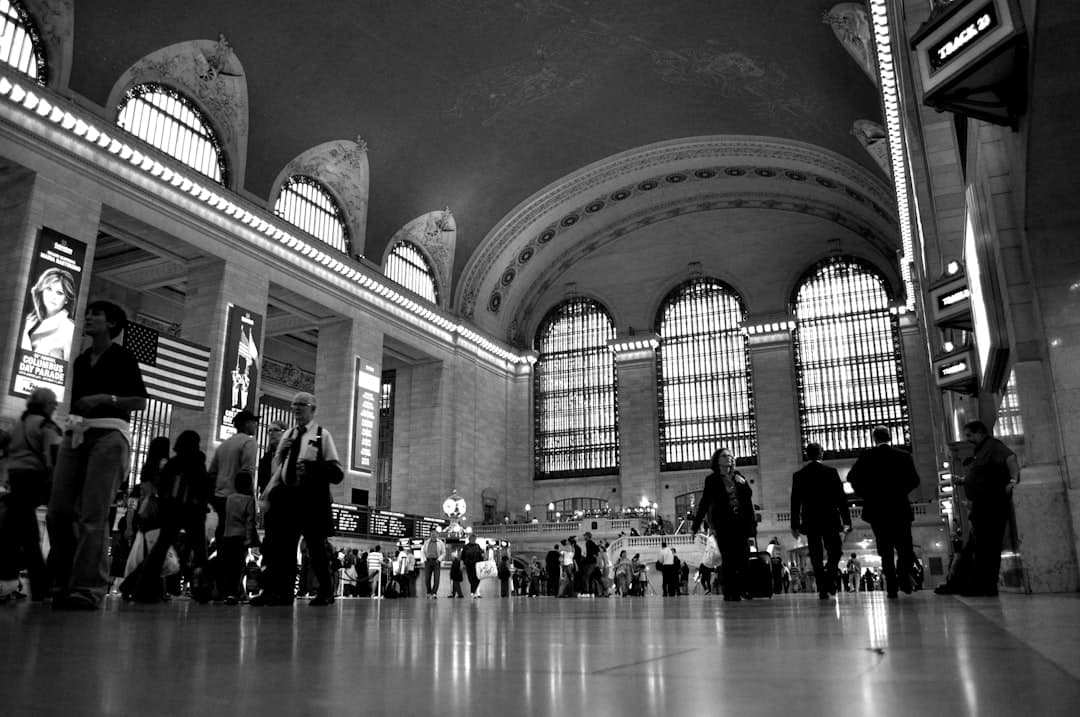
The Main Concourse is the heart of the experience: a vast, cathedral-like hall with a 125-foot vaulted ceiling painted turquoise-green and studded with constellations in gold leaf. The famous four-faced opal clock sits atop the information booth at the center of the floor, and the diagonal beams of light that fall through the arched south windows on certain mornings have been photographed millions of times. Beyond the spectacle, the terminal is genuinely lively — there are dozens of restaurants and food vendors in the lower-level dining concourse, a year-round market in Vanderbilt Hall, and the whispering gallery outside the Oyster Bar where you can stand in opposite corners and hear each other perfectly across the room.
The terminal is free to enter and open to the public, though it functions as a working transit hub so it can get extremely crowded during morning and evening rush hours on weekdays. Free guided tours run on most Fridays at 12:30pm, departing from the Main Concourse. The Oyster Bar & Restaurant, which has been operating in the lower level since 1913, is one of New York's great old-school dining institutions and worth a meal or at least a drink at the counter. Come early on a weekday morning or on a weekend afternoon for the best chance of experiencing the space without feeling like a sardine.