
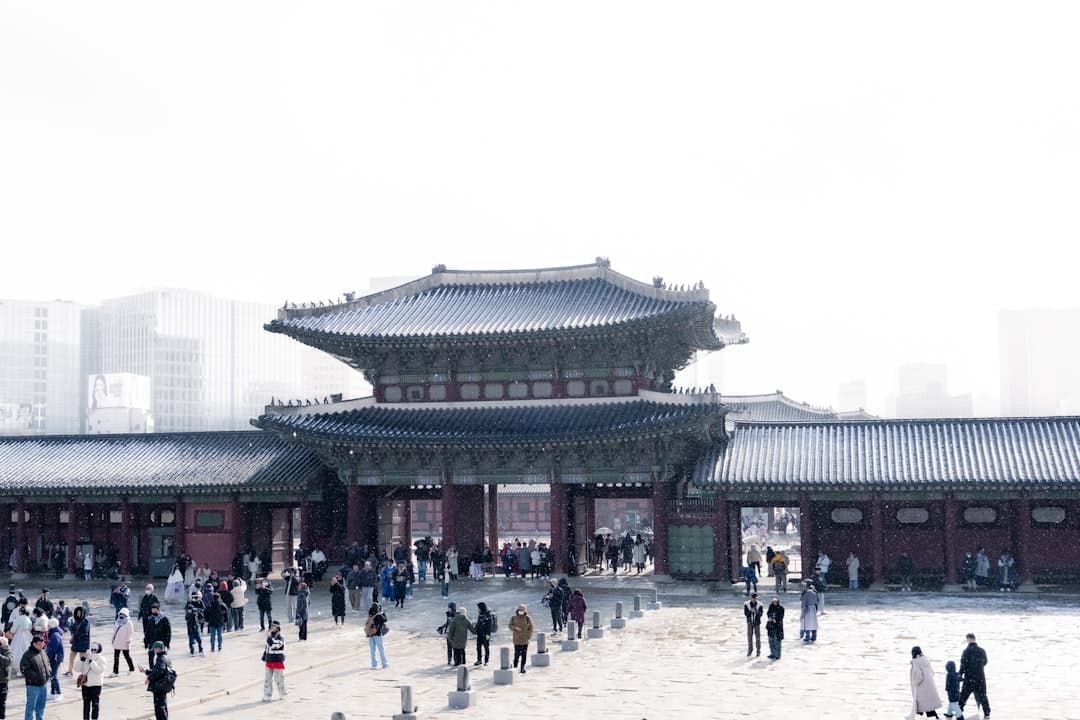
Bukchon Hanok Village
Seoul / Bukchon Hanok Village

Bukchon Hanok Village

600-year-old tile-roofed homes packed into Seoul's most photographed hillside neighborhood.

🏛️ Sights & Landmarks🎭 Arts & Entertainment🏘️ Neighborhoods
👨‍👩‍👧 Family-friendly🎭 Cultural🌹 Romantic

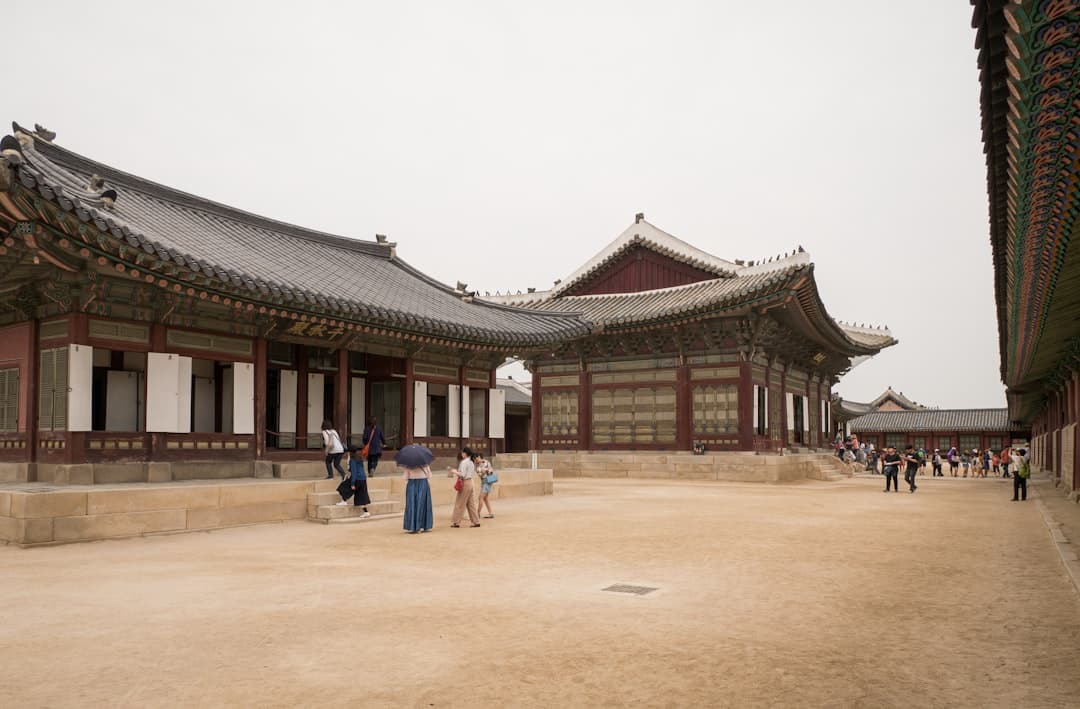
Bukchon Hanok Village is a dense cluster of traditional Korean houses — hanok — that has survived intact on the hillside between Gyeongbokgung and Changdeokgung palaces in the heart of Seoul. While most of Korea's old residential architecture was demolished during the 20th century, Bukchon's roughly 900 hanok have been preserved and, in many cases, restored, giving the neighborhood an atmosphere unlike anywhere else in the city. These aren't museum reconstructions — many are lived in, and some have been converted into guesthouses, tea houses, small galleries, and craft workshops.

The experience is essentially a walk. The village is built on steep terrain, and the main draws are the famous viewpoints — particularly the rise on Gahoe-ro 11-gil where you look down over a sea of curved grey rooftiles with the Seoul skyline and N Seoul Tower visible in the distance. That view is one of the most reproduced images in all of Korean tourism. Beyond the photo spots, you wander narrow stone-paved alleys between low earthen walls, peek into courtyards, and occasionally stop into a traditional tea house or a shop selling hanji paper crafts or celadon ceramics. It rewards slow, aimless walking.

The honest practical reality: Bukchon is extremely popular, especially on weekends, and the village is still a functioning residential area. Residents have posted signs and even staged protests about noise and privacy intrusions, and the local government has responded with designated quiet hours and visitor management measures — including the posted 10am–5pm visiting guidelines, which are aimed at protecting residents rather than restricting access to the streets themselves. Come on a weekday morning for dramatically thinner crowds, and treat the neighborhood like someone's home, not a theme park. The alleys around Gahoe-dong and Gyedong are the most rewarding areas to explore beyond the main viewpoint.
Local Tips

  1. 1

    The famous rooftile viewpoint on Gahoe-ro 11-gil draws crowds constantly — arrive before 10am on a weekday to get the shot without thirty tourists in the frame.

  2. 2

    The village is hilly and the alleys are paved with uneven stone — comfortable shoes with grip are a genuine practical necessity, not just a suggestion.

  3. 3

    Residents have posted bilingual signs asking visitors to keep noise down and not peer into private courtyards. Following these requests isn't just courtesy — enforcement has increased and the area is actively monitored.

  4. 4

    After the village, walk downhill toward Samcheong-dong road for excellent independent coffee shops and galleries, or head toward Insadong for traditional craft shopping — both are under 10 minutes on foot.

When to Go

Best times
Autumn (October–November)

Ginkgo and maple trees turn gold and red along the surrounding streets and palace grounds, adding color to the rooftile views and making for exceptional photography.

Spring (April)

Cherry blossoms frame the alleys and the nearby palace walls, and the mild weather makes the uphill walking comfortable. One of the best times to visit.

Weekday mornings (opening–noon)

The village is dramatically quieter before tour groups arrive. You can have the famous viewpoint almost to yourself and get clean photographs.

Try to avoid
Summer weekends (July–August)

Peak heat combined with peak tourist season makes the narrow uphill alleys genuinely unpleasant — hot, crowded, and loud. Weekday mornings are still manageable.

Weekend afternoons

The most crowded time by far, with lines forming at the main viewpoints. Residents have formally complained about noise and crowding during these periods.

Why Visit

01

The rooftile panorama from Gahoe-ro 11-gil is one of the genuinely iconic views in East Asia — a sweep of 600-year-old architecture against the modern Seoul skyline.

02

It's one of the few places in Seoul where traditional Korean residential architecture survived wholesale, giving you a tangible sense of what the city looked like before rapid modernization.

03

The surrounding area puts you walking distance from two of Korea's greatest royal palaces, the Insadong antiques street, and the galleries of Samcheong-dong — making it a natural anchor for a full day of cultural Seoul.