
Changdeokgung Palace
Seoul / Changdeokgung Palace

Changdeokgung Palace

A royal palace where centuries-old architecture meets one of Seoul's great secret gardens.

🏛️ Sights & Landmarks🌿 Nature & Outdoors🎯 Activities & Experiences
🌿 Relaxing🎭 Cultural🌹 Romantic

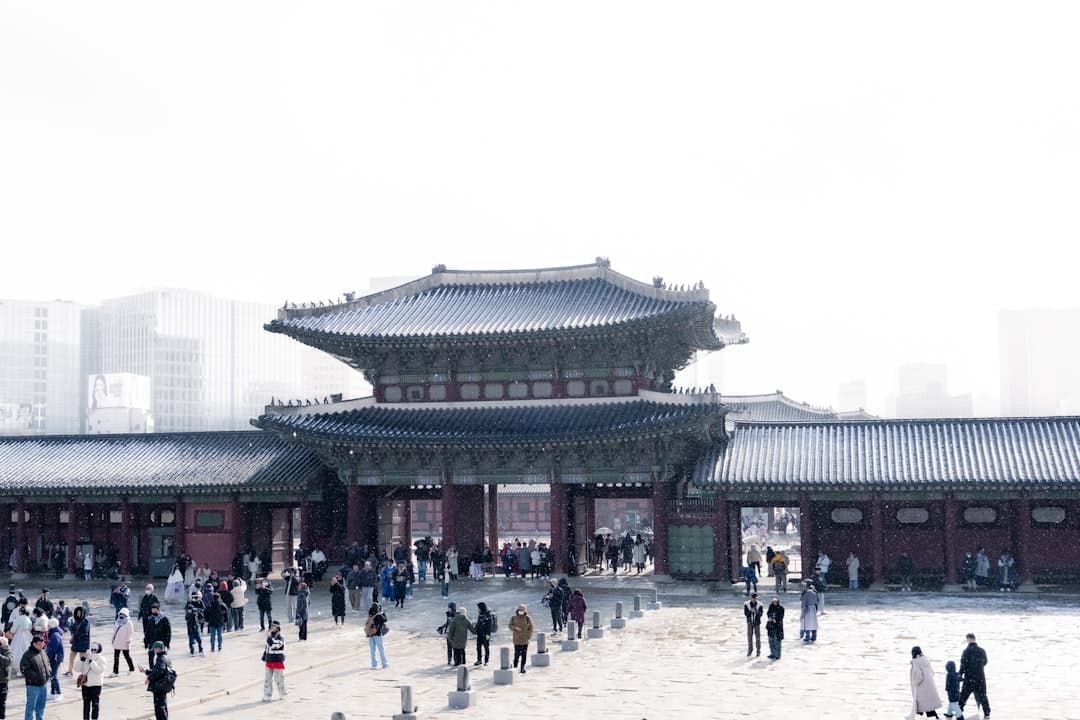
Changdeokgung is one of Seoul's Five Grand Palaces, built in 1405 as a secondary royal residence during the Joseon Dynasty. Unlike the more formal and symmetrical Gyeongbokgung down the road, Changdeokgung was designed to flow with the natural landscape rather than impose upon it — buildings follow the contours of the hillside, and the whole complex has a more intimate, lived-in feel. It's a UNESCO World Heritage Site, recognised not just for its architecture but for how harmoniously the structures sit within their environment.

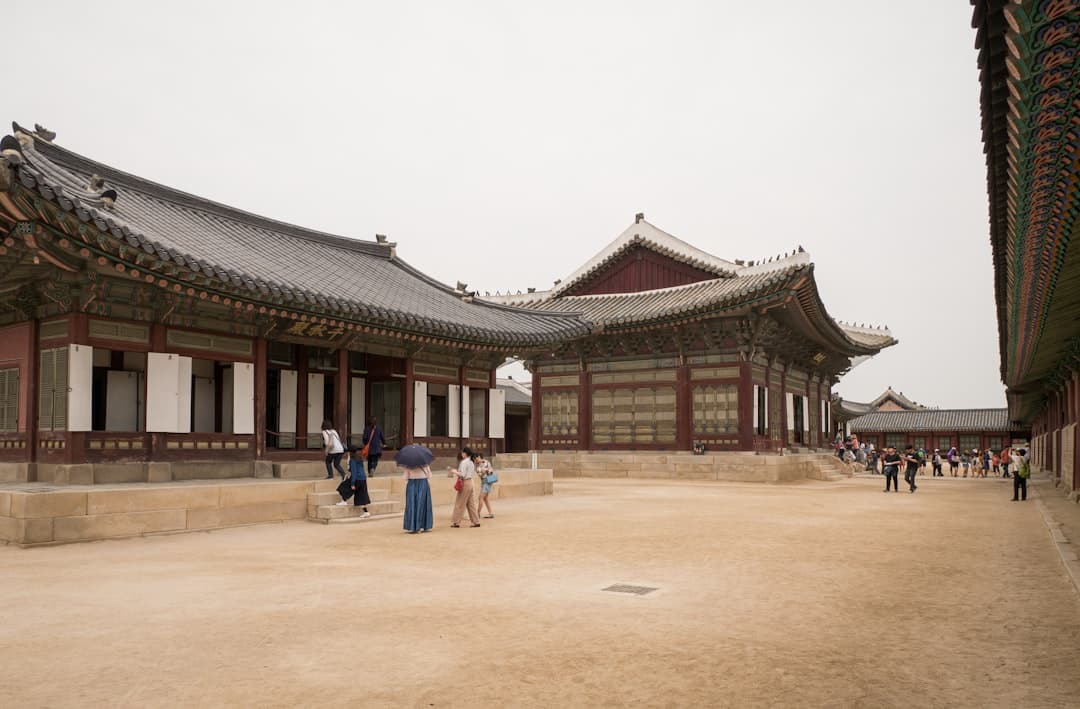
The palace grounds are split into two main areas. The palace buildings themselves — including the ornate Injeongjeon throne hall and the graceful Nakseonjae complex — are open to all visitors during normal hours. But the real prize is Huwon, the so-called Secret Garden: a 78-acre landscape of pavilions, lotus ponds, ancient trees, and winding paths that sits behind the palace walls. Huwon requires a separate ticket and is only accessible by guided tour, with group sizes limited to preserve the atmosphere. The pavilion at Buyongji Pond, reflected in still water and ringed by maples, is one of the genuinely beautiful sights in all of Seoul.

Come on a weekday if you can — the Secret Garden tours fill up quickly on weekends, especially in autumn. Tours run in Korean and English at set intervals throughout the day, and the English-language tour is usually less crowded. Buying your ticket online in advance is strongly advisable for the garden portion. The surrounding Bukchon Hanok Village is a short walk away, making this a natural pairing for a half-day in the old city.
Local Tips

  1. 1

    The English-language Huwon tour runs less frequently than the Korean one — check the schedule before you go and arrive at least 15 minutes early, as latecomers are not admitted.

  2. 2

    The main palace buildings can be visited without a guided tour during open hours, so you can explore Injeongjeon and Nakseonjae at your own pace before or after the Secret Garden tour.

  3. 3

    Combine this visit with a walk through nearby Bukchon Hanok Village — it's a 10-minute stroll east and gives you a picture of how ordinary Joseon-era households lived alongside the royal court.

  4. 4

    Night tour tickets (Moonlight Tour) are released seasonally and sell out almost immediately — check the official site months in advance if you want the candlelit evening experience in Huwon.

When to Go

Best times
Late October – Early November

Peak autumn foliage transforms the Secret Garden into its most spectacular state — reds, golds, and oranges reflect in the lotus ponds. The most popular and crowded time of year.

April – Early May

Spring brings cherry blossoms and fresh green growth throughout the grounds. Crowds are smaller than autumn and the light is gentle — a lovely time to visit.

Winter (December – February)

The palace is quiet and uncrowded, and snow on the tiled rooftops is genuinely beautiful. Dress warmly — Huwon tours still run in cold weather.

Try to avoid
July – August

Summer heat and humidity make outdoor exploration uncomfortable, and monsoon rains can disrupt tours. Some paths in Huwon may be slippery.

Why Visit

01

The Secret Garden (Huwon) is a hidden landscape of pavilions and forest trails that most visitors to Seoul never properly explore — it's a rare pocket of calm inside a megacity.

02

The palace's Joseon-era throne hall, Injeongjeon, is one of the best-preserved royal audience halls in Korea, with original dancheong paintwork still vivid on the wooden eaves.

03

Autumn foliage here is some of the most spectacular in Seoul — the maples and ginkgos surrounding Buyongji Pond turn the Secret Garden into something that looks like a painted scroll.