Gyeongbokgung Palace
The grand heart of Joseon dynasty Korea, still standing in central Seoul.
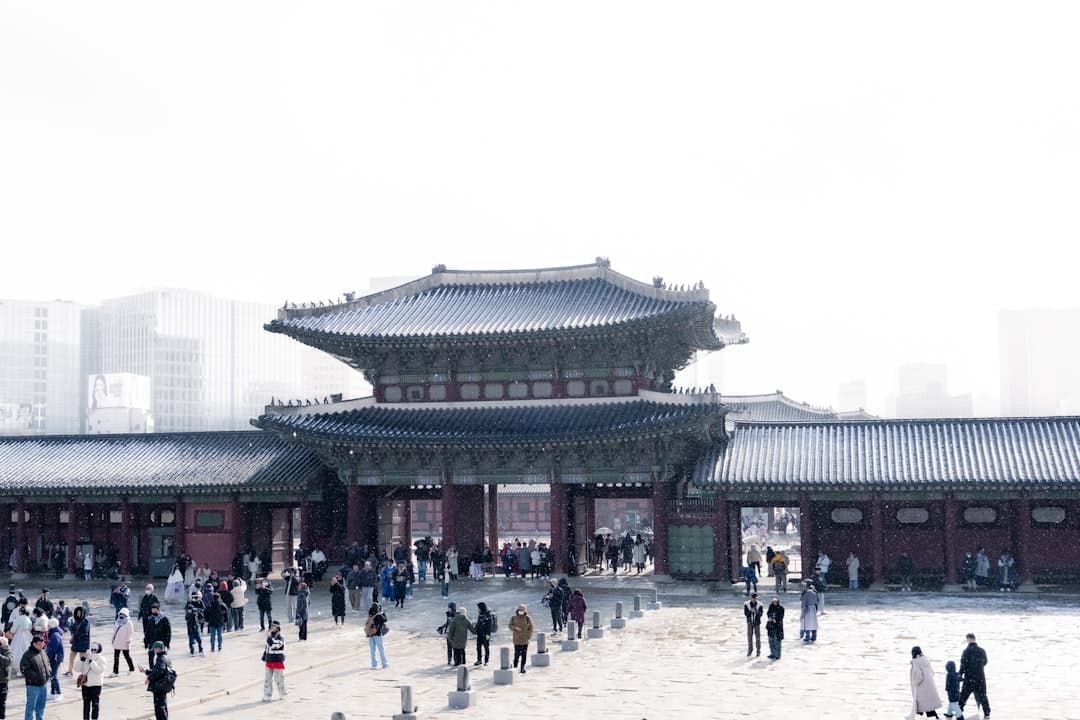
Gyeongbokgung is Seoul's largest and most historically significant royal palace, built in 1395 as the main seat of the Joseon dynasty — the ruling power of Korea for over 500 years. Destroyed twice by Japanese forces and largely left in ruins through much of the 20th century, it has been painstakingly restored since the 1990s and now stands as one of the most powerful symbols of Korean national identity. The name translates roughly to 'Palace Greatly Blessed by Heaven,' and walking through its main gate, Gwanghwamun, still carries a ceremonial weight that no amount of tourist crowds can fully dilute.
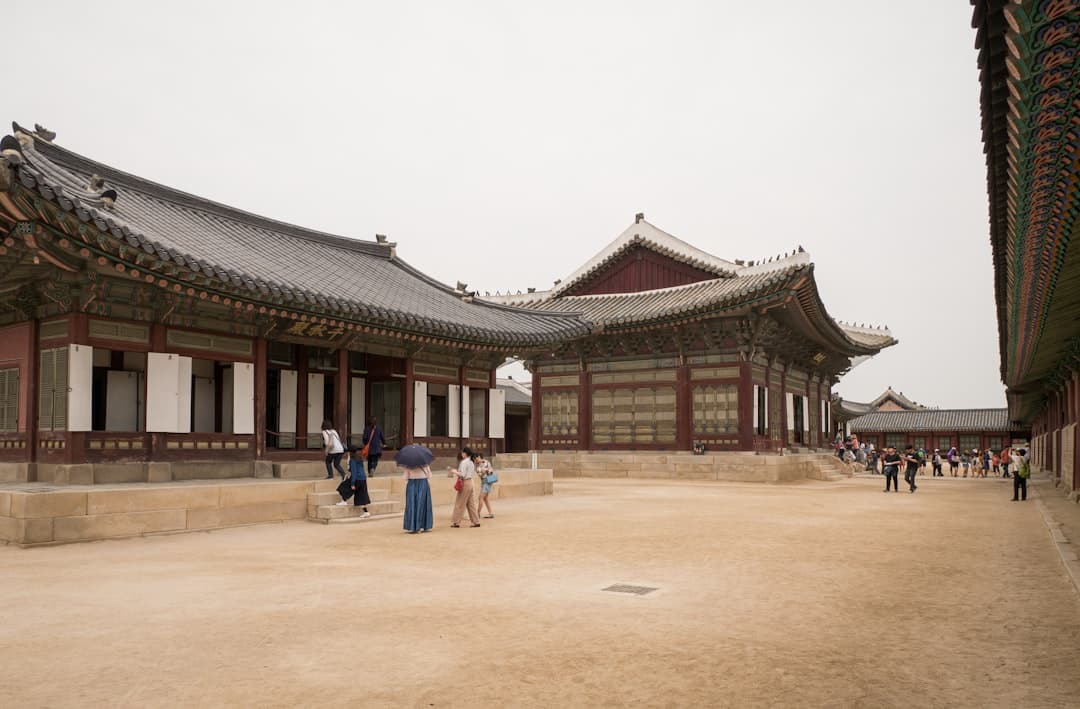
The complex covers a vast area and contains dozens of buildings, pavilions, and gardens. The centerpiece is Geunjeongjeon, the throne hall where kings were crowned and received foreign envoys — a tiered stone terrace building surrounded by ranked stone markers that once indicated where officials stood by rank. Behind it, you'll find the National Folk Museum and the National Palace Museum of Korea (both on the grounds), the serene Hyangwonjeong pavilion floating on a small lotus pond, and the striking rear garden areas. The changing of the guard ceremony at Gwanghwamun Gate is performed several times daily and is genuinely theatrical — full historical costume, drums, and choreography.
Come early on weekday mornings to get the wide courtyards largely to yourself — by midday on weekends the place fills up considerably. If you're wearing hanbok (traditional Korean dress), entry is free, and rental shops cluster just outside the palace gates, so many visitors arrive already dressed. Gyeongbokgung station on subway Line 3 deposits you almost directly at the front gate. Budget at least a half day if you plan to visit both onsite museums, or two to three hours if you're focused on the palace itself.