
All Places
1,073 places around the world
1,073 places · page 10 of 45
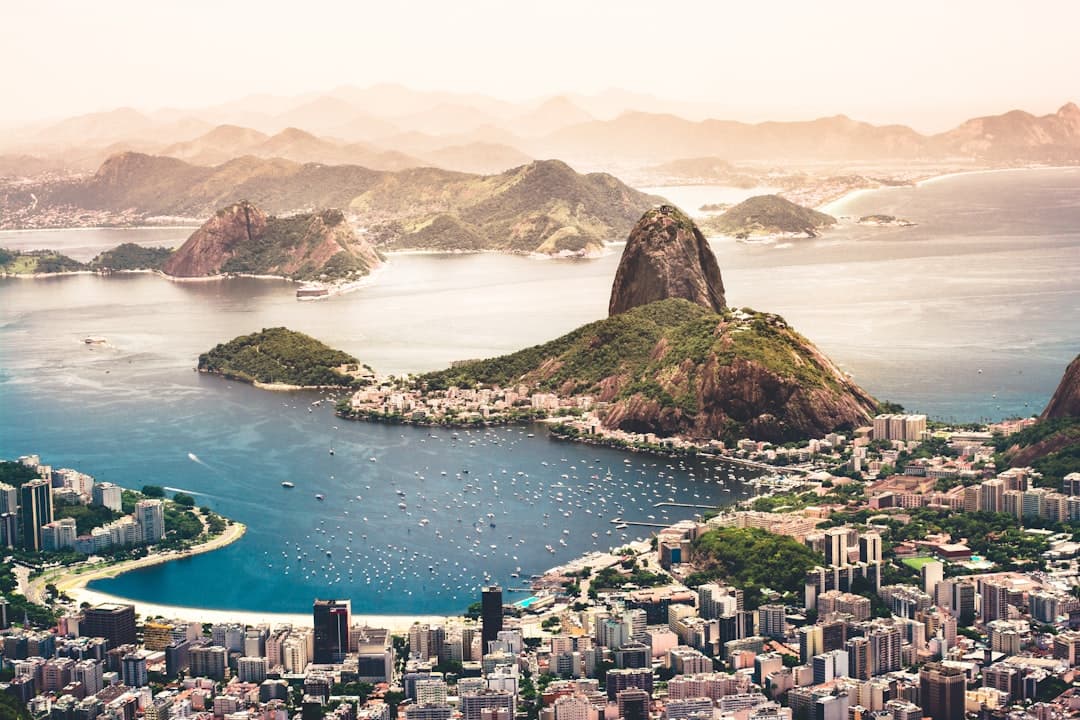
Copacabana Beach
Copacabana Beach is a four-kilometer crescent of golden sand in Rio de Janeiro's South Zone, backed by a mosaic-patterned promenade and a wall of mid-century hotels and apartment buildings. It became one of the world's most recognizable beaches in the 20th century — a place so woven into Brazilian popular culture that it has its own samba, its own mythology, and its own way of life. What makes it extraordinary isn't just the scenery, though the setting between green hills and a churning Atlantic is genuinely dramatic — it's the sheer democracy of the place. On any given day, teenagers playing footvolley next to retirees doing calisthenics next to vendors grilling queijo coalho on skewers next to a wedding photo shoot feels entirely normal here. The beach itself is divided into informal sections called postos, numbered 1 through 6, each with its own social character. Posto 6, at the Leme end, tends to be quieter and more neighborhood-oriented. Postos 4 and 5, in front of the Copacabana Palace hotel, draw a more mixed crowd. On the promenade, the famous calçadão — designed with its black-and-white wave pattern by Roberto Burle Marx — stretches the full length of the beach and becomes a morning parade of joggers, cyclists, and dog walkers. The water can be rough and the undertow serious, so swimming is best left to the stretches marked by lifeguards. Mostly, though, people come to see and be seen, to buy a cold Skol from a beach vendor, and to spend an afternoon doing absolutely nothing at pace. Mornings before 10am are the sweet spot — cooler, less crowded, and genuinely beautiful as the light comes off Sugarloaf Mountain to the west. Avoid taking valuables onto the sand; petty theft is a real concern and the beach's reputation on that front is well earned. The vendors roaming the sand sell everything from açaí bowls to sarongs, and bargaining is acceptable and expected. The promenade's kiosks — barraquinhas — are a good, cheap option for beer, coconut water, and snacks without having to leave the action.
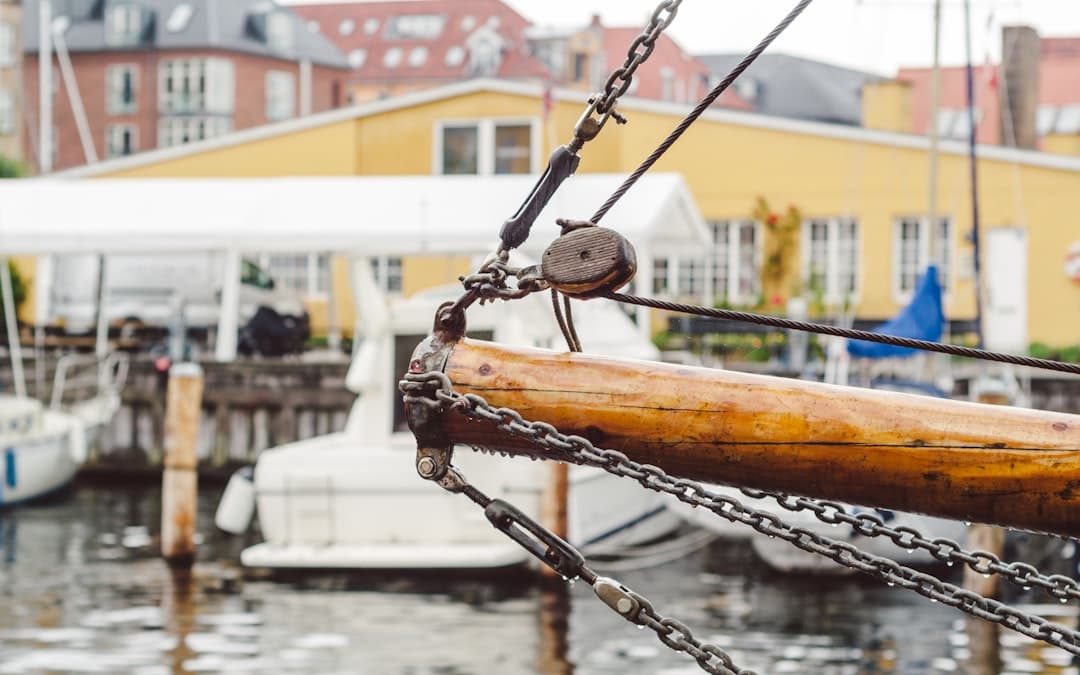
Copenhagen Botanical Garden
The Copenhagen Botanical Garden sits on a generous 10-hectare plot just east of the Rosenborg Castle gardens, and it has been the living laboratory of the University of Copenhagen since 1874. That's not just a historical footnote — it means the collection here is serious and deep, with over 13,000 plant species represented across outdoor beds, themed gardens, and a cluster of historic glasshouses. The crown jewel is the Palm House, a grand Victorian iron-and-glass structure from 1874 that wouldn't look out of place in Kew Gardens, and it's one of the finest buildings of its kind in northern Europe. In practice, visiting means wandering at your own pace through an unusually varied landscape. The rock garden is one of the largest in Scandinavia, the medicinal plant beds have a quiet scholarly charm, and the outdoor collections shift dramatically with the seasons — tulips and cherry blossoms in spring, a riot of colour through summer, and a strangely beautiful stillness in winter. The Palm House and the neighbouring glasshouses (which include a cactus house and a tropical section) stay warm and green year-round, making this one of the few Copenhagen attractions that rewards a visit even in January. Entry to the garden itself is free, which still surprises most visitors. The glasshouses charge a small admission fee. The garden sits between Nørreport station and the Rosenborg neighbourhood, making it an easy add-on to a morning at the castle or a stroll through the nearby Østre Anlæg park. Come on a weekday if you can — weekends in spring and summer fill up quickly with locals who treat it as a neighbourhood park, which is charming but makes the paths feel crowded.
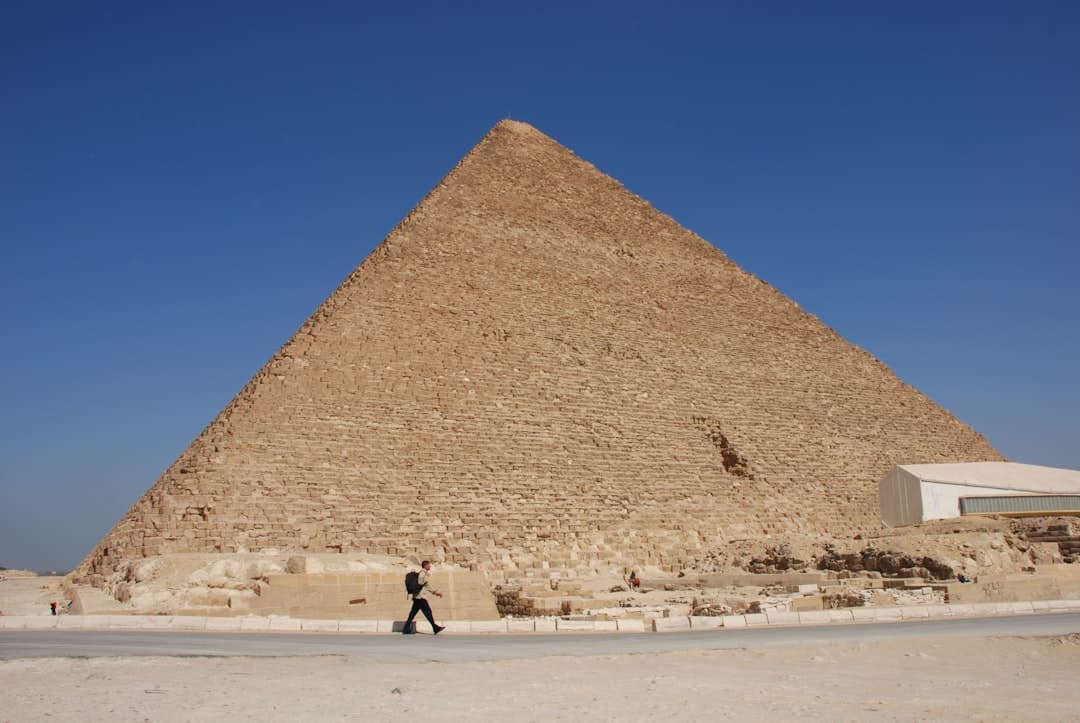
Coptic Cairo
Coptic Cairo is one of the oldest continuously inhabited parts of Egypt's capital, and it preserves a remarkable chapter of history that most visitors don't expect to find in a Muslim-majority city. This is where Egypt's Christian community — the Copts, who trace their faith directly to the evangelist Mark's mission in Alexandria in the first century AD — built their earliest churches, monasteries, and synagogues. The neighborhood sits on the remains of the Roman fortress of Babylon, and the layers here are extraordinary: Roman foundations, early Christian churches, a medieval Jewish synagogue, and a sprawling Coptic museum all compressed into a walkable enclave along the Nile's east bank. In practical terms, you wander a network of stone-paved lanes between some of the oldest churches in the world. The Church of the Virgin Mary — known as the Hanging Church, or Al-Mu'allaqa — is the centerpiece: a 4th-century basilica built over two Roman towers, with a stunning wooden roof shaped like the hull of Noah's Ark. The Cave Church of Abu Serga (St. Sergius) is believed to mark the spot where the Holy Family rested during their flight into Egypt. The Ben Ezra Synagogue, once thought destroyed, was meticulously restored and holds deep significance for Jewish history, including the discovery of the Cairo Geniza documents in the 19th century. The Coptic Museum next door houses the world's largest collection of Coptic art and artifacts, from early Christian manuscripts to textiles. The neighborhood is compact enough to cover thoroughly in a half-day, but give yourself unhurried time — the churches are still active places of worship, not museum pieces, and the atmosphere rewards slow exploration. Visiting on a Friday or Sunday morning means you might catch services in progress. Arrive early before tour groups arrive, and combine the visit with Old Cairo's other sights nearby, including the Ibn Tulun Mosque a short taxi ride away.
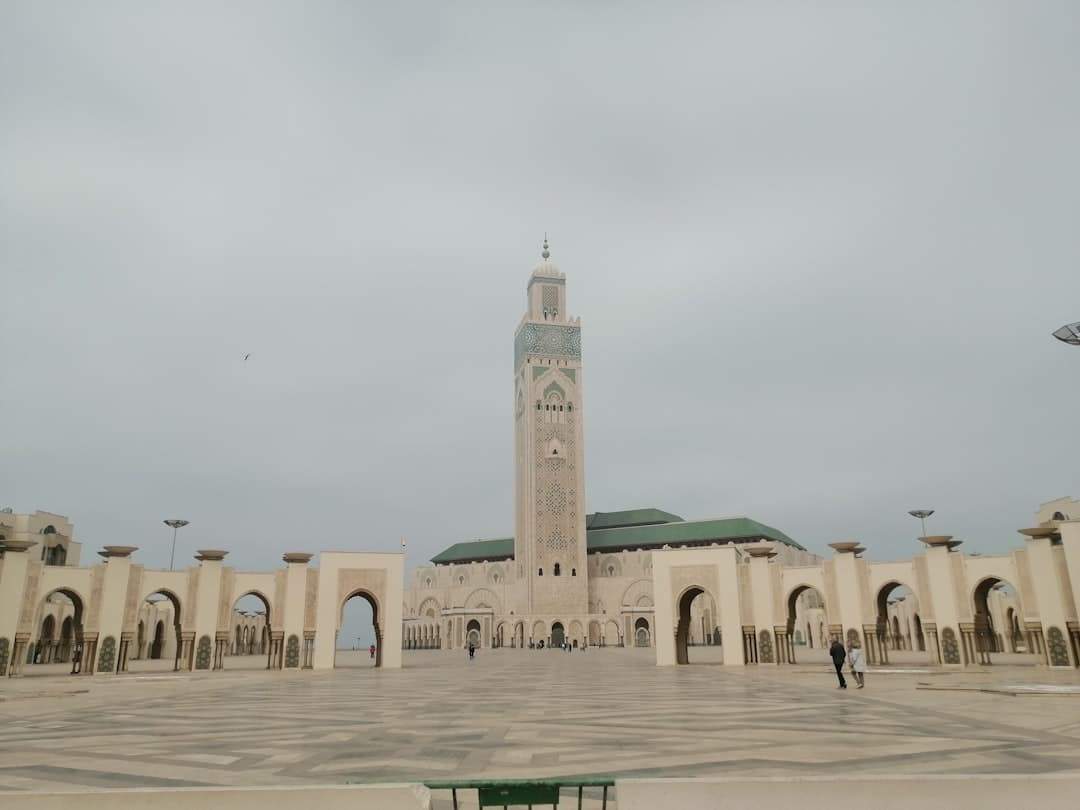
Corniche
La Corniche is Casablanca's coastal boulevard, stretching along Ain Diab beach on the western edge of the city. It's the place where a largely business-focused metropolis — Morocco's economic capital, not its most tourist-trodden city — sheds its suit and relaxes. The strip runs for several kilometers parallel to the Atlantic, lined with beach clubs, restaurants, cafes, and nightclubs, and it draws everyone from families with small children to young Casablancis looking for a Friday night out. On any given afternoon you'll find people walking, jogging, and cycling along the waterfront path, while the beach clubs — some free, some ticketed — offer access to sand and pools. The Atlantic here isn't always the calmest for swimming, but the setting is genuinely dramatic: the water is a deep blue-green, the breeze is almost always present, and in the distance you can sometimes glimpse the Hassan II Mosque's minaret rising over the water. At night the strip transforms, with restaurants and clubs filling up late, in the Moroccan way — dinner rarely starts before 9pm. For visitors, the Corniche offers something you don't always get in Moroccan cities: open space, sea air, and a chance to watch how a real Casablancan spends leisure time. Skip the overpriced tourist-facing spots and walk until you find where the locals actually sit. Weekends are busy and buzzy; weekday mornings are calm, almost meditative. The whole stretch is walkable but taxis are cheap if you want to cover more ground.
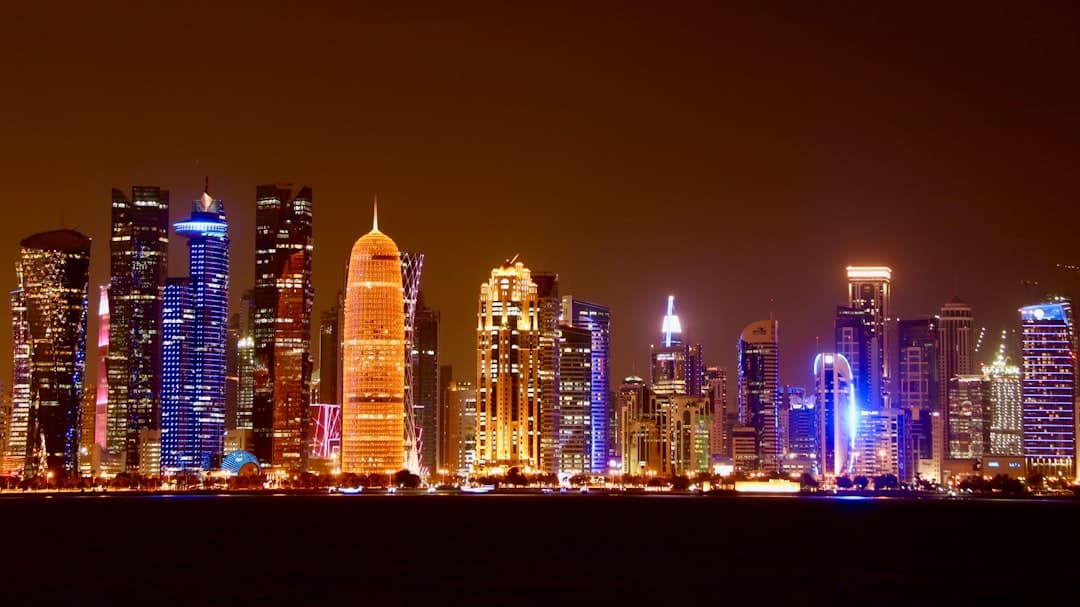
Corniche Promenade
The Corniche is a roughly seven-kilometer curved promenade hugging the western shore of Doha Bay, and it's the single best place to understand this city at a glance. On one side, the Arabian Gulf shimmers; on the other, Doha's extraordinary skyline — a cluster of wildly ambitious towers including the spiral Burj Doha and the sail-shaped Al Bidda Tower — rises in a way that still stops you mid-stride. This is the public face of a country that has spent the last two decades reinventing itself, and walking it feels like watching that transformation in real time. In practice, the Corniche is a wide, well-maintained esplanade with pedestrian and cycling paths, patches of manicured lawn, fountains, and benches facing the water. Families set up picnics on the grass at dusk, joggers loop the full length in the cooler evenings, and photographers plant themselves at the central waterfront viewpoint — roughly opposite the Museum of Islamic Art — for the classic Doha skyline shot. Dhow boats still cross the bay, a small but genuine nod to the city's pearl-diving past. The MIA Park, at the southern end near the iconic I.M. Pei-designed Museum of Islamic Art, is particularly beautiful and worth lingering in. The Corniche is completely free and open at all hours, but the experience is radically different depending on when you go. Midday in summer (June through September) is genuinely brutal — temperatures regularly exceed 40°C and the exposed promenade offers almost no shade. The sweet spot is October through April, ideally an hour before sunset when the light turns golden and the crowds build in the best possible way. Park near the Museum of Islamic Art end for the most scenic stretch, or at the Al Corniche Street side closer to the Sheraton to walk toward the Dhow Harbour.
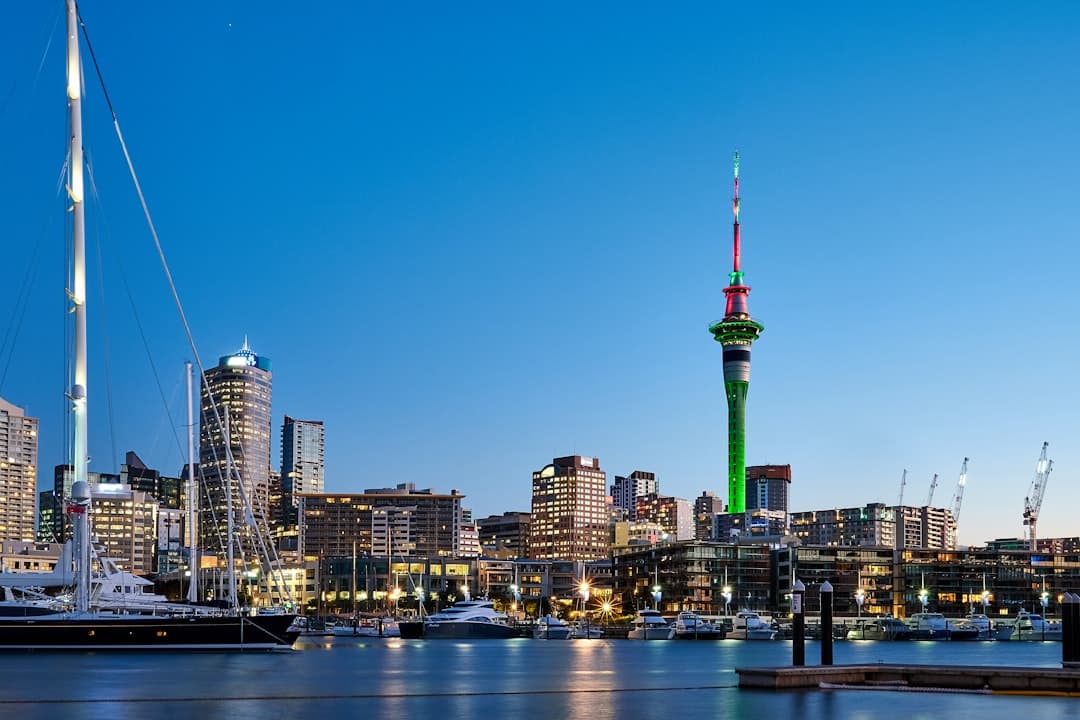
Cornwall Park
Cornwall Park is a 170-hectare public park wrapped around One Tree Hill (Maungakiekie), one of Auckland's most significant volcanic cones and a site of deep importance to Māori — it was once the largest fortified village, or pā, in the country. The land was gifted to the people of New Zealand in 1901 by businessman Sir John Logan Campbell, who is buried near the summit obelisk he helped commission. The park sits just five kilometres from the city centre but feels genuinely removed from it, a pastoral landscape of rolling green hills, grazing sheep and cattle, and century-old pohutukawa and oak trees. Visitors come here to walk or jog the network of paths that wind up and around the volcanic cone, stopping at viewpoints with sweeping looks across Auckland's isthmus toward the Waitemata and Manukau Harbours. The summit area around the obelisk offers one of the best panoramas in the city. Down in the park itself, Huia Lodge and the surrounding grounds host picnickers and families most weekends. Stardome Observatory sits on the park's edge and is worth combining into a visit. The historical Acacia Cottage — Auckland's oldest surviving building — is also on site, relocated here in the 1920s. The park is genuinely free and open year-round, though the Google-listed hours reflect the Visitor Centre rather than the grounds themselves, which are accessible outside those times. Come early on weekday mornings if you want the paths to yourself. The steep volcanic cone can catch people off guard — wear shoes with grip and take your time on the loose scoria paths near the summit. Parking is available off Green Lane West and Campbell Road.
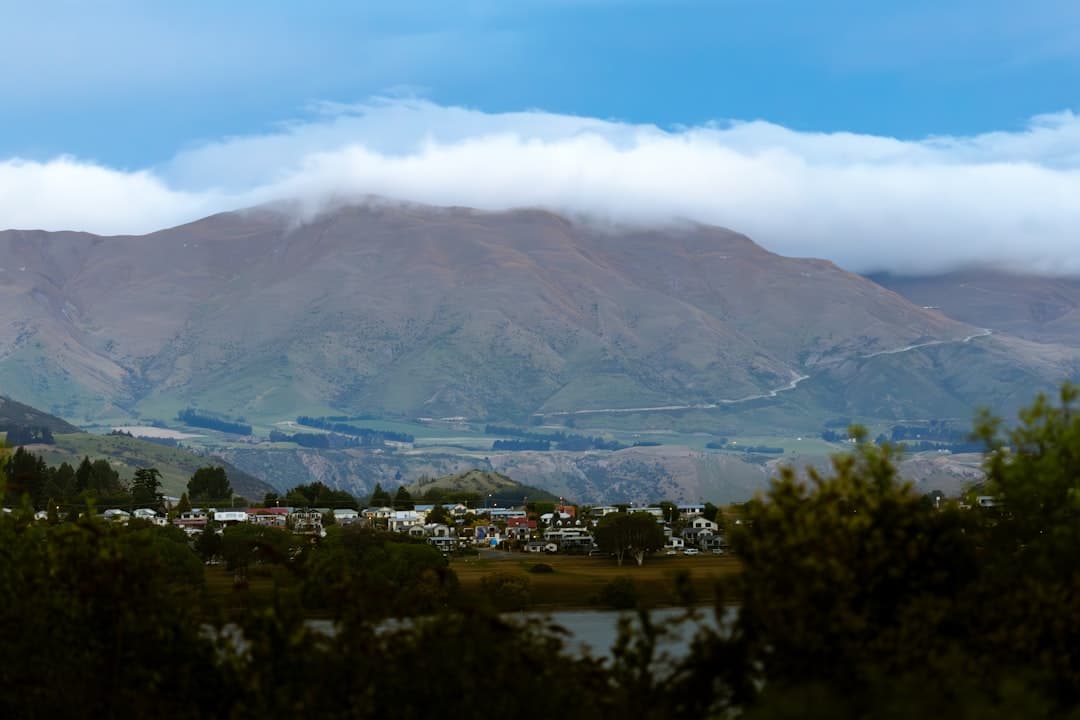
Coronet Peak
Coronet Peak is Queenstown's oldest and most accessible ski resort, sitting about 18 kilometres from the town centre in the Remarkables mountain range's northern sibling. Opened in 1947, it was New Zealand's first commercial ski area and remains one of the country's most popular, drawing everyone from first-timers strapping on rental boots to seasoned skiers chasing steep groomers. The resort sits between roughly 1,200 and 1,649 metres elevation, and while it's not enormous by international standards, it punches well above its weight in quality, snow reliability, and sheer convenience. On the mountain, you'll find a solid mix of groomed runs, mogul fields, and terrain park features spread across beginner, intermediate, and advanced zones. The high-speed gondola and chairlifts get you up fast, and the views across the Wakatipu Basin towards The Remarkables are genuinely spectacular. Night skiing runs on Fridays and Saturdays during the season — one of only a handful of places in the Southern Hemisphere where you can ski under floodlights with a panoramic valley view below. The base area has good facilities: rental gear, ski school, the Heidi's Bar and Restaurant for a post-run beer and loaded fries, and the kind of buzzy après-ski atmosphere that Queenstown does so well. The season typically runs June through September, with snowmaking infrastructure helping to extend it and fill in gaps during dry spells. Queenstown's party-friendly culture absolutely bleeds up the mountain — weekends can get busy and the vibe is social rather than serene. Weekday mornings are the sweet spot: quieter lifts, fresher corduroy, and you can actually hear yourself think. If you're visiting without a car, shuttle buses run directly from Queenstown throughout the season.
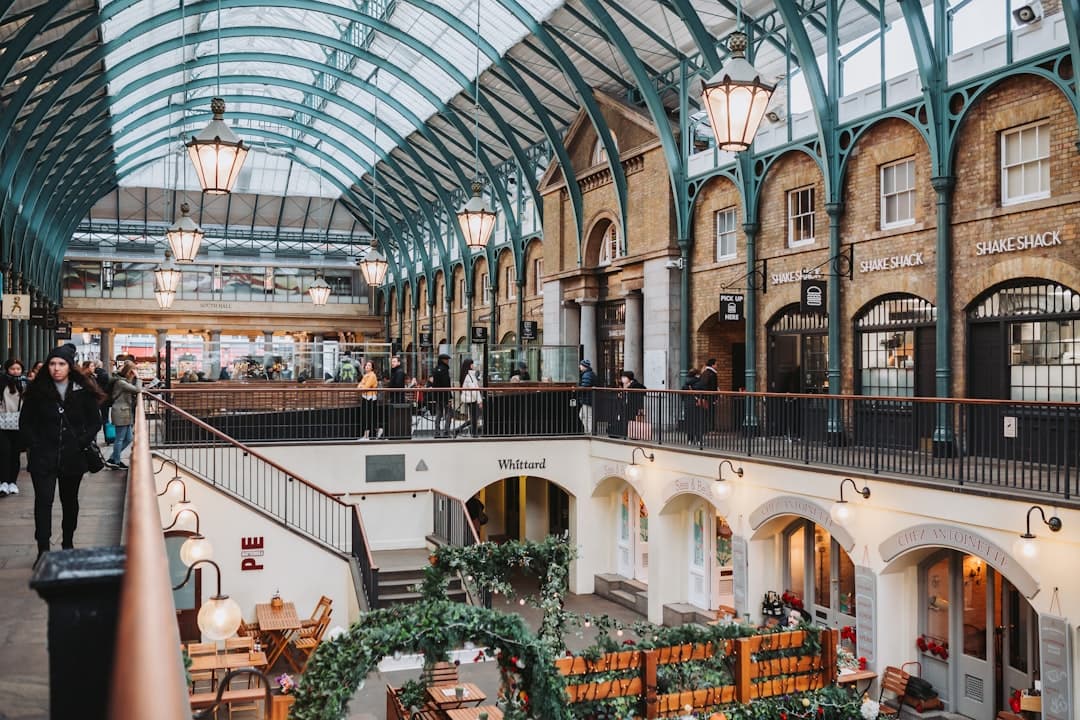
Covent Garden
Covent Garden is one of London's most beloved and historic districts, centered on a grand piazza that has been a gathering place since the 17th century. Originally a convent garden belonging to Westminster Abbey, it became London's primary fruit and vegetable market for over 300 years before the traders relocated to Nine Elms in 1974. The Victorian market building — a cast-iron and glass structure designed by Charles Fowler in 1830 — was saved from demolition and transformed into the vibrant shopping and dining destination it is today. It sits at the heart of London's Theatreland, bordered by the Royal Opera House on its eastern flank and surrounded by cobbled streets that have been entertaining Londoners for centuries. The experience here is layered and genuinely varied. The covered market halls split across three levels house independent boutiques, jewelry designers, and specialty food stalls alongside well-known names. Outside in the piazza, some of London's most accomplished street performers — jugglers, opera singers, magicians, living statues — work the space throughout the day, and the quality is genuinely high because the pitches are licensed and competitive. The surrounding streets reward wandering: Neal's Yard is a tucked-away courtyard painted in improbable colors, Neal's Yard Dairy is arguably the best cheese shop in London, and Floral Street has become a quiet anchor for fashion. The Transport Museum on the eastern edge of the piazza is underrated and excellent. Weekends get very crowded, especially in the market hall and around the central piazza — if you want to move freely and actually browse, weekday mornings are far more manageable. The area is compact enough to explore on foot but dense enough to reward an unhurried half-day. Covent Garden Tube station is notoriously busy and has a long lift queue; Leicester Square is a five-minute walk and usually quicker to exit.
Coyoacán
Coyoacán is a historic borough in the south of Mexico City that feels like a small colonial town swallowed by a megalopolis — in the best possible way. Originally an Aztec settlement, it later became the home of Hernán Cortés after the Spanish conquest, and its layout still reflects that colonial past: shaded plazas, a 16th-century church, terracotta-colored buildings draped in bougainvillea, and streets narrow enough that you can actually hear yourself think. Today it's best known internationally as the neighborhood where Frida Kahlo was born, lived, and died — but locals know it as one of the most livable, walkable, intellectually alive corners of the capital. A day in Coyoacán moves at a different pace than the rest of Mexico City. You start at the Jardín Hidalgo and Jardín Centenario, twin plazas at the neighborhood's heart where street performers, vendors selling elotes and esquites, and locals playing chess set the tone. From there, the Casa Azul — the cobalt-blue house where Frida Kahlo spent most of her life, now the Museo Frida Kahlo — is a short walk and essential viewing. The nearby Mercado de Coyoacán is a labyrinthine covered market with stalls selling fresh tostadas de tinga, agua de Jamaica, and more antojitos than you can reasonably try in one visit. The Fonoteca Nacional, a beautiful sound library set in a 19th-century mansion with a garden, is a quieter gem that most tourists miss entirely. Weekends are when Coyoacán really comes alive, with an artisan tianguis (open-air market) spreading around the plazas and families from across the city making the trip south. Arrive on a Saturday or Sunday morning before noon to browse the craft stalls before the crowds peak in the afternoon. Weekday mornings, by contrast, are almost impossibly tranquil. Note that the Museo Frida Kahlo is consistently one of the most popular attractions in the city — booking tickets well in advance online is not optional, it's essential.
Cristo Rei
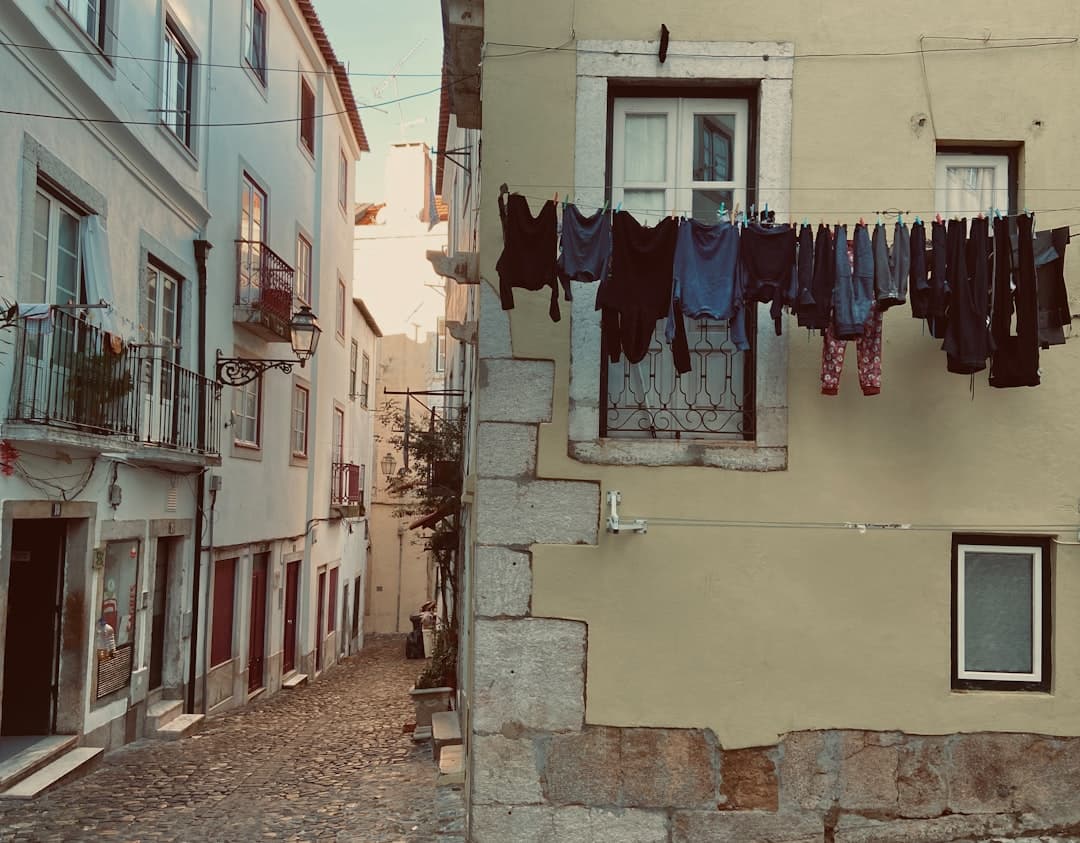
Cristo Rei is a towering statue of Jesus Christ standing 28 metres tall on a 75-metre pedestal, perched on the south bank of the Tagus River in Almada, directly across from Lisbon. Completed in 1959, it was built as a vow of gratitude by Portuguese Catholics after Portugal was spared from the destruction of World War II. The statue was inspired by the famous Christ the Redeemer in Rio de Janeiro, which a Portuguese cardinal saw in 1934, and it has since become one of the most recognisable landmarks in the greater Lisbon area — visible from much of the city across the river. Taking a lift to the observation platform at the base of the statue's pedestal is the main event here. From up top, you get a sweeping 360-degree view that encompasses the entire Lisbon skyline, the 25 de Abril Bridge (which looks uncannily like San Francisco's Golden Gate from this angle — because it was built by the same company), the wide mouth of the Tagus as it meets the Atlantic, and the hills of Almada below you. The statue itself looms just above, arms outstretched, which makes for genuinely dramatic photographs. There's also a small chapel and sanctuary on the grounds, worth a few quiet minutes. Cristo Rei is technically in Almada, not Lisbon proper, so getting here requires a bit of effort — but that's actually part of the appeal. Most visitors take the ferry from Cais do Sodré across to Cacilhas, then a short bus or taxi ride up to the statue. The ferry crossing itself is lovely and cheap, and Cacilhas has a strip of excellent seafood restaurants worth lingering over before or after your visit. Avoid the crowds by going on a weekday morning, and check that visibility is good — a hazy day will rob the view of its drama.
Crystal Palace Gardens
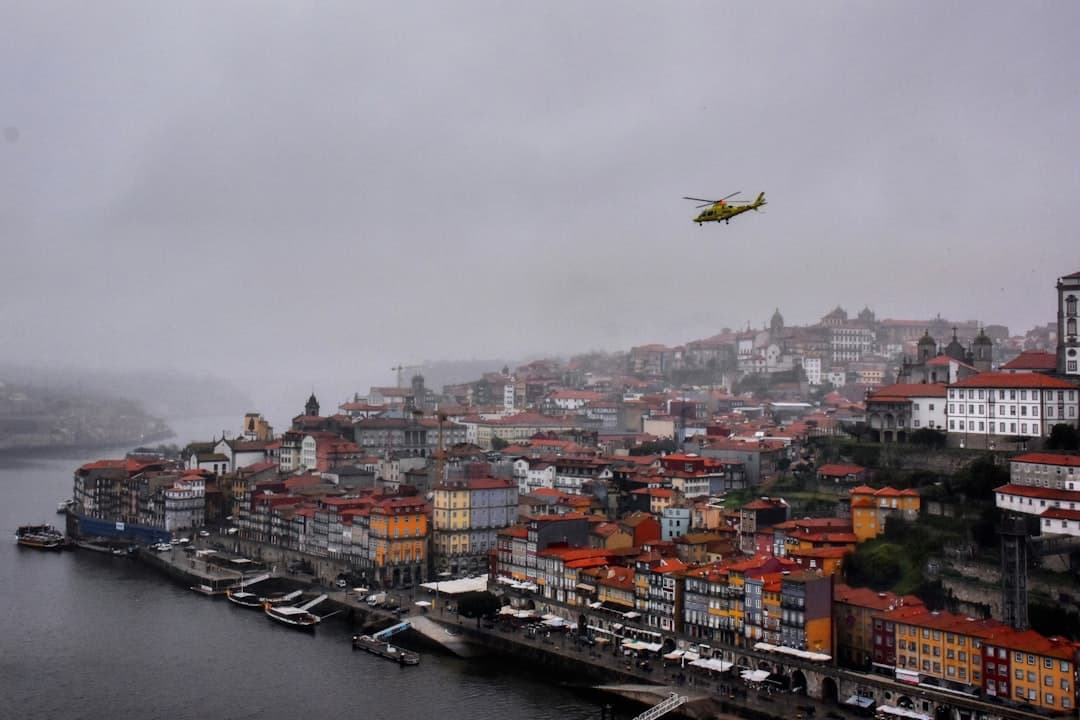
The Crystal Palace Gardens — Jardins do Palácio de Cristal in Portuguese — are one of Porto's most cherished green spaces, draped across a hillside in the Massarelos district overlooking the Douro River. The original Crystal Palace, a grand iron-and-glass exhibition hall inspired by London's famous structure, was torn down in 1951 and replaced by the SuperBock Arena (a domed multipurpose venue), but the surrounding gardens were preserved and have only grown more beautiful with time. Today they're a genuine local retreat — the kind of park where you'll find families, dog walkers, elderly couples on benches, and the occasional traveller who stumbled in and never wanted to leave. The gardens are a patchwork of formal terraces, wooded pathways, fountains, and themed garden sections — including rose gardens and a space dedicated to native Portuguese flora. Peacocks wander freely throughout, which gives the whole place a slightly surreal, fairytale quality. The real draw for many visitors, though, are the viewpoints scattered along the park's western edge, which deliver some of the best panoramas in the city: the Douro curving through the valley below, the Vila Nova de Gaia hillside opposite, and on clear days a vast stretch of the Atlantic coast. There's also a small municipal library building and a pavilion used for events and book fairs. Entry is free and the park opens early, making it an excellent morning stop before the city heats up and the tourist crowds gather elsewhere. It pairs naturally with a walk down through the Massarelos neighbourhood toward the riverfront, or a visit to the nearby Museu Romântico or the Solar do Vinho do Porto, where you can sample from an extraordinary list of port wines in a handsome manor house setting just a short walk away. Come mid-week if you can — weekends draw locals in force, especially in good weather.
Cu Chi Tunnels
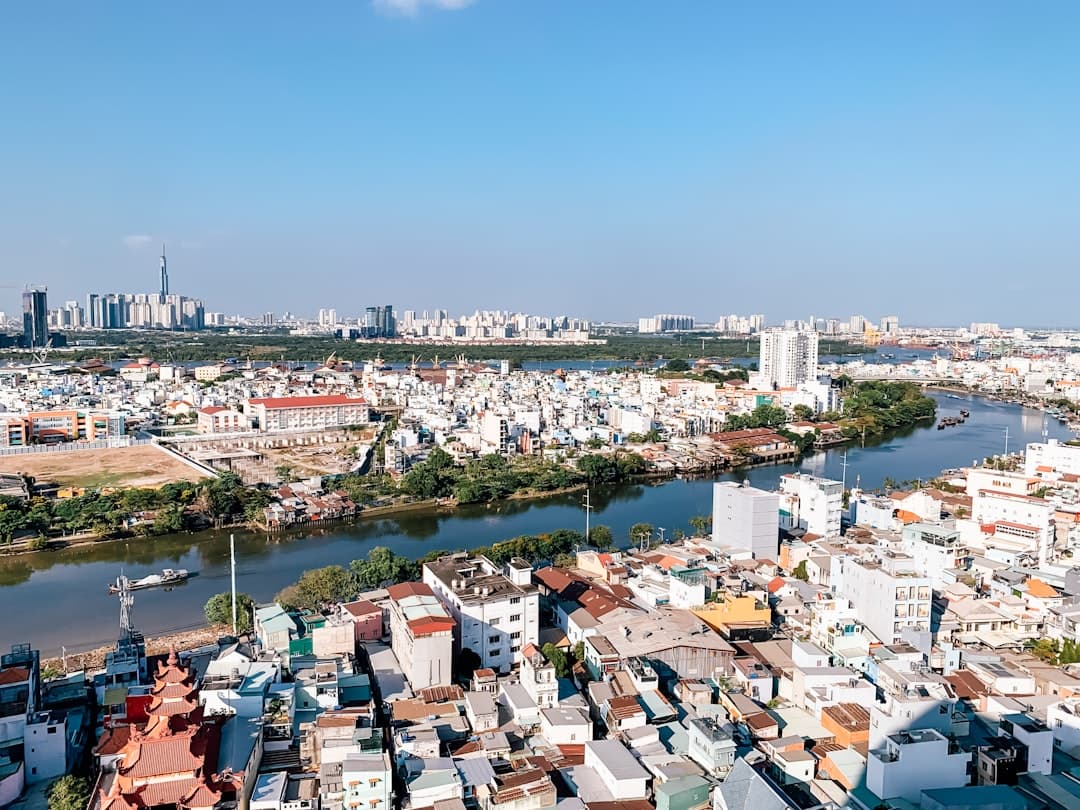
The Cu Chi Tunnels are an extraordinary underground network dug by Viet Cong guerrillas during the Vietnam War, stretching roughly 250 kilometres beneath the jungle northwest of Ho Chi Minh City. At their peak, these tunnels housed entire communities — soldiers, families, field hospitals, weapon workshops, and kitchens — all concealed a few metres below ground while American forces operated directly overhead. The tunnels became a symbol of Vietnamese resilience, and the Cu Chi district itself was one of the most heavily bombed areas in the entire conflict. Visiting them is one of the most visceral, emotionally charged history experiences in Southeast Asia. The site is split into two areas — Ben Dinh (closer, more visited, more manicured) and Ben Duoc (further out, larger, quieter). At either, you'll watch guides demonstrate how tunnel entrances were camouflaged under leaves barely larger than a shoebox, see reconstructed sections of the tunnel network at their original cramped dimensions, and pass through displays of booby traps, unexploded ordnance, and everyday life underground. The most memorable part for most visitors is crawling through a widened section of actual tunnel — typically 20 to 40 metres — in near-total darkness. It's claustrophobic, sweaty, and genuinely illuminating in a way no museum exhibit ever could be. There's also a shooting range on-site where visitors can fire AK-47s and M16s, which is controversial but extremely popular. The tunnels are about 70 kilometres from central Ho Chi Minh City — budget around 90 minutes each way by road, or slightly less if you take the river tour some operators offer. Half-day tours departing early morning are the sweet spot: you arrive before the midday heat and the bulk of the tour groups. Ben Duoc is consistently recommended by repeat visitors for being less crowded and more atmospheric, though it requires a little more effort to reach. Come with low expectations for comfort and high expectations for impact.
Cua Dai Beach
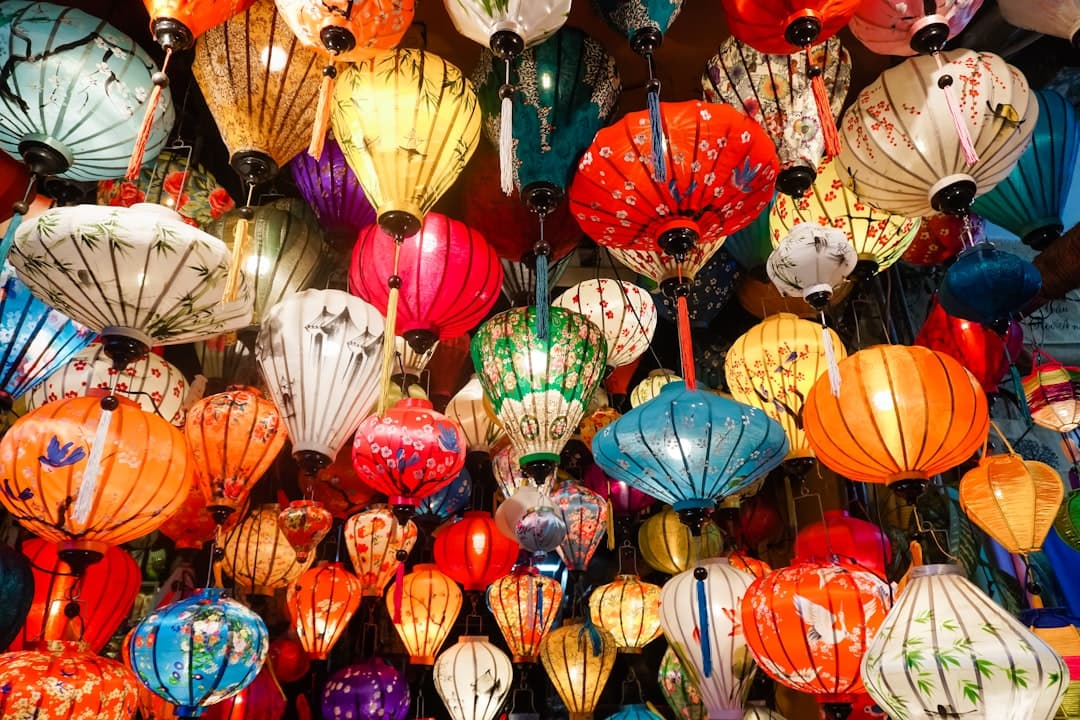
Cua Dai Beach is the long, sandy stretch of coastline sitting about 5 kilometers east of Hoi An's ancient town — close enough to reach by bicycle, which is exactly how most visitors arrive. For decades it was one of central Vietnam's most beloved beaches: calm, clear water, a relaxed atmosphere, and that unmistakable backdrop of coconut palms. It's still beautiful, but it's been dealing with serious coastal erosion since around 2014, and that's a reality worth knowing before you go. The beach runs for several kilometers and is lined with sun loungers operated by the restaurants and hotels along the shore — plant yourself at one and you'll typically get basic drink service included or at a low minimum spend. The South China Sea here is warm and generally swimmable, particularly in the dry season, though the erosion has eaten into the beach's width in places and some sections are protected by ugly but necessary sandbag barriers. In the early morning, local fishing boats still push out from nearby, and it's genuinely lovely before the tour groups arrive. Sunsets here are spectacular. Come by bicycle from the old town — the flat ride along Cua Dai Road takes about 20 minutes and passes through rice paddies and local neighborhoods, which is half the pleasure. Most of the beach restaurants are casual, open-air affairs serving fresh seafood and cold Huda beer. Go on a weekday if you can; weekends draw bigger Vietnamese domestic crowds. Avoid the beach during October and November when typhoon season brings rough seas, strong currents, and frequent closures.
Cusco Cathedral
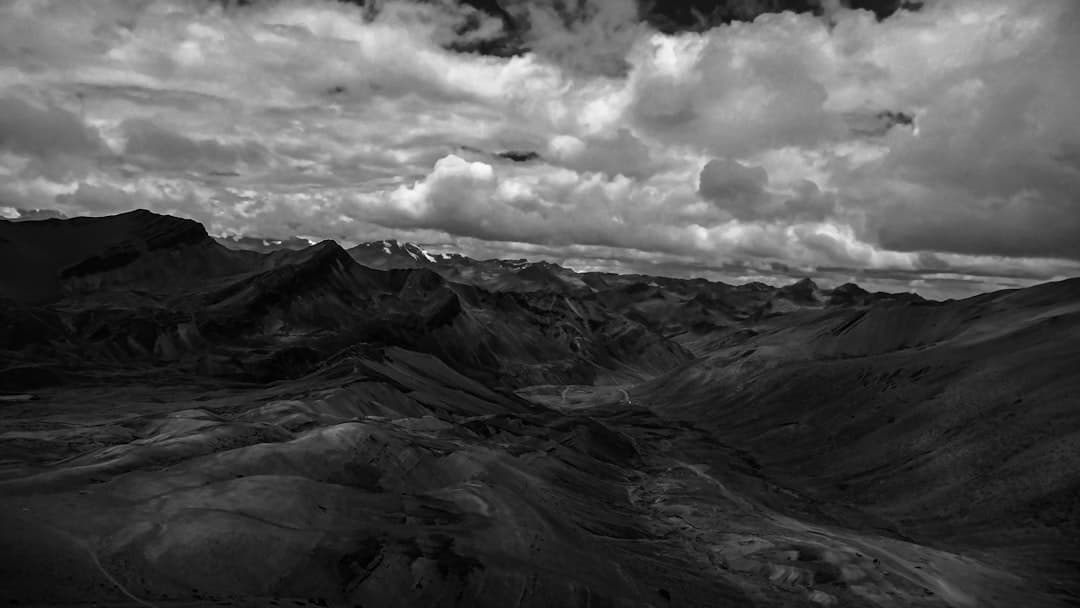
The Cusco Cathedral, formally known as the Cathedral Basilica of the Assumption of the Virgin, dominates the northeastern side of the Plaza de Armas — the historic heart of Cusco. Construction began in 1559 and took nearly a century to complete, and it was built directly on top of the palace of Inca Viracocha using stones quarried from the nearby Inca fortress of Sacsayhuamán. That foundation tells you everything about the collision of cultures this building represents: Spanish colonial power quite literally built on top of a pre-Columbian civilization. Inside, the cathedral is a treasure house of Cusqueña art — a distinctive regional style that emerged when indigenous Andean artists adapted European Catholic painting and sculpture in ways their Spanish patrons didn't always anticipate. The most famous example is the 17th-century painting of the Last Supper by Marcos Zapata, in which Christ and the apostles are gathered around a table featuring a roasted guinea pig (cuy), chicha beer, and Andean fruits. It's subversive, extraordinary, and easy to miss if you're not looking for it. The cathedral also holds a celebrated painting of Our Lady of the Immaculate Conception, known as La Linda, and a large silver altar. The attached chapel of El Triunfo, the oldest Spanish church in Cusco, is part of the same complex. The opening hours listed on Google reflect mass times only — the cathedral is actually open to tourist visits during broader daytime hours most days, typically from around 10am to 6pm, though hours shift and entry fees apply for non-worshippers. Photography is not permitted inside. Come early in the morning or late afternoon to avoid the thickest tour groups, and consider hiring a local guide rather than relying on audio guides — the stories embedded in this building reward explanation.
DUMBO
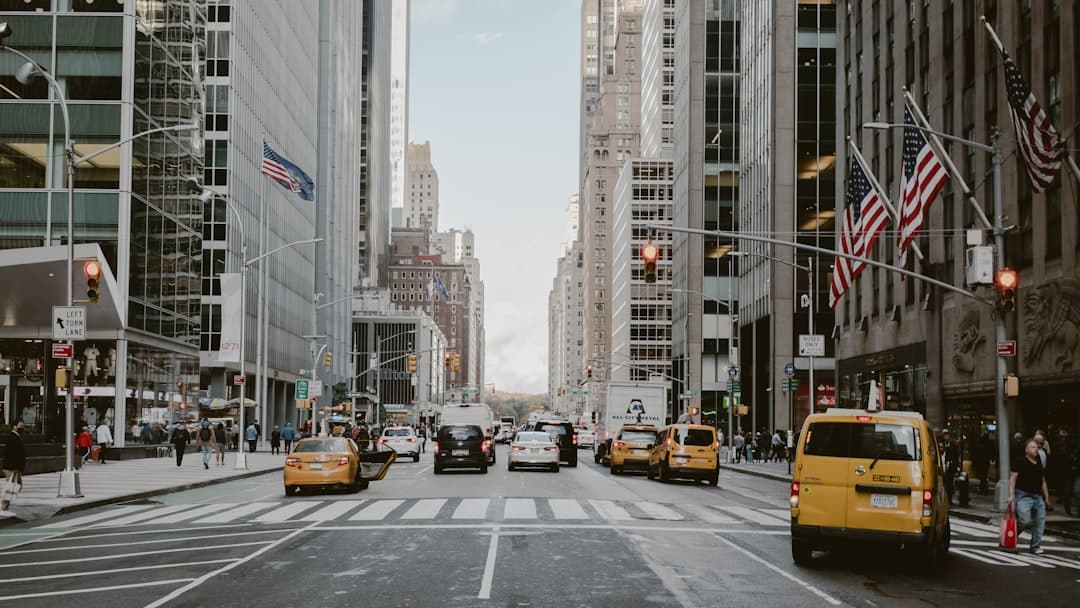
DUMBO — short for Down Under the Manhattan Bridge Overpass — is a compact, visually spectacular neighborhood tucked beneath the two great East River bridges in Brooklyn. Once a gritty industrial zone full of warehouses and factories, it transformed from the 1970s onward into an arts hub, and then into one of New York City's most desirable and photographed districts. Today it sits at the intersection of old New York character and new Brooklyn polish: the cobblestoned streets and massive brick warehouse buildings remain, but they now house design firms, galleries, upscale restaurants, and boutique shops. The experience of DUMBO is largely about wandering. Washington Street — where the Manhattan Bridge frames a perfect shot of the Empire State Building in the distance — is one of the most reproduced photographs in the entire city, and standing there yourself is a genuine thrill even if you've seen the image a hundred times. Brooklyn Bridge Park, which runs along the waterfront here, gives you sweeping views of Manhattan, the Brooklyn Bridge, and the harbor. Jane's Carousel, a beautifully restored 1922 merry-go-round sitting inside a Philippe Starck-designed glass pavilion right on the water, is one of the city's most quietly magical spots. On weekends, the area fills with visitors, couples, and families, but the narrow streets and varied architecture keep it from feeling like a theme park. The best approach is to come on a weekday morning when the light is golden and the crowds are thin. Start at the waterfront in Brooklyn Bridge Park, walk the promenade, then work your way inland through the cobblestone streets. Time Out Market, which opened in the old Empire Stores building in 2019, is a solid one-stop option for lunch or a snack with vendors representing a genuine cross-section of New York's food scene. For shopping, Powerhouse Arts bookstore and the independent boutiques along Water Street reward slow browsing. Note that parking is genuinely difficult — the subway (A/C to High Street or F to York Street) is the only sane option.
Da'an Forest Park
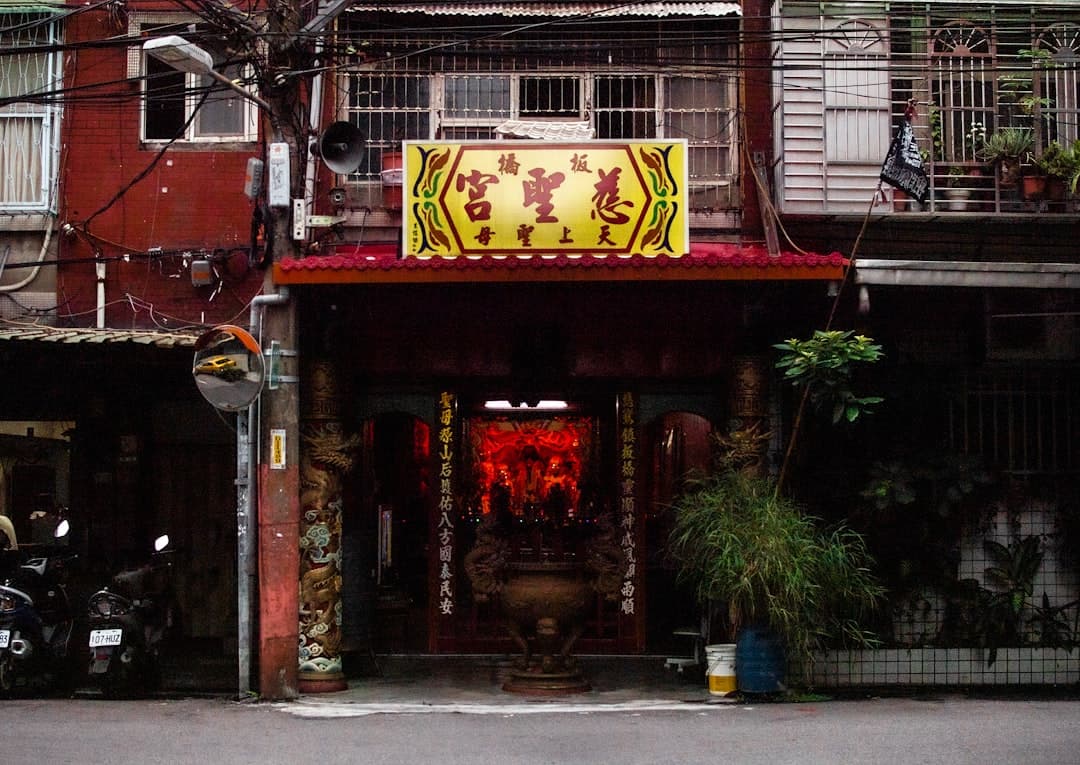
Da'an Forest Park is Taipei's most beloved public park — a 26-hectare expanse of trees, ponds, jogging paths, and open lawns sitting squarely in the heart of one of the city's most affluent and livable districts. Built on land that was once a military dependents' village, it opened in 1994 after years of community advocacy and has since become the social and recreational heart of the city. Think Central Park in miniature, but with tropical vegetation, free outdoor concerts, and considerably more cats. The park is genuinely beautiful and genuinely alive. You'll find a large artificial lake ringed with willows, home to egrets, turtles, and the occasional black-crowned night heron. There are shaded pavilions, a children's playground, outdoor performance stages, and wide paths that loop around the interior — perfect for a morning run or an evening stroll. Tai chi practitioners gather at dawn, elderly men play Chinese chess under the banyan trees, students nap on the grass with their books, and couples wander around the lake at dusk. The park has its own MRT station (Da'an Forest Park Station, on the Brown Line), which makes it effortlessly accessible. The best time to visit is either early morning — when the park feels meditative and local — or late afternoon into evening, when the light through the trees is gorgeous and the park fills with life. On weekends, outdoor concerts and community events occasionally take over the main stage. Street food vendors cluster near the park exits. The park is open 24 hours, so night owls can also enjoy it as a cool, quiet place to decompress after a long evening out in the Da'an neighborhood.
Daikanyama
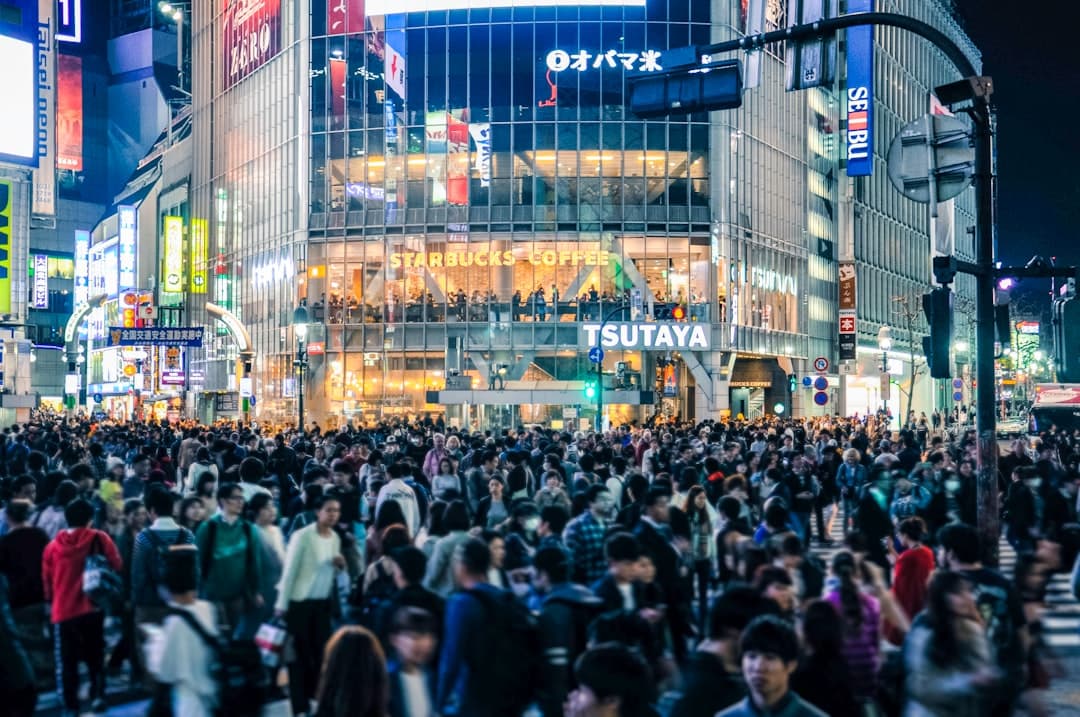
Daikanyama is a low-rise, tree-lined neighborhood in Shibuya that has quietly become one of Tokyo's most beloved destinations for design-conscious locals and travelers who want to see the city beyond the neon. Where nearby Shibuya is all noise and velocity, Daikanyama operates at a completely different register — unhurried, tasteful, and deeply intentional. It grew into its current reputation through the 1990s and 2000s as boutiques, cafes, and design studios moved in, attracted by the relative calm and the area's established reputation as a home for Tokyo's creative class. The neighborhood is best experienced on foot. The main draw is Daikanyama T-Site, a beautifully designed bookstore and cultural complex by Tsutaya that opened in 2011 and remains one of the most thoughtfully considered retail spaces in the world — organized by lifestyle rather than product category, with a serious magazine archive, vinyl records, a Starbucks integrated into the stacks, and the kind of editorial curation that makes browsing feel genuinely pleasurable. Beyond T-Site, the streets around Hillside Terrace — a cluster of modernist buildings designed over three decades by architect Fumihiko Maki — are lined with independent boutiques, patisseries, and galleries that reward slow wandering. Log Road Daikanyama adds a few more dining and shopping options in a converted rail corridor nearby. Daikanyama sits on the Tokyu Toyoko Line, one stop from Nakameguro and two from Shibuya, which makes it easy to combine with either. Come on a weekday morning if you want the neighborhood at its most peaceful — weekend afternoons draw bigger crowds, especially around T-Site. It's not a place for checking sights off a list. It's a place for slowing down, spending too long in a bookshop, finding an excellent coffee, and remembering that Tokyo contains multitudes.
Darling Harbour
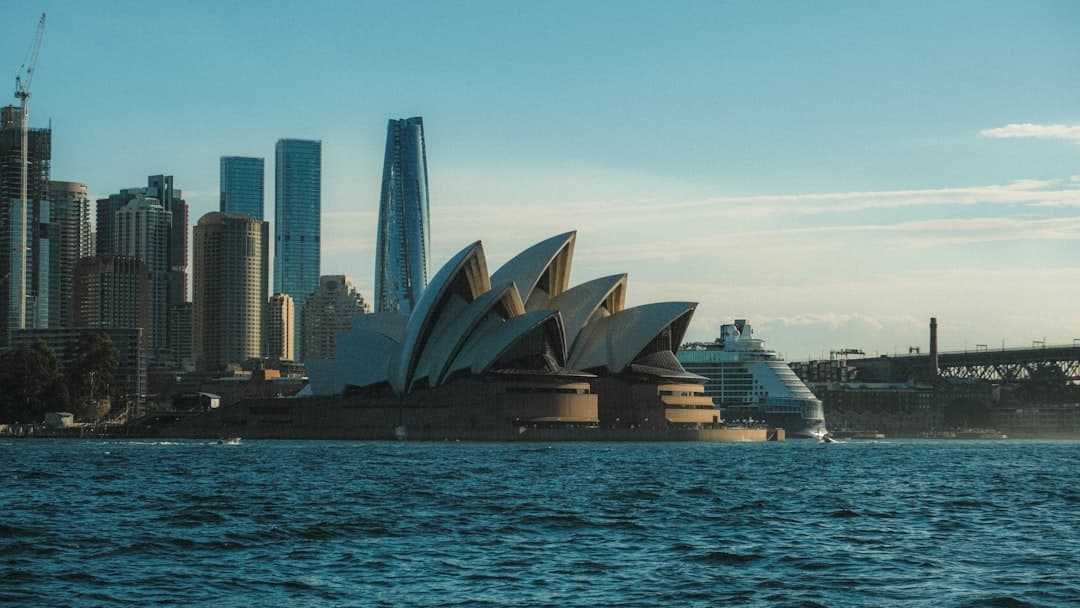
Darling Harbour is a large, purpose-built entertainment and leisure precinct sitting on the western edge of Sydney's CBD, hugging a broad inlet of water just a short walk from the city centre. It was redeveloped from a working industrial harbour in the 1980s — opened to the public in 1988 as part of Australia's Bicentennial celebrations — and has been evolving ever since. Today it's one of the most visited parts of Sydney, home to major attractions, convention facilities, restaurants, bars, and a waterfront promenade that ties it all together. On any given day here you might wander through the Australian National Maritime Museum, spend hours at SEA LIFE Sydney Aquarium watching sharks drift overhead through glass tunnels, or take the kids into WILD LIFE Sydney Zoo to meet a wombat. The IMAX theatre, Madame Tussauds, and Paddy's Markets nearby give you even more to fill a day. The pedestrian bridges — particularly Pyrmont Bridge, one of the world's oldest surviving electrically operated swing bridges — are lovely to cross, and the waterfront itself is animated with ferries, water taxis, and harbour cruise boats. After dark, the restaurants and bars along Cockle Bay Wharf and King Street Wharf come alive, and free public fireworks light up the harbour on Saturday nights year-round. The honest take: Darling Harbour is unabashedly tourist-facing, and it knows it. Prices at many of the restaurants are on the higher side and the vibe is more theme park than neighbourhood gem. But that's not necessarily a bad thing — the attractions genuinely are world-class, the waterfront is beautiful, and on a sunny Sydney day few places are as effortlessly enjoyable. Go early to beat school groups at the aquarium and maritime museum, and consider buying attraction tickets online in advance to skip queues.
David Sheldrick Wildlife Trust
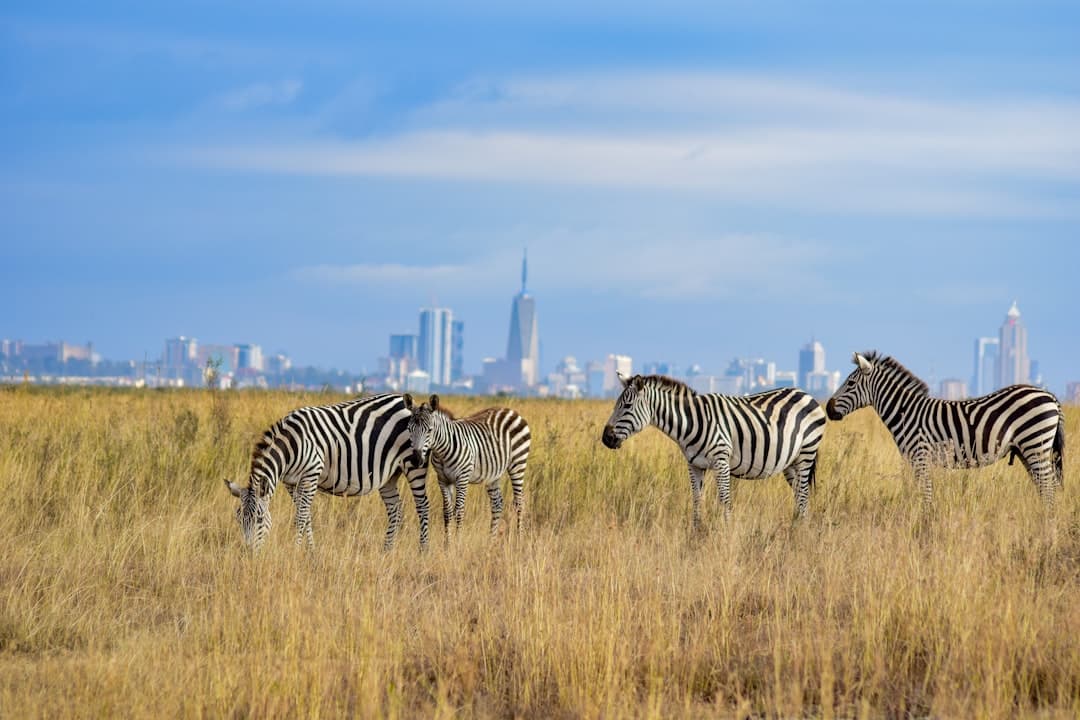
The David Sheldrick Wildlife Trust — now operating as the Sheldrick Wildlife Trust — is one of Africa's most celebrated wildlife conservation organizations, founded in 1977 by Daphne Sheldrick in memory of her late husband David, a legendary warden of Tsavo East National Park. The Trust pioneered the hand-rearing of orphaned baby elephants, cracking the notoriously difficult formula for elephant milk substitute after years of trial and error. Today it runs the world's most successful elephant orphan rescue and rehabilitation program, having saved hundreds of calves whose mothers were killed by poachers or who fell into wells or became separated from their herds. The daily public visiting hour — just one hour, from 11am to noon — is one of the most genuinely moving wildlife experiences you can have without leaving Nairobi. Keepers bring the orphaned elephant calves into a mud-walled enclosure inside Nairobi National Park, and you watch them feed on bottles of milk, wrestle in the mud, and interact with their human caretakers, who sleep alongside them at night and act as surrogate family. Each elephant has a nameplate and a backstory — often heartbreaking, always remarkable. Rhino orphans occasionally appear too. There's no performance here, no tricks — just young animals being gently coaxed back toward the wild. The visiting area sits just inside the KWS gate off Magadi Road on the edge of Nairobi National Park, about 20 minutes from the city center by car. The one-hour window is strict and non-negotiable, so don't be late. Visiting is free but you need to register in advance through the official website — slots fill up, especially on weekends. If you want a deeper connection, the Trust's 'Foster an Elephant' program lets you sponsor a specific calf and receive updates on its progress. Keepers are incredibly knowledgeable and happy to answer questions — don't be shy about asking.
De Pijp
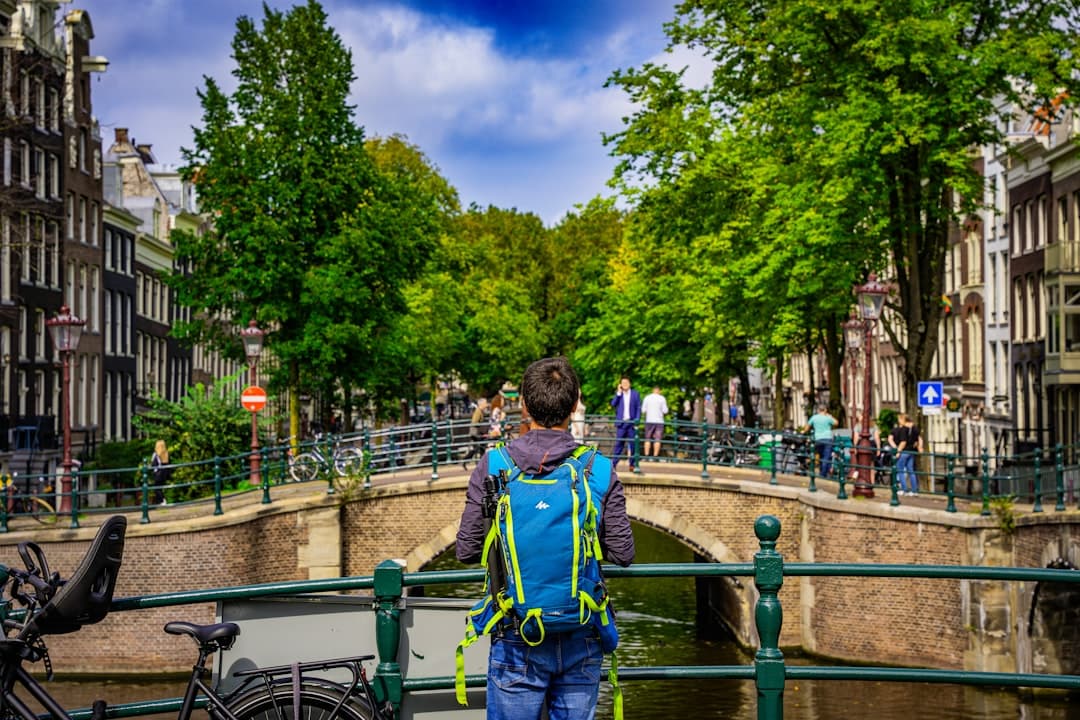
De Pijp is a dense, lively neighbourhood just south of Amsterdam's canal ring, and it's long been the city's most culturally mixed and creatively charged district. Originally built in the late 19th century as working-class housing — the long, narrow streets gave it the nickname 'the Pipe' — it became home to artists, immigrants, and students when rents elsewhere climbed. Today it retains that mongrel energy: Turkish bakeries next to natural wine bars, Indonesian warungs around the corner from Dutch craft beer cafés. It's the neighbourhood where Amsterdam actually lives, rather than poses for photographs. The heart of De Pijp is the Albert Cuyp Market, one of the largest street markets in Europe, running daily (except Sundays) along the main boulevard. You can spend an hour grazing your way down it — stroopwafels straight from the iron, raw herring with pickles, Surinamese roti, fresh stroopwafels, Dutch cheese samples — before ducking into the side streets where the real neighbourhood life happens. The area around Gerard Douplein square is where locals cluster at terraces on warm afternoons. Brouwerij Troost, a craft brewery on Cornelis Troostplein, is a landmark in its own right. Sarphatipark, a small but beautiful Victorian park at the southern end, offers a quiet counterpoint to the market's intensity. De Pijp rewards wandering over planning. Pick a morning, walk to the Albert Cuyp, eat something you can't identify, then lose yourself in the side streets heading toward Sarphatipark. The neighbourhood is well connected — trams 3, 4, and 24 all run through it — and it sits between the Rijksmuseum area and the Amstel River, making it an easy and excellent addition to any central Amsterdam day.
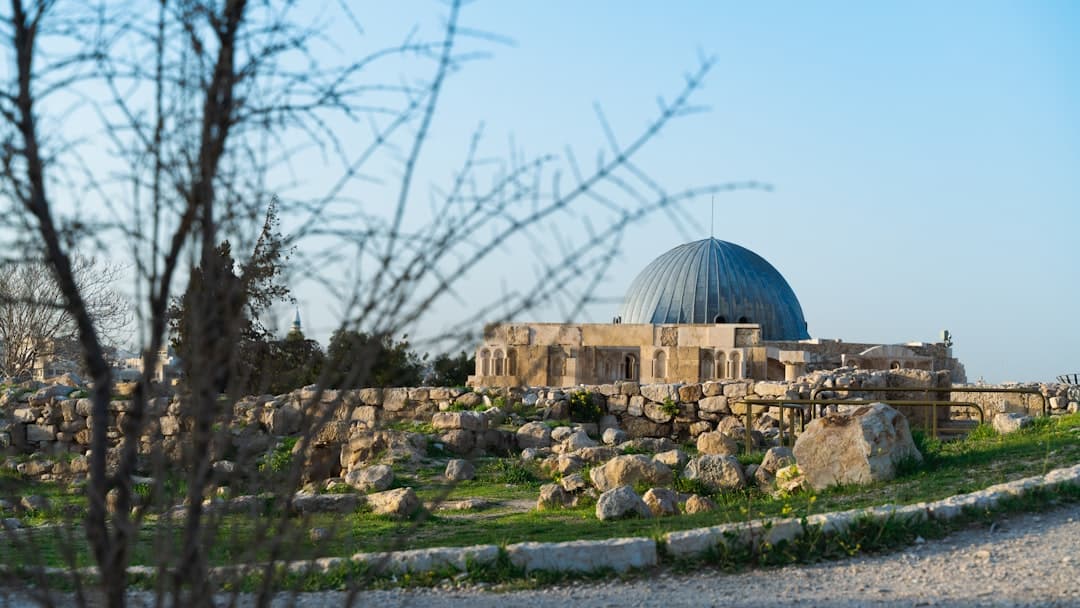
Dead Sea
The Dead Sea sits at the lowest point on Earth — roughly 430 meters below sea level — on the border between Jordan and Israel. It's a hypersaline lake so dense with minerals that the human body simply cannot sink in it. That peculiar physics, combined with millennia of history (Cleopatra reportedly imported its mud for her skin, and ancient trade routes crossed its shores), makes it one of the most remarkable natural phenomena on the planet. It is not metaphorically dead — almost nothing lives in its waters, which are nearly ten times saltier than the ocean. The experience is genuinely unlike anything else. You wade in slowly — the salt stings any cut you didn't know you had — and then, somewhere around waist depth, your legs swing up and you're lying flat on the water without any effort. Most visitors slather on the famous black mineral mud, let it dry in the sun, and rinse off before floating again. The water has a slightly oily, mineral-heavy feel. The landscape is stark and extraordinary: hazy mountains of the West Bank across the water, the Jordan Rift Valley stretching north and south, and an almost eerie quiet. On the Jordanian side, resorts like the Kempinski and the Movenpick have private beaches and spa facilities, but there are also public beach access points for those not staying overnight. The Dead Sea is about an hour's drive west of Amman, making it a very manageable day trip. Don't stay in the water more than 20–30 minutes at a stretch — the salt is intensely drying and the sun at this elevation (or rather, this depth below sea level) is punishing. Keep your face out of the water entirely; getting that brine in your eyes is genuinely painful. Go in the morning if you're visiting in summer, and bring plenty of fresh water to rinse off.
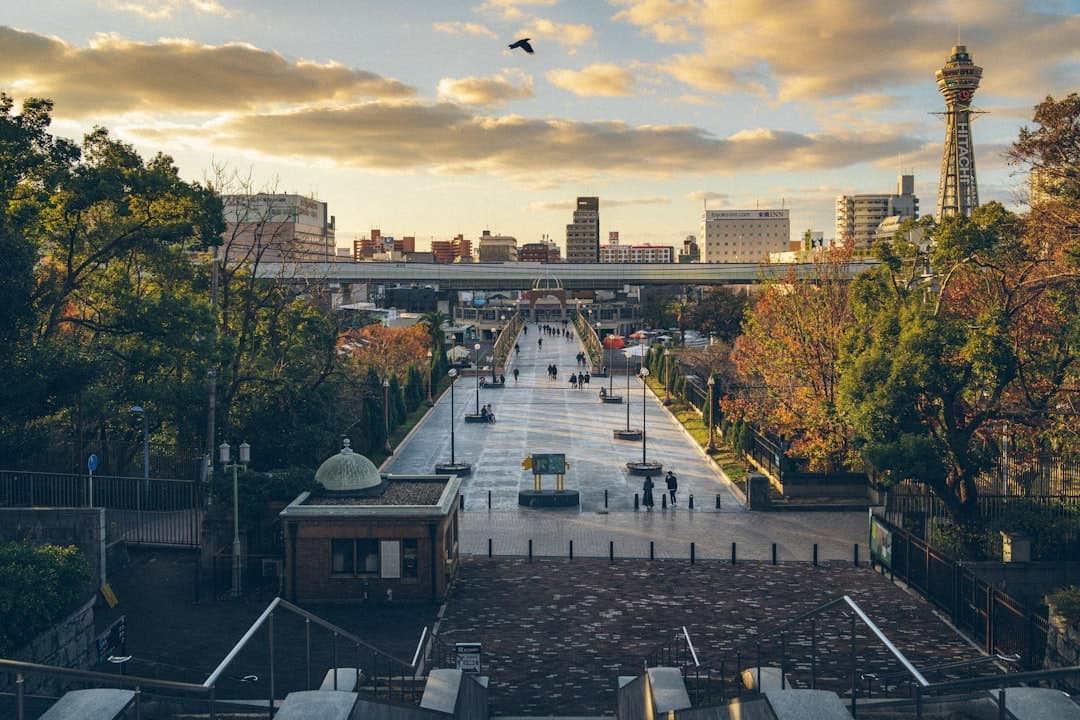
Den Den Town
Den Den Town is Osaka's answer to Tokyo's Akihabara — a multi-block stretch of Nipponbashi that has been the city's hub for electronics, video games, anime merchandise, manga, and cosplay for decades. The name comes from 'denki,' the Japanese word for electricity, a nod to its origins as a postwar market for electronic parts and second-hand appliances. Over time it evolved into a full-blown pop culture district, and today it's one of the best places in Japan to shop for retro games, figures, trading cards, doujinshi (self-published manga), and all the specialist gear that serious collectors travel across the country to find. Walking through Den Den Town means moving between tightly packed shops across several blocks of Sakaisuji and the surrounding streets. You'll find everything from multi-floor electronics retailers to tiny specialist stores selling nothing but vintage Famicom cartridges or 1980s synthesizers. Maids in frilly uniforms hand out flyers for maid cafés. Cosplay supply shops sit next to secondhand camera dealers. The energy is busy and nerdy in the best possible way — it rewards browsers who have no particular agenda. The main drag runs roughly between Nipponbashi Station (Sennichimae and Sakaisuji subway lines) and Ebisucho Station. Most shops open around 11am and close in the early evening, so afternoon is the sweet spot. Weekends are significantly busier, and the stretch can get genuinely crowded on Sundays. If you want to dig through bins of retro games or browse without being jostled, a weekday visit is a better bet. It's also very walkable from Dotonbori, about 15 minutes on foot heading south.
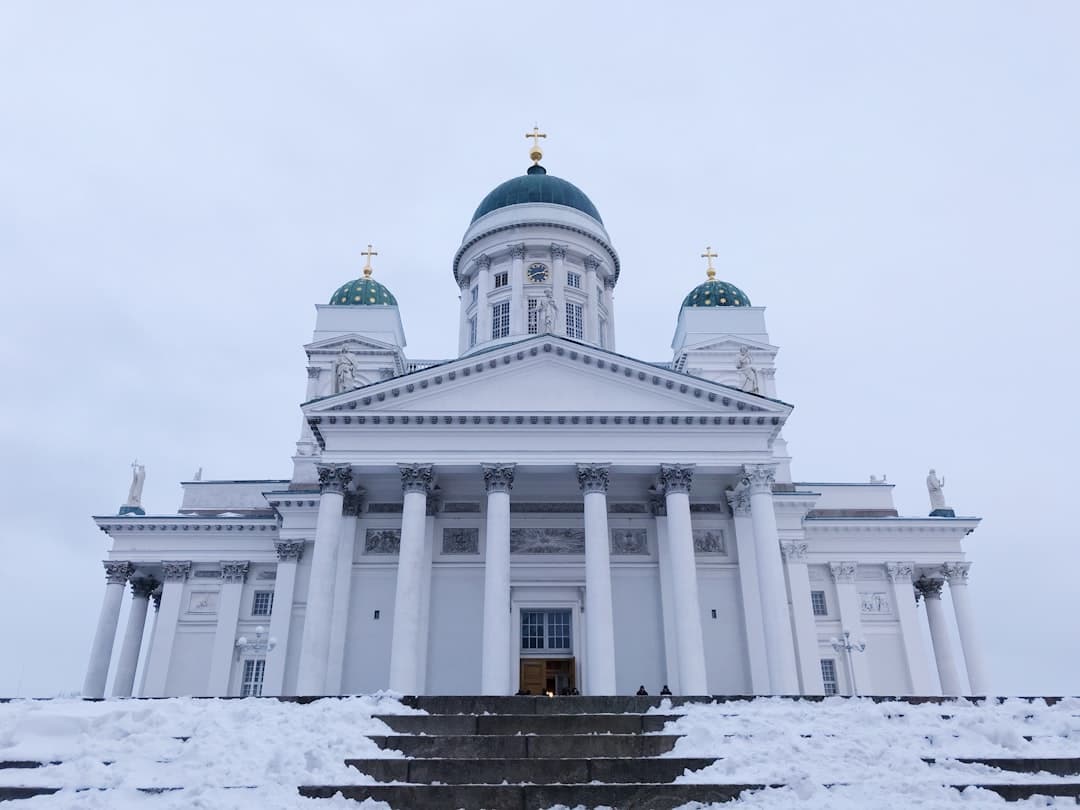
Design District Helsinki
The Design District Helsinki is a curated urban zone in the southern part of the city, covering roughly 25 blocks and home to over 200 design shops, studios, galleries, museums, and restaurants. It was formally established in 2005 as a way to map and promote the dense cluster of creative businesses that had naturally gravitated to this part of town over decades. Think of it less as a shopping mall and more as a living neighborhood where Finnish and Nordic design is actually made, sold, debated, and displayed — all within comfortable walking distance. Walking through the district, you'll move between flagship stores for brands like Artek and Marimekko, independent jewelers and ceramicists, the Design Museum and Museum of Finnish Architecture, concept stores selling everything from hand-thrown pottery to brutalist furniture. The streets — particularly Fredrikinkatu, Iso Roobertinkatu, and Uudenmaankatu — have a low-key, unhurried feel. Storefronts are small and personal. You can spend an afternoon ducking in and out of studios where the designer is also the person behind the counter. The district operates as a network rather than a single venue — there's no gate, no ticket, no central building. Pick up the official map (available at most participating shops or online) to navigate efficiently. Friday and Saturday evenings see some venues extend their hours significantly, making it a legitimate evening out. Come with a loose agenda and comfortable shoes; this is a neighborhood built for wandering.
Designmuseum Danmark
Designmuseum Danmark is the country's national museum of design, decorative arts, and industrial design — and one of the best of its kind in Europe. Founded in 1890 and installed in the former Frederiks Hospital, a grand 18th-century building in Copenhagen's embassy district, it makes a compelling case that design is not a luxury or an afterthought but a fundamental part of how Danes understand civilisation. The collection spans centuries and disciplines: furniture, fashion, ceramics, posters, textiles, and product design, with particular strength in the Danish modern movement that reshaped how the world thought about chairs, lamps, and everyday objects in the mid-20th century. Inside, you move through handsomely curated galleries where Kaare Klint's furniture reform principles sit alongside Arne Jacobsen's Egg and Swan chairs, Hans Wegner's Wishbone Chair, and Verner Panton's psychedelic plastics — design icons you've almost certainly encountered in hotels or offices without knowing who made them. There are also strong holdings in Asian decorative arts (a legacy of Denmark's trading history), European fashion, and applied graphics. The museum completed a significant renovation and reopened with renewed energy in recent years, and the permanent collection is now more accessibly presented than it has been in decades. The museum sits on Bredgade in the Frederiksstaden district, a short walk from the Marble Church and Amalienborg Palace. Thursday evening hours until 8pm make it a smart option for a cultural fix after a day of sightseeing. The courtyard café is worth a stop, and the museum shop — stocked with Danish design objects, books, and prints — is one of the better ones in the city. Skip Monday, when it's closed.