
All Places
1,073 places around the world
1,073 places · page 11 of 45
Devonport
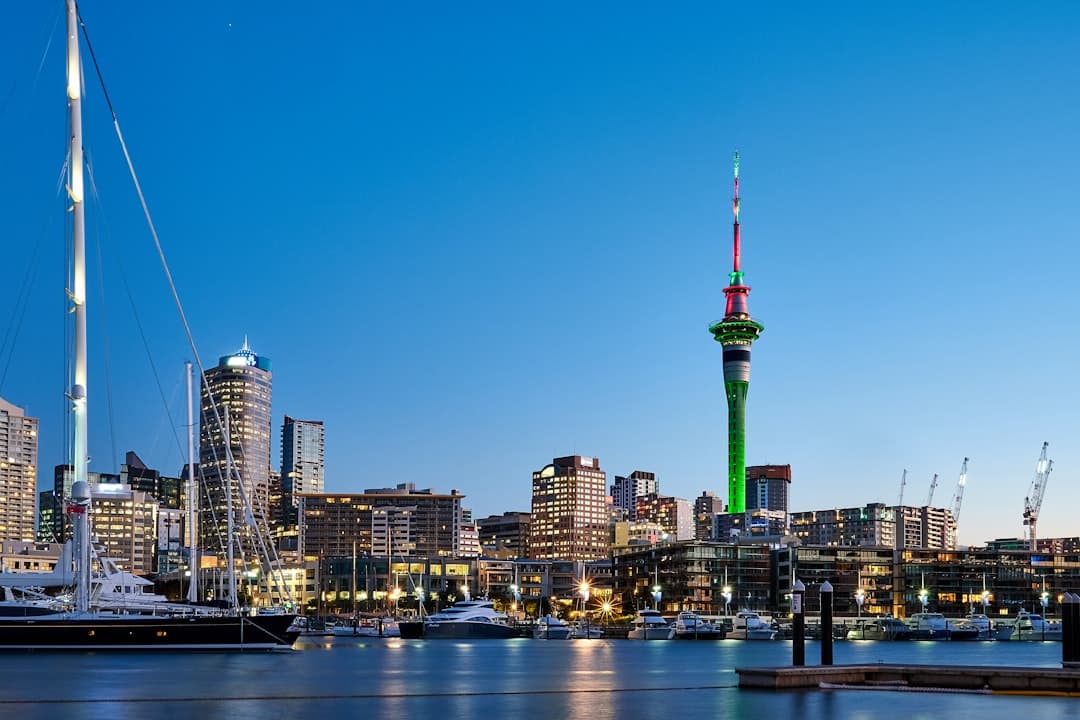
Devonport is a historic waterfront village perched on the northern shore of Waitematā Harbour, a short 12-minute ferry crossing from the Auckland CBD. Once a naval stronghold and one of the oldest European settlements in the Auckland region, it has preserved its Victorian and Edwardian streetscapes to a degree that feels almost miraculous given how close it sits to a major city. The main street, Victoria Road, is lined with heritage buildings housing independent cafes, bookshops, galleries, and boutiques — the kind of street that rewards slow walking. Most visitors spend time exploring two volcanic summits — Mount Victoria (Takarunga) and North Head (Maungauika) — both of which offer sweeping panoramas across the harbour to the Auckland skyline, Rangitoto Island, and on clear days, far up the Hauraki Gulf. North Head is particularly fascinating: it's honeycombed with tunnels and gun emplacements built during 19th-century fears of Russian invasion, and you can scramble through them for free. The waterfront around the ferry wharf is pleasant for walking, and the small beach at Cheltenham is one of the harbour's best swimming spots. The ferry from Auckland's Ferry Building runs frequently throughout the day and costs only a few dollars each way — it's one of the great underpriced experiences in the country. Devonport gets busy on summer weekends, but even then it doesn't feel overwhelming. Come on a weekday if you can. The village has a real community to it — people actually live here, and the cafes and shops reflect that. Catch the last ferry back as the sun sets over the harbour and you'll understand why Aucklanders treat this place as a treasured escape.
Dharavi
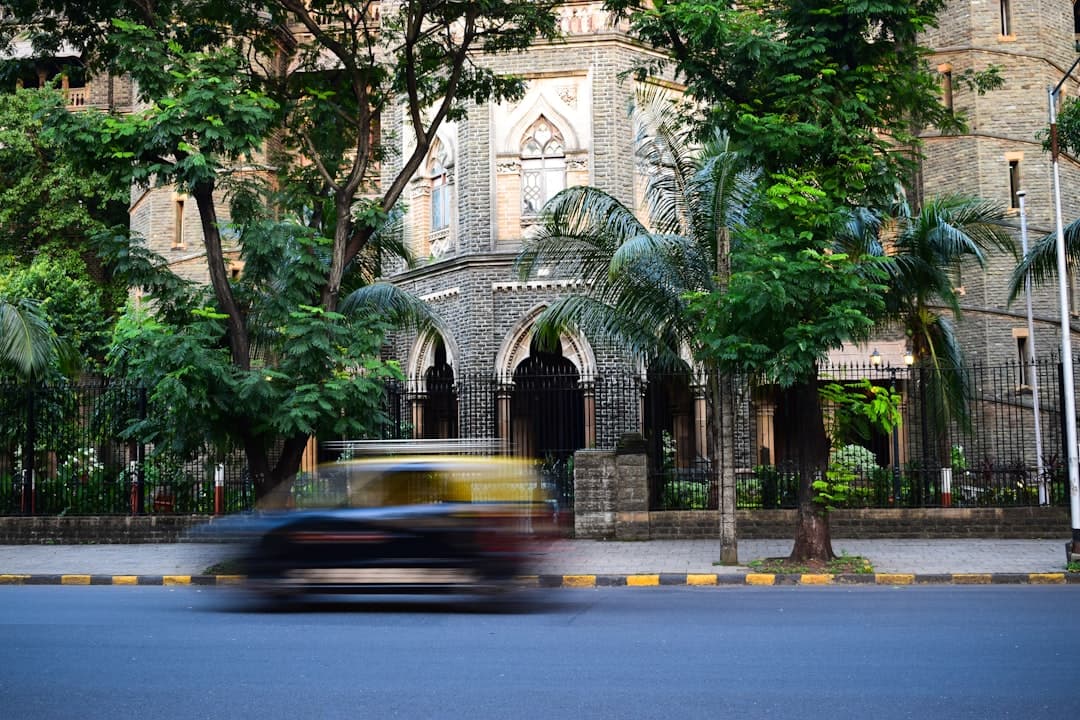
Dharavi is one of Asia's largest urban settlements, home to roughly one million people packed into about 2.1 square kilometres between the Mahim and Sion train stations in central Mumbai. It is not, despite its global reputation, simply a slum — it is a self-sustaining city within a city, generating an estimated one billion dollars a year in economic output through an extraordinary concentration of small industries, workshops, and family businesses. Pottery, leather goods, recycled plastics, textiles, and snack foods are all made here, often in the same narrow lane, often by families who have been at it for generations. Visiting Dharavi means walking through a layered, living ecosystem that most of Mumbai never sees. You pass open-fronted workshops where workers press aluminium into shapes, then turn a corner into a residential lane hung with laundry and loud with children. The Kumbharwada pottery colony — one of the oldest neighbourhoods within Dharavi — is particularly striking, with clay pots stacked in terracotta towers and kilns still fired the traditional way. The recycling district is a revelation: materials sorted, washed, shredded, and reprocessed with almost zero waste. The food lanes near Dharavi Main Road offer home-cooked snacks and chai that you won't find in any restaurant in Bandra or Colaba. Visiting responsibly matters here. Go with a reputable tour operator — Reality Tours and Travel, which was founded partly to direct tourism revenue back into the community, is the most established option and donates 80 percent of profits to local development projects. They offer morning and afternoon slots. Photography of residents is restricted in most areas, and that rule is taken seriously. Wear closed shoes, dress modestly, and approach the whole experience with genuine curiosity rather than voyeurism — the people who live and work here are not an attraction, they are the point.
Dhobi Ghat
Dhobi Ghat is a vast, open-air laundry that has operated in the heart of Mumbai since the 1890s. It covers roughly 10 acres and employs around 700 to 800 dhobi (washermen) families who live and work on-site, washing laundry from hotels, hospitals, and households across the city. The scale is almost industrial, yet every step of the process — soaking, scrubbing, beating cloth against concrete flogging stones, dyeing, and drying — is done entirely by hand. It is a working community, not a museum, and that's exactly what makes it so compelling. The best way to experience Dhobi Ghat is from the pedestrian bridge on Dr. E. Moses Road, which runs along the northern edge of the ghat. From here you get an elevated bird's-eye view of hundreds of open-air washing pens arranged in long rows, each one a concrete tub with its own flogging stone. Colour is everywhere — bright saris and bedsheets strung across lines, workers waist-deep in sudsy water, the whole scene in constant, rhythmic motion. It's one of the most visually arresting things you'll see in any city on earth. If you want to go deeper, several local tour operators offer guided walks inside the ghat with permission, giving you a chance to meet residents and understand the social structure of the community. Dhobi Ghat sits between Mahalaxmi railway station and the Mahalaxmi racecourse, making it very easy to reach by suburban train — Mahalaxmi on the Western line is a short walk away. Entry to the viewing bridge is free. The best light for photography is in the morning, roughly between 8am and 11am, when the sun is behind you and the ghat is at peak activity. Skip the afternoon, when the heat is intense and many workers take a break. Respect is essential here — these are people's homes and livelihoods, not a photo opportunity arranged for tourists.

Discovery Cove
Discovery Cove is a deliberately intimate, all-inclusive day resort operated by SeaWorld Entertainment, sitting directly across from Aquatica water park on the International Drive corridor. Unlike its neighbors — which cater to thousands of guests at a time — Discovery Cove caps daily attendance at around 1,300 visitors, creating something genuinely rare in Orlando's theme park landscape: a place that feels calm. Every ticket includes unlimited food and drinks, snorkeling gear, a wetsuit top, and access to all the park's main areas. The headline draw is a structured dolphin swim experience with Atlantic bottlenose dolphins, but you don't have to spring for that add-on to have a full day here. The park revolves around water. The Grand Reef is a massive free-swim snorkeling lagoon teeming with thousands of tropical fish, rays, and even small sharks separated by mesh — genuinely impressive and easy enough for beginners. The Freshwater Oasis lets you wade through a lush tropical habitat alongside otters and marmosets, while the Wind-Away River is a slow tropical lazy river that winds through aviaries and under waterfalls. The Aviary is a walk-through experience where birds land on your outstretched hand. The dolphin swim, if you book it, involves an in-water interaction led by trainers — a choreographed but undeniably thrilling 30-minute encounter that includes a fin ride. The all-inclusive model is one of the smartest things about Discovery Cove. Food stations serving grilled items, wraps, fruit, and snacks are scattered across the park, and you won't pay extra for a beer or a coffee. Admission also typically includes a 14-consecutive-day pass to SeaWorld Orlando and Aquatica, which is worth doing the math on before you book. Book well in advance — peak season dates with the dolphin swim sell out weeks ahead, and the limited capacity model means last-minute tickets are often unavailable entirely.
Distillery District
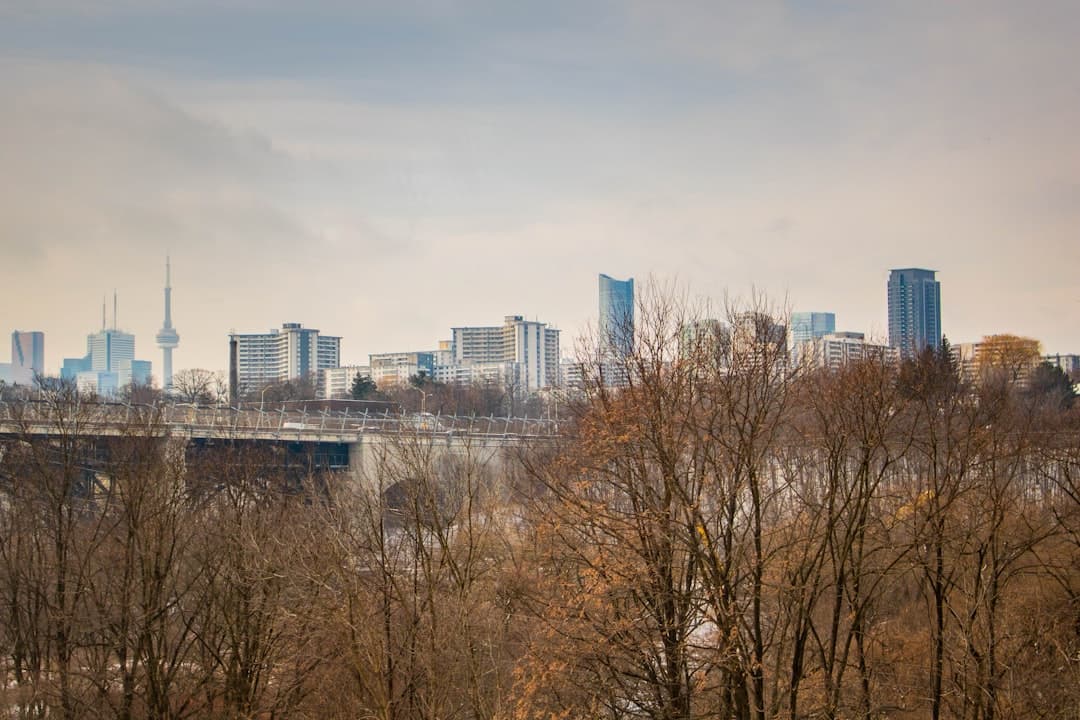
The Distillery District is a 13-acre, car-free heritage site built on the bones of the Gooderham and Worts Distillery, which dates to 1832 and was once the largest distillery in the British Empire. The red-brick Victorian industrial buildings — still largely intact — were converted in the early 2000s into a pedestrian-only village of galleries, restaurants, boutiques, and performance spaces. It's one of the best-preserved collections of Victorian industrial architecture in North America, and walking through it feels genuinely different from anything else Toronto has to offer. In practice, you spend your time wandering cobblestone laneways, ducking into art galleries and independent shops, stopping for espresso or a craft beer on a patio, and taking in public art installations scattered throughout the complex. The Distillery is home to rotating exhibitions, live theatre at Soulpepper (one of Canada's most respected theatre companies), and a strong lineup of events year-round — most famously the Toronto Christmas Market, which transforms the district every November and December into one of the city's great seasonal spectacles. Mill Street Brewery, born here though now part of a larger family, still has a presence in the original fermentation tanks. Weekends can get genuinely crowded, especially during events or in summer — if you want the full atmospheric effect of the empty cobblestones and red brick, arrive on a weekday morning. The district sits just east of the downtown core in the Corktown/West Don Lands area and is walkable from the King streetcar. There's no single admission charge — it's a public space — so it's an easy, free-to-enter afternoon that you can spend as cheaply or as lavishly as you like.
District Six Museum
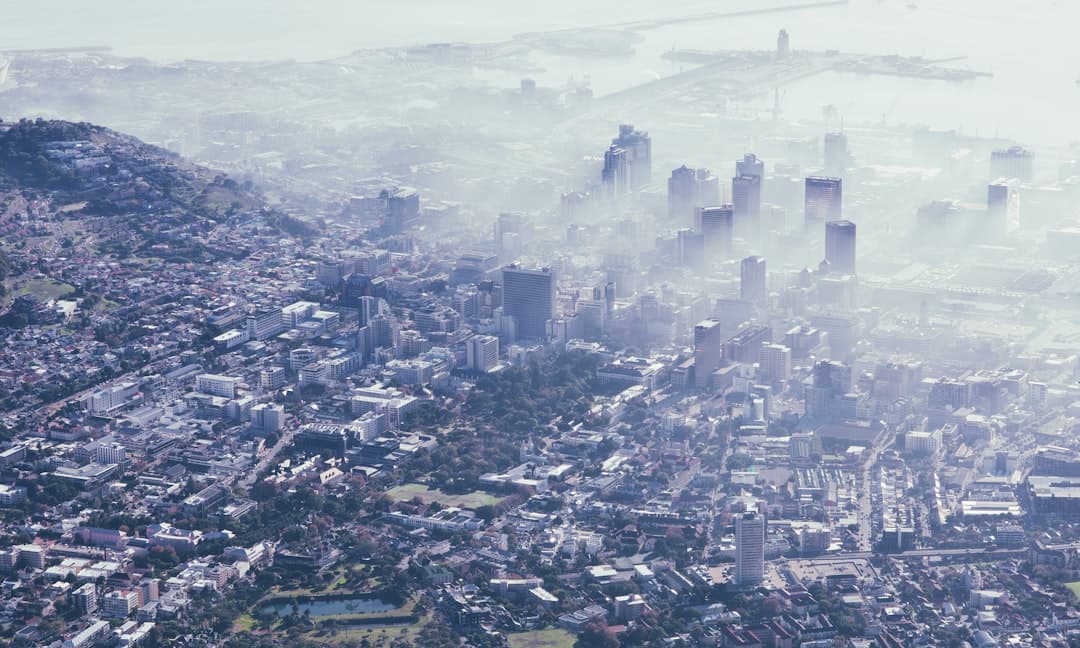
District Six was once a vibrant, multiracial inner-city neighbourhood just below Devil's Peak in Cape Town — home to over 60,000 people, most of them Coloured, Black, and Indian South Africans who had lived there for generations. In 1966, the apartheid government declared it a whites-only area under the Group Areas Act and spent the next decade bulldozing virtually every home, church, and business to rubble, forcibly removing residents to the Cape Flats townships many kilometres away. The District Six Museum, which opened in 1994 in the former Central Methodist Mission church on Buitenkant Street, was built by and for those survivors — a community-led act of memory-keeping in the face of deliberate destruction. The museum is built around testimony and personal objects rather than polished exhibition design, which gives it an emotional directness that many heritage sites lack. The centrepiece is a vast floor map of the old neighbourhood onto which former residents — some of them museum guides — have written their names and marked where they once lived. Upstairs, photographs, oral histories, street signs salvaged from the demolition, and handwritten letters tell the story from the inside. The experience can be slow and immersive; don't rush it. Guided tours are available and transformative — several guides are former District Six residents themselves, and hearing the story from someone who lived it changes everything. The museum sits at the edge of the former neighbourhood, much of which remained wasteland for decades — the apartheid government could clear the people but struggled to attract white buyers to land many considered cursed. Some restitution and rebuilding has happened since the end of apartheid, but the empty lots are still visible nearby, a quiet rebuke to history. Visit on a weekday if possible when it's less busy; mornings tend to be quieter. Entry fees are modest and go directly back into the museum's community programmes.
Djemaa el-Fna
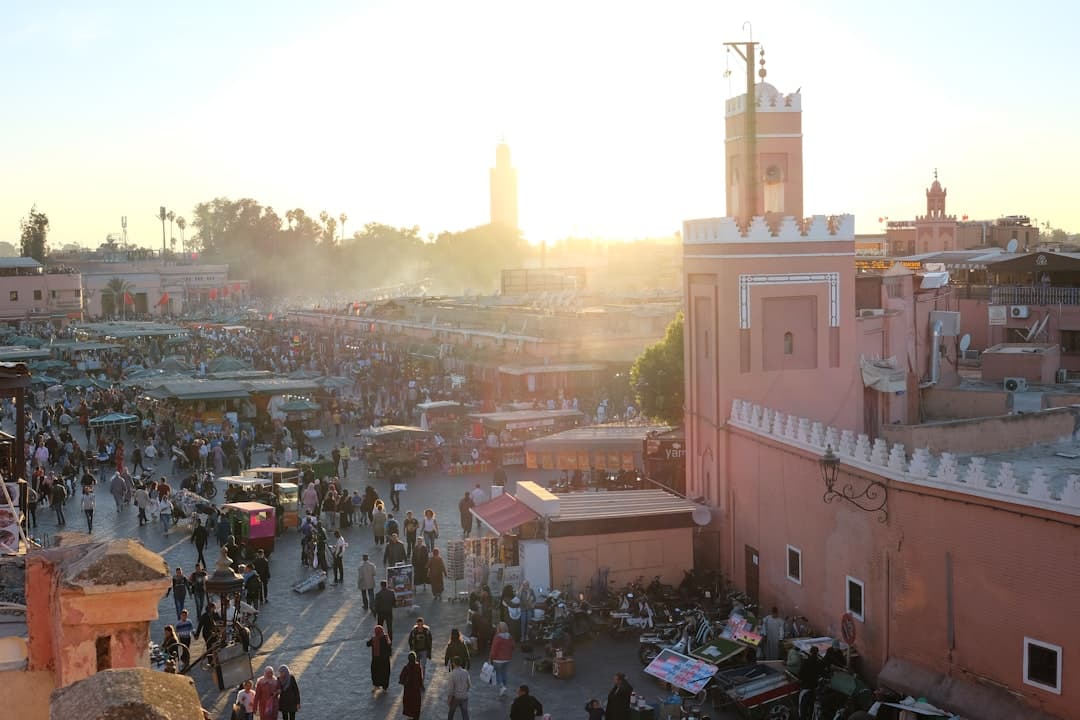
Djemaa el-Fna is the vast open plaza at the centre of Marrakech's medina — a UNESCO-recognised cultural space and one of the most alive public squares on earth. It has functioned as the social and commercial heart of the city for over a thousand years, and what happens here daily is genuinely unlike anything else: a rotating cast of storytellers, acrobats, snake charmers, Gnawa musicians, henna artists, and food vendors fill the space from mid-morning until well past midnight, creating something that feels more like organised chaos than a tourist attraction. The square transforms as the day progresses. In the morning it's relatively calm — a good time to walk it without the crush — but by late afternoon the smoke from the food stalls starts rising and the crowd thickens dramatically. Come dusk, the stalls form a labyrinthine village of grills and lanterns, and the sounds layer over each other: drum circles, calls to prayer from the Koutoubia Mosque nearby, barkers announcing the evening's entertainment. You can eat grilled lamb, snail soup, fried fish, or fresh-squeezed orange juice from stalls that have operated in this square for generations. The terrace cafés and restaurants ringing the square — spots like Café de France and the rooftop at Grand Balcon du Café Glacier — offer a bird's-eye view of the whole spectacle. The square is entirely free to enter and there is no ticketing, no queue, no formal organisation — which is both its appeal and its challenge. Prices at the food stalls are not fixed and hawkers can be persistently pushy; a friendly but firm 'no thank you' is your best tool. The square sits at the edge of the souks, making it the natural starting point for exploring the medina's labyrinthine shopping streets. Arrive with your wits about you, your camera ready, and no particular agenda — the square rewards wandering.
Djurgården
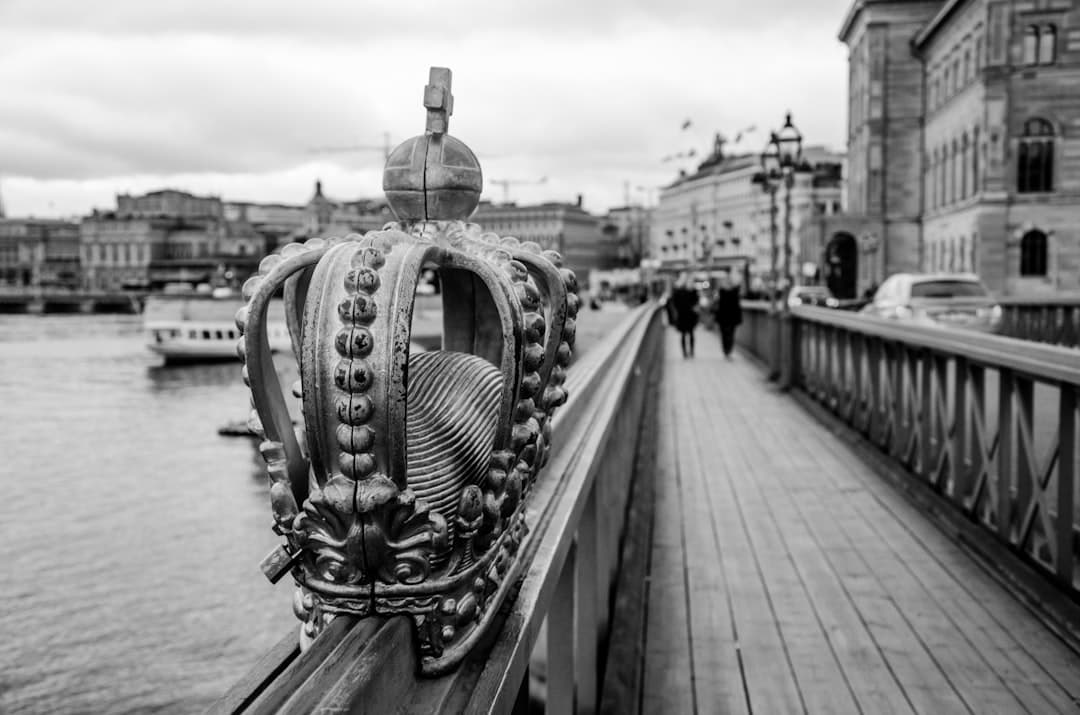
Djurgården is a large, largely car-free island sitting just east of Stockholm's city centre, and it's arguably the most beloved green space in the Swedish capital. Once a royal hunting ground reserved for the Crown, it's now open to everyone — a democratic patch of parkland, waterfront, and cultural institutions that Stockholmers treat as their collective backyard. The island is home to some of Sweden's most visited attractions, including the Vasa Museum (which houses a remarkably intact 17th-century warship raised from the harbour floor), Skansen (the world's oldest open-air museum), and the ABBA Museum, so it punches well above its weight as both a nature retreat and a cultural destination. In practice, a day on Djurgården can look wildly different depending on what you're after. You might spend the morning inside the Vasa Museum, genuinely stunned by the scale and preservation of a ship that sank on its maiden voyage in 1628, then walk through the Rosendal Palace grounds and stop for lunch at Rosendals Trädgård, a much-loved biodynamic garden café. In the afternoon, Skansen lets you wander through reconstructed Swedish farmsteads, watch glassblowers at work, and see Nordic animals like elk and brown bears. The island also has Gröna Lund, Stockholm's old-school amusement park wedged right on the waterfront, and Liljevalchs Konsthall, one of the city's better contemporary art galleries. The island is very walkable and well-connected — ferries run from Slussen and Nybroplan, and there's a tram line from Norrmalmstorg. If you're visiting in summer, go early: the Vasa Museum in particular draws massive crowds by mid-morning. Outside peak season, Djurgården becomes genuinely peaceful — a place to jog along waterfront paths or rent a bike and loop through the forested interior, which feels surprisingly wild given you're minutes from a capital city.
Doge's Palace
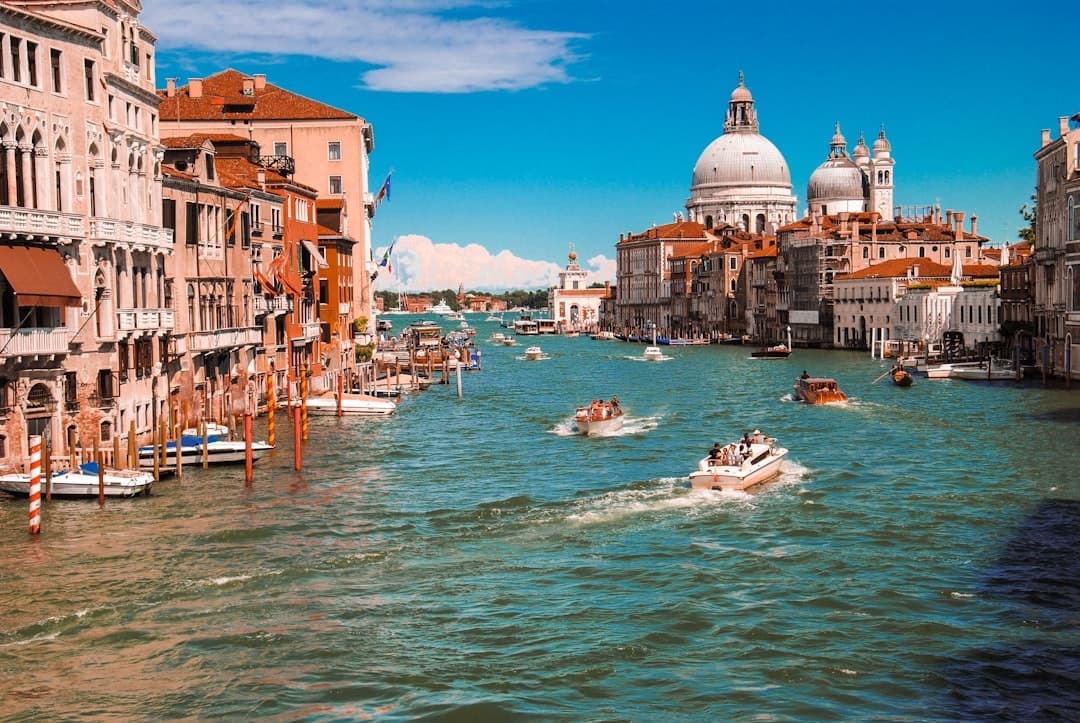
The Doge's Palace — Palazzo Ducale in Italian — was the nerve center of the Venetian Republic, one of the most powerful and longest-lived states in European history. For roughly seven centuries, this was simultaneously a seat of government, a law court, a prison, and the official residence of the Doge, Venice's elected head of state. The building you see today is a Gothic masterpiece built primarily in the 14th and 15th centuries, its distinctive pink-and-white diamond-pattern marble facade rising right on the edge of the lagoon beside St. Mark's Basilica. It's one of the most beautiful civic buildings ever constructed, and unlike a lot of grand European palaces, it was a working institution — not a royal vanity project. Inside, the scale is genuinely staggering. The Great Council Chamber (Sala del Maggior Consiglio) is one of the largest rooms in Europe, its ceiling hung with Tintoretto's 'Paradise' — reportedly the largest oil painting in the world — and the walls lined with portraits of every Doge in sequence, with one famously blacked out where the traitor Marin Falier once hung. You move through gilded council chambers, through rooms painted by Titian, Veronese, and Tintoretto, and then cross the infamous Bridge of Sighs — that delicate enclosed stone bridge above a narrow canal — into the actual prison cells where Casanova was once held (and from which he made his legendary escape). The contrast between the opulence above and the darkness below is genuinely startling. Book tickets online well in advance — this is one of the most visited museums in Italy and queues at the door can be brutal, especially in summer. The Secret Itinerary tour (Itinerari Segreti) takes small groups into normally closed areas including the torture chambers and the roof — it costs a bit more but it's worth it if you're at all curious about how the republic actually operated. Come first thing in the morning or late afternoon to avoid the worst of the crowds.
Doi Inthanon National Park
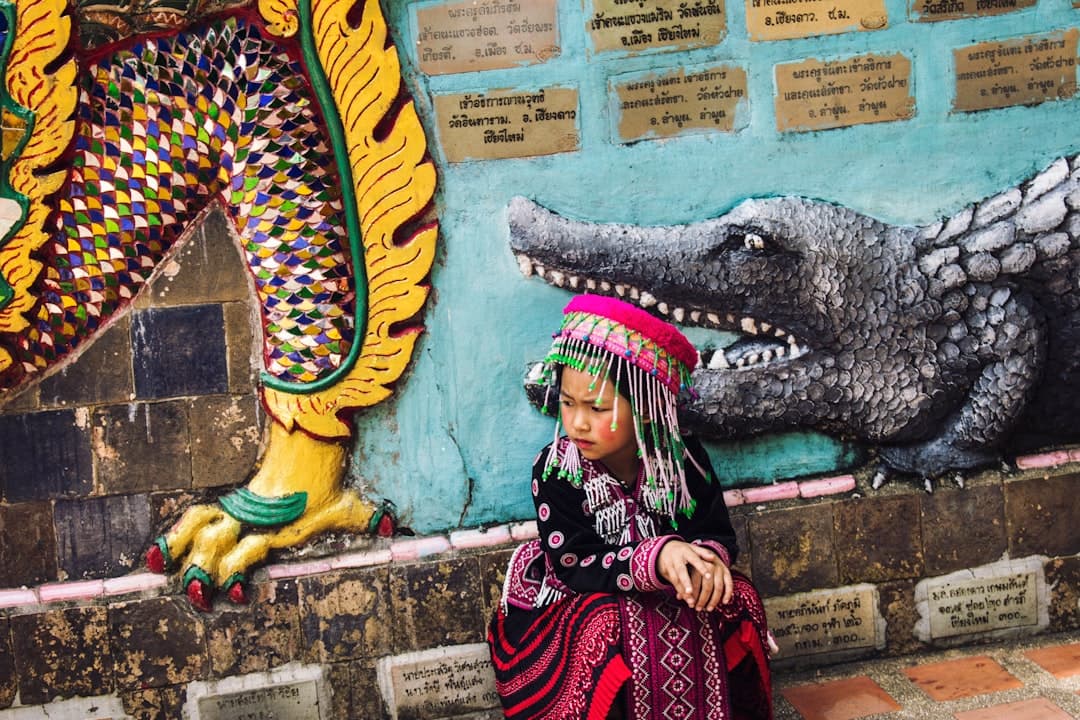
Doi Inthanon National Park is home to the summit of Doi Inthanon, standing at 2,565 metres — the highest point in Thailand. Located about 80 kilometres southwest of Chiang Mai in the mountains of the northwest, the park covers roughly 482 square kilometres of dense montane forest, waterfalls, and highland villages. It's a genuinely dramatic landscape that feels worlds away from the city, and for anyone coming from the flat, steamy lowlands, the cool air and lush canopy at the top genuinely surprises. The park packs a lot into a single day. Most visitors make a beeline for the twin chedis — Naphamethinidon and Naphaphonphumisiri — built in the late 1980s to honour the King and Queen of Thailand, surrounded by manicured gardens full of exotic flowers that bloom brilliantly in the cooler months. From there, the summit is a short drive, marked by a small shrine and, on a clear day, sweeping views into Myanmar. The waterfalls are another highlight: Mae Ya is widely considered the most spectacular in Thailand — a wide curtain of water plunging over dark rock — while Wachirathan is easier to reach and equally impressive up close. Birdwatchers come specifically for the park's remarkable diversity; over 380 species have been recorded here, including endemics you won't find anywhere else in the country. The park is best treated as a full-day trip from Chiang Mai — leave early, around 6am, to catch the summit before the clouds roll in and to beat the tour groups to the chedis. There's a national park entry fee for foreigners (currently higher than the Thai rate, as is standard), and you'll need your own transport or a hired driver to move efficiently between the waterfalls, summit, and gardens. The road up is well-maintained and the drive itself is scenic. A few small food stalls near the summit sell hot coffee and strawberries grown by hill tribe communities — don't skip them.
Dolmabahçe Palace
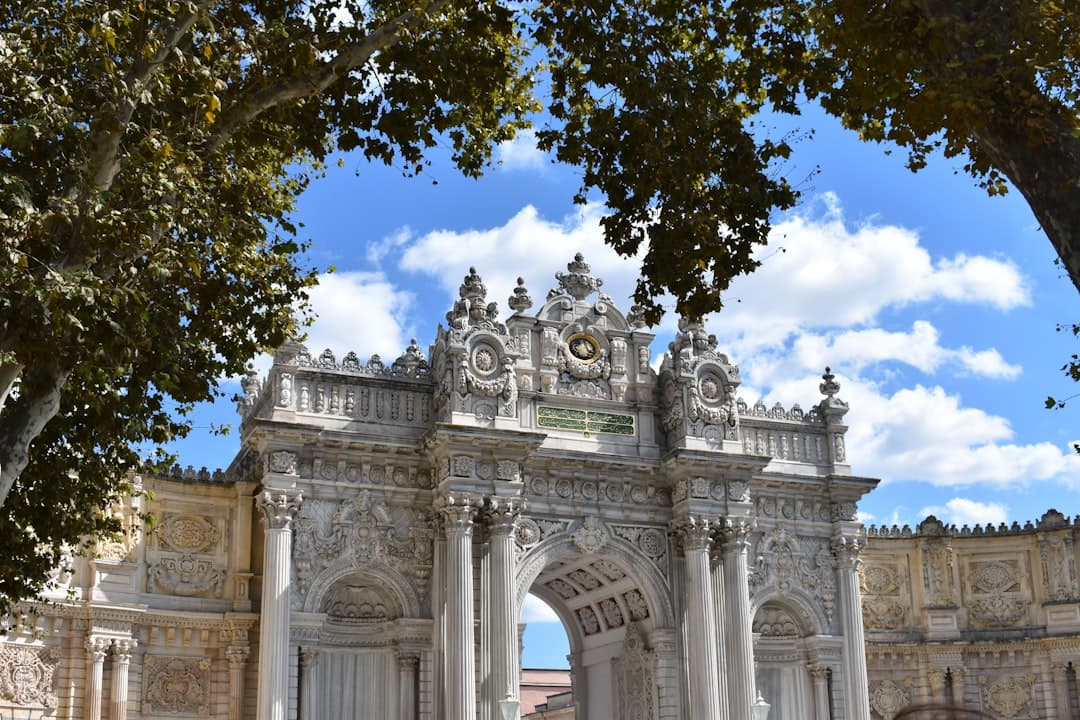
Dolmabahçe Palace sits on the European shore of the Bosphorus in Beşiktaş and was completed in 1856 under Sultan Abdülmecid I. It replaced Topkapı as the primary residence of the Ottoman sultans and was designed to signal that the empire was modernizing — a deliberate show of European grandeur built at enormous expense. The palace blends Baroque, Rococo, and Neoclassical architecture into something that reads as unmistakably Ottoman despite every Western influence, and its 600-meter waterfront facade remains one of the most dramatic views on the Bosphorus. It also holds a deeply significant place in modern Turkish history: Mustafa Kemal Atatürk, the founder of the Turkish Republic, died here on November 10, 1938, and the clocks in the palace are stopped at 9:05 AM — the exact moment of his death. Visitors tour the palace in two sections: the Selamlık (ceremonial and state rooms) and the Harem (private quarters). The Selamlık is the showstopper — the Ceremonial Hall at its center contains a crystal chandelier weighing 4.5 tonnes, a gift from Queen Victoria, and a staircase with crystal banisters. The rooms pile on Bohemian crystal, Hereke silk carpets, gilded ceilings, and European oil paintings in a way that's genuinely overwhelming. The Harem section, once home to the sultan's family and household, is more intimate but still lavishly decorated. Atatürk's bedroom, where the clocks are stopped, is a sobering and moving counterpoint to all the gilded excess around it. Tours are guided and mandatory — you cannot wander freely — and the groups move at a reasonable pace. Selamlık and Harem tickets are sold separately, and doing both is strongly recommended. The palace is closed on Mondays and some national holidays. Arrive early, especially in summer, as this is one of Istanbul's most popular paid attractions and queues can build quickly by mid-morning. The gardens facing the Bosphorus are included in the entry and worth a slow walk afterward.
Dom Luís I Bridge
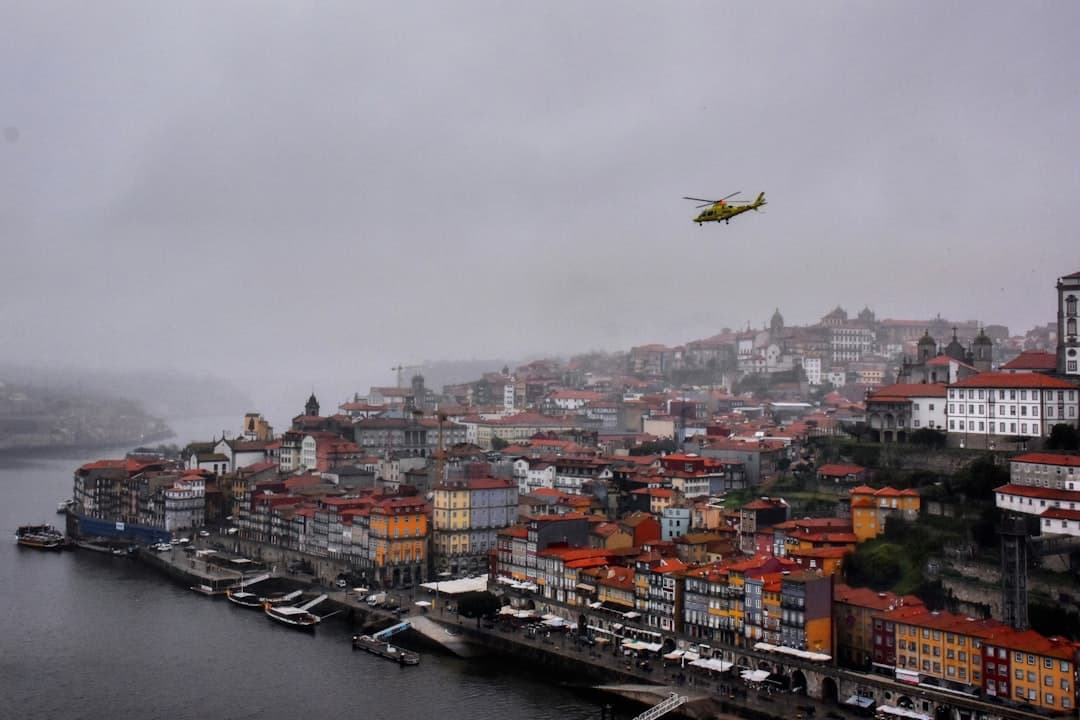
The Dom Luís I Bridge is a double-deck metal arch bridge spanning the Douro River between Porto and Vila Nova de Gaia, completed in 1886. Designed by Théophile Seyrig — a former partner of Gustave Eiffel — it was once the longest metal arch bridge in the world and remains one of the most recognizable structures in Portugal. The lower deck carries road traffic and pedestrians, while the upper deck, rising about 60 meters above the river, carries the metro line and a pedestrian walkway that delivers some of the most extraordinary urban views in Europe. Most people cross the lower deck on foot without thinking too much about it, but the real experience is getting up to the upper deck. You can walk the full span across the top — it takes maybe 15 minutes — with the city of Porto climbing steeply to your left, the port wine lodges of Gaia sprawling to your right, and the wide green Douro below you. Looking east, you can see the Maria Pia Railway Bridge, also a Seyrig design. Looking west, the river opens toward the Atlantic. The Ribeira district on Porto's side and the Cais de Gaia on the other are both living, colorful neighborhoods that anchor each end of the bridge. Take the metro from central Porto to get up to the Jardim do Morro station in Gaia — that drops you right at the upper deck level on the Gaia side without any climbing. From there you walk across and descend into the Batalha area of Porto. Sunset is the undisputed best time: the light hits the terracotta rooftops and the azulejo-tiled facades on Porto's hillside and turns everything golden. It gets genuinely crowded in summer evenings, but there's no real way to avoid it — it's just too good a view.
Dominican Monastery
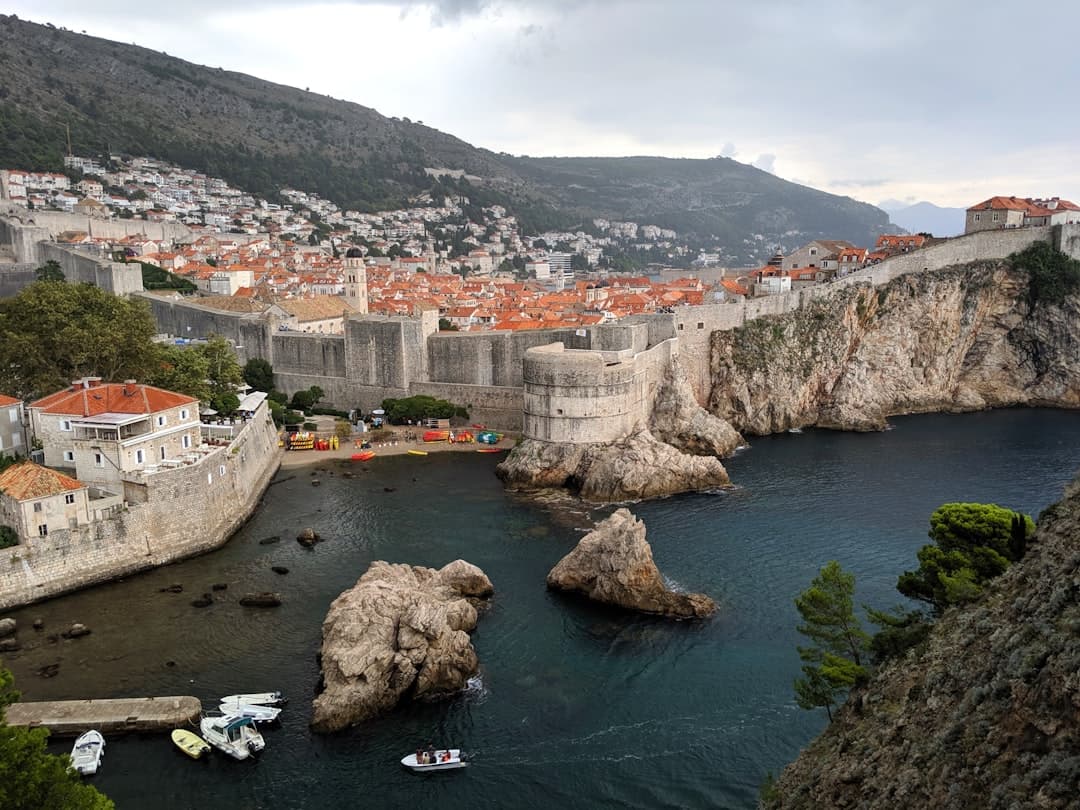
The Dominican Monastery sits just inside the Ploče Gate at the eastern end of Dubrovnik's Old Town — one of the first things you encounter after entering through those ancient walls. Founded in the early 14th century and completed in stages over the following hundred years, it's a working religious complex that has quietly accumulated one of the most impressive collections of medieval and Renaissance art in the entire Adriatic region. The church and adjoining museum are open to the public, making this one of those rare places where sacred history and serious art coexist in the same building. The real draw is the art museum housed within the monastery's cloister and treasury rooms. You'll find altarpieces and paintings by Nikola Božidarević — the finest Renaissance painter produced by the old Ragusan Republic — alongside works by Lovro Dobričević and the Venetian-influenced Ivan Ugrinović. There's a remarkable triptych by Titian's school, reliquaries in gold and silver, and illuminated manuscripts that speak to just how cultured and wealthy medieval Ragusa actually was. The Gothic-Renaissance cloister itself, with its elegant triple-arched arcades and a garden at the centre, is worth lingering in even if you don't enter the museum. This place gets overlooked because it sits in the shadow of the more famous Franciscan Monastery on the other side of the Stradun. That's your advantage. The crowds are thinner here, the atmosphere more contemplative, and the art is arguably more interesting. Come in the morning before the cruise ships unload, and you may have the cloister almost to yourself. The entrance fee is modest and includes access to the museum — it's one of the best-value stops in Dubrovnik.
Don Julio Parrilla
Don Julio is a parrilla — an Argentine grill restaurant — that has earned a reputation as one of the finest places in Buenos Aires to eat beef, which is saying something in a city that takes its meat more seriously than almost anywhere else on earth. Founded by Pablo Rivero in 1999 in the Palermo Hollywood neighbourhood, it has grown from a well-loved local spot into an internationally recognised institution, landing on the World's 50 Best Restaurants list and earning a Michelin Green Star for its commitment to sustainable ranching practices. None of that recognition has made it feel like a tourist trap — it still operates with the warmth and directness of a proper Argentine family restaurant. The experience centres on the parrilla itself — the wood-fired grill that dominates the open kitchen. You'll order cuts of grass-fed beef sourced from small Argentine producers: the bife de chorizo (sirloin) and ojo de bife (ribeye) are the signatures, cooked over quebracho wood coals to a crust-edged, rosy perfection that needs nothing more than a pinch of salt. Sides are classic and generous — roasted peppers, provoleta cheese grilled until molten, crispy fries. The wine list is extraordinary, heavy with small-producer Malbecs and older Argentine vintages rarely seen outside the country. Bottles line every wall of the warm, tile-floored dining room, making the whole place feel like eating inside a well-curated cellar. Reservations are essential and should be made well in advance — Don Julio is one of the most sought-after tables in the city and often books out days or even weeks ahead, especially on weekends. If you're flexible, showing up in person and putting your name on the waitlist can occasionally work for lunch. Dinner runs late by Argentine standards, which means late by anyone's standards — the kitchen is still firing at midnight and the room stays full. Budget accordingly: this is a splurge, but it's one that most visitors rank among the best meals of their lives.
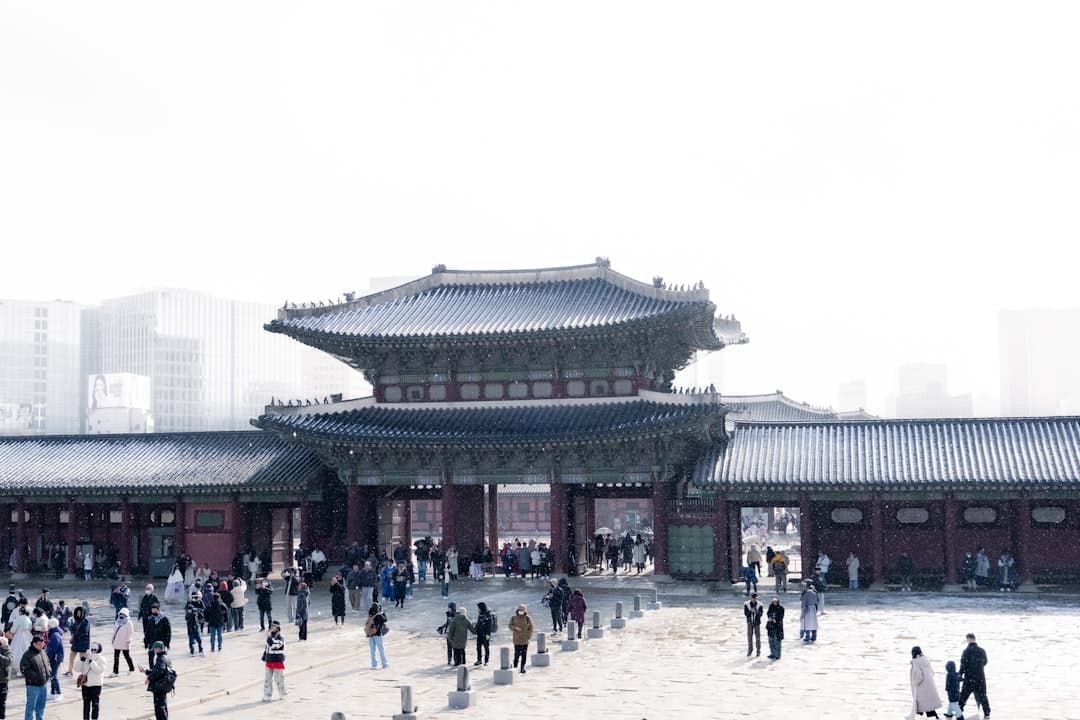
Dongdaemun Design Plaza
Dongdaemun Design Plaza — universally known as DDP — is a massive, otherworldly cultural complex in the heart of Seoul, designed by the late architect Zaha Hadid and completed in 2014. The building itself is the story: a rippling, seamless structure clad in 45,133 individually shaped aluminum panels, with no straight lines and no right angles anywhere on its surface. It sits on ground that was once the Dongdaemun Stadium, and the site carries centuries of history beneath it — excavation during construction unearthed over 1,600 artifacts from the Joseon dynasty, some of which are now displayed on-site. DDP is simultaneously an architectural landmark, a design museum, a conference center, and an events venue, and it anchors one of Seoul's most energetic neighborhoods. Visitors come to do several things at once. You can wander the swooping exterior ramps and terraces for free at any hour, which is genuinely one of Seoul's great urban experiences — especially at night when the building is lit up and the surrounding Dongdaemun market district is buzzing. Inside, the complex houses exhibition halls that rotate through design, fashion, and art shows (Seoul Fashion Week is held here), a design museum with a permanent collection, a design store worth browsing, and a handful of cafes. The sunken plaza connects to an outdoor garden built over the excavated ruins, with the old city wall fragments visible nearby. DDP is steps from Dongdaemun History & Culture Park subway station, making it very easy to reach. The exterior is free to explore and never closes, though interior exhibitions have admission fees that vary by show. Come in the late afternoon — you catch daylight on the aluminum skin, then stay into evening when the LED rose installation and building illuminations kick in. The surrounding neighborhood is a 24-hour fashion wholesale district, so there's always something happening.
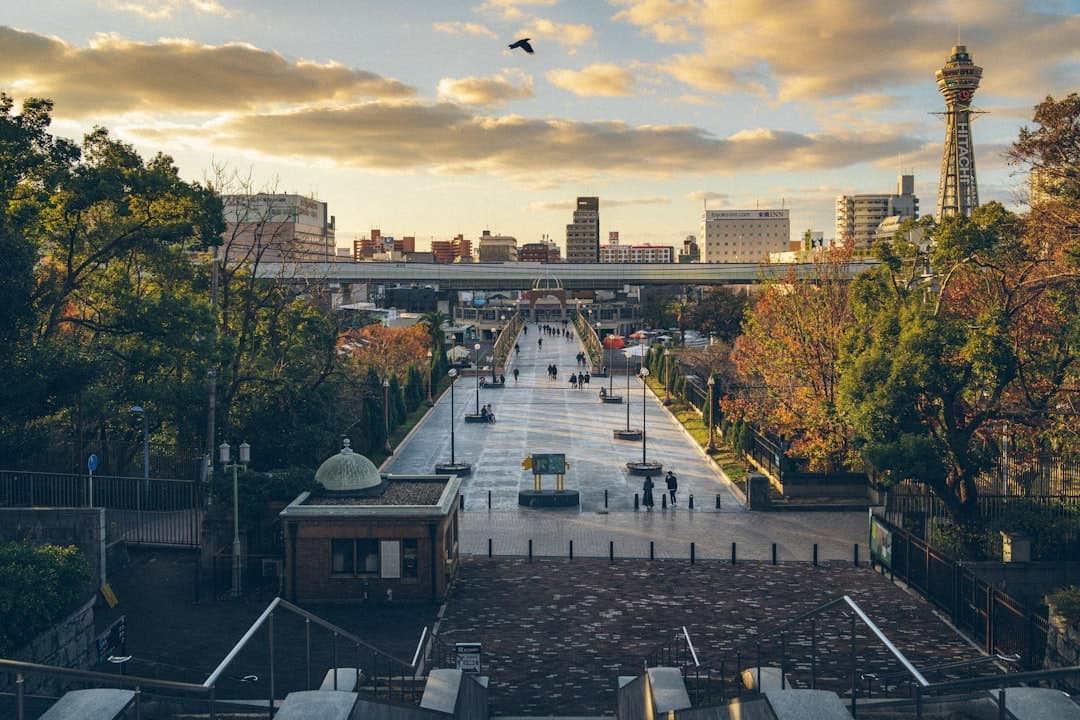
Dotonbori
Dotonbori is the beating heart of Osaka's entertainment culture — a dense, electric strip running along the Dotonbori canal in the city's Namba district. It's been the city's pleasure quarter since the early 17th century, and today it's one of Japan's most photographed urban scenes: a wall of giant 3D signs, glowing storefronts, and the famous Glico running man billboard reflected in the canal below. If you've seen a photo of Osaka, you've almost certainly seen Dotonbori. The experience is full-body sensory overload in the best possible way. You walk the Ebisubashi-suji shopping arcade and the canal-side Dotonbori street, dodging crowds, stopping to eat your way through the city's greatest hits — takoyaki (octopus balls) from Aizuya or Kukuru, kushikatsu (deep-fried skewers) at one of dozens of counters, fresh crab legs from tanks outside seafood restaurants, and ramen from joints with lines snaking onto the pavement. The giant mechanical crab outside Kani Doraku has been a local landmark since 1960. At night, the neon reflections on the canal turn the whole district into something almost unreal. Dotonbori is best explored on foot with no fixed agenda — just walk, eat, look up. Come hungry, come twice (afternoon for the food, evening for the lights). The area gets genuinely packed on weekends and holidays, so if you want to move freely, a weekday morning or early afternoon gives you the streets at a more manageable tempo. Shinsaibashi shopping district is a two-minute walk north, and the underground Namba Parks and Kuromon Market are easy add-ons.
Dr. Phillips Center for the Performing Arts
The Dr. Phillips Center for the Performing Arts is Orlando's premier performing arts complex, opened in 2014 after decades of advocacy by the arts community and named after the citrus magnate and philanthropist James Graham Phillips. It sits at the edge of Lake Eola in the heart of downtown, and its arrival fundamentally changed how Orlando sees itself — no longer just a theme park suburb, but a city with real cultural ambition. The complex houses multiple performance spaces, most notably the 2,700-seat Walt Disney Theater and the more intimate Steinmetz Hall, which opened in 2022 and is widely regarded as one of the most acoustically perfect concert halls built in the 21st century. A visit here means seeing live performance at a genuinely world-class level. Broadway touring productions roll through the Walt Disney Theater regularly — think major national tours of shows fresh off their New York runs. Steinmetz Hall, with its adjustable acoustic panels and flexible seating that can be reconfigured for different performance types, hosts classical concerts, jazz, and intimate performances where the sound is simply extraordinary. The building itself is worth exploring: the architecture blends glass, steel, and Florida limestone in a way that feels open and inviting rather than intimidating, and the public plazas are animated spaces even on non-performance nights. Box office hours listed here are for the administrative day — the real magic happens evenings and weekends when shows run. Check the performance calendar well in advance, especially for Broadway runs, which sell out quickly. The venue is walking distance from a cluster of good downtown restaurants along Church Street and Orange Avenue, making a dinner-and-show evening very doable. Parking is available in the adjacent garage, but rideshare drop-off is easy and often the smarter call.
Dubai Creek
Dubai Creek — known locally as Khor Dubai — is a natural saltwater inlet that splits the city into two historic districts: Deira to the north and Bur Dubai to the south. Long before the skyscrapers and the malls, this was Dubai: a pearl-diving and trading port that attracted merchants from India, Persia, and East Africa. The Creek is essentially the reason Dubai exists at all, and wandering its banks is the closest you'll get to understanding what this place was before it became what it is now. The experience revolves around the water and the activity on either side of it. You cross by abra — the small wooden water taxis that have been making this crossing for generations — for just one dirham, one of the great travel bargains anywhere. On the Deira side, the Gold Souk and Spice Souk are a short walk from the waterfront, their lanes packed with merchants hawking saffron, frankincense, and stacked towers of 24-karat jewellery. On the Bur Dubai side, the restored heritage area around the Dubai Museum and Al Fahidi Historical Neighbourhood offers wind-tower architecture and a genuine sense of pre-oil Dubai. The Creek itself stays busy with dhows — traditional wooden cargo vessels — that still operate trade routes to Iran and India. Evening is when the Creek really sings. The light softens, the air cools slightly, and the dhows light up along the Deira waterfront. A dinner cruise is a reliable way to see the whole stretch, though the quality varies — stick to operators with proper catering rather than the cheapest option. If you just want to sit, the waterfront promenade on the Bur Dubai side near the old souk area is an underrated spot to watch the abras dart back and forth while the city hums around you.
Dubai Frame
The Dubai Frame is a 150-metre-tall structure shaped exactly like an enormous picture frame, standing in Zabeel Park between the older neighbourhoods of Deira and Bur Dubai on one side and the glittering modern skyline of Downtown Dubai and Sheikh Zayed Road on the other. That positioning is the whole point — the architects designed it so that standing inside the frame, you're literally looking at two different eras of the same city through opposite windows. It opened in 2018 and has become one of Dubai's most visited landmarks, partly because the concept is genuinely clever and partly because the views it delivers are hard to beat. The experience works on three levels — sometimes literally. You take a lift up through one of the two vertical towers, walking through a series of museum-style galleries that trace Dubai's history from a small pearl-diving settlement to the megalopolis it is today. Then you step out onto the glass-floored sky bridge connecting the two towers at the top, 150 metres above the ground, where the transparent floor gives you a stomach-dropping look straight down while the panorama of Dubai stretches out in both directions. The views of the old city to the north and the Downtown skyline to the south are genuinely spectacular, especially in the golden hour before sunset. It sits inside Zabeel Park, which is itself a pleasant green space worth a wander. Tickets can be bought on-site but it's worth checking ahead during peak season and school holidays when queues can build. Morning visits tend to be quieter, and the late afternoon light makes the cityscape glow — arrive around 4–5pm if you want photos that look like they belong on a magazine cover.
Dubai Mall
Dubai Mall is not just a shopping centre — it's a city block under one roof. Opened in 2008 and anchored beside the Burj Khalifa, it covers over 500,000 square metres of floor space and hosts more than 1,200 retail outlets, making it the largest mall in the world by total area. But the headline figures miss the point: this place was designed as a destination in its own right, a place where people come to spend a full day regardless of whether they buy anything. The anchor attractions are genuinely impressive. The Dubai Aquarium and Underwater Zoo sits in the middle of the ground floor — a 10-million-litre tank with a walk-through tunnel and one of the largest viewing panels on the planet. There's a full Olympic-size ice rink, a SEGA Republic indoor theme park, a VR Park, KidZania (a miniature city for children), and over 200 food and beverage outlets ranging from casual fast food to white-tablecloth restaurants. The Dubai Fountain — the world's largest choreographed fountain — performs on the Burj Lake outside every evening and can be watched for free from the outdoor terrace or from restaurants along the waterfront promenade. A few things worth knowing before you go: the mall is enormous and genuinely easy to get lost in — download the official app for a map before you arrive. The Burj Khalifa entrance is the most dramatic and drops you closest to the aquarium and fountain-view terrace. Evenings, especially on weekends, are extremely busy; if you want to see the fountain show without a crowd, aim for a Sunday night or an early weekday evening show. Parking is vast but chaotic on Fridays and Saturdays — the metro link from the Burj Khalifa/Dubai Mall station via a covered walkway is genuinely the smarter option.
Dubai Museum
The Dubai Museum sits inside Al Fahidi Fort, a structure built around 1787 that served as the ruler's residence, garrison, and prison before becoming a museum in 1971. It's the oldest surviving building in Dubai, and that context is the whole point — this is where the city began, long before the skyscrapers and shopping malls arrived. For anyone trying to understand how a small pearl-diving and trading settlement transformed into one of the world's most ambitious cities in under a century, this is the essential starting point. The experience moves through a series of underground galleries that reconstruct old Dubai in surprising detail — a traditional souk, a mosque interior, a palm-frond house, dioramas of pearl divers at work, displays on desert and creek life, and artifacts excavated from archaeological sites across the emirate. The mannequins and recreations can feel dated, but they do the job. Upstairs in the fort's courtyard, you'll find old dhow boats and weaponry. The whole visit wraps up in well under two hours, but it gives you a genuine sense of what life here actually looked like before oil changed everything. At just 3 AED for most visitors (a handful of dirhams, basically free), it's one of the best-value hours you can spend in Dubai. The museum is in the Al Fahidi Historical Neighbourhood — also called Bastakiya — which is itself worth a long wander afterward. Small galleries, wind-tower architecture, and the Majlis Gallery are all within easy walking distance. Come in the morning when it's less crowded and cooler outside for the neighbourhood walk that should follow.
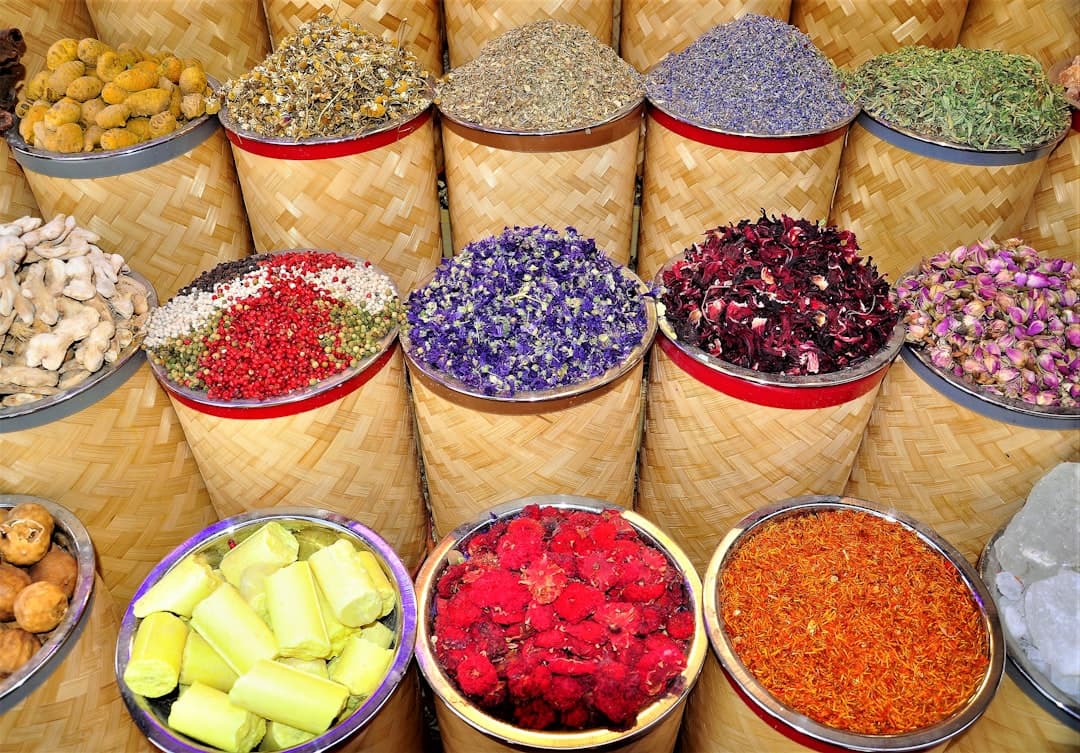
Dubai Spice Souk
The Dubai Spice Souk is an open-air market in the historic Al Ras district, just a short walk from the Dubai Creek waterfront. It's one of the oldest trading markets in the city, and while Dubai has transformed into a skyline of glass towers and mega-malls, this corner of Deira has stayed largely as it was — a labyrinth of narrow lanes lined with sacks of dried rose petals, towers of turmeric, cinnamon sticks bundled like firewood, and walls hung with dried limes and barberries. It matters because it's one of the few places in Dubai where you can feel the city's identity as a trading port, not a theme park. Walking through the souk, you move from stall to stall as vendors call out and offer small samples — a pinch of za'atar here, a whiff of oud incense there. The goods include culinary spices, medicinal herbs, henna powder, frankincense resins, and dried fruits. Many stalls sell loose-leaf teas and Persian saffron, which here is dramatically cheaper than what you'd find in a supermarket back home. Bartering is standard practice and expected, so the first price is never the final price. The souk is small enough to cover in an hour, but the experience rewards those who slow down and actually talk to the merchants. Go in the morning, ideally before 10am, when it's cooler and less crowded. The souk is right next to the Gold Souk and a two-minute walk from the Creek abra (water taxi) stations, so it pairs naturally with a broader Old Dubai wander. Friday mornings are generally quieter than weekday afternoons. Bring cash — small denominations — as very few stalls take cards.
Dublin Castle
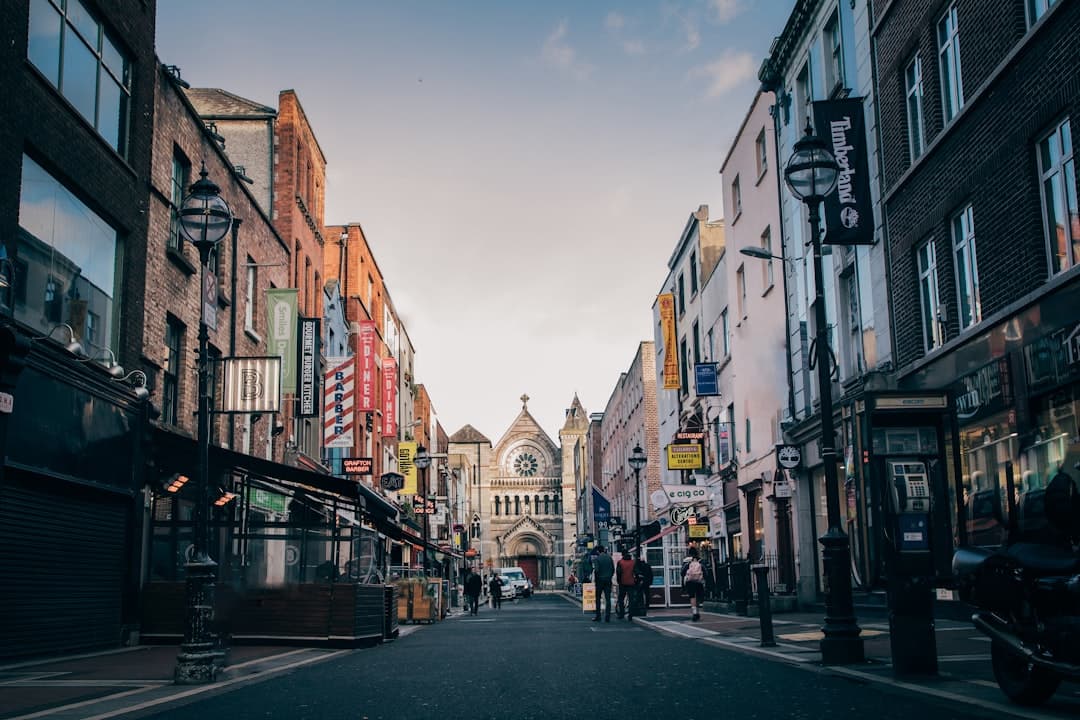
Dublin Castle isn't really a castle in the fairy-tale sense — it's a sprawling medieval-to-Georgian complex that served as the administrative heart of British rule in Ireland for over 700 years. Built on the site of a Viking settlement, it was the seat of the Lord Lieutenant of Ireland until 1922, when the keys were ceremonially handed to Michael Collins and Irish independence began. Today it functions as a state venue still used for presidential inaugurations and EU summits, while being open to visitors who want to understand how Ireland was governed — and eventually liberated from — one of history's most powerful empires. Visitors explore the State Apartments, which are genuinely spectacular — gilded rooms, Waterford crystal chandeliers, and the Throne Room where British monarchs once held court. The Undercroft is particularly striking: descend beneath the cobblestoned Upper Yard and you'll find the excavated remains of the original Viking-era defensive wall and the old moat, still visibly intact. The Chapel Royal, completed in 1814, is a beautiful piece of Gothic Revival architecture with intricate limestone carvings and an ornate interior. Guided tours are available and add real depth to what you're seeing. The castle sits right in the medieval core of Dublin, steps from Dame Street and the Cultural Quarter. Tours run regularly and the last admission is around 5:15pm — arrive by 4:30pm at the latest if you want to do it properly. The Revenue Museum in the castle grounds is free and often overlooked, covering Irish customs and tax history in a surprisingly engaging way. On State occasions parts of the castle may close without much warning, so it's worth checking ahead if you have a specific date in mind.
Dubrovnik Cable Car
The Dubrovnik Cable Car carries passengers from the base station just outside the old town walls up to the summit of Mount Srđ, climbing nearly 400 meters in just a few minutes. The original cable car was destroyed during the 1991-92 siege of the city, when Serbian and Montenegrin forces occupied the mountaintop and shelled Dubrovnik from above — it was rebuilt and reopened in 2010, and riding it today carries a quiet but real historical weight. The summit sits at 412 meters and offers an unobstructed panorama across the old town, the Elaphiti Islands, and on clear days the coastline stretching toward Montenegro. The experience itself is simple and spectacular. The modern cabins are glass-sided, so the view opens up almost immediately as you climb, and by the time you reach the top the entire red-roofed labyrinth of the old town is laid out below you like a scale model. Up top, there's a small fortification called Fort Imperial, a restaurant and bar with terrace seating, and marked walking trails along the ridge. Most people spend time taking photographs from every conceivable angle, but the summit rewards those who linger — the light shifts dramatically, especially in the late afternoon when the sun drops toward the Adriatic. The lower base station is on Petra Krešimira IV street, a short walk from the Buža Gate on the northern side of the old town walls. Queues can be long during summer peak hours, particularly midday. Go first thing in the morning when it opens, or in the early evening for golden-hour light. Tickets can be bought on-site, but in high season buying them in advance online avoids the worst of the wait. Bring a layer — the summit is noticeably cooler and can be windy even when the city below is baking.