
All Places
1,073 places around the world
1,073 places · page 12 of 45
Dubrovnik Cathedral
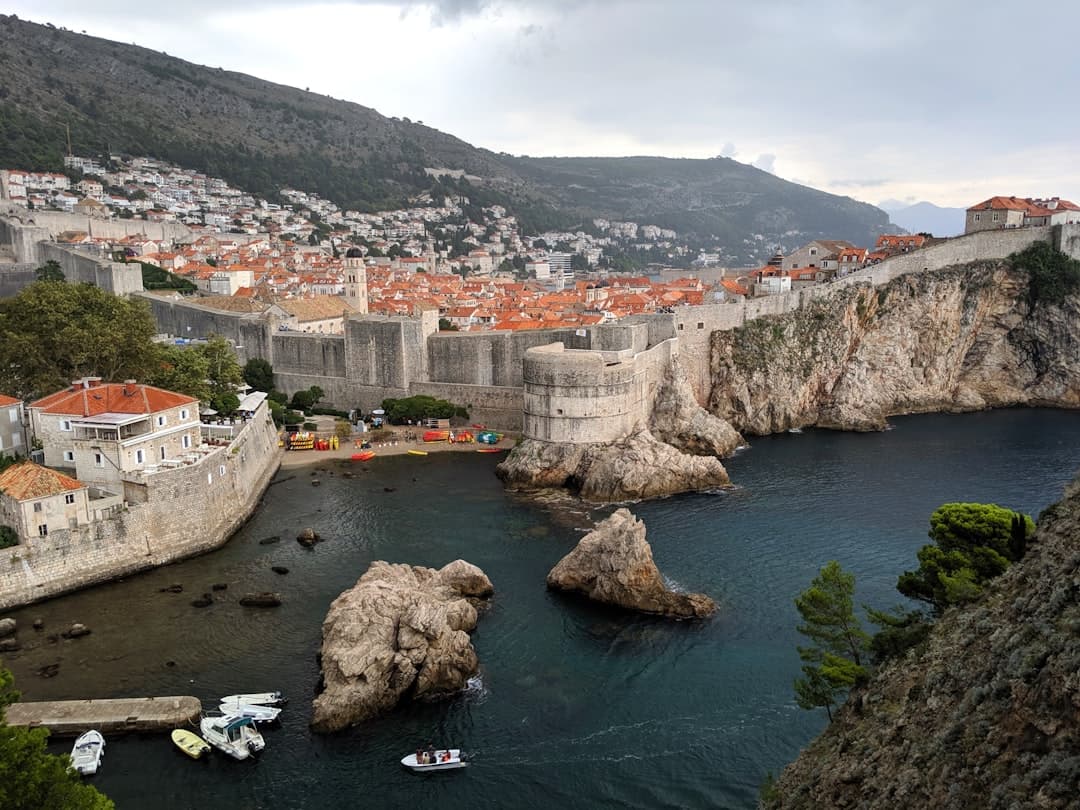
Dubrovnik Cathedral — formally the Cathedral of the Assumption of the Virgin Mary — sits at the heart of the Old Town, just steps from the Rector's Palace and the main Stradun promenade. The current building dates from the late 17th and early 18th centuries, constructed after the catastrophic 1667 earthquake that levelled most of medieval Dubrovnik. It replaced an earlier Romanesque cathedral that local legend claims was funded by Richard I of England in gratitude for surviving a shipwreck near the island of Lokrum on his return from the Third Crusade — a story historians debate, but Dubrovnik has never seen reason to stop telling it. The interior is richly Baroque — think gilded altars, dramatic ceiling paintings, and a genuine sense of Roman Catholic grandeur compressed into a relatively modest space. The main altarpiece, featuring a Titian attributed painting of the Assumption, anchors the nave. But the real draw for many visitors is the Cathedral Treasury, housed in a separate room off the main nave. It holds a remarkable collection of reliquaries, including a gold-and-enamel reliquary said to contain part of the skull of Saint Blaise (the city's patron saint), plus relics of his arm and leg in equally ornate Byzantine-style caskets. It's one of the better small sacred treasure collections in the Adriatic. The cathedral doesn't require a long visit — an hour is comfortable — but it rewards slow looking. Arrive early in the morning before tour groups flood the Old Town, or try late afternoon when the crowds thin and the light softens. The Treasury charges a small separate entry fee, which is worth paying. Sunday opening hours are later than weekdays, so plan accordingly if that's your day.
Duomo di Firenze
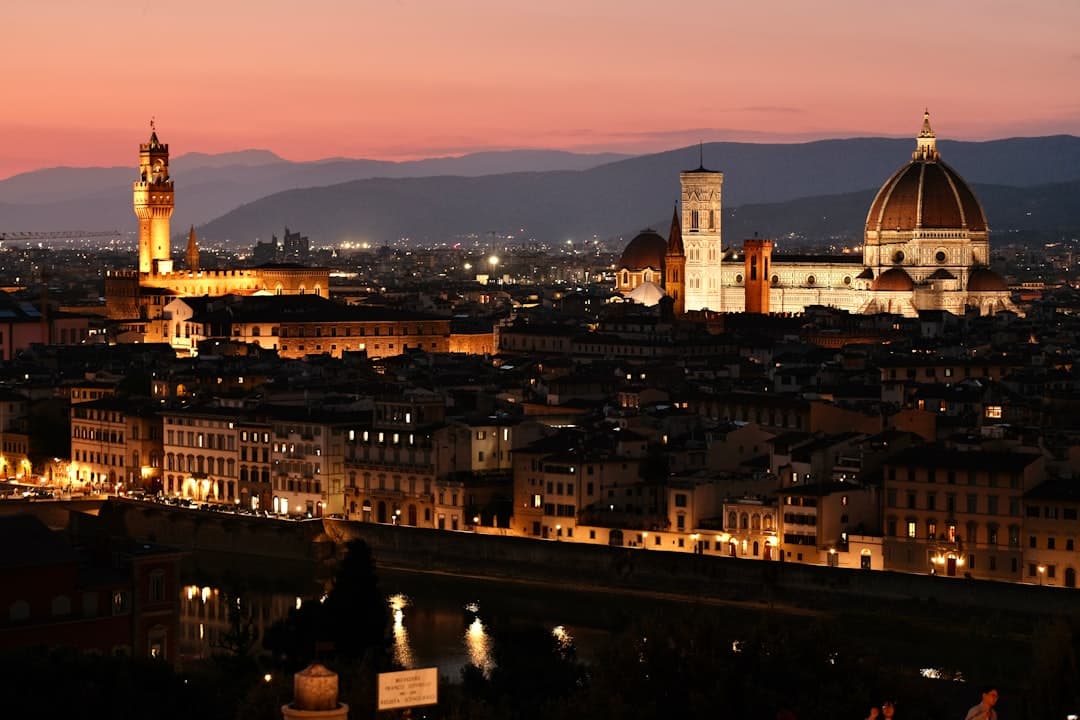
The Duomo di Firenze — officially the Cattedrale di Santa Maria del Fiore — is Florence's cathedral and one of the most important buildings in the history of Western architecture. Begun in 1296 and consecrated in 1436, it dominated the medieval cityscape from the start, but its most audacious element came later: Filippo Brunelleschi's octagonal dome, completed without the use of scaffolding by any conventional method, was an engineering feat so radical that nobody fully understood how he did it for centuries. The terracotta-tiled dome remains the largest masonry dome ever built, and the cathedral's striped marble facade — white from Carrara, green from Prato, pink from Maremma — is as distinctive as any building on earth. The complex actually encompasses several components, each requiring separate tickets or timed entry: the cathedral interior itself, the dome climb, the Campanile (Giotto's bell tower), the Baptistery of San Giovanni with its famous gilded bronze doors, the Crypt beneath the cathedral, and the Museo dell'Opera del Duomo, which houses original artworks including Ghiberti's Gates of Paradise and Michelangelo's late Pietà. Most visitors spend time moving between several of these. The dome climb — 463 steps up a narrow spiral staircase with no lift — rewards you with an extraordinary close-up of Vasari and Zuccari's Last Judgment fresco on the interior of the dome, then a panoramic terrace view over the entire city. Entry to the cathedral interior is free, but everything else — the dome, Campanile, Baptistery, Crypt, and Museum — requires a combined ticket bought in advance. The queues to buy tickets on-site are brutal in high season, so book online before you arrive. The dome in particular sells out well ahead; if you want to climb it, treat booking as non-negotiable. Early morning slots are cooler and less crowded. The museum is genuinely underrated and often quieter than the main monuments — it's where the best original sculptures now live, having been moved indoors to protect them from the elements.
Duomo di Milano
The Duomo di Milano is one of the largest Gothic cathedrals in the world and the undisputed centerpiece of Milan. Construction began in 1386 under Gian Galeazzo Visconti and wasn't fully completed until 1965 — nearly six hundred years of continuous building, which is part of what makes it so extraordinary. The façade alone bristles with over 3,400 statues, 135 spires, and an intricate web of marble tracery that looks almost impossibly detailed up close. The gilded copper statue of the Madonnina, perched at the very top at 108 meters, has been watching over Milan since 1774 and is beloved enough that a local saying holds no building in the city may stand taller than her. Visiting means moving through several distinct experiences. Inside, the cathedral is vast and dim, its nave stretching 157 meters through an atmosphere of cool stone and colored light filtered through some of the largest stained-glass windows in the world — the oldest dating to the 14th century. Look for the gory but fascinating bronze statue of St. Bartholomew Flayed by Marco d'Agrate, one of the most striking works of Renaissance anatomical sculpture you'll find anywhere. Then take the stairs or elevator to the rooftop terraces, where you can walk among the spires at close range, read the carved details on the pinnacles, and on a clear day spot the Alps stretching across the northern horizon. The rooftop is genuinely one of the great urban viewpoints in Europe. The Piazza del Duomo below is Milan's living room — chaotic, photogenic, and perpetually crowded. Buy your tickets in advance online through the cathedral's official system; walk-up queues can be brutal, especially in summer. A combined ticket covering the cathedral interior, the archaeological area (Roman baptistery ruins beneath the building), the museum, and the rooftop is the best value. Early morning visits — right at opening — offer a rare window of relative quiet before the tour groups arrive.
Dutch Resistance Museum
The Dutch Resistance Museum — Verzetsmuseum in Dutch — is one of the most thoughtfully designed history museums in Europe, dedicated to the five years the Netherlands spent under Nazi occupation from 1940 to 1945. It doesn't deal in abstract politics or distant statistics. Instead, it puts ordinary Dutch people at the center: the teachers, printers, clergy, and dock workers who faced impossible choices about how to respond to occupation. Some resisted. Some collaborated. Many tried simply to survive. The museum is honest about all of it. The main exhibition takes you through the occupation year by year, using reconstructed street scenes, personal documents, secret hiding places, and audio testimonies to recreate what daily life actually felt like. You'll see forged identity cards, illegal underground newspapers, a reconstructed kitchen used to hide Jewish families, and the radio sets people risked their lives to own. The exhibits don't lecture — they present dilemmas and let you sit with them. A separate wing dedicated to children, the Verzetsmuseum Junior, uses the stories of four real children from different backgrounds to make the history accessible to younger visitors without softening it. The museum sits in the Plantage neighborhood, close to the Artis zoo and the Hortus Botanicus, in a building that was once a trade union hall — itself a piece of Amsterdam labor history. It's significantly less crowded than the Anne Frank House, covers overlapping history in considerably more depth, and is arguably the more rewarding experience for adults. Plan around two hours. The museum shop has an unusually good selection of books on Dutch wartime history if you want to go deeper.
EPIC The Irish Emigration Museum
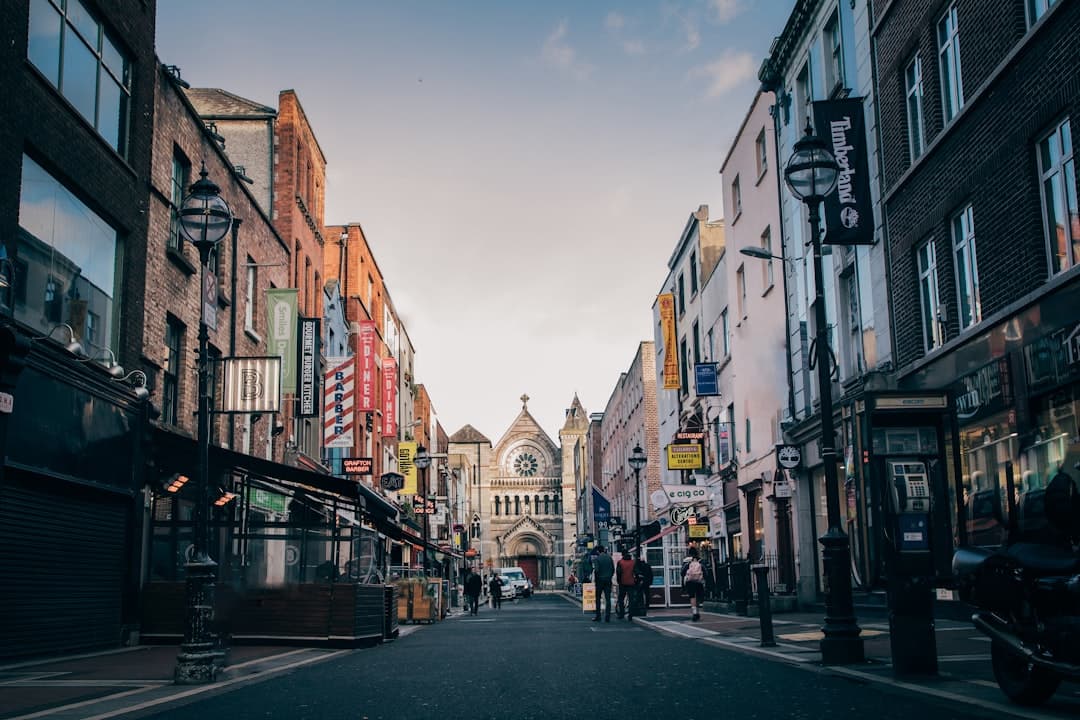
EPIC The Irish Emigration Museum tells the story of one of history's most dramatic diaspora events — the scattering of the Irish people across the globe, driven by famine, poverty, conflict, and ambition. Housed in the vaulted brick cellars of the CHQ Building, a beautifully restored Victorian iron-and-glass warehouse on the north bank of the Liffey, it opened in 2016 and has since won multiple European Museum of the Year awards. It's not a dry history museum. It's an immersive, emotional journey through what it meant — and means — to leave Ireland behind, and what the Irish carried with them: language, music, faith, politics, and resilience. Inside, twenty-two themed galleries unfold across the building's lower level, each exploring a different strand of the Irish emigrant experience — from the coffin ships of the Famine era to Irish influence on American presidents, from Irish soldiers who fought in foreign wars to the writers, artists, and musicians who shaped culture worldwide. The interactives are genuinely good: touchscreens let you trace your own Irish heritage, immersive audio puts you in the hold of a Famine ship, and the storytelling is personal and specific rather than abstract. Figures like James Joyce, Grace Kelly, Che Guevara (with Irish roots), and JFK all make appearances, but the real power comes from ordinary people's stories. The museum sits right at the heart of the Docklands regeneration, within easy walking distance of the Famine Memorial statues along the quay — visit both in the same afternoon for a genuinely affecting experience. Book tickets online to avoid queuing. The last entry is typically an hour before closing, so an afternoon visit gives you plenty of time. The gift shop is one of Dublin's better ones for books and quality Irish-made items rather than generic tourist fare.
EYE Film Museum
EYE Film Museum is the Netherlands' national film institute and cinematheque, housed in a spectacular white angular building on the north bank of the IJ waterway. Opened in 2012 and designed by Delugan Meissl Associated Architects, the building itself is half the spectacle — it looks like a crashed spacecraft or a cresting wave depending on the light. EYE preserves and presents more than 37,000 Dutch and international films, and its mission stretches from mainstream cinema history to rare archival footage and experimental moving image art. Inside, you'll find multiple cinema screens showing a rotating programme of classics, retrospectives, art films, and new releases — often in original language with Dutch subtitles. The permanent basement exhibition, called 'Image for Sale', is a playful, hands-on exploration of film language, special effects, and visual storytelling, with interactive installations that work well for curious adults and older children alike. Temporary exhibitions fill additional gallery spaces and change several times a year, covering everything from specific directors to broader movements in film culture. The café-restaurant on the ground floor has floor-to-ceiling windows looking straight across the IJ toward Amsterdam's historic centre — it's one of the best views in the city and you don't need a museum ticket to enjoy it. Getting here is part of the fun: a free ferry runs from behind Amsterdam Centraal station every few minutes and takes about two minutes to cross. Most visitors overlook the north bank entirely, which means EYE sits in a pocket of relative calm just minutes from one of Europe's busiest tourist hubs. Check the film programme before you go — if something in the schedule appeals, buy tickets online in advance since popular screenings sell out.
East Side Gallery
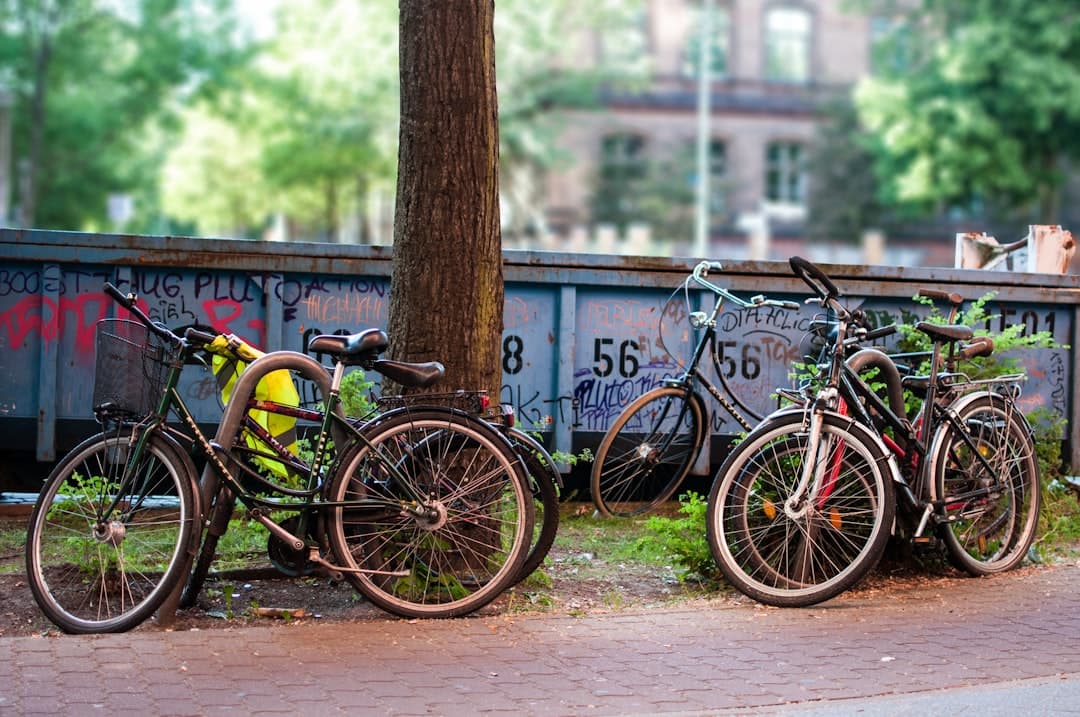
The East Side Gallery is the longest surviving section of the Berlin Wall still standing — a 1.3-kilometre stretch of concrete along the Spree River in Friedrichshain that was transformed into an open-air gallery in 1990, just months after the Wall fell. More than 100 artists from over 20 countries were invited to paint directly onto the eastern face of the Wall, turning a symbol of division and oppression into one of the most visited public art installations in the world. This isn't a reconstruction or a memorial in the traditional sense — it's the actual Wall, still standing where it stood, now covered in murals that range from politically charged to joyful to surreal. Walking the gallery means strolling along the riverbank and moving from mural to mural at your own pace. The most famous image here is Dmitri Vrubel's painting of Soviet leader Leonid Brezhnev and East German leader Erich Honecker locked in a fraternal kiss — derived from a real photograph and captioned 'My God, Help Me to Survive This Deadly Love.' Equally iconic is Birgit Kinder's Trabant car bursting through the Wall. Most of the original murals have been restored over the years, some controversially, and there's a mix of aged originals and repainted versions. You can walk the full length in 30 minutes if you push through, but most people take longer, stopping to read plaques, take photos, and absorb the weight of what they're looking at. The gallery runs along Mühlenstraße, between Ostbahnhof and Warschauer Straße — two S-Bahn stations that make it easy to do as a point-to-point walk. The riverside side of the Wall faces the Spree and the Mercedes-Benz Arena, and there are bars and food stalls clustered nearby, especially toward the Warschauer end. Go early in the morning if you want photographs without crowds — by mid-morning in summer it's packed with tour groups. The Wall is accessible 24 hours, always free, and lit at night, though the full impact of the murals reads better in daylight.
Eastern State Penitentiary
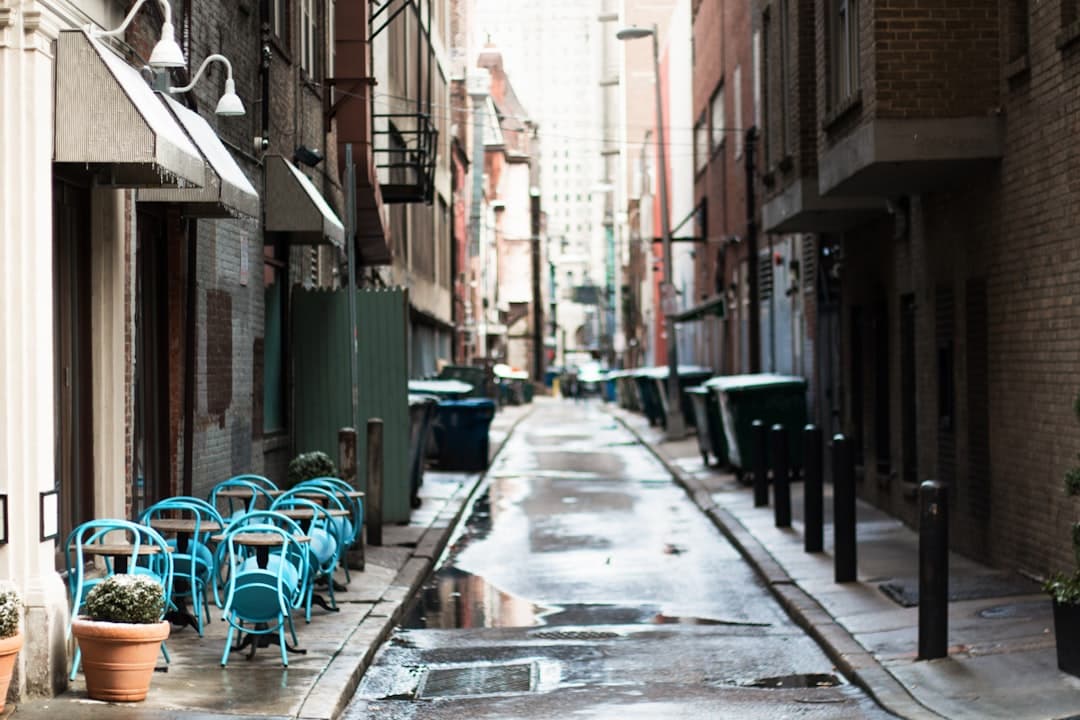
Eastern State Penitentiary opened in 1829 as one of the most expensive and influential buildings ever constructed in the United States. It was built on the radical idea that prisoners, kept in complete isolation and silence, would reflect on their crimes and emerge reformed — a philosophy called the Pennsylvania System. Instead, it became notorious for driving inmates to madness. The castle-like structure on Fairmount Avenue held some of America's most famous criminals, including Al Capone, and operated as a working prison until 1971. Today it stands as a preserved ruin and National Historic Landmark, deteriorating walls and all, open to the public as one of the most atmospheric historic sites in the country. Visiting feels like stepping into a post-apocalyptic film set. You wander cellblock after cellblock — some partially restored, others left to collapse in on themselves, with crumbling plaster, rusted ironwork, and weeds pushing through concrete. An audio tour narrated by actor Steve Buscemi gives structure to the experience, but the real draw is the texture of the place: narrow barrel-vaulted cells designed to let in a single beam of light (called the 'Eye of God'), Al Capone's surprisingly comfortable cell with its decorative furniture, and haunting artist installations embedded throughout the ruins. The penitentiary also runs a serious program of contemporary and historical art installations that change regularly. Buy tickets in advance, especially on weekends and during October when the wildly popular 'Terror Behind the Walls' haunted house takes over the space on evening hours. The regular daytime tour is a very different experience — contemplative and genuinely moving. Go on a weekday morning to have the cellblocks nearly to yourself, which is exactly as eerie as it sounds. The gift shop is surprisingly good if you're drawn to dark history merchandise.
Edinburgh Castle
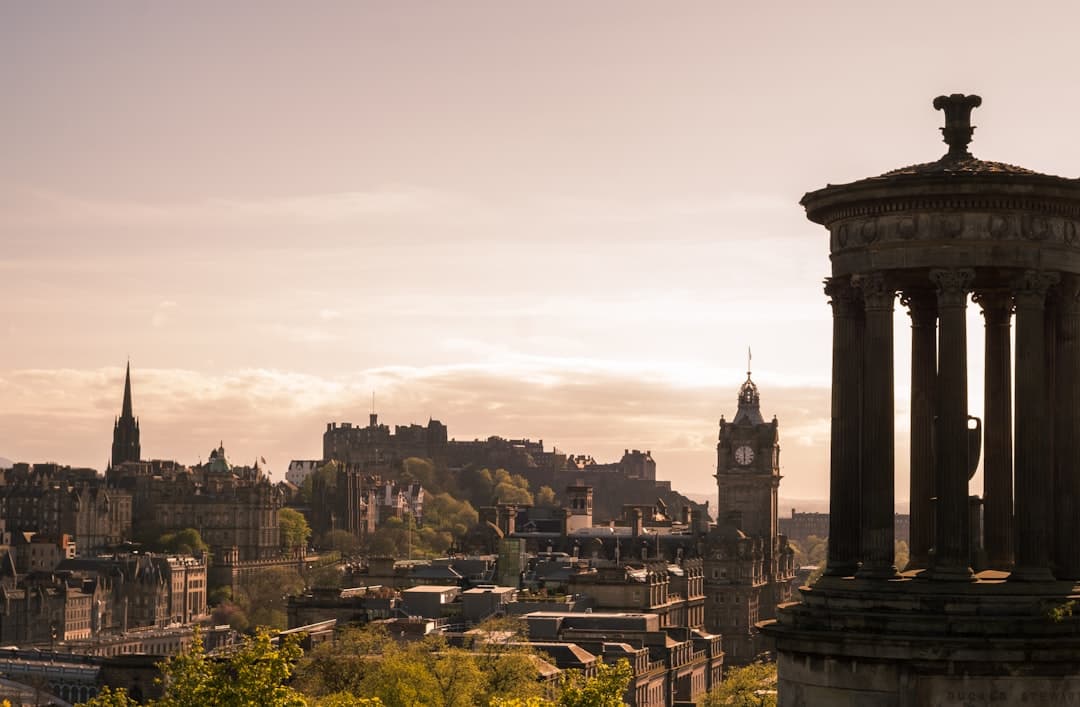
Edinburgh Castle is Scotland's most visited paid attraction and one of the most recognisable fortresses in Europe. Sitting on the plug of an extinct volcano called Castle Rock — formed around 350 million years ago — it has dominated the Edinburgh skyline since at least the 12th century. It served as a royal residence, military garrison, and state prison at various points in its history, and today it houses some of Scotland's most significant national treasures. This isn't a ruin you admire from the outside: it's a working, layered complex of buildings spanning several centuries, each with its own story. Inside the walls, the highlights stack up fast. The Crown Room holds the Honours of Scotland — the crown, sceptre, and sword of state, which are among the oldest royal regalia in Europe — alongside the Stone of Destiny, the ancient coronation stone of Scottish kings. St Margaret's Chapel, tucked near the summit, is the oldest surviving building in Edinburgh, dating to around 1130. The Great Hall, with its hammer-beam roof, was built for James IV in the early 1500s. The One O'Clock Gun, fired every day except Sunday from the Mills Mount Battery, is a tradition that dates back to 1861 and still makes visitors jump. The views across the city and out to the Firth of Forth are genuinely spectacular. Book tickets online in advance — the castle gets extremely busy, especially in summer, and the queues at the gate can be long. Give yourself at least two to three hours, though a thorough visit easily fills half a day. The audioguide is genuinely useful here, given how much history is packed into each building. Arrive early in the morning or late afternoon to beat the thickest of the crowds. The Esplanade — the wide forecourt at the entrance — is where the Royal Edinburgh Military Tattoo is staged every August, which transforms the whole area during festival season.
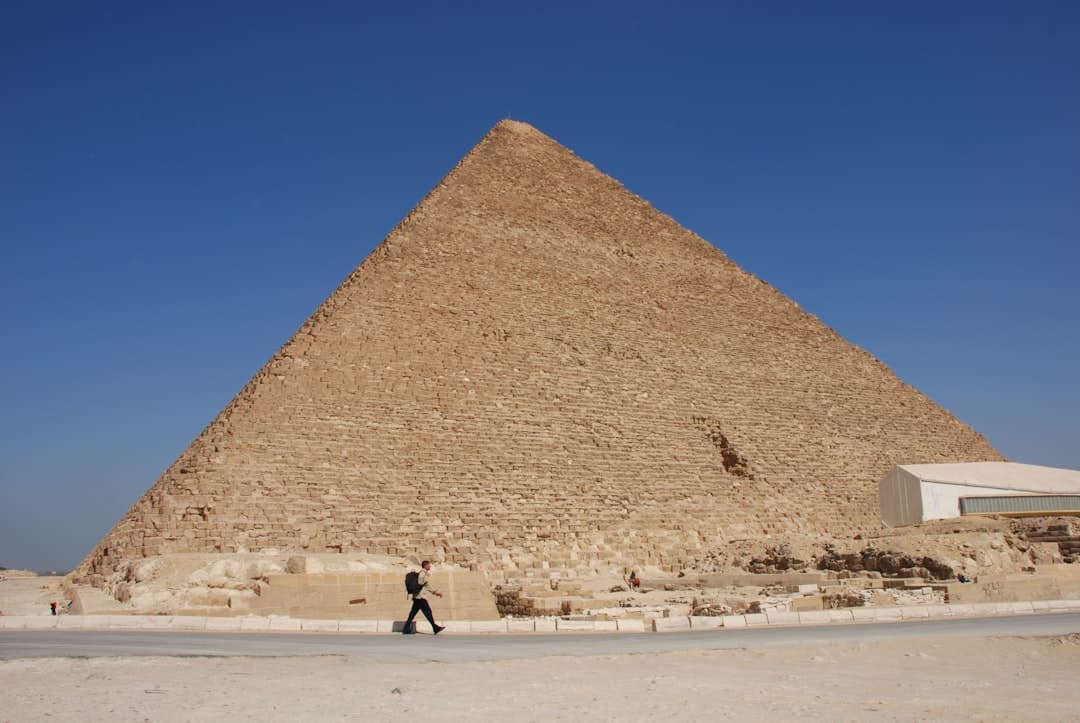
Egyptian Museum
The Egyptian Museum in Cairo is one of the most important archaeological museums on earth. Opened in 1902 on the edge of Tahrir Square, its dusty-pink neoclassical building holds roughly 170,000 artifacts spanning ancient Egypt's entire history — from prehistoric tools to the golden funeral masks of the New Kingdom pharaohs. This is not a polished, climate-controlled modern museum. It is a gloriously overwhelming warehouse of human history, and that rawness is part of what makes it extraordinary. The experience is essentially a slow walk through millennia. Most visitors make a beeline for the Tutankhamun galleries on the upper floor — and rightly so. The gold death mask of the boy king, the innermost coffin, the canopic shrine, the alabaster chest — all of it is here, and seeing it in person is genuinely humbling in a way that photographs never quite prepare you for. But the rest of the museum rewards wandering: the Royal Mummy Room (separate ticket required) lets you stand face-to-face with Ramesses II, and the ground floor is packed with colossal statues, painted sarcophagi, and the Narmer Palette, one of the earliest historical records of Egyptian unification. The museum's labeling and layout are famously patchy — some rooms feel like a storage facility — so a knowledgeable guide is genuinely worth hiring at the entrance. Come early in the morning when the tour groups are still arriving and the light through the skylights is soft. Note that the Grand Egyptian Museum in Giza has now opened and houses many major artifacts, including much of the Tutankhamun collection, so check current exhibition locations before you visit — some pieces may have moved.
Eiffel Tower
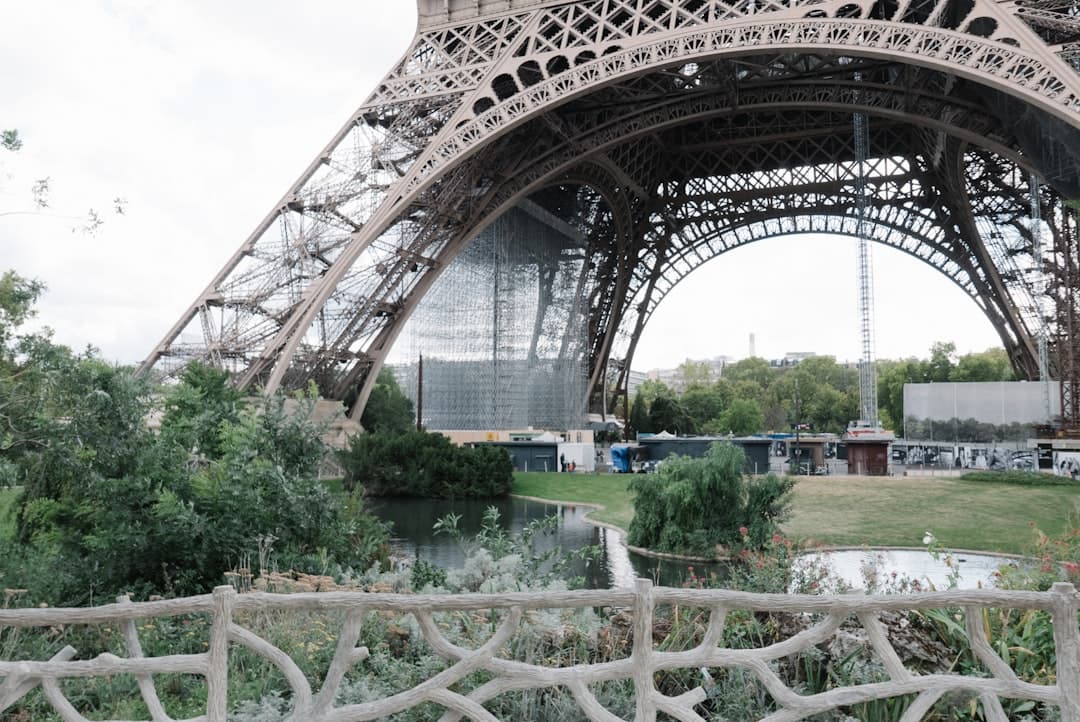
Built as the entrance arch for the 1889 World's Fair, the Eiffel Tower was designed by engineer Gustave Eiffel and was, at the time, the tallest man-made structure on Earth. Parisians famously hated it at first — writers and artists signed petitions calling it an eyesore — but it was never torn down as originally planned, and it has since become both the defining symbol of Paris and one of the most visited monuments on the planet. Around seven million people come here every year, which tells you something about how thoroughly history proved the critics wrong. The experience unfolds across three levels. The first and second floors are reached by lift or by the 674 stairs (more than you think, but genuinely worth doing), and each offers a progressively more dramatic view over the Seine, the Champ de Mars, Sacré-Cœur, and the dense Haussmann boulevards stretching toward every horizon. The summit, at 276 metres, is lift-only, and on a clear day the view reaches 70 kilometres in every direction. There's a champagne bar up there, which sounds gimmicky but is actually a rather wonderful way to mark the occasion. After dark, the tower does its famous light show — 20,000 bulbs sparkling for five minutes at the top of every hour — and the whole structure turns gold against the night sky. The single biggest mistake visitors make is showing up without a ticket. The queues for on-the-day tickets can run two to three hours in peak season, and timed-entry slots sell out days or weeks ahead. Book online through the official SETE website before you arrive. Another underrated move: don't just go up — give yourself time to walk around the base, look up through the ironwork from below, and linger on the Champ de Mars lawn afterward. The tower from underneath is a completely different and genuinely spectacular thing.
El Badi Palace
El Badi Palace is one of the most significant historical sites in Morocco — a vast, largely open-air ruin in the heart of Marrakech's medina that was once considered one of the most spectacular palaces in the world. Built by the Saadian sultan Ahmad al-Mansur starting in 1578, financed by the ransoms and gold that flooded in after his victory at the Battle of the Three Kings, the palace took decades to complete and was decorated with Italian marble, onyx, and materials traded directly from sub-Saharan Africa. It didn't last long in its glory — in the 1690s, Sultan Moulay Ismail had the palace systematically stripped and looted to furnish his new capital in Meknes, leaving behind the skeletal shell you see today. What remains is immense: towering pisé walls, sunken gardens, an enormous central courtyard, and a series of pools and pavilion bases that give you the spatial sense of what this place once was. A visit here is less about museum exhibits and more about atmosphere and imagination. You wander through the cavernous central courtyard — roughly 135 metres long — flanked by the remains of 360 rooms. Orange trees grow in the sunken garden beds, storks nest loudly on the ramparts every spring and summer, and the scale of the ruins quietly overwhelms you. There is a small underground chamber that once housed the sultan's prisoners, and on an upper terrace you get sweeping rooftop views over the medina and toward the Atlas Mountains on clear days. The palace also houses the original minbar (pulpit) from the Koutoubia Mosque, an exquisite piece of 12th-century Andalusian woodwork that is easy to miss but absolutely worth seeking out in the side pavilion. El Badi sits in the Kasbah district, close to the Saadian Tombs — the two sites pair naturally into a half-morning of serious sightseeing. Entry is inexpensive by any standard, and the palace rarely feels as crowded as Jemaa el-Fna or the souks, which makes it one of the more contemplative experiences you can have in Marrakech. Come in the morning when the light hits the walls at an angle and the heat hasn't built up yet. The signage is sparse, so a guide or a bit of reading beforehand genuinely adds to what you take away.
El Born
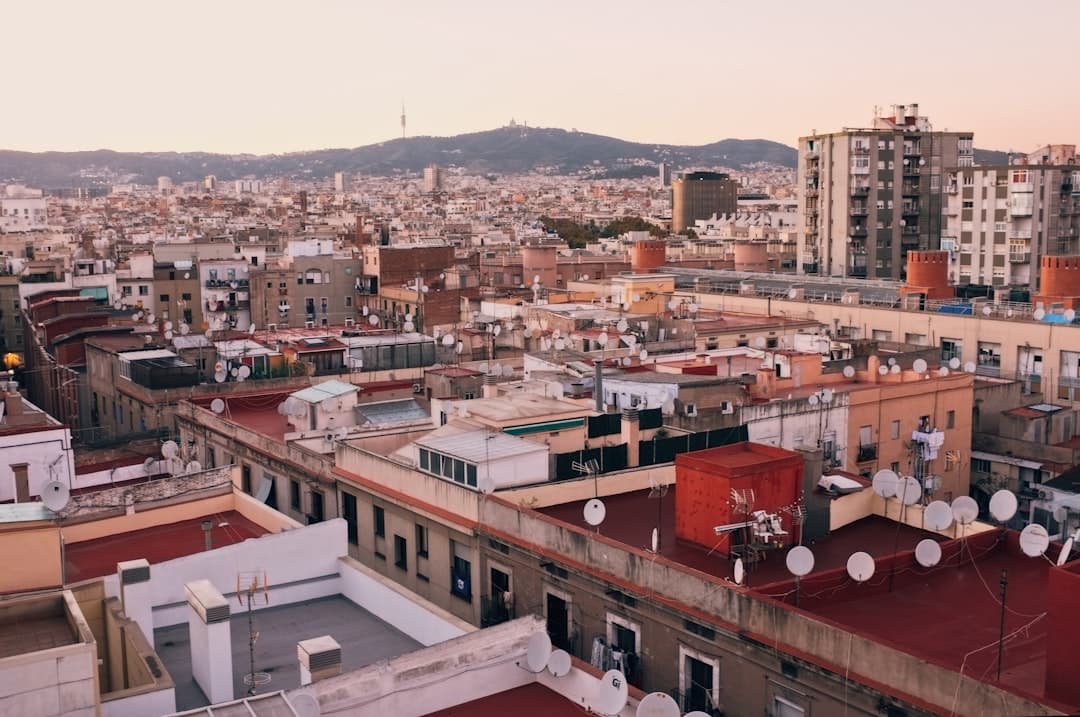
El Born is a compact, dense neighborhood in Barcelona's Ciutat Vella district, wedged between the Gothic Quarter and the Barceloneta waterfront. It centers on the Passeig del Born — a wide, tree-lined promenade that was once a jousting ground — and fans out into a tight grid of narrow medieval streets. For centuries it was the city's commercial and maritime heart; today it's been reinvented as one of Europe's most successful examples of neighborhood-scale cultural regeneration, home to independent boutiques, serious restaurants, world-class museums, and a local population that actually still lives there. The experience of El Born is fundamentally about moving through it on foot. You'll pass the soaring Gothic arches of the Basílica de Santa Maria del Mar — a 14th-century church built by the merchants and shipworkers of the neighborhood — and stumble into the Mercat de Santa Caterina, designed by Enric Miralles with a wildly colorful mosaic roof. The Museu Picasso, housed across five connected medieval palaces on Carrer de Montcada, draws long queues but rewards with the world's most important collection of Picasso's early work. The El Born Cultural Centre, inside a spectacular 19th-century iron market hall, preserves the ruins of the 1714 siege of Barcelona beneath its floor — a genuinely moving piece of history you can walk over on glass walkways. The practical key to El Born is timing. Mornings are calm — locals at the bars on Passeig del Born having coffee, the streets before the tour groups arrive. By early afternoon it fills up, and by evening it transforms again into one of the city's best spots for vermouth, pintxos, and natural wine. Carrer del Parlament, Carrer del Parlament, Carrer de Vidrieria, and the streets around El Xampanyet (an ancient cava bar on Carrer de Montcada) are where you want to be for drinking and eating. Don't try to rush El Born — it rewards people who slow down.
El Capitolio
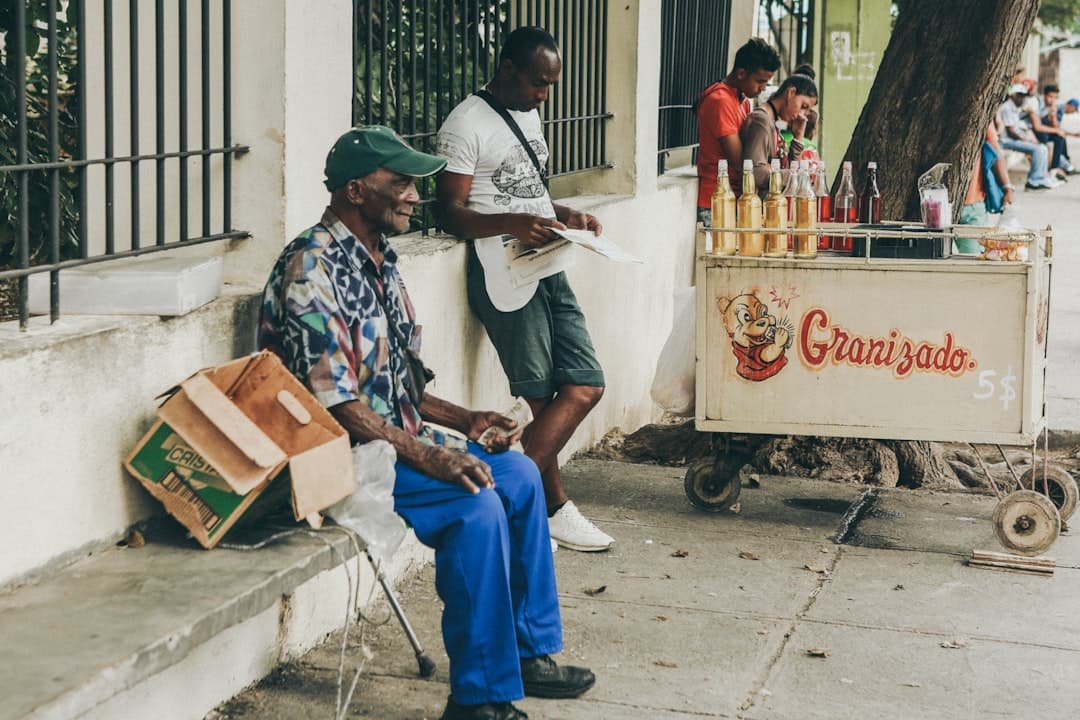
El Capitolio is Havana's most recognizable landmark — a massive neoclassical dome that has dominated the city's skyline since it was completed in 1929. Built under the Machado government as a deliberate echo of Washington D.C.'s Capitol and the Panthéon in Paris, it was designed by Cuban architect Raúl Otero and cost over $17 million at the time, making it one of the most expensive buildings in Latin America. After the Revolution, Fidel Castro repurposed it as the home of the Academy of Sciences, a symbolic rebuke to the old republic. Since 2013 it has been undergoing a landmark restoration, and by 2019 it reopened as the seat of Cuba's National Assembly — returning it, somewhat ironically, to its original governmental function. Stepping inside is a genuine jaw-dropper. The central hall houses a colossal bronze statue of the Republic — one of the largest indoor statues in the world at nearly 17 metres tall — cast by Italian sculptor Angelo Zanelli. The dome interior is gilded and painted in extraordinary detail, and embedded in the floor directly beneath the dome's apex is a replica of a 24-carat diamond that once served as the official point from which all distances on Cuban roads were measured. The original stone was stolen in 1946, but the replica is still there and still startling. The grand staircase, marble floors, and ceremonial halls all survive in restored form, and the building functions as both working government seat and tourist attraction. Entry is through a guided tour — visitors can't wander freely — and tours run throughout the morning and early afternoon. The entrance fee is modest by any standard, payable in Cuban pesos or CUC equivalents depending on current currency arrangements. Arrive early: tours can fill up and the building closes by late afternoon. The surrounding Parque Central and the Paseo del Prado are right on the doorstep, so this pairs naturally with a walk along the Malecón or a visit to the nearby Gran Teatro de La Habana.
El Poblado
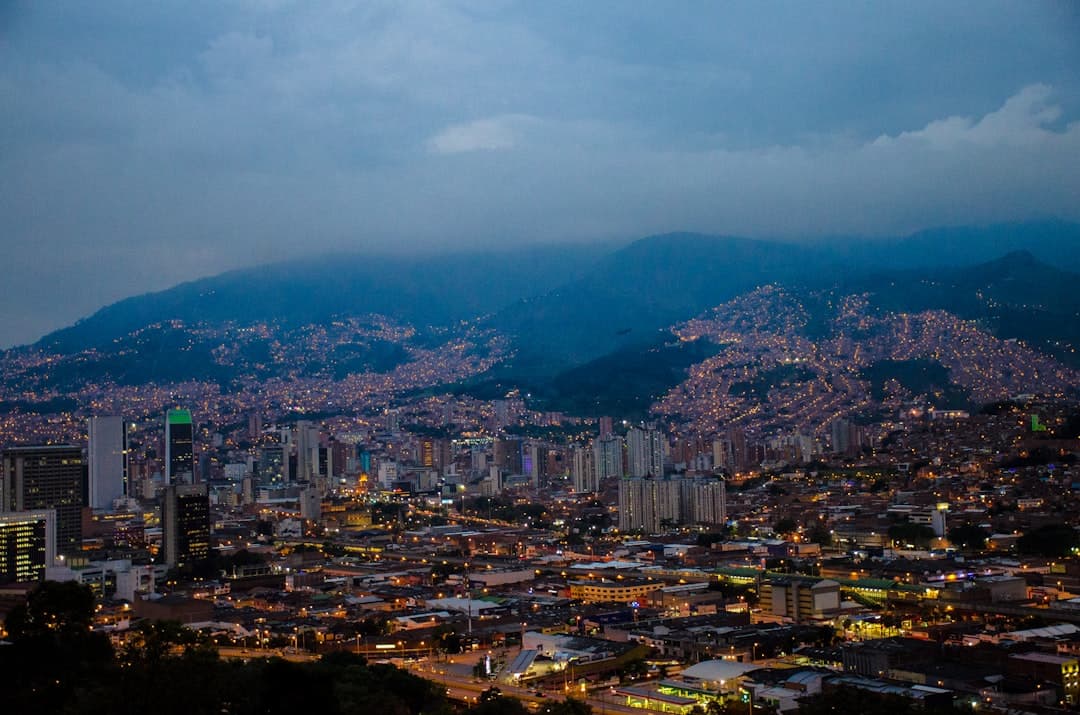
El Poblado is the upscale, foreigner-friendly neighborhood that sits on a green hillside in southeastern Medellin, and it's where most international visitors end up spending a significant chunk of their time. Once a quiet suburban enclave, it became the city's epicenter of tourism and expat life over the past two decades — a direct reflection of Medellin's remarkable reinvention from one of the world's most dangerous cities into one of Latin America's most visited. It's leafy, relatively safe, walkable in parts, and packed with restaurants, cafes, boutique hotels, rooftop bars, and street art. The neighborhood has two distinct personalities. By day, you wander the Parque El Poblado — the small but lively central plaza — grab a tinto at a local café, browse independent boutiques on Avenida El Poblado, or head to the Provenza area, a strip of cobblestone streets lined with plant-covered restaurants and creative small businesses that feel genuinely charming rather than touristy. At night, the energy migrates to the Parque Lleras district, a cluster of bars and clubs around a small park that gets loud and crowded on weekends and draws a mixed crowd of locals and travelers. The nightlife is real and it runs late. The honest insider angle: El Poblado is not where you experience the 'real' Medellin — that requires venturing into Laureles, Envigado, or taking the Metro Cable up to the comunas. But it's an excellent base. The Metro's El Poblado station connects you to the whole city in minutes, and the neighborhood itself rewards aimless wandering. Prices are higher here than elsewhere in the city, and the gringo factor is real, but there's still enough local texture — in the markets, the corner tiendas, the panadería breakfasts — to make it feel genuinely Colombian.
El Rastro
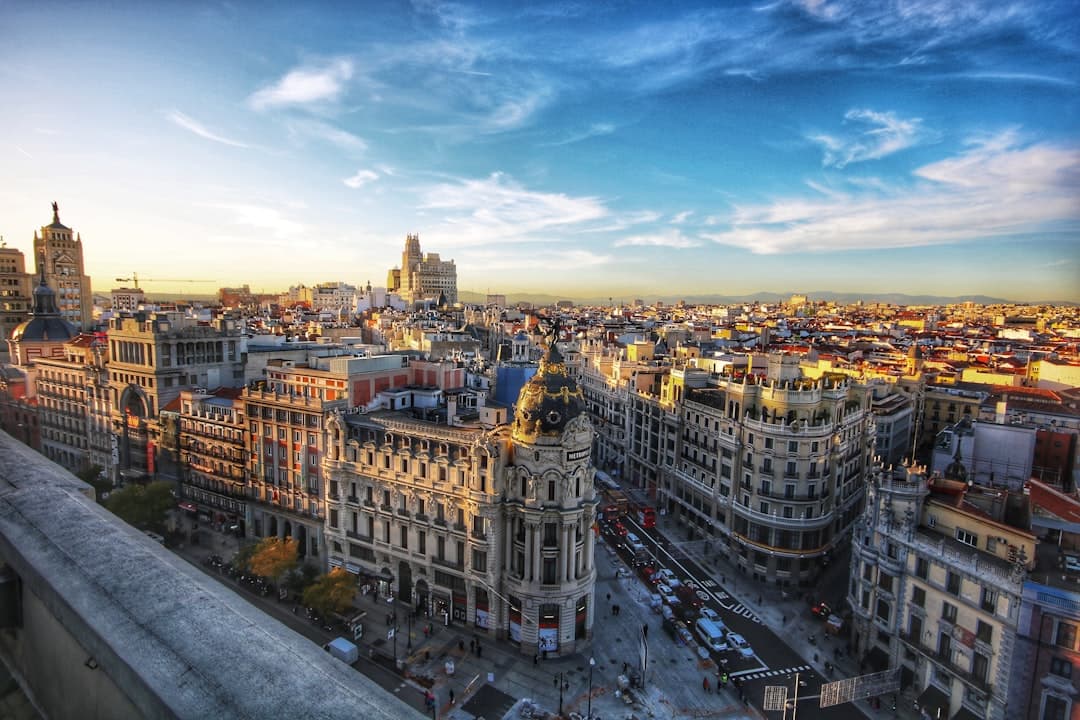
El Rastro is one of Europe's oldest and most famous open-air markets, held every Sunday morning in the La Latina neighbourhood of central Madrid. It's been running in some form since at least the 16th century, and today draws tens of thousands of people — locals, tourists, antique hunters, and Sunday strollers alike — to a dense network of streets radiating out from the Calle de la Ribera de Curtidores. The name itself comes from the rastro, or trail, of blood left by animals being brought to the old slaughterhouses that once occupied this part of the city. History is baked into the place. The market stretches across multiple blocks and spills down steep hillside streets, with hundreds of official stalls selling everything from vintage clothing and old coins to religious icons, vinyl records, military medals, handmade jewellery, and outright junk that somehow still looks appealing in the Sunday morning light. The official stalls are licensed and permanent fixtures; surrounding streets fill up with more informal sellers. Bargaining is part of the culture, though not always expected. Beyond shopping, El Rastro is a full Madrid social ritual — half the city seems to end up here, many with no intention of buying anything at all, just soaking up the atmosphere. The market runs Sunday mornings only, officially from around 9am to 3pm, though things thin out noticeably after 2pm. Pickpocketing is a real and widely reported issue, so keep bags zipped and wallets out of back pockets. The real local move is to finish the market and head to one of the nearby bars in La Latina — Calle Cava Baja is just a short walk away — for vermut and tapas, which is exactly what Madrileños do every Sunday without fail.
El Xampanyet
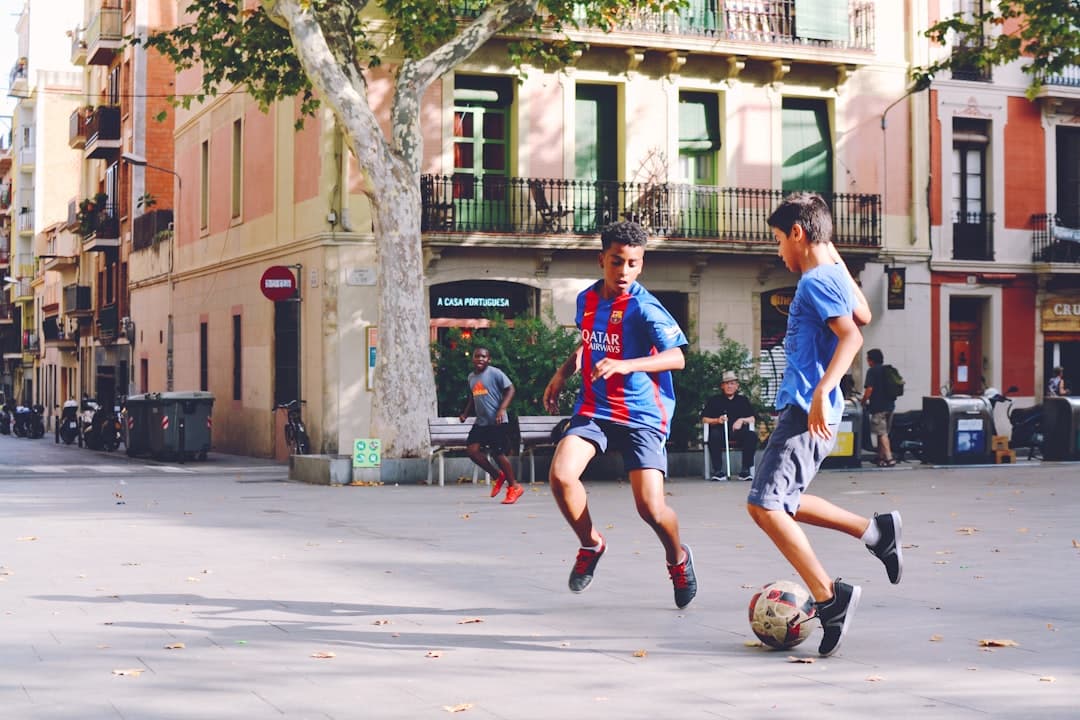
El Xampanyet is one of Barcelona's most beloved old-school tapas bars, tucked into the ground floor of a centuries-old building on Carrer de Montcada — a narrow Gothic street in the El Born neighbourhood that has barely changed in five hundred years. The bar has been in the same family since the 1920s and is named after its house cava, a slightly sweet sparkling wine served in small ceramic cups that has become something of a ritual for regulars. The tiled walls, antique barrels, hanging jamón legs, and general air of cheerful chaos make it feel like a living museum — except the anchovy toasts are very much of the present. You don't really go to El Xampanyet to sit down at a table and order a meal. You go to squeeze up to the marble bar, order a pour of house cava and a plate of boquerones (white anchovies in vinegar), and join the shoulder-to-shoulder crowd of locals and in-the-know visitors doing exactly the same thing. The food is simple — conservas (tinned seafood of seriously high quality), pan con tomate, croquetas — but that's the point. This is aperitivo culture at its most honest and unpretentious. Timing matters here. El Xampanyet draws long queues, especially on weekend lunchtimes when the street is already buzzing with visitors to the Picasso Museum just a few doors down. Arrive right when it opens — either at noon or 7pm — to get a spot at the bar before things get hectic. Note that it closes on Sundays and keeps slightly irregular hours, so double-check before making it the centrepiece of an evening. Cash is wise to have on hand. This is not the place for a long, lingering dinner, but it's one of those Barcelona experiences that sticks with you long after you've left.
Elaphiti Islands
The Elaphiti Islands are a small archipelago of fourteen islands — though only three are inhabited — scattered across the Adriatic just northwest of Dubrovnik. Šipan, Lopud, and Koločep are the ones that matter for visitors, each with its own personality but sharing a common thread: no private cars, almost no crowds compared to the mainland, and an atmosphere that feels like Croatia before tourism arrived in force. They've been inhabited since Roman times and were once prosperous enough under the Dubrovnik Republic that wealthy merchants built summer villas and churches here. Many of those stone buildings still stand, half-reclaimed by pine and rosemary. What you actually do here depends on which island you choose. Lopud is the most visited and has the archipelago's star attraction: Šunj Beach, a genuinely sandy bay (rare for this part of Croatia) on the far side of the island, a 20-minute walk through abandoned villas and overgrown gardens. Koločep is the smallest and quietest, excellent for swimming in the coves around the main village of Donje Čelo. Šipan is the largest and least touristed, with olive groves, a ruined castle, and the kind of restaurant lunch — fresh fish, local wine — that you'll be talking about for weeks. Most people visit on day trips from Dubrovnik, taking the regular Jadrolinija ferry from the Old Port. The practical trick is to go on a weekday in shoulder season and take the public ferry rather than a tour boat — you'll share the crossing with locals carrying groceries and pay a fraction of the price. The tour operators do laps of all three islands, but the ferry lets you linger. If you only have time for one island, Lopud gives you the most variety. If you want to escape entirely, book a room on Šipan and let Dubrovnik feel very far away.
Elephant Mountain
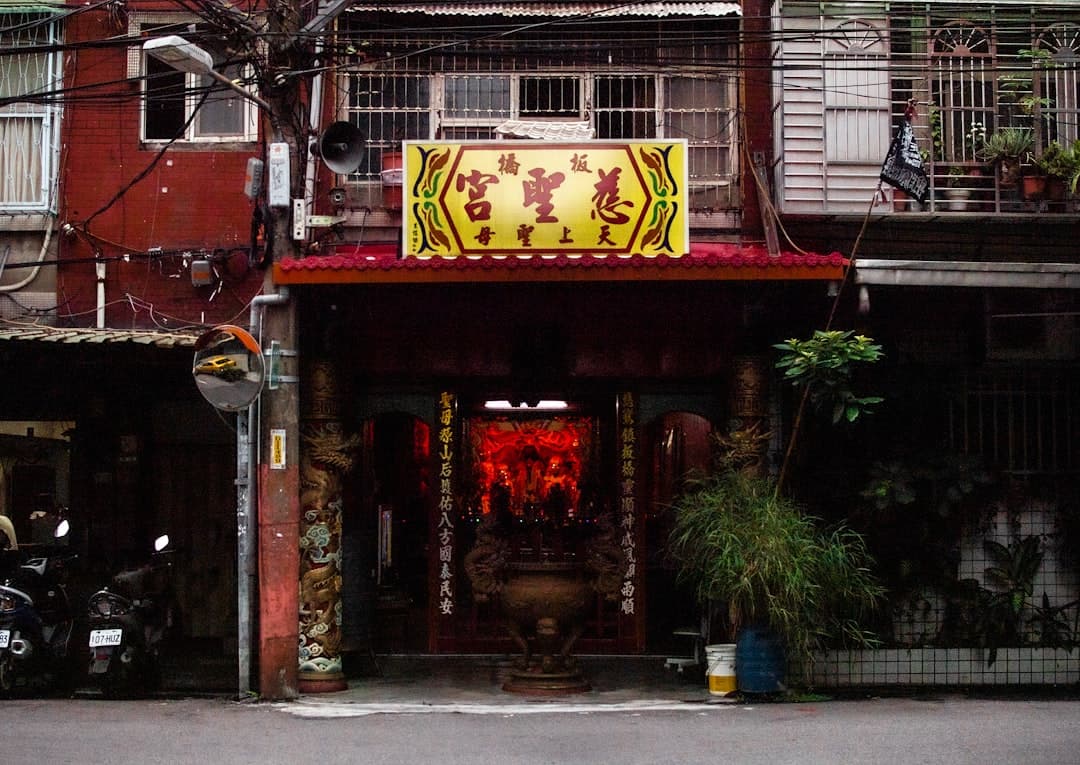
Elephant Mountain — Xiangshan in Mandarin — is a low but dramatic rocky peak tucked into the hills at the eastern edge of Xinyi District, Taipei's glossy financial and shopping hub. It rises only about 183 meters, but its position directly opposite Taipei 101 makes it one of the most photographed viewpoints in all of Taiwan. This is the place that produces those iconic shots of the tower framed between boulders at golden hour, and for good reason: the sightline is almost absurdly perfect. The hike itself is short but genuinely steep. Most visitors take the main trail from the Xiangshan MRT exit, which throws you into stone staircases almost immediately. The climb takes roughly 20 to 30 minutes of solid uphill effort, and your reward is a series of rocky outcrops — the most popular being the large flat boulders just below the summit ridge — where you can sit, catch your breath, and watch Taipei spread out below you. The city skyline unfolds dramatically, with Taipei 101 commanding the foreground and the Yangmingshan hills hazy in the distance. At sunset and into blue hour, the view becomes genuinely spectacular. The trail is well-maintained and signposted, but it gets crowded — especially on weekends and at dusk when everyone arrives with their cameras. Early mornings on weekdays are a different experience entirely: quieter, cooler, and occasionally misty in ways that make the city look like it's floating. There's no entrance fee and no booking required. Wear shoes with grip, the steps are uneven stone and can be slippery after rain.
Elephant Nature Park
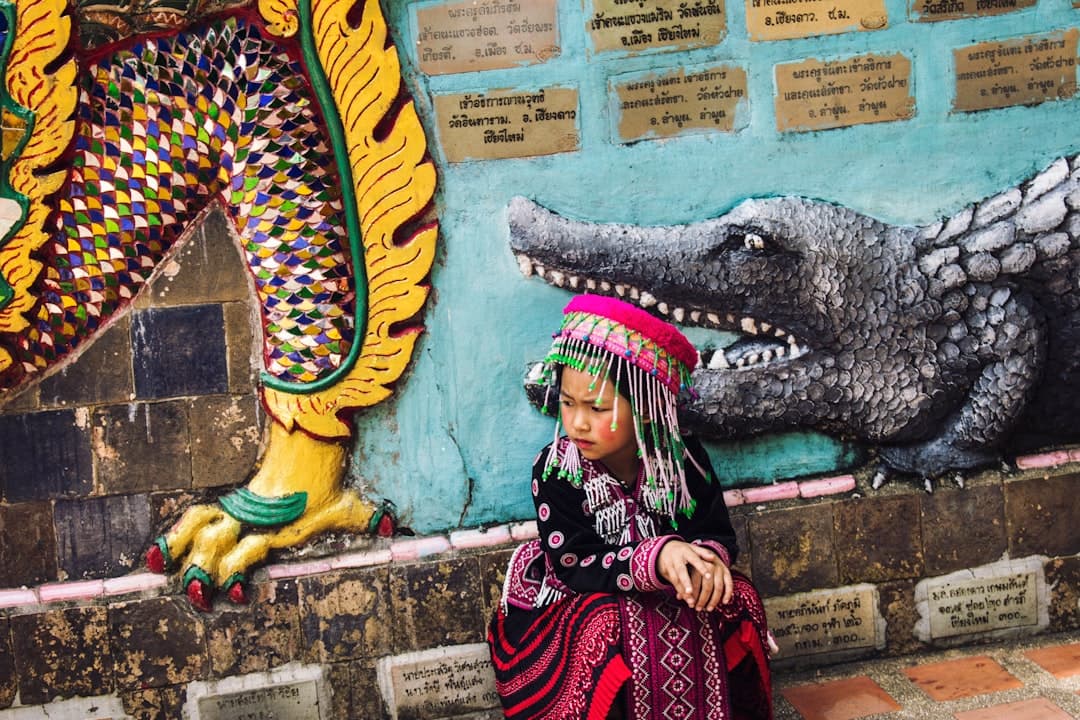
Elephant Nature Park is a sanctuary and rescue center about 60 kilometers north of Chiang Mai, founded by Sangduen 'Lek' Chailert in the 1990s. It was one of the first places in Thailand to push back hard against the elephant tourism industry's darker practices — the beating, the hooks, the forced performances — and to offer an alternative model where elephants live on their own terms. Lek has become an internationally recognized figure in elephant welfare, and the park has been credited with changing how travelers think about ethical animal experiences across Southeast Asia. This is not a zoo or a show; it's a working sanctuary that has rescued dozens of elephants from logging camps, street begging, and abusive tourist operations. On a typical day visit, you spend time observing and walking alongside elephants in their natural social groups, feeding them baskets of fruit and vegetables, and watching them interact — mud baths, river swims, and the surprisingly complex social dynamics between individual animals. Each elephant has a name and a story, and the guides are good at sharing both. The park also shelters hundreds of dogs and cats rescued from Chiang Mai's streets, which gives the whole place an unexpectedly heartwarming, slightly chaotic energy. You will not ride elephants here — that's entirely the point. Day visits must be booked in advance through the official website, and they fill up weeks or even months ahead during peak season. The park runs its own transport from Chiang Mai city, departing early morning and returning mid-afternoon. There are also multi-day volunteering programs for those who want a deeper experience. Wear clothes you don't mind getting muddy, and manage expectations around elephant proximity — this is an ethical sanctuary, not a petting zoo, and the animals' comfort always comes first.
Elephanta Caves
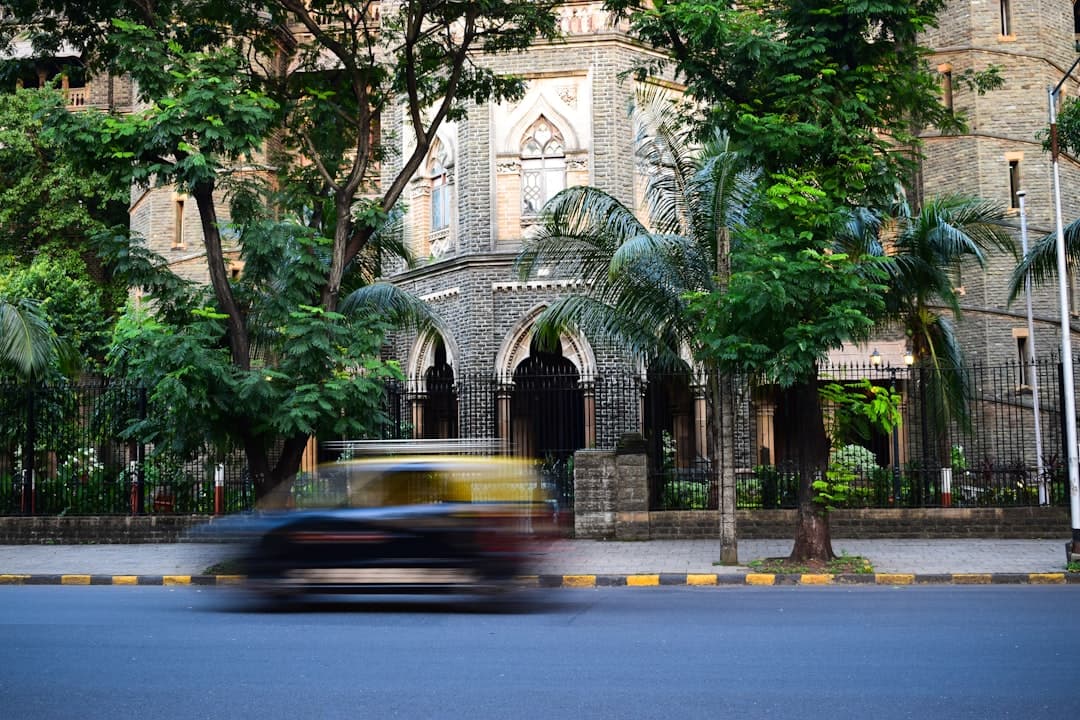
Elephanta Caves is a UNESCO World Heritage Site located on Gharapuri Island in Mumbai Harbour, about 10 kilometres from the Gateway of India. Carved into a basalt hillside somewhere between the 5th and 8th centuries CE — most likely under the Kalachuri dynasty — these cave temples were dedicated to the Hindu god Shiva. The Portuguese named the island after a massive stone elephant they found there (now reconstructed and on display in Mumbai's Bhau Daji Lad Museum). What survives is one of the finest examples of rock-cut architecture in the world, and the centrepiece — a three-faced bust of Shiva known as the Trimurti or Maheshmurti — is among the most celebrated works of art on the Indian subcontinent. Getting here is half the experience: you take a ferry from the Gateway of India jetty, a roughly 1-hour ride across the harbour with views of the Mumbai skyline fading behind you. On the island, a toy train (or a short walk) carries you from the jetty to the base of the hill, where you climb a long stone staircase flanked by vendors selling snacks and souvenirs. The main cave complex is a network of large columned halls carved directly into the rock, decorated with monumental relief sculptures depicting scenes from Shiva mythology — Shiva as Nataraja (lord of the dance), Shiva and Parvati on Mount Kailash, the marriage of Shiva and Parvati. The 6-metre-tall Trimurti, showing Shiva as creator, preserver, and destroyer, commands the rear of the main cave with a presence that stops most visitors cold. The caves are closed on Mondays. Arrive early on weekends — the ferry gets crowded and the site draws significant tourist traffic. Weekday mornings are noticeably quieter. The ferry ride itself is subject to the weather and sea conditions; monsoon season (June to September) can see services disrupted or rougher crossings, though the island is genuinely atmospheric in the rain if you can get there. Budget the full morning or afternoon: the ferry, the climb, the caves, and a wander around the island add up to a proper half-day out.
Elevador de Santa Justa
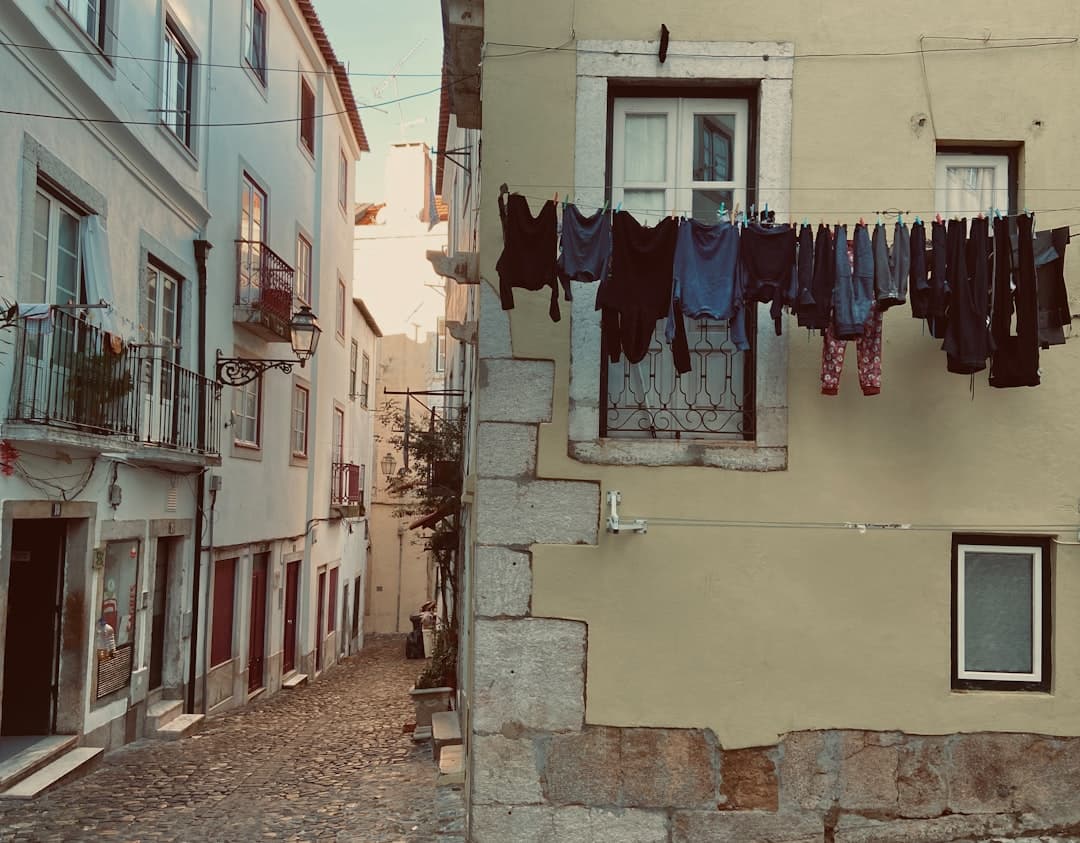
The Elevador de Santa Justa is a wrought-iron vertical lift built in 1902 that connects the flat Baixa district at street level to the Largo do Carmo square, about 45 meters above. Designed by Raul Mesnier du Ponsard — a Portuguese engineer trained under Gustave Eiffel — the structure has that same confident, ornate industrial confidence you associate with late 19th-century iron architecture across Europe. It's not just a tourist attraction; for well over a century it was a genuine piece of working public transit, part of Lisbon's historic funicular and elevator network. Riding the elevator itself takes about 90 seconds in a small wood-paneled cabin, but the real payoff is the terrace at the top. From up there you get one of the cleanest, most unobstructed views of the Baixa grid below you, the castle of São Jorge on the hill opposite, and the river glinting in the distance. Most people don't realize you can also climb a spiral staircase inside the tower to reach an open-air belvedere right at the very top — that's a step above the enclosed terrace and completely worth the extra effort. The lines here can be genuinely long, especially mid-morning to mid-afternoon in summer, and the ticket price feels steep for a 90-second ride. The honest insider move is to skip the elevator entirely and access the Largo do Carmo from the Bairro Alto side on foot — it's free, and you still get the same views. But if you're coming from Baixa and want the full architectural experience of riding the thing, buy a Lisboa Viva card or use a transit pass to get a slight discount over the tourist ticket price.
Elfreth's Alley
Elfreth's Alley is a narrow cobblestone lane in Philadelphia's Old City neighborhood that has been home to working families since around 1702 — making it the oldest continuously inhabited residential street in America. The 32 tiny rowhouses lining the alley were built between 1713 and 1836, and they look almost exactly as they did then: brick facades, shuttered windows, window boxes, and doorways so modest you have to duck. The street is named for Jeremiah Elfreth, a blacksmith and property owner who helped develop the block in the early 18th century. While Independence Hall and the Liberty Bell get the headlines, this one-block alley offers something those sites cannot — the texture of everyday colonial life, not the grand political story. Walking Elfreth's Alley takes about ten minutes end to end, but most people linger. You're looking at original Federal and Georgian architecture, and the scale of it — these were small homes for artisans, sailors, and tradespeople — makes history feel immediate in a way that a larger monument doesn't. One of the houses, No. 126, operates as the Elfreth's Alley Museum, run by the Elfreth's Alley Association, and it's genuinely worth the small admission: you can step inside a colonial-era rowhouse and see period furnishings, rotating exhibits, and learn about the women, immigrants, and craftspeople who actually lived there. Several of the other 32 houses are still private residences, which gives the block a lived-in quality that most historic sites have scrubbed away entirely. The alley sits just a block or two from the Delaware River waterfront and is walkable from the main Old City cluster of historic sites. It's free to walk through at any time, though the museum has limited hours so check ahead. Early mornings on weekdays are the sweet spot — golden light on the brick, almost no crowds, and a stillness that makes it easy to forget you're in a major American city. The alley also hosts an open-house event called Fete Day, typically held in June, when residents open their homes to visitors.
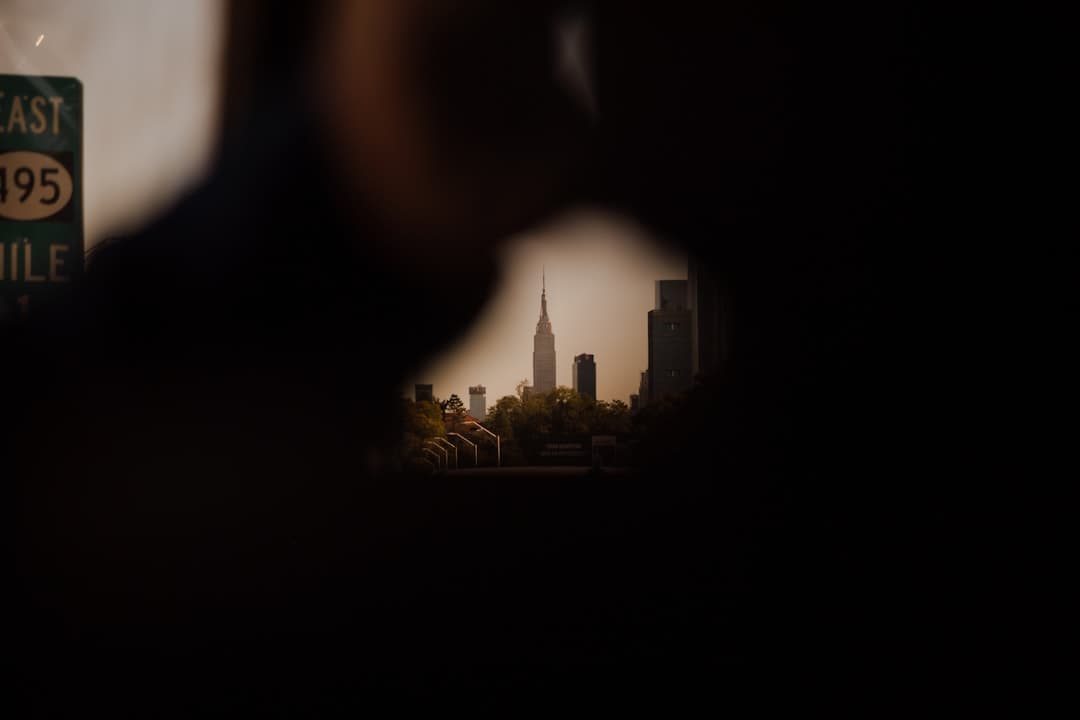
Empire State Building
The Empire State Building is one of the most recognizable structures on earth — a 102-story Art Deco skyscraper that opened in 1931 and held the title of the world's tallest building for nearly 40 years. Built during the Great Depression at a pace of roughly four and a half floors per week, it became an instant symbol of New York's refusal to be knocked down. It sits in Midtown Manhattan at 34th Street and Fifth Avenue, and its stepped limestone and granite silhouette, crowned by a broadcast tower and nightly light displays, is the building most people picture when they think of New York. Visitors ride elevators to two main observation decks: the main deck on the 86th floor, which has both indoor and outdoor wrap-around terraces with 360-degree views of Manhattan, the Hudson and East Rivers, and on clear days, five states; and the Top Deck on the 102nd floor, an enclosed glass observatory with the highest sightlines. The 86th floor is the classic experience — you're standing on the same open-air terrace where Cary Grant waited in An Affair to Remember, where King Kong swatted biplanes, where millions of tourists have pressed their faces into the wind and finally understood what the fuss is about New York. The building also houses a permanent exhibit on its own construction history, which is genuinely worth your time. Crowds are a real factor here — this is one of the most visited paid attractions in the United States. Buying timed-entry tickets in advance online is non-negotiable if you want to avoid queues that can stretch over an hour. The sweet spot for visiting is either early morning when doors open or, better yet, in the evening when the city lights up below you and the atmosphere shifts from tourist stampede to something genuinely cinematic. The 86th floor after dark is one of the great free-standing experiences in New York.