
All Places
1,073 places around the world
1,073 places · page 13 of 45
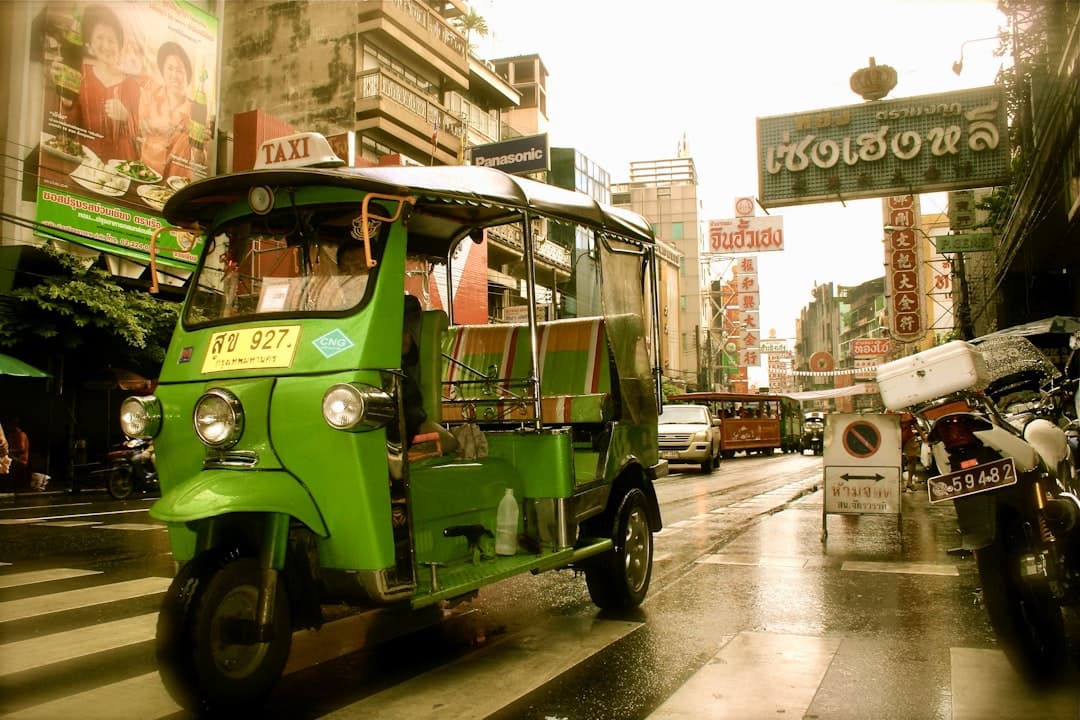
Erawan Shrine
The Erawan Shrine is one of Bangkok's most visited and most genuinely active religious sites — a small but intensely sacred outdoor shrine sitting at the corner of Ratchadamri and Ploenchit Roads, right in the middle of the city's upscale shopping and hotel district. It houses a statue of Brahma (known in Thai as Phra Phrom), the four-faced Hindu deity of creation, and it draws an enormous and genuinely devout crowd every single day — not just tourists, but local office workers, taxi drivers, students, and business people who stop to pray before work or after a difficult week. The shrine's origins trace back to 1956, when it was erected during the construction of the Grand Hyatt Erawan Hotel after a series of accidents plagued the building works. Following its installation, the troubles stopped — and its reputation as a wish-granting shrine was sealed. Visiting means stepping into a small, heavily incense-scented plaza where the golden Brahma statue is ringed with offerings of flowers, incense sticks, and wooden elephants. Devotees kneel on the marble floor and pray, and if their wishes are granted, many return to commission a performance from the resident troupe of classical Thai dancers who perform throughout the day in traditional costume with live musicians. The dancing is hauntingly beautiful and completely genuine — it's a paid offering to the deity, not a tourist show. You can also purchase your own offerings (garlands, incense, wooden elephants) from vendors right outside the shrine. The shrine is surrounded by one of Bangkok's busiest intersections, which only adds to the surreal quality of it — luxury malls on all sides, BTS trains rumbling overhead, and a steady stream of people pausing from their day to kneel before an ancient deity. It's free to enter and open daily. The busiest times are early morning and early evening when locals stop in before and after work. Come with some respect for the space — people are genuinely praying here — and take a moment to simply watch the offerings accumulate and the dancers move. It's one of the most quietly powerful things you can do in Bangkok.
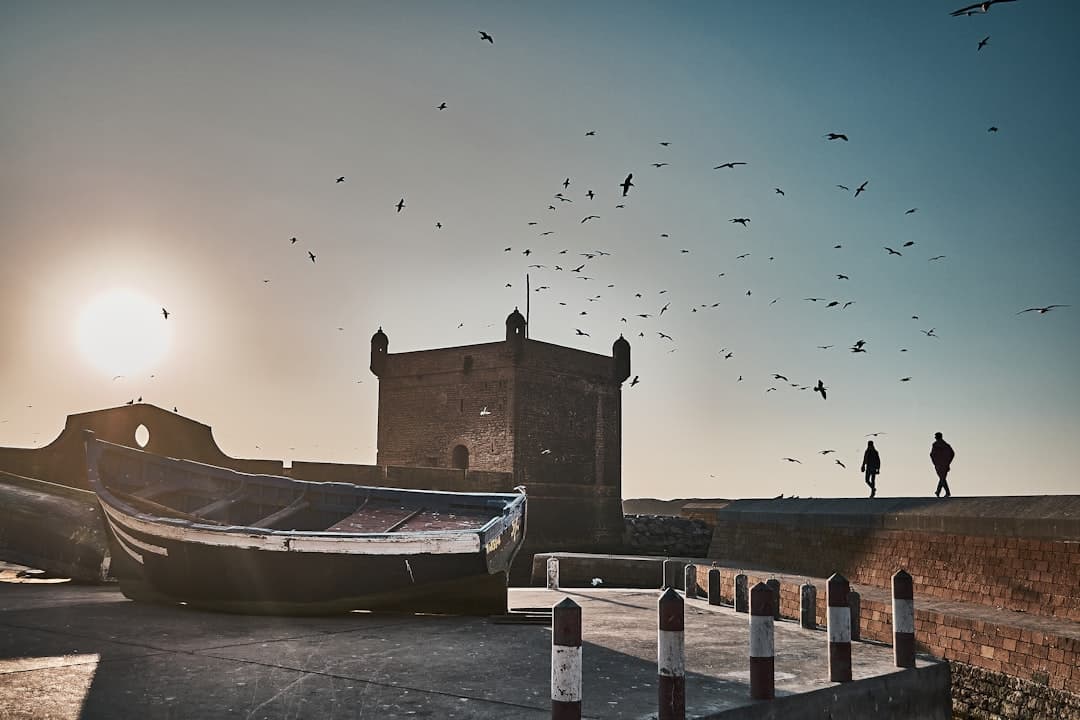
Essaouira Beach
Essaouira Beach — known locally as Plage d'Essaouira — is a vast, wild stretch of Atlantic coastline running several kilometres south of the old medina walls. This is not a groomed resort beach. It's a working landscape of wind, spray, and open sky that has made Essaouira one of the world's premier windsurfing and kitesurfing destinations. The trade winds that blast in from the Atlantic — locals call them the alizés — blow with remarkable consistency from spring through autumn, turning the beach into a permanent arena of coloured kites and sails. In practical terms, the beach is where you go to feel the full force of what makes Essaouira different from every other Moroccan city. The northern end, closest to the medina ramparts and the old blue fishing boats, is the most atmospheric place to walk — the 16th-century Portuguese-built Skala du Port looms above you and the waves crash against ancient stone. Further south, kite schools set up their gear and the beach widens into a broad, firm-sand stretch where horses and camels are hired out for rides along the shoreline. Vendors sell fresh grilled fish and argan-oil-roasted almonds from small stalls near the water's edge. The wind is genuinely strong here most of the year — even on a sunny day it can be cold, and sand will find its way into everything. Come in the morning for calmer conditions and better light. The beach is free and open at all hours, and the medina is a five-minute walk back through the sea gate. If you want to take a surf or kite lesson, reputable schools like Explora and Magic Fun Afrika operate out of the beach area and offer instruction at various levels.
Essaouira Medina
Essaouira's medina is a UNESCO World Heritage Site perched on Morocco's Atlantic coast — a fortified old city that feels unlike anywhere else in the country. Built largely by a French architect in the 18th century under Sultan Sidi Mohammed Ben Abdallah, it has an unusual grid-like layout for a Moroccan medina, wide enough for two people to walk comfortably side by side rather than squeezing through dark souks. The result is a place that feels airy, painterly, and genuinely liveable. It's been a trading hub, a hippie haven (Jimi Hendrix famously visited in 1969), and a film location for Game of Thrones — and it still somehow manages to feel unhurried. Walking the medina means drifting through the spice-fragrant souks near Place Moulay Hassan, watching woodworkers craft thuya root furniture and boxes in the artisan quarter, browsing galleries selling work by local and international painters, and eventually ending up on the ramparts — the Skala de la Ville — where cannons point out to sea and the wind whips off the Atlantic hard enough to steal your hat. The harbor sits just south of the medina walls, where blue fishing boats bob and seagulls are aggressively territorial. The whole medina is painted in that iconic blue-and-white palette that photographers come from everywhere to capture. Essaouira's medina is far more relaxed about touts and persistent vendors than Marrakech or Fes — it's one of the things visitors most frequently comment on. The city has a strong arts scene, anchored by the Gnaoua World Music Festival each June, which transforms the medina into an open-air concert venue. The best time to explore is morning, before the day-trippers from Marrakech (a 3-hour drive) arrive in force around midday.
Essaouira Ramparts
The ramparts of Essaouira are the fortified stone walls and gun batteries that ring this coastal medina on Morocco's Atlantic coast. Built primarily in the 18th century under Sultan Mohammed ben Abdallah, who hired European — particularly French — military architects to design the fortifications, the walls protected a strategically vital port city that became one of the most important trading hubs on Morocco's western coast. Today the ramparts are a UNESCO World Heritage-listed part of the medina, and they remain one of the most visually striking and accessible historic fortifications in North Africa. The star attraction is the Skala de la Ville, the great sea-facing bastion on the northwest corner of the medina, lined with antique Spanish bronze cannons pointed permanently out to sea. You walk the broad top of the walls with the Atlantic crashing below, seagulls wheeling overhead, and the whitewashed blue-shuttered city behind you. From here you can see the Îles Purpuraires — the small offshore islands that were once home to Phoenician settlers and later used to produce Tyrian purple dye. Further south, the Skala du Port guards the working fishing harbor, where blue wooden boats come and go and fishermen sell the morning catch straight off the dock. The ramparts are free to walk and open much of the day, though the posted hours should be treated as approximate — access can be informal. Come in the late afternoon when the light turns golden over the ocean and the wind, which blows almost constantly here, feels less punishing than midday. Essaouira's famous gusts have earned it a global reputation as a windsurfing and kitesurfing destination, but on the ramparts that same wind is simply atmospheric. Bring a layer regardless of the season.
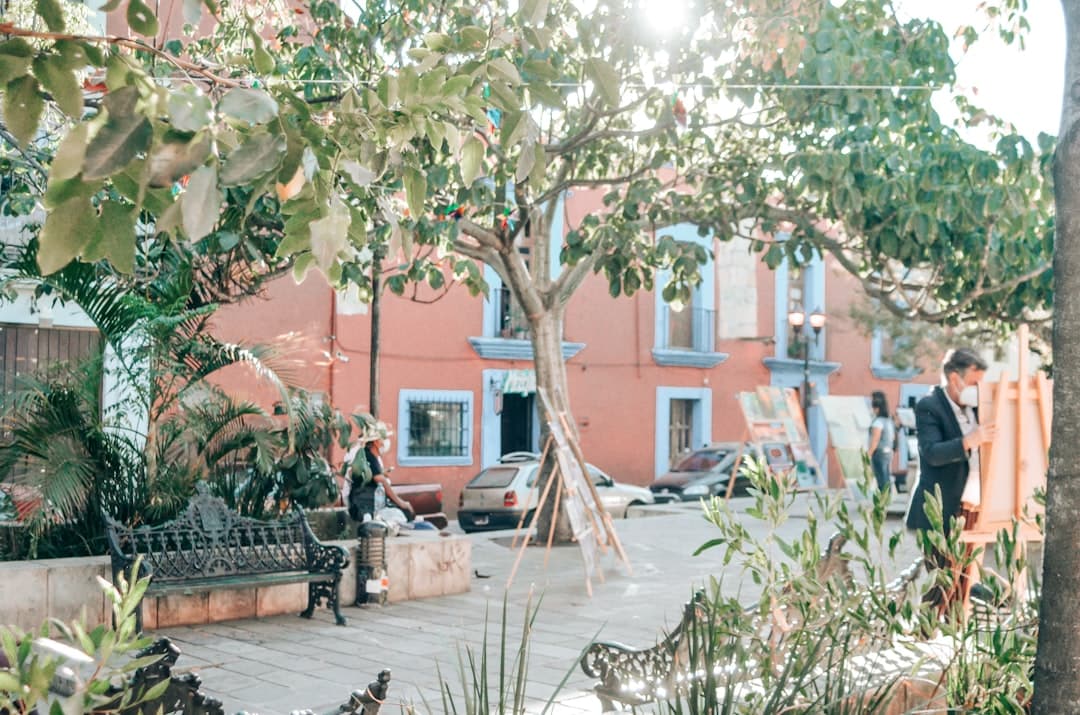
Ethnobotanical Garden
Tucked inside the former convent of Santo Domingo de Guzmán in the heart of Oaxaca, the Jardín Etnobotánico is one of the most thoughtfully conceived gardens in Latin America. Founded in the late 1990s through a collaboration between the state government, the artist Francisco Toledo, and botanist Alejandro de Ávila, the garden was created to preserve and celebrate the extraordinary plant diversity of Oaxaca — a state with more endemic plant species than almost anywhere else in Mexico. It's not a botanical garden in the conventional sense; it's a cultural institution that treats plants as bearers of history, language, and survival. Visiting feels less like strolling a park and more like reading a carefully edited book. The garden is organized around major plant groups native to Oaxaca — towering cacti, copal trees, magueys and agaves in staggering variety, wild ancestors of crops like corn and chocolate, and medicinal herbs still used by indigenous communities today. Interpretive signage connects each plant to its ecological, culinary, and ceremonial role. The whole space is backed by the dramatic stone walls of the 16th-century convent, making it one of those rare places where natural and human history feel genuinely intertwined. Here's the catch, and it's an important one: the garden is only accessible by guided tour, and the hours listed are tour times, not general admission windows. Tours run in Spanish during the week and in English on certain days — historically Thursday evenings have been the English-language option, though you should verify this directly with the garden before visiting. Tour capacity is limited, so arriving early or confirming in advance is wise. The garden sits right next to the Museo de las Culturas de Oaxaca, so combining both in one visit makes easy sense.
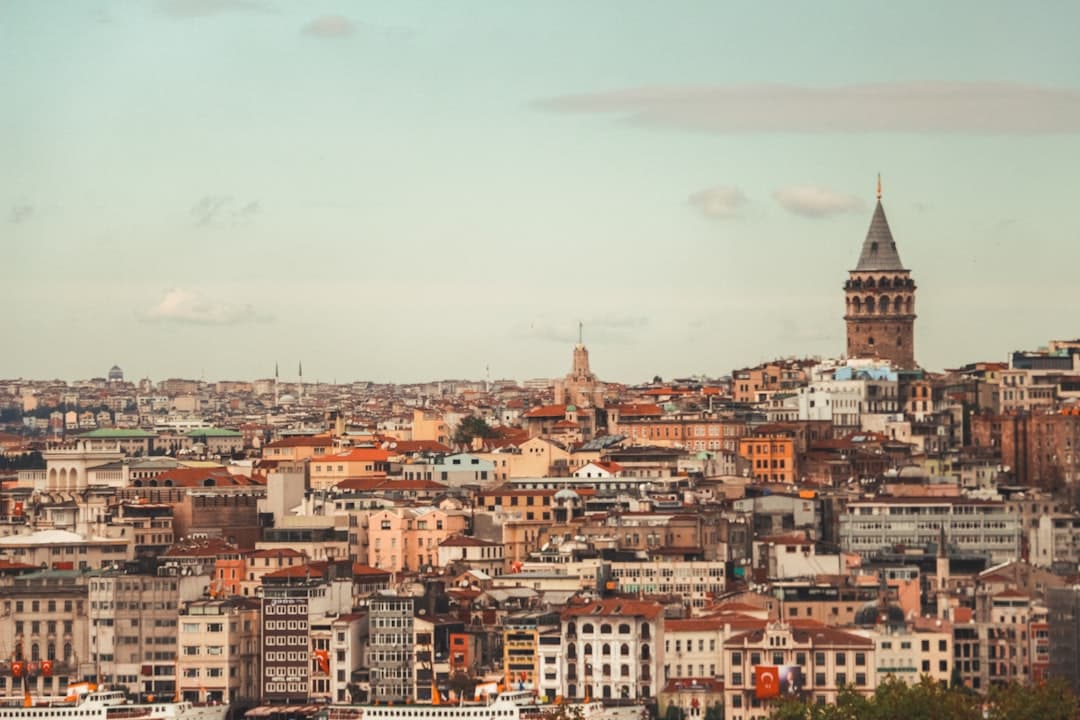
Eyüp Sultan Mosque
Eyüp Sultan Mosque sits at the top of the Golden Horn, about 5 kilometers northwest of the historic Sultanahmet district, in one of Istanbul's oldest and most deeply religious neighborhoods. It was built by Sultan Mehmed II shortly after the Ottoman conquest of Constantinople in 1453, constructed over the tomb of Eyüp el-Ensari — a companion and standard-bearer of the Prophet Muhammad who died during the Arab siege of Constantinople in 668 AD. For observant Muslims, this makes it the holiest site in Istanbul and one of the most sacred in the entire Islamic world outside of Mecca, Medina, and Jerusalem. The mosque has been rebuilt and expanded over the centuries, with the current structure dating largely from 1800 under Sultan Selim III, featuring white marble, domed courtyards, and elegant Ottoman calligraphy throughout. Visiting Eyüp Sultan is a genuinely moving experience, even if you have no religious connection to the site. The mosque complex wraps around a serene courtyard filled with enormous plane trees that are centuries old. At the center is the tomb of Eyüp el-Ensari — tiled in Iznik ceramics, glittering with gold and silver offerings, and almost always crowded with worshippers praying quietly. The surrounding neighborhood is equally atmospheric: narrow lanes lined with Ottoman-era graves, vendors selling prayer beads and religious texts, and a stream of pilgrims and local families who treat this as a place of everyday devotion rather than a tourist attraction. From here, you can take a cable car or walk up the hill to the Pierre Loti Café, a hilltop teahouse with sweeping views over the Golden Horn. Eyüp Sultan is an active, working mosque and one of Istanbul's most attended — Friday prayers draw enormous crowds. Non-Muslim visitors are welcome but should approach with genuine respect: remove shoes, dress modestly, and avoid wandering through during active prayer times. The tomb itself has separate entry queues for men and women. Combine this visit with a walk through the surrounding cemetery, one of the largest and oldest Ottoman graveyards in the city, where elaborate tombstones tell Istanbul's history in stone. Go on a weekday morning for the most contemplative experience.
Faneuil Hall & Quincy Market
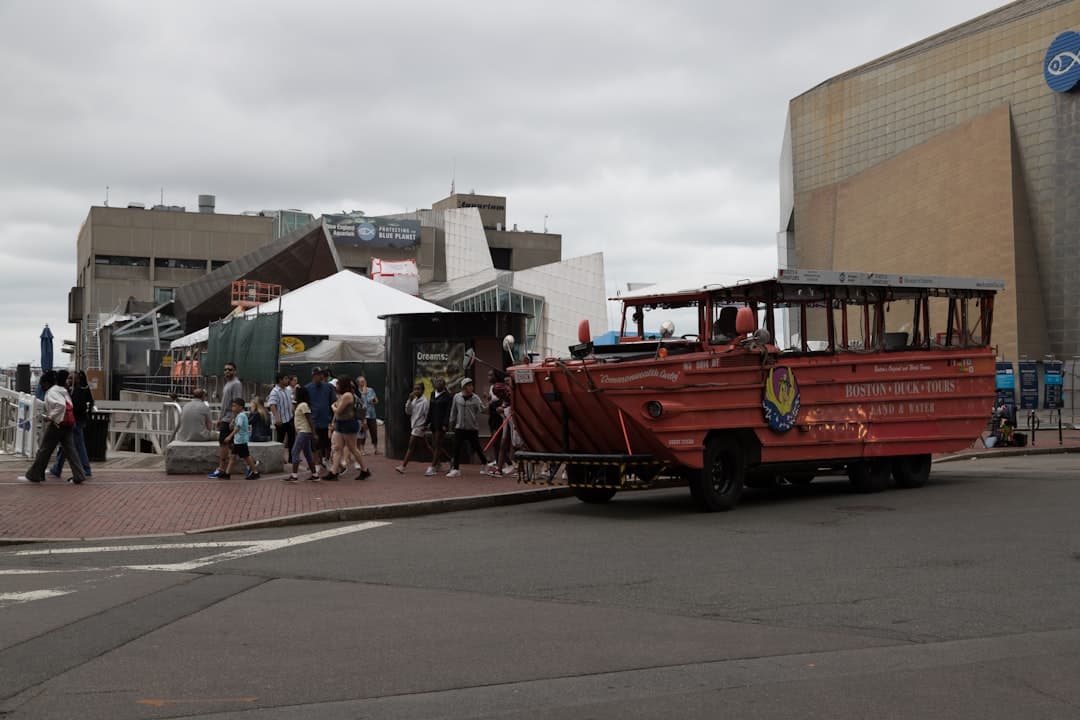
Faneuil Hall is one of the oldest and most storied public buildings in America — a redbrick meeting hall built in 1742 that served as a gathering place for revolutionary firebrands like Samuel Adams, who used it to argue for independence from Britain. It earned the nickname 'Cradle of Liberty' for good reason. Today it sits at the heart of a larger complex that includes Quincy Market, the long granite building just behind it, plus the North and South Market buildings on either side — together forming one of the busiest public spaces in Boston, and honestly in the entire country. The complex works on two levels. The historic layer is Faneuil Hall itself, where you can climb to the second floor and walk through the original meeting room, still used for civic events and public debates. The National Park Service runs free ranger talks here that are genuinely worth your time. Below that is a small market floor. Then there's the Quincy Market rotunda, the real food hub, lined with stalls selling Boston clam chowder, lobster rolls, cannoli, and enough New England comfort food to put you horizontal. The surrounding plazas fill with street performers, tourists, and locals on lunch breaks — it has the energy of a proper town square. The honest insider take: this place is undeniably touristy, and that's fine. Don't come expecting a hidden gem. Come because it's a legitimate piece of American history packaged inside a lively, walkable space that also happens to serve decent food. Skip the chain restaurants on the perimeter and head into the Quincy Market food stalls instead. Visit on a weekday morning to actually see the hall without the crush, and plan it as part of a broader waterfront or Freedom Trail walk — it's ideally positioned for both.
Feira da Ladra
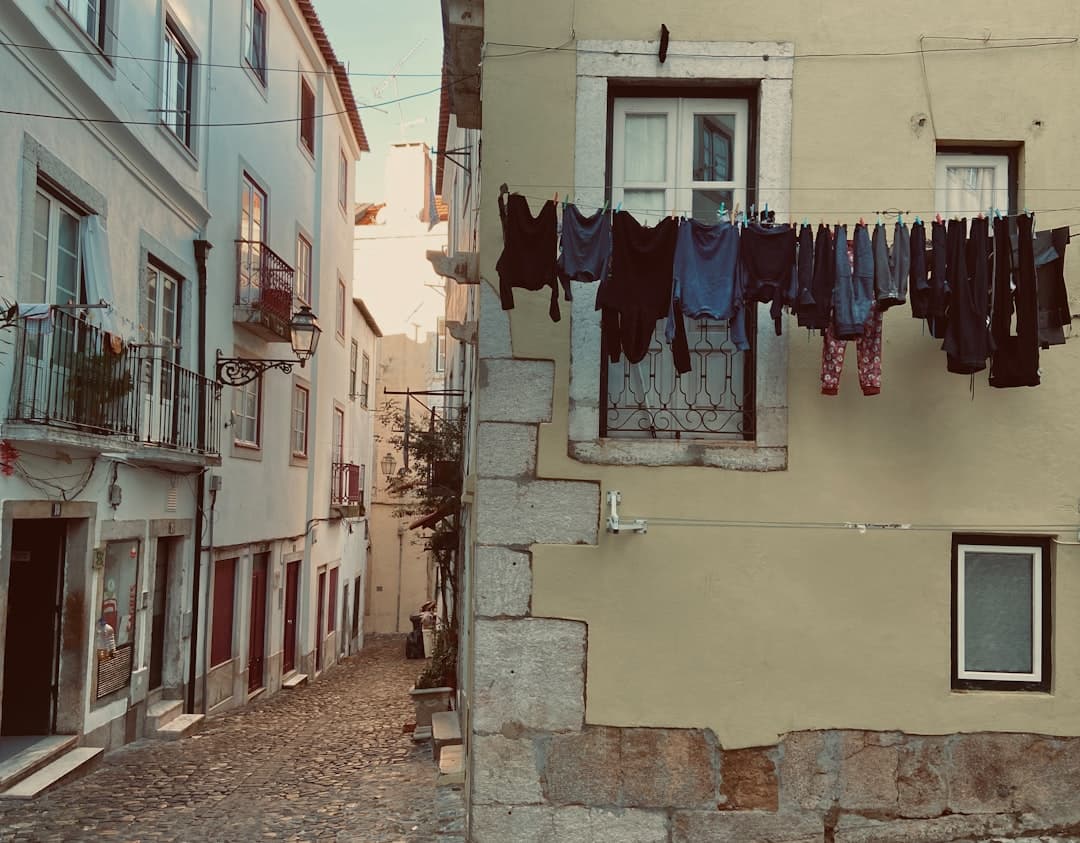
Feira da Ladra — literally 'Thieves' Market' — is Lisbon's famous open-air flea market, held every Tuesday and Saturday on Campo de Santa Clara, a broad hilltop square in the Alfama district. It's one of the oldest markets in Europe, with roots going back to at least the 12th century, and it has been a fixture of Lisbon life for so long that it barely registers as a tourist attraction to locals — it's simply part of the city's rhythm. The name nods to the market's historical reputation as a place where stolen goods quietly changed hands, though today it's far more innocuous and eclectic. What you'll actually find is a sprawling, gloriously chaotic mix: genuine antiques and dusty junk in roughly equal measure, vintage Portuguese ceramics, old azulejo tiles, colonial-era African and Asian objects that reflect Portugal's imperial past, used clothing, vinyl records, old cameras, military medals, religious iconography, and endless piles of things that defy categorization. The vendors range from professional antique dealers with well-organized stalls near the church of São Vicente de Fora to informal sellers sitting on blankets at the lower end, surrounded by cardboard boxes of odds and ends. Haggling is expected and perfectly normal — it's part of the experience. The market runs from around 9am, but the best finds go early — serious collectors and dealers are often there before 9. That said, there's a strong case for arriving mid-morning when the light is good, the stalls are fully set up, and you can grab a coffee and a pastel de nata from one of the cafes on the square's edge. The views from Campo de Santa Clara out over the Tagus river are genuinely beautiful, which makes aimless wandering here feel worthwhile even if you buy nothing at all.
Fergburger
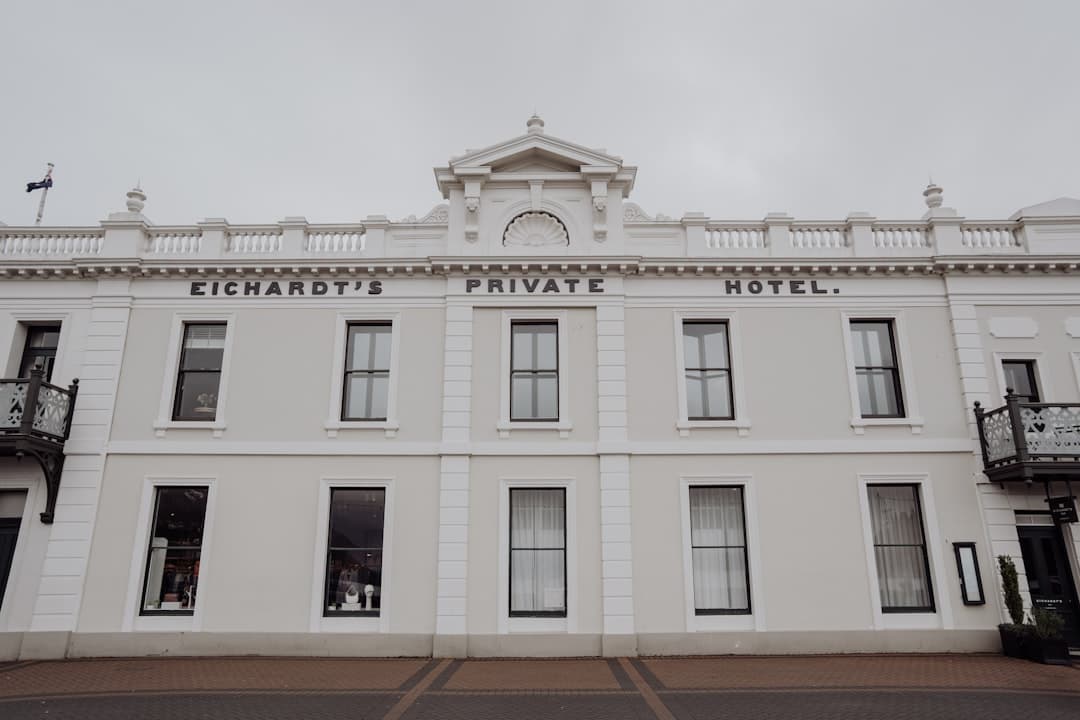
Fergburger is a burger restaurant on Shotover Street in central Queenstown that has, over two decades, become one of New Zealand's most talked-about food stops. It's not a chain, not a gimmick — it's a single shop that built its reputation entirely on doing one thing exceptionally well: big, carefully constructed burgers made with quality local ingredients. The lines outside are genuinely famous, stretching down the street at all hours, and the place has become as much a part of the Queenstown experience as bungee jumping or a boat ride on Lake Wakatipu. The menu is straightforward but considered. There are around 20 burgers on offer, ranging from the classic Ferg (beef with all the trimmings) to the Little Lamby (New Zealand lamb with mint aioli and beetroot), the Mr Big Stuff (a double patty beast), and options for chicken, fish, and vegetarians. The patties are thick and cooked to order, the buns are soft and slightly sweet, and everything is assembled with a generosity that means you'll probably need two hands and a stack of napkins. Pair it with a side of their kumara chips. The related shop next door, Ferg Bakery, handles the sweet side of things if you want dessert. Fergburger opens at 7am and runs until 2:30am daily, which tells you something important: this is a place that serves hungover adventurers at breakfast, families at lunch, and skiers fresh off the Remarkables at dinner. The line moves faster than it looks — staff are efficient and the system is well-practiced. Order at the counter, grab a number, find a spot to stand or sit, and wait. The wait is usually 15 to 30 minutes in peak season. Queenstown is a town built on adrenaline, and this is the carb reward at the end of it.
Ferry Building
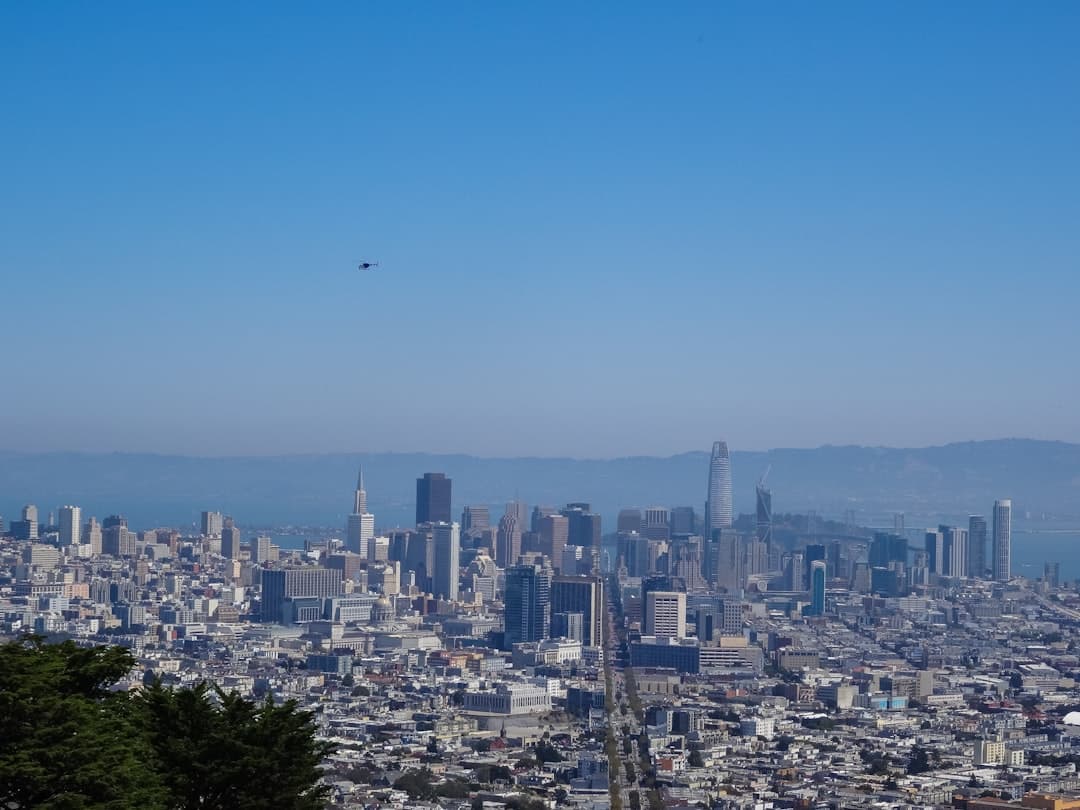
The Ferry Building is a grand Beaux-Arts marketplace and transit terminal that sits right on the edge of San Francisco Bay, at the foot of Market Street. Built in 1898, it survived the 1906 earthquake and fire, and for decades its 245-foot clock tower was one of the most recognizable sights on the city's waterfront. After a long stretch of decline — including years when an elevated freeway blocked it from the city — a major renovation in 2003 transformed it into one of the most celebrated food halls in the United States, while keeping it fully operational as a ferry terminal. Today the building is home to around 30 permanent tenants, most of them local and artisan producers. You'll find Acme Bread selling loaves out of a wooden counter, Cowgirl Creamery offering tastes of their famous Mt Tam cheese, Blue Bottle Coffee drawing long lines at its original kiosk, Hog Island Oyster Co shucking bivalves by the bay, and the Slanted Door (or its successor concept) representing the best of California-Vietnamese cooking. The building's long interior arcade runs the length of the ground floor and opens at both ends onto the waterfront promenade, where you can eat outside with views of the bay, the Bay Bridge, and the ferries coming and going from Oakland, Marin, and the East Bay. The Saturday Farmers Market — one of the best in California — takes over the outdoor plaza from 8am to 2pm and draws serious Bay Area chefs shopping alongside regular people. Tuesday and Thursday markets are smaller but less crowded. Come hungry, arrive early on Saturdays if you want the best produce before it sells out, and plan to graze your way through rather than sitting down for a single meal. The building also functions as a genuine commuter hub, which means it has real energy at commute hours — not just a tourist experience.
Field Museum
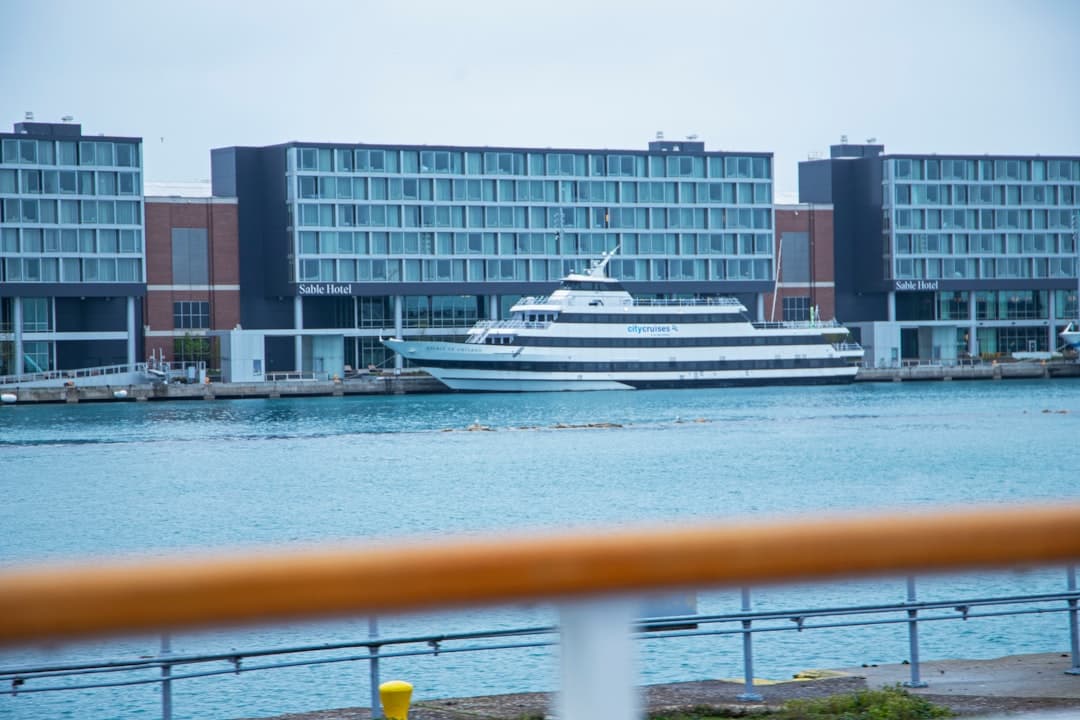
The Field Museum is one of the great natural history museums in the world — a palatial Beaux-Arts building on the edge of Lake Michigan that houses over 40 million specimens and artifacts spanning billions of years of Earth's history. Opened in 1894 as a legacy of the World's Columbian Exposition, it was built to be a permanent home for the curiosities assembled for that world's fair, and it has grown into an institution of genuine scientific importance, with active research happening alongside the public galleries. If you care about dinosaurs, ancient Egypt, gemstones, or the sheer staggering diversity of life on Earth, this place will deliver. The moment you walk into Stanley Field Hall, the museum's vast marble-floored atrium, you're greeted by Sue — the most complete and scientifically significant T. rex skeleton ever found, now displayed in her own dedicated gallery after a 2018 renovation moved her from the main hall. Beyond Sue, the museum's Egypt collection is exceptional, including an actual mummified person with an elaborate backstory that's been unlocked by modern CT scanning. The Evolving Planet gallery walks you through four billion years of life on Earth in a way that somehow never feels like a lecture. Gems and Jewels, Underground Adventure (where you're shrunk to the size of a bug), and the Pacific Spirits collection are all worth your time. Buy your tickets online ahead of time — walk-up pricing is higher and popular exhibitions can sell timed-entry slots. The museum is enormous, so pick your priorities before you arrive rather than trying to see everything. Thursday evenings occasionally host members-only events, but the standard daytime visit is the reliable move. The on-site restaurant options are decent but overpriced — grab something at the café to keep going rather than treating it as a dining destination. If you're visiting with kids, the Crown Family PlayLab is a hands-on science space specifically designed for younger visitors.
Fira
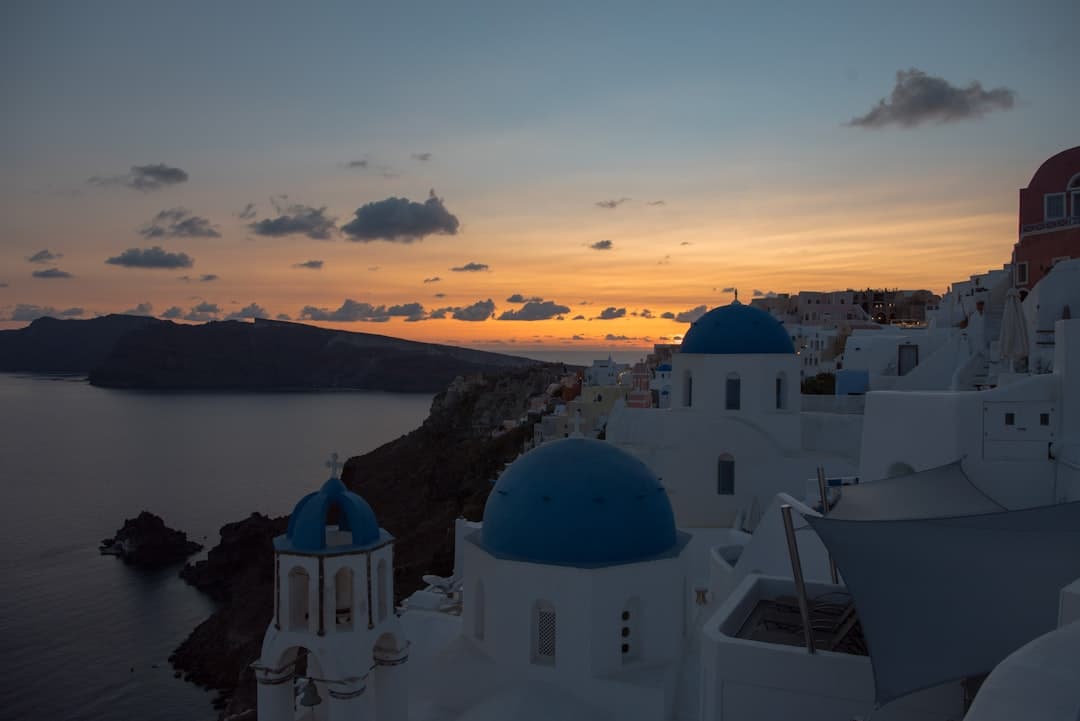
Fira is the bustling main town of Santorini, built along the western rim of the island's ancient volcanic caldera — a collapsed crater that now forms one of the most arresting seascapes in the Mediterranean. The town cascades down sheer white cliffs several hundred meters above the sea, with the dark water of the caldera stretching out below and the volcanic island of Nea Kameni sitting in the middle of it all. It's the island's commercial and social hub, meaning it has everything from high-end jewelers to souvlaki stands, but the views are the real reason people come. Walking Fira means navigating a maze of narrow, mostly pedestrianized lanes lined with cubic white-washed buildings, blue-domed churches, and terraces that seem to hover over the void. The main promenade along the caldera edge is the obvious draw — you walk it, you stop every few minutes to stare, and eventually you accept that every angle is absurdly photogenic. The Archaeological Museum of Thera and the Museum of Prehistoric Thera are both here if you want to understand the island's Minoan past. The famous cable car runs between the port of Skala Fira far below and the clifftop town, though you can also make the ascent by 588 stone steps — or on the back of a donkey, though the animal welfare situation on that front has drawn warranted criticism in recent years. Fira is the island's most accessible base, with the widest range of accommodation, restaurants, and transport links. It's also the most crowded spot on Santorini, especially from June through August when cruise ships dock and day-trippers pour up the cable car. The smarter play is to be here in the early morning or evening, when the light is better anyway, and the day-trip crowds have retreated. Oia gets more of the Instagram fame, but Fira has more soul — it's actually a town where people live and work, not just a stage set for sunset photos.
Fisherman's Bastion
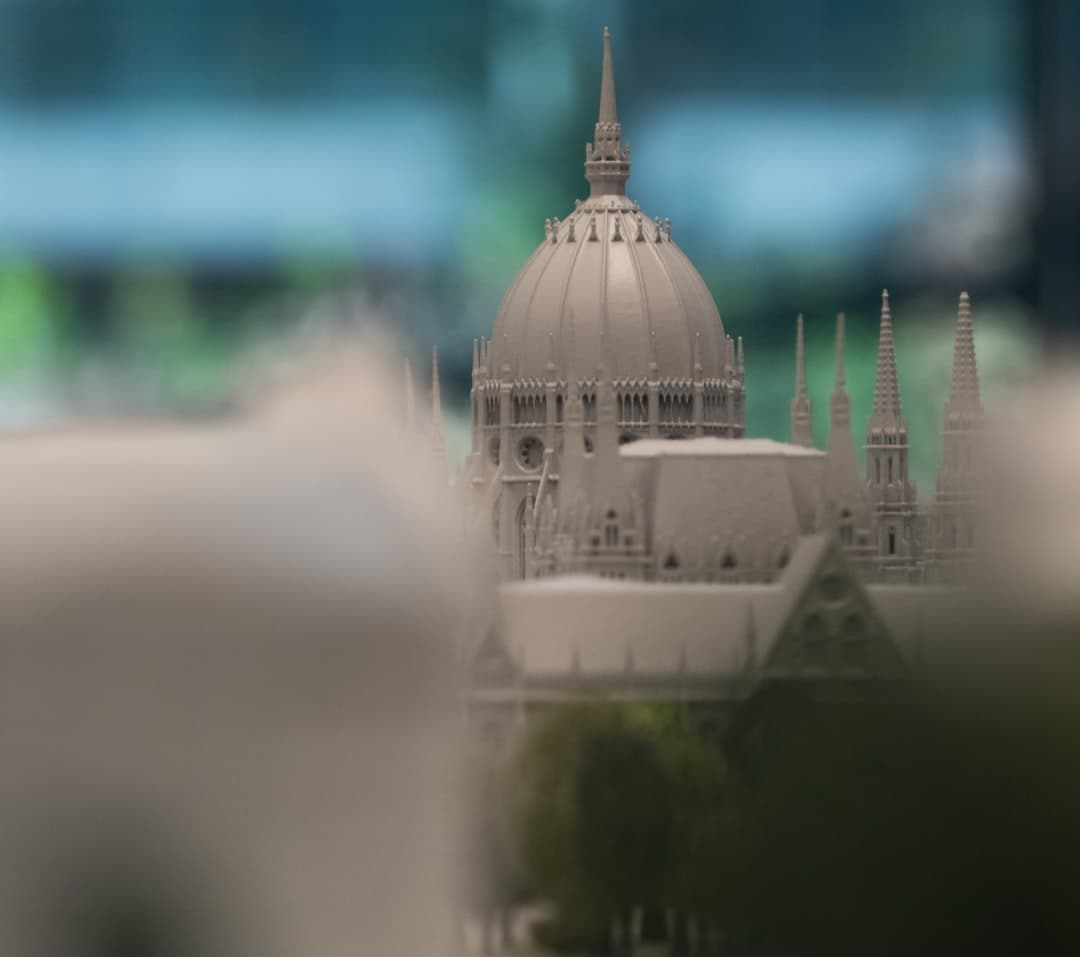
Fisherman's Bastion is a fairy-tale terrace complex perched on Castle Hill in Buda, overlooking the Danube and the entire sweep of Pest across the river. Built between 1895 and 1902 by architect Frigyes Schulek as a decorative viewing platform — its seven towers represent the seven Magyar tribes that founded Hungary in 895 — it was never a real fortification. The name comes from the guild of fishermen who once defended this stretch of the old city walls. It sits beside Matthias Church and the Hilton Budapest, at the very heart of the Buda Castle District, a UNESCO World Heritage Site. The experience is almost entirely about the view and the architecture. You walk the open-air terraces, climbing and descending between the white limestone turrets, and at every angle you're rewarded with a different frame of the city: the Hungarian Parliament building directly across the river, Chain Bridge below, the rooftops of Pest stretching to the horizon. The equestrian statue of King Stephen I stands at the centre of the complex. The lower terraces are free to access year-round, but climbing to the upper walkways costs a modest fee in summer. Most visitors spend time simply standing at the railings and staring — which is exactly the right thing to do. Come early morning if you can. The first hour after sunrise is when Fisherman's Bastion goes from spectacular to genuinely magical — low golden light, almost no other visitors, the city waking up below you. By mid-morning in summer the tour groups arrive in force and the terraces get crowded. There's a café on-site if you want coffee with your view. The complex is technically open around the clock, though the ticketed upper section has seasonal hours.
Fisherman's Wharf
Fisherman's Wharf is San Francisco's most visited waterfront district, stretching along the northern edge of the city where the bay meets the old fishing industry that helped build this town. It's been the heart of the city's commercial fishing trade since the mid-1800s, when Italian immigrant fishermen — mostly from Genoa and Sicily — launched their feluccas from these docks. Today the working boats are still there, though they share the water with tourist ferries and kayakers, and the neighborhood has evolved into one of the most recognizable waterfronts in the world. The experience is layered and surprisingly rewarding if you know where to look. The sea lions at Pier 39 — who showed up spontaneously after the 1989 Loma Prieta earthquake and never left — are genuinely entertaining, barking and jostling for dock space year-round. The actual working fishing boats moor around Jefferson and Taylor streets, and you can still buy fresh Dungeness crab right off the docks from November through June. Ghirardelli Square, a converted chocolate factory turned shopping and dining plaza, anchors the western end. Musée Mécanique, tucked near Pier 45, is a genuine gem — a private collection of antique arcade machines, many still playable for a quarter. The honest insider angle: this place gets relentlessly crowded, and the tourist traps are real. Skip the sit-down restaurants on Jefferson Street and instead grab a crab cocktail or clam chowder in a sourdough bread bowl from one of the outdoor stalls — Alioto's Fish Stall or the vendors near Pier 47 are your best bets. Come early morning to catch the fishing boats returning and avoid the tour bus crush. The fog that rolls in most summer afternoons is part of the atmosphere, but bring a layer — it gets cold fast.
Florentin
Florentin is a dense, low-rise neighborhood in the southern part of Tel Aviv that has transformed over the past two decades from a working-class immigrant quarter into the city's unofficial capital of counterculture. Originally settled by Greek Jewish immigrants in the 1920s — the name comes from a Salonikan Jewish family — it remained a light-industrial and working-class area for decades before artists, musicians, and young professionals moved in, drawn by cheap rents and a lack of pretension. Today it sits in an interesting middle place: gentrified enough to have excellent coffee shops and cocktail bars, rough enough around the edges to still feel real. Walking through Florentin means moving through an open-air gallery. The neighborhood has one of the highest concentrations of street art in Israel, with murals covering entire building facades along streets like Florentin Street itself and the surrounding blocks. By day, you browse independent record shops, vintage clothing stores, and small galleries. By night, the neighborhood shifts gears entirely — bars open their shutters, the sidewalks fill, and the scene runs late in the way that only Tel Aviv seems to manage. The food scene rewards exploration: everything from hole-in-the-wall hummus joints to serious cocktail bars and reliable brunch spots. Florentin rewards slow walking more than any specific checklist of attractions. Come without a rigid itinerary — the best discoveries here are accidental. Friday morning brings a street market energy as the neighborhood prepares for Shabbat; Saturday nights are when the bars truly come alive. The neighborhood is compact and very walkable, and it sits close enough to the Carmel Market and the old Jaffa port that you can string together a full southern Tel Aviv day without needing a taxi.
Foam Photography Museum
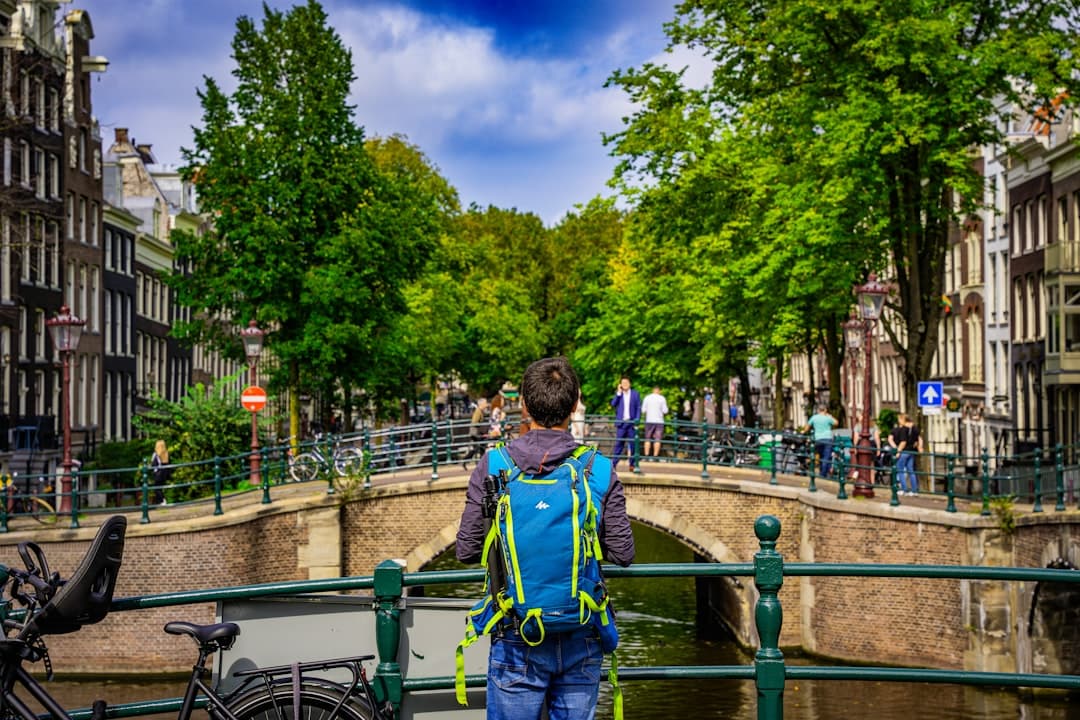
Foam — short for Fotografiemuseum Amsterdam — is one of Europe's most respected dedicated photography museums, occupying a beautifully converted 17th-century canal house on the Keizersgracht. Founded in 2001, it punches well above its size, presenting a constantly rotating program of exhibitions that spans photojournalism, fashion photography, fine art, and documentary work. It's the kind of place that treats photography as seriously as any other art form, and the international calibre of names it attracts — Diane Arbus, Anton Corbijn, Rineke Dijkstra, Martin Parr — reflects that ambition. Inside, the museum's architecture is part of the experience. The interconnected floors of the canal house feel intimate rather than institutional, with rooms of varying scale that suit both intimate portrait series and large-format prints equally well. Exhibitions typically run for a few weeks to a couple of months, so what you see depends on when you visit — but there's almost always a mix of a major headline show and smaller supporting exhibitions running simultaneously. The museum also publishes Foam Magazine, which has become something of a bible for photography enthusiasts worldwide. Foam sits on one of Amsterdam's grandest canals, right in the southern stretch of the Grachtengordel, making it easy to fold into a broader afternoon exploring the Negen Straatjes or the Rijksmuseum area. Thursday and Friday evenings the museum stays open until 9pm, which is a genuinely pleasant time to visit — quieter, different light through the canal-facing windows, and the building feels almost alive. Check the website before you go to see what's showing; the programming quality is consistent, but knowing what's on will set your expectations right.
Fondation Louis Vuitton
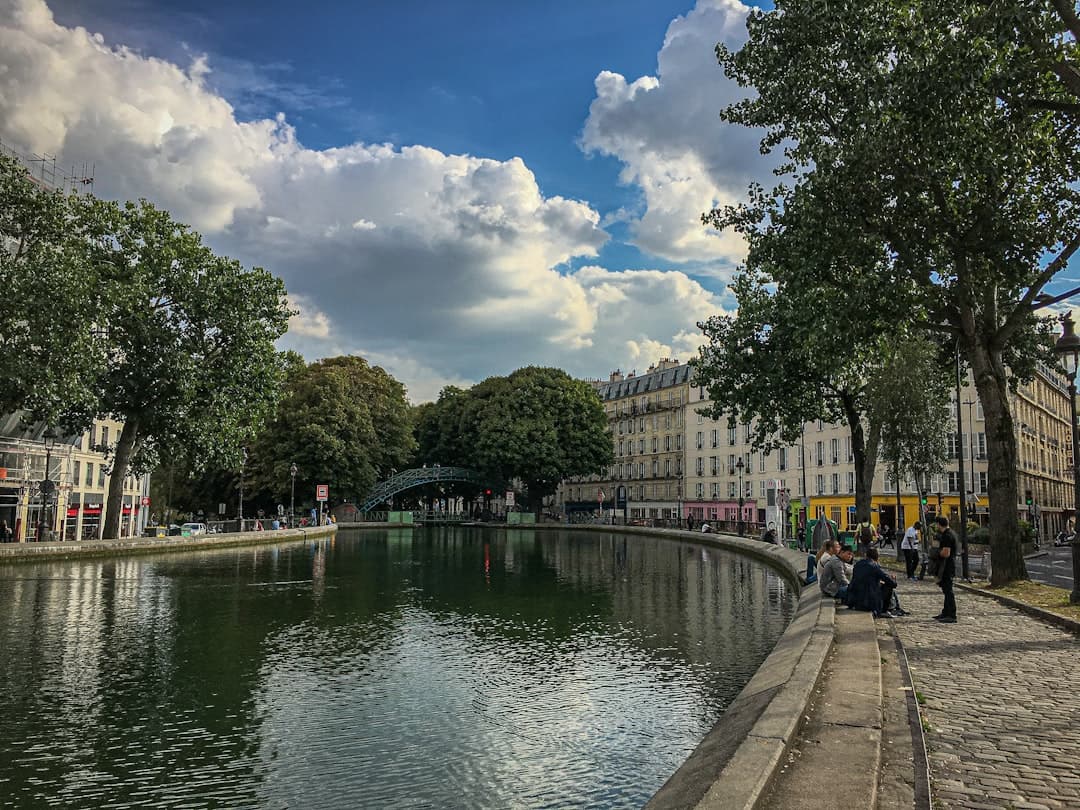
The Fondation Louis Vuitton is a contemporary art museum and cultural center built by LVMH — the luxury conglomerate behind Louis Vuitton — and opened in 2014 in the western edge of Paris's Bois de Boulogne. The building alone is reason enough to visit: designed by American architect Frank Gehry, it's a breathtaking structure of twelve giant glass sails billowing over a series of white concrete volumes, surrounded by reflecting pools. It has already become one of the most distinctive pieces of architecture in France, and seeing it for the first time genuinely stops you in your tracks. Inside, the foundation rotates between its own permanent collection — which includes major works by Ellsworth Kelly, Gerhard Richter, Christian Boltanski, and Cindy Sherman — and large-scale temporary exhibitions that tend to be genuinely ambitious. Past shows have featured Jean-Michel Basquiat, Mark Rothko, and a landmark survey of African art that drew enormous crowds. The building has eleven galleries spread across multiple levels, and Gehry designed several outdoor terraces into the structure itself, offering elevated views over the surrounding forest and, on clear days, the Paris skyline. There's also a Frank Gehry-designed brasserie on site. The foundation is located at the edge of the Bois de Boulogne, which means it takes a little effort to reach — the easiest approach is via the free shuttle bus that runs from the Porte Maillot metro station. Book tickets online in advance, especially for major temporary exhibitions, which routinely sell out on weekends. Friday evenings have extended hours until 9pm and tend to attract a younger, more local crowd. The permanent collection alone justifies multiple visits as it's frequently rehung.
Forbidden City
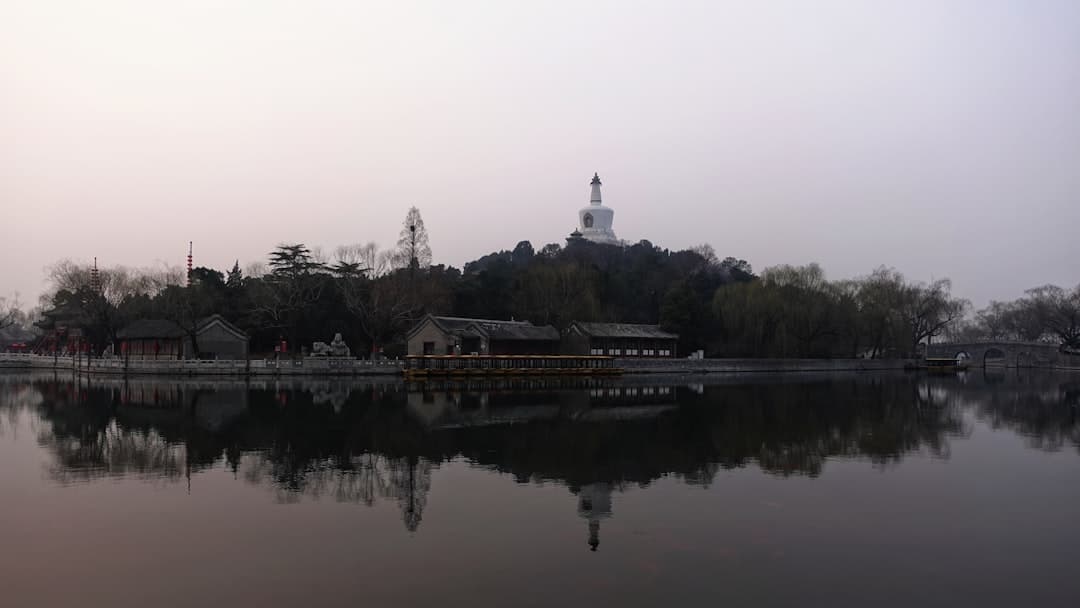
The Forbidden City — officially the Palace Museum — is the largest surviving palace complex in the world, sitting at the dead center of Beijing and, for 500 years, the dead center of imperial China. Built between 1406 and 1420 under the Yongle Emperor, it housed 24 emperors of the Ming and Qing dynasties and was off-limits to ordinary people for centuries. Today it's a UNESCO World Heritage Site and one of the most visited places on earth, drawing around 17 million visitors a year. Walking through the Meridian Gate and into that first vast courtyard, with the Hall of Supreme Harmony rising ahead of you across a sea of stone, is one of those rare travel moments that lives up to the hype. The complex is enormous — 180 acres, around 980 surviving buildings, and roughly 1.8 million artifacts in the collection. Most visitors follow the central axis north from Tiananmen Square, passing through the great ceremonial halls — the Hall of Supreme Harmony, the Hall of Middle Harmony, the Hall of Preserving Harmony — then into the more intimate residential quarters of the Inner Court. But the outer walls contain entire wings that most people miss entirely: the Clock Exhibition Hall in the east, the Treasure Gallery in the northwest, and quieter garden courtyards where you can lose the crowds entirely. The Imperial Garden at the northern end is genuinely beautiful and a good place to rest before exiting through the Gate of Divine Might. Tickets must be booked in advance through the official website — they sell out, especially on weekends and holidays, and you cannot buy at the gate. Daily admission is capped at 80,000 visitors, which sounds like a lot until you're there on a golden week holiday. Arrive right at opening (8:30am), go straight through to the far end, then work your way back — you'll be moving against the main crowd flow. The Palace Museum app has genuinely good English audio guides. Monday closures are year-round.
Forodhani Gardens
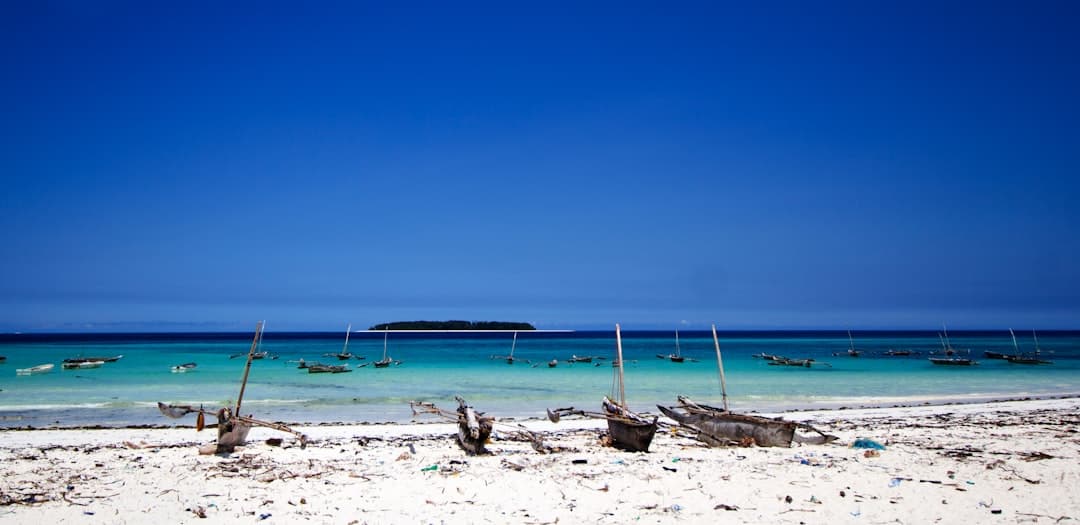
Forodhani Gardens is a small public park on the Stone Town waterfront that transforms every evening into one of East Africa's most atmospheric street food markets. Set along the seawall overlooking the Indian Ocean, it sits in the heart of Zanzibar's UNESCO-listed old town, flanked by the Old Fort — a 17th-century Arab fortification — and the former State House. During the day it's a quiet green space where locals sit and fishermen watch the dhows pass. After dark, it becomes something else entirely. As the sun drops, vendors wheel in their carts and fire up their grills, and the gardens fill with smoke, chatter, and the smell of charcoal and spice. The signature dish is Zanzibar pizza — a street food original that bears no resemblance to Italian pizza, instead resembling a folded crepe stuffed with egg, meat, vegetables, or Nutella if you want dessert. You'll also find fresh seafood — lobster, octopus, prawns — grilled to order on skewers, along with sugarcane juice, urojo (Zanzibar mix, a tangy coconut soup with fritters and potato), and the local sweet mishkaki skewers. You eat at plastic tables, surrounded by other visitors and curious locals, with the sea breeze coming off the water. Come hungry and come in the evening — the market doesn't really get going until after 6pm and is busiest between 7 and 10pm. Bring small bills in Tanzanian shillings; some vendors accept dollars but you'll get a fairer deal in local currency. Prices are negotiated at most stalls, and a full meal of seafood, Zanzibar pizza, and juice should cost you very little by any Western standard. Watch out for persistent touts near the entrance — a polite but firm 'no thank you' is your best tool.
Fort St Elmo
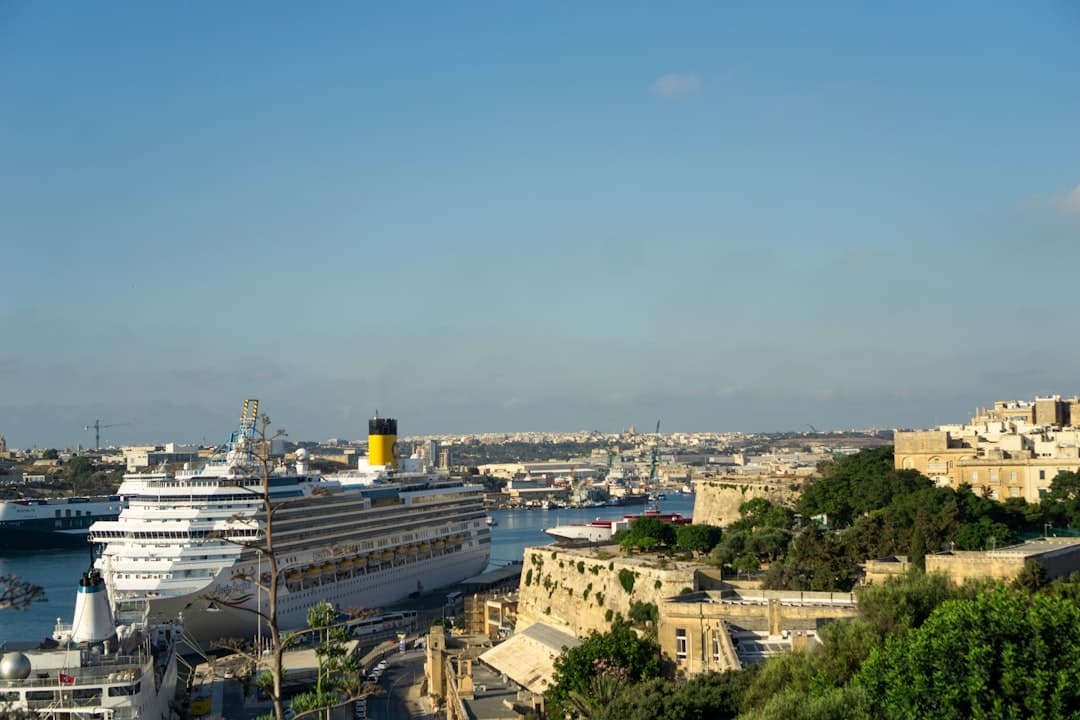
Fort St Elmo sits at the very tip of Valletta's peninsula, where the Grand Harbour meets Marsamxett Harbour, and it is one of the most historically significant military fortifications in the entire Mediterranean. Built by the Knights of St John in the 1500s, it became the epicentre of one of the most dramatic sieges in European history — the Great Siege of 1565, when a massive Ottoman force attempted to take Malta and was ultimately repelled. The fort's defenders, massively outnumbered, held out for weeks and were eventually overwhelmed to a man. Their sacrifice bought enough time for reinforcements to arrive and save the island. Without Fort St Elmo, there would be no Valletta, and possibly no Malta as we know it. Today the fort houses the National War Museum, which is the main draw for most visitors. Inside you'll find artefacts ranging from ancient armour and cannons to a biplane and a George Cross — the actual medal awarded to the entire island of Malta by King George VI in 1942 for its extraordinary resistance during the Second World War. The fort's architecture is a layered timeline of military engineering: the original star-shaped design has been expanded and rebuilt multiple times, and you can walk the wide rampart walls for sweeping views over both harbours. On certain weekends, historical re-enactment groups stage in-costume military drills in the courtyards — theatrical but genuinely informative. The fort is located at the far end of Valletta near the tip of the peninsula, a straightforward walk down Republic Street or along the waterfront promenade. Summer evenings occasionally see open-air events held within the walls. If you visit during the day, the rampart views toward Birgu and Senglea across the Grand Harbour are among the best in the city — and the light is extraordinary in the late afternoon. Give yourself at least a couple of hours to do it justice rather than rushing through.
Fotografiska
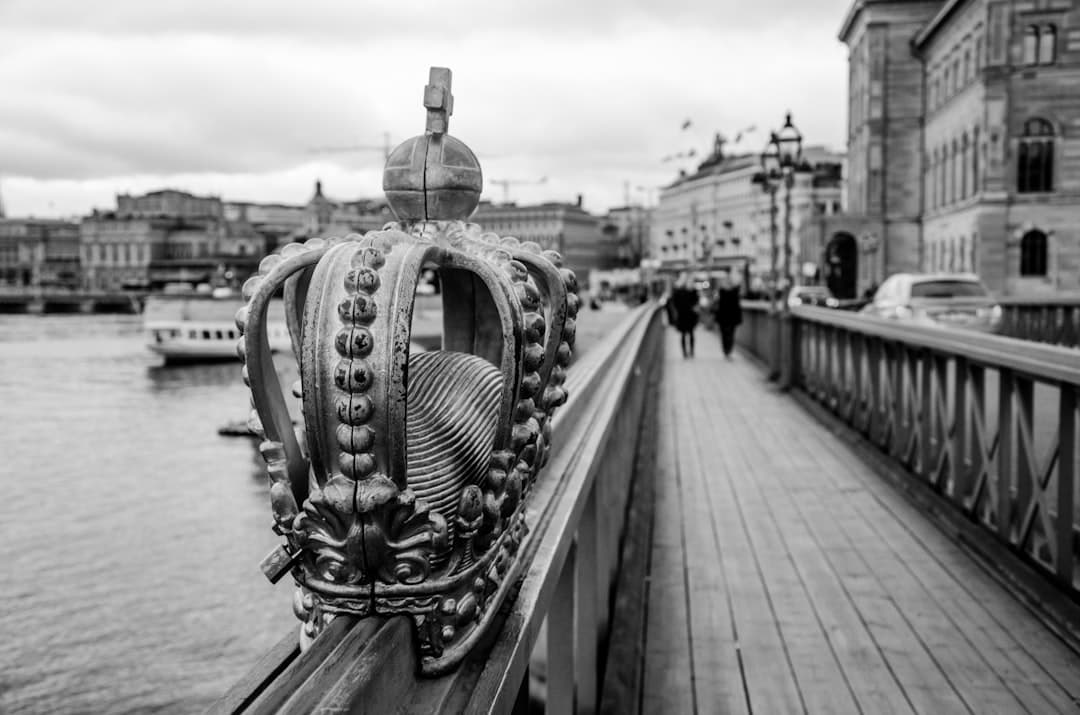
Fotografiska is a world-class photography museum housed in a converted Art Nouveau customs house on Stockholm's waterfront. Opened in 2010, it quickly became one of Europe's most visited photography museums, drawing major international names — Annie Leibovitz, Helmut Newton, David LaChapelle — alongside emerging talent and sharp thematic group shows. It's not a dusty institution; it's a living venue that treats photography as both art and conversation starter. Visiting means moving through rotating exhibitions across several floors of beautifully lit gallery space, with the quality and ambition varying by show but consistently punching above what you'd expect from a mid-sized museum. The building itself is worth your attention — high ceilings, original industrial details, and floor-to-ceiling windows framing views over Saltsjön and the archipelago. The top-floor restaurant is legitimately excellent, not an afterthought, with a menu focused on sustainable Nordic ingredients. The bar and café operate late into the evening, which is how Fotografiska pulls off something rare: a museum with a genuine nightlife dimension. The late closing time (11pm every night) is the insider angle most visitors miss. Come for a 7pm exhibition visit, stay for dinner or a drink at the rooftop bar, and you've had a full Stockholm evening in one building. Tickets can be bought at the door but booking online avoids any queue, especially on weekends. The museum sits on Södermalm's northern waterfront, a short walk from Slussen — which, now that the long renovation is wrapping up, has become a proper transit hub again.
Foz do Douro
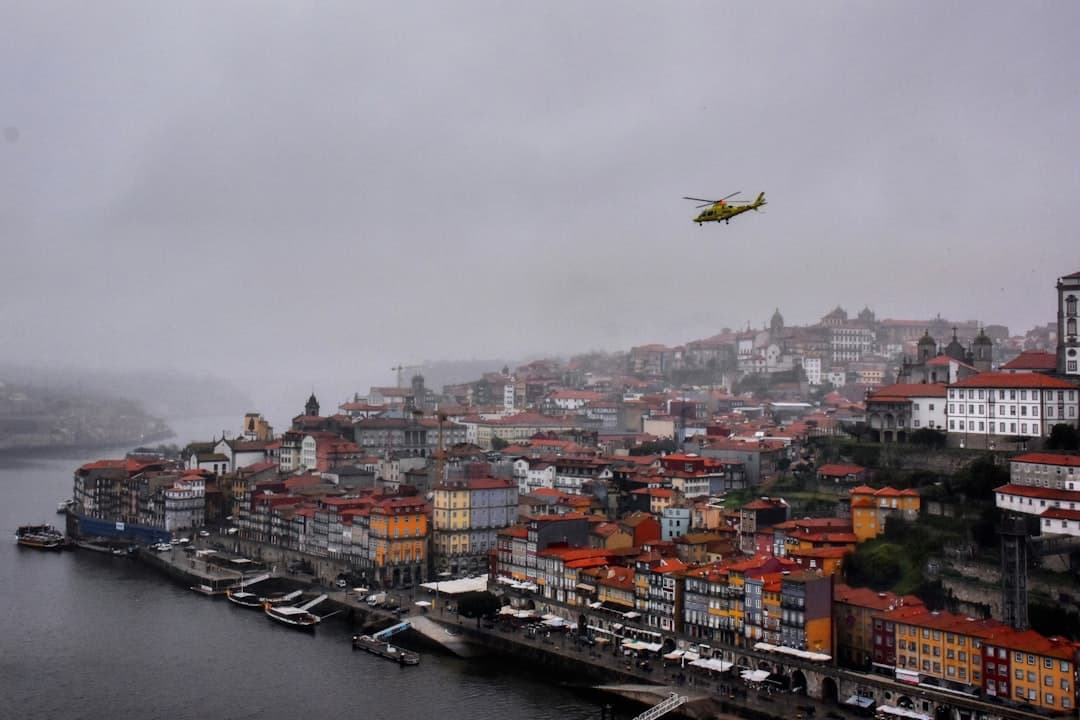
Foz do Douro is the westernmost neighbourhood of Porto, sitting at the point where the Douro River finally opens into the Atlantic Ocean. It's one of those places that feels like a secret the city keeps from its own tourists — most visitors head to Ribeira or the wine cellars across the river in Vila Nova de Gaia, while Foz quietly goes about its business as one of Porto's most desirable and genuinely beautiful residential areas. The coastline here is dramatic: granite outcroppings, crashing waves, a lighthouse, and long promenades that feel worlds away from the city centre despite being just a 30-minute tram ride down the riverbank. The experience is fundamentally about being outside and moving slowly. You can walk the Passeio Alegre gardens, which edge the river mouth and are shaded by enormous trees, then continue along the Avenida do Brasil seafront promenade as it hugs the coast northward. There are tidal pools at low tide, a small fort (the Castelo do Queijo, or Cheese Castle, named for its rounded shape), and wide sandy stretches where locals actually swim in summer. The neighbourhood itself has excellent cafés, upscale seafood restaurants, and an easy residential charm that makes it feel like you've borrowed someone's ideal afternoon life. Foz is best reached via the historic Tram 1 (Elétrico 1), which runs along the river from Infante and is itself a bit of a Porto institution — slower than the bus but far more atmospheric. Come in the late afternoon to catch the light on the water as the sun drops toward the ocean, then stay for dinner at one of the seafood spots along Rua do Padrão or near Praça de Gonçalves Zarco. It's the kind of neighbourhood that rewards those willing to leave the tourist circuit for a few hours.
Fraumünster
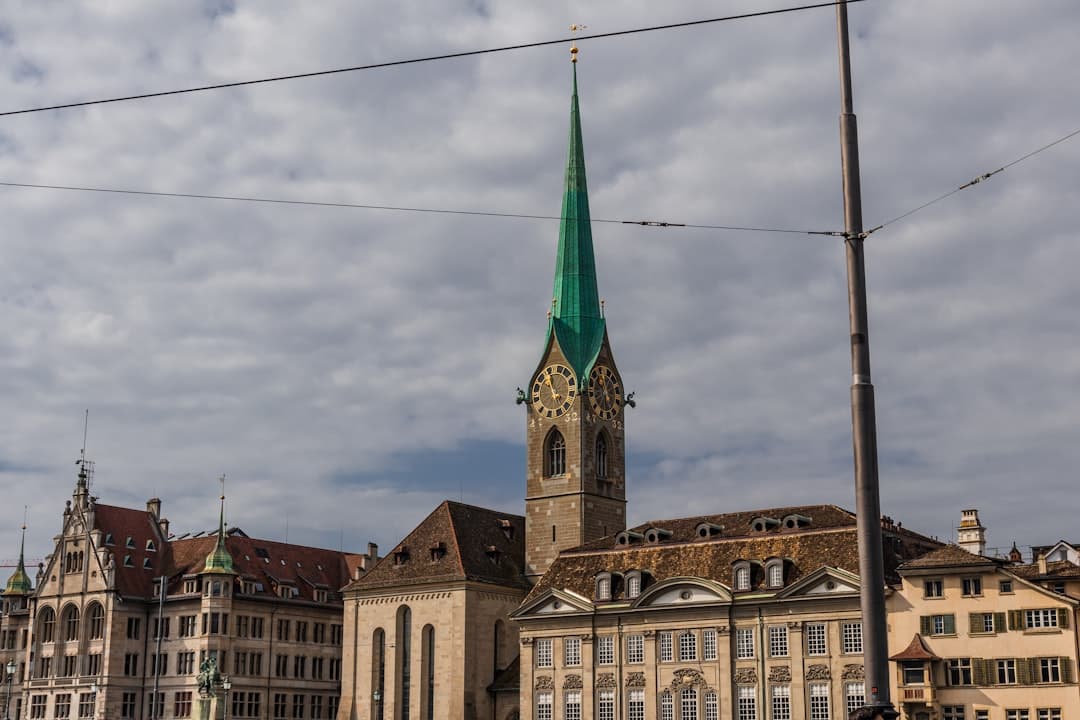
The Fraumünster is a Protestant church on the west bank of the Limmat river in Zurich's Old Town, built on the site of a Benedictine abbey founded in 853 AD by Louis the German for his daughter. For most of its history it was one of the most powerful religious institutions in the region, but today it draws visitors from around the world for a very specific reason: five extraordinary stained glass windows created by Marc Chagall in 1970, plus an additional rose window by Augusto Giacometti completed in 1945. These aren't minor decorative additions — they are among the finest examples of 20th-century stained glass anywhere in Europe. Step inside and the windows immediately dominate the space. Chagall's five choir windows glow in deep blues, greens, and reds, each depicting biblical themes — the prophets, the law, Zion, Christ, and the life of Jacob — rendered in his characteristically dreamlike, floating style. The figures seem to hover rather than stand, suffused with an otherworldly light that shifts with the time of day. Giacometti's rose window above the north transept is gentler, more abstract, a riot of warm yellows and blues. The church itself is modest in scale and restrained in decoration, which makes the windows hit harder — there's nothing else competing for your attention. The Fraumünster sits on the Münsterhof, one of Zurich's most attractive squares, directly across the Limmat from the Grossmünster. Admission is charged (a few Swiss francs) and includes an audioguide. The windows photograph beautifully in the morning when direct light enters from the east and illuminates the glass most dramatically. It's worth timing your visit accordingly — the difference between flat afternoon light and that morning glow is significant.
Freedom Trail
The Freedom Trail is a 2.5-mile walking route through downtown Boston that connects 16 of the most significant sites in American Revolutionary history. Marked by a red line — painted or embedded in brick — it links landmarks from the Massachusetts State House to the Bunker Hill Monument in Charlestown, passing through neighborhoods that were alive with revolt, debate, and defiance in the 1770s. It was conceived in 1951 by journalist William Schofield and remains one of the most visited heritage routes in the United States, because the history here isn't in a museum — it's in the streets. Walking the trail means standing in the Old South Meeting House where colonists voted to dump tea into the harbor, visiting the graves of Paul Revere and Samuel Adams at the Granary Burying Ground, stepping inside the Old State House where the Boston Massacre unfolded just outside its doors, and crossing the Charlestown Bridge to reach the USS Constitution — 'Old Ironsides' — still a commissioned US Navy vessel. The Paul Revere House in the North End is the oldest remaining residential structure in downtown Boston, and it's genuinely striking to stand in rooms that predate the Revolution itself. Not every site charges admission; several are walk-up or free. The full trail takes a solid half day if you're stopping at sites along the way, but it's entirely self-paced — you can pick up a map from the Boston Common Visitor Center and walk it independently, or join one of the costumed tours run by Freedom Trail Foundation guides, who are genuinely entertaining and historically sharp. The North End, which the trail passes through, is Boston's Italian neighborhood and the place to stop for lunch — grab a lobster roll or a cannoli from Mike's Pastry or Modern Pastry before crossing into Charlestown.