
All Places
1,073 places around the world
1,073 places · page 14 of 45
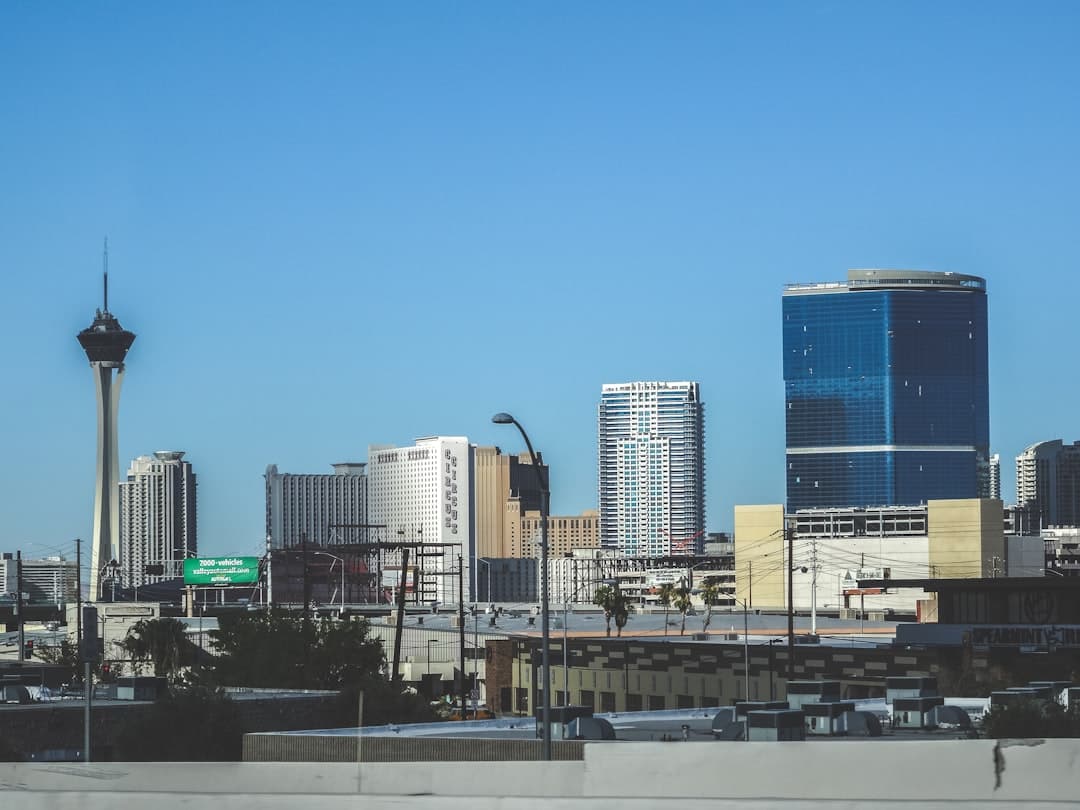
Fremont Street Experience
Fremont Street Experience is the original heart of Las Vegas — the downtown district where gambling first took root in the 1930s and 40s, home to neon legends like the Golden Nugget, Binion's, and the Four Queens. When the Strip started pulling tourists south in the 1990s, downtown was fading fast. The city responded by enclosing five blocks of Fremont Street under a massive curved LED canopy — the Viva Vision screen — creating one of the most audacious urban entertainment projects in American history. It opened in 1995 and has been a fixture of Vegas life ever since. The experience is layered and loud in the best possible way. The Viva Vision canopy runs regular light-and-sound shows overhead, synchronized to classic rock, pop, and Vegas-kitsch playlists — free, every hour after dark. Beneath it, you'll find zip lines launching from a platform several stories up, buskers ranging from remarkably talented to gloriously weird, casino bars spilling onto the pedestrian mall, and vendors selling everything from souvenir cups to grilled corn. The old casino hotels lining the street still have their original neon signage, and the Neon Museum is just a few blocks away if you want the full downtown history arc. This is emphatically not the Strip — it's rowdier, cheaper, more democratic, and more genuinely strange. Drinks are inexpensive by Vegas standards, the casinos have lower minimum bets, and the crowd is a wide mix of tourists, locals, and people who are very much doing their own thing. Come after 9pm when the canopy shows really pop and the street hits full chaotic stride. Parking is cheap or free at most of the attached garages, which is another downtown advantage.
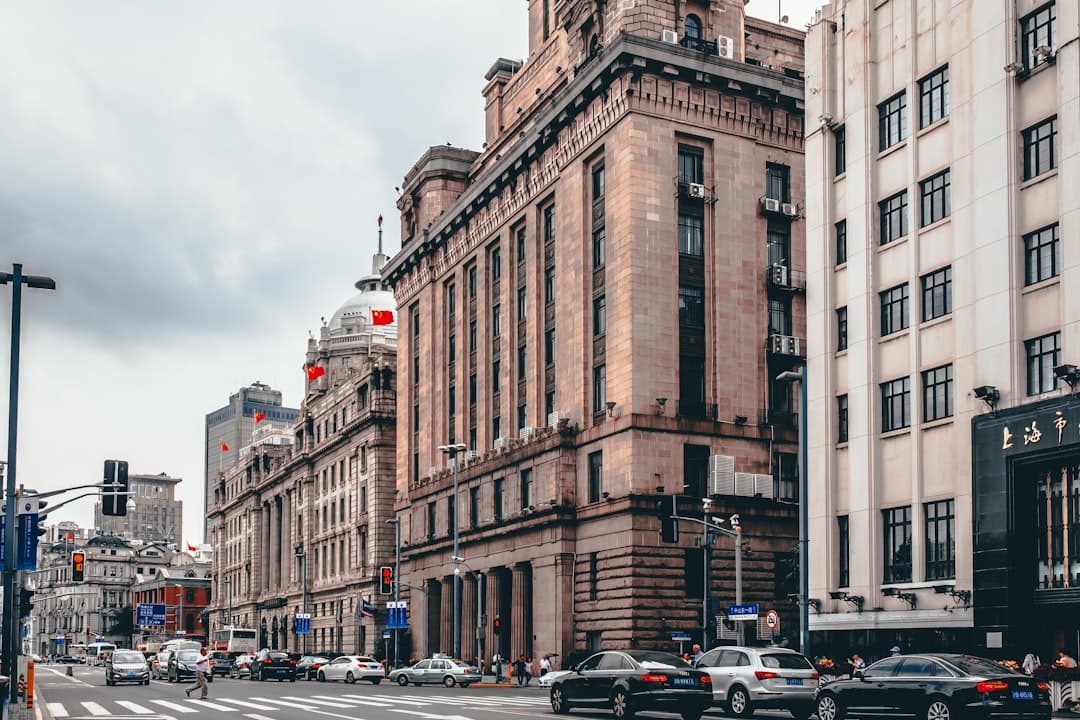
French Concession
The French Concession is one of Shanghai's most storied and visually striking districts — a neighborhood that was carved out as a French-administered enclave in the mid-19th century and retained that distinct European character long after the concession era ended in 1943. Today it's the city's most fashionable and livable quarter, beloved by Shanghainese and expats alike, a place where wide, leafy boulevards, pre-war shikumen (stone-gate) townhouses, and Art Deco apartment buildings rub shoulders with independent coffee shops, designer boutiques, and acclaimed restaurants. It doesn't feel like China's financial capital here — it feels like somewhere entirely its own. Visiting the French Concession means wandering, above all else. The main arteries — Huaihai Road for shopping, Wukang Road for its famous fan-shaped Wukang Mansion and stunning streetscape, Anfu Road and Changle Road for café culture — reward slow exploration on foot or by bike. Tianzifang, a converted longtang (alley) neighborhood around Taikang Road, is the district's most iconic pocket: a rabbit warren of narrow lanes lined with studios, galleries, tea houses, and craft shops that somehow still feel authentic despite their popularity. Beyond the tourist trail, quieter streets like Yongkang Road (once known as the city's bar street), Fuxing Park, and the old French school buildings give the area real depth. The French Concession is best experienced on a weekday morning or late afternoon when the light filters through the plane trees and crowds thin out — weekends around Tianzifang and Wukang Road can be genuinely packed with day-trippers and photo-seekers. The neighborhood spans a large area, so most visitors anchor their day around two or three sub-zones rather than trying to cover everything. Rent a bike from one of the many shared-bike apps (Meituan or Hello Bike) — it's the single best way to move between streets and catch serendipitous side-alley moments that walking or taxis would have you miss.
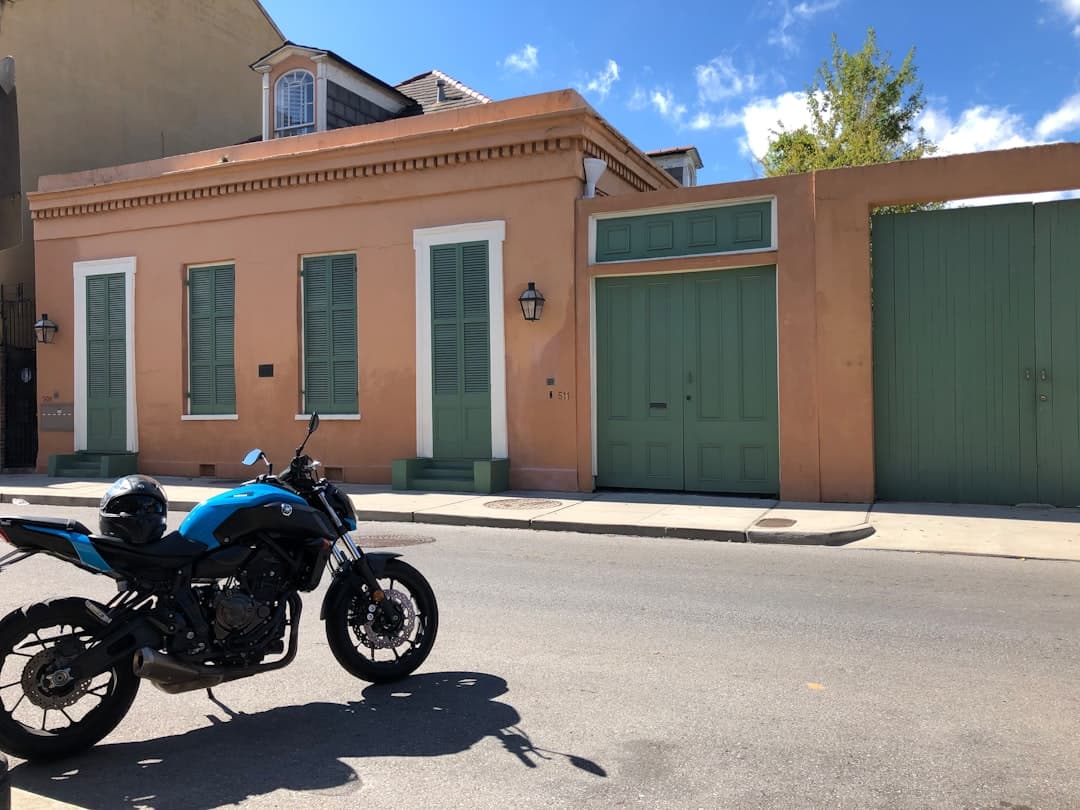
French Quarter
The French Quarter — known locally as the Vieux Carré, meaning 'old square' — is the oldest neighborhood in New Orleans and the cultural heart of one of America's most singular cities. Established by French colonists in 1718, its iconic grid of streets is lined with Spanish Colonial architecture (rebuilt after two devastating fires in the late 1700s), wrought-iron balconies dripping with ferns and Mardi Gras beads, and centuries of accumulated atmosphere. This is not a theme park version of history — people live here, argue here, fall in love here, and have been doing so for over 300 years. Walking the Quarter means stepping between worlds in the space of a single block. Bourbon Street delivers on its infamous reputation — loud, boozy, and unapologetically chaotic at any hour — but duck one block in either direction and you'll find yourself in a completely different city. Royal Street is all antique shops and jazz drifting from open doors. Decatur Street runs along the Mississippi riverfront past Café Du Monde, where beignets and café au lait have been served since 1862. Jackson Square anchors the whole thing — a cathedral, fortune tellers, street musicians, and the great river just beyond. The neighborhood rewards slow walking and curiosity more than any checklist approach. The Quarter is dense and entirely walkable — roughly 13 blocks by 7 blocks — and most visitors naturally anchor here. That's both its strength and its limitation: it gets genuinely crowded, especially on weekends and during events like Mardi Gras or Jazz Fest. The quieter, more residential blocks toward Esplanade Avenue and the lakeside streets show you a different, more authentic side. Come for a full day at minimum, stay later than you planned, and know that the neighborhood changes character completely after dark.
Frida Kahlo Museum
The Frida Kahlo Museum — known locally as La Casa Azul, or The Blue House — is one of the most visited cultural sites in Mexico City, and for good reason. This is where the iconic Mexican painter was born in 1907, spent much of her life with fellow artist Diego Rivera, and died in 1954. The house was converted into a museum just a year after her death, and it feels less like a curated exhibition and more like she simply stepped out for the afternoon. The cobalt-blue walls, the pre-Columbian artifacts, the wheelchair beside the four-poster bed with the mirror mounted above it — it's one of the most intimate artist's homes you'll encounter anywhere in the world. Visitors move through a series of rooms that feel genuinely lived-in: the kitchen with its yellow-and-blue Talavera tile and the names of Frida and Diego spelled out in clay pots on the wall, the studio where her painting materials still sit on the table, and the bedroom where some of her iconic Tehuana dresses are displayed in glass cases. There's a collection of her personal correspondence, folk art she collected obsessively, and the plaster corsets she painted during her long medical recoveries — objects that speak volumes about her resilience and creativity. The garden courtyard, anchored by a Diego Rivera-designed pyramid structure that houses pre-Columbian figures, is a genuine highlight. Tickets sell out days in advance, especially on weekends — booking through the official website well ahead of your visit is essential, not optional. Wednesday morning slots and Thursday evening slots (the museum stays open until 9pm on Thursdays) tend to be less crowded. The museum is in the heart of Coyoacán, a neighbourhood worth exploring for a few hours before or after your visit — grab a coffee at one of the cafés on the central plaza, or try the tostadas at the Mercado de Coyoacán nearby.
Fundació Joan Miró
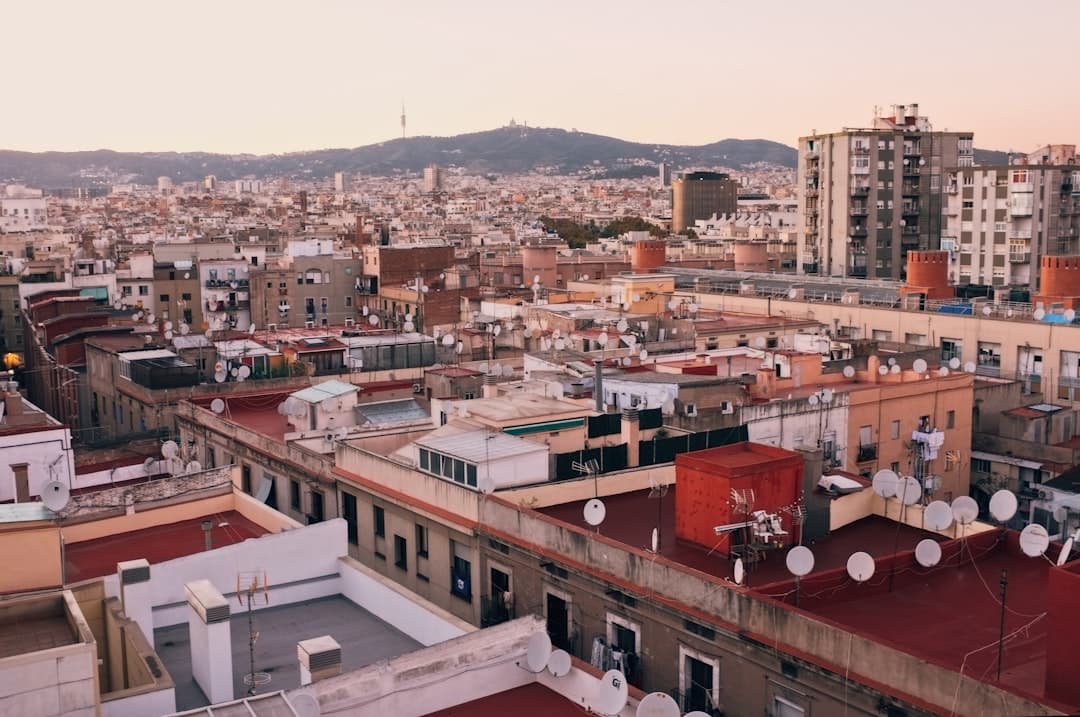
The Fundació Joan Miró is one of the great modern art museums of Europe — a permanent home for the work of Joan Miró, the Catalan painter and sculptor whose bright primary colours, biomorphic shapes, and playful surrealism made him one of the most recognisable artists of the 20th century. Miró himself was involved in founding it and wanted it to be a living centre for contemporary art, not just a shrine to his own work. It opened in 1975 and sits on the slopes of Montjuïc, the hill that overlooks the city. The building, designed by Miró's close friend and architect Josep Lluís Sert, is a masterpiece in its own right — white walls, arched skylights, and courtyards that flood the galleries with Mediterranean light in a way that feels perfectly matched to the art inside. You move through rooms of paintings, sculptures, tapestries, and works on paper from across Miró's long career, from his early figurative pieces through to the bold, stripped-back canvases of his final decades. The rooftop terrace holds sculptures with sweeping views over the city, and the foundation also runs a serious programme of temporary exhibitions featuring contemporary international artists. The museum sits a short walk uphill from the Paral·lel metro station (there's a funicular from Paral·lel that stops nearby), or you can walk up through the park from Plaça Espanya. Avoid the midday crush by arriving at opening time or late afternoon. The Tuesday closure catches many visitors off guard — always worth checking before you make the trip up the hill.
Fushimi Inari Shrine
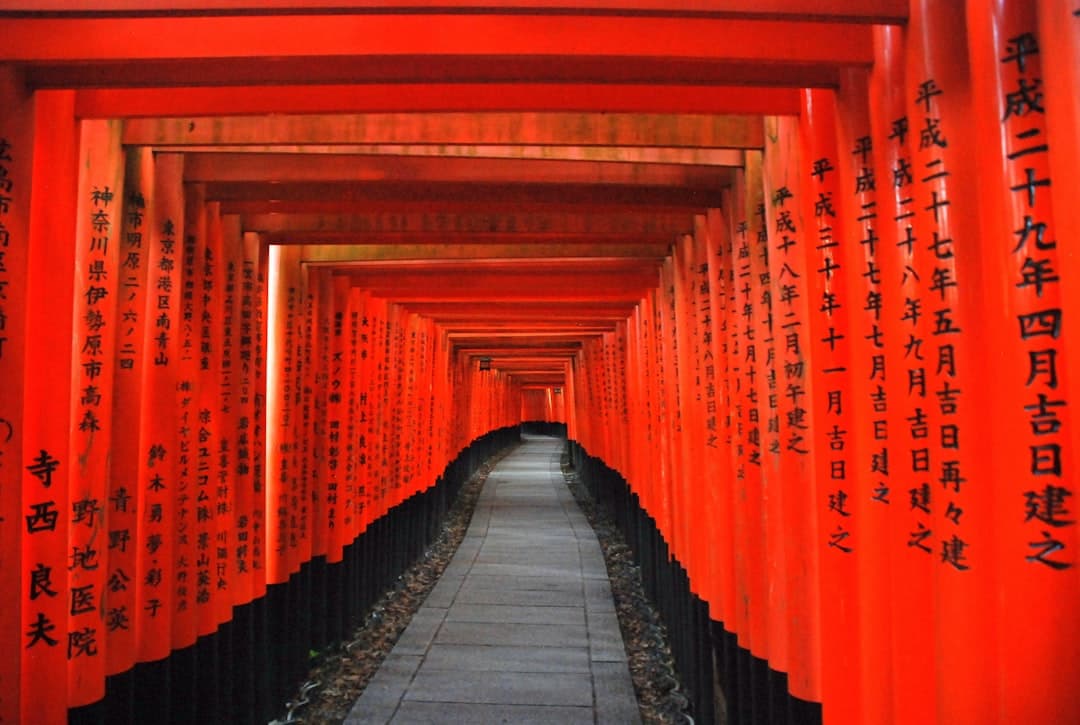
Fushimi Inari Taisha is one of Japan's most iconic Shinto shrines, dedicated to Inari, the deity of rice, agriculture, foxes, and prosperity. Founded in 711 AD — making it older than Kyoto itself — it sits at the base of Mount Inari in the city's southern Fushimi district and serves as the head shrine for roughly 30,000 Inari shrines scattered across Japan. The stone fox statues you'll see throughout the complex are the messengers of Inari, and the thousands of brilliant orange-red torii gates that tunnel up the mountain were donated by businesses and individuals seeking Inari's blessings. Entry is completely free. The experience begins at the dramatic main gate (the Romon), but the real draw is the famous Senbon Torii — 'thousands of torii gates' — that line the trails winding up Mount Inari's forested slopes. The full loop to the mountain summit and back is around 4 kilometers and takes two to three hours at a relaxed pace, rising through increasingly quiet cedar forest. Most visitors stop at Yotsutsuji intersection, about halfway up, where there's a sweeping view over Kyoto — this is genuinely worth the climb even if you go no further. The lower sections bustle with food stalls selling grilled quail eggs, skewered meats, kitsune udon, and matcha treats. The shrine is open 24 hours a day, every day of the year, which is the insider's greatest advantage. The lower precincts are absolute mayhem during midday — Fushimi Inari consistently ranks as Kyoto's most-visited attraction. Come at dawn or after 8pm and you'll have the gate-lined tunnels nearly to yourself, lit by lanterns at night, utterly atmospheric. Arriving via the JR Inari Station (one stop from Kyoto Station on the Nara Line) puts you directly at the main gate in under 10 minutes.
Fusterlandia
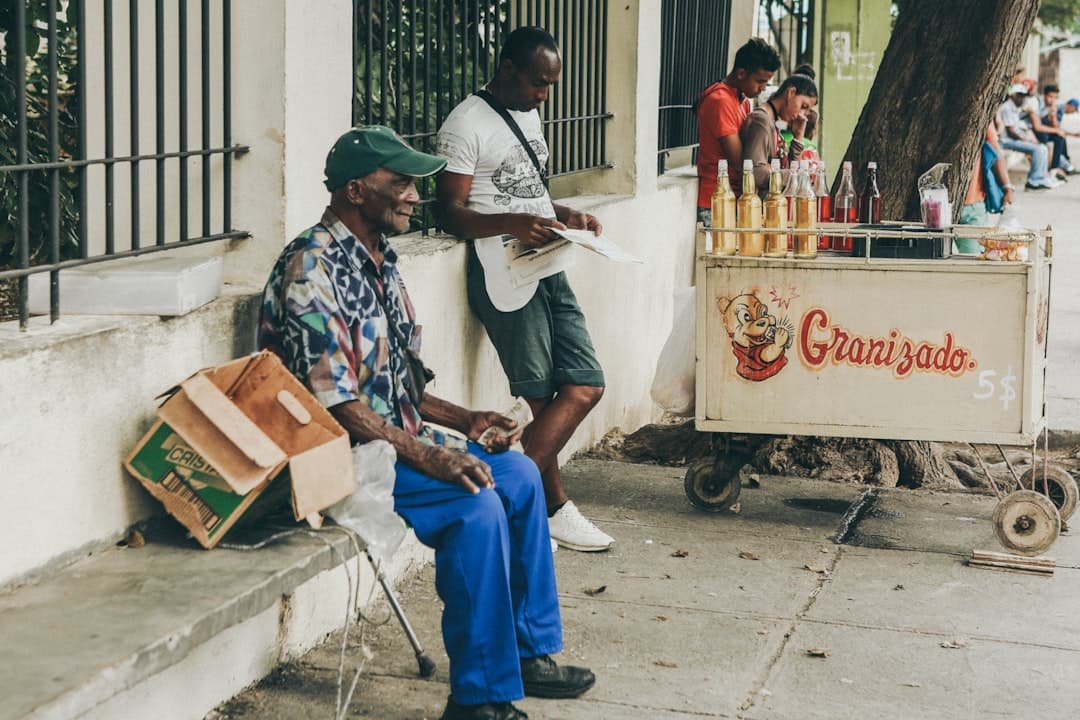
Fusterlandia is the life's work of José Fuster, a Cuban painter and ceramicist who began decorating his home in the Jaimanitas neighborhood of western Havana in the 1990s and simply never stopped. What started as a personal artistic project has grown to encompass his house, studio, and dozens of surrounding homes and public spaces — all covered in vivid, hand-laid ceramic tile mosaics. Think Gaudí's Parc Güell, but more exuberant, more political, more Caribbean, and entirely the vision of one man still very much alive and working. It is one of the most extraordinary examples of outsider art and community-led urban transformation anywhere in the world. Walking through Fusterlandia feels like stepping into a fever dream painted in primary colors. Rooftops are crowned with ceramic figures — mermaids, doves, fish, revolutionary icons, and Fuster's signature roosters. Archways erupt with mosaic portraits. Neighbor after neighbor has invited Fuster to cover their walls, porches, and facades, so the effect ripples outward from his central compound in every direction. Inside the main property you can browse his paintings, prints, and ceramics, and there's a good chance Fuster himself will be around — he's known to greet visitors and chat, often with a cigar in hand. Jaimanitas is a long way from Central Havana — most visitors take a taxi, and it's worth combining with a trip to the nearby Marina Hemingway or the beaches at Miramar. Go on a weekday morning when the light is sharp and the crowds are thinnest, and bring more cash than you think you need — the gallery sells original works and prints at prices that, by international art market standards, are still remarkably accessible. The listed hours are a guide, but like much in Cuba, actual availability can vary — arriving by 10am gives you the best chance of a full experience.
Galata Tower
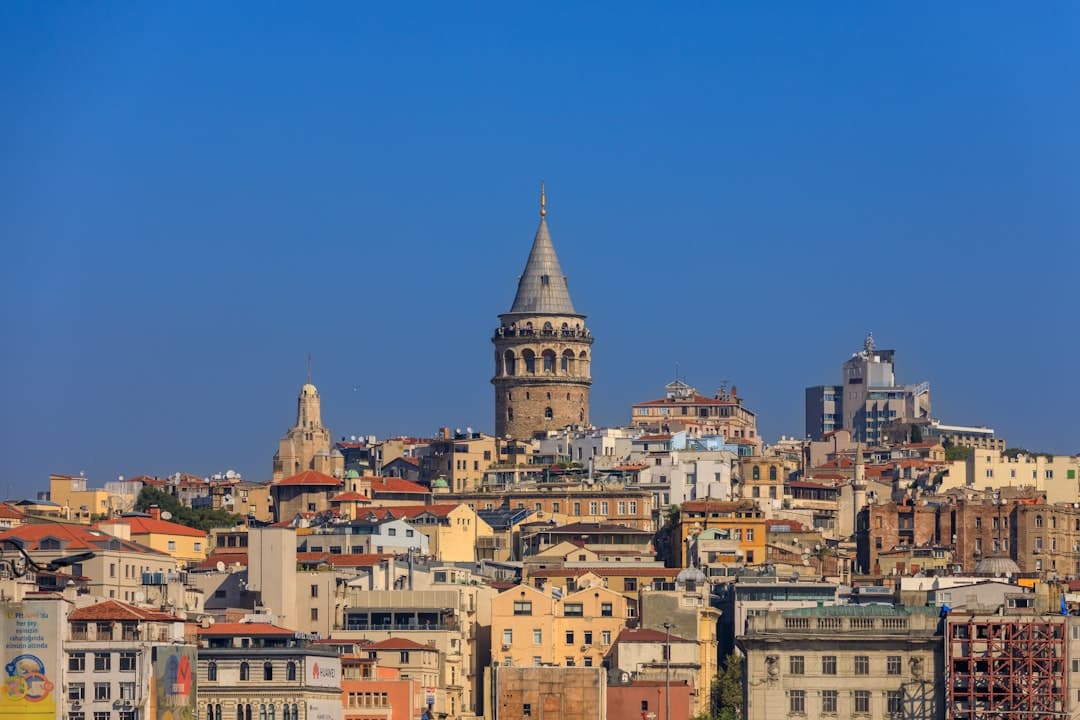
Galata Tower is a cylindrical stone tower standing 67 metres tall in the Beyoğlu district of Istanbul, originally built by Genoese colonists in 1348 as part of their fortified trading colony. It's one of the oldest and best-preserved medieval structures in the city, and its distinctive conical cap is a fixture of the Istanbul skyline — visible from the Bosphorus, the Old City, and almost everywhere in between. For centuries it served various purposes: watchtower, prison, fire lookout. Today it's one of Istanbul's most visited landmarks, and for good reason. You take a lift (or stairs) to the observation deck near the top, where the views open up in every direction — the Golden Horn snaking west, the domes and minarets of the Old City across the water, the Bosphorus glittering beyond, and the dense urban sprawl of modern Istanbul spreading north. It's the kind of panorama that makes the city's geography suddenly make sense. There's also an interior viewing gallery and, just below the deck, a restaurant and bar if you want to linger over the view with a drink. The tower sits at the top of the steep, atmospheric Galata neighbourhood, surrounded by narrow streets full of jewellery workshops, vintage shops, and cafés. It gets extremely busy — this is not a hidden gem — so arriving right when it opens at 8:30am gives you the cleanest light and the thinnest crowds. Tickets are purchased on-site or online; the queue for the lift can be long at peak times, and the observation deck itself gets cramped. That said, even on a busy afternoon, stepping out onto that balcony with the whole city laid out below you is genuinely hard to beat.
Galerie Damgaard
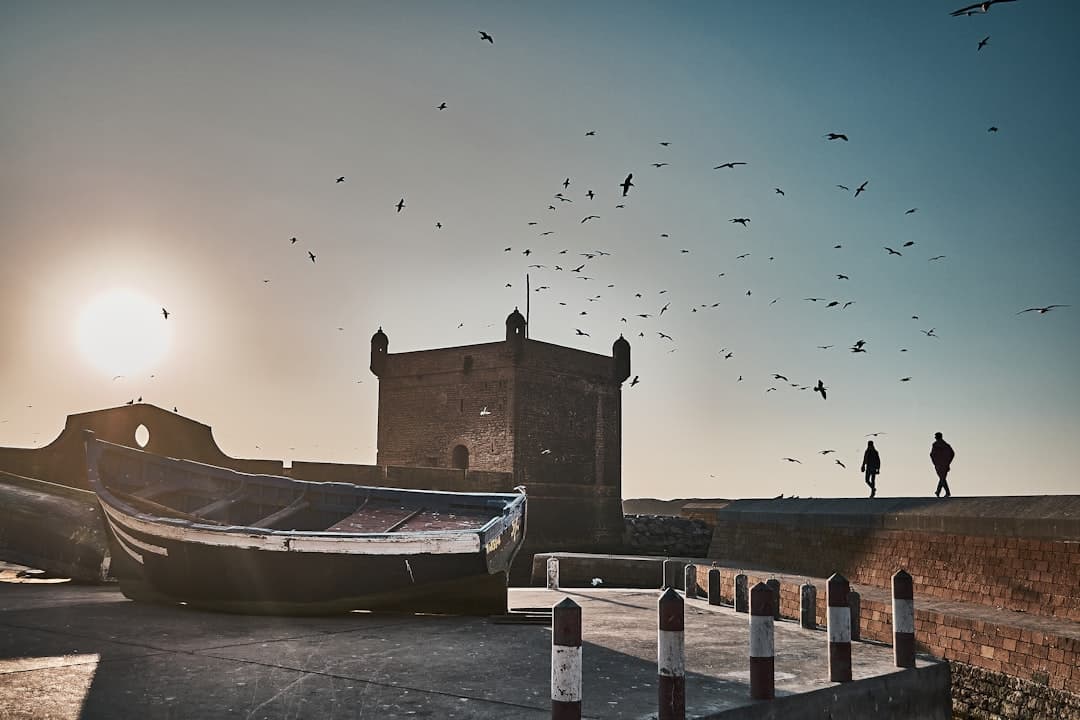
Galerie Damgaard is the most important commercial art gallery in Essaouira, and arguably the single institution most responsible for bringing the city's remarkable tradition of self-taught visionary painting to international attention. Founded by Danish entrepreneur Frédéric Damgaard in 1988, the gallery discovered and championed a generation of artists — including Mohamed Tabal, Fatima Ettalbi, and Boujemaa Lakhdar — who drew on Gnawa spiritual traditions, Berber symbolism, and the psychedelic energy of trance music to create a style unlike anything else in Morocco. Damgaard himself has since passed the baton, but the gallery continues under his legacy, remaining the definitive address for this singular artistic movement. Walking into the gallery is a genuinely arresting experience. The walls are lined with densely patterned, richly coloured paintings — serpents, saints, djinn, geometric symbols, figures caught in spiritual ecstasy — that feel simultaneously ancient and completely original. These aren't tourist trinkets or decorative crafts; they're serious works by artists with decades of practice and an authentic spiritual framework behind them. You can browse at your leisure, ask staff about individual artists, and purchase pieces directly. The gallery also maintains a catalogue and has sold work to collectors internationally, so provenance and documentation are taken seriously here. The gallery sits just outside the medina walls on Avenue Oqba Ibn Nafiaa, making it easy to combine with a walk along the ramparts or a visit to the port. It opens in two shifts following the traditional Moroccan rhythm — morning and afternoon with a midday break — so plan around that. Prices range widely, from affordable smaller works to significant investment pieces. If you're serious about buying, come early in your trip so you have time to think it over.
Galleria Borghese
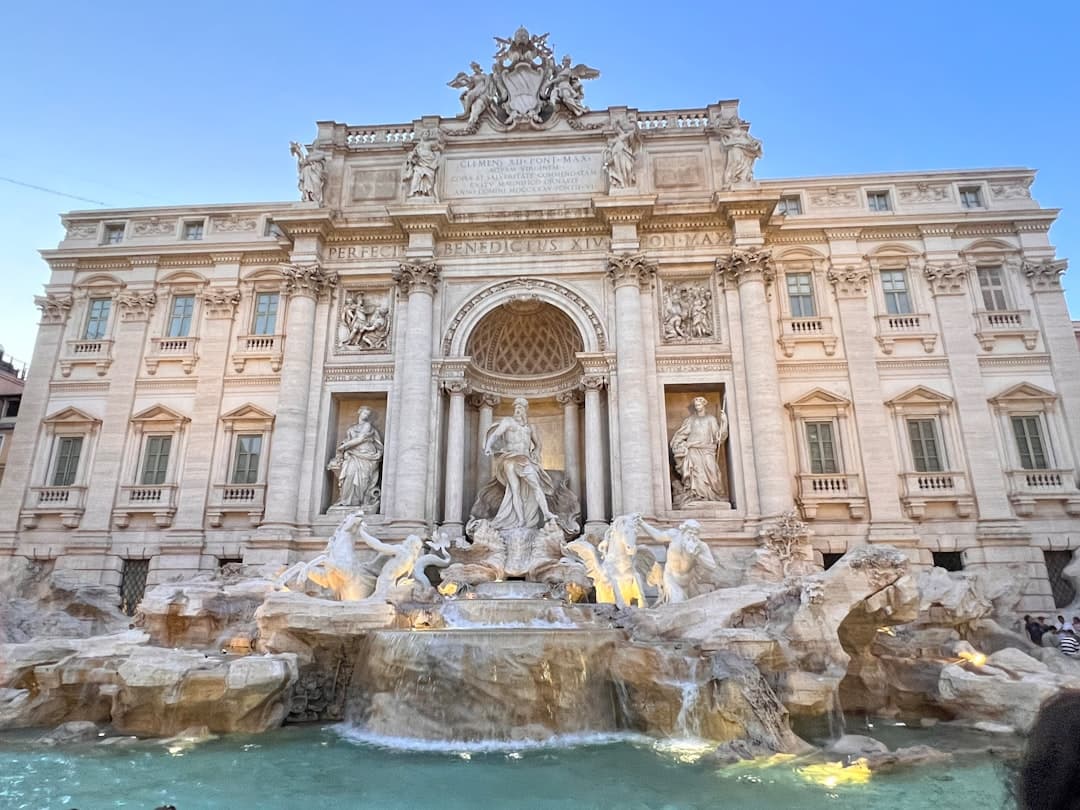
The Galleria Borghese is one of the finest small museums in the world, housed in a 17th-century villa built by Cardinal Scipione Borghese — a man who collected art the way some people collect obsessions. The collection he assembled reads like a greatest-hits album of the Italian Baroque: six Bernini sculptures, six Caravaggio paintings, works by Raphael, Titian, and Rubens, all crammed into a building that is itself a masterpiece of frescoed ceilings and inlaid marble floors. This is not a museum where you drift through hall after hall of competent but forgettable work. Every room delivers something extraordinary. In practice, visits are timed and capped at two hours, which sounds restrictive but actually forces a useful focus. You move through the ground floor sculpture rooms first — and this is where the Berninis will stop you cold. Apollo and Daphne, carved around 1625, shows the moment a woman transforms into a laurel tree to escape a god, and Bernini has somehow rendered marble into leaves, bark, and billowing fabric simultaneously. The Rape of Proserpina, David, and Aeneas and Anchises are all here too, each more technically staggering than the last. Upstairs, the painting collection includes Caravaggio's Boy with a Basket of Fruit and his David with the Head of Goliath — in which he reportedly painted his own face onto the severed head, which is exactly the kind of biographical detail that makes great art even more unsettling. The villa sits inside the Villa Borghese park, Rome's largest public green space, which makes it easy to combine with a walk or a picnic before or after your visit. Admission is timed and strictly ticketed — they sell out weeks in advance, sometimes months in peak season. Book the moment your travel dates are set, through the official Galleria Borghese website or CoopCulture. Monday is the one day it's closed.
Galleria Vittorio Emanuele II
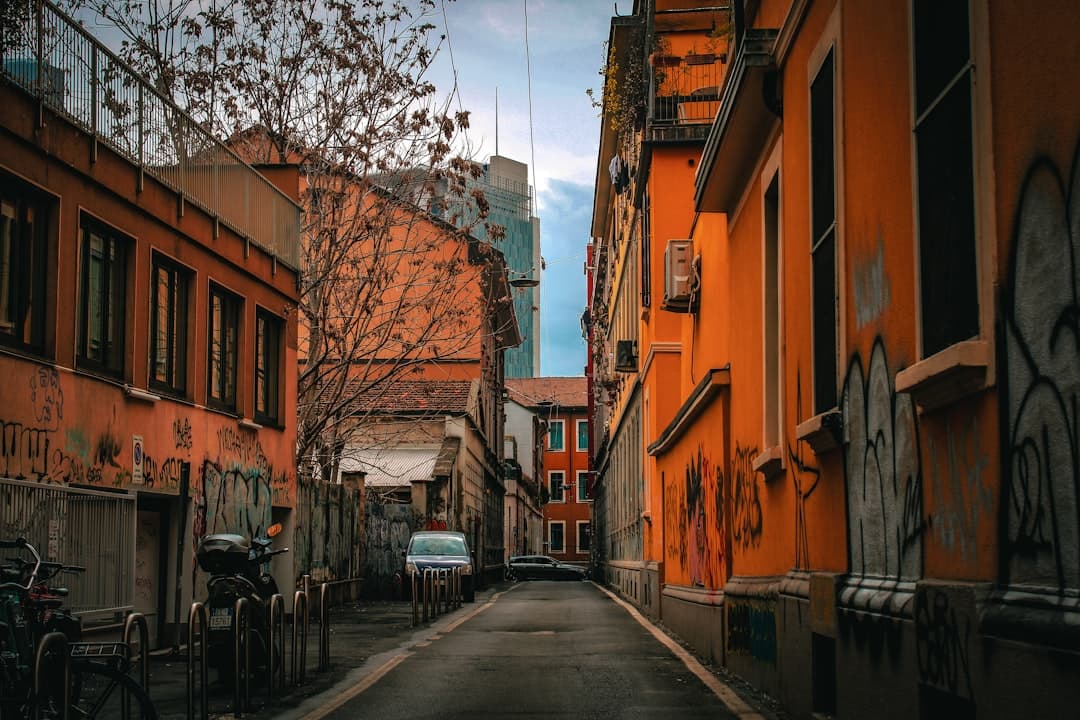
The Galleria Vittorio Emanuele II is one of the world's oldest and most beautiful shopping arcades, a soaring iron-and-glass cathedral of commerce built between 1865 and 1877 and named after Italy's first king. Designed by architect Giuseppe Mengoni — who famously fell to his death from the scaffolding just days before the official inauguration — it connects Piazza del Duomo to Piazza della Scala in the very heart of Milan. Its octagonal central dome, elaborate mosaic floors, and grand barrel-vaulted roof make it one of the most photographed interiors in Italy, and locals simply call it il Salotto di Milano — the living room of Milan. Inside, you'll find a mix of luxury flagships (Prada, Louis Vuitton, Gucci — who opened their first-ever shop here in 1921), historic cafes, and restaurants that have been feeding Milanese society for over a century. The Camparino in Galleria, opened in 1915, is one of the most iconic bars in Italy and the birthplace of the Campari Spritz. The floor of the central octagon features four mosaic roundels representing Europe, Asia, Africa, and the Americas — and there's a local tradition of spinning on your heel three times on the bull's testicles in the Turin coat of arms mosaic for good luck, which has worn an actual hole in the floor. The Galleria is open 24 hours and free to walk through, which means the experience changes dramatically by time of day. Early morning is serene and almost deserted — the best time to photograph the architecture. By midday it fills with tourists and shoppers. Come evening, the aperitivo crowd takes over the bars and restaurants. Skip the overpriced dining inside the arcade itself unless you're splurging at somewhere genuinely historic like Savini — and if you're buying coffee, Camparino is worth every euro of its premium prices for the experience and the setting.
Gallerie dell'Accademia
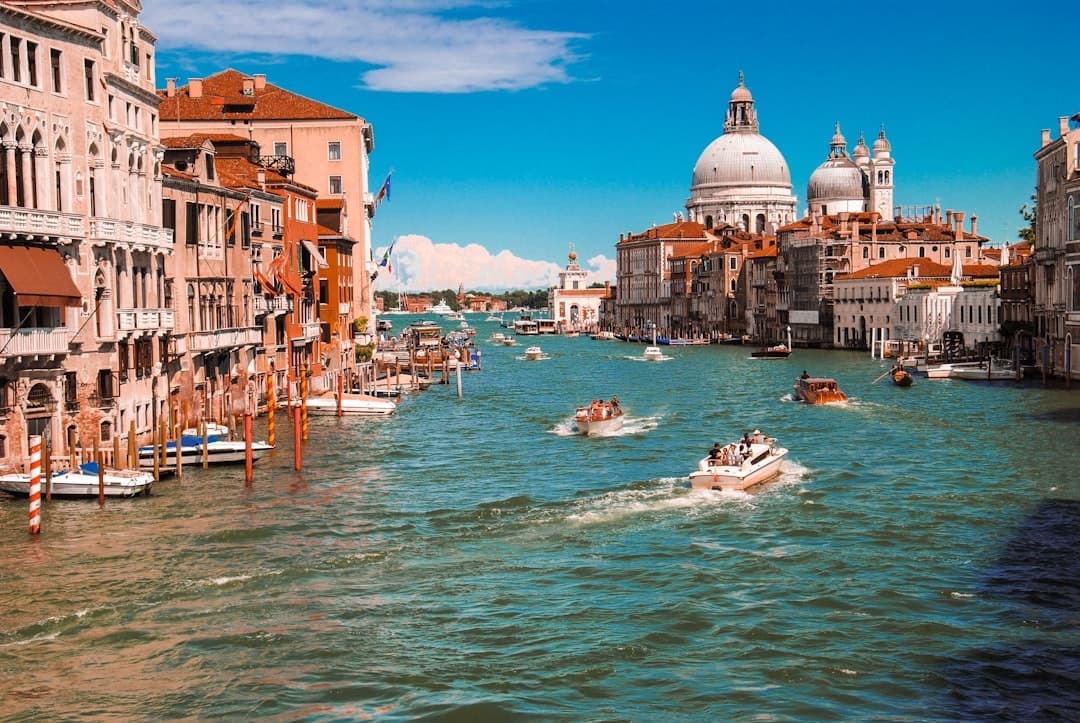
The Gallerie dell'Accademia is Venice's premier art museum and one of the most important collections of Venetian painting in the world. Housed in a complex of three former religious buildings — the Scuola della Carità, the Church of Santa Maria della Carità, and a monastery — the gallery traces the full arc of Venetian painting from the 14th century through the 18th. If you want to understand why Venice had such an outsized influence on Western art — the obsession with light, colour, and the material world — this is the place that makes it click. Inside, you move through rooms packed with masterworks that would be headline attractions in any other museum. Gentile Bellini's enormous processional canvases, Giovanni Bellini's luminous altarpieces, Giorgione's mysterious and deeply strange 'The Tempest', Veronese's vast 'Feast in the House of Levi' (originally a Last Supper, renamed after the Inquisition objected to the dogs and dwarves), and Titian at multiple points in his long career. There's also Leonardo da Vinci's 'Vitruvian Man' in the collection, though it's rarely on public display due to conservation concerns — don't plan your visit around seeing it. The rooms themselves, especially the old church interior, are part of the experience. The Accademia sits at the southern end of the Grand Canal in the Dorsoduro sestiere, a short walk from the wooden Ponte dell'Accademia. It draws serious crowds, particularly in summer, and the ticket system rewards those who book ahead. Tuesdays through Sundays, doors open at 9am — arriving early gets you the quieter morning light and thinner crowds before tour groups arrive. The museum closed Monday, so plan accordingly. Budget at least two hours; three is better if you actually want to sit with the paintings.
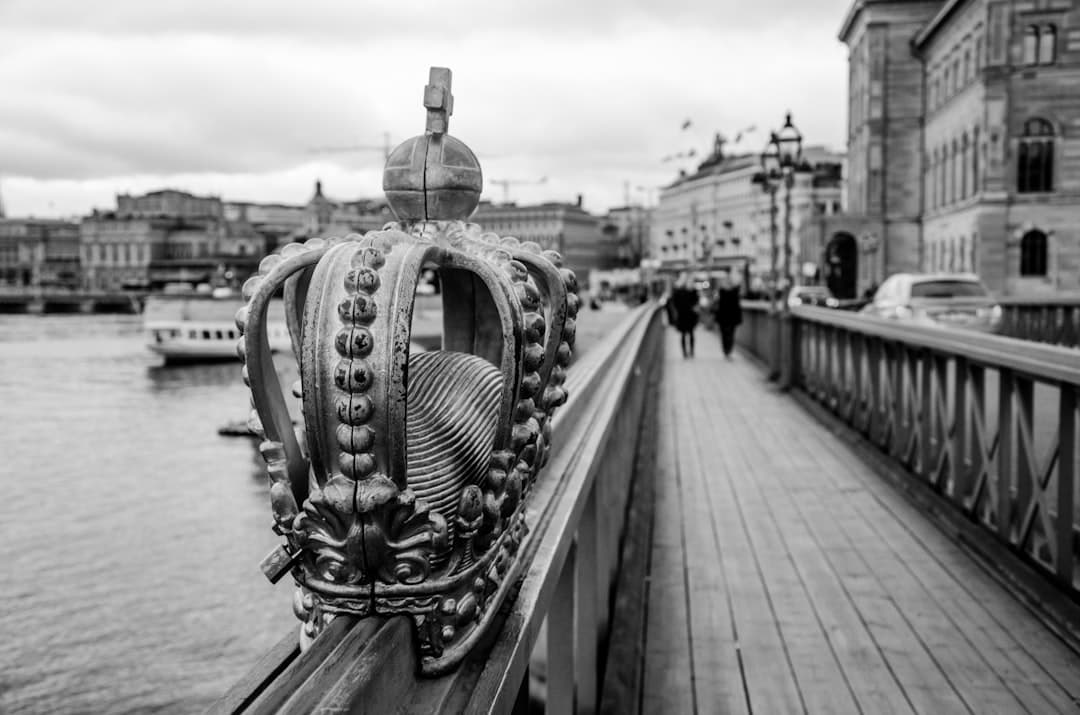
Gamla Stan
Gamla Stan — literally 'the Old Town' — is the original city of Stockholm, built on a small island called Stadsholmen between the mainland and Södermalm. Founded in the 13th century, it served as the heart of Swedish power for centuries and remains one of the best-preserved medieval city centres in all of Northern Europe. The Royal Palace sits at its northern tip, the German Church (Tyska kyrkan) towers above its rooftops, and narrow alleyways like Mårten Trotzigs Gränd — at just 90 centimetres wide, the city's narrowest street — thread between ochre and terracotta buildings that have stood since the 1600s. In practice, visiting Gamla Stan means wandering on foot through a dense grid of streets barely wide enough for two people to pass comfortably. Stortorget, the main square, is the oldest in Stockholm and the site of the Stockholm Bloodbath of 1520 — one of Scandinavia's most notorious historical events. Today it fills with tourists in summer and a Christmas market in December that is among the most atmospheric in Europe. The Nobel Museum on the square is compact but genuinely engaging. The Royal Palace is open to visitors and houses multiple museums; the Changing of the Guard outside is a reliable spectacle. Everywhere you turn there are independent jewellery shops, amber dealers, antique sellers, and chocolate makers jostling for space with cafés serving cardamom buns and strong Swedish coffee. The practical reality is that Gamla Stan is extremely popular, and the main drag — Västerlånggatan — can feel like a tourist conveyor belt in July and August. The real pleasure lies in ducking off it into the quieter parallel streets: Österlånggatan is marginally calmer and has better independent shops. Come early morning before 9am or in the early evening when day-trippers thin out, and the place transforms. Winter visits are genuinely rewarding — the cold keeps the crowds away, the Christmas market is magical, and the snow on those copper rooftops is the kind of thing you come to Scandinavia for.
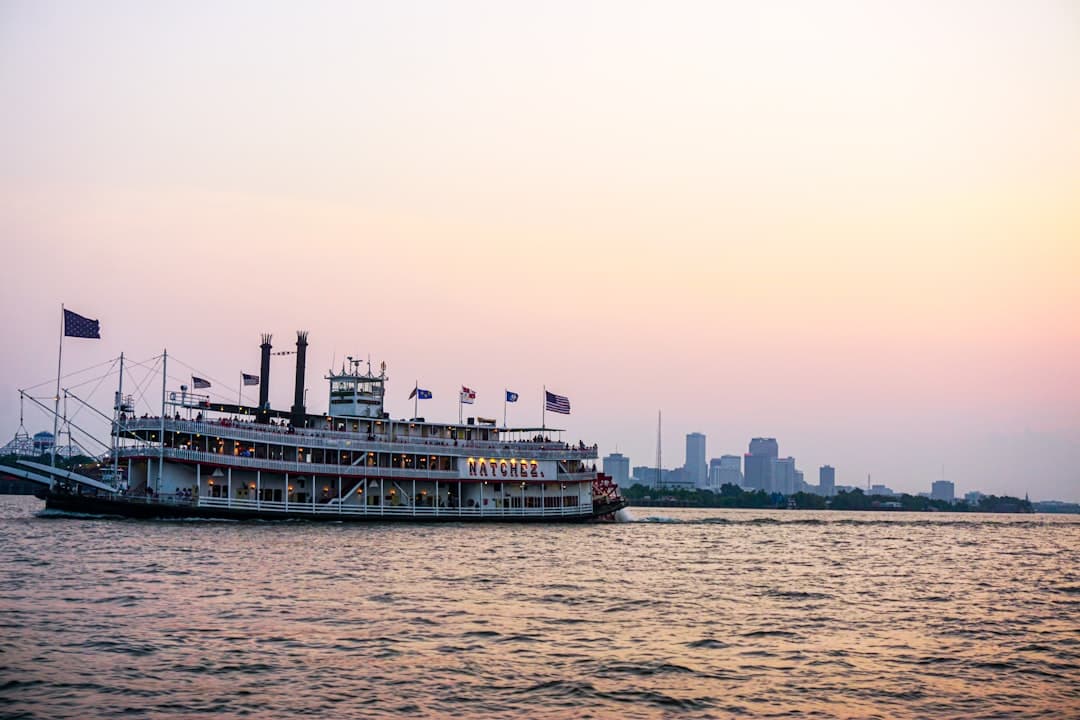
Garden District
The Garden District is one of the most architecturally stunning and historically significant neighborhoods in the United States. Developed in the mid-19th century by wealthy American merchants who settled upriver from the Creole-dominated French Quarter, it became a showplace of ambition — block after block of grand antebellum mansions built in Greek Revival, Italianate, and Queen Anne styles, each set behind ornate iron fences and draped in the kind of lush subtropical vegetation that makes New Orleans feel like nowhere else on earth. It's a living museum of a particular moment in American wealth, and it's completely free to walk through. The experience is essentially a self-guided architectural stroll. You wander down St. Charles Avenue, Magazine Street, and the residential blocks in between — Prytania, Coliseum, Chestnut — peering through wrought-iron gates at gardens that smell of jasmine and night-blooming plants, admiring homes with histories attached to names like Commander's Palace, Anne Rice, and Jefferson Davis. Lafayette Cemetery No. 1 on Washington Avenue is a must: one of the city's oldest above-ground cemeteries, hauntingly beautiful and genuinely atmospheric, open to the public. Magazine Street, which runs along the edge of the district, is lined with independent boutiques, antique shops, and cafes if you need to break up the walking. Come on a weekday morning if you can — weekends bring tour groups and the streets get busier. The neighborhood is best explored on foot, though the St. Charles streetcar runs along the northern edge and is a pleasure in itself. Summers are brutally hot and humid, so an early start is non-negotiable from June through September. This is a residential neighborhood, so be respectful of private property — you're admiring homes where people actually live.
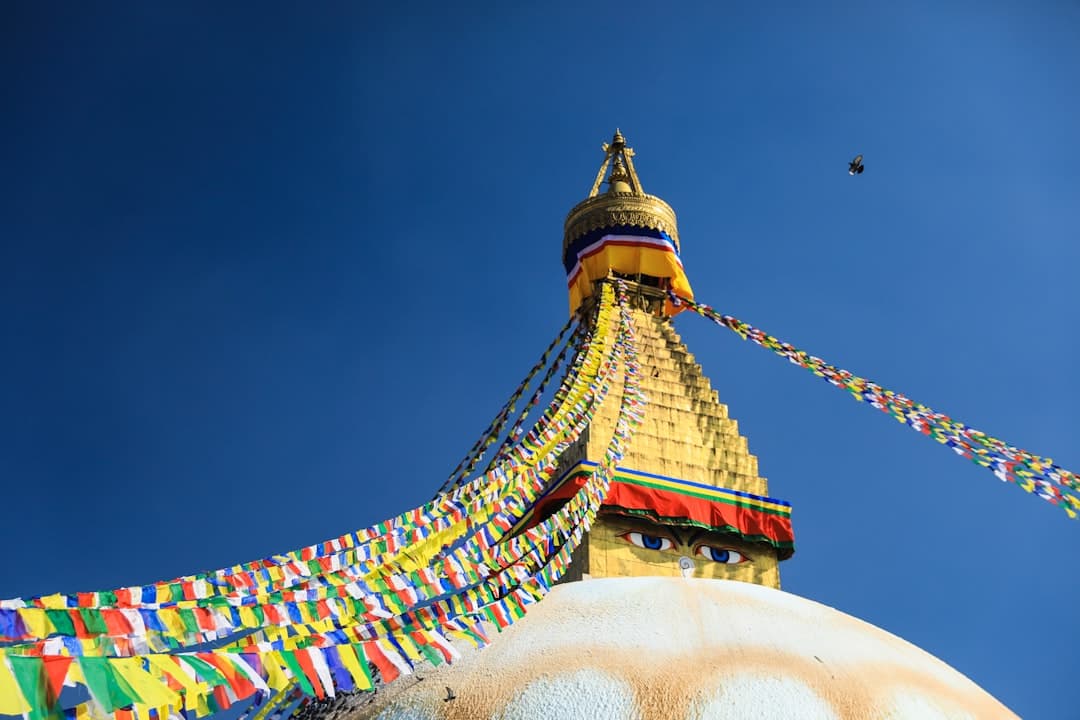
Garden of Dreams
The Garden of Dreams is a meticulously restored neoclassical garden tucked behind a high wall just a short walk from Thamel, Kathmandu's tourist hub. Built in the early 20th century by Field Marshal Kaiser Shumsher Rana, it fell into neglect for decades before a major Austrian-funded restoration project brought it back to life in 2007. Today it stands as one of the only formal heritage gardens in Nepal — a genuine historical landmark as much as a green retreat. Once you step through the gate, the noise of Kathmandu dissolves almost instantly. The garden is laid out in a classic Edwardian style with six pavilions, ornamental ponds, pergolas draped in flowering vines, and wide lawns shaded by mature trees. Fountains trickle, peacocks occasionally wander through, and the architecture — a blend of European neoclassical and Rana-era grandeur — gives the whole place an otherworldly, slightly melancholy beauty. Many visitors simply find a bench and sit for an hour. The Kaiser Café, run inside one of the pavilions, is a genuinely good spot for coffee, cold drinks, or a meal. There is an entrance fee, which is modest but intentional — it keeps the garden calm and from being overrun. The best time to visit is mid-morning on a weekday when crowds are thinnest, or in the early evening when the light softens and the garden takes on a golden quality. It's also one of the most romantic spots in Kathmandu for couples, and a favourite of locals looking to escape the city's noise. Skip it if you're in a rush; embrace it if you need to breathe.
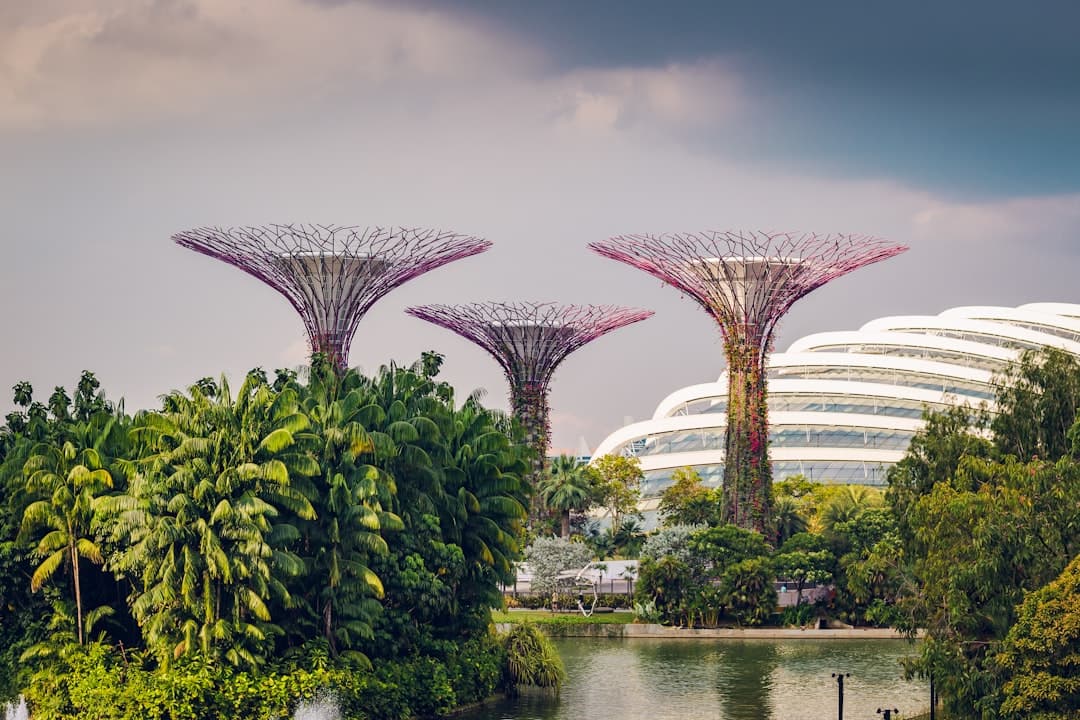
Gardens by the Bay
Gardens by the Bay is Singapore's landmark horticultural park, built on reclaimed land along the Marina Bay waterfront and opened in 2012. It was conceived as the centrepiece of Singapore's long-held vision of being a 'City in a Garden' — not just a city with parks, but a place where greenery is woven into the urban fabric. The garden covers 101 hectares and is divided into three distinct waterfront gardens, with Bay South being the main attraction most visitors know. It's a genuine feat of landscape architecture and engineering, home to the iconic Supertree Grove — a cluster of tree-like vertical garden structures that tower up to 50 metres — and two giant climate-controlled conservatories. The experience is more layered than most people expect. You can wander the outdoor gardens for free, weaving between the Supertrees and the Heritage Gardens, or pay to enter the Flower Dome (the world's largest glass greenhouse, holding a rotating exhibition of flowers from Mediterranean and semi-arid climates) and the Cloud Forest (a misty, cool conservatory built around a 35-metre indoor mountain dripping with orchids, ferns, and bromeliads). The OCBC Skyway — an elevated walkway suspended between the Supertrees — gives you aerial views across the bay toward the Marina Bay Sands hotel. Every evening, there's a free light-and-sound show called Garden Rhapsody that illuminates the Supertrees with coloured lights set to music. The outdoor sections are free to enter and open late, making early mornings and evenings the best times to visit — the daytime heat in Singapore can make the open-air sections genuinely punishing. The conservatories are air-conditioned and worth the entrance fee, especially the Cloud Forest, which most visitors find more impressive than the Flower Dome. Come for the evening Supertree light show (usually at 7:45 PM and 8:45 PM), which is one of Singapore's best free experiences, then grab dinner or a drink at one of the on-site restaurants like Pollen or IndoChine Waterfront.
Gastown
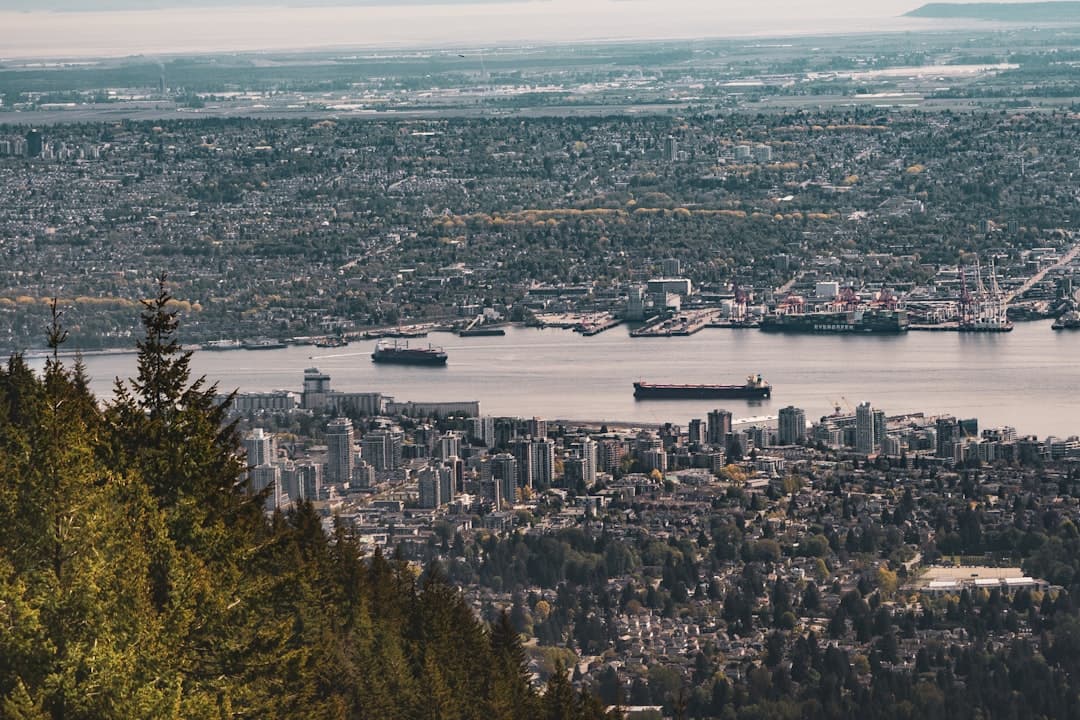
Gastown is Vancouver's historic heart — a compact, cobblestoned district just east of downtown where the city literally began. In 1867, a saloon-keeper named John "Gassy Jack" Deighton set up a bar near a sawmill on Burrard Inlet, and a rough settlement grew up around it. That founding mythology still hangs in the air: a bronze statue of Gassy Jack stands in Maple Tree Square, and the whole neighbourhood radiates from that original crossroads. Today, Gastown is a designated National Historic Site of Canada, its Victorian brick warehouses painstakingly preserved while the streetscape hums with restaurants, design studios, and independent boutiques. Walking through Gastown means toggling between eras. The steam-powered clock on Water Street — technically a tourist trap, but a charming one — whistles every fifteen minutes and draws the obligatory crowd. Beyond that, the real Gastown reveals itself: narrow streets lined with exposed-brick restaurants, cocktail bars run by serious bartenders, and galleries selling Indigenous and contemporary Canadian art. Blood Alley, a moody cobblestone lane off Carrall Street, evokes the neighbourhood's gritty past. The area around Gaoler's Mews and Alexander Street has some of the most photogenic architecture in the city, especially in low evening light. Gastown is small — you can walk its core in twenty minutes — but it rewards slower exploration. It sits right next to the Downtown Eastside, one of Canada's most challenged urban communities, and that adjacency is part of understanding the real Vancouver. The best approach is to arrive in the late afternoon, browse the shops on Water and Hastings Streets, eat dinner at one of the neighbourhood's genuinely excellent restaurants (Chambar, Pidgin, and Save on Meats are local institutions), and stick around for a drink. The neighbourhood's bar scene — anchored by spots like The Diamond and Guilt & Co. — is among the best in the city.
Gateway of India
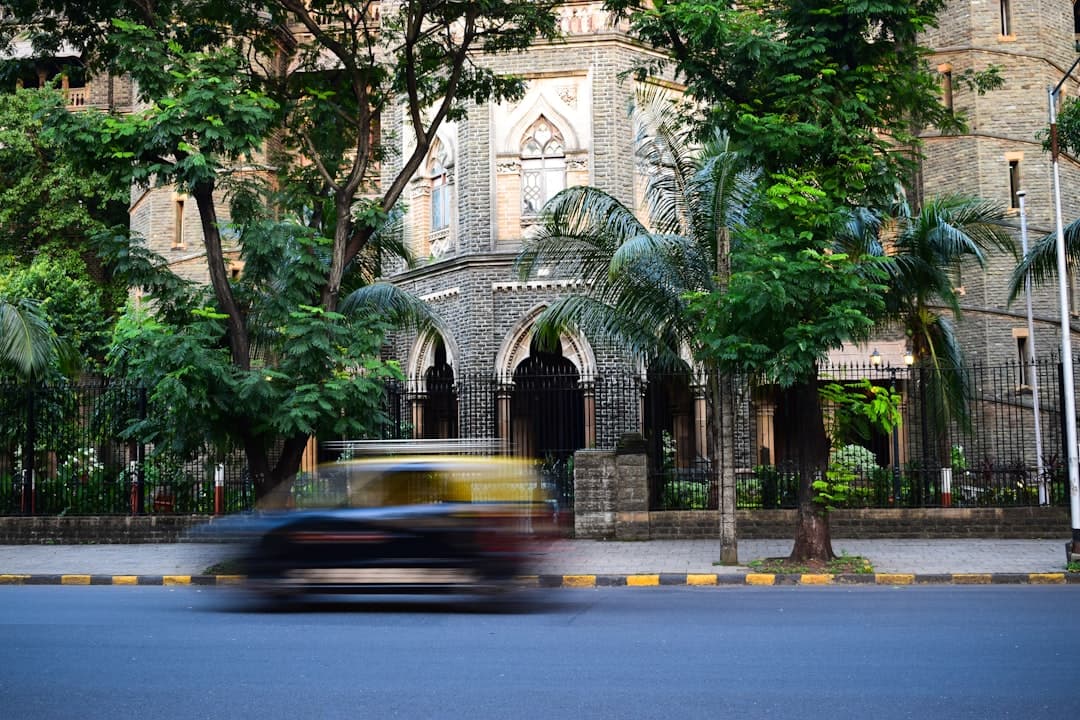
Built to commemorate the visit of King George V and Queen Mary to India in 1911, the Gateway of India is a 26-meter basalt arch overlooking Mumbai's harbor at Apollo Bunder in Colaba. Completed in 1924 and designed by Scottish architect George Wittet in an Indo-Saracenic style that blends Hindu and Muslim architectural elements with European sensibilities, it holds a particular historical irony: the last British troops to leave independent India in 1948 marched out through this very arch. That single fact says everything about how loaded this monument is — built to celebrate imperial arrival, repurposed by history into a symbol of departure and freedom. In practice, visiting the Gateway means standing on a large esplanade that faces the Arabian Sea, with the arch framing the harbor and the iconic Taj Mahal Palace Hotel rising immediately behind you. The waterfront is alive with vendors selling chai, corn, and balloons, children chasing pigeons, and touts offering boat rides to Elephanta Island — the ancient cave temples just an hour away by ferry. You can walk right up to and through the arch itself, which is open to the public at all times without any ticket. The energy here is quintessentially Mumbai: chaotic, generous, photogenic, and completely indifferent to any particular visitor's schedule. The best approach is to treat the Gateway as a launching pad rather than a destination in itself. The Elephanta Caves ferry departs from the jetty right next to it, making it a natural starting point for a half-day excursion. The surrounding Colaba neighborhood is one of Mumbai's most walkable and interesting, full of colonial-era architecture, street food, and the famous Colaba Causeway market. Come at sunset if you can — the light on the harbor and the Taj behind you is genuinely hard to beat.

Gatorland
Gatorland is a 110-acre wildlife park on South Orange Blossom Trail that has been doing one thing longer than almost anyone else in Florida: putting people nose-to-snout with alligators. Founded in 1949 by Owen Godwin, who started with a roadside attraction and a handful of gators, it predates Disney World by more than two decades and has somehow survived every wave of theme park competition by doubling down on its swampy, unpretentious identity. It bills itself as the 'Alligator Capital of the World,' and given the thousands of American alligators, crocodiles, and other reptiles on site, that claim is hard to argue. A visit here is genuinely hands-on in a way that the big parks rarely allow. You can watch trainers wrestle gators, hold baby alligators for photos, walk a boardwalk through a cypress swamp teeming with wading birds, ride the Screamin' Gator Zip Line over the breeding marsh, and catch live shows in the open-air arena. The breeding marsh is the real spectacle — especially in summer when the bulls are bellowing — and the free-roaming white alligators in their dedicated habitat are a genuine rarity. There are also flocks of wild herons, egrets, and roseate spoonbills that have decided the park is a pretty good place to live, which adds a real wildlife-watching dimension beyond the reptiles. Gatorland sits about 15 miles south of the main Disney-Universal corridor, which means it's easy to overlook — and that's exactly why it's worth seeking out. Admission is a fraction of what the big parks charge, it never feels overwhelmingly crowded, and the experience has a lovably old-Florida character that feels genuinely irreplaceable. Arrive early to catch feeding sessions and shows before the midday heat sets in, and check the schedule online before you go — some of the more interactive experiences like the Trainer for a Day program book out.
Gelato di San Crispino
Gelato di San Crispino is a small, quietly legendary gelateria a short walk from the Trevi Fountain, widely regarded as one of the finest in Rome — and by many accounts, one of the best in Italy. Founded in 1993 by brothers Giuseppe and Pasquale Alongi, the shop built its reputation on a simple but uncompromising philosophy: natural ingredients, no artificial flavors, no cones (they believe the wafer interferes with the taste), and flavors that change with the seasons. The honey gelato, made with a rotating selection of artisanal honeys, has become something of a signature, and the cioccolato and hazelnut versions are benchmarks for what Italian gelato can be. Visiting is a low-key, almost meditative experience. The gelato is served in paper cups — and if you ask for a cone, you'll be politely but firmly refused. The display case tends to be smaller and more curated than what you'd find at a typical tourist-facing gelateria, with perhaps a dozen or so carefully considered flavors. You order at the counter, choose your size, and step out onto the street or find a nearby spot to eat. The texture is noticeably different from mass-produced gelato: denser, more intensely flavored, and made without stabilizers. The location on Via della Panetteria is a few blocks from the Trevi Fountain, which puts it squarely in tourist territory — but the shop itself doesn't play to that crowd. Prices are slightly higher than average, which some visitors bristle at, but the quality justifies it. Come in the early evening when the day's heat has peaked and the gelato is at its freshest rotation. If you're serious about gelato, this is a pilgrimage worth making.
Getty Center
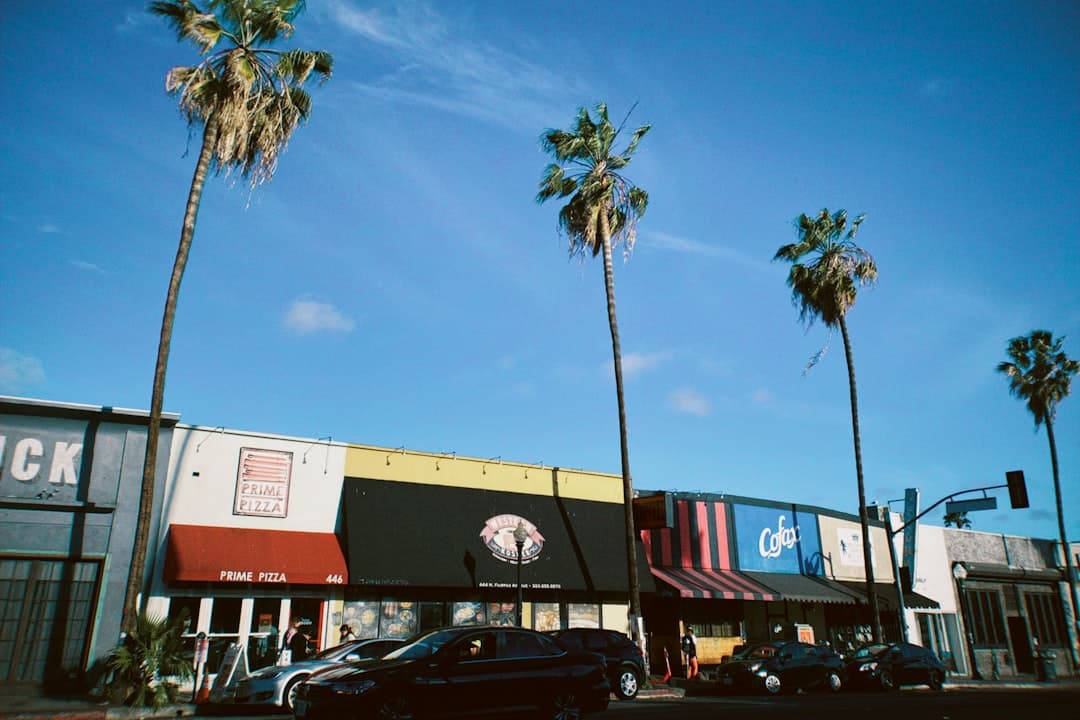
Perched on a ridge above Brentwood at the end of the 405 freeway, the Getty Center is one of the great free art museums in the world — a sprawling campus of travertine pavilions designed by architect Richard Meier and opened in 1997. Funded by the estate of oil billionaire J. Paul Getty, it houses a permanent collection spanning European paintings, drawings, manuscripts, sculpture, and decorative arts from the Middle Ages through the 19th century, alongside a serious photography collection that often gets overlooked. Admission has always been free, which feels almost radical for a museum of this caliber. You arrive by tram from the base parking structure — a small ritual that sets the Getty apart from any other museum experience in the city. Once up top, you move between five pavilions arranged around a central courtyard, dipping into galleries at your own pace. The collection includes Van Gogh's 'Irises,' Rembrandt self-portraits, Monet's water lilies, and an exceptional trove of French decorative arts. But the building itself demands attention too: Meier's geometry plays beautifully against the California light, and the Robert Irwin-designed Central Garden — a spiral path descending into a bowl of flowering plants — is genuinely one of the best outdoor spaces in Los Angeles. The views from the terraces are spectacular, stretching from downtown LA across to the Pacific on a clear day. Saturday evenings are a local secret worth knowing: the museum stays open until 9pm, the crowds thin out, the light turns golden, and the whole experience softens into something closer to a date than a museum visit. Parking requires a reservation and costs around $25; taking an Uber or rideshare avoids the tram wait entirely and drops you closer to the entrance.
Getty Villa
The Getty Villa is a museum dedicated to ancient Greek, Etruscan, and Roman art, housed in a building modeled after a first-century Roman country house — the Villa dei Papiri buried by Vesuvius near Herculaneum. Oil tycoon J. Paul Getty built the original structure in the 1970s on his Malibu estate, and today it holds over 44,000 antiquities spanning 6,500 years, from the Stone Age through the Roman Empire. It sits tucked into the Santa Monica Mountains just above the Pacific Coast Highway, with ocean views that give the whole place an almost surreal sense of place — ancient Rome, but with the Pacific glittering below. Inside, you'll find galleries arranged thematically — gods and goddesses, athletes and heroes, death and the afterlife — filled with marble sculptures, painted Greek vases, bronze figures, and elaborate jewelry. Highlights include the Lansdowne Herakles, a stunning first-century Roman marble, and a remarkably well-preserved collection of Greek pottery. The outdoor spaces are just as compelling: a full-scale recreation of a Roman peristyle garden, complete with bronze statues, reflecting pools, and flowering plants typical of the ancient Mediterranean. The architecture itself is part of the exhibit — the coffered ceilings, mosaic floors, and colonnaded walkways are all faithful to Roman design. Visits require a free timed-entry ticket booked in advance — they don't sell tickets at the door. Parking is included in the reservation. The museum is closed Tuesdays. Plan at least half a day; the gardens and architecture alone reward slow wandering, and the permanent collection is dense enough to absorb multiple hours. Because it's a separate institution from the Getty Center on the hill above Brentwood, many LA visitors skip it — which is exactly why you shouldn't.
Gianyar Street Night Market
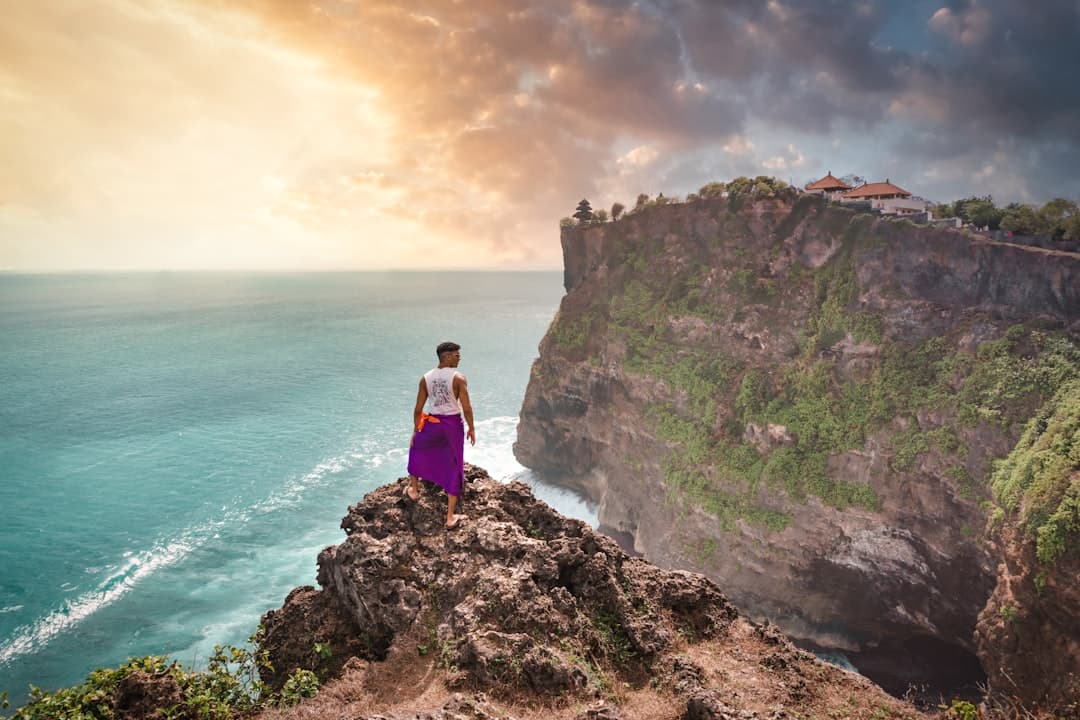
The Gianyar Night Market is one of Bali's most authentic and long-running street food gatherings, tucked inside the regency capital of Gianyar rather than the tourist corridor of Seminyak or Ubud. It runs every evening along the main street near the town's royal palace area, and it's the kind of place where Balinese families come to eat dinner — not a market designed around visitors, but one that happens to welcome them warmly. The market comes alive in the late afternoon and peaks around sunset, when dozens of warung-style stalls roll out their setups along the pavement. This is where you'll find babi guling — Bali's famous spit-roasted suckling pig — served in its most unapologetic, unpretentious form: chopped to order, heaped onto rice with crispy skin, lawar (spiced minced meat with coconut), and rich pork broth on the side. Beyond babi guling, expect sate lilit (minced fish or pork on lemongrass skewers), nasi campur, jaje Bali (traditional rice-flour sweets in vivid colours), fresh coconut drinks, and fried snacks that cost almost nothing. Prices are low even by Bali standards, and the atmosphere is convivial and loud in the best way. Gianyar is only about 20 minutes east of Ubud by car or scooter, which makes this market very doable as an evening excursion. Come hungry, come with cash in small denominations, and come ready to point and gesture — English is limited here, but the stall holders are used to curious visitors. Arriving around 5 to 6 PM gives you the best selection before the most popular dishes sell out.
Ginza
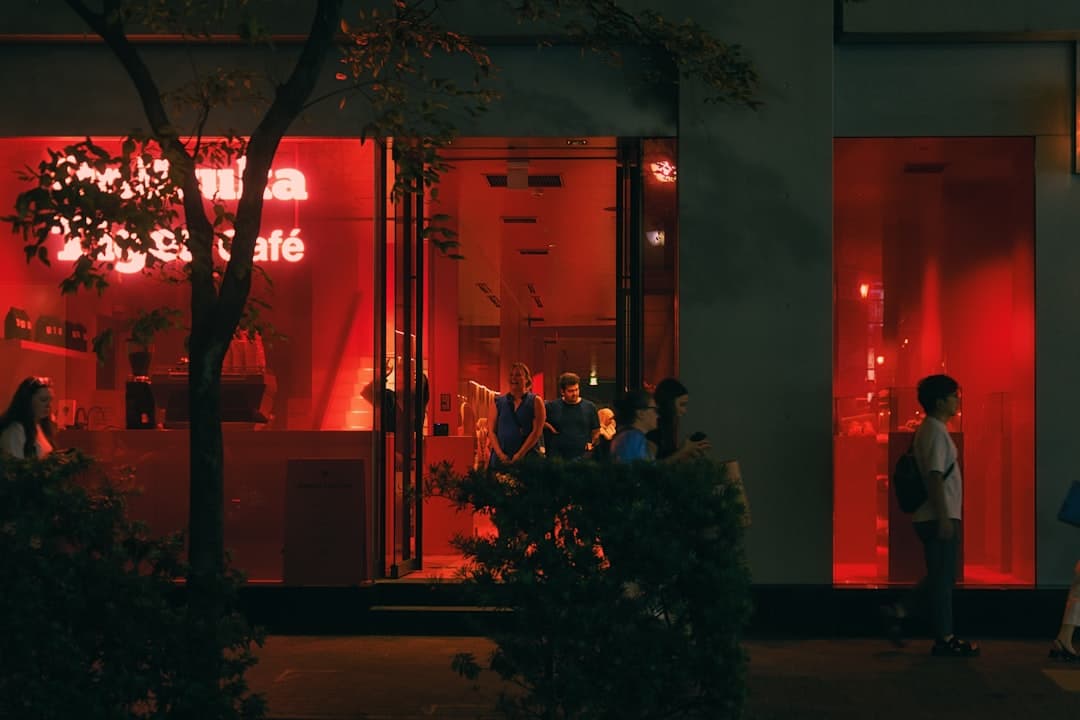
Ginza is Tokyo's most prestigious commercial neighborhood — a grid of wide, tree-lined boulevards in central Tokyo that has served as the city's luxury heartland since the Meiji era. Think of it as the Japanese equivalent of Paris's Champs-Élysées or New York's Fifth Avenue, but with more architectural ambition and considerably better food. Department stores like Mitsukoshi and Matsuya anchor the neighborhood alongside flagship boutiques from every major European luxury house, but what really sets Ginza apart is the density of serious culture — galleries, auction houses, and some of Tokyo's most respected restaurants share space with the designer storefronts. On the ground, Ginza rewards wandering. The main artery is Chuo-dori, which runs north to south and becomes a pedestrian boulevard on weekend afternoons — a genuinely pleasant place to walk, people-watch, and window-shop. The 6-chome intersection is the de facto center, anchored by the iconic Wako department store with its clock tower, a Ginza landmark since 1932. Duck into any of the side streets and you'll find intimate galleries showing serious contemporary Japanese art, standing sushi bars where a lunchtime omakase costs a fraction of what dinner would, and old-school kissaten (coffee shops) that have been pouring their particular blends since the postwar decades. The Sony Building's replacement, the Ginza Sony Park, brought a more playful edge to the neighborhood when it opened as a public event space. Ginza is expensive but not inaccessible. The trick is to separate the looking from the buying — the architecture alone, including Hermès's glass-brick tower by Renzo Piano and the perforated aluminum Chanel building by Peter Marino, is worth the trip. Come hungry and work your way through the basement food halls of any of the major department stores, where you can eat extraordinarily well for very little money. The Tokyo Metro Ginza Line, Marunouchi Line, and Hibiya Line all converge at Ginza Station, making it one of the easiest neighborhoods in the city to reach.