
All Places
1,073 places around the world
1,073 places · page 15 of 45
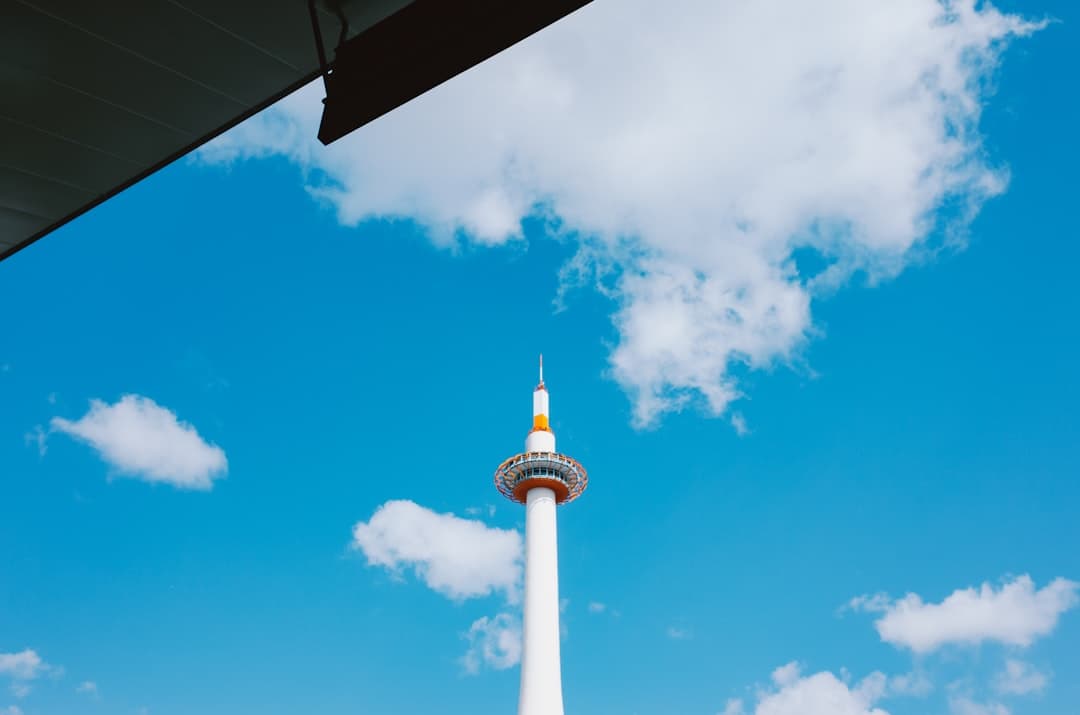
Gion District
Gion is Kyoto's most famous historic district, stretching along the eastern bank of the Kamo River in Higashiyama Ward. It developed over centuries as an entertainment quarter serving pilgrims visiting Yasaka Shrine, and today it remains one of the few places in Japan where the geiko (Kyoto's term for geisha) and maiko (apprentice geisha) traditions are genuinely alive — not as performance or costume attraction, but as a working cultural institution. The district's ochaya, or teahouses, still operate as exclusive private venues where geiko and maiko entertain select clientele, and the streets themselves — particularly Hanamikoji-dori and the atmospheric lanes of Shirakawa — look much as they did in the early 20th century. Walking through Gion is mostly an experience of streets, architecture, and chance. Hanamikoji-dori is the main artery, lined with beautifully preserved machiya (wooden townhouses) that now house restaurants, bars, and ochaya, their latticed facades glowing warm in the evening. If you're lucky — and early morning or dusk are your best odds — you may spot a maiko moving quietly between engagements, identifiable by her elaborate kimono, white makeup, and lacquered wooden geta sandals. The smaller lanes of Shinbashi and Shirakawa, running alongside a narrow willow-fringed canal, are arguably even more photogenic. Yasaka Shrine anchors the eastern end, and the whole district spills naturally into the broader Higashiyama walking route toward Kiyomizudera. Gion is also a serious food and drink destination. Kiyamachi and Pontocho — just across the river — blur into the Gion experience for many visitors, but Gion itself has kaiseki restaurants of serious pedigree and izakayas that have been serving the neighborhood for generations. The key practical note: Gion's iconic streets are genuinely crowded midday, especially on weekends and in cherry blossom or autumn foliage season. If you want the atmosphere without the tour groups, arrive before 8am or return after 9pm. And please treat the residents and working geiko with respect — the no-photography rules on private lanes like Ishibei-koji are strictly enforced and exist because this is, above all, a neighborhood where people live and work.
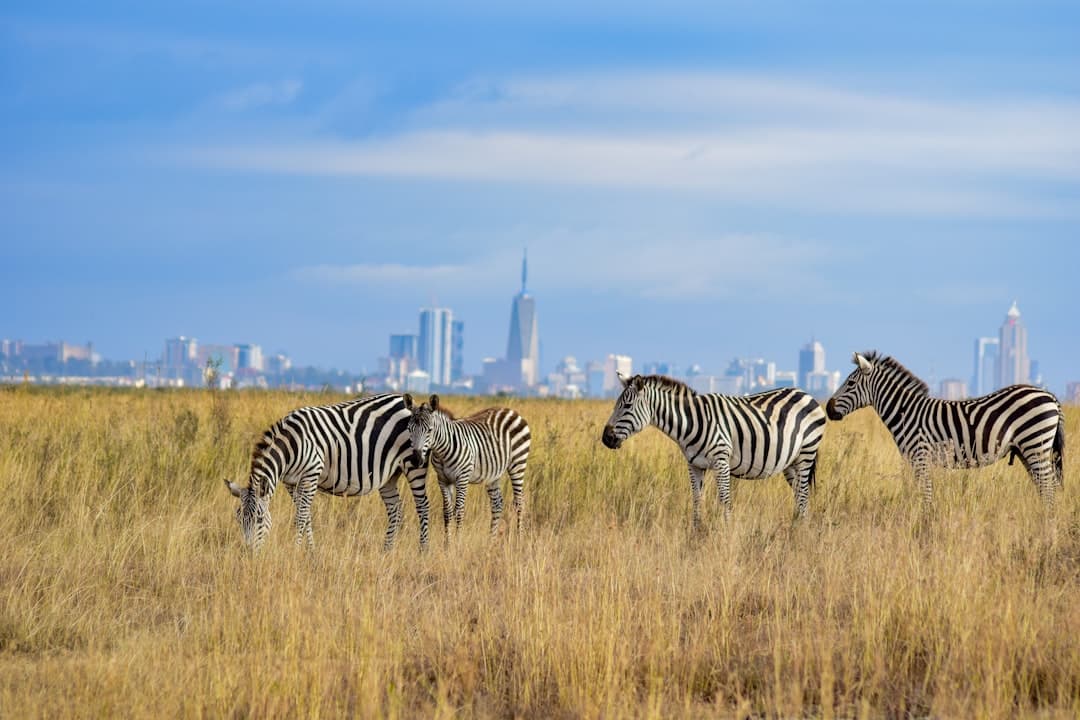
Giraffe Centre
The African Fund for Endangered Wildlife's Giraffe Centre sits in the leafy Karen suburb of Nairobi and has been protecting the Rothschild giraffe — one of the most endangered giraffe subspecies on the planet — since 1979. Founded by American expatriates Jock and Betty Leslie-Melville, the centre began as a breeding programme to save a population that had dwindled to fewer than 130 individuals in the wild. Today it's both a working conservation success story and one of the most joyful wildlife encounters in East Africa, welcoming visitors while continuing to breed and release giraffes into protected reserves across Kenya. The experience is disarmingly simple and completely unforgettable. A raised circular platform puts you at eye level with some of the world's tallest animals, and you can hand-feed them specially prepared pellets — their long, dark purple tongues wrapping around your hand with a grip that is both gentle and thoroughly gross in the best possible way. You'll learn about the Rothschild's distinctive features (no markings below the knee, giving the appearance of white stockings), and the resident warthogs that wander freely around the grounds add an unexpected bonus encounter. The centre also has a small nature trail, an education centre, and the excellent Giraffe Centre Restaurant if you want to linger. Arrive early — the giraffes tend to be most active and interactive in the morning before the tour groups roll in around mid-morning. The centre is easily combined with a visit to the Karen Blixen Museum, which is just a short drive away in the same neighbourhood. Entry fees support the conservation work directly, so your admission actually matters here.
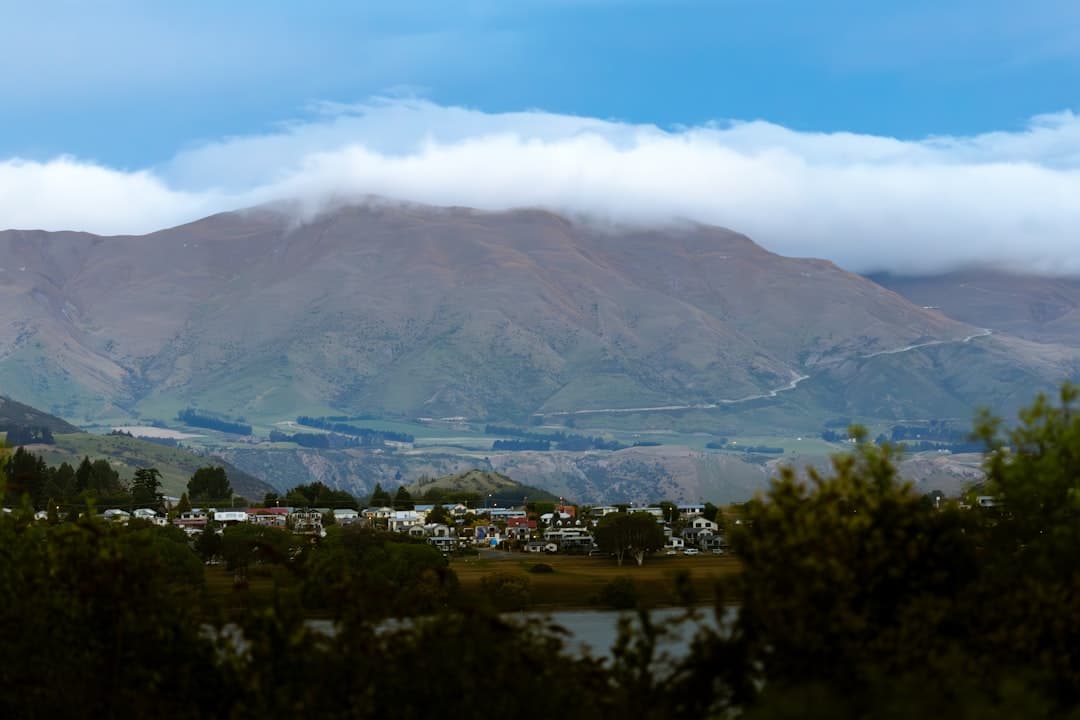
Glenorchy
Glenorchy is a tiny settlement at the northern tip of Lake Wakatipu, about 45 kilometres from Queenstown — a 45-minute drive along one of the most scenic roads in New Zealand. It sits at the foot of the Richardson Mountains and Humboldt Range, surrounded by beech forests, braided rivers, wetlands, and snow-capped peaks that seem almost too cinematic to be real. For Peter Jackson's Lord of the Rings and Hobbit films, much of this valley stood in for Lothlórien, Isengard, and the plains of Rohan — but even without that cultural baggage, Glenorchy would stop you cold. Most people treat it as a base or a gateway. The village itself is small — a pub, a café, a jetty, a few tour operators — but it punches far above its weight as a launching point for some of the South Island's great wilderness. The Routeburn Track, one of New Zealand's nine Great Walks, starts here. So does access to the Dart River valley, where jet boat tours weave through glacier-fed braids beneath the peaks. Horse trekking, kayaking, guided hiking, and scenic flights are all on offer. But many visitors are perfectly happy just to drive the lake road, pull over repeatedly at the viewpoints, and sit at the jetty watching the mountains reflect in the water. The drive from Queenstown to Glenorchy is itself the attraction — don't rush it. Bennett's Bluff lookout partway along offers a view of Lake Wakatipu that genuinely earns the hyperbole. Arrive early to beat the tour buses, and consider packing a picnic rather than relying on the village for lunch, since options are limited. If you're planning to walk the Routeburn or Rees-Dart tracks, book your hut passes through the Department of Conservation well in advance — these fill months ahead in summer.
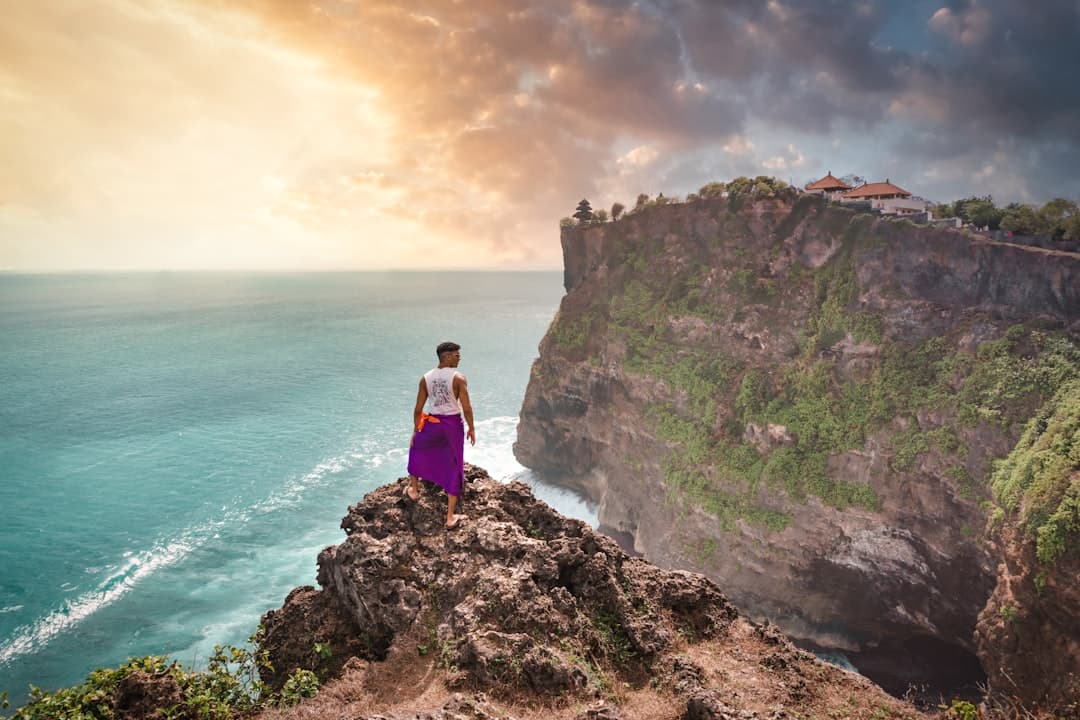
Goa Gajah
Goa Gajah — the Elephant Cave — is a Hindu-Buddhist archaeological site near Ubud that dates back to the 9th or 10th century. The name likely comes not from elephants but from a river called Petanu, once known as Lwa Gajah, though the demonic face carved above the cave entrance has plenty of tusked, elephantine energy. Dutch colonists rediscovered the site in 1923, but the bathing pools weren't unearthed until 1954 — which tells you how much this place rewards closer attention than it typically gets. It sits within the Gianyar Regency, an area dense with Balinese spiritual and artistic heritage, and remains an active place of worship, not just a tourist attraction. The main event is the cave entrance itself: a wide-mouthed demon face carved into a volcanic rock cliff, ringed by swirling figures of leaves, animals, and creatures that seem to writhe in the stone. You crouch and step inside a narrow meditation chamber where niches hold statues of Ganesha and a Shivalingam. Outside, the star feature — literally hidden for centuries — is the bathing complex: two rows of stone fountains held by elegant female figures pouring water into rectangular pools. Below the cave, stone steps descend into a jungle ravine where moss-covered statues cluster among fig tree roots beside the Petanu River. There are smaller shrines and meditation alcoves throughout, and it rewards slow exploration. Goa Gajah gets fewer visitors than Tanah Lot or Uluwatu, which means even on busy days you can find quiet corners. Sarongs and sashes are required and are available to borrow at the entrance. Arrive before 9am to have the bathing pools largely to yourself — tour groups tend to roll in mid-morning. The entry fee includes the sarong loan and access to the full site. Combine it with a visit to Yeh Pulu, another carved rock relief site just a short walk or drive away, for a half-day of genuine archaeological immersion.
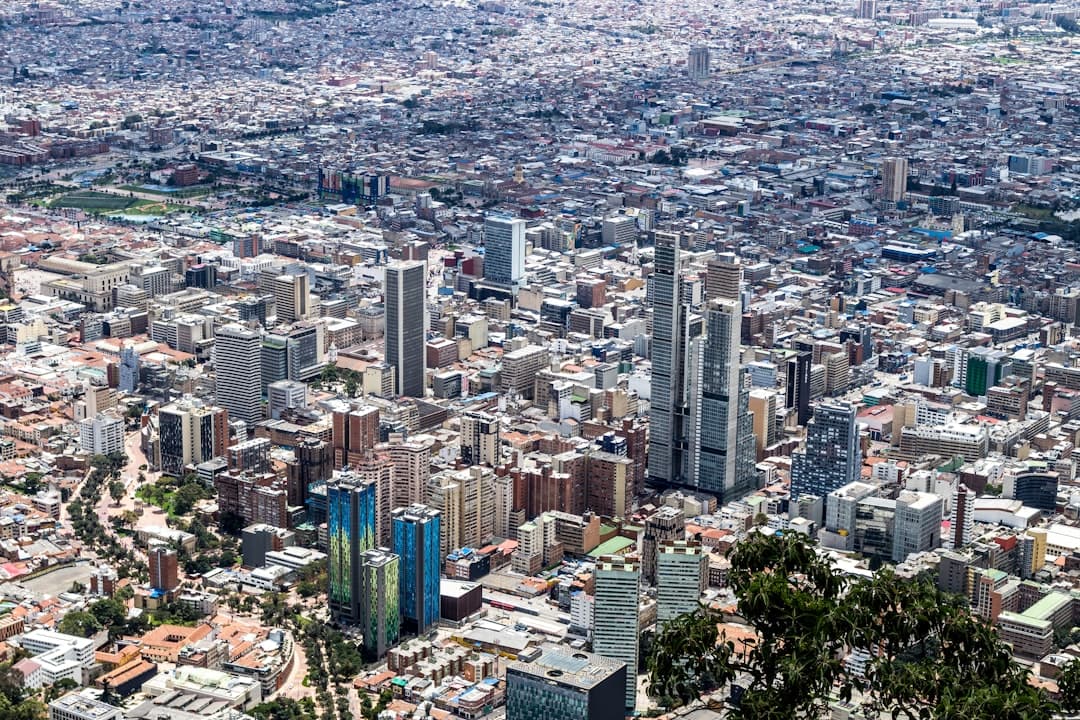
Gold Museum
The Museo del Oro — the Gold Museum — is one of the most important museums in the Americas, and genuinely one of the great museums anywhere in the world. It houses the largest collection of pre-Columbian gold and emerald artifacts on earth, assembled by the Banco de la República over decades and now spanning more than 55,000 pieces. This is the material culture of the Muisca, Zenú, Calima, Tairona, and dozens of other Indigenous societies that flourished across present-day Colombia long before European contact. The collection isn't just impressive in scale — it reframes what most visitors thought they knew about pre-Columbian civilization in South America. The museum is spread across several floors of a purpose-built building on Santander Park in central Bogotá. You move through themed galleries covering metalworking techniques, cosmology, ritual, and trade — the curatorial logic is excellent, with enough English-language signage to follow without a guide. But the unmissable moment is the Sala del Tesoro, the Treasury Room on the top floor. You enter in a group through a sealed vault door, the lights go out completely, and then hundreds of gold objects are illuminated all at once. It is genuinely extraordinary — not a gimmick, but a considered curatorial decision that lands every single time. The famous Muisca raft, a tiny gold model believed to depict the El Dorado ceremony, lives here too. The museum is right in La Candelaria and the surrounding historic center, walkable from most downtown hotels and easily combined with visits to the Plaza de Bolívar and other nearby cultural institutions. Entry is very affordable by any standard. Tuesday through Saturday are your best bet — the museum is closed Mondays and has reduced hours on Sundays. Arrive when it opens if you want the Treasury Room experience without crowds pressing in around you.
Gold Souk
The Gold Souk is one of the world's most famous gold markets, tucked into the historic Al Ras district of Deira — the older, more characterful side of Dubai that predates the skyscrapers by centuries. Stretching along a covered arcade near the Creek, it houses around 380 retailers selling gold jewelry, precious stones, and decorative pieces, with an estimated 10 tonnes of gold on display at any given time. This isn't a tourist trap dressed up as a souk — it's a working market where Dubai residents come to buy wedding jewelry, where merchants negotiate in multiple languages, and where the sheer volume of gold on display is genuinely staggering. Walking through the souk means moving past window after window stacked floor to ceiling with 18, 21, and 24-karat gold pieces — necklaces thick as rope, rings set with colored stones, traditional Indian bridal sets, and more contemporary designs. Prices are pegged to the daily international gold rate, which is publicly posted, so the metal price is fixed and transparent. What you can negotiate is the making charge — the craftsmanship fee — which gives you genuine room to bargain. Don't be shy about it; shopkeepers expect and enjoy the back-and-forth. The souk sits just a short walk from the Dubai Creek, making it easy to combine with a visit to the nearby Spice Souk or an abra (water taxi) ride across the Creek to Bur Dubai. Come in the evening if you can — the lights catch the gold beautifully, the heat drops, and the whole place takes on a cinematic quality. If you're seriously shopping, do one full lap before buying anything so you get a sense of the range and pricing.
Golden Circle
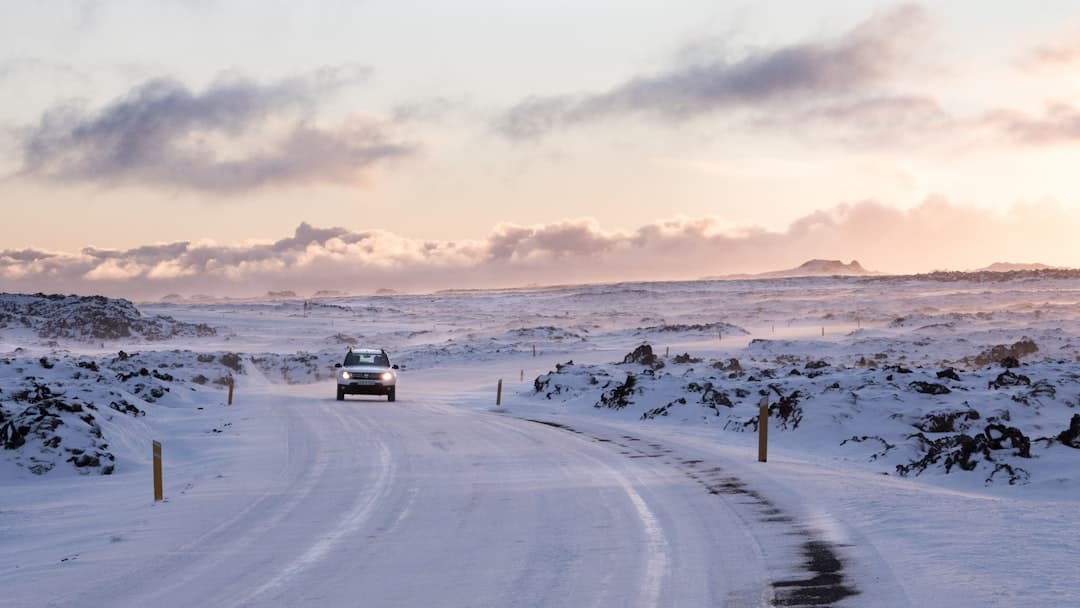
The Golden Circle is Iceland's most famous touring route — a roughly 300-kilometre loop from Reykjavik that takes in three of the country's most dramatic natural wonders in a single day. It's not a place so much as a journey, one that's become the default first adventure for visitors to Iceland, and with very good reason. The three anchors are Þingvellir National Park, where the North American and Eurasian tectonic plates visibly pull apart; the Geysir geothermal area, which gave the English language the word 'geyser'; and Gullfoss, a thundering two-tiered waterfall that drops 32 metres into a glacial canyon. In practice, you spend most of the day moving between these three sites. At Þingvellir, you walk the rift valley floor between continental plates — it's one of the few places on earth where you can do this on dry land — and you're standing on the site of Iceland's original parliament, the Althing, founded in 930 AD. At Geysir, the star is Strokkur, which erupts every five to ten minutes, shooting a column of boiling water 15 to 40 metres into the air. At Gullfoss, you walk alongside the Hvítá river as it plunges into a canyon, often getting soaked in spray. Many tours also stop at Kerið, a vivid volcanic crater lake, and the tomato farm at Friðheimar, where you can eat tomato soup in a working greenhouse. Most visitors do the Golden Circle as a guided day tour or a self-drive from Reykjavik. Self-driving gives you more flexibility — you can linger at Þingvellir, which tour buses often shortchange, and it takes about 30 minutes to reach the first stop. The route is well-signposted and the roads are paved, making it one of the more accessible Icelandic adventures. That said, it's genuinely popular: the Geysir area and Gullfoss can feel overwhelmed by noon in summer. Going clockwise (Þingvellir first) and starting early puts you ahead of the tour buses.
Golden Gate Bridge
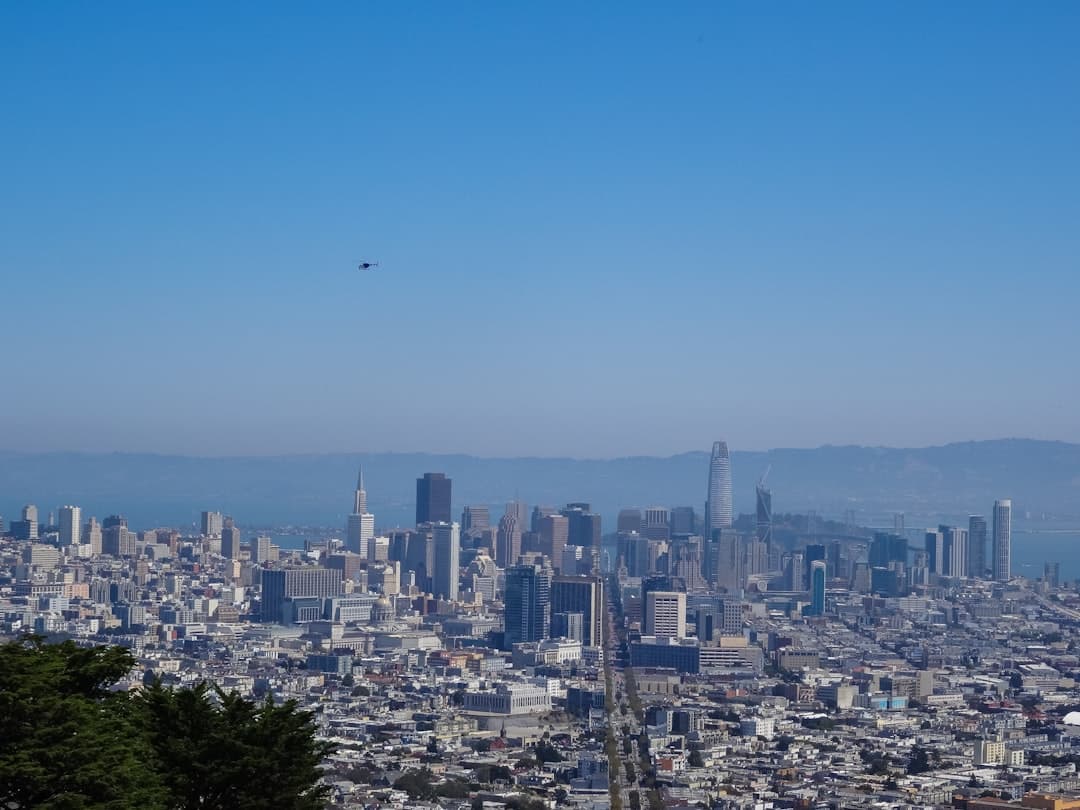
The Golden Gate Bridge is a 1.7-mile suspension bridge spanning the strait that connects San Francisco Bay to the Pacific Ocean. Completed in 1937 after four years of construction, it held the record as the world's longest suspension bridge for nearly three decades. Painted in a distinctive orange-red color officially called International Orange — chosen to complement the surrounding headlands and remain visible in fog — it has become one of the most recognized structures on Earth and the defining symbol of San Francisco. Most visitors walk or cycle across the bridge, a 1.7-mile crossing each way that takes roughly 30 to 45 minutes on foot. The views are extraordinary in every direction: the towers rise 746 feet above the water, the bay spreads out to the east with Alcatraz sitting in the middle distance, and to the west the Pacific opens up beyond the Marin Headlands. The pedestrian path on the east side is open daily, the west side to cyclists at certain hours. At the south end, the Welcome Center and the surrounding Battery East viewpoints are worth time on their own, offering close-up perspectives of the main cables and towers. The bridge is free to walk or cycle across, though drivers pay a toll heading southbound. The single biggest mistake visitors make is showing up in the middle of a foggy summer afternoon expecting clear skies — summer is actually peak fog season in San Francisco, and the bridge is frequently obscured. Early morning, late afternoon in autumn, and the shoulder months of spring offer the most reliably clear conditions. Battery Spencer on the Marin side, reachable by car or a short hike, offers one of the most dramatic elevated views of the entire span.
Gordon Beach
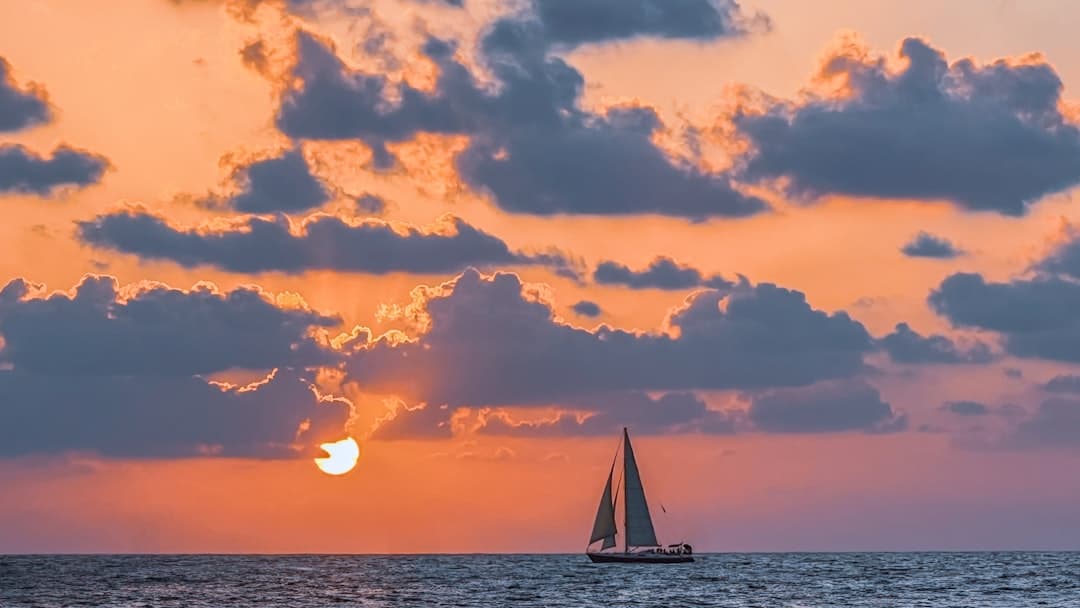
Gordon Beach is one of Tel Aviv's most beloved and centrally located stretches of Mediterranean sand, sitting just north of the iconic Hilton Beach and within easy walking distance of the city's bustling beachfront promenade. Named after the street that runs into it — Gordon Street, in the heart of the city — this beach has been a cornerstone of Tel Aviv's famous beach culture for decades. Tel Aviv's coastline is genuinely one of the great urban beaches in the world, and Gordon sits near the top of the pecking order: clean, lively, well-maintained, and packed with the energy that defines the city's outdoor lifestyle. On any given day, Gordon Beach is a full sensory experience. Volleyball nets are in near-constant use, and the thwack of matkot — the paddle-and-ball game Israelis play with aggressive enthusiasm — is the unofficial soundtrack of the Israeli shore. You can rent sun loungers and umbrellas from the beach operators, grab a cold Goldstar beer or a fresh juice from the kiosks, and spend hours doing absolutely nothing in the best possible way. The beach also has proper lifeguard coverage, changing facilities, and showers, making it genuinely comfortable rather than just beautiful. Early mornings bring swimmers and runners; midday belongs to the sunbathers; sunset is when the whole city seems to drift down here, cold drink in hand. Gordon Beach sits adjacent to the Gordon Swimming Pool — an outdoor saltwater pool right at the water's edge — which is a local institution worth knowing about. The surrounding area, just steps from Dizengoff Street and the cafés of central Tel Aviv, means you can easily fold a beach afternoon into a broader day exploring the city. Go early in summer to secure a decent spot, and don't underestimate how strong the Mediterranean sun hits here — shade is limited and the UV index climbs fast.
Gothic Quarter
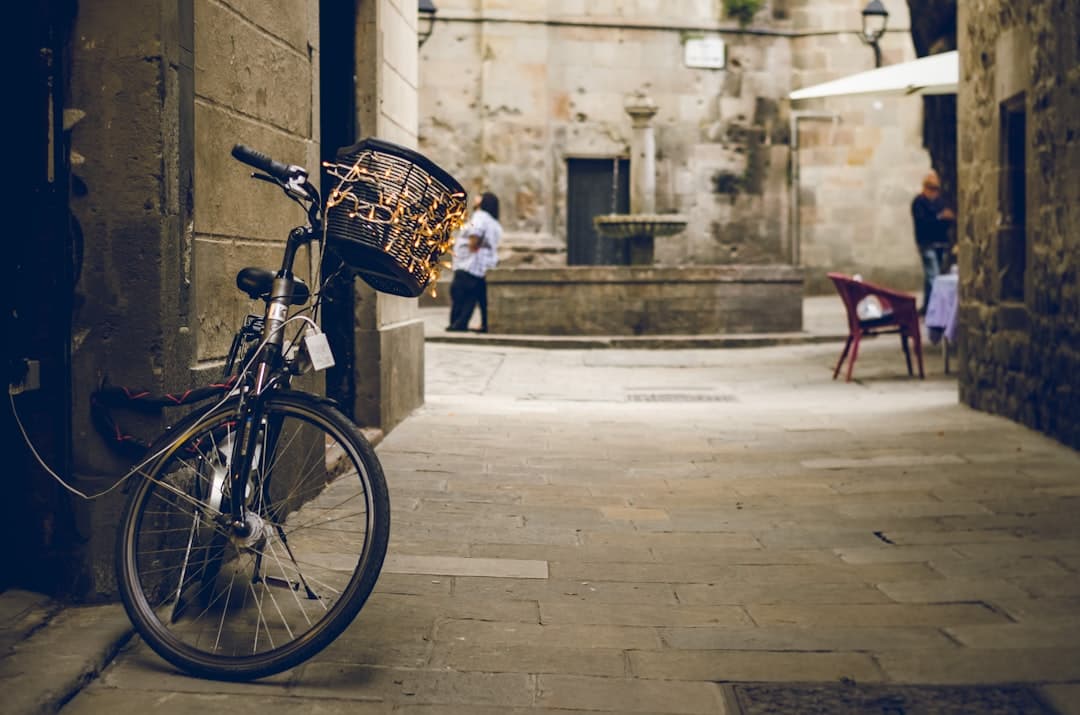
The Gothic Quarter — Barri Gòtic in Catalan — is the ancient heart of Barcelona, a dense tangle of narrow stone streets, medieval churches, and Roman ruins occupying the oldest continuously inhabited part of the city. It sits within the Ciutat Vella district, bounded roughly by La Rambla to the west, the Via Laietana to the east, and the waterfront to the south. What you're walking through here is genuinely old: the Romans founded Barcino here around 10 BCE, and fragments of their original city walls still stand embedded in later construction. The cathedral, a soaring Gothic masterpiece begun in the 13th century, anchors the whole quarter and gives it its name. In practice, exploring the Gothic Quarter means getting slightly, willingly lost. Streets like Carrer del Bisbe — with its neo-Gothic bridge connecting two medieval buildings — and the shadowy Plaça de Sant Felip Neri, scarred with shrapnel marks from Civil War bombings, reward slow walkers who duck away from the main drag. The Cathedral of Barcelona, with its cloister full of white geese (a long-standing tradition), is the obvious anchor stop. Nearby, the Temple d'August hides four intact Roman columns inside a medieval courtyard, a genuinely surprising find. The Plaça Reial, a grand 19th-century square ringed with palm trees and lampposts designed by a young Antoni Gaudí, makes a good place to sit and take stock. The honest insider note is this: the Gothic Quarter is heavily touristed, and a significant chunk of its "medieval" streetscape was actually reconstructed or embellished in the early 20th century to look more authentically Gothic than it originally was. That doesn't diminish the experience, but go in knowing the real and the theatrical are thoroughly mixed. Visit the core sights in the morning before the crowds thicken, then push south toward the El Call neighborhood — Barcelona's old Jewish quarter — where the streets narrow further and the tourist density drops noticeably.
Governors Island
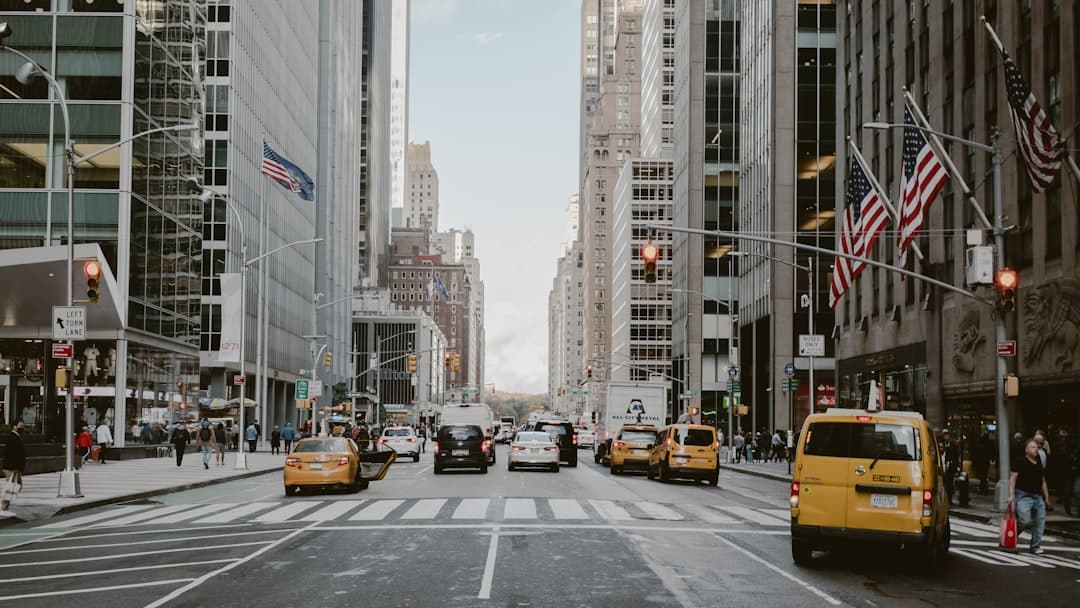
Governors Island is a 172-acre island in New York Harbor, a short ferry ride from Lower Manhattan and Brooklyn. For centuries it served as a military base — first for the Continental Army, then as a US Army and Coast Guard installation — before being transferred to New York City in the early 2000s. Today it operates as a seasonal public park managed by the Trust for Governors Island, and it's one of the most unusual and genuinely restorative places in the entire city. The island is almost entirely car-free, which immediately gives it a different tempo from the rest of New York. People rent bikes and cruise past Civil War-era fortifications like Fort Jay and Castle Williams, lounge in hammock groves, picnic on open lawns, and take in some of the best unobstructed views of the Statue of Liberty and Lower Manhattan skyline you'll find anywhere. There are art installations, pop-up food vendors, summer concert series, and a growing permanent cultural presence including the New York Climate Exchange. The Hills — a series of landscaped mounds built from landfill — offer elevated views that reward the short climb. The island is only accessible by ferry and is open seasonally, typically from late May through the end of October, though some programming extends into the shoulder months. Ferries run from the Battery Maritime Building in Lower Manhattan and from Atlantic Avenue Terminal in Brooklyn. It gets busy on summer weekends, but the island is large enough that it never feels truly crowded. Go on a weekday if you can — it's a different world.
Gran Cenote
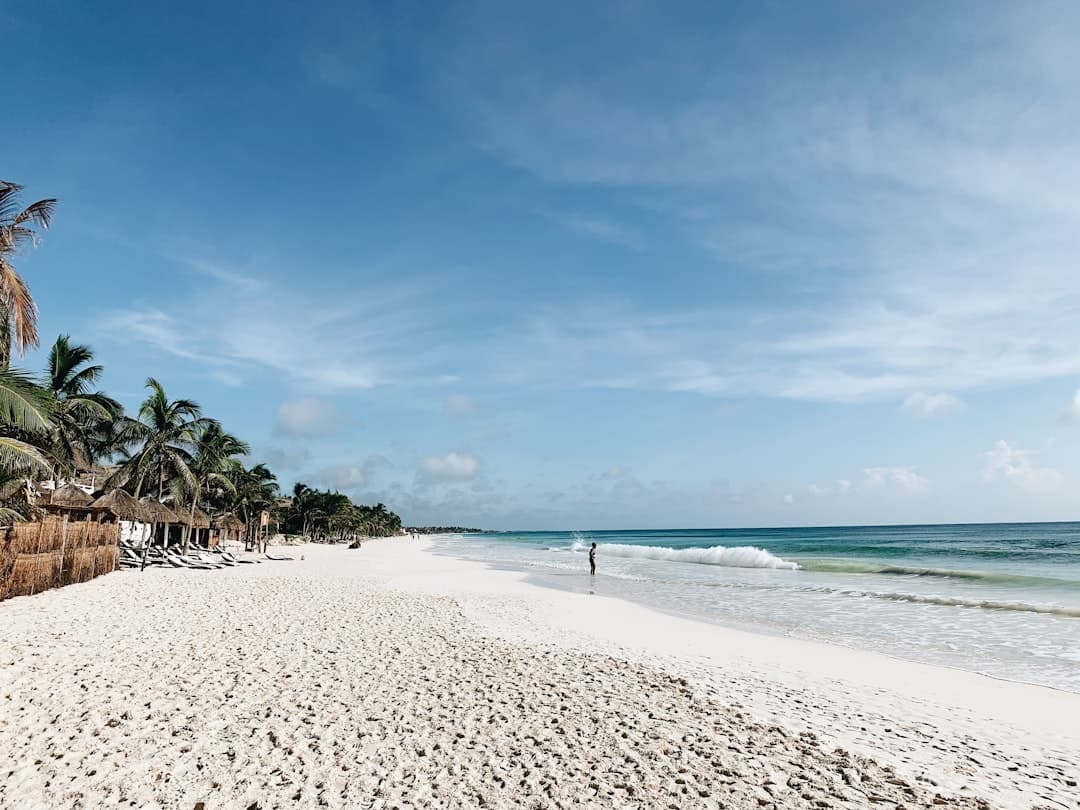
Gran Cenote is a limestone sinkhole — a cenote — located about three kilometers west of Tulum's main ruins along the road toward Cobá. Cenotes are naturally formed freshwater pools created when the porous limestone bedrock of the Yucatán Peninsula collapses, revealing the vast underground river system beneath. The Maya considered them sacred, and it's not hard to understand why: stepping into Gran Cenote for the first time, with its turquoise water, hanging stalactites, and shafts of sunlight cutting through the open ceiling, feels genuinely otherworldly. The cenote has two main chambers — one open-air and one partially covered — connected by an underwater passage that you can swim or snorkel through. The water is crystal clear and cold, visibility stretching down several meters to where freshwater turtles glide along the bottom. Snorkeling gear can be rented on-site, and the submerged cave system is well-lit enough that even non-divers get a memorable look at the stalactites that formed here when the cave was dry, thousands of years ago. There are wooden platforms for jumping, shallow areas for kids, and shaded spots around the edges to sit and take it all in. Gran Cenote gets busy — it's one of the most popular cenotes in the Tulum area, and for good reason. Arrive before 9am to beat the tour groups and enjoy the place in near-silence, which is when it's at its most magical. There's a small entrance fee (cash only, historically), bathrooms and showers on-site, and a strict no-sunscreen policy — you must use biodegradable options only, enforced at the entrance. Life jackets are provided for non-swimmers.
Gran Vía
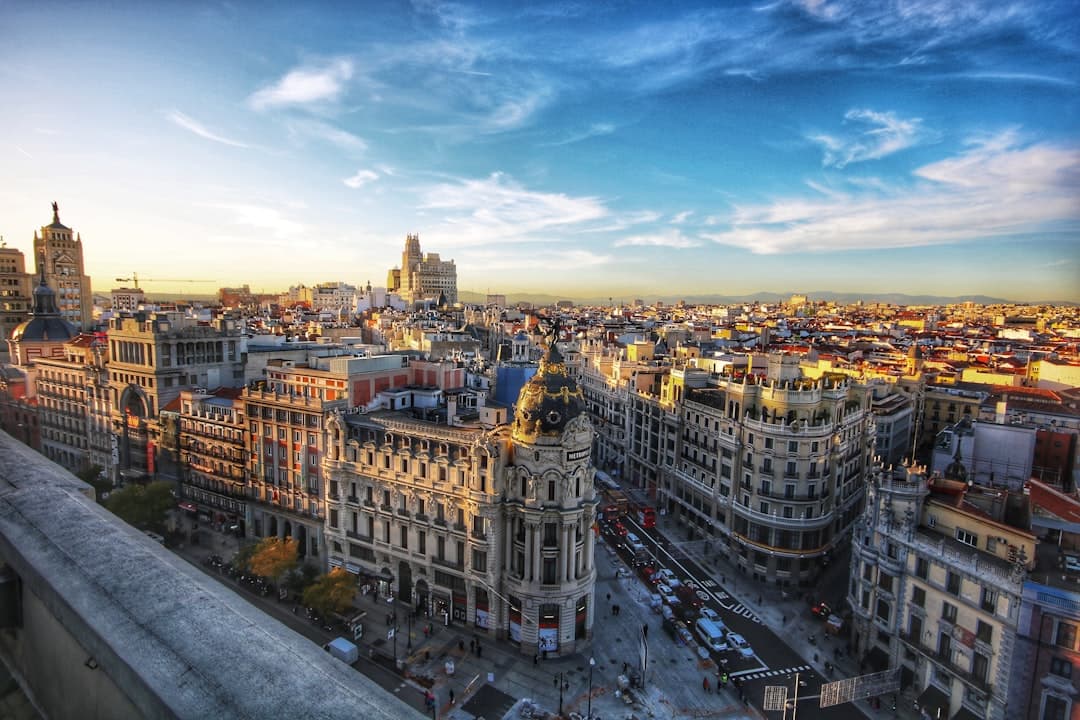
Gran Vía is the spine of central Madrid — a wide, dramatic boulevard that cuts through the heart of the city from Calle de Alcalá in the east to Plaza de España in the west. Constructed in three phases between 1910 and 1931, it required demolishing entire medieval neighborhoods to create something that would announce Madrid as a modern European capital. What emerged was one of the most architecturally eclectic streets in Europe: a compressed timeline of early 20th-century ambition, with Beaux-Arts, Art Deco, and early modernist buildings stacked side by side, each trying to outdo the last. The Edificio Metrópolis — the white marble insurance building crowned with a gilded bronze goddess — marks its eastern entrance and is arguably the most photographed building in the city. Walking Gran Vía is an experience of constant visual surprise. Look up and you'll see elaborate stone facades, ornate cornices, and rooftop sculptures that most people miss entirely because they're too busy watching traffic. At street level it's commercial and loud — international chains, fast food, souvenir shops — but push one block in either direction and you're in quiet residential streets or neighborhood bars. The boulevard is also Madrid's theater district: the Apolo, the Lara, the Rialto, and the Callao cinema all cluster here, many in original Art Deco interiors. By night, the illuminated facades and neon signs give it a glamorous, slightly cinematic quality that's different from anywhere else in the city. Gran Vía is also a key transit hub — the metro stops at Gran Vía, Callao, and Plaza de España bracket either end — so you'll likely pass through multiple times. The smart move is to do one deliberate walk from end to end, ideally in the late afternoon when the light hits the western-facing facades and the city starts to feel alive. Skip the tourist restaurants on the main drag itself and duck into the streets around Chueca to the north or Malasaña to the northwest for where the locals actually eat.
Grand Bazaar
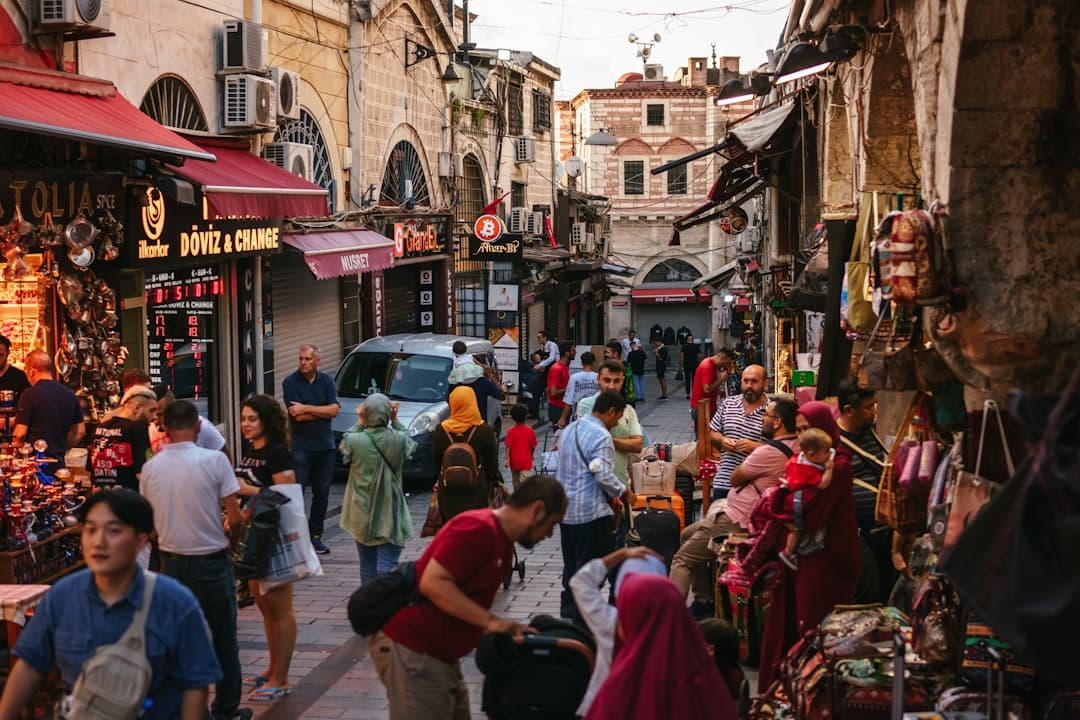
The Grand Bazaar — Kapalıçarşı in Turkish — is one of the oldest and largest covered markets in the world, a sprawling indoor city of over 4,000 shops spread across 61 covered streets in the heart of Istanbul's historic peninsula. Built in the 1450s under Sultan Mehmed II shortly after the Ottoman conquest of Constantinople, it has been a center of trade for more than five and a half centuries. Today it draws somewhere between 250,000 and 400,000 visitors on a busy day, making it one of the most-visited sites on earth — not as a museum, but as a living, working market. Inside, the scale is genuinely disorienting. The bazaar is organized loosely by trade — jewelers cluster on Kalpakçılar Caddesi, the main boulevard glittering with gold; carpet and kilim dealers occupy deeper sections; leather goods, ceramics, lanterns, spices, and textiles fill the surrounding alleys. You can buy an 18-carat gold bracelet, a hand-painted Iznik tile reproduction, a backgammon set inlaid with mother-of-pearl, or a cup of tea pressed on you by a shopkeeper with no purchase required. The architecture itself is beautiful — domed ceilings, ornate gates, hans (caravanserais) tucked off the main routes — but it rewards wandering rather than sightseeing. The classic advice is to come with a rough idea of what you want but no rigid plan, and to treat the first day as reconnaissance if you're serious about buying anything. Prices are almost never fixed — bargaining is expected, especially for carpets, leather, and jewelry. The shopkeepers are skilled and friendly, and the tea invitations are genuine hospitality, not obligation. Come on a weekday morning to beat the cruise ship crowds, enter through the Beyazıt Gate near the university, and give yourself time to get lost. The disorientation is part of the experience.
Grand Canal
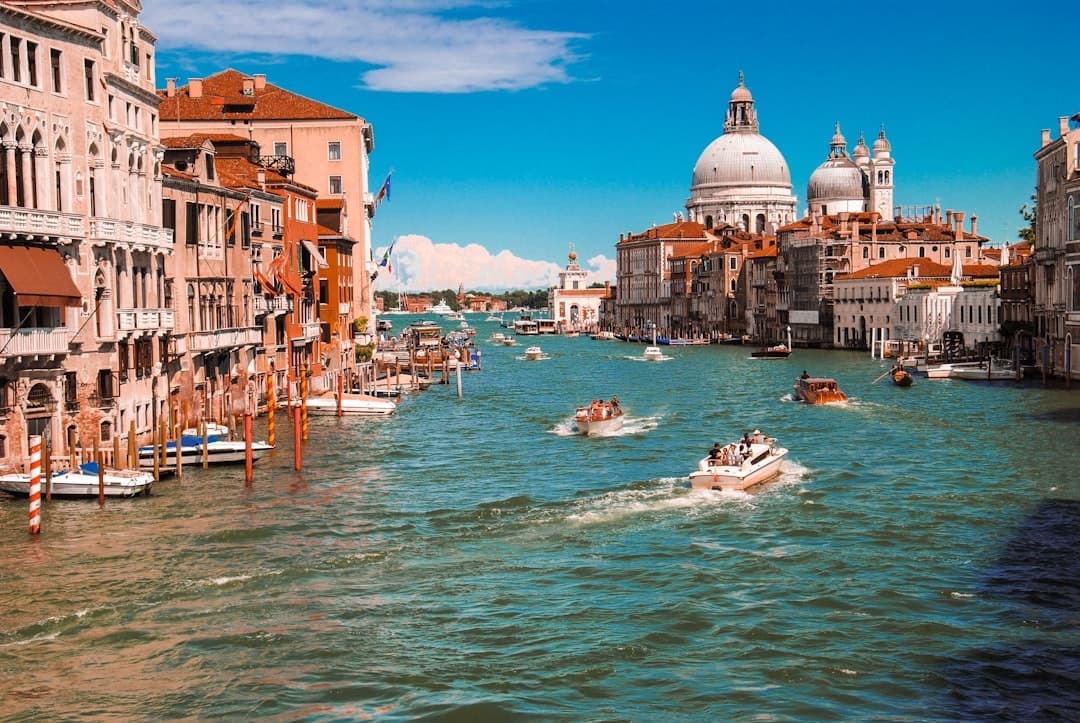
The Grand Canal is Venice's main artery — a reverse S-shaped waterway roughly 4 kilometres long that winds through the heart of the city, dividing it into two halves. It's not a canal in the ordinary sense of the word. It's the city's high street, its highway, its central piazza — just made of water. Lined on both sides by more than 170 buildings, many of them Gothic, Renaissance, and Baroque palaces that Venetian merchant families built to show off their wealth, the canal has been the backbone of Venetian life for over a thousand years. There is nowhere else on earth quite like it. The best way to experience it is from the water. Take vaporetto Line 1, the slow public water bus that stops at every landing stage along the canal from Piazzale Roma to Piazza San Marco — it's essentially a floating sightseeing tour at the price of a transit ticket. You'll pass the Ca' d'Oro, one of the finest Gothic palaces in Italy, the Rialto Bridge — the oldest of only four bridges that cross the canal — the Ca' Rezzonico, where Robert Browning died, and the magnificent dome of Santa Maria della Salute rising at the canal's southern end. At dusk, when the light goes gold and the palaces glow amber, it's genuinely one of the most beautiful things you'll ever see. For the view from above rather than the water, the Rialto Bridge is where most people head — it's always crowded, but deservedly so. Early morning is the time to do it, when the market traders are setting up on the nearby Erberia and the canal is thick with delivery barges rather than tourist boats. If you want something quieter, cross on the wooden Accademia Bridge instead, which gives an equally dramatic southward view toward La Salute without the souvenir stalls.
Grand Central Terminal
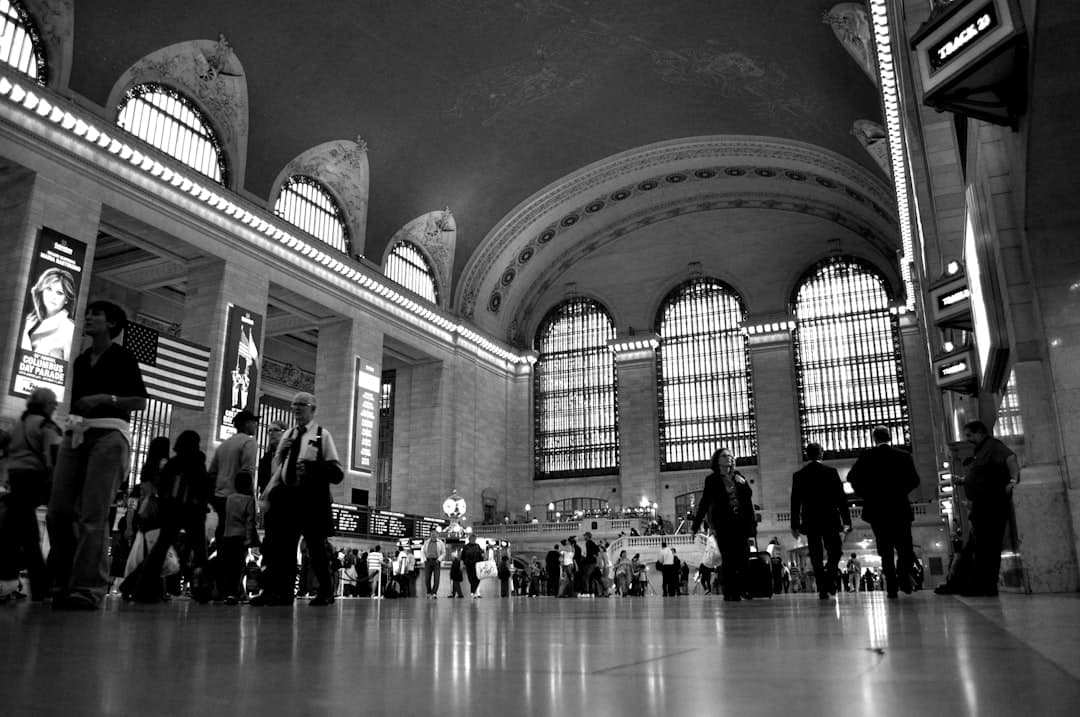
Grand Central Terminal is one of the most famous train stations in the world, and also one of the most beautiful buildings in New York City. Opened in 1913 and built in the Beaux-Arts style, it sits at the intersection of Park Avenue and 42nd Street in Midtown Manhattan. The terminal was nearly demolished in the 1960s before a landmark preservation battle — famously championed by Jacqueline Kennedy Onassis — saved it. Today it serves Metro-North Railroad commuters heading to the suburbs of New York and Connecticut, but it draws millions of visitors who come purely to stand inside it and look up. The Main Concourse is the heart of the experience: a vast, cathedral-like hall with a 125-foot vaulted ceiling painted turquoise-green and studded with constellations in gold leaf. The famous four-faced opal clock sits atop the information booth at the center of the floor, and the diagonal beams of light that fall through the arched south windows on certain mornings have been photographed millions of times. Beyond the spectacle, the terminal is genuinely lively — there are dozens of restaurants and food vendors in the lower-level dining concourse, a year-round market in Vanderbilt Hall, and the whispering gallery outside the Oyster Bar where you can stand in opposite corners and hear each other perfectly across the room. The terminal is free to enter and open to the public, though it functions as a working transit hub so it can get extremely crowded during morning and evening rush hours on weekdays. Free guided tours run on most Fridays at 12:30pm, departing from the Main Concourse. The Oyster Bar & Restaurant, which has been operating in the lower level since 1913, is one of New York's great old-school dining institutions and worth a meal or at least a drink at the counter. Come early on a weekday morning or on a weekend afternoon for the best chance of experiencing the space without feeling like a sardine.
Grand Palace
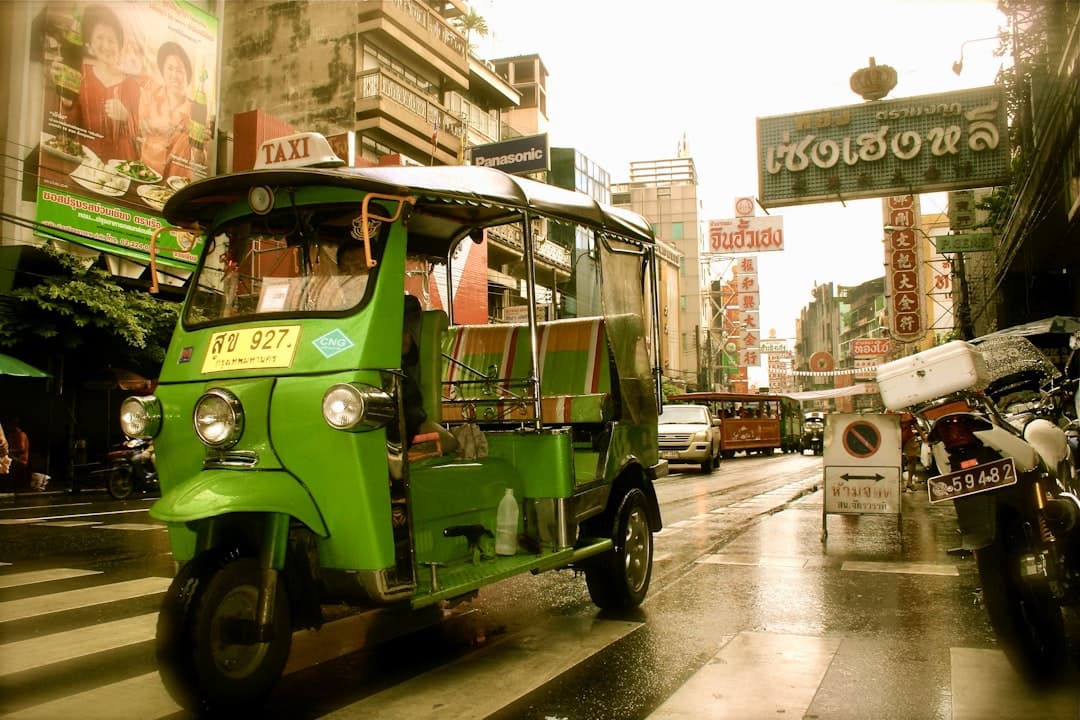
The Grand Palace is the most visited site in Thailand and arguably the most spectacular royal complex in Southeast Asia. Built in 1782 by King Rama I when Bangkok became the capital, it served as the official residence of the Thai monarch for 150 years and remains the ceremonial and spiritual centre of the kingdom. Within its high white walls you'll find a city within a city — throne halls, ceremonial pavilions, government offices, and most famously, Wat Phra Kaew, the Temple of the Emerald Buddha, which houses Thailand's most sacred religious image. Most visitors spend the bulk of their time at Wat Phra Kaew, whose bot (main hall) contains the small but revered Emerald Buddha, carved from a single block of green jade and dressed in seasonal robes changed by the king himself three times a year. Outside, the complex is a riot of colour and detail — gilded chedis, towering demon guardian statues, buildings encrusted with millions of pieces of coloured glass and porcelain, and long mural galleries depicting the Ramakien, Thailand's version of the Hindu Ramayana epic. The Chakri Maha Prasat throne hall is a striking collision of Thai roofing and European neoclassical architecture, commissioned by Rama V after his travels to Europe in the 1870s. Arrive as early as possible — doors open at 8:30am and the complex gets genuinely overwhelming by mid-morning, especially with tour groups. Buy tickets at the gate (no advance booking needed, no booking system exists), and be prepared for the strict dress code enforced at the entrance. Tuk-tuk drivers who tell you the palace is closed and offer to take you somewhere else are running a well-documented scam — the palace is almost never closed to the public. Audio guides are available for rent inside and are genuinely worth it given the density of things to understand.
Grandmaster's Palace
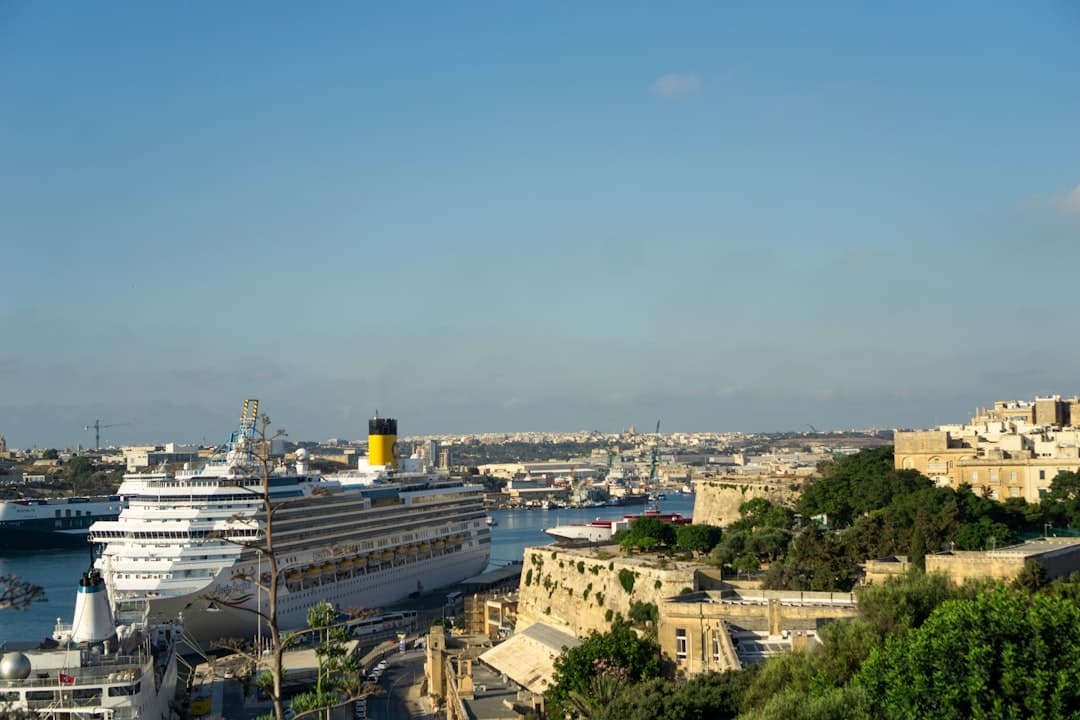
The Grandmaster's Palace sits at the heart of Valletta, Malta's compact, fortress-like capital, and it's about as close to the epicentre of Maltese history as you can get. Built in the late 16th century, it served as the official residence and administrative hub of the Knights of St John — the military-religious order that ruled Malta for over 250 years. The Knights were one of the most powerful forces in the medieval Mediterranean, and this palace was where they ran the show. Today it remains the official residence of the President of Malta and also houses Malta's parliament (which sits in a Renzo Piano-designed building next door), making it a living piece of governance rather than a purely preserved relic. Visitors can explore two main sections: the State Rooms and the Armoury. The State Rooms are lavish formal chambers decked with Gobelin tapestries, portraits of the Grandmasters, and painted friezes depicting the Great Siege of 1565, when the Knights famously repelled the Ottoman fleet. It's genuinely dramatic stuff — room after room that tells the story of an order that shaped European history. The Armoury is the real showstopper for many visitors: a long, vaulted hall housing one of Europe's finest collections of historical arms and armour, with thousands of pieces dating back to the 16th and 17th centuries, including intricately decorated suits of armour that belonged to individual Grandmasters. Because part of the palace is still in active official use, access can occasionally be restricted during state events or parliamentary functions — worth checking ahead. The entrance faces St George's Square (Misrah San Gorg), Valletta's main civic piazza and a great spot to orient yourself before heading in. Last entry is typically an hour before closing, and the armoury and state rooms can be visited as a combined ticket. It's not a huge site, but there's genuine depth here if you slow down and read the context.
Granville Island
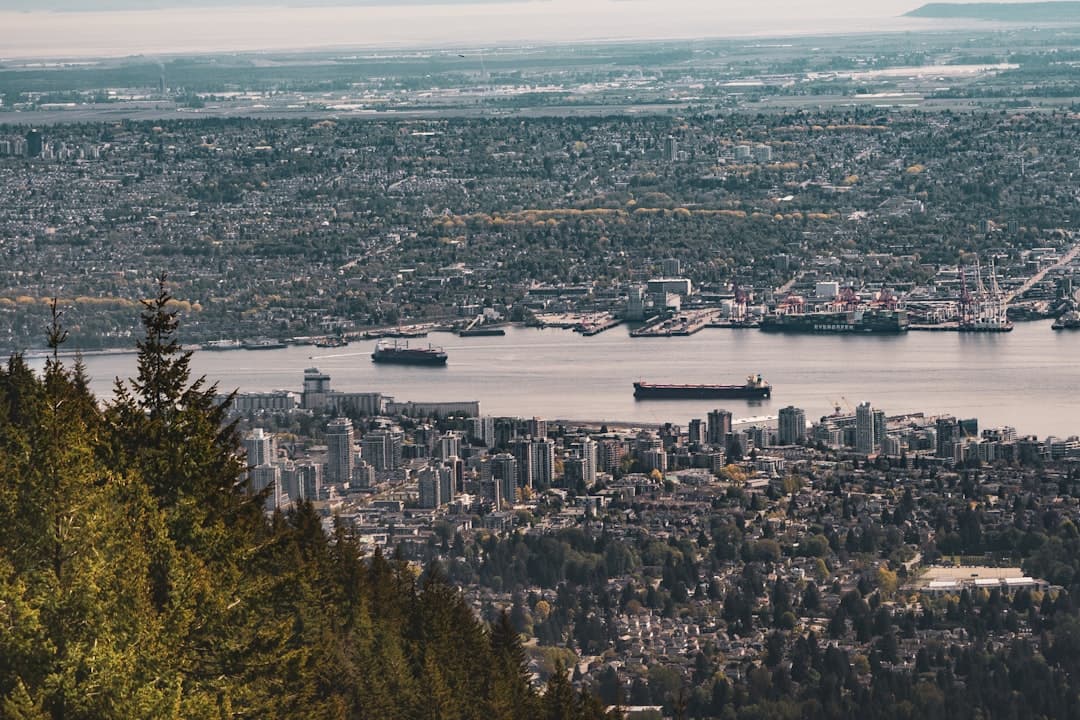
Granville Island is a former industrial peninsula tucked under the Granville Street Bridge in False Creek, transformed since the 1970s into one of Canada's most beloved urban cultural districts. What was once a grimy hub of factories and warehouses is now a lively mix of a world-class public market, working artists' studios, theatres, restaurants, and independent shops — all packed into a compact area that somehow feels both bustling and unhurried. It's not a theme park version of a market district; real artists work here, real boats dock here, and the old corrugated-metal buildings still give the place an honest industrial character. The centrepiece is the Public Market, a vast covered hall filled with local produce, fresh seafood, artisan cheeses, hot food stalls, and enough free samples to constitute a meal if you play it right. Outside, buskers perform along the waterfront, and the seawall path brings joggers and cyclists past the docks. You can wander into working pottery studios, watch glassblowers at work, catch a play at the Waterfront Theatre or Arts Club, browse shops selling everything from handmade kites to Indigenous art, and stop for a pint at Dockside Restaurant overlooking the marina. The False Creek Ferries and Aquabus connect the island to downtown and the seawall, which is part of the fun. Granville Island is perennially crowded on weekend mornings — arrive before 10am or after 3pm to beat the worst of it, or just embrace the chaos as part of the experience. Parking exists but can be infuriating; the small ferries from downtown are genuinely the better option and cost only a few dollars. If you're visiting between late October and early November, the Vancouver International Film Festival and other fall cultural events often spill into the island's venues.
Great Sphinx
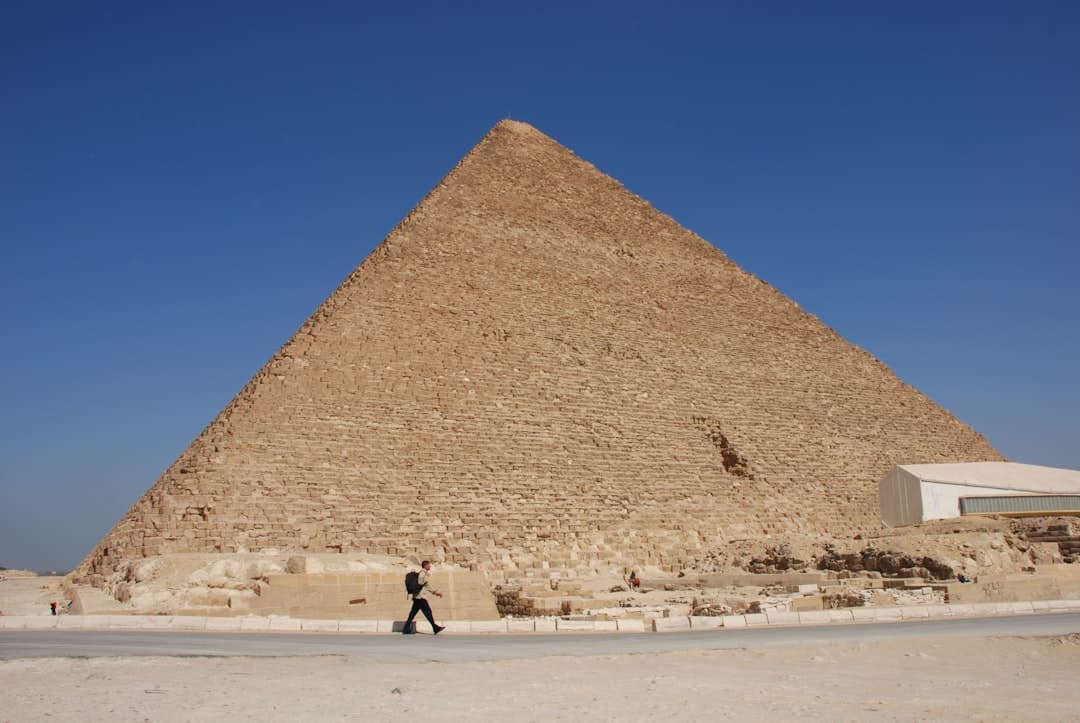
The Great Sphinx of Giza is a colossal limestone statue of a reclining lion with a human head, built during the reign of Pharaoh Khafre around 2500 BCE. At roughly 73 metres long and 20 metres tall, it is the largest surviving monumental sculpture from the ancient world — and one of the most recognisable images on earth. It stands guard on the Giza Plateau, just east of the pyramid of Khafre, and was carved directly from the bedrock of the plateau itself rather than assembled from cut blocks. For millennia it was buried up to its neck in sand, and the mystery of who built it, why, and what it originally looked like still generates genuine academic debate. Visiting the Sphinx is an outdoor, walk-around experience. You approach via a broad path from the main Giza Plateau ticket area, descending to a lower enclosure that puts you close to the statue — close enough to see the weathering patterns on the limestone body, the ancient repair blocks on the chest and paws, and the remnants of a ceremonial beard now displayed in the Egyptian Museum in Cairo. The famous frontal view — the Sphinx gazing east toward the sunrise with the pyramids looming behind it — is the shot everyone comes for, and it genuinely delivers. There's a sound and light show in the evenings that projects dramatic narration onto the monuments, which is kitsch but entertaining. The Sphinx is included in the general Giza Plateau ticket, though a separate ticket is sometimes required for the Sphinx enclosure itself — confirm at the gate. The site is managed by the Ministry of Antiquities and can get crowded fast, especially mid-morning when tour buses arrive. Touts and camel-ride operators work the surrounding area aggressively; a polite but firm 'la shukran' (no thank you) is your best tool. The light is extraordinary at sunrise and late afternoon, and visiting at those edges of the day also means far fewer people.
Great Wall of China
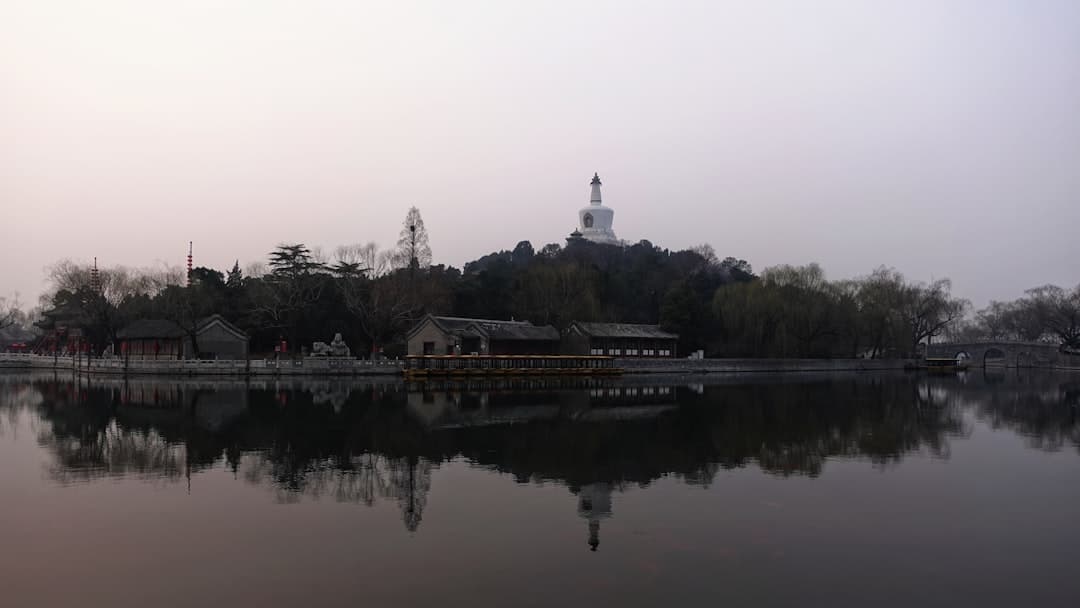
The Great Wall of China is one of the largest construction projects in human history — a vast network of walls, watchtowers, and fortifications that stretches thousands of kilometres across northern China. Built and rebuilt across multiple dynasties, with the most recognisable sections dating from the Ming Dynasty (1368–1644), it was designed to protect Chinese states from nomadic invasions from the north. Today it stands as both a feat of engineering and a profound symbol of Chinese civilisation, drawing millions of visitors each year to a handful of accessible sections near Beijing. The experience depends entirely on which section you visit. Mutianyu, about 70 kilometres northeast of central Beijing in Huairou District, is the most popular among international visitors — restored, well-maintained, and genuinely dramatic, with watchtowers perched on steep ridges and forested hills rolling out in every direction. You can hike between towers, ride a cable car up, and — in a genuinely fun twist — take a toboggan slide back down. Badaling is the most visited section overall but can feel overwhelmed by crowds; Jinshanling and Simatai offer wilder, less-restored stretches for those who want something rawer. Wherever you go, you're walking on the actual wall, climbing steep stone steps between crenellated battlements, and looking out over a landscape that hasn't changed much in centuries. The coordinates here point to the Mutianyu section, which is the right call for most first-time visitors — it strikes the best balance between accessibility, scenery, and authenticity. Arrive early to beat the tour groups, which typically arrive mid-morning. The wall gets genuinely steep in places, so comfortable shoes are not optional. If you're coming from Beijing, most people book a day tour or hire a driver; public buses exist but add time and complexity. Budget a full half-day minimum, but a full day lets you linger without rushing.
Greenwich
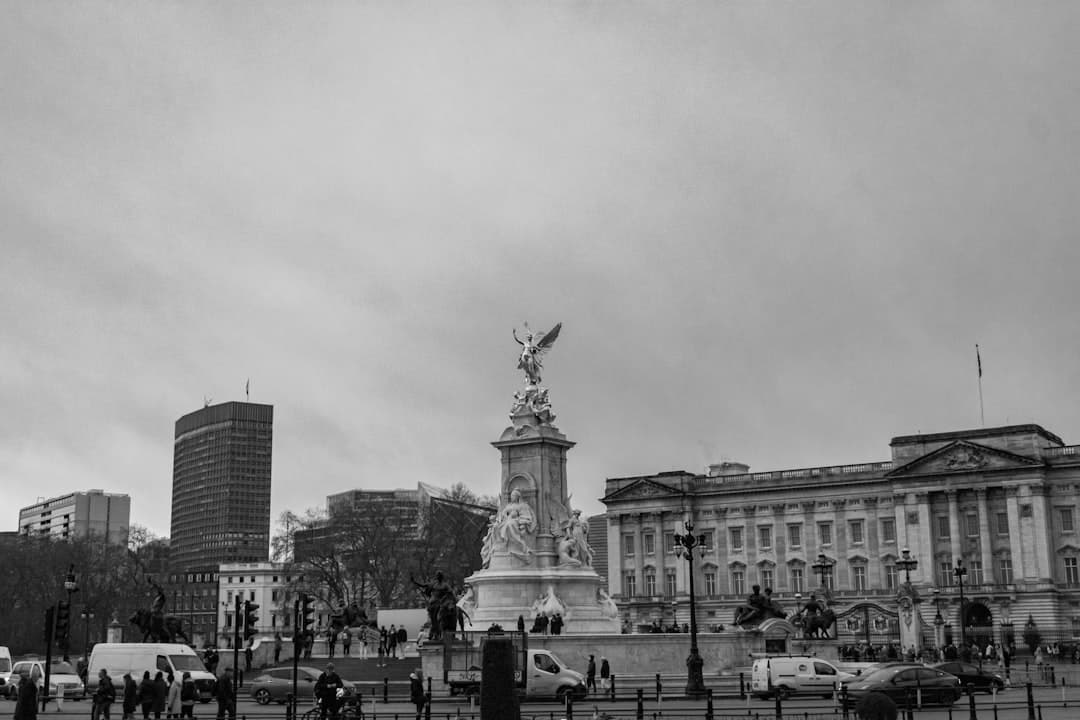
Greenwich is a historic riverside district in southeast London that sits at the literal centre of the world's timekeeping system — the Prime Meridian, longitude zero, runs straight through it. It was the seat of English naval power for centuries, home to royal palaces and the institution that made Britain the dominant force in maritime navigation. Today it holds more UNESCO World Heritage Site real estate than almost anywhere in London, and it feels genuinely different from the city around it: unhurried, grand, and full of things that actually matter. A half-day here covers an enormous amount of ground. You can stand astride the brass Meridian Line in the courtyard of the Royal Observatory (the original building dates to 1675, commissioned by Charles II), explore the Painted Hall inside the Old Royal Naval College — one of the most jaw-dropping baroque interiors in Britain, sometimes called the Sistine Chapel of the UK — wander the National Maritime Museum, and still have time to climb up through Greenwich Park for views across the Thames to Canary Wharf. The Cutty Sark, the last great Victorian tea clipper, sits in dry dock at the edge of the town centre and is absolutely worth an hour of your time. Get the DLR from Bank or Tower Gateway rather than the Tube — the elevated railway gives you a brilliant approach across east London and arrives right in the heart of the area. The market is worth browsing on weekends (Greenwich Market, covered, inside a Georgian courtyard), and Goddards at Greenwich does a properly old-school pie and mash if you want something resolutely local for lunch. Avoid weekends in summer if crowds bother you — the park and the Observatory queue can get genuinely long.
Greyfriars Kirkyard
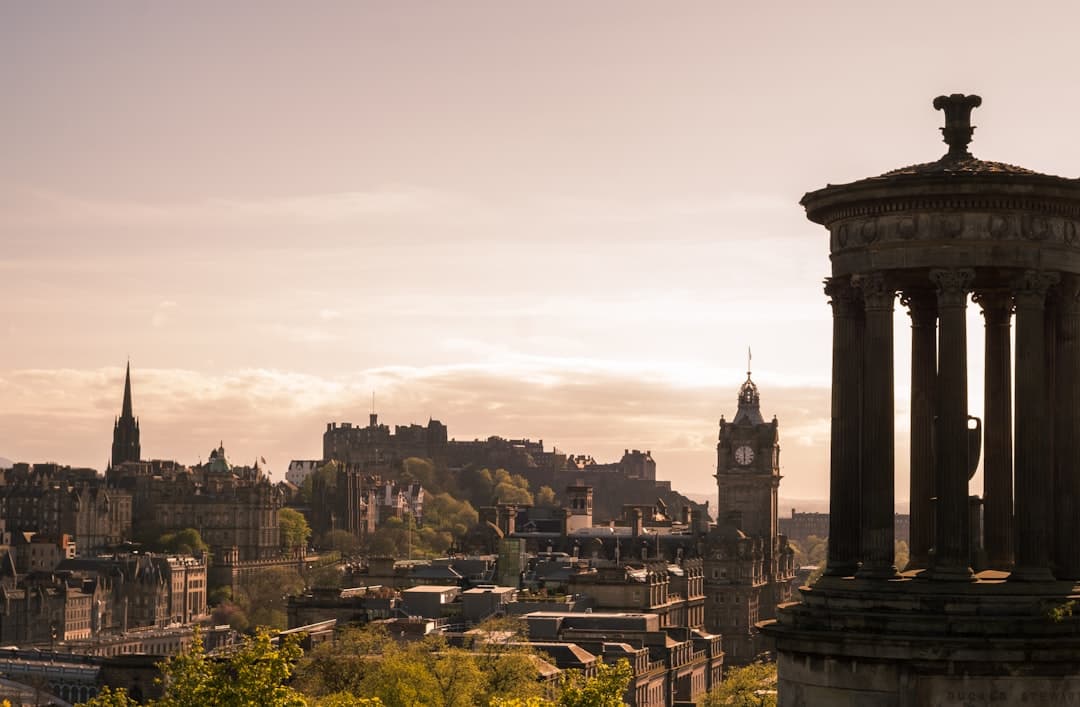
Greyfriars Kirkyard is a 16th-century churchyard in the heart of Edinburgh's Old Town, attached to Greyfriars Kirk — one of the city's most historically significant churches. It's the kind of place that rewards visitors who know nothing about it and rewards those who do even more. The ground here is soaked in Scottish history: this is where the National Covenant was signed in 1638, when thousands of Scots put their names (some reportedly in their own blood) to a document declaring Presbyterian governance over royal religious authority. Reformers, philosophers, architects, and poets are buried within these walls, including James Craig, who designed Edinburgh's New Town grid, and George Buchanan, tutor to Mary Queen of Scots. Most people come for two reasons: the graves and the ghost. The churchyard is famously associated with Greyfriars Bobby, the Skye Terrier who reputedly guarded his owner John Gray's grave for 14 years after Gray's death in 1858 — a story that became a Disney film and a global symbol of canine loyalty. Bobby's own grave and a small headstone for John Gray are both here, and the bronze statue of Bobby just outside the gates on Candlemaker Row is one of Edinburgh's most photographed landmarks. But the darker draw is the Covenanters' Prison — a walled enclosure within the kirkyard where hundreds of Covenanting prisoners were held in brutal conditions in 1679, and where the so-called Mackenzie Poltergeist is said to reside. The black mausoleum of Sir George 'Bluidy Mackenzie' MacKenzie, who prosecuted those prisoners, has been the centre of paranormal claims for decades. You can walk the kirkyard freely at any hour — it's one of Edinburgh's few genuinely open-all-hours landmarks. Daytime visits are contemplative and rich with epitaphs and carved memento mori. If you want the ghost story experience in full, City of the Dead tours run after dark through the Covenanters' Prison and are among Edinburgh's most consistently unsettling night-time offerings. Greyfriars is also directly adjacent to the National Museum of Scotland, making it an easy pairing on any Old Town day.
Griffith Observatory
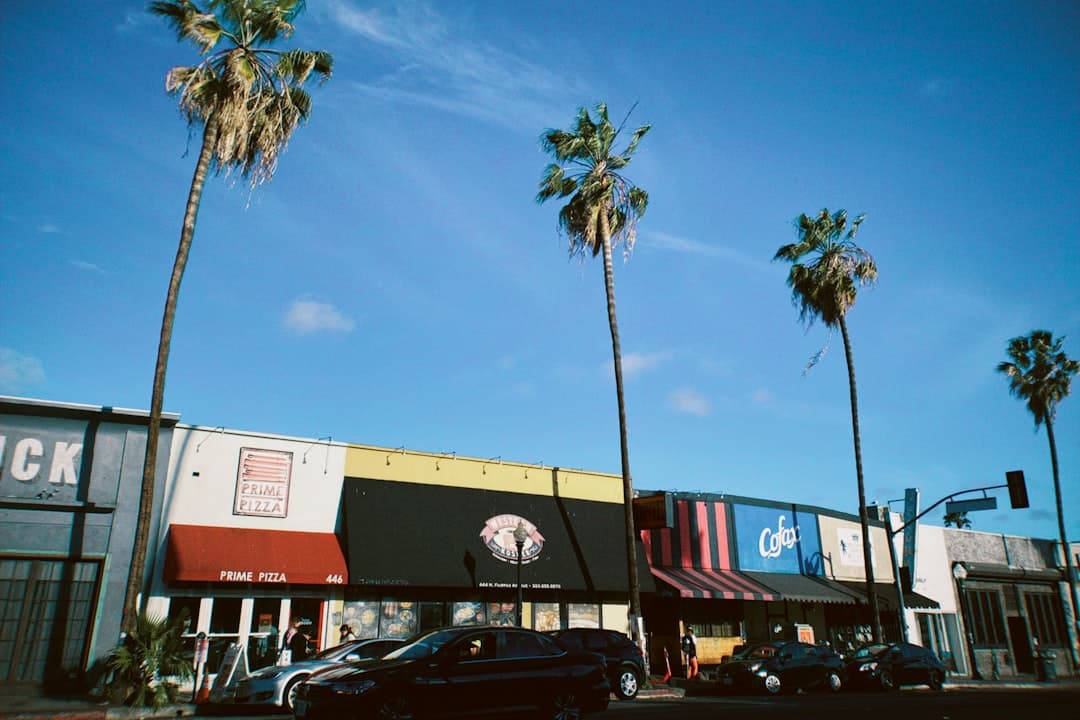
Perched on the southern slope of Mount Hollywood in Griffith Park, the Griffith Observatory is a free public science center and planetarium that has overlooked Los Angeles since 1935. It was built with a gift from Griffith J. Griffith, a Welsh-American mining tycoon who wanted ordinary people — not just scientists — to have access to the sky. That democratic spirit still defines the place. The building itself is a landmark of Art Deco design, with its three copper domes and gleaming white facade, and it appears in more films, TV shows, and music videos than almost any other structure in the city. James Dean's Rebel Without a Cause was filmed here. So was Terminator. So was La La Land. But none of that pop culture heritage would matter if the observatory weren't genuinely wonderful to visit. Inside, you'll find exhibits on the history of astronomy and the universe — everything from a massive Tesla coil to a scale model of the solar system — plus live telescope viewings at the Zeiss refracting telescope on clear nights. The Samuel Oschin Planetarium runs several different dome shows throughout the day, narrated by the likes of Leonard Nimoy and Whoopi Goldberg in different programs. Outside, the observation decks give you one of the great urban panoramas on earth: downtown LA to the east, the Pacific and Catalina Island on clear days to the west, the Hollywood Sign close enough to feel within reach to the north. Sunset here is legitimately one of the best experiences in the city. Parking on Observatory Road is extremely limited and traffic backs up badly on weekends, so the smartest move is to take the DASH Observatory bus from Vermont/Sunset station or hike up through Griffith Park. The observatory is free to enter — you only pay for planetarium shows, which are worth booking ahead. Tuesday through Friday, crowds are much lighter than weekends. Come late afternoon, stay for sunset, and if the sky cooperates, stay for the free telescope viewing after dark.