
All Places
1,073 places around the world
1,073 places · page 5 of 45
Big Buddha Phuket
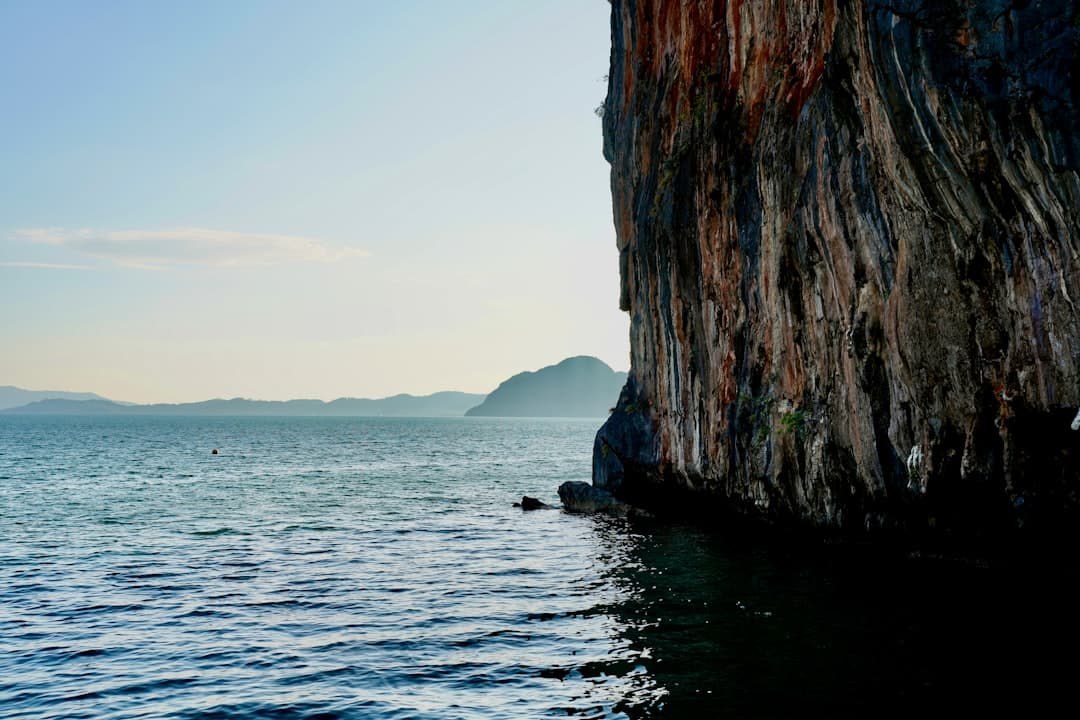
Big Buddha — officially known as Phra Phutthamingmongkol Akenakkiri — is one of Phuket's most recognizable landmarks, a colossal white Malay-style seated Buddha image that crowns Nakkerd Hill at around 383 meters above sea level. Construction began in 2002 and was largely funded by donations from Thai Buddhists; visitors today can still contribute to ongoing decorative work on the interior. At 45 meters tall and clad in Burmese white jade marble, it's visible from enormous distances across the island — from Kata Beach, Chalong Bay, even parts of Patong on clear days. The experience is genuinely layered. The road up the hill winds through rubber plantations before opening onto a broad terrace surrounding the main image. You walk the perimeter, take in smaller shrines and golden Buddha statues, and — most importantly — absorb one of the best panoramic views in all of Phuket. On a clear day you can see the Andaman Sea stretching south toward Phi Phi, the patchwork of resorts and jungle below, and the entire southwestern coastline. There are monks in residence, incense burning, the gentle clang of bells — it's an active temple, not a photo prop, and it carries a quiet sense of gravity that surprises many visitors who expected a tourist trap. The site is free to enter, though donations are encouraged. Morning visits are best — the light is beautiful on the marble, the air is cooler, and tour buses haven't arrived yet. Sarongs are provided at the entrance for those who need to cover up, but it's easier to come prepared. The drive up is manageable by scooter or car; tuk-tuks from Kata or Karon are common and affordable.
Biosphere
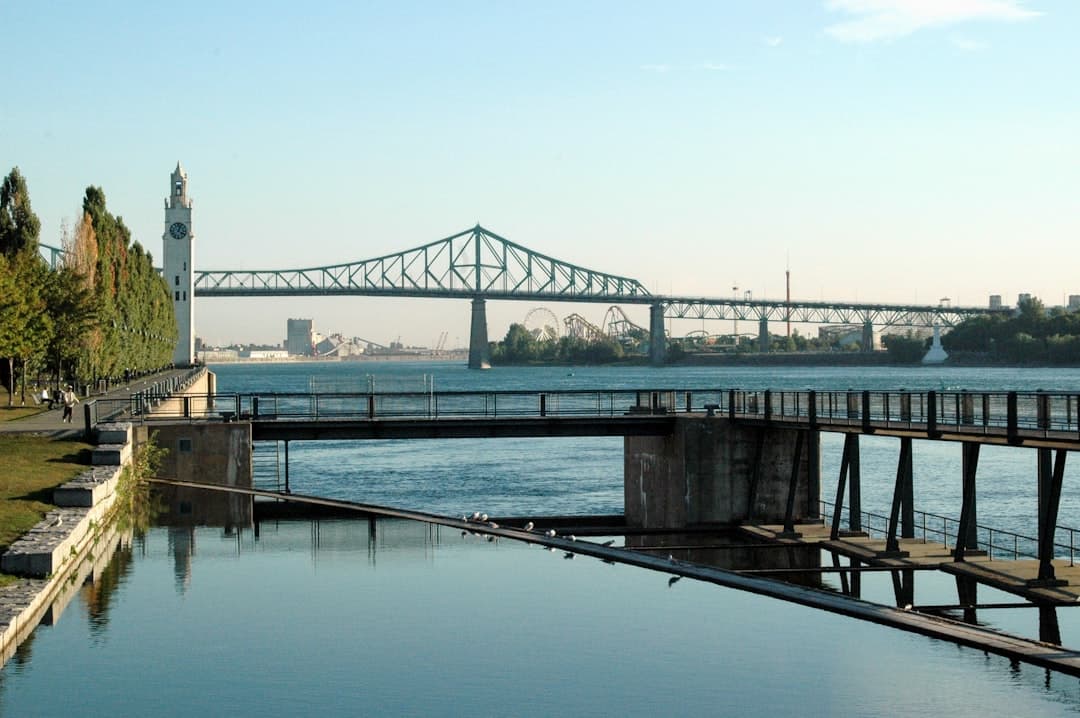
The Biosphere is one of Montreal's most visually striking buildings — a massive geodesic dome sitting on Île Sainte-Hélène that was originally built as the American Pavilion for Expo 67, the world's fair that put Montreal on the global map. Designed by the visionary American architect Buckminster Fuller, the steel-and-acrylic dome was a sensation in 1967. A fire destroyed its acrylic skin in 1976, leaving the bare steel skeleton you see today — which, honestly, makes it look even more dramatic. After years of repurposing, it's now operated by Environment and Climate Change Canada as an environmental museum focused on the Great Lakes and St. Lawrence ecosystem. Inside, the exhibits are genuinely engaging rather than preachy — interactive displays cover water systems, climate change, air quality, and the health of the St. Lawrence River. There's a strong focus on making environmental science accessible to all ages, with hands-on installations and immersive zones that keep kids busy and adults genuinely thinking. The dome structure itself is part of the experience: you can look up at the latticed steel framework from inside and appreciate the engineering ambition that went into it. The surrounding park provides great views back at the dome from the outside too. The Biosphere sits in Parc Jean-Drapeau on Île Sainte-Hélène, a short Metro ride from downtown via the Jean-Drapeau station on the Yellow Line. It shares the island with the Casino de Montréal and La Ronde amusement park, so it's easy to combine into a bigger day out. The museum is genuinely undervisited relative to how impressive the building is — most tourists walk past it on the way to other things, which means you'll rarely feel crowded here.
Birla Mandir
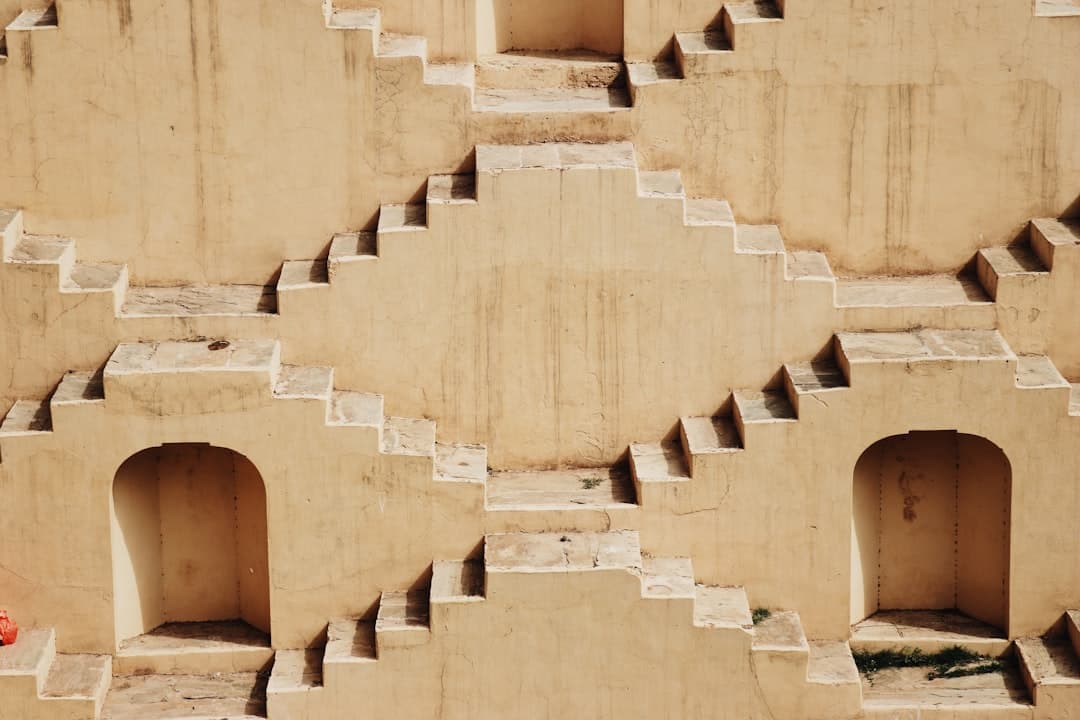
Birla Mandir is a striking Hindu temple built entirely from white Rajasthani marble, completed in 1988 by the Birla Foundation — the same industrial family that funded similar temples in Hyderabad, Kolkata, and Delhi. It sits at the foot of Moti Dungri Hill in Jaipur, dedicated to Lord Vishnu (Laxmi Narayan), and has become one of the city's most serene and photogenic spiritual sites. Unlike Jaipur's older temples, which are often cramped and chaotic, this one was designed from the ground up for contemplative visiting — spacious, clean, and surprisingly peaceful even on busy days. The temple's architecture blends Hindu, Gothic, and vaguely Islamic motifs in a way that sounds jarring but works beautifully in person. Three domes rise above the main sanctum, and the entire exterior is carved with scenes from Hindu mythology — the Bhagavad Gita, the Mahabharata, figures of saints and sages — as well as portraits of great thinkers from other traditions, including Socrates and Confucius, which reflects the Birla family's broadly humanist ethos. Inside, the marble glows with natural light filtered through stained glass windows. The main idols of Laxmi Narayan are ornate and striking, and the atmosphere during evening aarti (prayer ceremony) is genuinely moving, with bells, incense, and chanting filling the marble chambers. Visit in the evening if you can — the temple is lit up after dark and looks spectacular against the night sky, with Moti Dungri Fort looming on the hill above. Photography inside the sanctum is generally not permitted, but the exterior and gardens are fair game. Remove your shoes before entering, leave any leather items at the shoe counter, and dress modestly. The temple is free to enter and well-maintained, which makes it an easy and rewarding addition to any Jaipur itinerary.
Bitexco Financial Tower
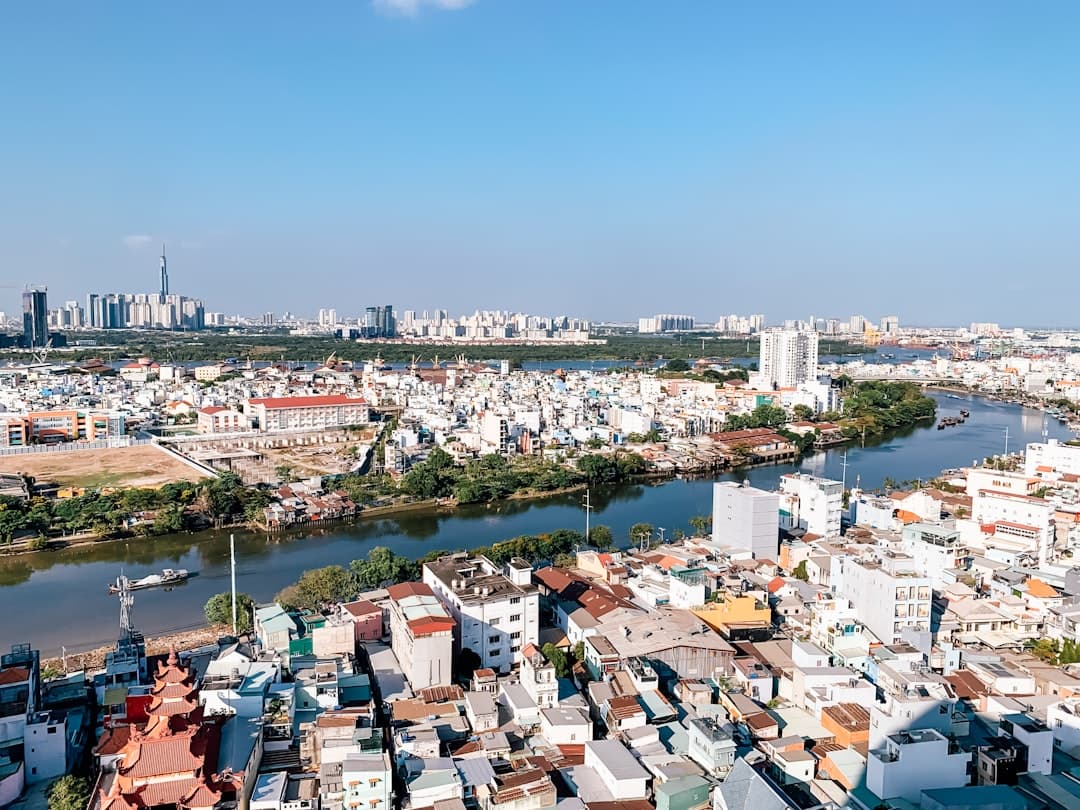
The Bitexco Financial Tower is the most recognizable building in Ho Chi Minh City — a 262-meter, 68-story skyscraper that dominated the city's skyline when it opened in 2010 and still commands attention today. Designed by American architect Carlos Zapata, its most striking feature is the cantilevered helipad on the 52nd floor, which juts out from the tower's elliptical glass facade and was inspired by the lotus flower, Vietnam's national bloom. It sits in the heart of District 1, the city's historic commercial core, right where the old colonial Saigon met the Mekong Delta trade routes — so the views from up top carry genuine historical weight. The main draw for visitors is the Saigon Skydeck on the 49th floor. You take a high-speed elevator up and step out into an observation deck ringed with floor-to-ceiling glass, looking out over the tangle of motorbikes, French colonial buildings, the Saigon River, and the expanding skyline of a city in full sprint. On a clear day you can trace the river south toward the Delta. The building also houses a cinema multiplex, a food court, upscale retail, and a cluster of restaurants and bars — including the EON Heli Bar on the 52nd floor, which occupies the helipad level and is probably the most dramatic spot for a cocktail in the city. For the Skydeck, tickets are purchased on-site and queues are rarely brutal outside of weekends and public holidays. The best strategy is to time your visit for late afternoon, arriving around 4–5pm: you catch the city in golden hour light, then watch it transition to the neon-and-headlight chaos of evening. The building is in walking distance of Nguyen Hue Walking Street and Ben Thanh Market, so it pairs well with a broader District 1 afternoon.
Bloemenmarkt
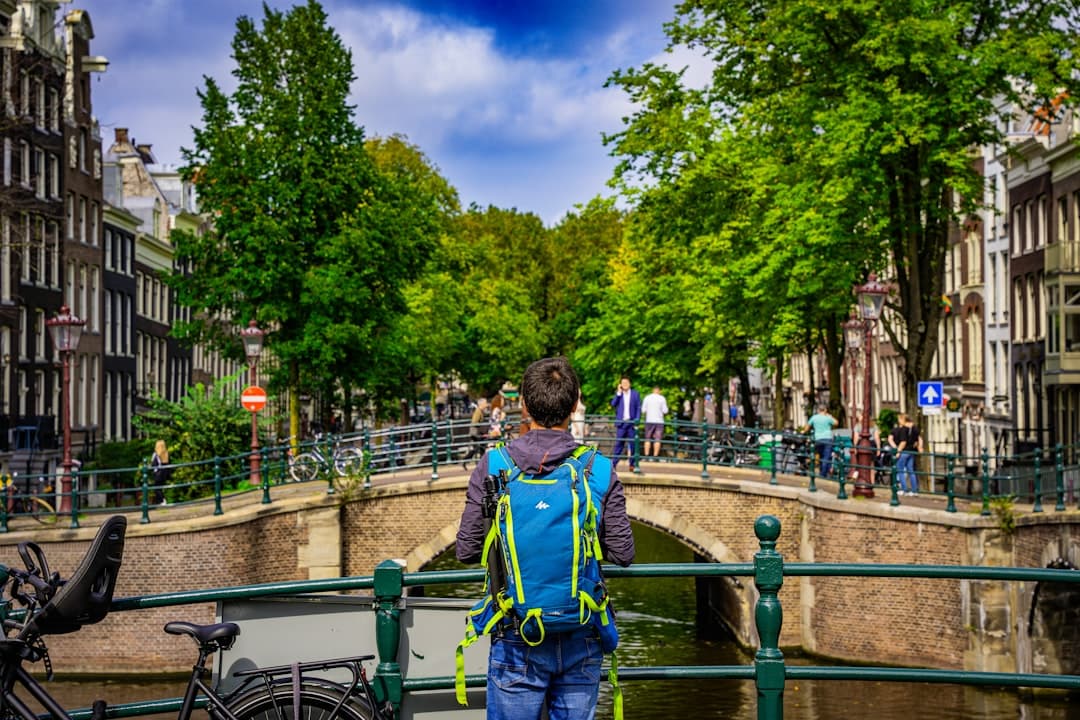
The Bloemenmarkt is Amsterdam's famous floating flower market, a row of about fifteen stalls and shops built on barges permanently moored along the southern bank of the Singel canal, between Koningsplein and Muntplein. It's been here in some form since 1862, when flower growers would sail in from the countryside and sell directly from their boats. Today the barges are fixed in place and the stalls are enclosed, but the romance of the concept still holds — and the location, with the canal on one side and Amsterdam's historic centre on the other, is genuinely beautiful.
Blue Lagoon
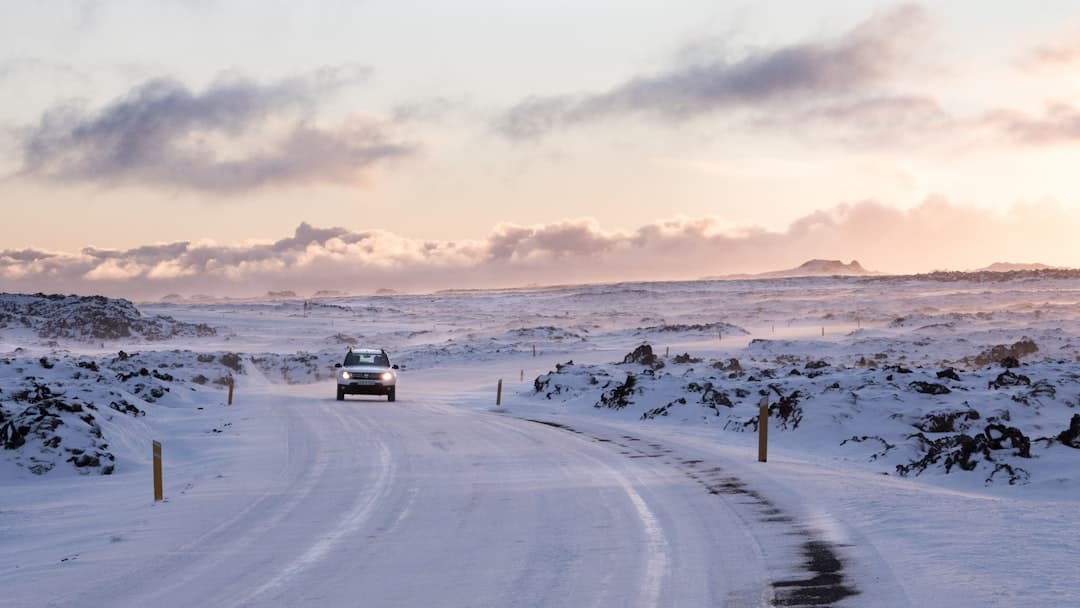
The Blue Lagoon is a geothermal spa located on the Reykjanes Peninsula, about 50 kilometers southwest of Reykjavik — and one of the most visited attractions in all of Iceland. The water gets its distinctive milky, opaque blue color from silica and sulfur minerals in the geothermal seawater, which is a byproduct of the nearby Svartsengi power plant. That industrial origin doesn't diminish the experience at all — if anything, the contrast between the raw black lava landscape surrounding it and the steaming turquoise water makes the whole scene feel genuinely otherworldly. In practice, you spend your time wading through warm water (around 37–39°C) that stretches across a series of interconnected pools, some shallow enough to stand in, others deeper. The different packages give you access to things like silica mud masks (dispensed from buckets around the pool perimeter), algae face masks, and an in-water bar where you can order a smoothie or a drink without leaving the lagoon. The facilities are high-end — thick white robes, good locker rooms, a spa treatment menu if you want to book massages — and the whole complex includes a well-regarded restaurant called Lava Restaurant built right into the lava rock. One important note: the Blue Lagoon sits closer to Keflavik International Airport than to Reykjavik, which makes it an ideal first or last stop on your Iceland trip. Many visitors stop here on arrival before the jet lag hits, or time a final soak before catching a flight home. Book well in advance — the Blue Lagoon uses timed entry slots and frequently sells out days or even weeks ahead, especially in peak summer and around the holiday season. Also worth knowing: the facility has faced temporary closures in recent years due to volcanic activity on the Reykjanes Peninsula, so check current status before you go.
Blue Mosque
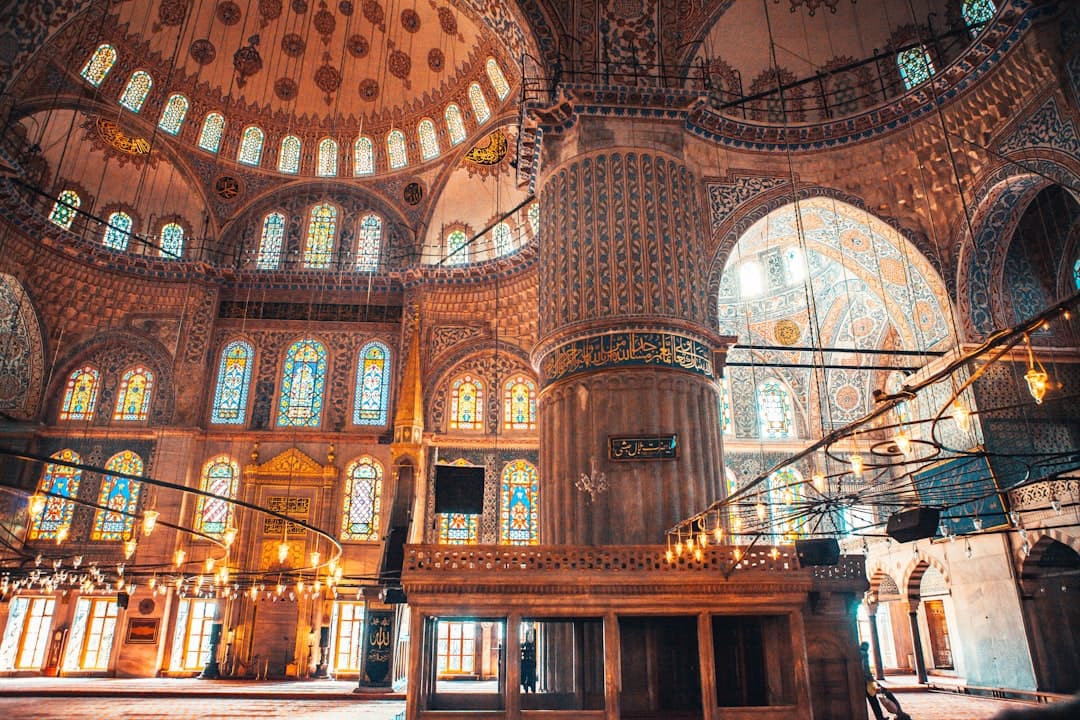
The Sultan Ahmed Mosque — universally known as the Blue Mosque — was built between 1609 and 1616 under Sultan Ahmed I, and it remains one of the great architectural achievements of the Ottoman Empire. It sits in the Sultanahmet district facing the Hagia Sophia across a broad plaza, and together the two buildings define Istanbul's famous silhouette. The mosque earned its popular nickname from the roughly 20,000 hand-painted Iznik tiles lining its interior walls and ceiling in cascading shades of blue, turquoise, and white — a decorative scheme unlike anything else in the world. It also caused controversy at the time of its construction for having six minarets, a number previously reserved for the mosque in Mecca. Visiting means crossing into a working, active place of worship — not a museum. You remove your shoes at the entrance, and non-Muslim visitors are directed through a separate side entrance. Inside, the central dome soars 43 metres overhead, supported by four massive fluted columns (the original design calls them elephant feet) and ringed by smaller semi-domes that cascade downward. The Iznik tiles are most striking at eye level and above, where the natural light from 260 windows filters through and shifts the colour of the interior throughout the day. Prayers happen five times daily, and the mosque closes to tourists for roughly 90 minutes around each prayer — something many visitors fail to account for. The mosque is free to enter, which means crowds can be intense, particularly in summer. The courtyard itself — a colonnaded marble space with a central ablutions fountain — is worth taking time in even before you step inside. Go first thing in the morning or in the early evening for the most atmospheric light and the thinnest crowds. The neighbourhood around it, Sultanahmet, is heavily touristic but there are still good lokanta-style lunch spots a few streets back from the main plaza.
Blue Mountains
The Blue Mountains is a vast wilderness of deep sandstone gorges, eucalyptus forests, and dramatic cliff-top lookouts sitting about 80 kilometres west of Sydney's CBD. It's technically part of the Great Dividing Range, and the blue haze that gives the region its name is real — it comes from fine droplets of eucalyptus oil released by the millions of gum trees below. The area was declared a UNESCO World Heritage Site in 2000 as part of the Greater Blue Mountains Area, recognising its extraordinary biodiversity, and it remains one of the most accessible wilderness escapes from any major city in the world. Most visitors base themselves in Katoomba, the mountain town at the heart of the region, and head straight to Echo Point for the view of the Three Sisters — three dramatic sandstone pillars rising from the Jamison Valley floor. From there, you can take the Scenic World complex's railway (the steepest in the world), skyway, and cableway into the valley and back up again, or lace up your boots and descend on foot via the Giant Stairway. The walking tracks range from paved cliff-top strolls to multi-day wilderness hikes like the Six Foot Track. Leura, the next town over, adds a charming main street of cafes and galleries if you need a break from the trail. The smart move is to go on a weekday — weekends, especially in autumn when the cool air and turning gardens draw crowds from Sydney, can get genuinely hectic at Echo Point. The train from Central Station takes about two hours and drops you right into Katoomba, making a car optional for a focused day trip. That said, having a car opens up Wentworth Falls, Blackheath, and the quieter lookouts at Govetts Leap and Evans Lookout, which many regulars consider more spectacular than the Three Sisters with a fraction of the crowds.
Bo-Kaap
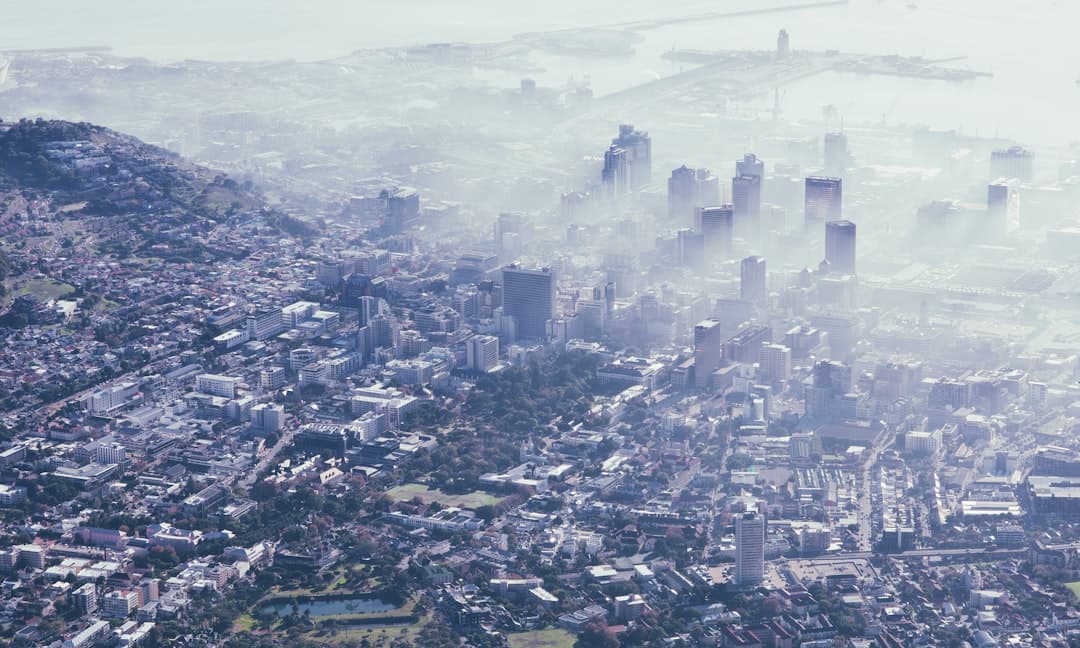
Bo-Kaap is one of Cape Town's oldest residential neighborhoods, draped across the lower slopes of Signal Hill just above the city center. It was home to Cape Malay Muslims — descendants of enslaved people and political prisoners brought from Southeast Asia, Madagascar, and elsewhere by the Dutch East India Company — and has been a living community for more than 300 years. The brightly painted houses you see today, each a different bold color, became a symbol of freedom and identity after apartheid ended, and the neighborhood is now one of the most photographed places in the entire country. Walking through Bo-Kaap means navigating steep, cobblestoned streets lined with those famous facades — saffron yellow, cobalt blue, bubblegum pink, lime green — with Table Mountain rising dramatically behind them. The Bo-Kaap Museum on Wale Street preserves a 19th-century home and documents Cape Malay history and culture. Nearby, the Nurul Islam Mosque and the Shafee Mosque are reminders that this is still a practicing Muslim community, not a theme park. Local spice shops and restaurants like Biesmiellah (open since 1975) serve fragrant Cape Malay cooking — think slow-cooked curries, bobotie, and koesisters dusted with coconut. The neighborhood has been under pressure from gentrification for years, so be a thoughtful visitor: buy from local businesses, respect residential spaces (this is a real neighborhood, not a set), and avoid swarming people's doorsteps for photos without acknowledgment. Come on foot from the city center — it's a 10-minute walk from the V&A Waterfront area — and aim for morning on a weekday when it's quieter. The Call to Prayer echoing off the hillside at dusk is one of those Cape Town moments that stays with you.
Boboli Gardens
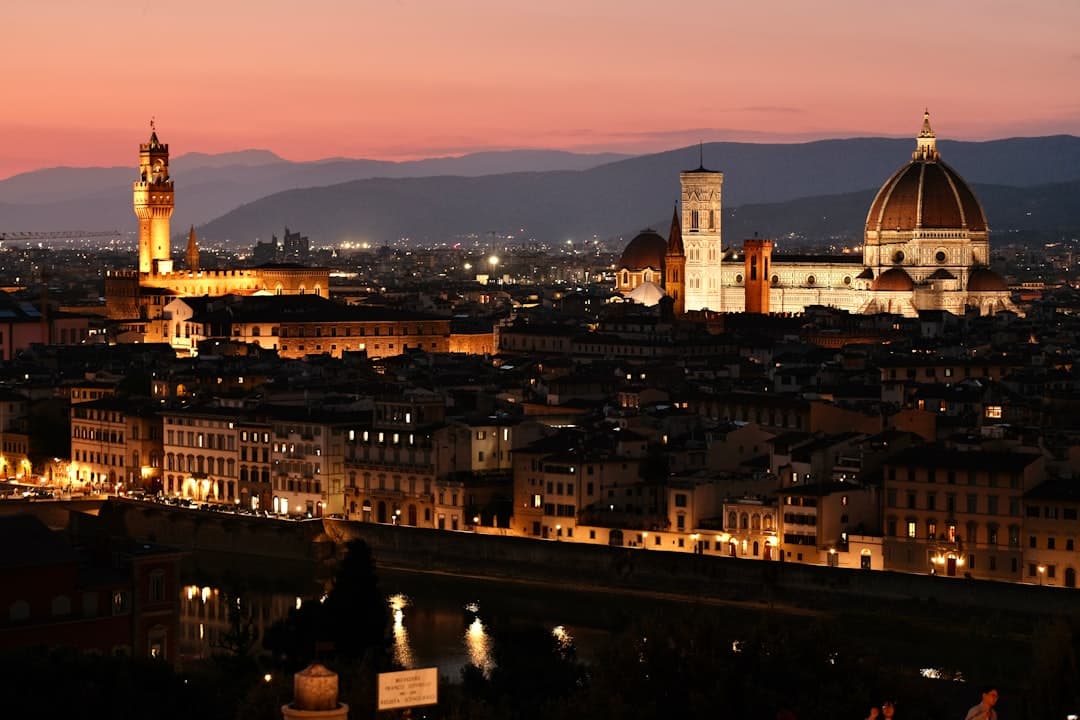
The Boboli Gardens are the sprawling outdoor masterpiece behind the Pitti Palace, the enormous Renaissance palazzo that sits just across the Arno from Florence's historic center. Created in the mid-16th century for the Medici family — the dynastic rulers who bankrolled the Renaissance — these 45 hectares of sculpted landscape were designed as a living theatre of power and beauty. They're one of the earliest and most influential examples of Italian formal garden design in Europe, and they shaped the way royal gardens were conceived from Versailles to Vienna. Walking through Boboli feels like moving through an open-air museum crossed with a hill walk. The central axis rises steeply from the palace courtyard up through an amphitheatre carved into the hillside — where the Medici once staged theatrical performances — past fountains, grottos, and hundreds of classical and Renaissance sculptures toward a panoramic terrace at the top. Along the way you'll find the Neptune Fountain, the strange and dreamlike Buontalenti Grotto with its embedded figures and faux stalactites, and the isolated Isolotto pool with its island and citrus-laden urns. The views over Florence's terracotta rooftops from the upper reaches of the garden are genuinely among the best in the city. Boboli is included in the combined Pitti Palace ticket, which covers several museums inside the palazzo itself, so it's worth planning a half-day to do both justice. The gardens are large and hilly — comfortable shoes matter more than you'd think. Early morning on weekdays is noticeably quieter than midday or weekends, and the garden's upper paths feel almost deserted even in peak season. It's one of the few truly green, open spaces in central Florence, which makes it a welcome breath of air after a morning in the city's stone streets.
Bocagrande
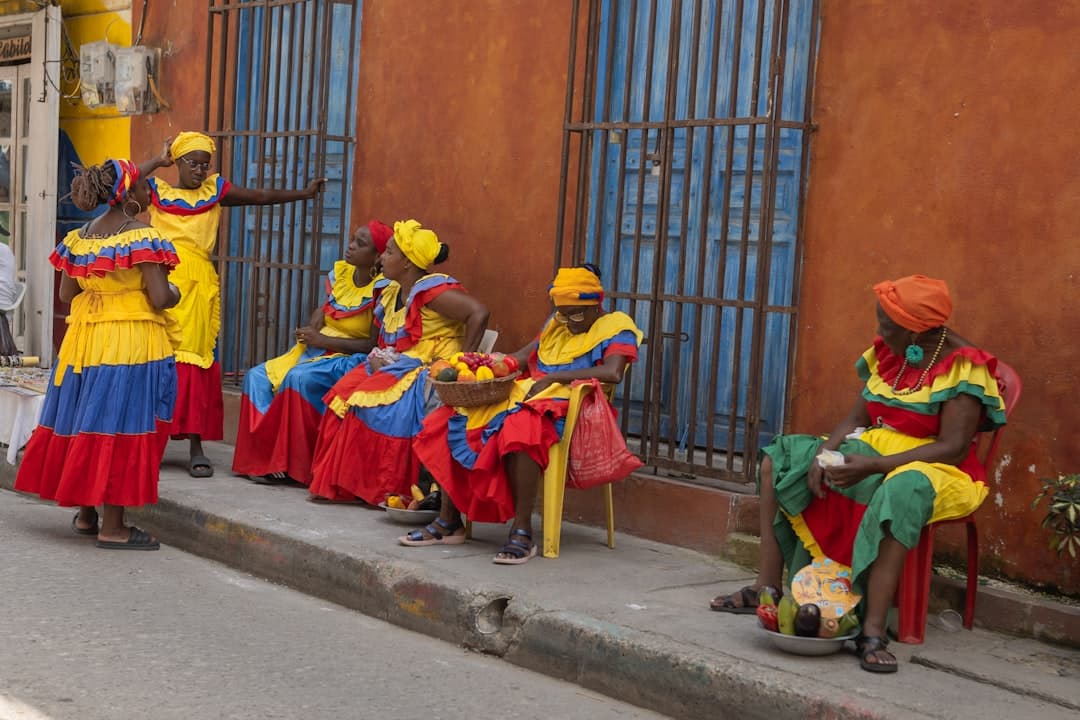
Bocagrande is Cartagena's high-rise peninsula, a narrow finger of land jutting into the Caribbean that serves as the city's main beach and commercial district. If the walled Old City is Cartagena's postcard past, Bocagrande is its present — dense with hotels, condominiums, seafood restaurants, and the kind of buzzing urban energy that draws both Colombian vacationers and international visitors looking for beach access with a city heartbeat. It sits just a short taxi ride from the historic center, making it easy to split your time between colonial cobblestones and saltwater. The beach itself stretches along the western edge of the peninsula, wide and busy with vendors selling fruit, coconut water, and fried fish. The water is warm and calm, though not particularly pristine by Caribbean standards — this is a working city beach, not a remote paradise. Avenida San Martín, the main commercial drag running through the center of the peninsula, is lined with everything from fast-food joints to upscale seafood spots. La Fragata, Cantina La 15, and a string of ceviche counters do brisk trade day and night. The evenings bring out a different crowd — Bocagrande has real nightlife, and the energy on weekends is genuinely infectious. Bocagrande is where most of Cartagena's large beach hotels are concentrated, which means it's often the base for package tourists. That can give it a slightly anonymous resort-strip feel if you're not paying attention, but dig a little deeper and you'll find neighborhood bakeries, local juice bars, and corner tiendas that remind you you're firmly in Colombia. The best strategy is to stay here for the convenience and beach access, but eat at least some of your meals in the Old City or Getsemaní.
Bocca della Verità
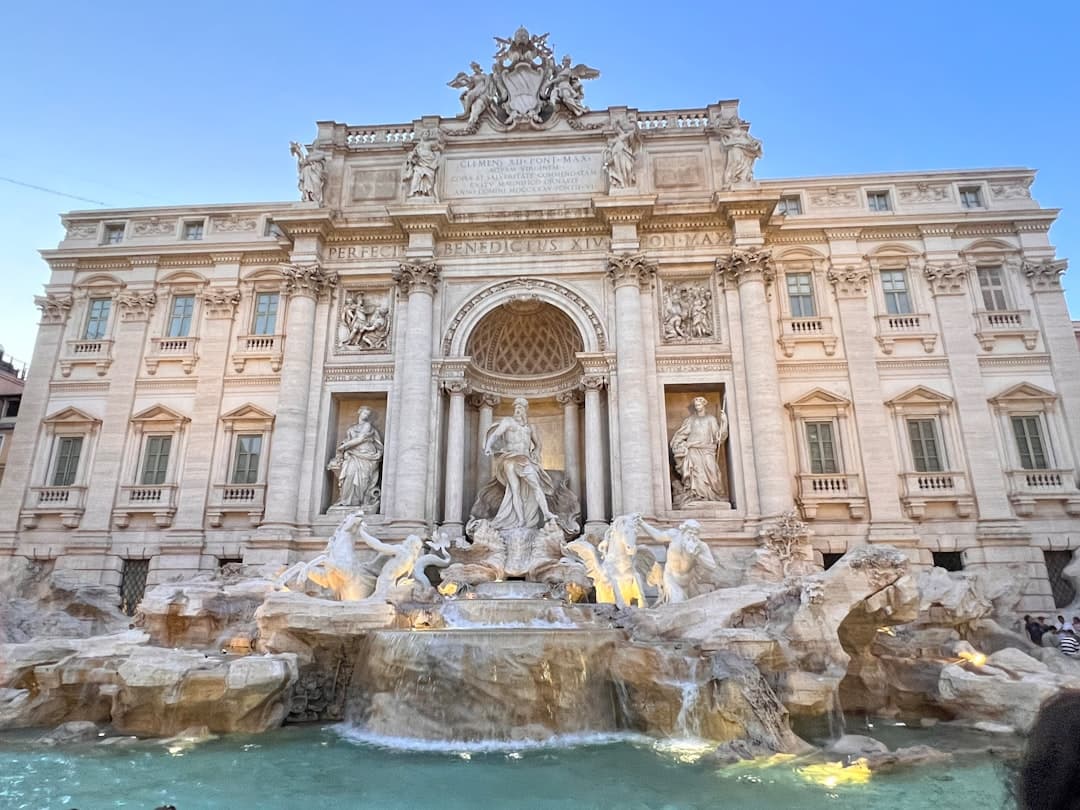
The Bocca della Verità — Italian for 'Mouth of Truth' — is a massive marble disc set into the portico wall of the medieval church of Santa Maria in Cosmedin. Carved in the 1st century AD, it likely served as an ancient drain cover or manhole for Rome's Forum Boarium, the city's old cattle market. The face depicts a river god or possibly Oceanus, with hollowed eyes, nostrils, and a gaping open mouth. By the Middle Ages, legend had taken over: it was said that anyone who told a lie while placing their hand inside the mouth would have it bitten off. That story made the stone famous across Europe, and then Audrey Hepburn and Gregory Peck made it globally iconic in the 1953 film Roman Holiday. In practice, visiting is a short, good-natured ritual. You queue beneath the church's portico, wait your turn, slide your hand into the carved mouth, and feel appropriately nervous despite knowing full well it's just marble. Most people snap a photo trying to look terrified. The whole thing takes about ten seconds. What many visitors don't do — and should — is spend a few minutes looking around. The church of Santa Maria in Cosmedin itself is one of Rome's most beautiful medieval interiors, largely untouched and free to enter. Next door, two remarkably preserved ancient Roman temples — the round Temple of Hercules and the rectangular Temple of Portunus — sit almost casually in the piazza, as if Roman architecture were no big deal. There's a small donation requested to enter the portico area (typically a euro or two). The queue can stretch significantly in peak tourist season, sometimes an hour or more. Come early in the morning or aim for the last hour before closing to find shorter waits. The surrounding Aventine and Circus Maximus area is genuinely lovely and often overlooked — it's worth pairing a visit here with a walk up to the Orange Garden on the Aventine Hill for one of Rome's best secret views of St. Peter's.

Bok Tower Gardens
Bok Tower Gardens is a National Historic Landmark sitting atop Iron Mountain near Lake Wales — at 298 feet above sea level, it's one of the highest points in Florida, which sounds modest until you're standing there looking out over a landscape of live oaks, longleaf pines, and reflecting pools with no city in sight. The centerpiece is a 205-foot Gothic and Art Deco carillon tower completed in 1929, commissioned by Dutch-American publisher Edward Bok as a gift to the American people. The gardens were designed by Frederick Law Olmsted Jr., son of the man who designed Central Park, and the whole place has this rare quality of feeling both grand and genuinely peaceful. You spend your time here wandering about 250 acres of manicured gardens and natural Florida woodland, stopping to listen when the carillon bells play — there are live recitals daily at 1pm and 3pm, and the 60-bell instrument has a sound that carries across the entire property in a way that's quietly stunning. The tower itself is sheathed in pink and gray Creagan marble and covered in carved pelicans, herons, and Florida wildlife — the decorative detail rewards a slow look. There's also Pinewood Estate, a 1930s Mediterranean Revival mansion on the grounds that you can tour separately, and a solid café and gift shop near the entrance. Bok Tower is about 55 miles southwest of Orlando, so budget for the drive — it's not a quick detour. Most visitors spend two to four hours here, though you could easily stretch it longer if you take the Pinewood Estate tour. Go on a weekday if you can; weekends bring more families and school groups. The grounds close at 6pm but the last entry is typically around 5pm, so don't cut it too close.
Bomas of Kenya
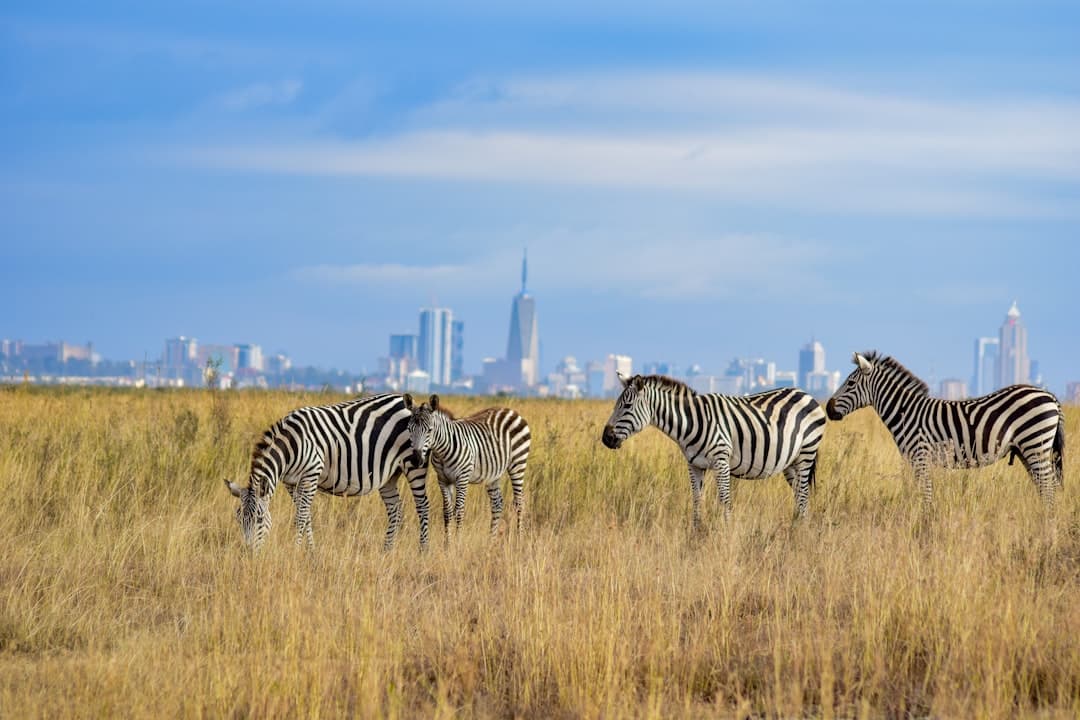
Bomas of Kenya is a living cultural centre on the southwestern edge of Nairobi, established in 1971 by the Kenyan government to preserve and celebrate the country's extraordinary ethnic diversity. The name comes from the Swahili word for homestead, and the concept is exactly that — a curated village of authentic traditional dwellings representing communities from across Kenya, from the Maasai and Kikuyu to the Luo, Samburu, Giriama, and beyond. It sits near the Nairobi National Park boundary along Langata Road, and despite being just a short drive from the city centre, it feels like a genuine step outside the urban noise. The centrepiece of a visit is the daily folklore show, staged in a large covered amphitheatre called the Harambee Theatre. Professional performers put on high-energy displays of traditional music, acrobatics, and dance from different ethnic groups — it's theatrical and polished but rooted in real tradition. Outside the theatre, you walk through the recreated homesteads at your own pace: a Maasai manyatta with its characteristic low circular walls, a Luhya compound with granaries, a Swahili-style coastal home. The craftsmanship and the contextual signage give these structures genuine weight. It's not a theme park — it's an earnest attempt to keep living culture visible. Bomas is popular with school groups and Kenyan families on weekends, which gives it an energetic, local feel that many tourist attractions lack. The folklore show typically runs in the early afternoon, so timing your visit around that is key — arriving early lets you explore the homesteads before the crowds build. Taxi and matatu connections from the city centre are easy via Langata Road. Photography is generally welcome throughout the grounds, and the gift shop near the entrance sells reasonably priced Kenyan crafts.
Bondi Beach
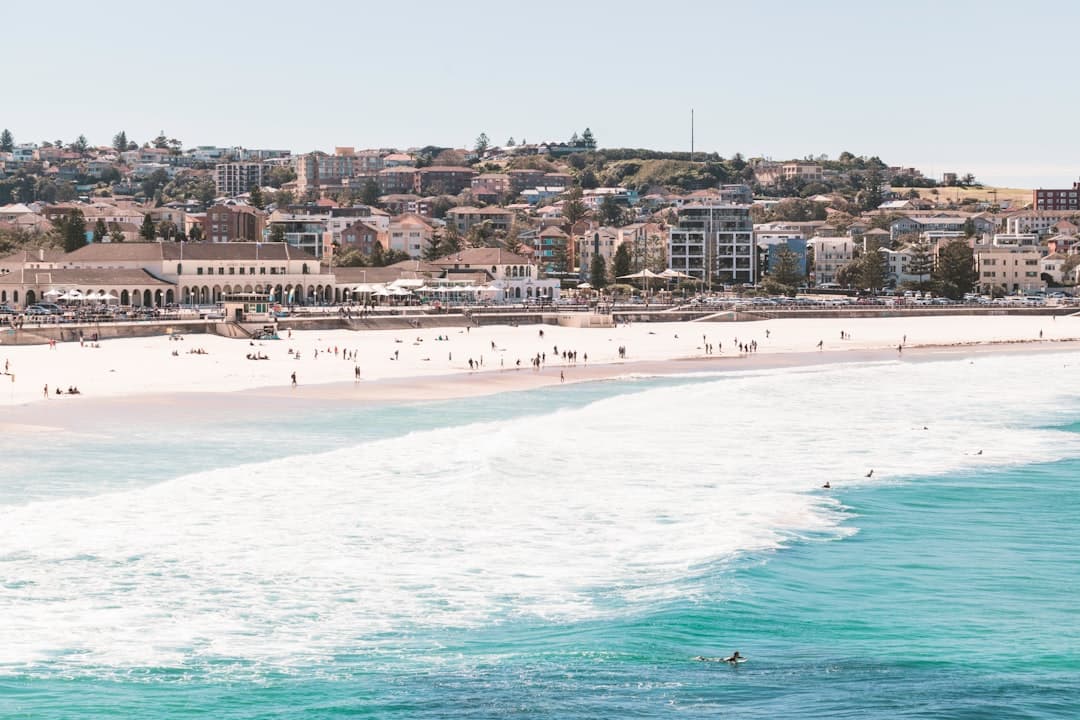
Bondi Beach is a crescent-shaped stretch of golden sand about 8 kilometres east of Sydney's CBD, and it's arguably Australia's most famous beach. The name comes from the Aboriginal word meaning 'water breaking over rocks' — fitting, given the powerful Pacific swells that roll in year-round. It's not just a beach; it's a self-contained world with its own culture, rhythms, and regulars, from serious surfers to backpackers on a pilgrimage to retirees doing their morning ocean swim. The beach itself is about one kilometre long, flanked by grassy headlands at each end. The northern end tends to attract families and calmer swimmers, while the southern end, near the famous Bondi Icebergs pool, draws surfers and a more athletic crowd. Watching the surf lifesavers — the iconic bronzed figures in red and yellow caps — conduct training drills on the sand is a quintessentially Australian experience. The Bondi to Coogee coastal walk starts from the southern headland and is one of Sydney's great free experiences, threading past sea pools, clifftop parks, and Aboriginal rock engravings over about six kilometres. Come early on a weekday if you want breathing room — summer weekends see the promenade and sand packed shoulder-to-shoulder. Campbell Parade, the main road running parallel to the beach, is lined with cafes, restaurants, and surf shops. Bill's Bondi and Icebergs Dining Room are the perennial crowd-pleasers for food, but the whole area rewards wandering. Parking is genuinely brutal in summer; the train to Bondi Junction plus the 333 bus is the stress-free move.
Borough Market
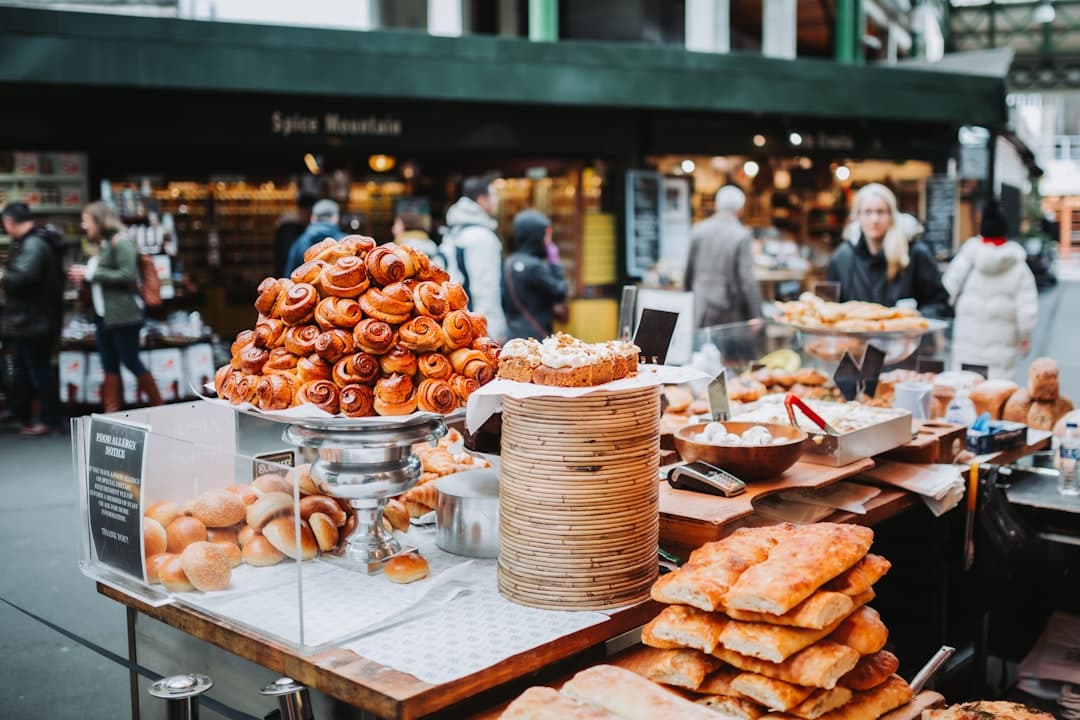
Borough Market sits beneath the Victorian railway arches just south of London Bridge and has been a trading hub on this spot since at least the 12th century — making it one of the oldest food markets in Britain. Today it's the city's most celebrated destination for quality produce, where serious food traders, award-winning cheesemongers, artisan bakers, and specialist importers set up alongside hot food stalls dishing out everything from salt beef bagels to wood-fired porchetta. It's not a tourist trap dressed up as a market — the traders here are genuinely passionate, and regulars from Bermondsey and Southwark shop alongside visitors from around the world. The experience is sensory and delicious chaos. You wander between stalls under the iron-and-glass canopy, sampling unpasteurised cheese from Neal's Yard Dairy, picking up a bag of Ethiopian coffee from Monmouth, and eventually capitulating to a pulled pork bap from Roast or a chunk of paella from one of the open-air stalls on Borough Market Square. The covered market holds the more permanent traders — charcuterie, game, heritage vegetables, fresh pasta — while the outdoor sections get livelier with street food on Fridays and Saturdays. On a busy Saturday morning it can feel like the whole city has turned up hungry. Come on a weekday if you want to actually taste things and talk to traders without being jostled. Friday afternoons are a good middle ground — busier than midweek but more atmospheric, with the post-work crowd filtering in. Saturday is the full experience but requires patience. The market is closed Mondays. Arrive before noon if you're going on a Saturday. The pubs and restaurants immediately around the market — particularly The Rake for craft beer — are worth factoring into your visit.
Bosphorus Cruise
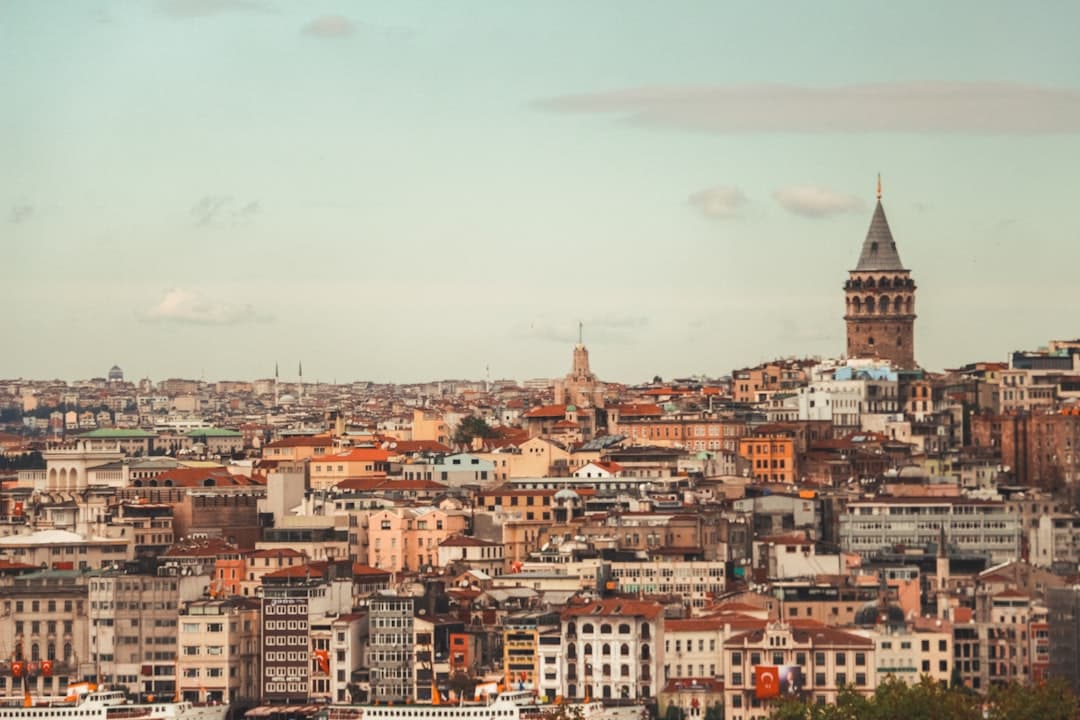
The Bosphorus is the narrow strait that splits Istanbul — and technically the entire world — into Europe and Asia. It's one of the most strategically important waterways on the planet, connecting the Black Sea to the Sea of Marmara, and for millennia it determined who controlled trade between east and west. A cruise along it is the single best way to understand Istanbul's geography, scale, and layered history all at once, because the city doesn't reveal itself from its streets the way it does from the water. On a typical cruise, you drift past a jaw-dropping sequence of landmarks: the Topkapi Palace grounds tumbling toward the shore, the elegant 19th-century Dolmabahçe Palace with its 600-meter waterfront façade, the two great Ottoman suspension bridges linking continents, and a string of yalıs — the grand timber waterfront mansions that were once the summer retreats of the Ottoman elite. Fortresses appear on both banks: Rumeli Hisarı on the European side and Anadolu Hisarı on the Asian side, built by Mehmed II in 1452 to choke off Byzantine supply lines before the final conquest of Constantinople. Fishing villages give way to gleaming neighborhoods and back again. The Asian shore feels noticeably calmer and greener than the European side. Cruises run in several formats: the official Şehir Hatları public ferry does a long round-trip up to Anadolu Kavağı village at the mouth of the Black Sea — affordable, slow, and beloved by locals — while countless private operators run shorter 1.5-to-2-hour loops from Eminönü and Karaköy. The public ferry is the insider choice if you have time; it stops at multiple villages, lets you disembark for lunch, and costs a fraction of the tourist boats. Sunset and evening cruises are widely available and genuinely romantic, but the daytime light is better for seeing the landmarks clearly.
Boston Common
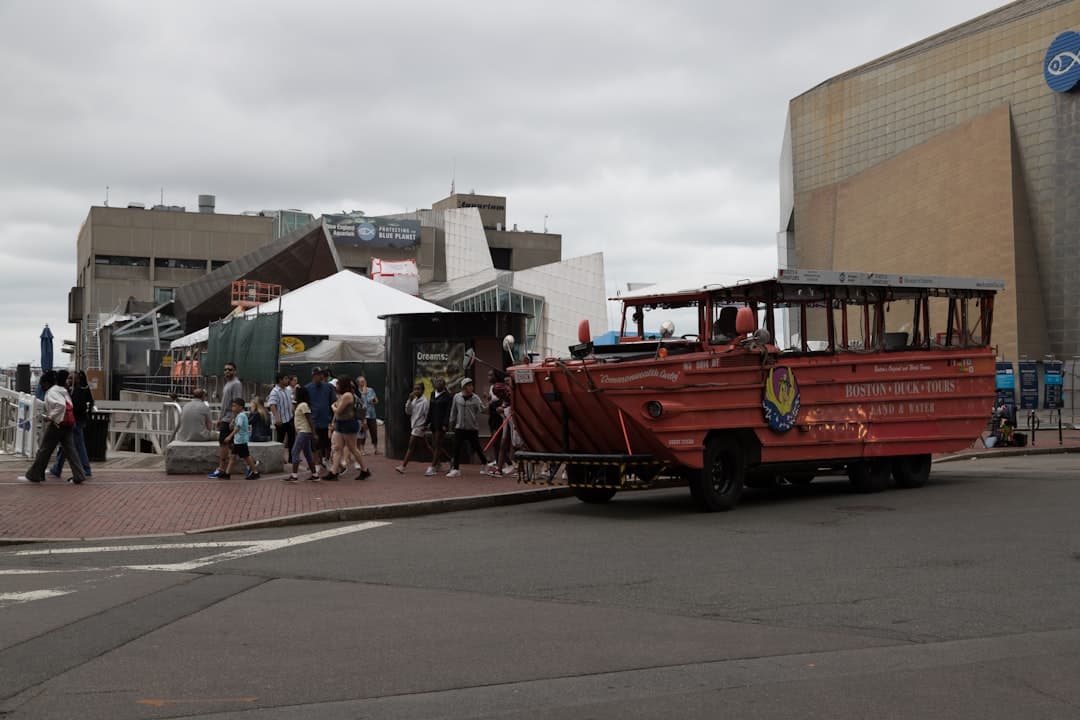
Boston Common is a 50-acre urban park in the center of the city, established in 1634 — making it the oldest public park in the United States. Originally used as a common pasture for livestock and a training ground for militia, it has been a gathering place for Bostonians through every chapter of American history, from Revolutionary-era protests to Martin Luther King Jr. delivering speeches here in 1965. Today it functions as the city's front lawn: open to everyone, endlessly busy, and genuinely central to understanding Boston. Walking through the Common, you'll pass the Frog Pond — a beloved landmark that becomes a spray pool for kids in summer and a skating rink in winter — along with the Civil War-era Soldiers and Sailors Monument, shaded elm-lined paths, and a perpetual stream of Bostonians on lunch breaks, joggers, students, and tourists. The park connects directly to the Public Garden on its west side (look for the famous Make Way for Ducklings statues just across the border), and it's the official starting point of the Freedom Trail, the 2.5-mile red-brick route that winds through 16 historic sites across the city. The park is free and always busy, which is part of the point. It's best experienced as a connector — a place to orient yourself before exploring Beacon Hill to the north, Downtown Crossing to the east, or the Back Bay beyond the Public Garden. On summer weekends, free Shakespeare on the Common performances take over the park; in December, the tree lighting and holiday market draw big crowds. The MBTA's Boylston and Park Street stations sit right on its edge, making it one of the easiest spots in the city to reach.
Boston Public Garden
The Boston Public Garden is a 24-acre formal garden sitting right at the heart of the city, adjacent to Boston Common. Opened in 1837, it was the first public botanical garden in the United States — a deliberate, designed landscape of curved pathways, flowering beds, weeping willows, and a central lagoon. It sits at the edge of Beacon Hill and Back Bay, making it one of the most accessible green spaces in any American city, and it has been a genuine gathering place for Bostonians for nearly two centuries. The experience is quietly lovely. You walk under canopies of weeping willows that trail into the lagoon, past beds of tulips in spring or dahlias in summer, and around a parade of bronze statues — most famously the beloved Make Way for Ducklings sculpture near the Charles Street entrance, based on Robert McCloskey's classic children's book. The Swan Boats, operated by the Paget family since 1877, pedal slowly across the lagoon from April through September and are genuinely worth a ride, not just for children. The garden's formal layout means there's always something blooming somewhere, and the seasonal plantings are taken seriously by the city's parks department. The garden is free and open year-round, though the Swan Boats and peak flower displays are a spring and summer affair. Early mornings on weekdays are the best time to visit — the light on the lagoon is beautiful, the crowds are thin, and the place feels like it belongs entirely to you and the ducks. On weekends in summer it fills up fast, especially near the duckling statues. It's small enough to wander without a plan but rich enough to reward time spent lingering.
Botanical Garden of Medellín
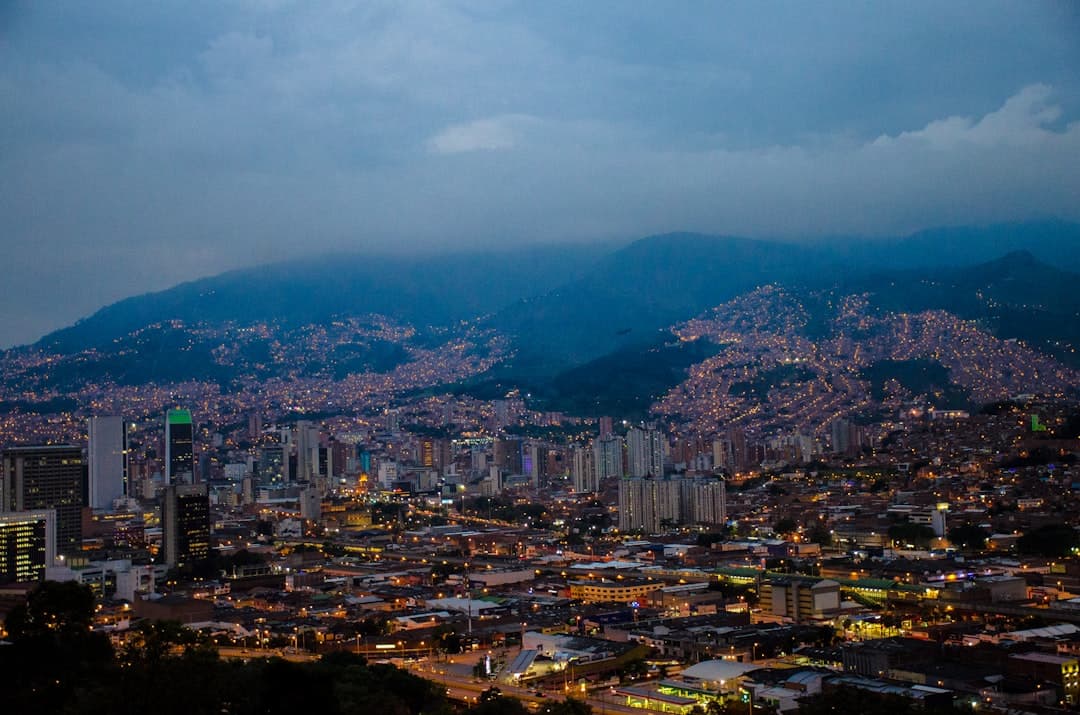
The Botanical Garden of Medellín — officially the Jardín Botánico Joaquín Antonio Uribe — is a 14-hectare green refuge sitting in the heart of a city that has reinvented itself more dramatically than almost anywhere on earth. Founded in 1972 and named after a pioneering 19th-century Colombian botanist, it protects and displays thousands of plant species native to Colombia and the wider tropics, with a particular emphasis on orchids — the national flower. Admission is free, which makes it one of the great civic gifts in a city full of them. The garden's centerpiece is the Orquideorama, an extraordinary open-air structure completed in 2006 by the Medellín firm Plan B Arquitectos. Its hexagonal wooden canopy modules — designed to look like flowers and trees from below — shelter an ever-changing display of orchids beneath a dappled lattice of light. Beyond the Orquideorama, you'll wander through a rosarium, a medicinal plant garden, a pond with native aquatic species, and patches of secondary forest dense enough to feel genuinely wild. The butterfly house and the arboretum of native Colombian trees round out the experience. Most people spend two to three hours here without noticing the time pass. Because entry is free and the garden sits near the Universidad de Antioquia metro stop, it draws a wonderfully mixed crowd — families on weekends, university students reading under the canopy on weekdays, birders with binoculars at opening time. The weekend also brings a popular organic farmers' market at the main entrance. Come Tuesday through Friday morning for the quietest experience, and don't skip the small café near the central pond — it's a perfectly decent spot for a tinto and a moment of stillness before heading back into the city.
Botero Museum
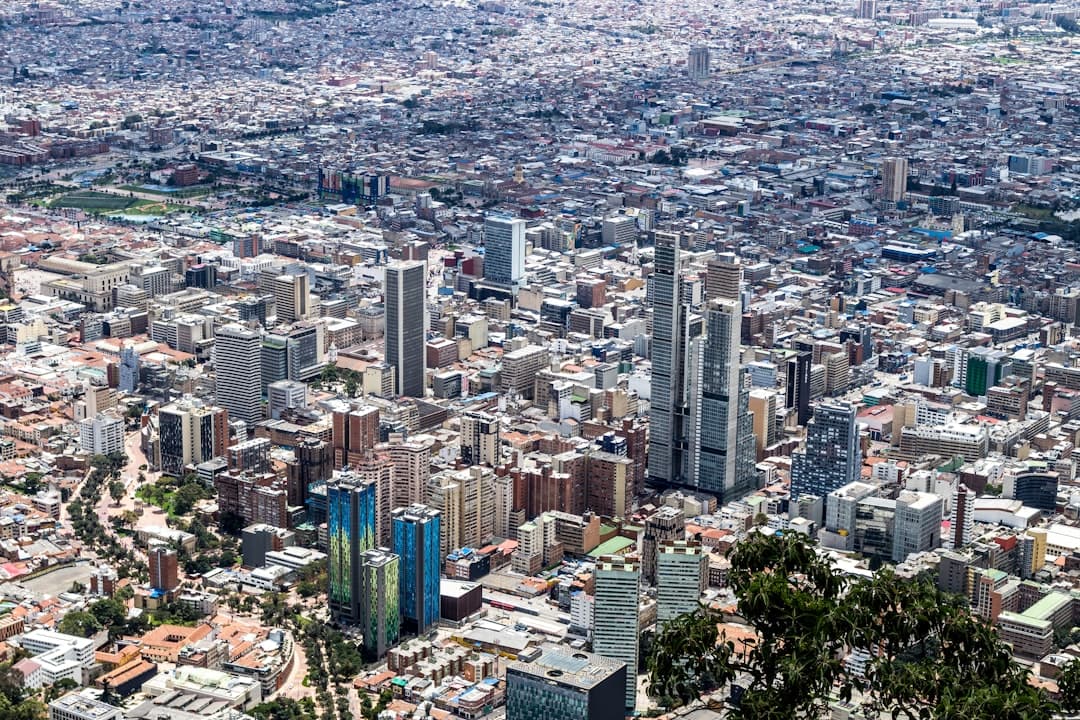
The Museo Botero sits in the heart of La Candelaria, Bogotá's historic colonial district, inside a beautifully restored 18th-century mansion. It houses the permanent collection donated by Fernando Botero — the Colombian artist and sculptor famous worldwide for his distinctively voluminous, exaggerated figures — along with an extraordinary secondary collection of European masters he personally assembled over decades. Entry is completely free, which makes it one of the best-value art experiences anywhere in the Americas. Inside, you'll move through sun-drenched courtyards and interconnected colonial rooms filled with Botero's own paintings and bronzes, including his iconic rotund figures rendered in vivid color and with a warmth that's surprisingly approachable even if you've never set foot in a gallery before. But the real revelation for many visitors is the European collection: Botero donated works by Picasso, Dalí, Renoir, Monet, Degas, and others — pieces of genuine museum-caliber quality that would headline collections in Paris or New York. It's an unexpected depth for a free museum in South America. The museum is run by the Banco de la República and tends to be well-maintained and uncrowded compared to major European or North American institutions. It pairs naturally with the adjacent Museo de Arte del Banco de la República and the Gold Museum (Museo del Oro) nearby, making La Candelaria an easy half-day cultural circuit. Go on a weekday morning to have the rooms nearly to yourself.
Boudhanath Stupa
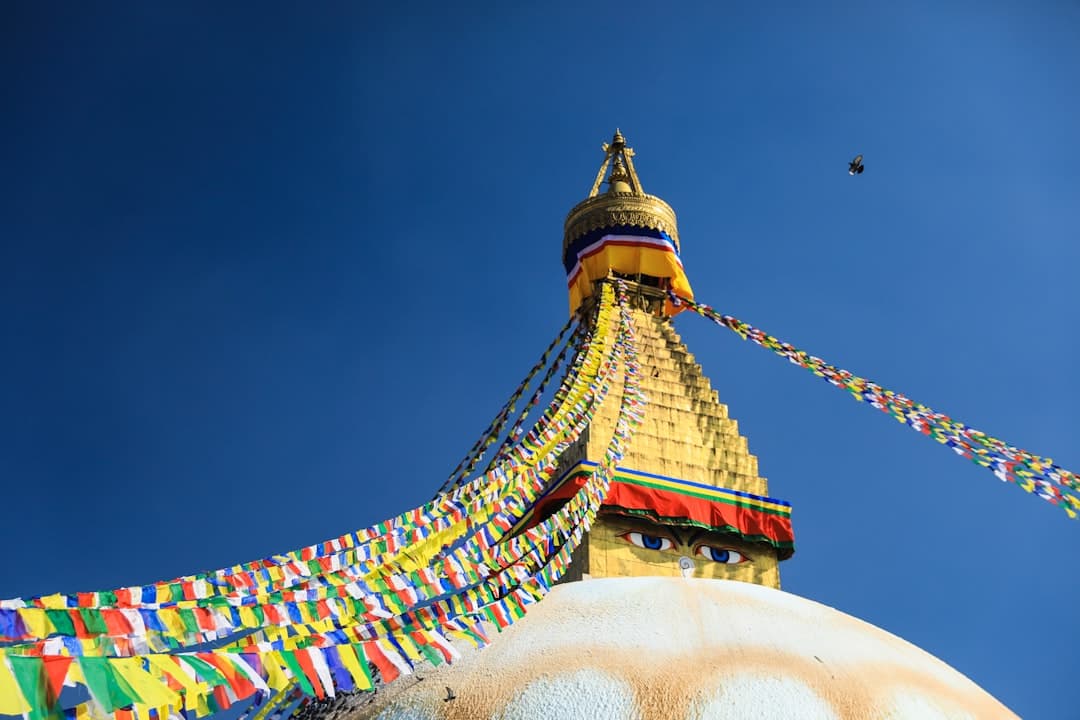
Boudhanath is a massive, ancient stupa — essentially a dome-shaped Buddhist monument — located about 11 kilometers northeast of central Kathmandu. At roughly 36 meters tall with a base circumference of around 100 meters, it's one of the largest stupas in the world, and it has been a center of Tibetan Buddhist worship and pilgrimage for centuries. UNESCO added it to the World Heritage list in 1979, but that designation doesn't really capture what makes it special: this is a place where religion is alive, not preserved. Thousands of pilgrims, monks, and local Newar and Tibetan residents come here every day to pray. The experience of visiting Boudhanath is anchored by the kora — the ritual circumambulation of the stupa. You join the clockwise stream of pilgrims walking around the base, past hundreds of spinning prayer wheels, butter lamps flickering in small shrines, and the constant murmur of mantras. The stupa's eyes — those iconic painted eyes on the square harmika near the top — seem to watch you from every angle. The surrounding plaza is ringed by monasteries and painted buildings housing thangka shops, cafes, and small restaurants, many of them frequented by the large Tibetan exile community that has made Boudhanath its spiritual home since the 1950s. The stupa is technically open around the clock, but the most atmospheric times are early morning (from around 6am) when devotees gather at dawn with butter lamps and incense, and again at dusk when the kora fills up again and the light turns golden. There's an entrance fee for foreign visitors — around 400 NPR as of recent years — collected at a booth near the main entrance. The rooftop cafes and restaurants encircling the plaza are an excellent place to sit with a Nepali tea or a coffee and simply watch the ritual life below; Stupa View Restaurant and several others offer decent food with genuinely extraordinary views of the stupa dome.
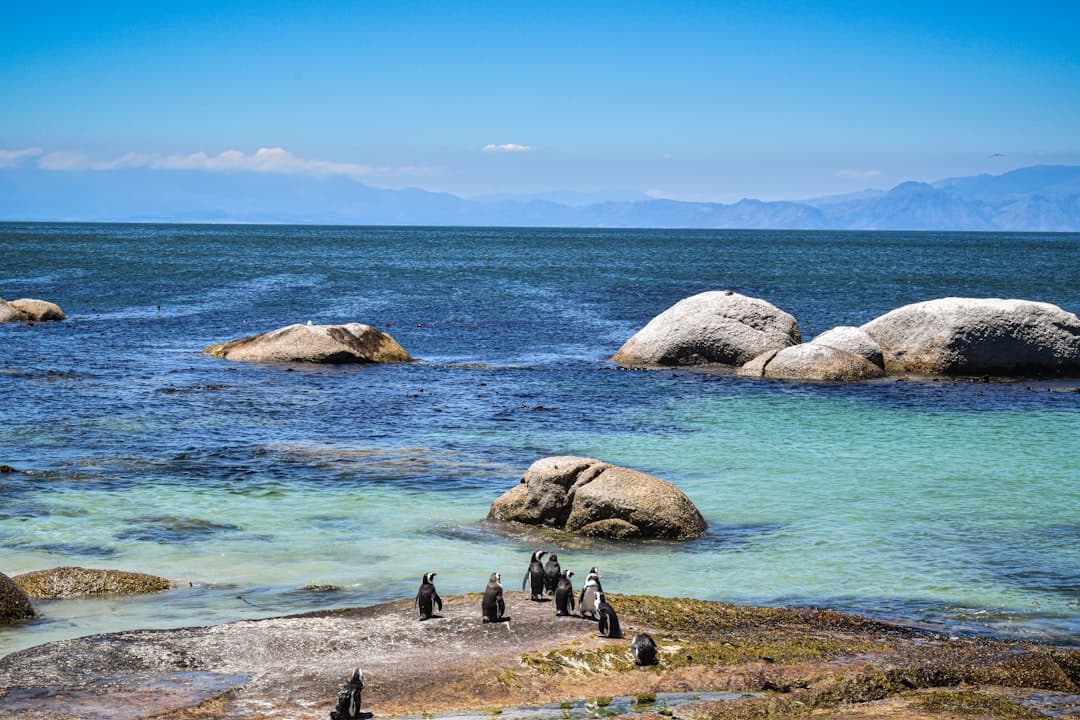
Boulders Beach Penguins
Boulders Beach is a small, sheltered cove near the historic naval town of Simon's Town, about 40 kilometres south of Cape Town along the False Bay coastline. It's home to one of the world's most accessible colonies of African penguins — a species that was once in serious decline and is now classified as endangered. The colony at Boulders established itself naturally in 1982 when just two breeding pairs arrived, and it has since grown to several thousand birds. The site is managed by South African National Parks (SANParks) as part of the Table Mountain National Park, which keeps things orderly without stripping away the wildness. You access the colony via a network of raised wooden boardwalks that wind through the coastal fynbos and beach scrub, bringing you eye-level with penguins going about their business — waddling, squabbling, incubating eggs, and occasionally staring you down with a look of profound indifference. The beach itself, hemmed in by giant smooth granite boulders, is calm and swimmable, and penguins share the sand with actual beachgoers. There are two main viewing areas: the boardwalk section at Foxy Beach gives you the densest penguin views without setting foot on the sand, while the Boulders Beach entrance lets you swim alongside the birds in the shallows. Arrive early — before 9am if you can — to beat tour groups from Cape Town who typically arrive mid-morning. The drive down from the city along the M3 and M4 through Muizenberg and Fish Hoek is scenic and takes around 45 minutes. There's paid parking near both entrances, and the Simon's Town train from Cape Town's central station is a genuinely pleasant and cheap alternative that drops you a short walk from the site.
Brandenburg Gate
The Brandenburg Gate is Berlin's most iconic structure and one of the most historically loaded monuments in Europe. Built between 1788 and 1791 by architect Carl Gotthard Langhans, it was commissioned by Prussian King Frederick William II as a symbol of peace — a grand neoclassical triumphal arch topped by the Quadriga, a bronze chariot driven by the goddess of victory. For most of the Cold War, it stood stranded in no-man's land between East and West Berlin, visible from both sides but accessible to neither. When the Wall fell in November 1989, the Brandenburg Gate became the image the world saw — crowds surging around it, a city reuniting. That weight of meaning is still very much present when you stand in front of it. Today the gate stands at the western end of Unter den Linden boulevard, at the edge of Pariser Platz — a grand square that has been rebuilt and polished since reunification and is now flanked by the sleek Hotel Adlon, the US Embassy, and various bank headquarters. You walk through the gate's five passageways (only royalty used the central one historically), take in the Quadriga up close, and then turn around to look east down Unter den Linden or west into the Tiergarten. There's no interior to enter — the gate itself is the experience — but the surrounding area rewards time. The Memorial to the Murdered Jews of Europe is a five-minute walk south, and the Reichstag building is right around the corner to the north. The square gets very crowded midday, especially in summer — tour groups, selfie sticks, and souvenir vendors are all part of the reality. Come early morning, ideally just after sunrise, and the gate takes on a completely different character: quiet, monumental, genuinely moving. At night, the gate is beautifully lit and the crowds thin out considerably after 9 or 10pm, making it one of the best times for photographs. There's no entry fee, no ticket, no queue — just show up.