
All Places
1,073 places around the world
1,073 places · page 6 of 45
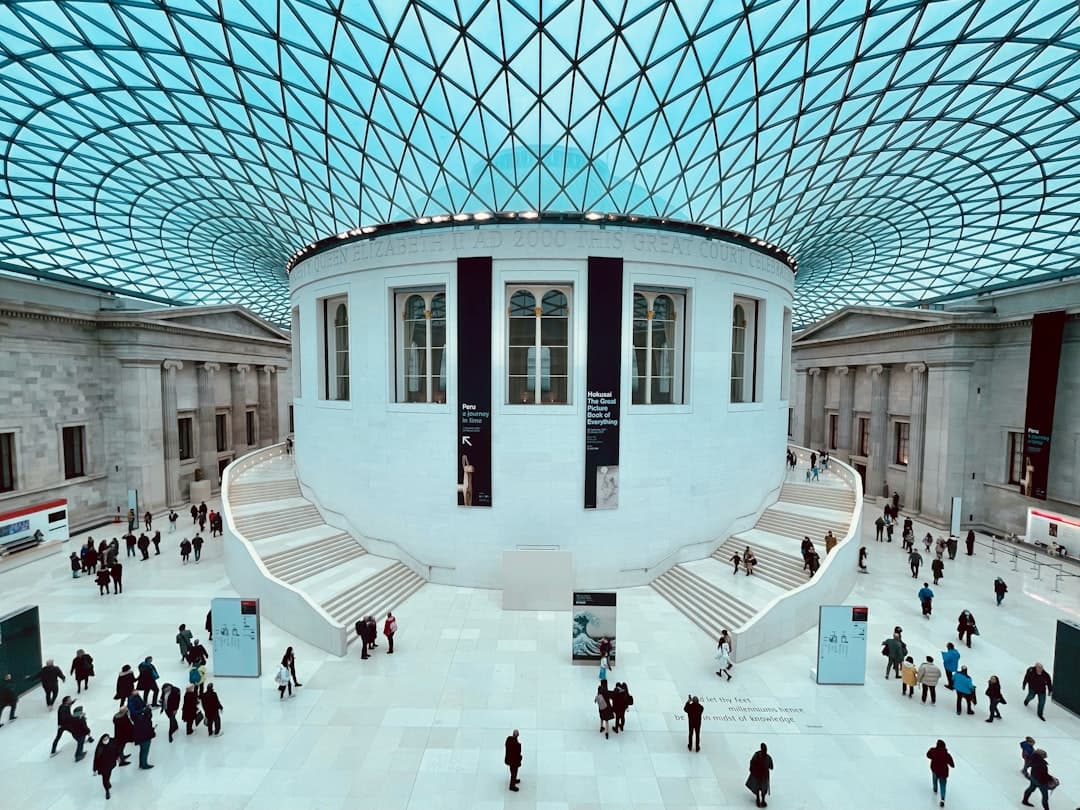
British Museum
The British Museum is one of the world's oldest and largest public museums, founded in 1753 and housed in a magnificent neoclassical building in central London. It holds a permanent collection of around eight million works spanning every continent and nearly every era of human civilisation — from ancient Egypt and Greece to Mesopotamia, Africa, Asia, and the Americas. Admission to the permanent collection is free, which makes it one of the most extraordinary free cultural experiences anywhere on earth. In practice, a visit means choosing your battles. The Egyptian galleries are the perennial draw — the Rosetta Stone sits in Room 4, usually surrounded by visitors jostling for photos, and the mummy collection nearby is genuinely remarkable. The Elgin Marbles (displayed as the Parthenon sculptures) in Room 18 are among the most debated objects in the museum world, carved for the Athenian Parthenon in the 5th century BC. The Lewis Chessmen, the Sutton Hoo helmet, the Lindow Man, the Warren Cup — the hits just keep coming. The 2000 Great Court, designed by Norman Foster, is a stunning glass-roofed atrium wrapping around the original Reading Room and worth seeing in its own right. Friday evenings are the insider move — the museum stays open until 8:30pm and the crowds thin dramatically after 5pm. The permanent collection is free but ticketed temporary exhibitions cost extra and often require booking well in advance. The museum's café options are fine but unremarkable; Bloomsbury has excellent cafés and restaurants a short walk away, which is where you should eat.
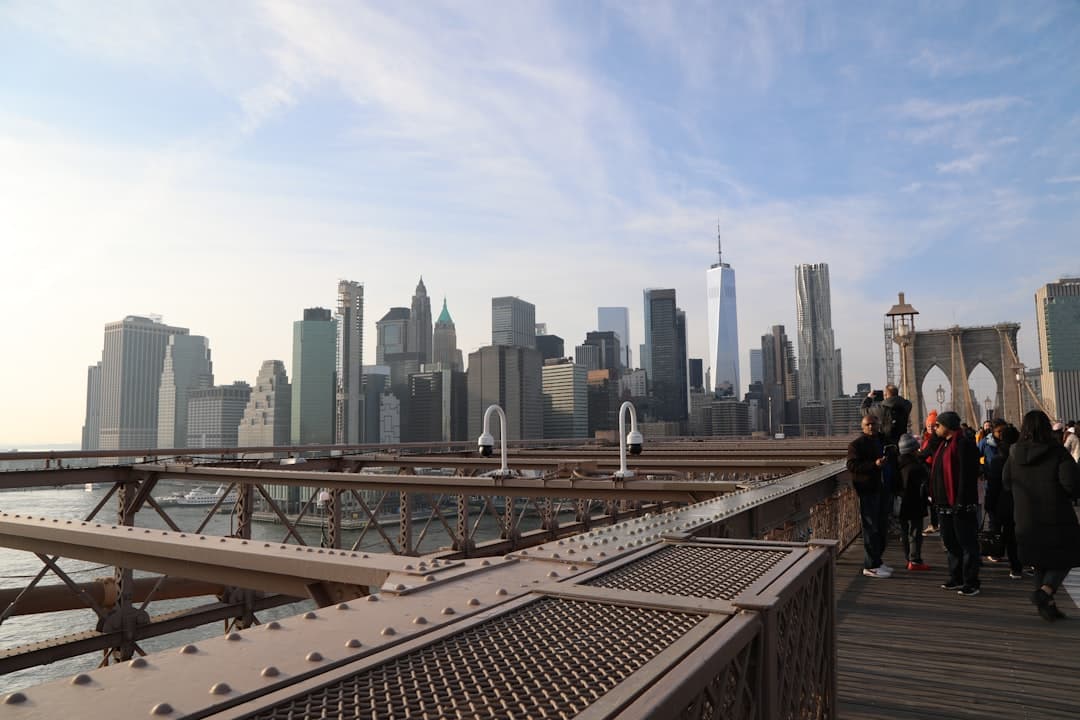
Brooklyn Bridge
The Brooklyn Bridge connects the boroughs of Manhattan and Brooklyn across the East River, and when it opened in 1884 it was the longest suspension bridge in the world. Designed by John Roebling — who died before construction finished — and completed under his son Washington Roebling, it took 14 years to build and cost the lives of more than two dozen workers. For New Yorkers it's a daily commuter crossing; for everyone else it's one of the most recognizable and emotionally resonant pieces of engineering on earth. The experience is straightforward: you walk or bike across. The dedicated pedestrian and cyclist path runs elevated above the vehicle lanes, and the roughly 1.1-mile crossing takes you through a Gothic archway of stone towers, past the web of steel cables that give the bridge its iconic silhouette, and delivers you to sweeping views of lower Manhattan's skyline, the Statue of Liberty in the distance, and the Brooklyn waterfront. On clear days the panoramas in both directions are genuinely breathtaking. Most people start from the Manhattan side at City Hall Park and walk toward Brooklyn, where you arrive in DUMBO — one of the city's most photogenic neighborhoods. The bridge is free, open 24 hours, and needs no reservation. That said, the midday window on summer weekends is genuinely crowded — tour groups, cyclists, and pedestrians jostling for the same narrow path. Early morning is the insider play: the light is better, the crowds are thinner, and the whole crossing feels like it belongs to you. If you want the classic DUMBO photograph of the bridge framed between buildings on Washington Street, build in time for that after you cross.
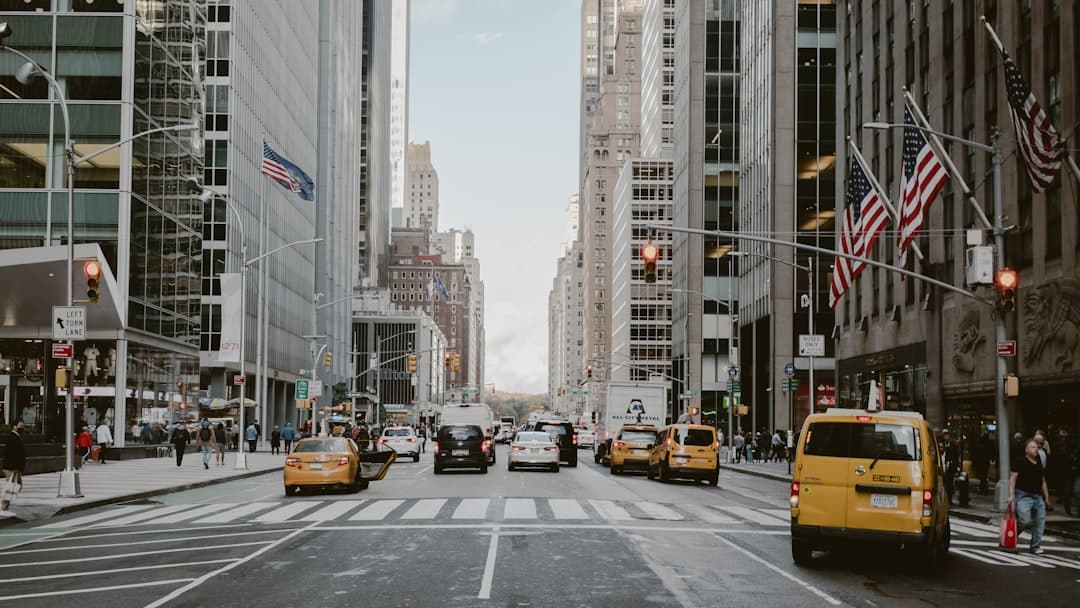
Brooklyn Museum
The Brooklyn Museum is one of the largest art museums in the United States, housed in a stunning Beaux-Arts building at the edge of Prospect Park. Founded in 1895, it holds a permanent collection of roughly 150,000 objects spanning 5,000 years — from ancient Egyptian artifacts to contemporary paintings — and has long positioned itself as a more accessible, community-rooted alternative to Manhattan's mega-institutions. It's not a consolation prize for missing the Met; it's a destination in its own right. Inside, you'll move through wildly different worlds: the Egyptian collection is among the finest outside Cairo, with mummies, canopic jars, and temple reliefs displayed with real scholarly depth. The American art galleries are excellent, the African art collection is vast and thoughtfully curated, and the feminist art collection — anchored by Judy Chicago's monumental installation The Dinner Party — is unlike anything else in the city. Special exhibitions are consistently ambitious, drawing major contemporary artists and traveling shows that would be at home in any world-class institution. The museum is a five-minute walk from Prospect Park and sits on Eastern Parkway, one of the grand boulevards of Crown Heights and Prospect Heights. On the first Saturday of every month (excluding September), the museum stays open until 11pm and hosts free evening events with live music, DJs, food, and bar service — a beloved Brooklyn institution in itself. General admission is pay-what-you-wish for New York State residents, and even for out-of-towners, it's considerably cheaper than the Met.
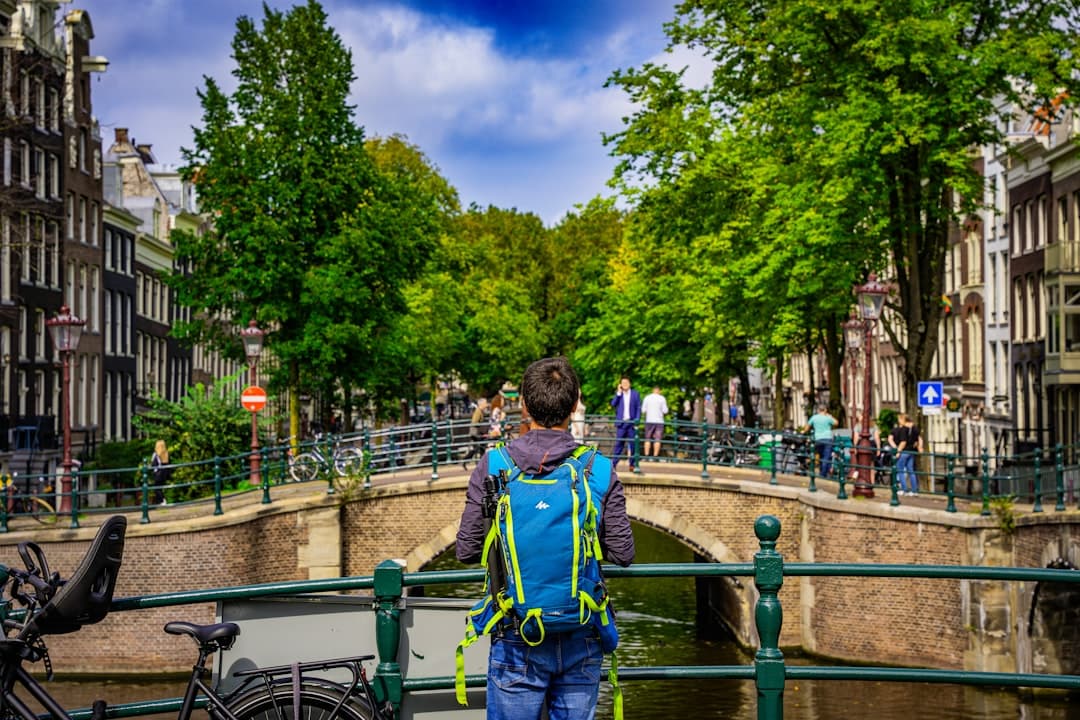
Brouwerij 't IJ
Brouwerij 't IJ is a craft brewery that has been operating inside De Gooyer windmill — one of Amsterdam's best-preserved wooden windmills — since 1985, making it one of the oldest craft breweries in the Netherlands. It sits in the eastern Plantagebuurt neighborhood, a part of the city that sees far more locals than tourists, and the combination of genuinely good beer and an extraordinary architectural setting has made it a beloved institution rather than a novelty act. In practice, visiting means ordering at the bar inside the windmill's base — a snug, wood-heavy taproom — or grabbing a beer and heading outside to sit on the terrace along the Funen canal. The beer list leans Dutch-Belgian in style: malty dubbels, spiced tripels, and strong golden ales. The flagship Zatte (a tripel, around 8%) and Natte (a dubbel) are the ones to know, but rotating seasonal taps keep things interesting for regulars. There's no food beyond bar snacks, but the atmosphere — windmill looming overhead, cyclists drifting past, locals deep in conversation — is the point. Brewery tours run on weekends and give you access to the production floor and the windmill interior itself, which is well worth the small fee. The taproom opens at 2pm on weekdays and noon on weekends. It gets genuinely busy on sunny afternoons when the canal-side terrace fills up, so arriving early or on a weekday gives you a more relaxed experience. Cash and card are both accepted, and the staff tend to be knowledgeable and happy to recommend.
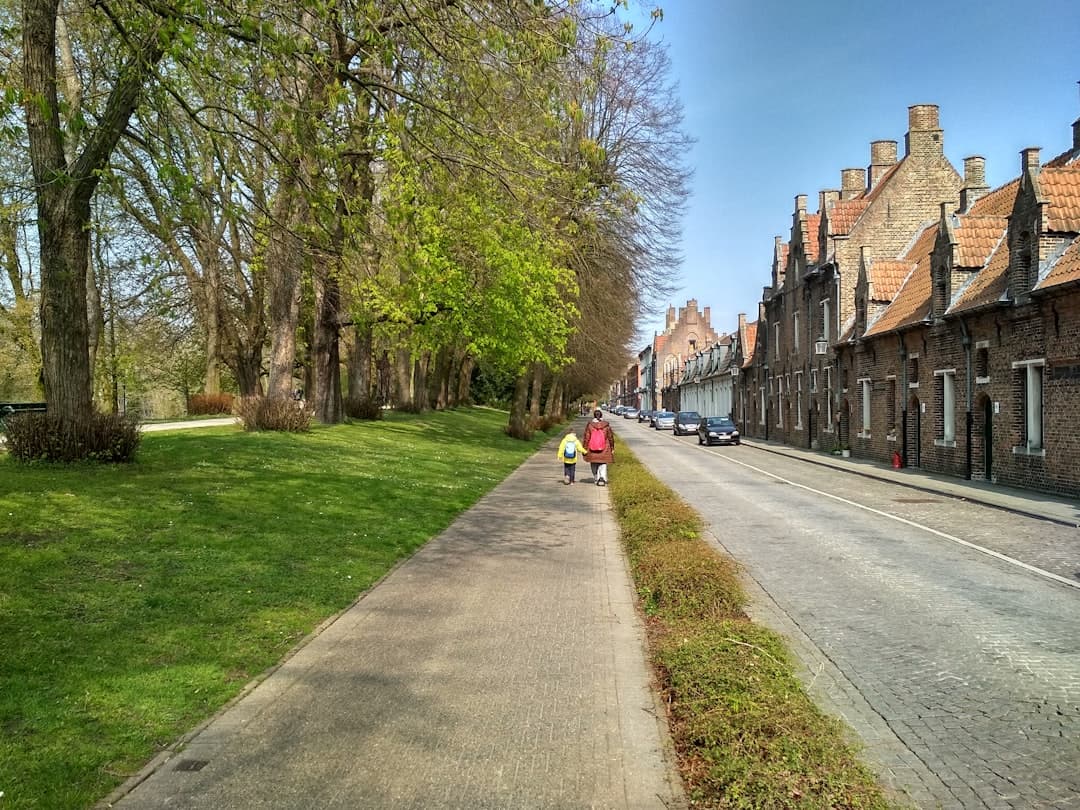
Bruges Canal
The canals of Bruges — locally called reien — are the veins of one of Europe's best-preserved medieval cities. Bruges built its fortune in the 13th and 14th centuries as a leading trading hub of the Hanseatic League, and its waterways were the arteries of that commerce, connecting the city to the sea and to merchants from across Europe. When trade eventually shifted to Antwerp, Bruges was essentially frozen in time, and those same canals survived largely intact. Today they wind through a city of step-gabled guildhalls, stone bridges, and weeping willows, offering one of the most cinematic urban landscapes on the continent. The main experience here is simply being beside the water — or better yet, on it. Boat tours depart regularly from several jetties around the city center, particularly near the Dijver and Rozenhoedkaai, and give you an entirely different perspective on the medieval architecture that lines the banks. The Rozenhoedkaai — the quay of the rosary — is arguably the most photographed corner in Belgium, where a bend in the canal frames the Belfort tower with willow branches overhead. On foot, the towpaths and canal-side streets like Groenerei and Langerei take you past belfries, almshouses, and small stone bridges into quieter residential neighborhoods where tourists rarely venture. The canal identified by this address connects Bruges to Ostend and the coast, which gives it a slightly different, less-touristed character than the inner-city waterways — wider, calmer, and without the boat-tour traffic. For the classic canal experience in the historic core, head to Rozenhoedkaai or the Minnewater (the Lake of Love) in the south of the city. Go in the early morning if you can — the light is extraordinary, the crowds haven't arrived, and the reflections on the water are at their sharpest.
Bruges City Hall
The Bruges City Hall, or Stadhuis, is one of the oldest and most beautiful Gothic town halls in the whole of the Low Countries. Built between 1376 and 1420, it sits on the Burg — the ancient civic square at the very core of Bruges — and its ornate sandstone façade, bristling with pointed arches and niched statues, looks almost impossibly preserved for a building of its age. This was the seat of municipal power in a city that, during the medieval period, was one of the wealthiest trading hubs in all of Europe. It matters not just as eye candy, but as a living document of a city at the height of its ambition. Inside, the showpiece is the Gothic Hall on the upper floor — a breathtaking vaulted chamber with a soaring polychrome wooden ceiling dating from 1402, decorated with scenes from the New Testament and the history of Bruges. Wall-mounted murals painted in the late 19th century add another layer of civic pride. A smaller adjoining room, the Historical Room, displays maps, documents, and paintings that trace the city's remarkable medieval past. The experience is genuinely absorbing rather than dry — the ceiling alone is worth the modest admission price. The Stadhuis shares the Burg with other significant buildings, so it rewards combining with a slow exploration of the square itself. Admission is joint with the nearby Liberty of Bruges museum, which makes the ticket feel like good value. Arrive early in the morning to beat the tour groups that descend on the Burg by mid-morning, and take a moment to stand in the Gothic Hall in relative quiet — it's one of those spaces that genuinely stops you mid-step.
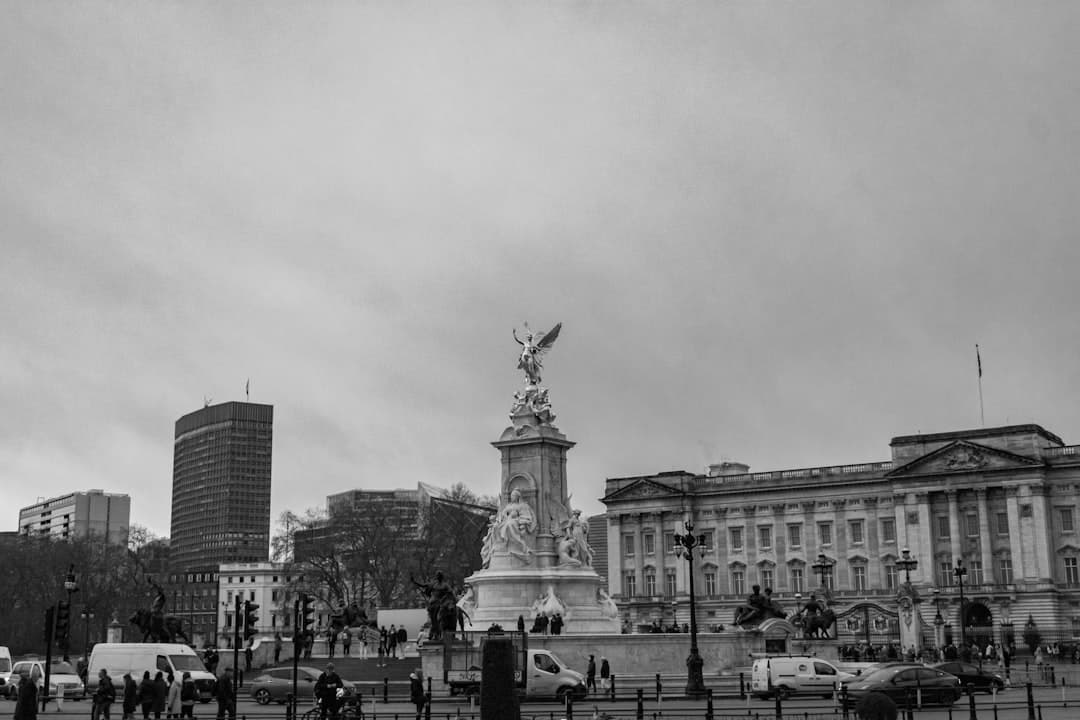
Buckingham Palace
Buckingham Palace is the official London residence and administrative headquarters of the British monarch — currently King Charles III. Built on the site of a townhouse acquired by the Duke of Buckingham in 1703, it was transformed into a palace for George III and then extensively remodelled by John Nash under George IV. Today it serves as the backdrop for some of Britain's most recognisable ceremonies and the focal point of national moments, from coronations to VE Day celebrations. It's not just a building — it's the physical centre of the British royal story. For most of the year, the experience is largely external: watching the Changing of the Guard ceremony on the forecourt (one of the most choreographed pieces of military theatre you'll ever see), photographing the famous facade from the Victoria Memorial, and wandering the surrounding St. James's Park. But in summer — typically late July through September — the palace opens its State Rooms to the public, and that's when the visit shifts dramatically. Inside, you'll move through rooms dripping in gold and filled with works from the Royal Collection: Rembrandts, Vermeers, Canalettos, and gifts from heads of state. The Throne Room, the Picture Gallery, and the Grand Staircase are all genuinely jaw-dropping. The Changing of the Guard happens most mornings at 11am (check the official schedule as it varies by season and weather). Arrive by 10:30am at the latest for a decent view — it draws enormous crowds. If you're visiting the State Rooms, book well in advance; tickets sell out. One underrated move: after the palace, cross into St. James's Park and walk east toward The Mall. The view back toward the palace through the tree-lined avenue is one of London's great perspectives, and the park itself is lovely.
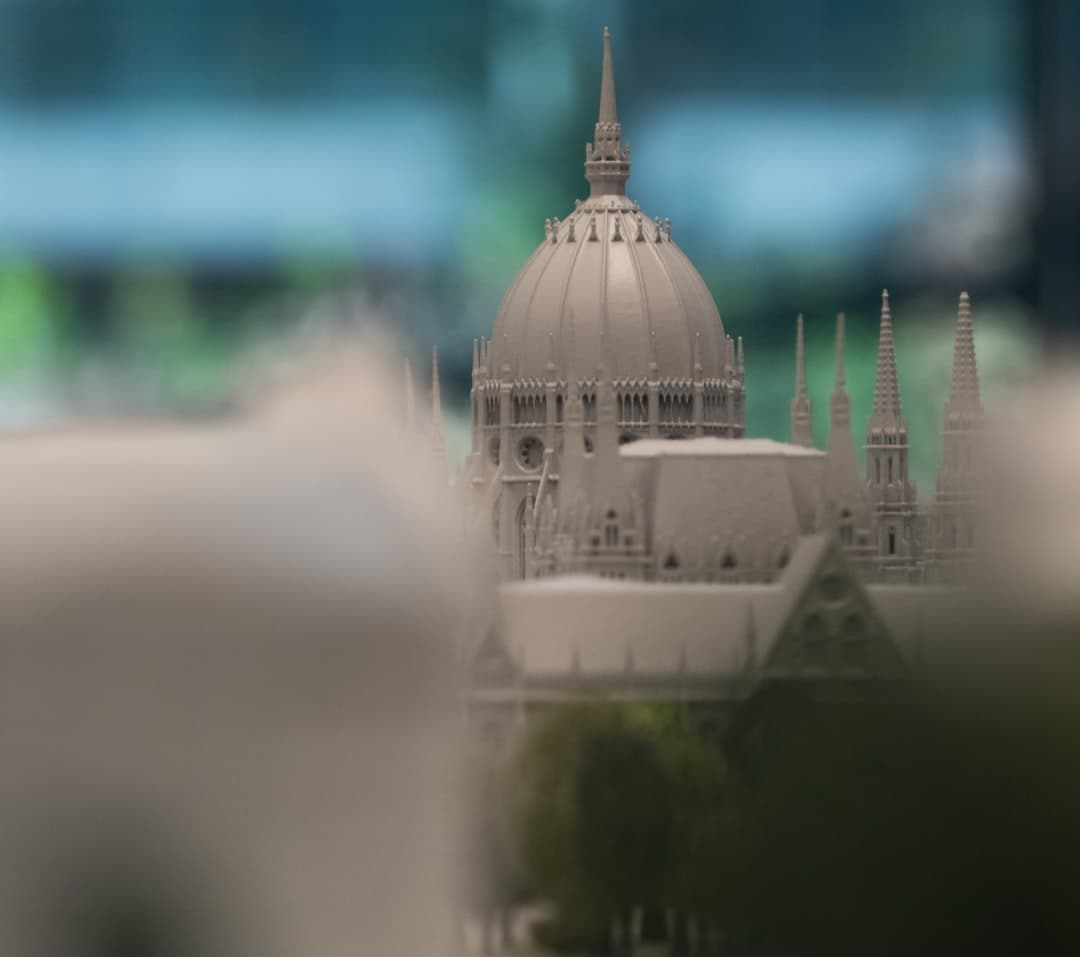
Buda Castle
Buda Castle — known in Hungarian as Budavári Palota — is the sprawling royal palace complex that crowns Castle Hill on the Buda side of the city. Originally built in the 13th century and rebuilt and expanded repeatedly over the centuries, it has served as the seat of Hungarian kings, been destroyed by wars, and risen again through painstaking restoration. Today it's one of the most recognizable landmarks in Central Europe and a UNESCO World Heritage Site, forming the dramatic skyline that defines Budapest when viewed from the Pest bank of the Danube. The castle complex itself is enormous, and what you actually do here is wander — between courtyards, along terraces, and into the two major museums housed within the wings: the Hungarian National Gallery, which holds centuries of Hungarian fine art, and the Budapest History Museum, which traces the city from Roman times through to the present. The views from the terraces out over the Danube, the Chain Bridge, and the Parliament building across the river are among the best in all of Budapest — genuinely breathtaking, especially at golden hour. Don't miss the ornate Matthias Fountain in the western courtyard, a grand 1904 bronze depicting the legendary king on a hunting trip. The easiest and most enjoyable way up is via the Castle Hill Funicular (Budavári Sikló) from Clark Ádám tér near the Chain Bridge — a restored 19th-century funicular that drops you right at the castle's doorstep. You can also walk up through the castle district streets, which adds charm and context. Allow at least a half-day if you intend to visit the museums; if you're just here for the views and exterior exploration, two to three hours will do nicely. Arrive early on summer mornings to beat tour groups.
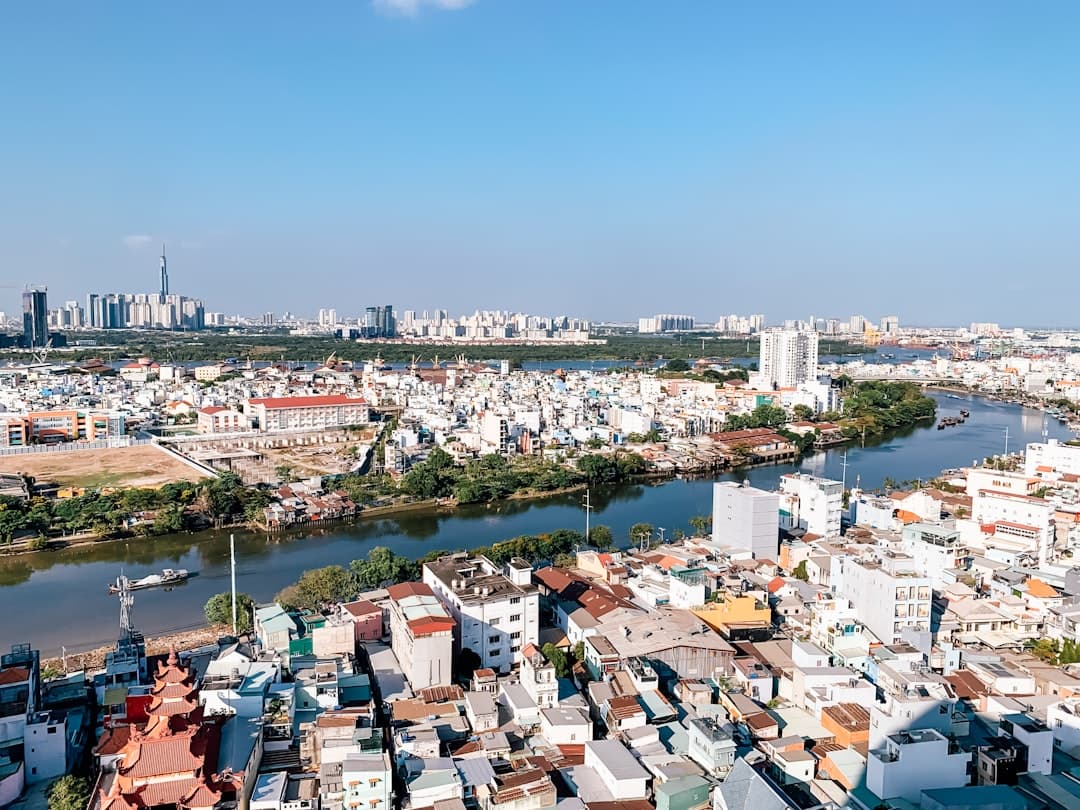
Bui Vien Walking Street
Bui Vien Walking Street is the undisputed heart of Ho Chi Minh City's backpacker district, a dense, neon-soaked stretch in the Pham Ngu Lao neighborhood of District 1 that transforms every evening into one of Southeast Asia's most intense street party scenes. Originally a quiet lane lined with budget guesthouses and travel agencies, it evolved over the 2000s into a fully pedestrianized strip that draws a mix of international backpackers, curious locals, and expats looking for cheap beer and loud music in equal measure. Think less refined rooftop bar and more unfiltered urban carnival — it's messy, loud, and completely unapologetic about what it is. The experience is sensory overload in the best possible way. Dozens of open-fronted bars and clubs blast competing playlists into the street, where vendors weave between low plastic stools selling grilled snacks, corn, and fresh fruit. Neon signs advertise two-dollar beers and free-pour cocktails, games of beer pong spill out onto the pavement, and tuk-tuks inch through the crowd even on pedestrian nights. The street is at its most electric between 9pm and midnight, when the density of people, sound, and light reaches a kind of joyful chaos. It's not the Vietnam of ancient temples or rice paddies — it's something rawer and more immediate. Bui Vien is technically open around the clock, but arriving before 8pm means catching it half-dressed — a few bars trading quietly, vendors setting up, the night still finding its feet. Come late and stay as long as the energy holds you. Watch your pockets in the thick of the crowd, keep a hand on your bag, and don't change money with anyone who approaches you on the street. The surrounding Pham Ngu Lao area has good cheap eats and the walk from Bui Vien to Ben Thanh Market takes under ten minutes if you want to bookend the night with a quieter wander.
Bukchon Hanok Village
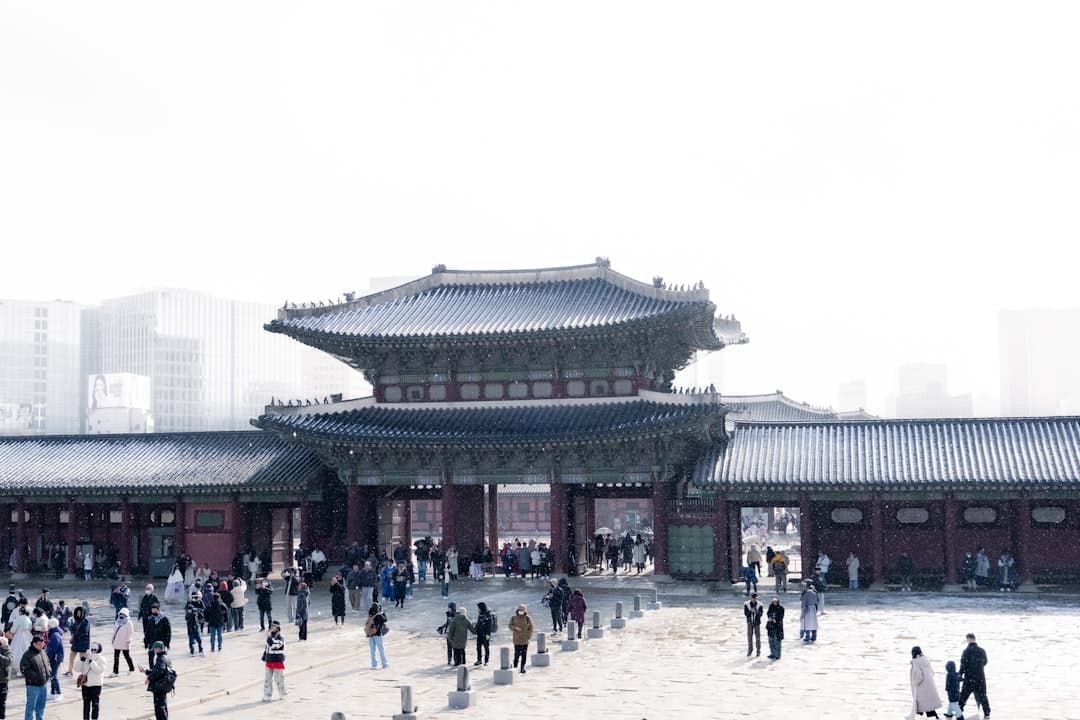
Bukchon Hanok Village is a dense cluster of traditional Korean houses — hanok — that has survived intact on the hillside between Gyeongbokgung and Changdeokgung palaces in the heart of Seoul. While most of Korea's old residential architecture was demolished during the 20th century, Bukchon's roughly 900 hanok have been preserved and, in many cases, restored, giving the neighborhood an atmosphere unlike anywhere else in the city. These aren't museum reconstructions — many are lived in, and some have been converted into guesthouses, tea houses, small galleries, and craft workshops. The experience is essentially a walk. The village is built on steep terrain, and the main draws are the famous viewpoints — particularly the rise on Gahoe-ro 11-gil where you look down over a sea of curved grey rooftiles with the Seoul skyline and N Seoul Tower visible in the distance. That view is one of the most reproduced images in all of Korean tourism. Beyond the photo spots, you wander narrow stone-paved alleys between low earthen walls, peek into courtyards, and occasionally stop into a traditional tea house or a shop selling hanji paper crafts or celadon ceramics. It rewards slow, aimless walking. The honest practical reality: Bukchon is extremely popular, especially on weekends, and the village is still a functioning residential area. Residents have posted signs and even staged protests about noise and privacy intrusions, and the local government has responded with designated quiet hours and visitor management measures — including the posted 10am–5pm visiting guidelines, which are aimed at protecting residents rather than restricting access to the streets themselves. Come on a weekday morning for dramatically thinner crowds, and treat the neighborhood like someone's home, not a theme park. The alleys around Gahoe-dong and Gyedong are the most rewarding areas to explore beyond the main viewpoint.
Bukit Bintang
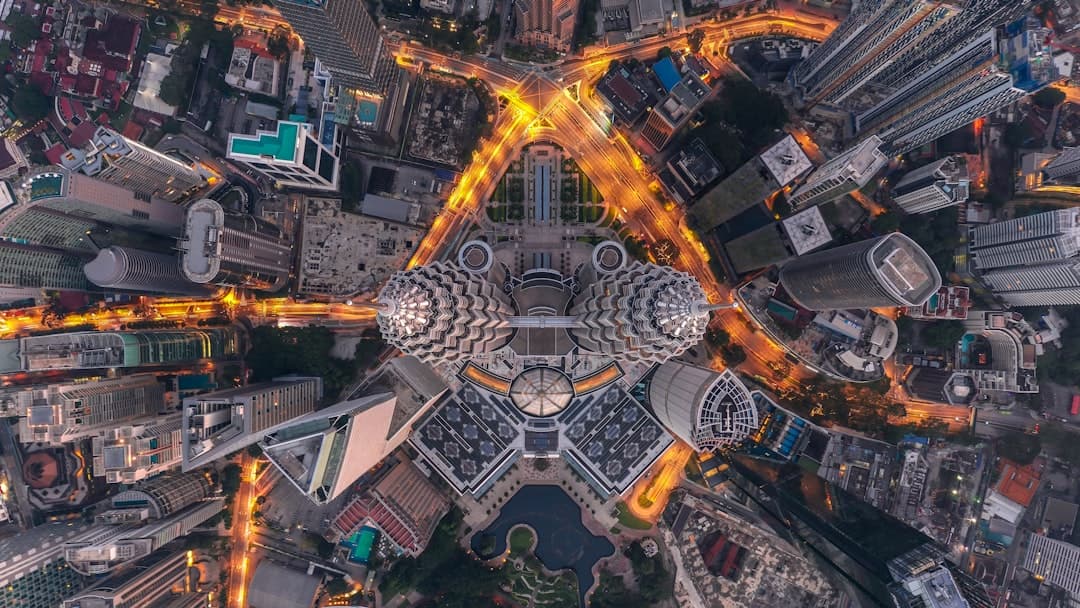
Bukit Bintang — which translates as 'Star Hill' in Malay — is the entertainment and shopping district that most visitors to Kuala Lumpur end up spending the most time in, whether they planned to or not. Stretching along Jalan Bukit Bintang and its surrounding streets, this dense urban neighborhood is where you'll find an extraordinary concentration of shopping malls, street food stalls, rooftop bars, massage parlors, night markets, and restaurants serving everything from Hokkien mee to French fine dining. It's the Times Square and the Soho of KL simultaneously — commercial and chaotic, but genuinely exciting. The experience here shifts dramatically depending on the time of day. During daylight hours, the mega-malls do their work: Pavilion KL is the anchor, a gleaming complex that draws both tourists and wealthy locals with its luxury brands and reliable food court. Nearby are Fahrenheit 88, Starhill Gallery, and the sprawling Sungei Wang Plaza, which is scruffier and more interesting for it. As evening falls, Jalan Alor comes alive — this pedestrianized street is one of the best open-air food strips in Southeast Asia, lined with Chinese seafood restaurants grilling satay and wok-tossing noodles under fluorescent lights. Further along, Changkat Bukit Bintang is the city's main bar and restaurant strip, a low-rise street that gets progressively louder as the night deepens. Bukit Bintang is walkable but large, and the tropical heat means you'll want to duck into air-conditioned malls to recover. The Bukit Bintang MRT and monorail stations make it easy to arrive and leave, and the neighborhood connects naturally to KLCC via a covered walkway — useful when afternoon storms roll in. Don't try to do it all in one visit; it rewards repeat exploration at different times of day.
Burano
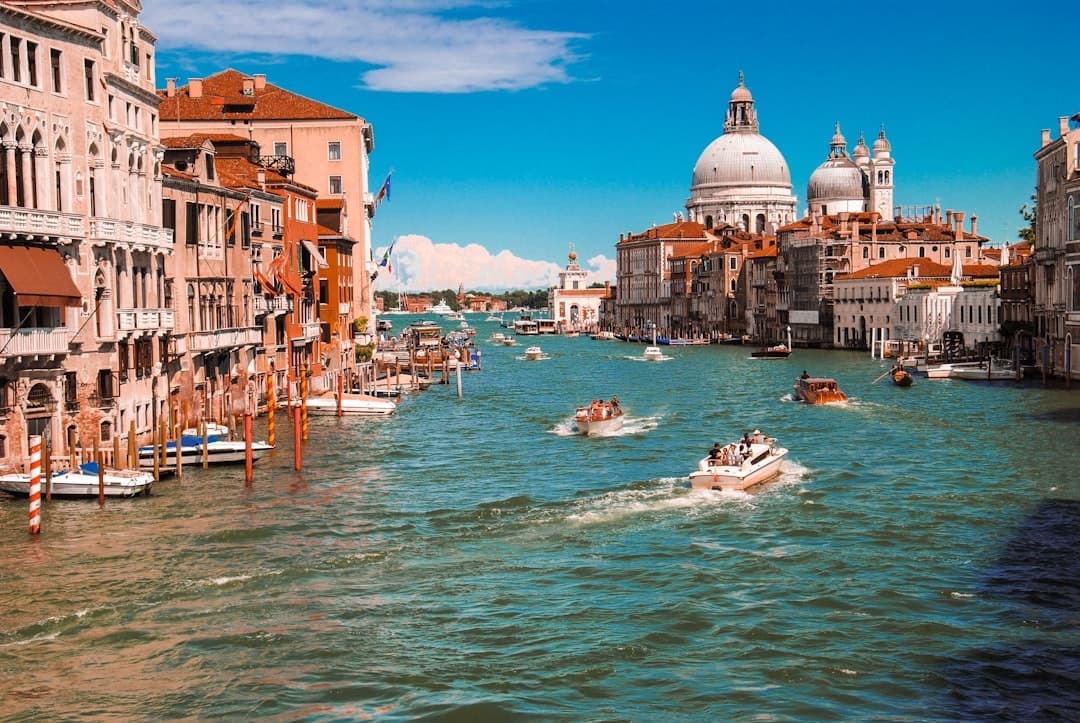
Burano is a small island in the Venetian Lagoon, about 40 minutes by vaporetto from central Venice. It's famous for two things: an extraordinary tradition of handmade lace that dates back to the 16th century, and houses painted in such vivid, saturated colors — cobalt blue, burnt orange, acid yellow, deep red — that the island looks almost cartoonishly beautiful. But it's completely real, and the colors serve a practical purpose: fishermen historically painted their homes in distinctive shades so they could identify them through the lagoon fog. Today Burano is one of the most photographed spots in the Veneto, and rightly so. Walking around Burano is the main event. The island is tiny — you can circle it on foot in under an hour — but you won't want to rush. The canals are lined with those candy-colored facades, laundry hangs between windows, and small boats bob in the water. The central Via Baldassare Galuppi (named after the Baroque composer born here) is lined with lace shops, trattorias, and cafes. The Museo del Merletto, the island's lace museum, is worth the modest entry fee for its jaw-dropping antique pieces and demonstrations by elderly local lacemakers. Burano's signature pastry, the bussolà, a ring-shaped butter cookie, is sold in nearly every bakery and makes an excellent souvenir. The island fills up fast in the late morning as day-trippers arrive from Venice, so the smart move is to catch an early vaporetto (line 12 from Fondamente Nove) and have the streets almost to yourself by 8 or 9am. Stay for lunch at one of the seafood restaurants along the canals — the local specialty is go, a small lagoon fish — then head back as the crowds peak. If you want to visit nearby Torcello, the haunting, largely abandoned island with a stunning Byzantine cathedral, it's a quick hop on the same vaporetto line.
Burj Khalifa
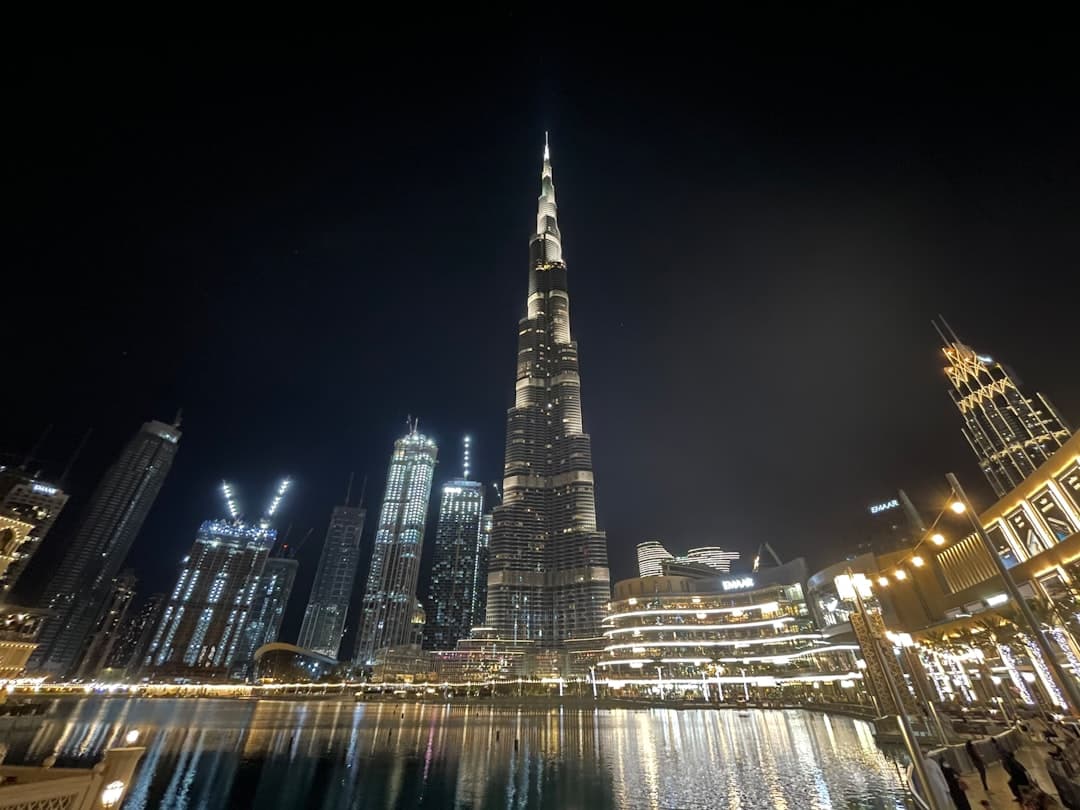
The Burj Khalifa stands 828 metres tall — the highest structure humans have ever built — and it dominates the Dubai skyline in a way that photographs genuinely cannot prepare you for. Completed in 2010 after six years of construction and designed by the Chicago firm Skidmore, Owings & Merrill, it holds multiple world records and has become the defining symbol of Dubai's extraordinary ambition. It's not just a vanity project either: the building houses offices, residences, the Armani Hotel, and two public observation decks that draw visitors from around the world. Most visitors come for the observation decks: At the Top on the 124th and 125th floors, and the premium At the Top SKY on the 148th floor. From either level, the view is staggering — the city laid out in every direction, the desert fading into the distance on one side and the Arabian Gulf glittering on the other. You travel up in high-speed elevators that take about a minute to reach the 124th floor, and the open-air terrace on the 148th is genuinely vertigo-inducing. At ground level, the Dubai Fountain — the world's largest choreographed fountain — performs in the adjacent Burj Khalifa Lake every evening, and that show is completely free to watch from the waterfront promenade. Tickets are timed and come at a premium — the SKY tier costs significantly more than standard At the Top — and sunset slots book up weeks in advance, especially during peak winter season. Booking online well ahead is essential if you want a specific time. One insider move: the After 9pm tickets are cheaper than prime-time slots and the nighttime cityscape, with everything lit up below you, is arguably more dramatic than the famous golden-hour view.
CN Tower
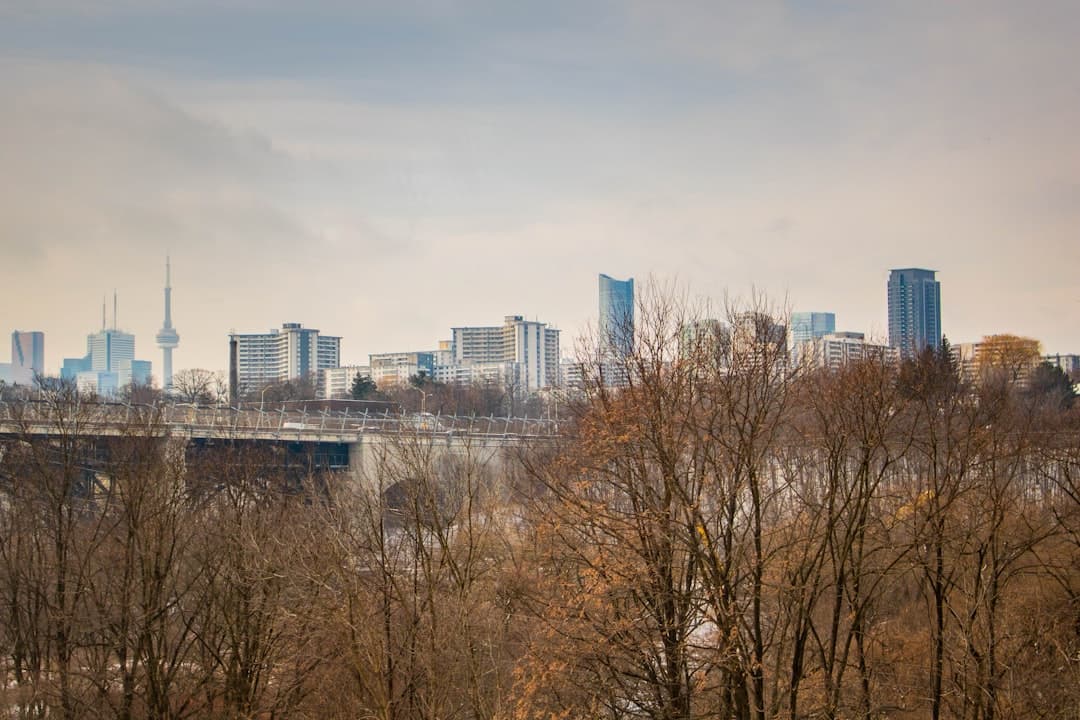
The CN Tower is a 553-metre concrete communications tower that dominated the world height record from its completion in 1976 until 2007, and it remains the most recognizable structure in Canada. Built by Canadian National Railway to solve a TV and radio transmission problem, it ended up becoming one of the most visited tourist attractions in the country and a full-blown icon — the kind of thing that tells you immediately, without any other context, that you're looking at Toronto. Visitors ride high-speed elevators with glass panels in the floor up to the main observation deck at 346 metres, where floor-to-ceiling windows give you a sweeping view across Lake Ontario, the Toronto Islands, and the city grid stretching north as far as you can see on a clear day. There's a glass floor panel — genuinely disorienting to stand on — and an outdoor observation terrace where wind and weather make themselves known. Higher still is the SkyPod, an additional observation level at 447 metres that costs extra but puts you above the clouds on overcast days. The tower also houses 360 Restaurant, a revolving dining room that completes one rotation per 72 minutes and is a legitimate special-occasion spot, not just a tourist trap. The EdgeWalk, available in warmer months, lets you walk hands-free around the outside of the tower on a 1.5-metre-wide ledge — it's one of the genuinely thrilling urban adventure experiences in North America. For the observation decks, buying tickets online in advance is strongly recommended, especially in summer; queues can be brutal. The tower sits right in the Harbourfront district, steps from Scotiabank Arena and Rogers Centre, making it easy to fold into a broader day in downtown Toronto.
Cable Cars
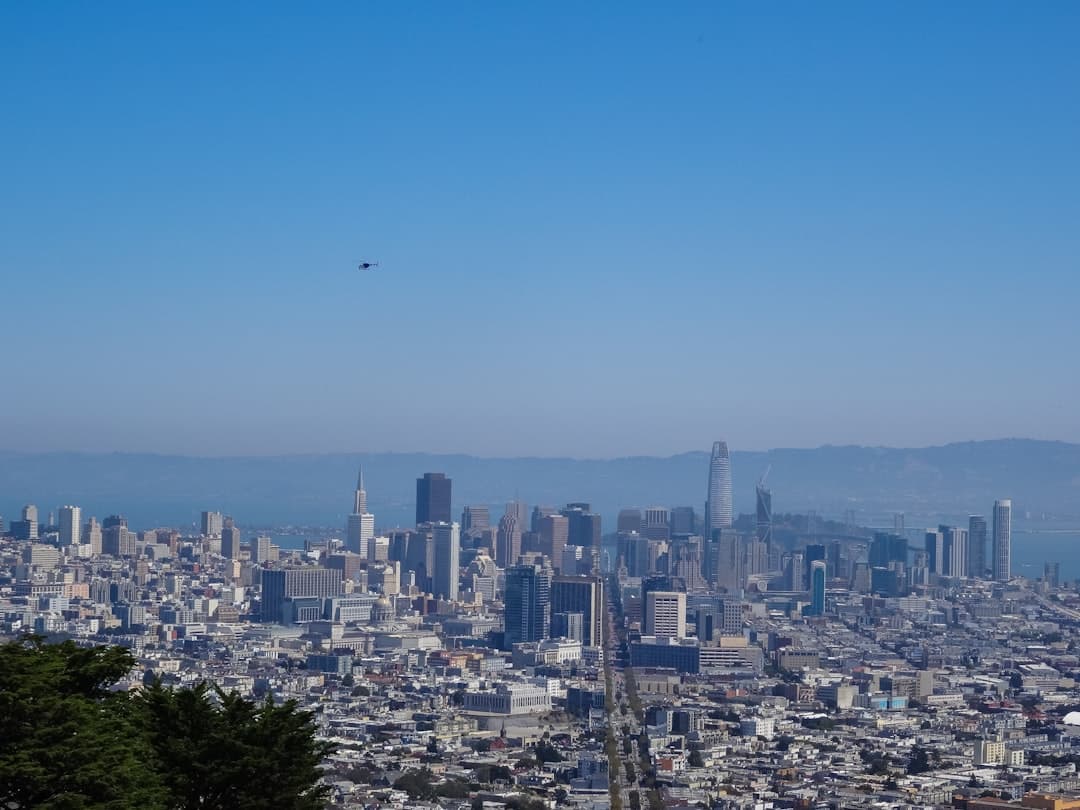
San Francisco's cable cars are the last manually operated cable car system in the world, and they're a genuine piece of living history rather than a tourist gimmick. Declared a National Historic Landmark in 1964 — the only moving landmark in the United States — they've been threading through the city's hills since Andrew Hallidie launched the first line on Clay Street in 1873. The system runs three lines today: the Powell-Hyde, the Powell-Mason, and the California Street line, each offering a different slice of the city. Riding one is a fully physical experience. You stand on the running boards and hang off the side as the car climbs and descends grades that would make most transit systems nervous — Powell-Hyde in particular crests Russian Hill and drops toward Aquatic Park with views that genuinely stop people mid-conversation. Inside the wooden cars, gripmen work a mechanical grip that physically grabs an underground cable moving at a constant 9.5 mph, requiring real skill and muscle. The turntable at Powell and Market is its own small spectacle, where staff and sometimes enthusiastic visitors physically push the car around by hand before it heads back up the hill. The address near Taylor Street puts you close to the northern terminus at Aquatic Park, which is a great place to board — lines here are typically shorter than at Powell and Market. A single ride costs $8 and is covered by Muni day passes, which makes the economics easy if you're planning to use public transit anyway. Go early morning on weekdays to avoid the worst queues, and consider the California Street line if the Powell lines are backed up — it's less famous but equally charming and runs through the quieter Financial District and Nob Hill.
Café Du Monde
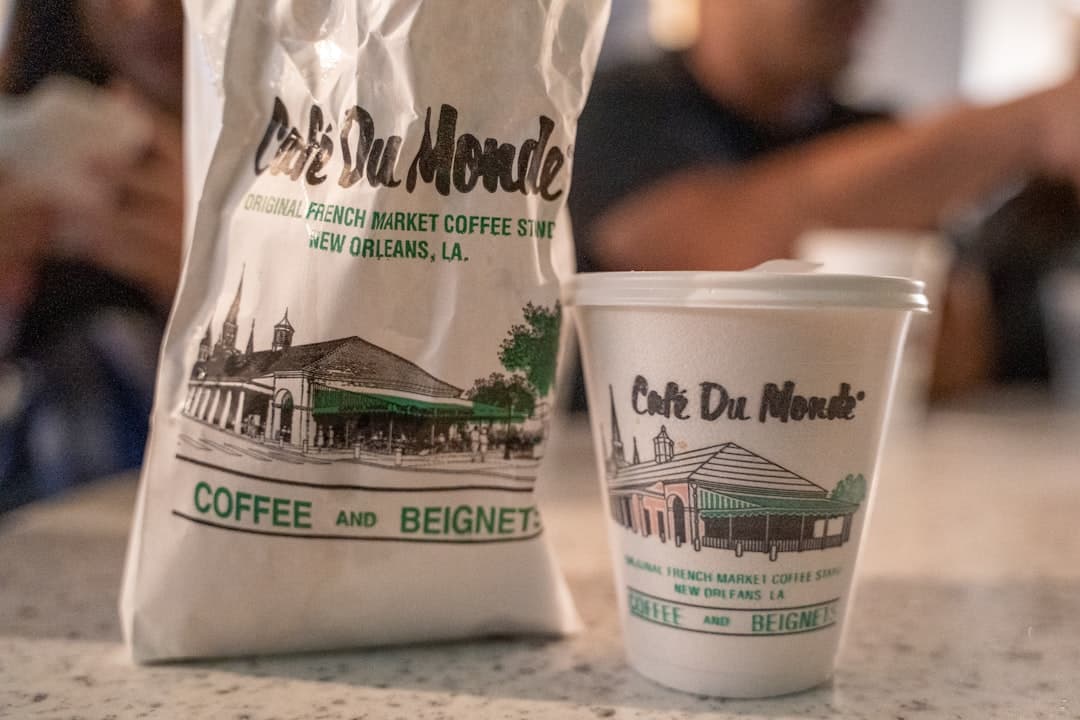
Café Du Monde is an open-air coffee stand on the edge of Jackson Square in the French Quarter, and it has been serving exactly two things — beignets and café au lait — for over 160 years. It's not trying to be anything else, and that commitment to simplicity is exactly what makes it iconic. The café au lait is made with strong chicory coffee blended with hot milk, a New Orleans tradition inherited from French and Creole culture. The beignets are hot, pillowy squares of fried dough buried under a blizzard of powdered sugar. You will get that sugar on your clothes. Everyone does. The experience is wonderfully unpretentious. You sit at green-and-white striped tables under a covered arcade that opens onto Decatur Street and the Mississippi River levee beyond. Waitstaff move fast and don't linger — this is a high-volume operation that's been running like clockwork for generations. Order at the table, your beignets arrive hot and dusted, and you eat them while watching the street performers, the tourists, the locals on their way to work. On weekend mornings, a jazz band often plays just outside in Jackson Square, and the whole scene feels like an accidental movie set. The lines can be long, especially on weekend mornings and after dinner when the French Quarter crowd needs a sugar fix. The best strategy is to arrive early on a weekday, or late on a weeknight when the crowds thin out. The café is essentially open all day every day — it only closes for major storms and the occasional holiday — so there's almost always a window. Sit outside if you can; the indoor section works fine but misses the point entirely.
Café Tortoni
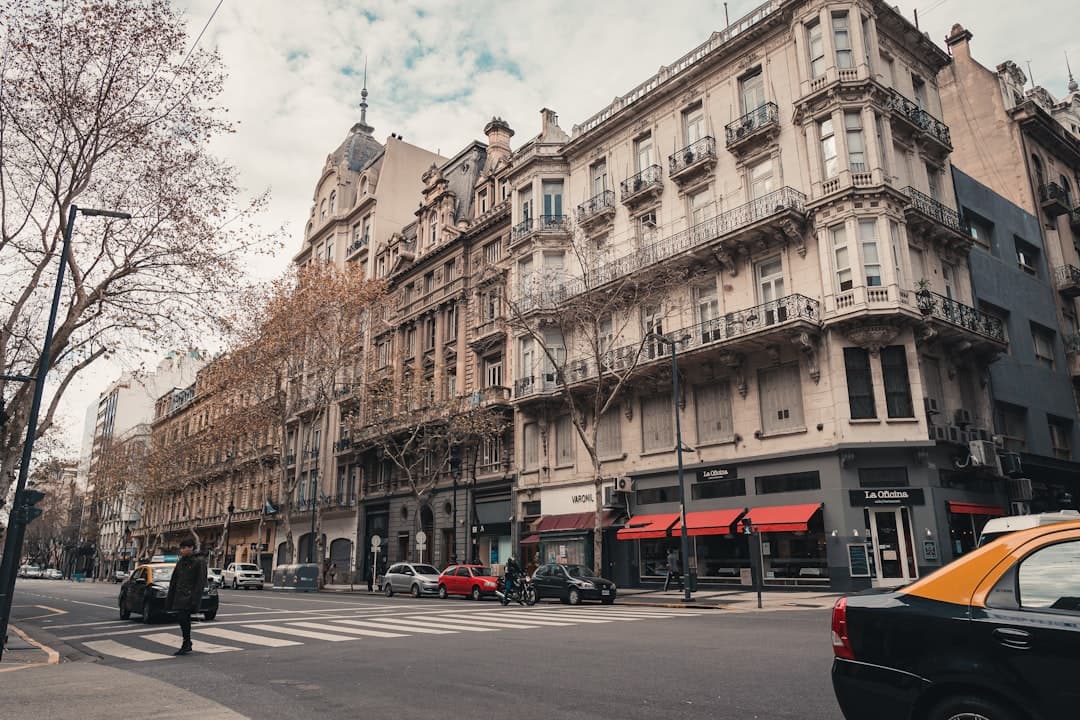
Café Tortoni has been serving coffee on Avenida de Mayo since 1858, making it the oldest café in Argentina and one of the most storied in all of South America. It was founded by a French immigrant and quickly became a gathering point for the city's intellectuals, artists, and political figures — Jorge Luis Borges, Carlos Gardel, and even the King of Spain have sat at these tables. The building itself is a piece of history: dark wood paneling, marble tabletops, stained glass skylights, and old photographs covering every wall. It's not trying to be retro. It simply never stopped being itself. When you visit, you settle into one of the leather banquettes or bentwood chairs and order from a menu of coffee, medialunas (the Argentine croissant), facturas (pastries), and simple lunches. The café au lait and submarino — hot milk with a chocolate bar that melts into it — are both worth ordering. The back room hosts a small peña, a tango and folklore performance space, where live shows run most evenings. The walls are dense with portraits, caricatures, and memorabilia that reward slow looking. Be prepared for a queue — Tortoni is famous enough that lines form outside on weekends, sometimes stretching down the block. Weekday mornings are significantly calmer and feel closer to what the café must have been like in its heyday. The staff are efficient rather than effusive, service is no-frills, and the coffee is good without being exceptional — this is a place you visit for the atmosphere and the history, not to chase a third-wave flat white. It sits on Avenida de Mayo, one of Buenos Aires' grandest boulevards, which makes it easy to pair with a walk toward Plaza de Mayo or the Congreso Nacional.
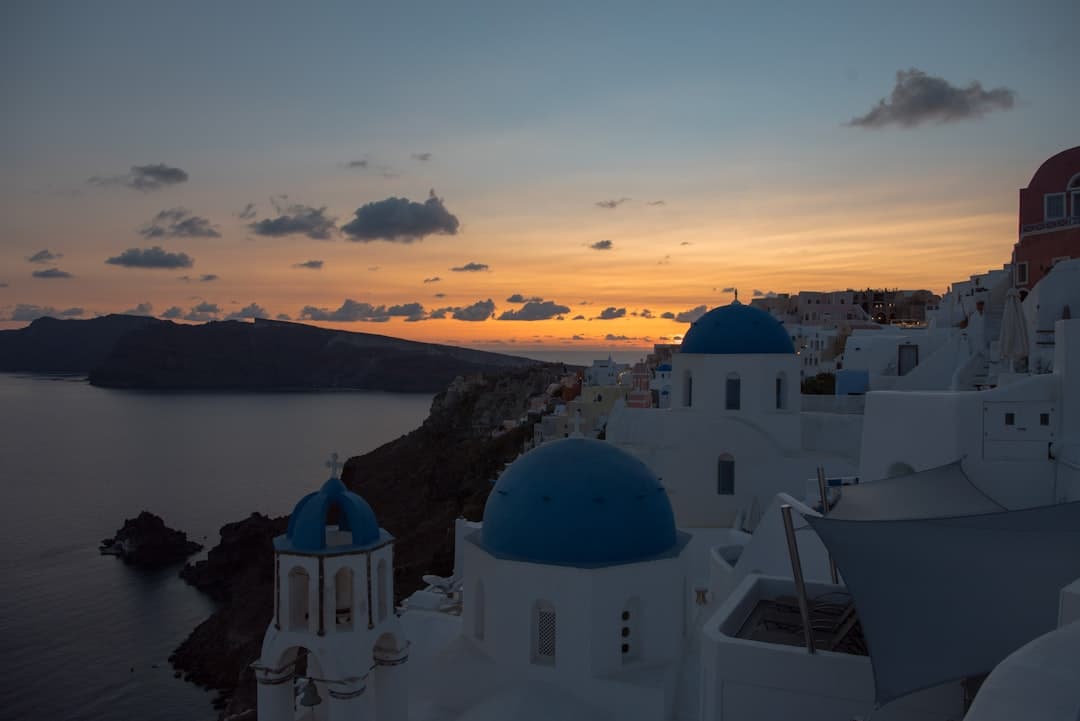
Caldera Viewpoint
The Caldera Viewpoint in Oia sits on the northwestern tip of Santorini, perched on the rim of one of the world's most dramatic geological features — a submerged volcanic crater roughly 12 kilometres wide. The island itself is the remnant of a massive Bronze Age eruption that some historians connect to the decline of Minoan civilization. Standing here, you're looking out over that ancient violence, now transformed into something almost impossibly beautiful: a deep blue caldera ringed by white-washed villages and sheer volcanic cliffs dropping hundreds of metres to the sea. The experience is simple and completely overwhelming. You stand at the edge of a stone-paved path that winds along the caldera rim through Oia's famous blue-domed church district, and the view just opens up in front of you — the islands of Thirasia and Nea Kameni in the middle distance, the patchwork of the caldera itself shading from turquoise to navy depending on the light, and the villages of Fira and Imerovigli visible along the cliff face to the south. At sunset, the entire western sky lights up behind you, and the caldera reflects the colours back like a mirror. It's the view that put Santorini on the map, and it holds up. This is a public outdoor viewpoint — there's no entry fee and no formal infrastructure, just the path, the view, and usually a crowd. Oia's main sunset spot technically clusters around the castle ruins (Kasteli) a short walk away, and that area draws enormous crowds. The caldera viewpoint itself is slightly less concentrated but shares the same foot traffic. Come in the morning for golden light, almost no crowds, and the cliffs at their most dramatic. The path connects to the wider network of walking routes through Oia and down toward Ammoudi Bay below.
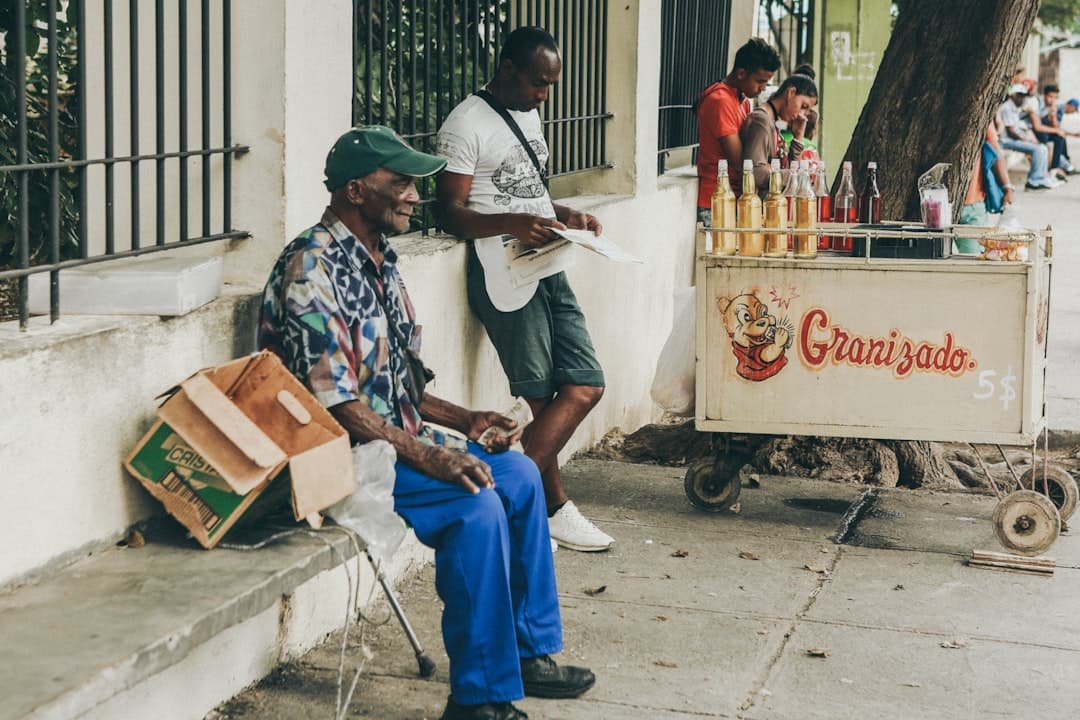
Callejón de Hamel
Callejón de Hamel is a narrow, muraled alleyway in the Centro Habana neighborhood that has become one of the most vivid expressions of Afro-Cuban culture in the city. Created over decades by Cuban artist Salvador González Escalona, who began painting the walls in 1990, the alley is a living outdoor gallery dedicated to Santería — the syncretic Afro-Cuban religion that blends Yoruba spiritual traditions with Catholicism. Every inch of the passage is covered in swirling paintings, sculptures, repurposed bathtubs, and symbolic imagery honoring the orishas (the deities of the Santería pantheon). It's not a tourist attraction built for tourists — it emerged organically from the community and remains deeply embedded in neighborhood life. The experience changes completely depending on when you show up. On a quiet weekday, you can wander the length of the alley slowly, studying the murals and the found-object sculptures wedged into every nook — painted toilets, ceramic tiles, rusted metal figures. There are small studios and workshops tucked in along the sides. But the real reason to make the trip is Sunday afternoon, when Callejón de Hamel hosts a rumba performance that draws locals and visitors alike. Starting around noon, the drumming starts and the space transforms: professional rumba dancers perform the Columbia, Yambú, and Guaguancó styles, the music gets loud and insistent, and people spill into the street. It's participatory and joyful rather than staged. The alley is free to enter and has no set hours — just walk in. Arrive for the Sunday rumba show by 11:30am to get a decent spot before it fills up. There are a couple of small bars and stalls selling drinks and snacks. This is also one of the better places in Havana to buy locally made art directly from artists, including prints, paintings, and small Santería-related objects. Tourists who show up expecting a polished cultural center will be surprised — it's rougher and more authentic than that, and better for it.
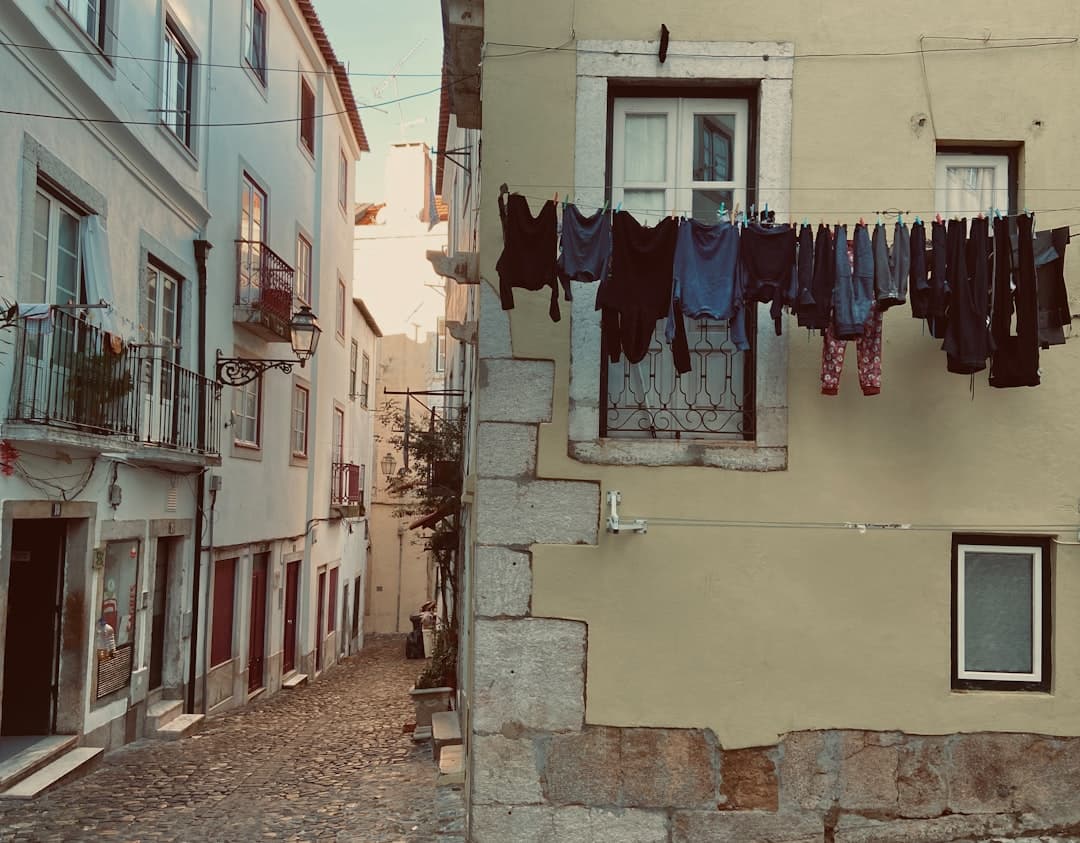
Calouste Gulbenkian Museum
The Calouste Gulbenkian Museum holds one of the most remarkable private art collections ever assembled — and that story is inseparable from the man behind it. Calouste Sarkis Gulbenkian was an Armenian-British oil magnate who brokered the deal that gave Western companies access to Iraqi oil in the 1920s, earning himself a permanent 5% stake and the nickname 'Mr. Five Percent.' He spent decades turning that fortune into art, acquiring Egyptian antiquities, Islamic manuscripts, Flemish Old Masters, Impressionist paintings, and René Lalique jewellery with an obsessive connoisseur's eye. When he died in Lisbon in 1955 — having settled here during World War II — he left everything to a foundation, which built this purpose-designed museum in 1969. It is not a grand national collection padded out with mediocre works. Every single piece here was chosen by Gulbenkian himself, which gives the whole place an unusual coherence and intimacy. The collection is split into two wings: ancient and oriental art in one half, European art from the 11th to the early 20th century in the other. You'll move through Egyptian faience and Mesopotamian cylinders, then into exquisite Persian carpets and Armenian illuminated manuscripts, then suddenly find yourself in front of Rubens, Rembrandt, Turner, Monet, and Renoir. The René Lalique room near the end stops most visitors cold — his jewellery pieces, designed in the Art Nouveau style of the early 1900s, are jaw-dropping in their intricacy and strangeness. The building itself is worth noting: low-slung, integrated into a leafy garden, filled with natural light, it was designed by architects Ruy Jervis d'Athouguia, Pedro Cid, and Alberto Pessoa specifically for this collection, and it shows. The museum sits within the wider Gulbenkian Foundation gardens, a calm green oasis in northern Lisbon that locals use as a park. The Modern Collection — a separate but connected museum on the same grounds — shows 20th-century Portuguese art and is included in a combined ticket. Tuesday is closing day. The permanent collection is free on Sundays after 2pm, which fills it up — go on a weekday morning if you want the place to yourself. Audio guides are available and genuinely useful here given the breadth of material covered.
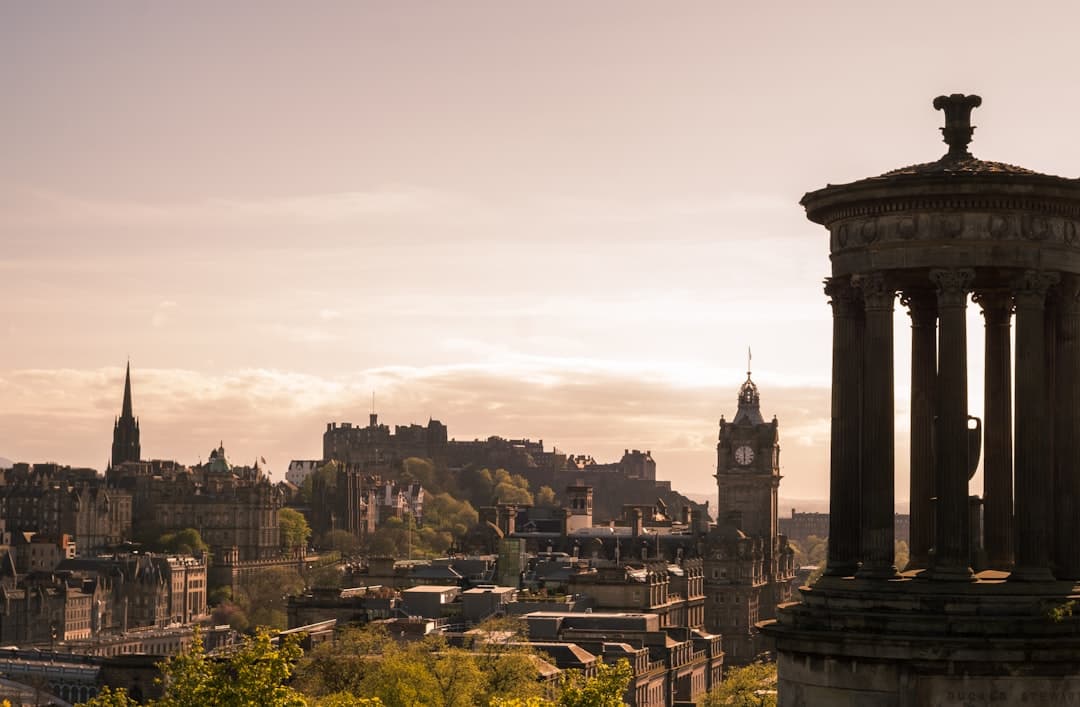
Calton Hill
Calton Hill is a 100-metre volcanic hill right in the heart of Edinburgh, sitting just east of Princes Street, and it's one of the most rewarding free attractions in the entire city. It's home to a cluster of striking neoclassical monuments built in the early 19th century, most famously the National Monument — a grand colonnade modelled on the Parthenon in Athens that was started in 1826 as a memorial to soldiers killed in the Napoleonic Wars, then ran out of money and was never finished. Locals have affectionately dubbed it 'Edinburgh's Disgrace,' though many argue its ruined, incomplete state makes it more romantic, not less. The hill is an open public space, so there's no entry fee and no set route — you simply walk up. From the top, you get arguably the best 360-degree panorama of Edinburgh available anywhere: the Old Town and castle to the west, Arthur's Seat rising dramatically to the south, the Firth of Forth glittering to the north, and the Georgian grid of the New Town laid out below you. Alongside the National Monument, you'll find the Nelson Monument (a telescope-shaped tower you can climb for an even higher vantage point), the City Observatory, and the Burns Monument dedicated to Robert Burns. The whole hilltop has the feel of an open-air museum, ancient Greece transplanted to a Scottish volcanic crag. Calton Hill is a five-minute walk from the east end of Princes Street, making it very easy to slot into a day of Edinburgh sightseeing. Go at sunrise if you can — the light hits the city in a way that's genuinely moving, and you'll likely have the whole place to yourself. It's also a popular spot during the Edinburgh Festival in August when the city's energy is at its peak, and on Beltane Night (30 April), the hill hosts a fire festival that's one of the most vivid events on Edinburgh's calendar.
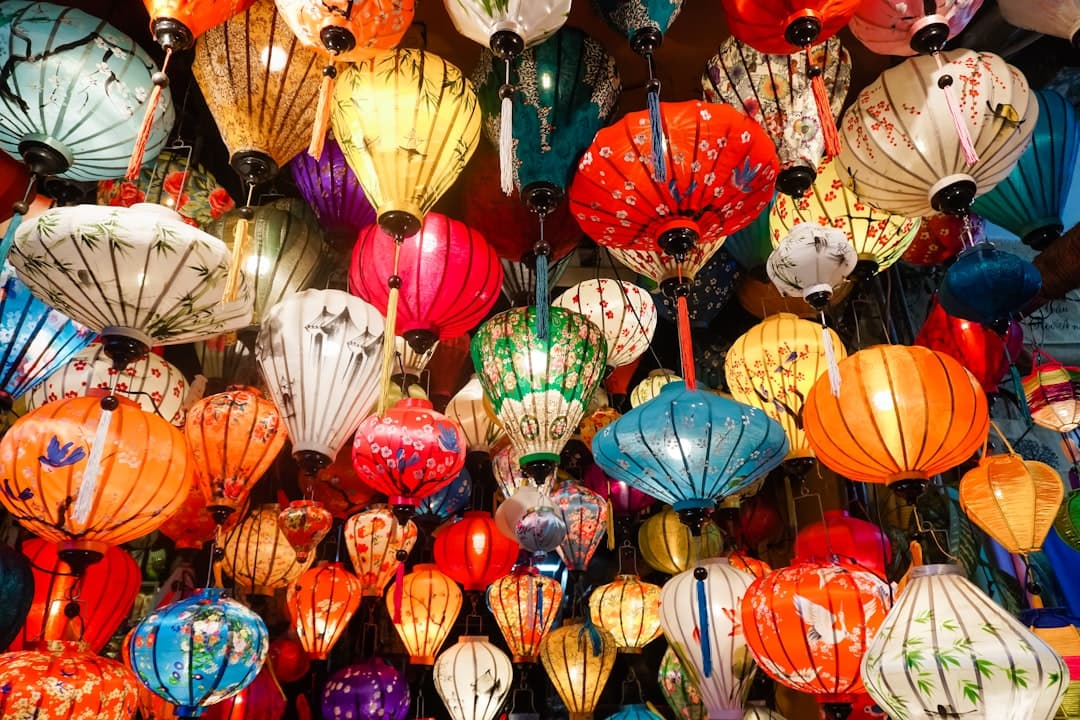
Cam Kim Island
Cam Kim Island sits just across the Thu Bon River from Hoi An's Ancient Town, separated from the UNESCO-listed old quarter by a short boat ride or a bridge crossing. It's a small, largely agricultural island that has remained unhurried and undeveloped while its famous neighbor became one of Southeast Asia's most visited destinations. That contrast is precisely the point — this is rural central Vietnam as it has existed for generations, with rice fields, vegetable gardens, fishing families, and workshop craftspeople going about their days largely unbothered by tourism. On the island you'll find working farms, narrow lanes bordered by banana trees and bougainvillea, and workshops producing the wood-carved furniture and silk lanterns that Hoi An's shops sell to visitors. Cycling is the best way to explore — you can loop the island's flat roads in a few hours, stopping to watch fishermen mending nets along the riverbank or peek into family workshops where artisans have been carving wood for decades. The views back across the water toward Hoi An's rooflines are genuinely lovely, especially in the early morning light. Most visitors arrive by renting a bicycle in Hoi An and taking the short ferry crossing, or by cycling over the Cam Kim Bridge. There's no admission fee, no ticket booth, no formal infrastructure — the island is simply a place to slow down. Come early to catch the light and the morning activity along the river, and bring cash for any small snacks or drinks you pick up along the way. The island rewards wandering over planning.
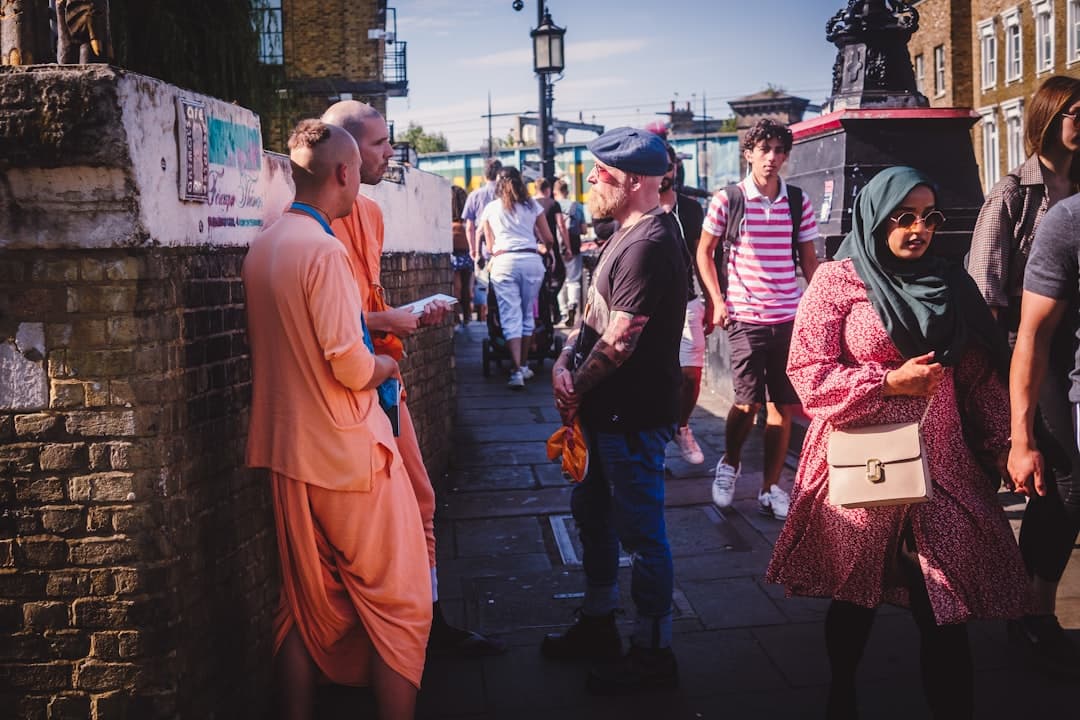
Camden Market
Camden Market is a sprawling, labyrinthine collection of markets clustered around Camden Town in north London, stretching along the Regent's Canal. What started as a small crafts market in 1974 has grown into one of London's most visited destinations — pulling in tens of millions of visitors a year — with distinct zones including the Stables Market (housed in Victorian horse hospital buildings), Buck Street Market, and the Hawley Wharf development. It's historically been the heartland of London's punk, goth, and alternative subcultures, and while it's become considerably more commercial over the decades, it retains a genuine edge that sets it apart from the city's more polished shopping districts. The experience is genuinely multi-sensory and a little overwhelming in the best way. You'll weave through stalls selling vintage leather jackets, hand-made jewellery, band tees, and curiosities alongside the occasional genuine antique. The food scene is the real revelation for many visitors: the vendors in the covered food halls and along the canal offer an extraordinary variety — Ethiopian injera, Taiwanese bao, Peruvian ceviche, Japanese takoyaki — with quality that routinely punches above the market-stall format. The canal towpath adds a breather between the denser sections, and the architecture of the Stables is genuinely worth looking at, with giant sculpted horses' heads emerging from the brick facade. Weekends are the full Camden experience but come with serious crowds — if you're coming Saturday or Sunday, arrive before 11am to browse comfortably before the foot traffic becomes a shuffle. Weekday visits are noticeably calmer and vendors are often more willing to chat. The market is free to enter and you'll find Camden Town Tube on the Northern line is the obvious approach, but the walk from Chalk Farm station through the market from the north is a nicer entry point and drops you directly into the Stables.
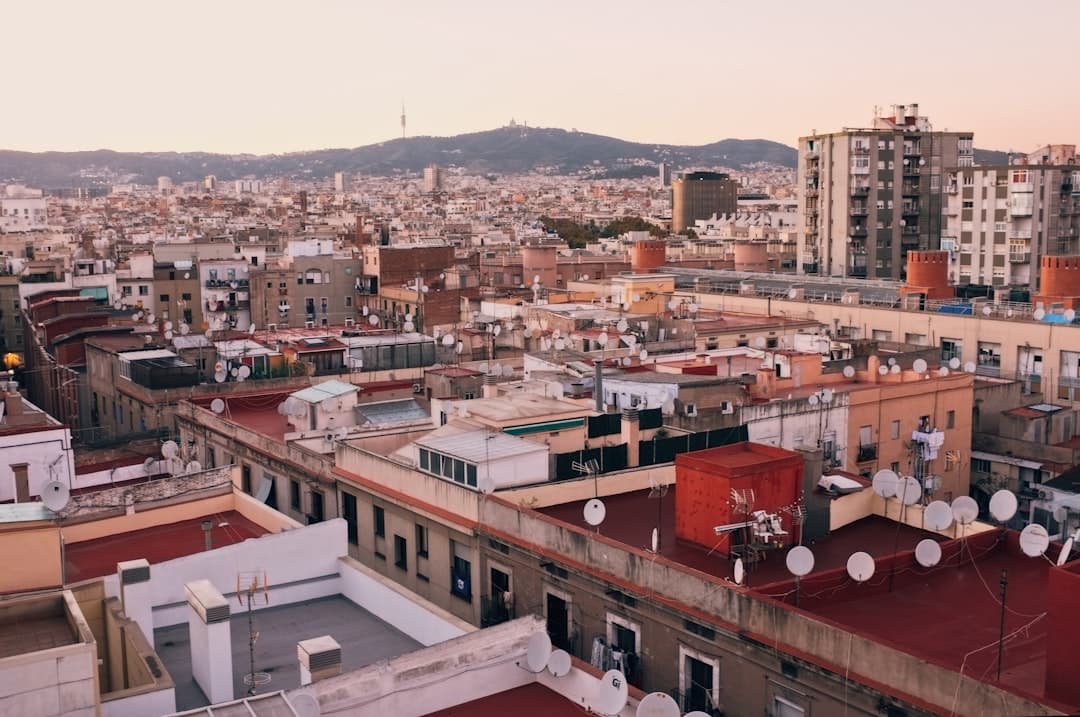
Camp Nou
Camp Nou is the home stadium of FC Barcelona, one of the most famous football clubs on the planet, and with a capacity of around 99,000 seats it's the largest stadium in Europe. Built in 1957 and expanded several times since, it sits in the Les Corts district of Barcelona and is as much a civic landmark as it is a sports venue. Even if you've never watched a football match in your life, the scale and atmosphere of this place are genuinely arresting. The main visitor draw — especially outside of match days — is the FC Barcelona Museum and stadium tour, known as the Barça Experience (or Museu del Barça). You walk through the players' tunnel and emerge pitchside to see the vast bowl stretching out around you, visit the home changing rooms, sit in the press box, and explore galleries packed with trophies, shirts, and memorabilia spanning more than a century of club history. The museum section covers legendary players like Johan Cruyff, Ronaldinho, and Lionel Messi, and does a genuinely good job of connecting the club's identity to Catalan culture and politics. Camp Nou is currently undergoing a major renovation project — the Espai Barça redevelopment — which means parts of the stadium may be restricted or the tour experience may differ from what's described in older guides. The club has been playing some home matches at the Estadi Olímpic Lluís Companys during construction phases, so check the current situation before you visit. If you can get tickets to an actual match here, do it — the roar inside this stadium when Barça score is something else entirely.