
All Places
1,073 places around the world
1,073 places · page 7 of 45
Campo de' Fiori
Campo de' Fiori — literally 'field of flowers' — is a large, paved square in the heart of old Rome that has been the city's most lived-in public space for centuries. Unlike the grand tourist piazzas nearby, it has no church, no fountain, no monument demanding your attention. What it has instead is a statue of the philosopher Giordano Bruno, burned at the stake here by the Inquisition in 1600, standing cloaked and brooding at the center while the city swirls around him. The square's beauty is its contradiction: it has been a market, an execution ground, and now one of Rome's most popular gathering spots — and somehow all three histories coexist in the same stones. Every morning except Sunday, the square fills with one of Rome's most atmospheric fresh markets. Vendors sell produce, flowers, spices, olives, and street food while the surrounding bars do a brisk trade in espresso and cornetti. By midday the stalls pack up and the piazza breathes again — a good moment to sit at a cafe table and just watch the city. Come evening, Campo de' Fiori transforms into one of Rome's most reliably lively outdoor drinking scenes, with locals and visitors spilling out of bars like Vineria Reggio and Il Nolano onto the square itself, aperitivo in hand. The square sits in the Regola rione, a short walk from Piazza Navona and the Pantheon, which means it rewards combining with both. Early morning is the time to come for the market; arrive by 8am to see it at its fullest. Note that it gets genuinely rowdy late at night, especially in summer — charming if you're part of it, less so if you're hoping for a quiet romantic evening. The surrounding streets, particularly Via dei Cappellari and Via del Pellegrino, are worth exploring for independent food shops, artisan workshops, and the particular Roman quality of a neighborhood that has been stubbornly itself for a very long time.
Canal Saint-Martin
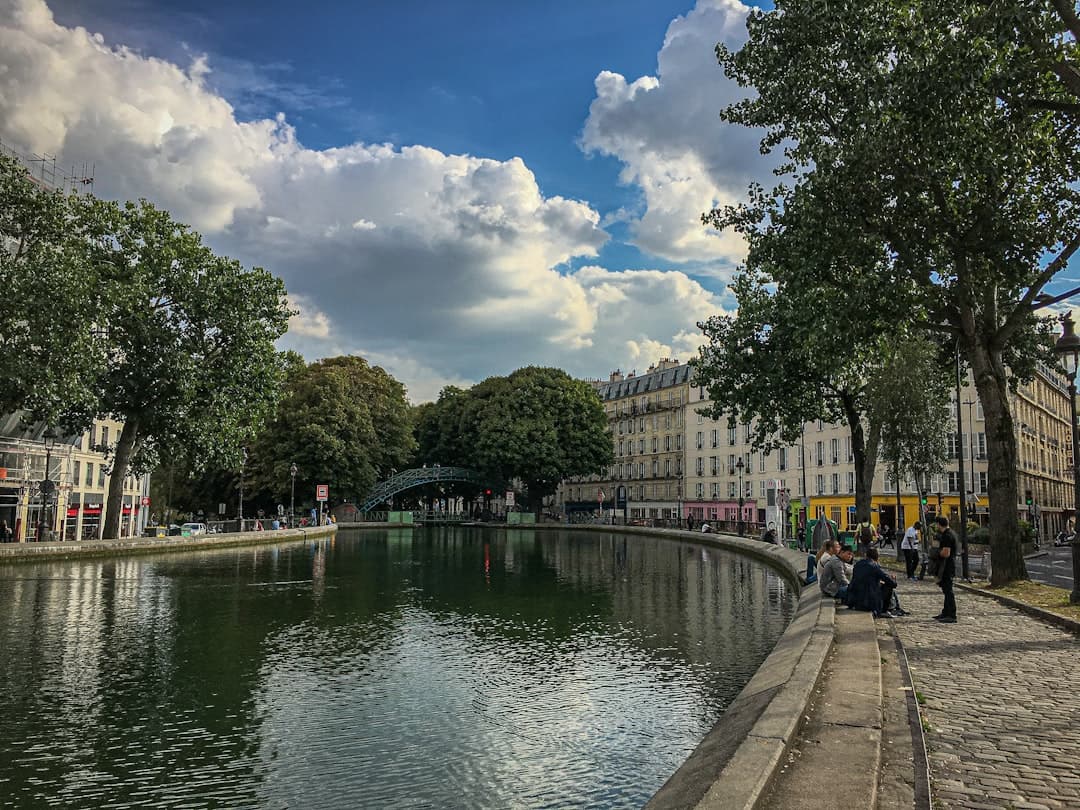
Canal Saint-Martin is a 4.5-kilometre stretch of water cutting through the 10th arrondissement of Paris, built under Napoleon in the early 19th century to supply fresh water to the city. For a long time it was a working industrial canal, lined with warehouses and workshops, but over the past two decades it has transformed into one of the most beloved and lived-in neighbourhoods in Paris — a place where Parisians actually hang out rather than one that exists primarily for tourists. The canal itself is the draw: iron footbridges arc over the water at regular intervals, plane trees line the banks, and the nine locks create a series of small basins where the water sits still and dark green. On warm evenings, locals spread out along the quays with wine and takeaway food from the surrounding restaurants — it's one of the great free social spaces in Paris. The surrounding streets are packed with independent cafés, vintage shops, concept stores, and small restaurants. The area around Rue de Lancry and Quai de Valmy has become a hub for a younger, creative Paris crowd. The film Amélie famously featured the canal, which brought a wave of romantic attention to it — though the reality is more relaxed and unselfconscious than that association might suggest. The canal runs between Place de la République to the south and the Bassin de la Villette to the north, where it opens into a wide lake with outdoor activities and more neighbourhood life. The best approach is to walk the full length of the quays on a weekend afternoon, dipping into whichever café or shop catches your eye. Sunday is particularly good — parts of the quayside roads are closed to traffic, and the whole thing feels almost Italian in its easy, unhurried rhythm. Avoid August when the neighbourhood empties out along with the rest of Paris.
Canggu
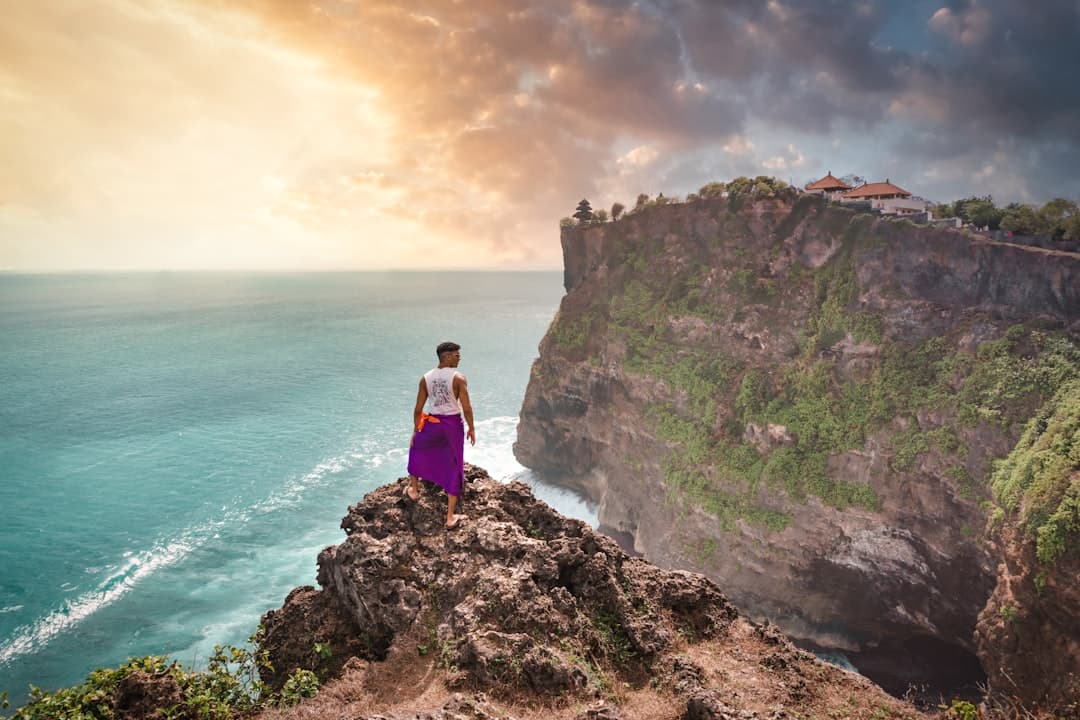
Canggu is a coastal neighborhood in southwest Bali that has, over the past decade, transformed from a quiet stretch of rice paddies and black-sand surf breaks into one of Southeast Asia's most talked-about destinations. It sits north of Seminyak along the Badung coast, and its rise has been swift and striking — drawing surfers, digital nomads, chefs, and creatives who wanted the relaxed energy of Bali without the party-strip chaos of Kuta. The result is a neighborhood with genuine character: a working rice field might back up against a world-class coffee roaster, and a sun-bleached warung can sit across the lane from a boutique hotel with a rooftop pool. In practical terms, Canggu is a place you spend full days in rather than just pass through. Mornings start at the beach — Batu Bolong and Echo Beach are the two main surf breaks, both rideable at beginner to intermediate level, with boards and lessons widely available on the sand. Afternoons drift through the village lanes of Berawa and Pererenan, where you'll find independent boutiques, tattoo studios, yoga shalas, and the kind of café menus that would hold their own in Melbourne or Brooklyn. Sunset at Old Man's bar on Batu Bolong Beach has become a genuine ritual — cold Bintangs, live music, and a crowd that mixes locals with long-term expats and fresh arrivals. The neighborhood runs on scooters — renting one is essentially non-negotiable if you want to move freely between areas. Traffic on Jalan Batu Bolong and around Berawa can be genuinely gridlocked in the late afternoon, so seasoned visitors time their movements around it. Canggu has also pushed north and west into Pererenan and Seseh, quieter extensions where rice fields and traditional temples still dominate the landscape, and where the Canggu of five years ago still partly exists.
Cape Point
Cape Point is a dramatic rocky promontory at the southwestern tip of the African continent, forming the southeastern corner of the Cape of Good Hope section of Table Mountain National Park. It's been a landmark for sailors for centuries — Portuguese explorer Bartolomeu Dias rounded it in 1488, and it remained one of the most feared and celebrated waypoints on the sea route between Europe and Asia. Today it draws well over a million visitors a year, not because it's been packaged and prettified, but because the landscape genuinely commands awe: sheer quartzite cliffs dropping hundreds of metres into churning sea, fynbos-covered plateaus, and skies that shift from blazing blue to full storm drama within an hour. The experience here is layered. Most visitors take the Flying Dutchman funicular (named for the legendary ghost ship said to haunt these waters) up to the old lighthouse, which sits at 249 metres and delivers views across False Bay to the east and the open Atlantic to the west. But the better move is to hike — the walk from the lower cable station to the lighthouse via the cliff path takes about 20 minutes and rewards you with vertigo-inducing ledges and, if you're lucky, a sighting of the Cape sugarbird or one of the park's resident baboon troops. From here you can also walk or drive to the Cape of Good Hope itself, a short distance south, where the famous signpost marks the southwestern tip of the continent. Cape Point sits within Table Mountain National Park, so your entry fee covers the whole reserve including Boulders Beach penguin colony and Smitswinkel Bay. Come midweek if you can — weekends and the December-January school holiday period turn the car park into chaos. The wind here is no joke: the Cape Doctor can blow at 60km/h on a clear day, and the exposed cliff paths are genuinely dangerous when it gusts. Check the forecast before you go, bring layers regardless of season, and don't underestimate how long the drive from Cape Town takes — it's a solid 1.5 hours each way from the city bowl.
Cape Sounion
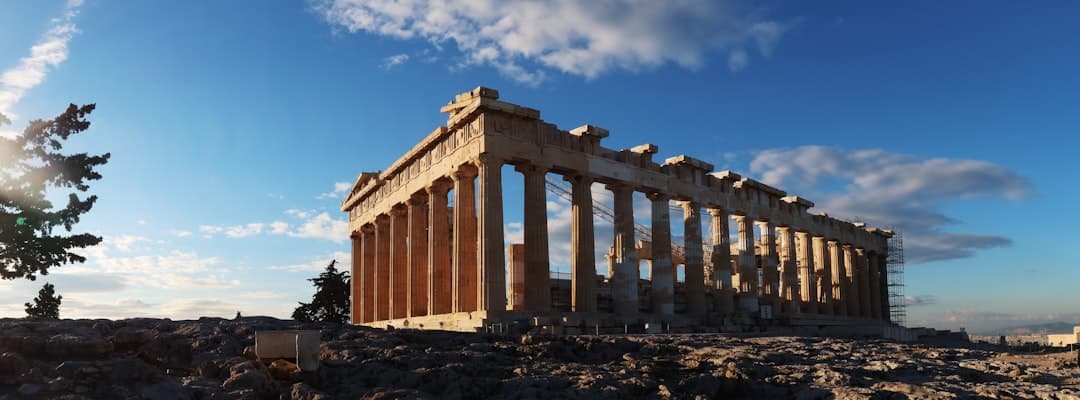
Cape Sounion is a headland at the southern tip of the Attica peninsula, about 70 kilometres from Athens, where the ancient Greeks built a temple to Poseidon — god of the sea — around 444 BCE. The site made obvious sense: sailors leaving or returning to Athens would have spotted those columns from miles out at sea, a landmark and a prayer rolled into one. Today, 15 of the original 34 Doric columns still stand on the promontory, rising from bare white rock above a 65-metre cliff drop to the Aegean. Lord Byron carved his name into one of the columns in the early 19th century — the graffiti is still visible, which is either romantic or appalling depending on your view. The experience is straightforward and deeply satisfying. You walk up through the fenced archaeological site to the temple itself, which commands a 270-degree view of the sea. On clear days you can see the islands of Kea and Kythnos on the horizon. The ruins aren't extensive — this isn't the Acropolis — but the drama of the setting does most of the heavy lifting. Wind is almost always present, the light off the water is extraordinary, and at sunset the columns turn amber and gold while the sea below shifts through every shade of blue. There's also a smaller, less-visited Temple of Athena a short walk to the east, worth a look if you want five minutes of relative solitude. The site is about a 90-minute drive or a 2-hour bus ride from central Athens. The KTEL bus from the Pedion Areos terminal runs regularly and is cheap and easy. Most visitors come for the sunset, which means the crowds peak in the late afternoon. Come earlier in the day — mid-morning on a weekday — and you may have the place nearly to yourself. There's a café and a restaurant near the entrance, both trading on the view rather than the food, but a cold drink while staring at the Aegean is never the wrong call.
Cape of Good Hope
The Cape of Good Hope is one of the most iconic geographic landmarks on earth — a rugged, windswept headland at the southwestern corner of the African continent, inside the Table Mountain National Park. It's the point where Bartolomeu Dias first rounded the southern tip of Africa in 1488, opening the sea route between Europe and Asia and fundamentally changing world trade. That history alone gives the place enormous weight, but what strikes most visitors is the raw, elemental beauty of it: sheer cliffs dropping into churning Atlantic swells, fynbos scrubland stretching in every direction, and a sky that feels enormous. Most people visit as part of the Cape Peninsula drive, one of the great scenic routes in Southern Africa. You enter through the national park gate and wind down through the reserve past baboons, ostriches, and Cape mountain zebras before reaching the cape itself. The famous sign marking the geographic point sits at the base of the cliffs and draws a queue of photographers. From there, a steep path — or a funicular railway — takes you up to the old lighthouse at Cape Point, which sits above the cape and commands one of the most dramatic coastal views on the continent. The walk between Cape Point and the Cape of Good Hope itself is around 45 minutes through open fynbos and is absolutely worth doing on a clear day. The park gates open at 7am and the last entry is typically well before 5pm closing, so arriving early gives you the best light and thinner crowds — late morning on peak summer days can feel very busy. The funicular (called the Flying Dutchman) costs extra and queues build quickly; walk up if you're able-bodied and have the time. Note that baboons in the park are bold and notorious thieves — do not feed them, keep food in your car, and keep windows closed.
Capilano Suspension Bridge
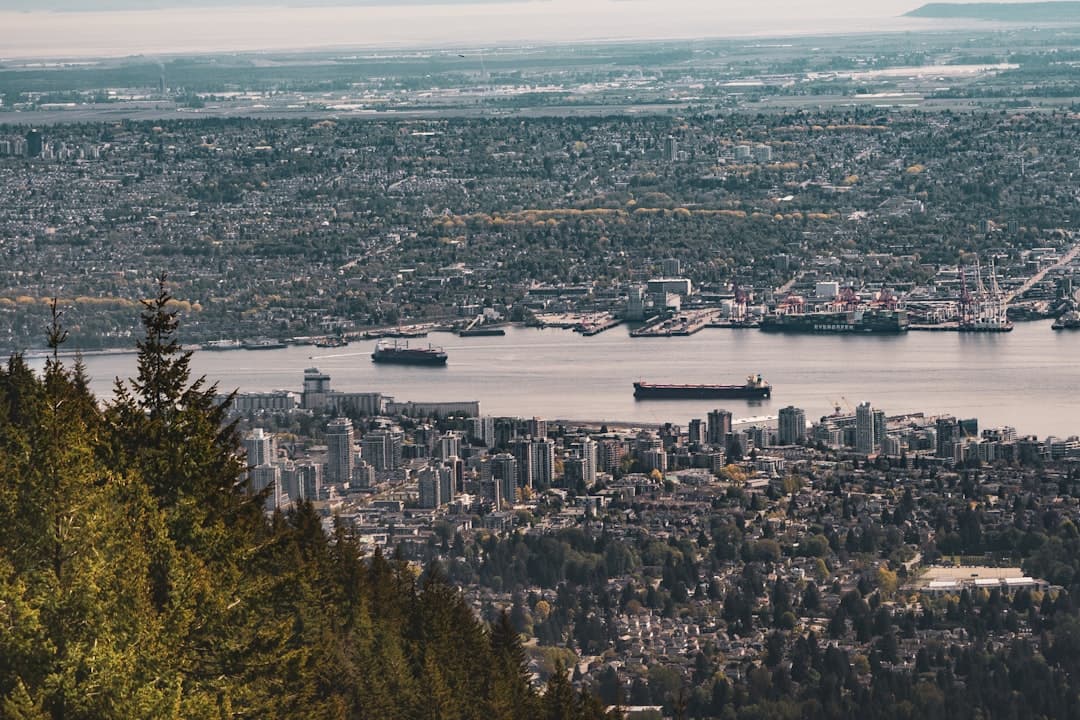
Capilano Suspension Bridge is one of Vancouver's most visited attractions — a 137-metre-long, 70-metre-high footbridge swaying gently over the Capilano River gorge in the forest of North Vancouver. The original bridge was built in 1889 by Scottish civil engineer George Grant Mackay, making it one of the oldest tourist attractions in the city. What surrounds it is the real draw: a dense, ancient Douglas fir forest, the kind of deep green canopy that makes you feel like you've stepped inside a nature documentary. The bridge itself is just the starting point. The park that surrounds it has expanded considerably over the decades and now includes two additional experiences: Treetops Adventure, a series of suspended walkways attached to eight massive old-growth Douglas firs up in the forest canopy, and Cliffwalk, a narrow cantilevered walkway that clings to the granite cliff face above the river. Together, these three elements make for a genuinely immersive few hours — not just a quick photo stop but a real walk through the forest at multiple elevations. There are also totem poles, Indigenous art and cultural displays, and a small collection of food and gift vendors on site. Capilano is undeniably popular — it draws well over a million visitors a year, and on summer weekends the bridge itself can feel like rush hour. The savvy move is to arrive right at opening (9am) or visit midweek, when the forest feels far more like your own. The park runs a free shuttle from Canada Place downtown during peak season, which makes the logistics simple and removes the parking headache. Admission is not cheap, but the combination of the bridge, Treetops, and Cliffwalk gives you enough to do that it doesn't feel like a rip-off.
Capitoline Museums
The Capitoline Museums occupy two Renaissance palaces — Palazzo dei Conservatori and Palazzo Nuovo — flanking the Piazza del Campidoglio, a hilltop square designed by Michelangelo in the 16th century. This is the Capitoline Hill, the sacred center of ancient Rome, where temples to Jupiter and Juno once stood. Opened to the public in 1471 when Pope Sixtus IV donated a collection of bronze statues to the Roman people, these are officially the oldest public museums in the world — not just an old collection, but the original idea that art should belong to everyone. Inside, you move through room after room of Roman imperial sculpture, ancient bronzes, and Renaissance painting. The headline piece is the original bronze equestrian statue of Marcus Aurelius — the real one, protected indoors, while a copy stands in the piazza outside. Nearby is the haunting fragment known as the Capitoline Wolf, an Etruscan or medieval bronze of a she-wolf nursing Romulus and Remus. The Palazzo dei Conservatori's courtyard holds enormous marble fragments of a colossal statue of Constantine — a head, a hand, a foot — each piece alone taller than a person. Upstairs, the Pinacoteca holds paintings by Caravaggio, Titian, and Rubens. A glass corridor bridges the two buildings underground, passing directly over the ruins of the Temple of Jupiter Capitolinus. Buy tickets in advance online — queues at the door can be significant, especially in spring and summer. The museums close at 7:30 PM, but the rooftop terrace of Palazzo dei Conservatori offers one of the best views in Rome of the Forum and Palatine Hill, and it's worth timing your visit to catch the late afternoon light. Audio guides are available and genuinely useful here; the context they provide transforms what might otherwise feel like an overwhelming sea of marble busts into something coherent and moving.
Capri Island
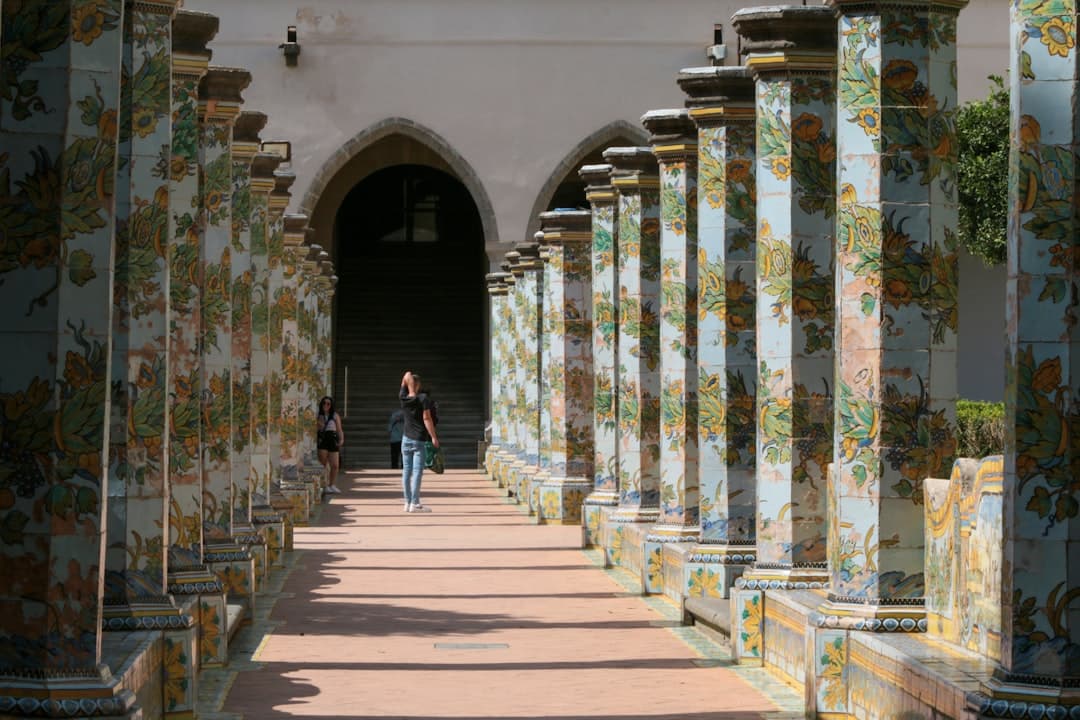
Capri is a small limestone island in the Bay of Naples — only about 10 square kilometers — that has been drawing the wealthy, the famous, and the wonderstruck for over two thousand years. Roman emperors built palaces here; Gracie Fields had a villa; the Kennedys vacationed here. But Capri's pull isn't just about prestige. It's a genuinely stunning place, with vertiginous cliffs dropping into some of the clearest, most intensely blue water in the Mediterranean, two hilltop towns, and a light that photographers chase for a reason. Most visitors arrive by ferry from Naples or Sorrento and immediately face a choice: the two towns of Capri and Anacapri, each with a distinct character. Capri town is the glamorous hub — the Piazzetta, which locals call the world's smallest stage, is ringed with cafés where people-watching reaches competitive sport levels. From there, you walk to the Gardens of Augustus for views over the Faraglioni rock stacks, or take the chairlift from Anacapri up to Monte Solaro, the island's highest point, for a panorama that stretches to Vesuvius and beyond. The Blue Grotto — a sea cave lit by an otherworldly azure glow from light refracted beneath the water — is the island's signature experience, though it requires timing and a bit of patience. Come in May, early June, or September if you can. July and August are genuinely hectic — the Piazzetta turns into a scrum, day-trippers flood every path, and prices spike accordingly. The island is small enough that it's easy to escape the crowds by simply walking further than most people bother to go — the path to the Arco Naturale, or the descent to the lighthouse at Punta Carena on the western tip, will shed most of your fellow visitors within ten minutes.
Carmel Market
Shuk HaCarmel — the Carmel Market — is Tel Aviv's oldest and most beloved street market, stretching several blocks through the heart of the city. It's been feeding Tel Avivians since the 1920s, and despite the city's rapid gentrification around it, the market has held onto its rough-edged, vendor-shouted, haggle-if-you-dare character. This is not a curated food hall or a tourist trap with artisan signage. It's a real working market where grandmothers squeeze tomatoes and spice vendors fill bags by the kilo. Walking through, you'll pass stalls piled high with olives in a dozen brines, mountains of dried fruit and nuts, fresh-squeezed juice stands, cheap falafel, Israeli cheeses, burekas, halvah sliced off enormous blocks, and piles of seasonal produce priced for people who actually cook. The southern end near Allenby Street is where the food is densest; deeper in, the market transitions into clothing, housewares, and knockoff goods. Street food vendors along the edges sell sabich, shawarma, and fresh coconut water. It's loud, crowded, and genuinely alive in a way that air-conditioned supermarkets can never replicate. Friday mornings are the peak experience — the market hits full intensity as Shabbat shopping kicks in and the whole city seems to be there at once — but arrive before noon or you'll be fighting serious crowds. Thursday evenings have a different, younger energy, as the stalls spill into the surrounding Florentin and Kerem HaTeimanim neighborhoods. The market closes for Shabbat on Saturday, so plan accordingly. Cash is king here, though some vendors now accept cards.
Casa Batlló
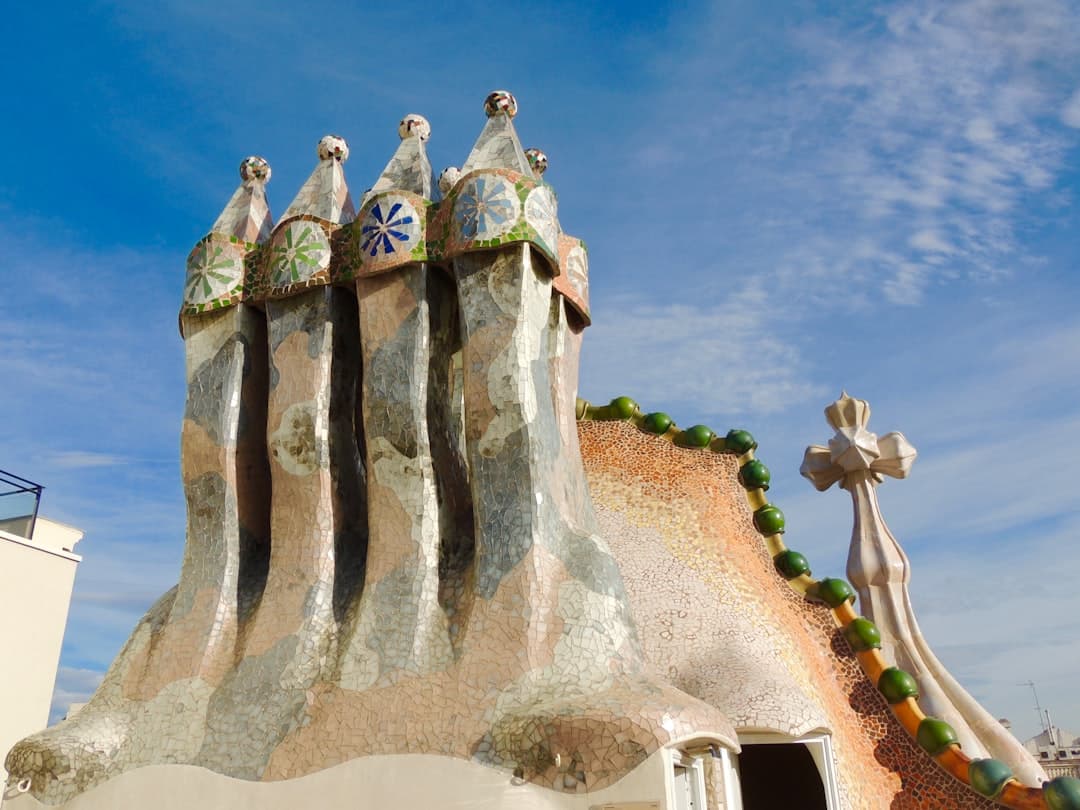
Casa Batlló is one of Antoni Gaudí's most celebrated works — a private residence on Passeig de Gràcia that he radically remodelled between 1904 and 1906 for textile industrialist Josep Batlló. The façade is unlike anything else in the world: a cascade of iridescent ceramic tiles in blues, greens, and golds, punctuated by bone-like balconies and a roof that curves and ripples like the spine of a dragon or the scales of a sea creature. Locals call it the Casa dels Ossos — the House of Bones — and once you see the skeletal columns and skull-shaped balconies up close, you'll understand why. It sits on the so-called Block of Discord alongside two other modernista masterpieces, Domènech i Montaner's Casa Lleó Morera and Puig i Cadafalch's Casa Amatller, making this short stretch of pavement one of the most architecturally extraordinary in Europe. Inside, the experience is immersive and genuinely strange in the best possible way. Gaudí designed every surface — walls undulate like ocean swells, the central light well shifts from deep cobalt at the bottom to pale sky-blue at the top to maximise natural light distribution, and the attic is a whitewashed catenary-arched space that feels like the inside of a ribcage. The main floor (the Noble Floor, originally the Batlló family's private apartment) has been restored in extraordinary detail. Most visitors use the venue's acclaimed Magic Nights events and the standard ticket, which includes a smart-device audio guide that layers in music, animation, and augmented reality — theatrical without being gimmicky. Buy tickets online in advance without exception; same-day tickets at the door are often unavailable and always more expensive. Evening tickets offer a different atmosphere entirely — the building is lit dramatically, crowds thin out slightly, and the rooftop terrace, where that dragon spine is most vivid, takes on an almost otherworldly quality after dark. The rooftop is a highlight not to be rushed past. If you're visiting in June, the venue hosts live jazz concerts on the rooftop during the Sant Joan period — a genuinely memorable way to spend a Barcelona evening.
Casa Loma
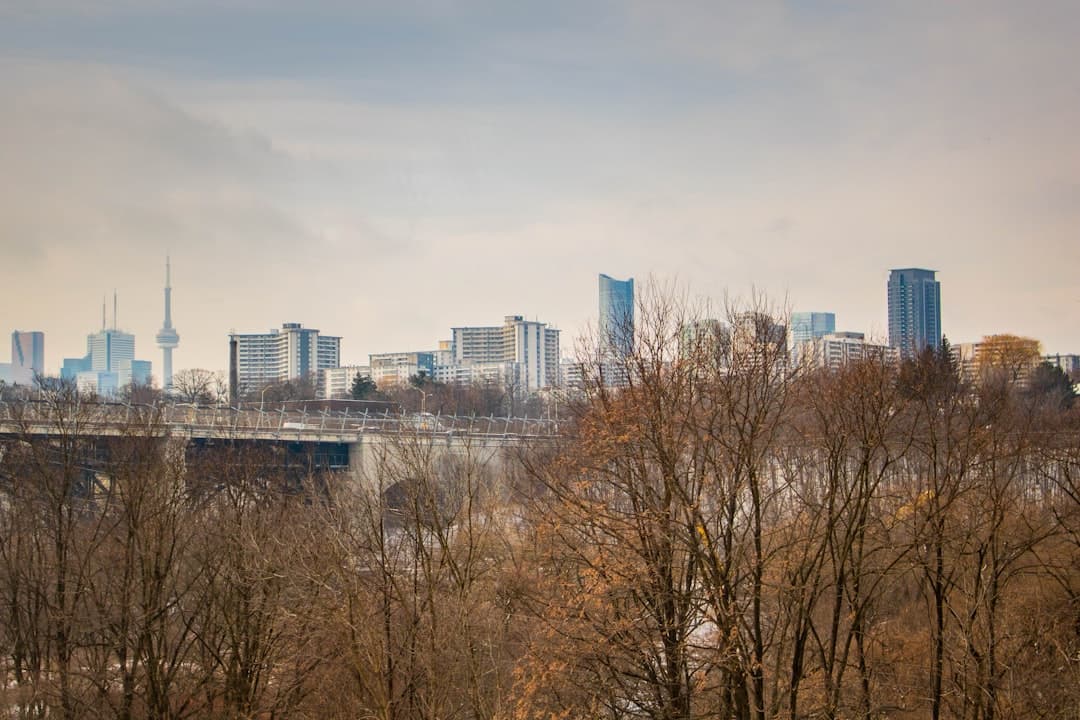
Casa Loma is a full-scale Gothic Revival castle sitting on a hill in midtown Toronto, built between 1911 and 1914 for Sir Henry Pellatt, a financier who made his fortune in hydroelectric power. With 98 rooms, secret passages, a 800-foot tunnel to the stables, and towers you can actually climb, it's one of the most architecturally dramatic buildings in Canada — and the fact that it exists in the middle of a major North American city makes it genuinely surprising. Pellatt lived here for only about a decade before mounting debts and tax bills forced him out; the city eventually took it over, and today it's run as a heritage attraction and event venue. A visit typically takes you through elaborately decorated period rooms — Sir Henry's study, Lady Pellatt's suite with its marble bathroom, the great hall with its 60-foot ceiling — along with the knights' study, the library, and a wine cellar. The highlight for most people is the tunnel, a long underground passage that connects the main house to the carriage house and stables, which have been beautifully restored. You can climb two towers for sweeping views over the city and the lake on a clear day. The whole thing is self-guided with audio tour options, so you set your own pace. Casa Loma sits at the top of a long staircase off Spadina Road, which is part of the charm — you approach it like a proper castle. The surrounding Annex and Forest Hill neighborhoods are worth exploring afterward. Evenings at Casa Loma host frequent events, from themed dinners to immersive experiences and Toronto's beloved annual haunted attraction at Halloween, which sells out fast. If you're visiting during a regular daytime slot, arriving right at opening (9:30am) gets you the rooms to yourself before the school groups arrive.
Casa Vicens
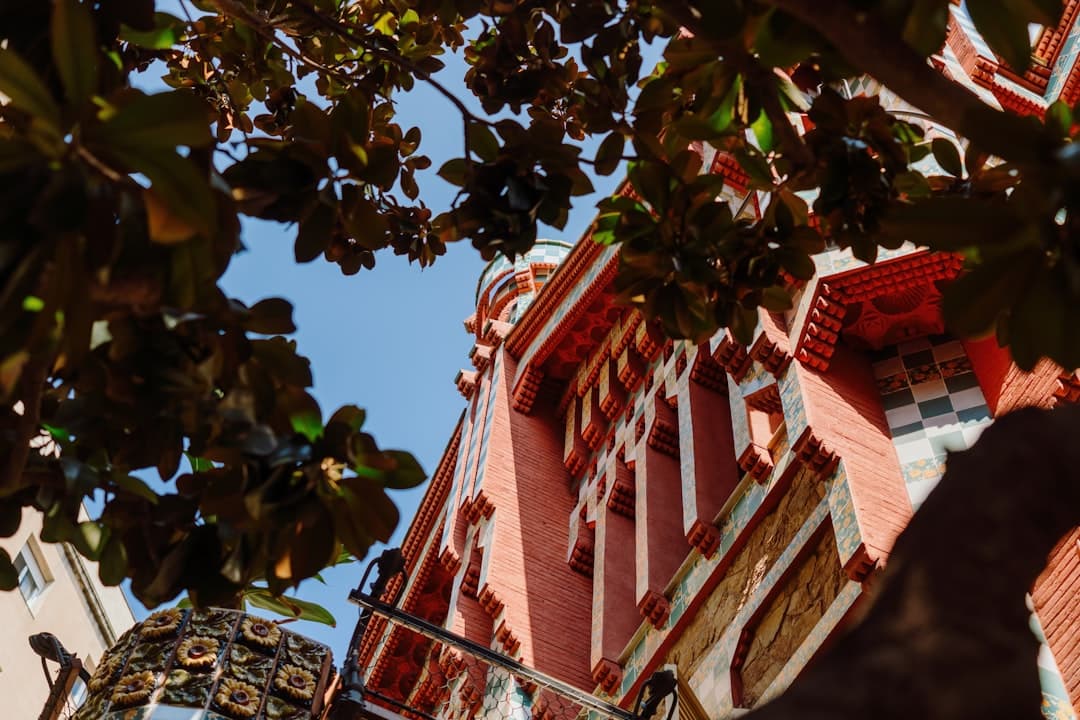
Casa Vicens was Antoni Gaudí's debut as an architect — built between 1883 and 1885 as a summer villa for the tile manufacturer Manuel Vicens i Montaner — and it's where you can see him figuring out exactly who he was going to become. Long overshadowed by the Sagrada Família and Casa Batlló, it only opened to the public in 2017 after being privately owned for most of its existence. That late arrival to the tourist circuit means it still feels genuinely discovered rather than trampled, yet it's a UNESCO World Heritage Site and one of the most architecturally significant buildings in Barcelona. The building is a riot of Moorish and Orientalist influences — geometric ceramic tiles, intricate ironwork, a minaret-like tower, and a facade covered in checkerboard patterns of yellow, white, and green. Inside, the rooms have been carefully restored to reflect how they would have appeared in the 1880s, with elaborate painted ceilings, carved wooden details, and the original Japanese-influenced smoking room that still feels surreal and beautiful. The garden has been partially recreated, and the house includes an exhibition space that explains the building's history and its place in Gaudí's career arc. Casa Vicens sits in the Gràcia neighbourhood, which is worth exploring in its own right — full of independent cafés, bookshops, and local squares that feel nothing like the Eixample tourist corridor. Crowds here are a fraction of what you'd face at the big Gaudí hits, so you can actually stand in front of the facade and take a photo without forty people in the way. Book tickets online in advance to secure your preferred time slot; the building has timed entry and capacity is limited.
Casa de Pilatos
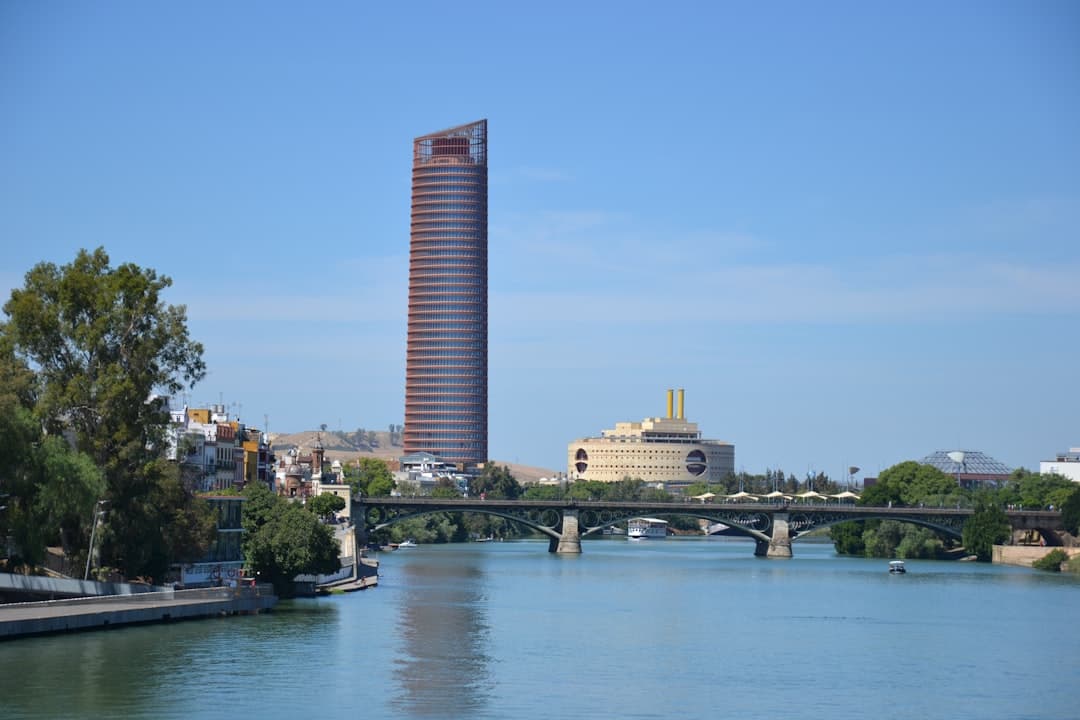
Casa de Pilatos is a breathtaking 16th-century aristocratic palace in the heart of Seville's old city, still owned by the Medinaceli family — one of Spain's oldest noble dynasties. Built by the Enríquez de Ribera family starting in the early 1500s, it became a landmark blend of Mudéjar, Gothic, and Renaissance architecture, with later Roman antiquities layered in by Don Fadrique Enríquez de Ribera after his travels to Italy. Legend has it that he modeled the Via Crucis from the palace to a nearby chapel on the route of the Passion of Christ in Jerusalem — hence the name, a reference to Pontius Pilate's house. It's one of the finest examples of Andalusian palatial architecture in existence, and because it still functions as a private residence on its upper floor, it carries a lived-in atmosphere that the more famous Alcázar can't quite match. A visit here takes you through a series of courtyards dripping with azulejo tilework, carved plasterwork ceilings, and Roman busts displayed in niches along the arcaded galleries. The central courtyard — the Apeadero and the main Patio Principal — is jaw-dropping: a fountain at the center, orange trees, marble columns, and an overwhelming quietness given how spectacular it is. The ground floor is fully open and includes grand reception rooms, an intimate chapel, and a garden with clipped hedges and classical statuary. A separate ticket gets you upstairs into the staterooms where the Duke still keeps apartments — the upper floor has frescoed ceilings and an extraordinary private art collection including works attributed to Goya and Pacheco. Casa de Pilatos sits on Plaza de Pilatos in the Santa Cruz and San Bartolomé area, a short walk from the Cathedral but tucked into a quieter tangle of streets. It draws far fewer visitors than the Alcázar despite being genuinely comparable in richness — which means you can stand in that central courtyard in relative peace, which at the Alcázar is almost unthinkable. Come in the morning for the best light in the patios and the smallest crowds. The upper-floor tour is sold separately at the entrance and is worth every extra euro.
Cascais
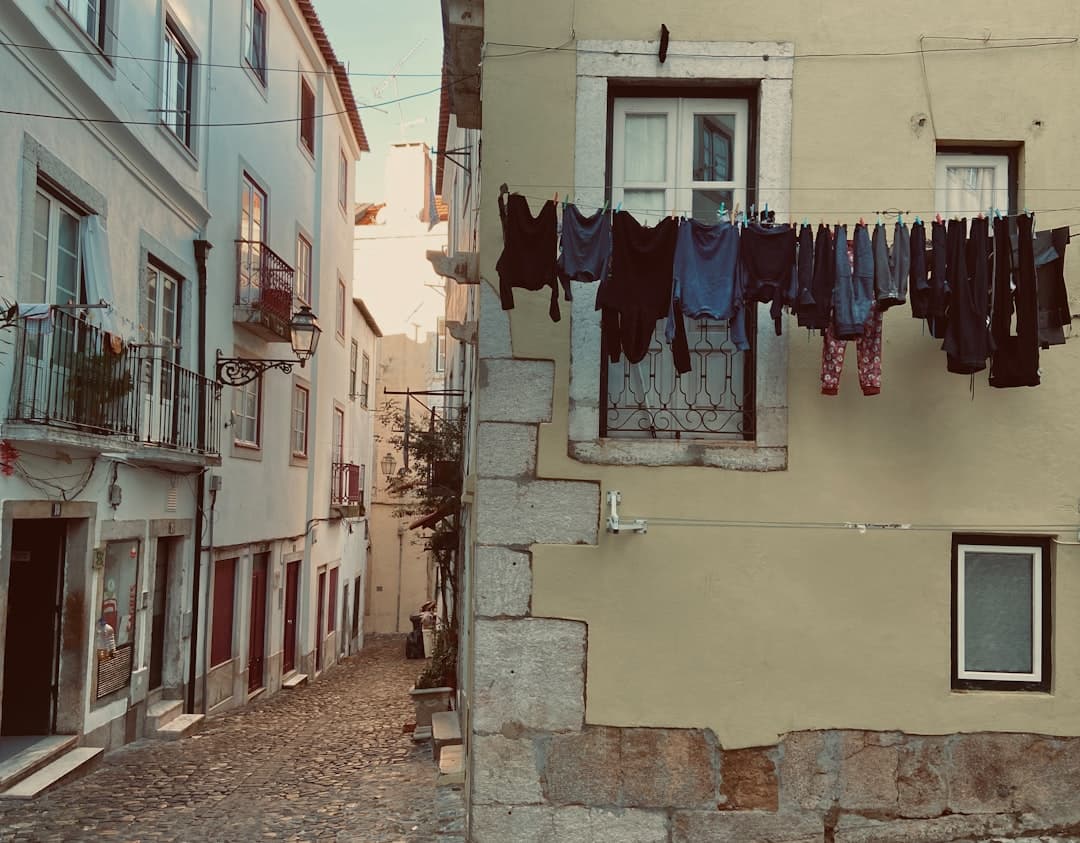
Cascais is a coastal town about 30 kilometres west of Lisbon, sitting where the Tagus estuary meets the open Atlantic. Once a humble fishing village, it became a favourite retreat of the Portuguese royal family in the late 19th century — King Luís I summered here regularly — which drew European aristocracy, artists, and eventually wealthy Lisbon residents. That royal heritage shaped everything: the wide promenades, the handsome villas, the casino, the manicured gardens. Today it's one of the most popular day trips from Lisbon and a legitimate destination in its own right, blending a genuinely charming old town with excellent beaches, good restaurants, and a lively marina. The town itself rewards slow wandering. The historic centre — pedestrianised lanes of whitewashed buildings decorated with blue-and-white azulejo tiles — clusters around the Largo Luís de Camões and the fishing harbour, where boats still come in each morning. The Citadela, a 16th-century fortress that's been converted into a luxury hotel and arts space, anchors the seafront. From there, a cycling and walking path hugs the coast all the way to Guincho beach, one of the most dramatic stretches of Atlantic shoreline in Portugal — wide, wind-blasted, and backed by the Serra de Sintra hills. The Boca do Inferno (Mouth of Hell), a natural rock arch and sea cave about a kilometre west of town, is an easy walk and genuinely impressive at high tide or in a swell. Cascais works as a half-day trip from Lisbon but deserves a full day if you want to combine the town centre, a beach, and a meal. The train from Cais do Sodré station takes about 40 minutes and drops you right in the centre — it's one of the most scenic commuter rail lines in Europe, running along the river and coast the whole way. Avoid peak summer weekends if crowds bother you; the town gets genuinely packed in July and August. The streets and restaurants around Rua Frederico Arouca are the best hunting ground for dinner — Casa da Guia, a cluster of restaurants and shops in a converted villa west of the marina, is worth knowing about.
Castel Nuovo
Castel Nuovo — nicknamed the Maschio Angioino, or Angevin Keep — is a massive medieval castle rising up from the seafront at the edge of Naples' historic center. Built by Charles I of Anjou starting in 1279 and later expanded by the Aragonese kings in the 15th century, it served as the royal seat of power for the Kingdom of Naples for centuries. The most striking feature from the outside is the white marble Triumphal Arch of Alfonso of Aragon, wedged dramatically between two dark stone towers — a Renaissance masterpiece commemorating Alfonso I's entry into Naples in 1443, and one of the finest surviving examples of 15th-century Italian triumphal architecture. Inside, you'll find a civic museum spread across two floors of the castle, housing a collection of medieval and Renaissance sculptures, bronzes, paintings, and silverwork — much of it connected to the castle's long royal history. The Palatine Chapel of Santa Barbara, tucked inside the complex, retains fragments of 14th-century frescoes and an extraordinary Gothic rose window. Climb up to the castle's towers for views across the Bay of Naples toward Vesuvius and the harbor — the kind of panorama that rewards the effort of getting up there. The castle sits right at Piazza Municipio, steps from the ferry terminals and just a short walk from the historic center, making it easy to combine with a stroll along the waterfront or a visit to the nearby Palazzo Reale. Crowds here are lighter than at the National Archaeological Museum, so you can move through at a relaxed pace. Go in the morning when the light catches the Triumphal Arch at its best.
Castel Sant'Angelo
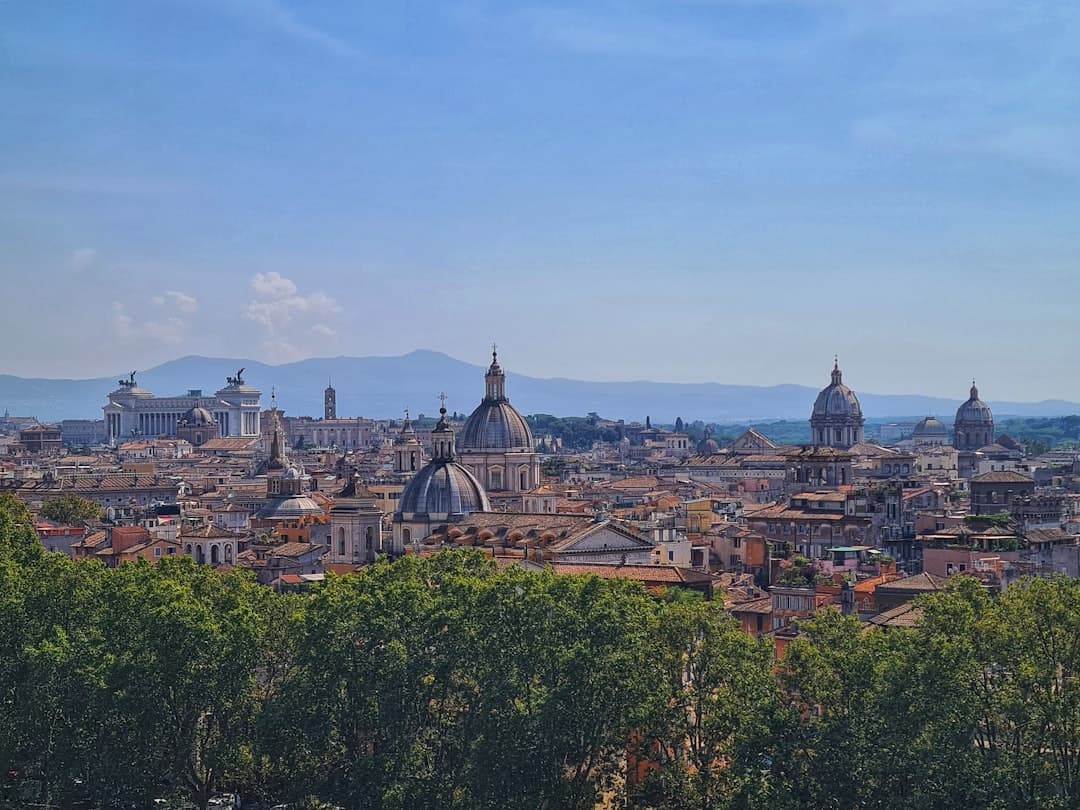
Castel Sant'Angelo started life as a mausoleum built by Emperor Hadrian in 139 AD to hold the remains of himself and his successors. Over the centuries it was converted into a medieval fortress, a papal castle, a prison, and finally a museum — each era leaving its mark in layers you can still read in the walls. It sits on the west bank of the Tiber, connected to the Vatican by a raised passageway called the Passetto di Borgo, and its cylindrical silhouette topped by the bronze archangel Michael is one of the most recognisable skylines in Rome. Inside, you move through roughly 2,000 years of history on foot: Hadrian's original spiral ramp winds up through the core of the building, Roman-era chambers give way to Renaissance papal apartments decorated with frescoes and period furniture, and execution courtyards sit just steps from ornate reception halls. The view from the terrace at the top — the same terrace where the climactic scene of Puccini's Tosca is set — stretches across the rooftops to St Peter's dome and down the length of the Tiber. It's genuinely one of the great urban panoramas in Europe. The castle is a short walk from the Vatican and sits at one end of the Ponte Sant'Angelo, the pedestrian bridge lined with Bernini's angels that's worth crossing slowly. The castle is closed on Mondays. Lines can be long in peak season, and the interior involves a fair amount of climbing on uneven stone surfaces — wear sensible shoes. The upper terrace café is unremarkable, but the view from it is not.
Castel dell'Ovo
Castel dell'Ovo — Castle of the Egg — is Naples' oldest surviving castle, sitting on the small islet of Megaride at the edge of the Santa Lucia waterfront. The site has been occupied for over 2,700 years: Greek settlers from Cumae founded a colony here around 680 BC, the Roman general Lucullus later built a lavish villa on the rock, and the Normans eventually raised the fortress that still stands today. The name comes from a medieval legend that the Roman poet Virgil, credited by Neapolitans with magical powers, hid an egg inside the castle's foundations — and if the egg ever breaks, the castle will fall and Naples with it. It's the kind of myth that tells you everything about how seriously this city takes its own history and mysticism. Today the castle is free to enter and open to the public, which makes it one of Naples' most rewarding stops. You walk across a short causeway from the Borgo Marinaro — a cluster of restaurants and bobbing fishing boats that feels almost cinematic — and into the castle grounds. Inside, you can explore several chambers used for rotating art exhibitions, but the real draw is climbing up through the towers to the rooftop terraces. From up there you get an extraordinary panorama: Vesuvius looming to the east, the arc of the bay stretching toward Posillipo, and the chaotic, beautiful city spread behind you. It's one of the best free viewpoints in all of southern Italy. The castle is popular but rarely overwhelming — most tourists who come down to the waterfront stop at the Borgo Marinaro restaurants rather than walking inside. Come in the late afternoon when the light turns golden on the water and the city starts to glow. Afterwards, grab a drink at one of the outdoor tables in the Borgo Marinaro below and watch the boats. It costs nothing to enter, there are no timed slots, and the whole visit is pleasantly unhurried by Neapolitan standards.
Castillo San Felipe de Barajas
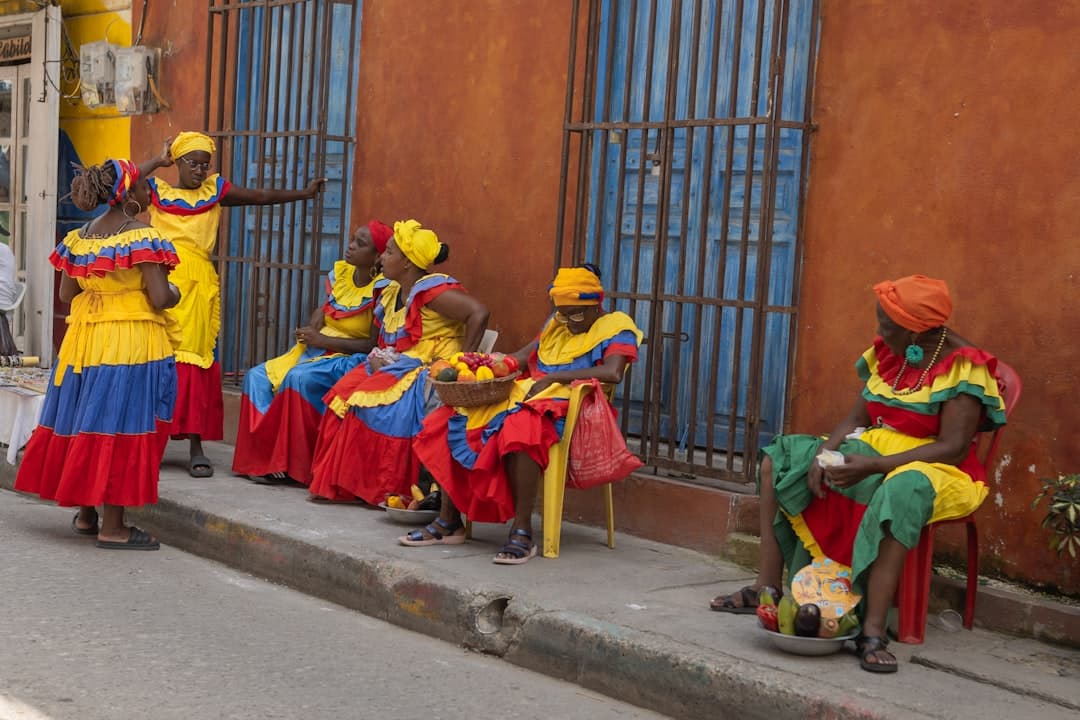
Castillo San Felipe de Barajas is the largest and most formidable Spanish colonial fortress ever built in the Americas. Construction began in 1536 on the hill of San Lázaro overlooking Cartagena, and it was expanded significantly in the late 17th century after a brutal sack by French privateer Baron de Pointis. The result is an engineering marvel — a tiered labyrinth of angled bastions, sloping walls, and underground tunnels designed to deflect cannon fire and channel attackers into kill zones. It successfully repelled British Admiral Edward Vernon's massive assault in 1741, one of the largest amphibious attacks in naval history before D-Day, and that victory is a point of enormous pride for Cartageneros to this day. Visiting feels like stepping into a working military puzzle. You walk the ramparts for sweeping views over the city and the Caribbean beyond, descend into the tunnel network that once served as ammunition stores and escape routes, and climb to the upper batteries where the original cannon emplacements still point defiantly outward. The tunnels are a particular highlight — cleverly designed so that sound would carry from one end to another, allowing defenders to detect approaching enemies. Guides on-site (some independent, some official) can walk you through the military strategy that made the fort so effective. Arrive early — ideally when the gates open at 7am — to beat both the tour groups and the Caribbean heat, which becomes punishing on the exposed stone terraces by mid-morning. The entrance fee is modest and there's a small museum on-site with artifacts and historical context. The famous statue of Blas de Lezo, the one-eyed, one-legged admiral who commanded the defense against Vernon, stands just outside the castle walls and is worth a moment before you head in.
Castillo de la Real Fuerza
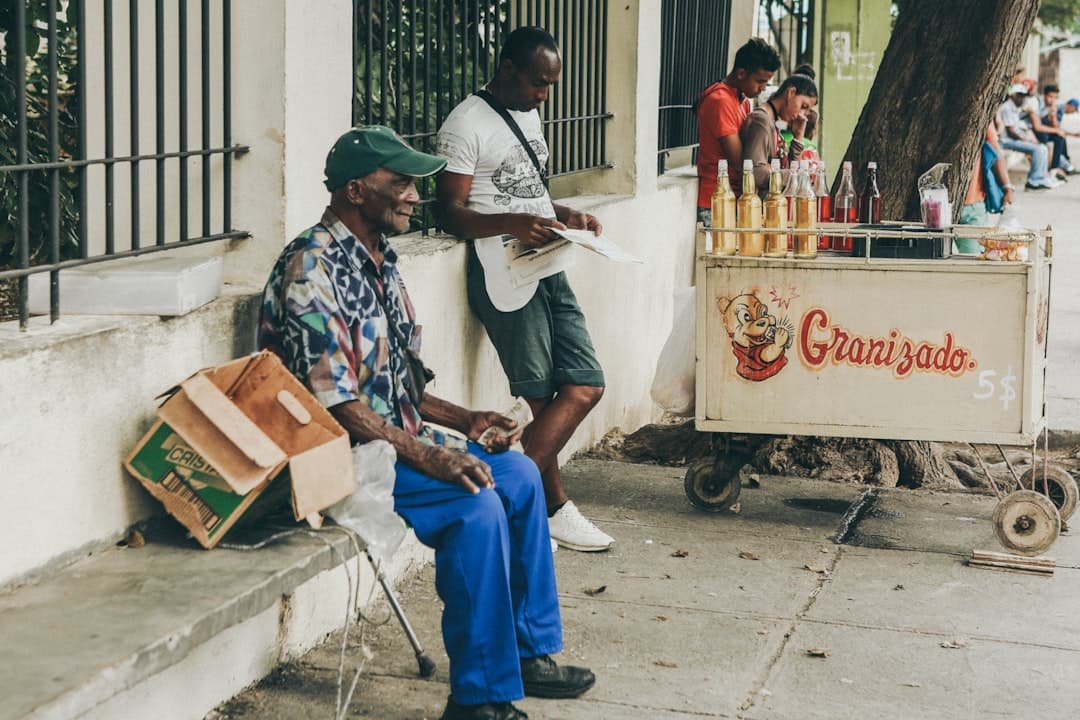
The Castillo de la Real Fuerza — the Castle of the Royal Force — is a squat, moat-ringed fortress sitting at the edge of Havana Harbor, just off the Plaza de Armas. Built by the Spanish in the late 16th century after pirates sacked and burned the original settlement, it became the seat of Spanish colonial power in Cuba and one of the oldest surviving European military structures in the Western Hemisphere. That bronze weathervane on the tower, La Giraldilla, is one of Cuba's most recognizable symbols — she's been the logo of Havana Club rum for decades, though the original sculpture is housed inside and what you see on the tower is a replica. Today the castle functions as a maritime museum, so the experience is a blend of military architecture and seafaring history. You walk through thick stone walls and down into the moat, exploring rooms filled with model ships, navigational instruments, colonial-era weaponry, and artifacts tracing Cuba's relationship with the sea from conquest through the colonial period. The tower climb rewards you with one of the better views of the harbor mouth and the old city rooftops — modest in height but perfectly framed. It's a compact visit, manageable in under two hours, that gives you real historical grounding before you wander deeper into Habana Vieja. The castle sits directly on the Plaza de Armas, Havana's oldest public square, which is itself worth time — second-hand book vendors set up stalls around the central garden most days, and the square is ringed with other colonial-era buildings. Come in the morning when the light hits the stone facade from the east and the harbor is still calm. Admission is inexpensive by any standard, and the museum tends to be quieter than the Cathedral or the Museo de la Ciudad nearby.
Catacombs of Paris
Beneath the busy streets of the 14th arrondissement lies one of the world's most extraordinary underground sites: a vast network of former limestone quarries that were converted in the late 18th century into an ossuary holding the remains of approximately six million people. Paris had a chronic problem with overflowing cemeteries, and starting in 1786, the city systematically transferred bones from graves across the city into these tunnels. The result is not a morbid dumping ground but a carefully arranged, almost artistic installation — skulls and femurs stacked in deliberate patterns along hundreds of meters of passageway, all sitting about 20 meters below the city. Visitors enter via a narrow spiral staircase and descend into cool, dimly lit corridors. After walking through a section of unremarkable quarry tunnel (which builds atmosphere nicely), you reach the ossuary proper, announced by the inscription "Stop — this is the empire of death." From there, the route winds past walls of carefully arranged bones interspersed with plaques, carved reliefs, and dedications. The temperature underground stays around 14°C year-round, which makes it one of the few places in Paris where you might actually want a jacket in August. The official tour route covers about 2 kilometers of the tunnels, though the full network stretches for hundreds of kilometers beneath the city. The Catacombs draw long queues, especially in summer, and timed-entry tickets purchased in advance are essentially mandatory if you don't want to spend hours outside on the pavement. The entrance is at Denfert-Rochereau, conveniently served by metro and RER. Note that Monday is the one day it's closed. Bag storage is not available underground, so travel light. There's also a small but worthwhile museum section near the exit explaining the history of the quarries and the transfers. Skip-the-line tickets are genuinely worth it here — this is one of Paris's most visited attractions for good reason.
Cenote Dos Ojos
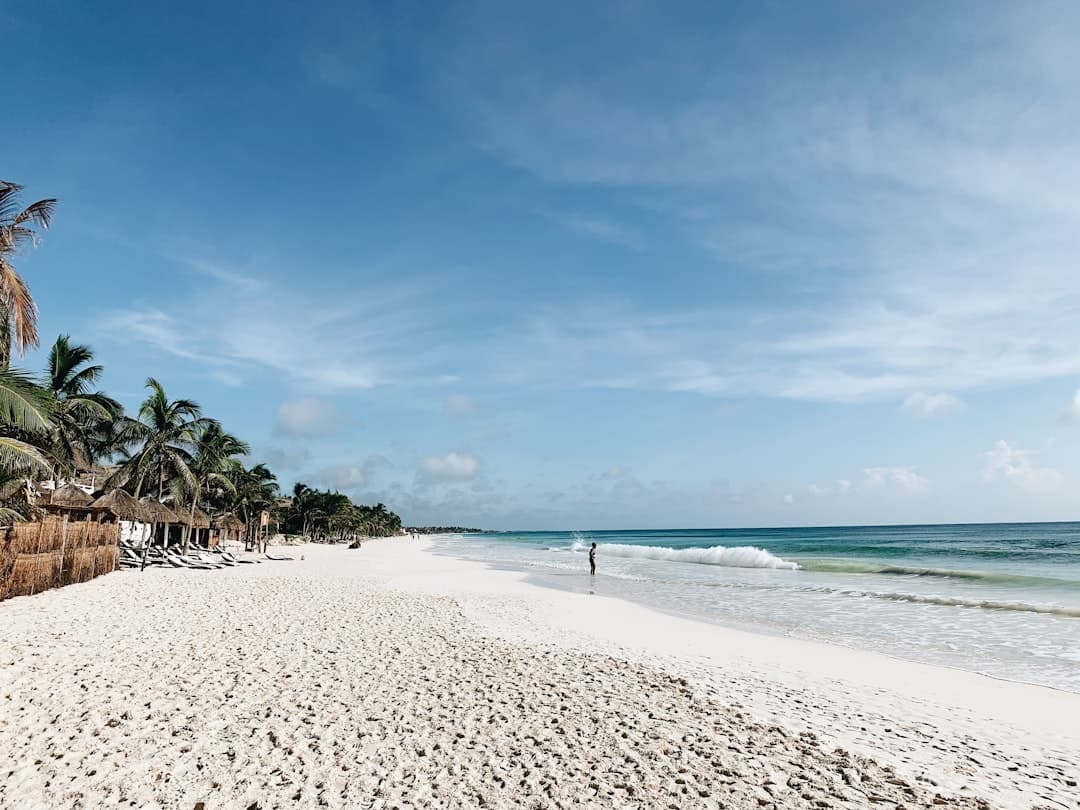
Cenote Dos Ojos — Spanish for 'two eyes' — is a flooded cave system about 25 kilometers north of Tulum town, and it's among the most celebrated freshwater dive sites on Earth. The name comes from two circular openings in the jungle floor that peer up at the sky like a pair of eyes. Beneath them lies an interconnected labyrinth of underwater passages stretching for hundreds of kilometers, part of the vast Sistema Dos Ojos cave network. The water, filtered through limestone over millennia, is so clear it reads closer to air than liquid — visibility regularly exceeds 100 meters, which is genuinely disorienting in the best possible way. You have two main options here. Snorkelers can float through shallow, sunlit passages called the Barbie Line, where shafts of light cut through the water and illuminate ancient stalactites and stalagmites that formed when these caves were dry, during the last ice age. It's accessible, otherworldly, and requires no certification. Divers with open-water or cave certifications unlock far more of the system, including the Bat Cave — a chamber where thousands of bats roost above the waterline — and deeper passages where a halocline layer, the meeting point of fresh and salt water, creates a shimmering visual effect like swimming through blown glass. Dos Ojos is busiest mid-morning when tour buses from Tulum and Playa del Carmen arrive. Arriving right at opening — 8am — means you'll often have the cave largely to yourself, with the added bonus of softer, more dramatic light. The entry fee includes a life jacket and flashlight for snorkelers; bring your own wetsuit or rent one on-site, as the water hovers around 24°C year-round. Guided snorkel and dive tours can be arranged at the entrance, and several reputable dive operators from Tulum run certified cave and cavern diving programs here.
Centraal Station
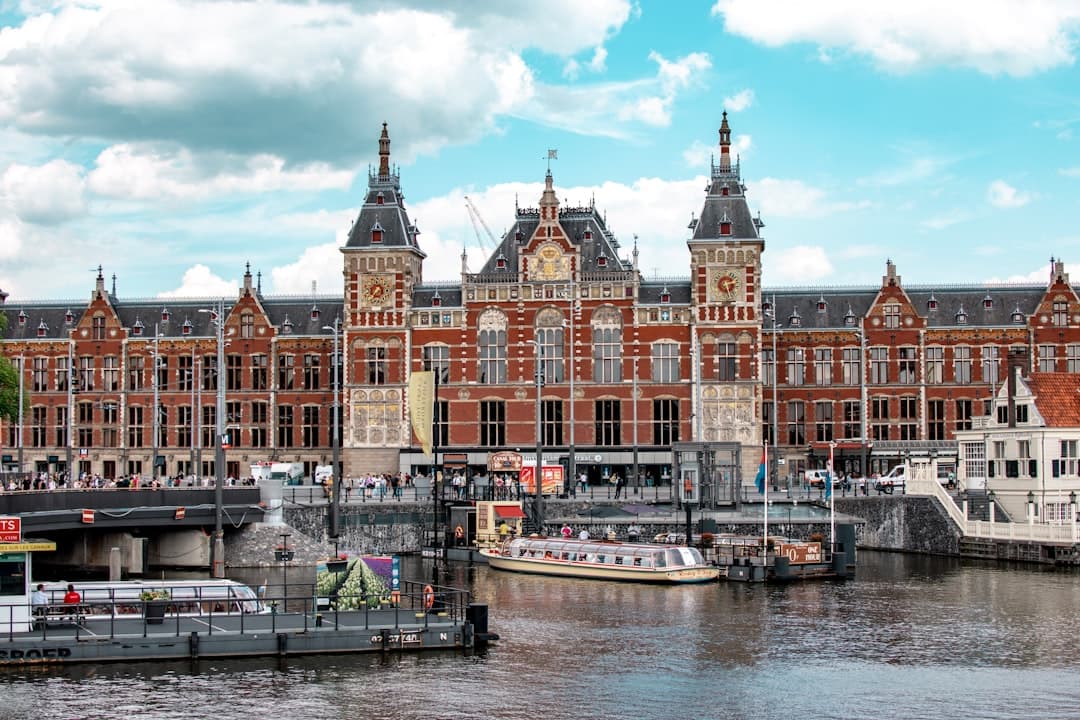
Amsterdam Centraal is the city's main railway station, opened in 1889 and designed by Pierre Cuypers — the same architect behind the Rijksmuseum. That's not a coincidence; the two buildings share the same neo-Gothic, neo-Renaissance DNA, and together they anchor opposite ends of the Damrak. Most visitors rush through without looking up, which is their loss. The station is one of the most architecturally significant public buildings in the Netherlands, and it processes roughly 250,000 passengers a day, making it one of Europe's busiest rail hubs. Once you slow down, the building rewards attention. The façade is a riot of red brick, stone detailing, and gilded ornaments, including two stone reliefs on the towers representing maritime trade and rail travel — a nod to Amsterdam's dual identity as a port city and a modern nation. Inside, the main hall has been renovated in recent years and blends original ironwork with contemporary retail and food options. Step outside onto the Stationsplein and you get one of Amsterdam's great urban views: the IJ waterfront, ferries heading to Amsterdam Noord, and the city fanning out before you. The free ferries depart from directly behind the station and are worth taking just for the crossing. Practically speaking, Centraal is where almost every visitor to Amsterdam begins and ends their trip, and it connects to trams, buses, the metro, and international trains including Thalys and Eurostar services. The area immediately around the station — particularly the Damrak — is aggressively touristy, so don't judge the city by what you see in that first 500 metres. Walk ten minutes in almost any direction and the real Amsterdam opens up. If you have a few minutes to kill, the small Stedelijk Museum display in the station's east wing occasionally features rotating art installations.
Central Market
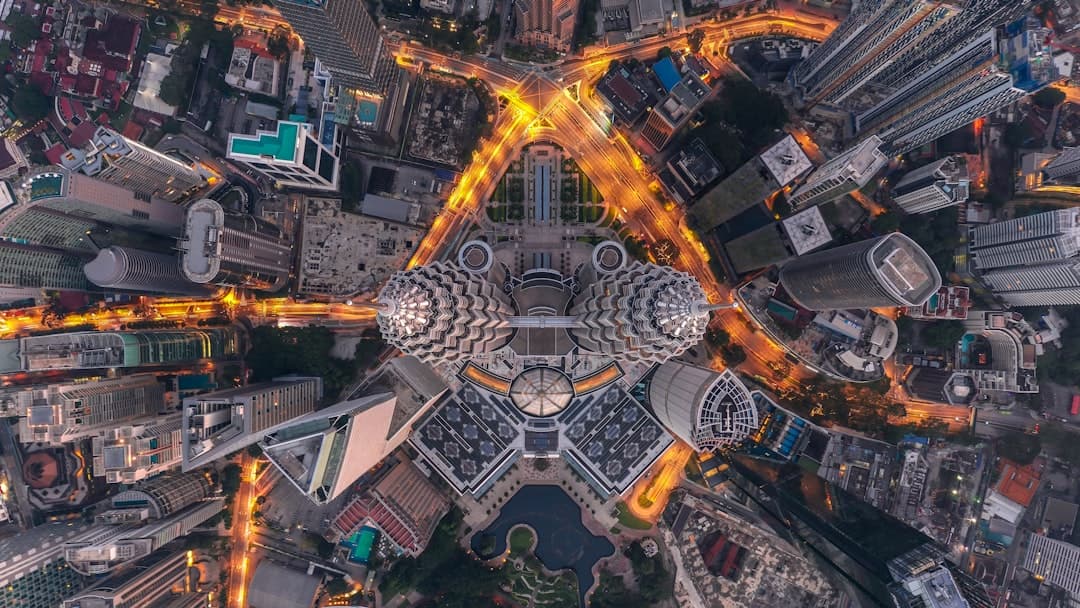
Central Market — or Pasar Seni, as it's known in Malay — is a heritage building in the heart of Kuala Lumpur that has been a commercial hub since 1888. Originally a wet market selling fresh produce and meat, it was saved from demolition in the 1980s and converted into a cultural marketplace focused on Malaysian arts, crafts, and souvenirs. The Art Deco building, painted in a distinctive pastel blue, is now a national heritage site and one of KL's most recognizable landmarks. For visitors, it offers a rare chance to shop for genuinely Malaysian-made goods in a central, covered, walkable space — a welcome contrast to the city's gleaming malls.