
All Places
1,073 places around the world
1,073 places · page 8 of 45
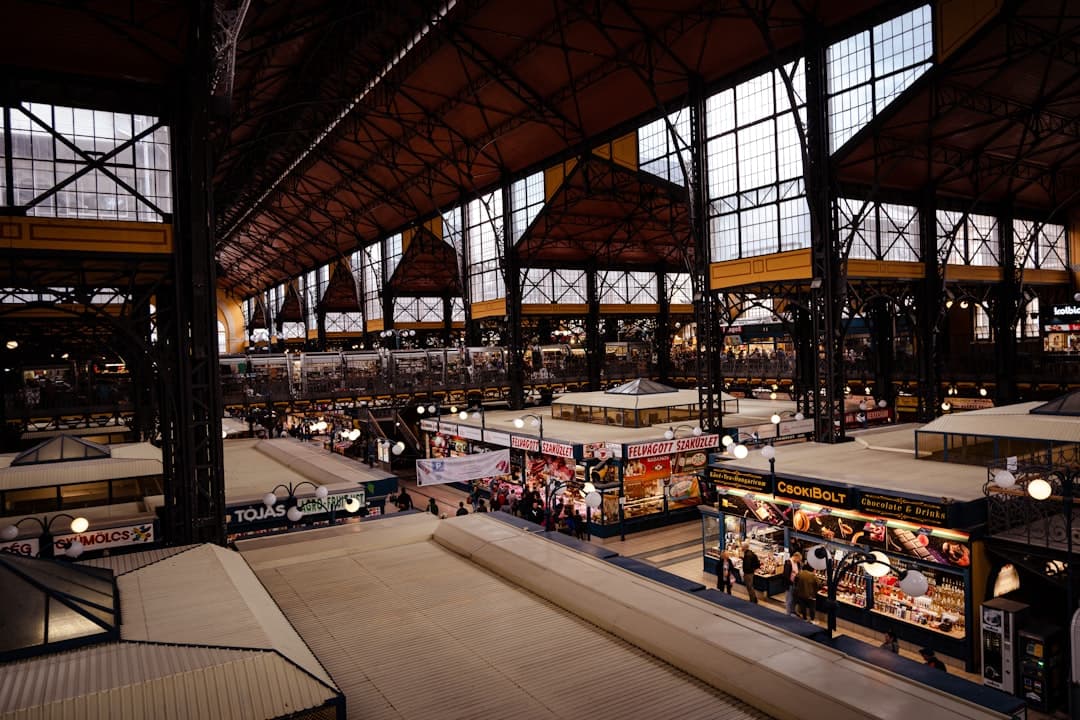
Central Market Hall
The Central Market Hall — Nagy Vásárcsarnok in Hungarian — is Budapest's largest and oldest covered market, built in 1897 as part of a city-wide modernisation push. The building itself is a piece of architecture worth stopping for: a soaring iron-and-brick cathedral of commerce designed by Samu Petz, with a roof tiled in the distinctive Zsolnay ceramics that appear all over the city. It sits at the Pest end of the Liberty Bridge, right on the Danube, and after a major post-Cold War renovation it's as handsome as it's ever been. Inside, three floors do very different things. The ground floor is a working food market — produce stalls piled with paprika and pickled vegetables, butchers selling kolbász and mangalica pork, fish counters and dairy vendors. This is where Budapest households still shop, especially early on weekday mornings. The upper gallery is more tourist-facing, with embroidered tablecloths, folk pottery, and lace alongside a row of food stalls dishing out lángos (deep-fried dough topped with sour cream and cheese, a Hungarian street food staple) and other snacks. The basement holds more produce, pickles, and a handful of meat and fish vendors. Come on a weekday morning if you want to feel the market at its most authentic — Saturday afternoons skew heavily toward tour groups. The lángos at the upper level stalls gets a lot of attention but the quality varies between vendors; look for the one with the longest local queue. Cash is still king at most stalls, though this has been slowly changing. Prices on the upper floor for souvenirs are negotiable if you're buying in volume, and the ground-floor produce prices are genuinely good by European standards.
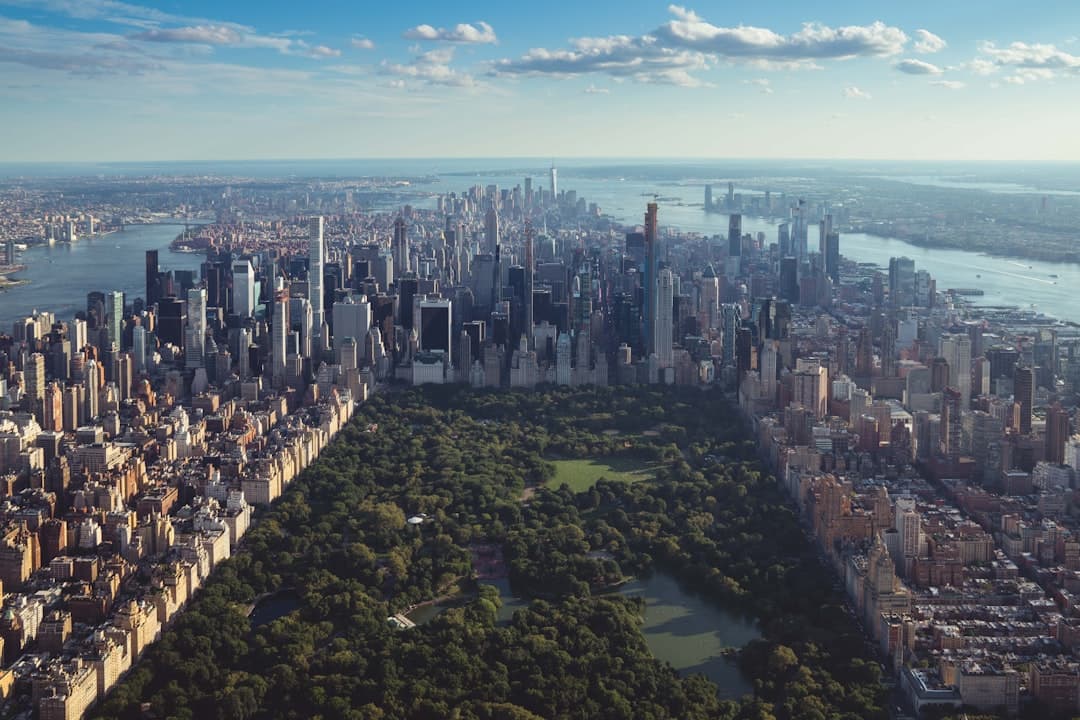
Central Park
Central Park is a vast public park that sits at the heart of Manhattan, stretching the equivalent of 51 city blocks from its southern to northern edge. Built in the mid-1800s on land that was cleared and entirely reshaped over two decades, it was designed to give New Yorkers access to open space and nature within what was already becoming one of the densest cities in the world. Today it draws tens of millions of visitors a year and remains genuinely green, varied, and large enough to get lost in. The park has something for almost every kind of visit. The southern section has the most famous spots — an ornate fountain set on a wide terrace, a long tree-lined promenade, and a graceful iron bridge arching over a lake where rowboats can be hired by the hour. Further in, there are open meadows perfect for picnics, a large reservoir with a running track around it, wooded paths where the city noise fades, and formal gardens that are almost always uncrowded. In summer the park comes alive with outdoor concerts, food carts, and New Yorkers reclaiming the lawns on their lunch breaks. Most visitors enter from the south and cover a relatively small portion of the park. The northern section is quieter, wilder in feel, and worth making the effort to reach. The park is free to enter with no tickets or queues — just walk in from any of the surrounding streets. Bikes and rollerblades are available to hire near the main entrances, and the main road through the park is closed to cars at weekends.
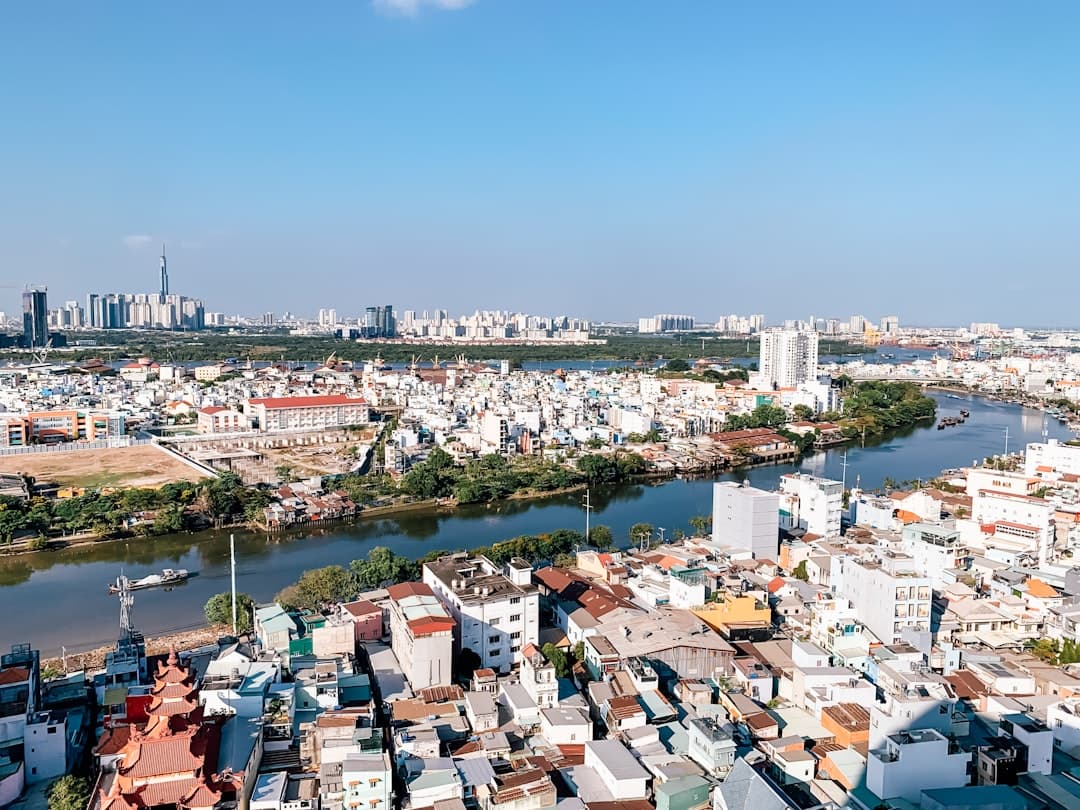
Central Post Office
Ho Chi Minh City's Central Post Office is one of the finest examples of French colonial architecture in Southeast Asia. Built between 1886 and 1891, it was designed with input from Gustave Eiffel — yes, the same engineer behind the Paris tower — and it shows: the soaring vaulted ceiling, the iron latticework, and the elegant arched windows give the interior a cathedral-like grandeur that stops most visitors in their tracks the moment they walk through the doors. It sits directly across from Notre-Dame Cathedral on what was once the civic heart of French Saigon, and it has functioned as an actual working post office ever since. Inside, the space feels like a beautifully preserved time capsule wrapped around a still-functioning institution. Two large historical maps of old Cochinchina and Saigon flank the entrance hall, and a giant portrait of Ho Chi Minh presides over the far end of the main hall beneath the arched ceiling. The original wooden phone booths, brass fittings, and long service counters are all still in place. You can buy stamps, send a postcard home, and browse stalls selling local lacquerware, silk goods, and souvenirs — it's part monument, part market, part genuine post office. Come in the morning when light pours through the arched windows and the hall isn't yet mobbed with tour groups. The building is free to enter and takes no more than 30 to 45 minutes to explore thoroughly, though it pairs naturally with a visit to the cathedral opposite and a coffee at one of the nearby cafés on Đồng Khởi Street. Avoid the midday rush if you want decent photos of the interior without crowds cluttering every shot.
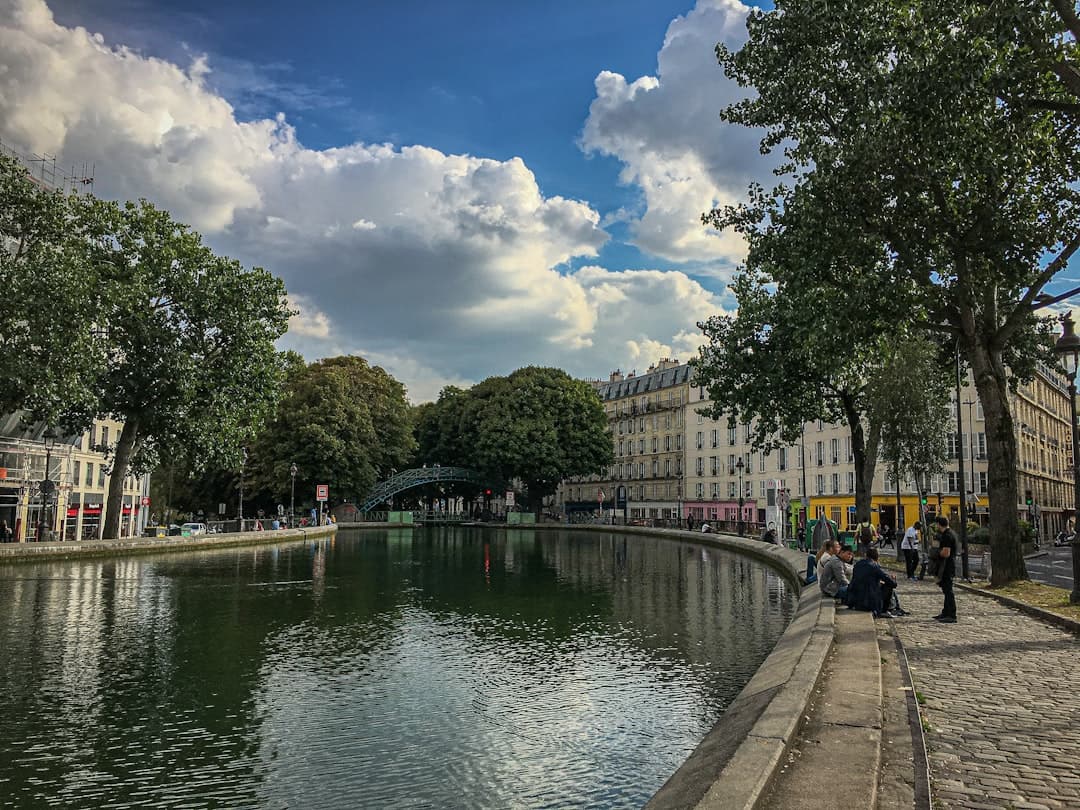
Centre Pompidou
The Centre Pompidou is one of the most provocative buildings ever constructed — a vast cultural complex in the heart of Paris that houses Europe's largest collection of modern and contemporary art. Completed in 1977 and designed by Renzo Piano and Richard Rogers, it scandalized Parisians at the time by wearing its skeleton on the outside: escalators, air ducts, water pipes, and electrical conduits are all color-coded and exposed on the facade, turning the building's infrastructure into the spectacle. Today it's an icon, home to the Musée National d'Art Moderne, a cinema, performance spaces, a design library, and rotating temporary exhibitions that regularly draw global attention. Inside, the permanent collection spans the 20th and 21st centuries — Matisse, Picasso, Kandinsky, Duchamp, Warhol, Louise Bourgeois — covering movements from Fauvism and Surrealism to Abstract Expressionism and beyond. The works are presented across two massive open-plan floors with sweeping views over the rooftops of Paris. But the building itself is as much the experience as anything inside it: riding the external glass escalator up to the sixth floor delivers one of the city's great views, with Notre-Dame, the Eiffel Tower, and Montmartre all visible on a clear day. The rooftop restaurant, Georges, is a sleek, design-forward space worth a look even if you don't eat there. The Pompidou sits on the edge of the Marais, and the wide sloping plaza in front — Place Igor Stravinsky — is a social hub in its own right, filled with street performers, tourists, and Parisians at all hours. A smart move is to book tickets online to skip the queue, aim for a weekday morning, and save the escalator ride for the end of your visit. The museum is closed on Tuesdays, and the first Sunday of each month entry to the permanent collection is free — which means it gets very crowded.
Certosa di San Martino
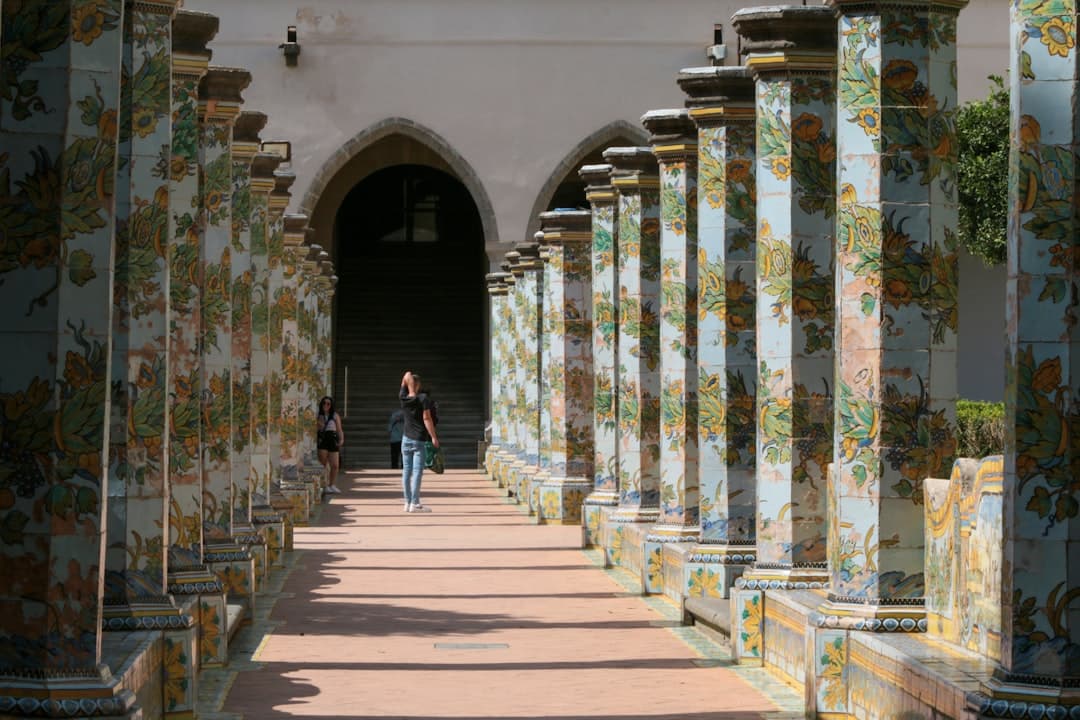
Perched on the Vomero hill above the chaotic, magnificent sprawl of Naples, the Certosa di San Martino is a former Carthusian monastery that has been converted into one of southern Italy's finest museums. Founded in the 14th century and rebuilt in its current Baroque form in the 17th century, it sits inside the Castel Sant'Elmo complex and commands an almost theatrical view over the Bay of Naples, Vesuvius, and the islands beyond. Most visitors come for the view and leave having discovered something far richer. Inside, you'll find an extraordinary accumulation of Neapolitan art, history, and craft. The monastic church is a showpiece of southern Italian Baroque — paintings by Ribera, Caracciolo, and Stanzione cover the walls, and the intarsia marble floors are among the most intricate you'll ever see. Beyond the church, room after room unfolds: historical collections tracing the Kingdom of Naples, nautical artifacts, glass and porcelain from the Royal Factory at Capodimonte, and the famous presepe section — a collection of elaborate Neapolitan nativity scenes (presepi) that are genuinely extraordinary works of art, not kitsch. The Great Cloister, designed with input from Cosimo Fanzago, is one of the most serene and beautiful courtyards in all of Italy. The Certosa is chronically undervisited relative to its quality, which makes it something of a secret weapon in Naples. Allow at least two to three hours — more if you linger in the cloister or the presepe rooms. The terrace views alone justify the trip up by funicular from the Montesanto or Centrale stations, and the relative quiet compared to the city below makes this a genuinely restorative stop.
Chain Bridge
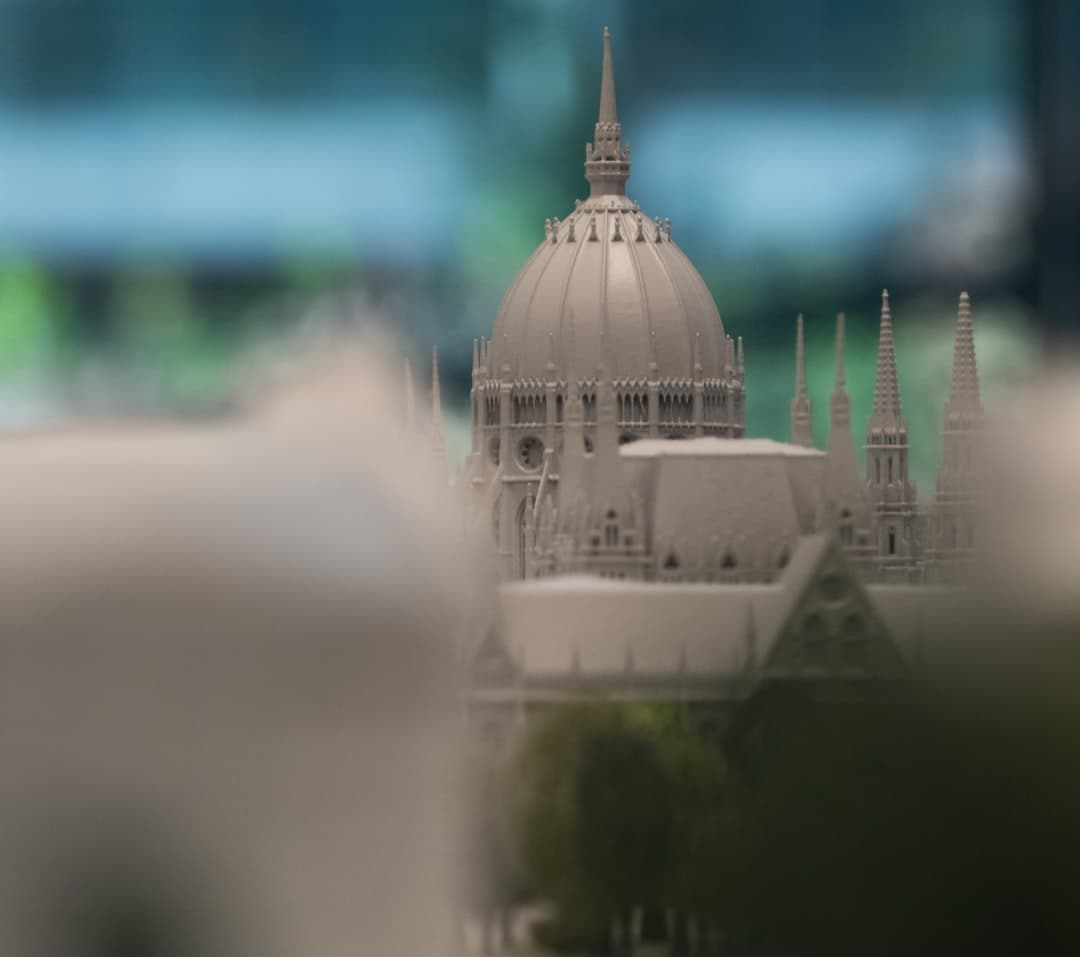
The Chain Bridge — Széchenyi Lánchíd in Hungarian — was the first permanent bridge to span the Danube between the two historic cities of Buda and Pest, which eventually merged to form Budapest in 1873. Completed in 1849, it was an engineering triumph of its era, commissioned by Count István Széchenyi and designed by English engineer William Tierney Clark. The bridge became a symbol of Hungarian modernization and national ambition, and it remains one of the most recognized landmarks in Central Europe. Two stone lion statues guard each end, and the massive chain-hung roadway stretches 375 meters across the river with twin neoclassical towers rising above it. Walking across the Chain Bridge is one of those travel experiences that sounds simple but quietly blows you away. On one side you have the flat, bustling Pest embankment with its grand 19th-century boulevards; on the other, the Castle Hill of Buda rising steeply above you, topped by Buda Castle and Matthias Church. The views from the middle of the bridge — looking north and south along the Danube — reveal why Budapest is so frequently called one of the most beautiful cities in Europe. At night, the bridge is lit up in warm gold, and the entire riverscape turns dramatic: parliament glowing to the north, the castle floodlit to the west, the lights of trams and pedestrians below. The bridge is free to cross on foot and open around the clock, which means there's no wrong time to visit — but there is a best time. Early morning gives you the bridge nearly to yourself, with soft light on the water and the city just waking up. Late evening is the romantic peak: the illuminations are fully on, the tourist crowds thin out slightly, and the city feels cinematic. Note that the bridge has undergone renovation work in recent years, so check current pedestrian access before visiting. The stone lions at the gate ends are worth pausing for — locals have a deadpan joke that the lions have no tongues, which you'll be invited to verify for yourself.
Champs-Élysées
The Champs-Élysées is a 1.9-kilometre boulevard running from the Place de la Concorde up to the Arc de Triomphe, and it has been the symbolic heart of Paris for centuries. Originally laid out as a royal promenade in the 17th century and later redesigned by Baron Haussmann in the 19th, it became the city's showcase street — the place where victories are celebrated, parades march, and the world comes to see what Paris looks like in real life. It is, by almost any measure, one of the most recognisable streets on earth. Walking the avenue today means navigating a wide, tree-lined boulevard flanked by luxury flagships — Louis Vuitton, Cartier, Sephora, the massive Publicis Drugstore — alongside cinemas, brasseries, and tourist shops. The upper stretch near the Arc de Triomphe is where the energy concentrates: the roundabout at the Étoile, with twelve avenues radiating outward, is both a traffic spectacle and a genuine piece of urban theatre. The Arc itself is climbable (separate ticket) for a panoramic view that makes the city's geometry suddenly legible. Below, cars merge without lanes in what locals call organised chaos. The Champs-Élysées gets a bad reputation from Parisians who consider it overrun and overpriced — and on a Tuesday afternoon in August, they have a point. But visiting early on a weekend morning, when the boulevard is relatively quiet and the light hits the limestone facades at a low angle, is a genuinely beautiful experience. The lower section, near Concorde, opens into formal gardens — a quieter, greener introduction to the street that most visitors skip in their rush to the Arc. Come on Bastille Day (July 14) or during the Tour de France finale in late July and the avenue transforms into something extraordinary.
Chandni Chowk
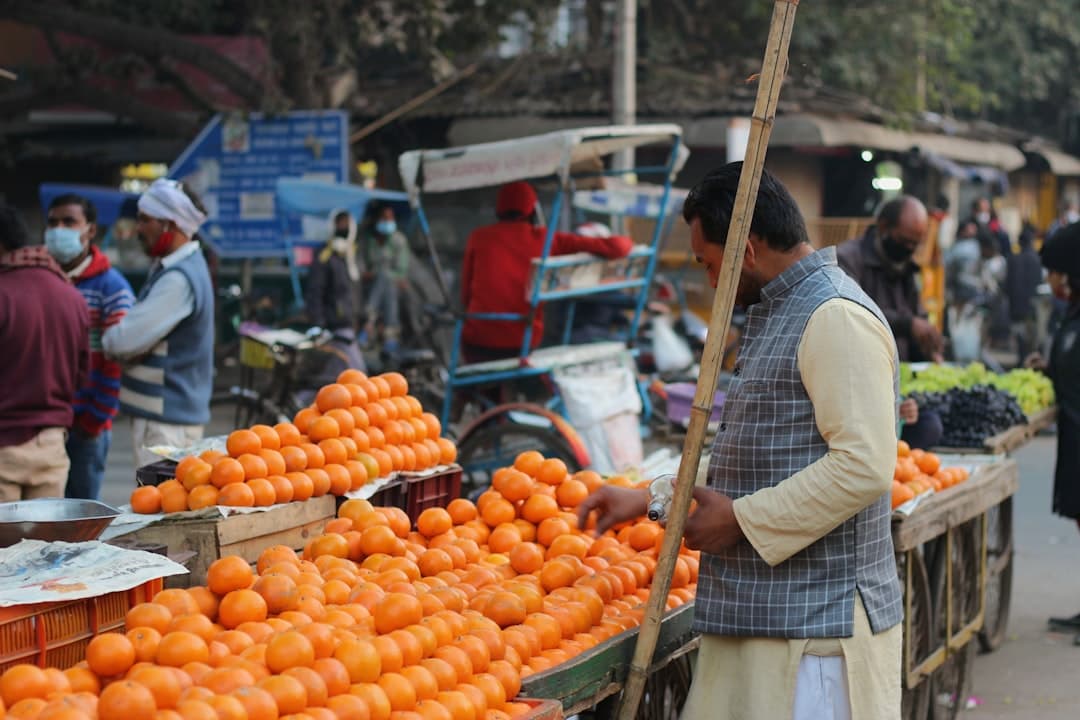
Chandni Chowk is one of the oldest and busiest markets in Asia, built in the 17th century by Mughal Emperor Shah Jahan when he moved his capital to Delhi. Running straight from the Red Fort westward through the heart of Old Delhi, it was originally a grand boulevard with a canal running down its center — the name means 'moonlit square' or 'moonlit crossroads,' a reference to the reflections on that canal. Today it's a sensory thunderclap: rickshaws, motorbikes, handcarts, and pedestrians all competing for space on a narrow lane flanked by crumbling havelis, Jain temples, mosques, and thousands of specialist wholesale shops that have been selling the same things for generations. The experience is less a stroll and more an immersion. The main street branches off into a web of gallis — alleyways — each dedicated to something different. Kinari Bazaar sells wedding ribbons and embroidery. Dariba Kalan is the silver and jewelry lane. Khari Baoli, just off the main drag, is Asia's largest spice market, where sacks of dried chillies, cardamom, and turmeric stack up to the ceiling. You eat as you walk: jalebis fried at Old Famous Jalebi Wala, which has been at it since 1884; parathe at Paranthe Wali Gali; and kulfi and rabri at shops that haven't changed their recipes in living memory. Come early in the morning — by 7am on weekdays the lanes are already busy but manageable — and avoid Sunday when many shops are closed. The main street itself is now pedestrianized in stretches, which helps, but the side lanes are still wonderfully chaotic. Hire a cycle rickshaw to cover ground faster, then abandon it and walk when something catches your eye. The crowds and the sensory overload are the point, not a problem to be solved.
Changdeokgung Palace
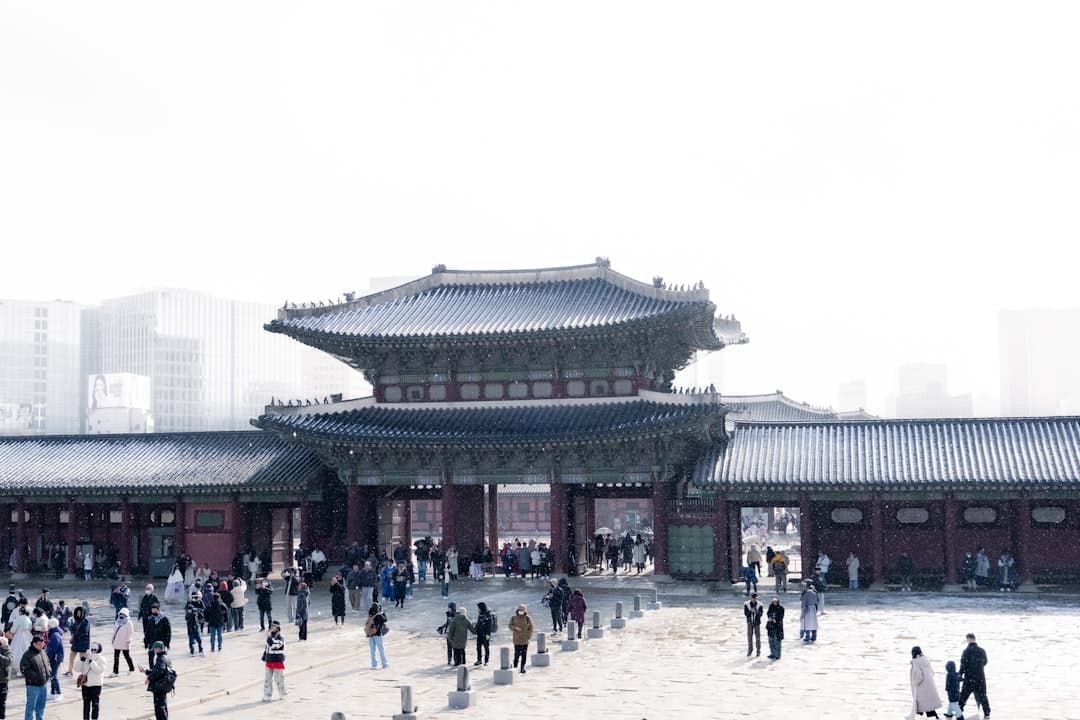
Changdeokgung is one of Seoul's Five Grand Palaces, built in 1405 as a secondary royal residence during the Joseon Dynasty. Unlike the more formal and symmetrical Gyeongbokgung down the road, Changdeokgung was designed to flow with the natural landscape rather than impose upon it — buildings follow the contours of the hillside, and the whole complex has a more intimate, lived-in feel. It's a UNESCO World Heritage Site, recognised not just for its architecture but for how harmoniously the structures sit within their environment. The palace grounds are split into two main areas. The palace buildings themselves — including the ornate Injeongjeon throne hall and the graceful Nakseonjae complex — are open to all visitors during normal hours. But the real prize is Huwon, the so-called Secret Garden: a 78-acre landscape of pavilions, lotus ponds, ancient trees, and winding paths that sits behind the palace walls. Huwon requires a separate ticket and is only accessible by guided tour, with group sizes limited to preserve the atmosphere. The pavilion at Buyongji Pond, reflected in still water and ringed by maples, is one of the genuinely beautiful sights in all of Seoul. Come on a weekday if you can — the Secret Garden tours fill up quickly on weekends, especially in autumn. Tours run in Korean and English at set intervals throughout the day, and the English-language tour is usually less crowded. Buying your ticket online in advance is strongly advisable for the garden portion. The surrounding Bukchon Hanok Village is a short walk away, making this a natural pairing for a half-day in the old city.
Changu Narayan Temple
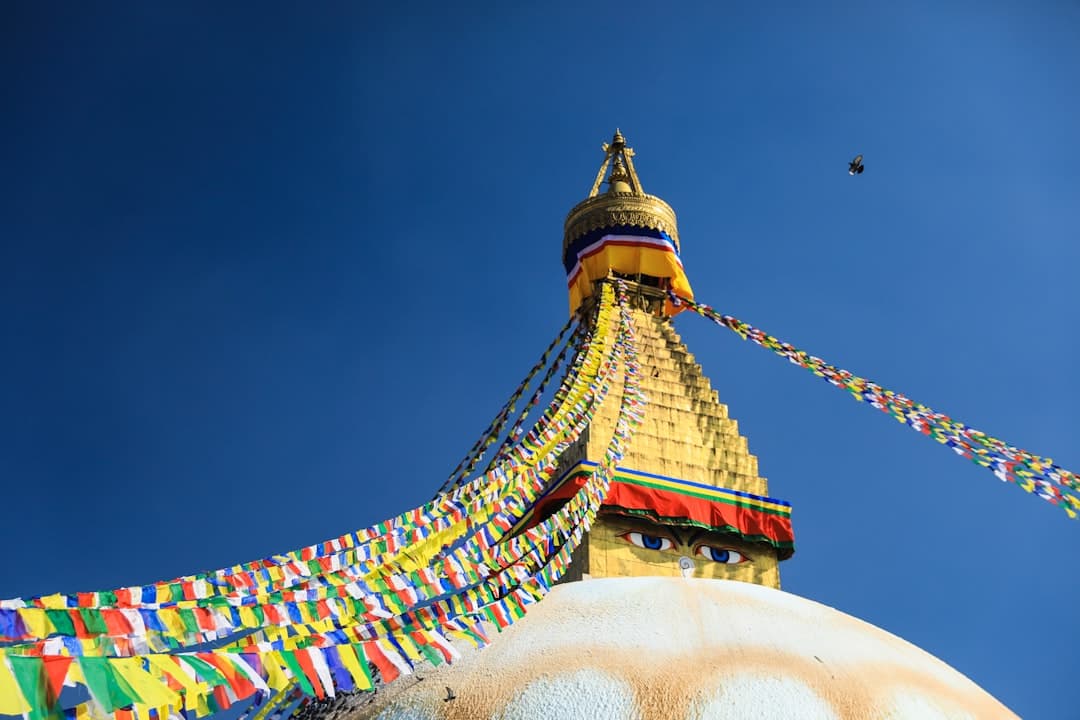
Changu Narayan Temple sits on a forested hilltop ridge about 22 kilometers east of Kathmandu, and it is widely considered the oldest Hindu temple in the Kathmandu Valley. Dedicated to Vishnu — here worshipped as Narayan — the temple's origins stretch back to at least the 4th century CE, and a stone inscription on the site dated 464 CE is among the oldest written records ever found in Nepal. It was declared a UNESCO World Heritage Site in 1979, part of the broader Kathmandu Valley listing, and its significance is hard to overstate: this is a place where religious practice has continued, uninterrupted, for over 1,500 years. The compound itself is dense with extraordinary things. The main pagoda-style temple is two-tiered and elaborately carved, its doors and struts covered in erotic carvings, celestial beings, and Vishnu's ten avatars rendered in stone and gilded metal. Scattered around the courtyard are some of the finest examples of Licchavi-period sculpture anywhere — including a stunning image of Vishnu Vikrantha showing the god in a cosmic stride, and a fierce Narasimha (the man-lion avatar) tearing apart a demon. Non-Hindus cannot enter the inner sanctum, but the courtyard and its sculptures are accessible and extraordinary in their own right. The surrounding village of Changu is quiet and traditional, with a small museum nearby showcasing coins and artifacts found at the site. Getting here is part of the experience. Most visitors take a taxi or hire a car from Kathmandu, though adventurous types do the uphill hike from Bhaktapur, which takes about 45 minutes to an hour through terraced farmland and forest. Morning is best — the light is good and crowds are thin before tour groups arrive from Bhaktapur. There is a small entrance fee for foreign visitors. The hilltop also has sweeping views over the valley on clear days, which are most reliable between October and December.
Chapman's Peak
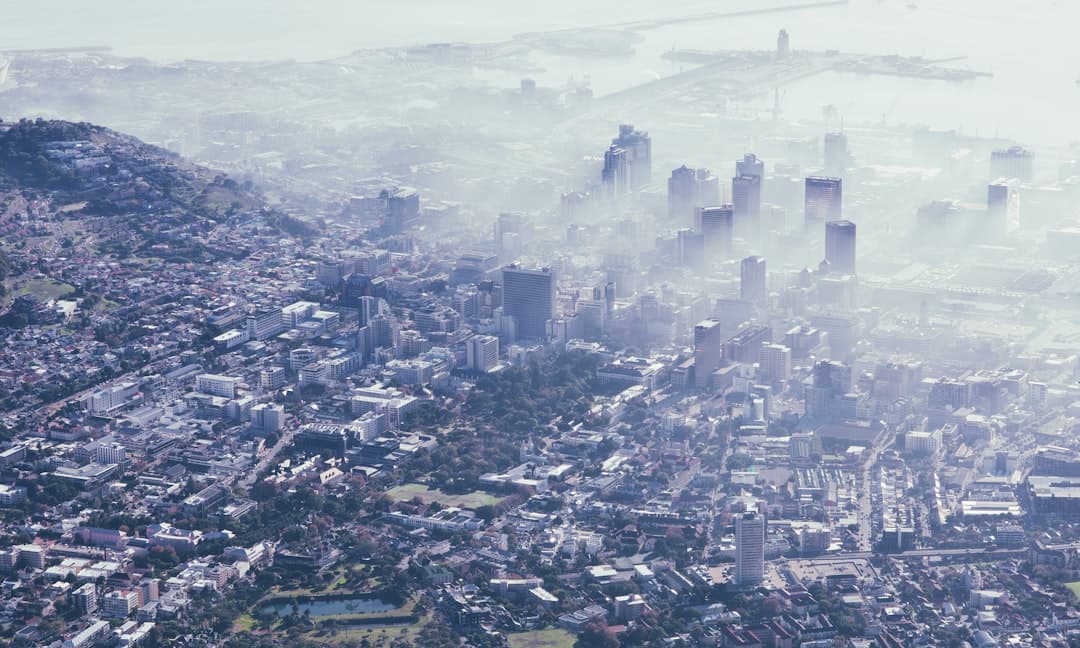
Chapman's Peak is one of the most dramatic stretches of coastal road on the planet — a 9-kilometre toll route that clings to the sheer granite and sandstone cliffs between Hout Bay and Noordhoek on Cape Town's Atlantic seaboard. The road was hewn largely by hand between 1915 and 1922, a feat of engineering in an era before heavy machinery, and it threads through 114 curves with the cold Atlantic crashing hundreds of metres below. The peak itself rises to around 593 metres and forms part of the Cape Peninsula's mountainous spine, a landscape shaped by tectonic force and relentless wind.
Chapultepec Park
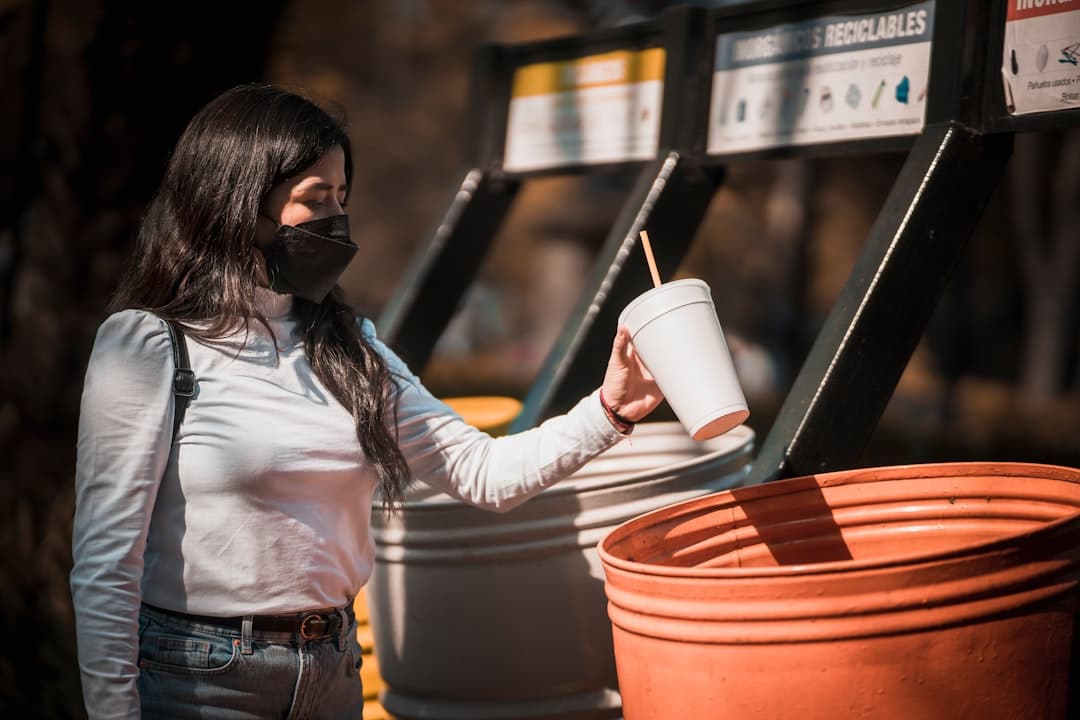
Chapultepec Park is one of the largest urban parks in the Western Hemisphere — over 680 hectares of forest, lakes, museums, and monuments spread across three sections in the heart of Mexico City. The land itself has been sacred since the Aztec era, when Mexica rulers bathed in its springs and carved their images into its rocky hillside. Today it's simultaneously a world-class cultural destination and a deeply local space where families spread out picnic blankets on Sunday afternoons, vendors hawk elotes and churros, and couples paddle rowboats on the lake. The park anchors some of Mexico's finest museums. The National Museum of Anthropology — one of the great museums of the world — sits in the first section along with Chapultepec Castle, a 19th-century hilltop fortress that served as the residence of Emperor Maximilian I and later as Mexico's National History Museum. There's also the Museum of Modern Art, the Rufino Tamayo Museum, and a zoo that's free to enter. Most visitors focus on the first section, which has the densest concentration of attractions, but the second and third sections are quieter and more genuinely local in feel. Weekends transform the park entirely — it fills with thousands of chilangos (Mexico City residents) and gets loud, festive, and wonderfully chaotic. If you want the museums without the crowds, Tuesday through Friday mornings are your window. The park closes on Mondays, and most of the museums within it do too. The Anthropology Museum alone warrants several hours; trying to pair it with the castle and a lake stroll on the same day is ambitious but doable if you start early.
Charles Bridge
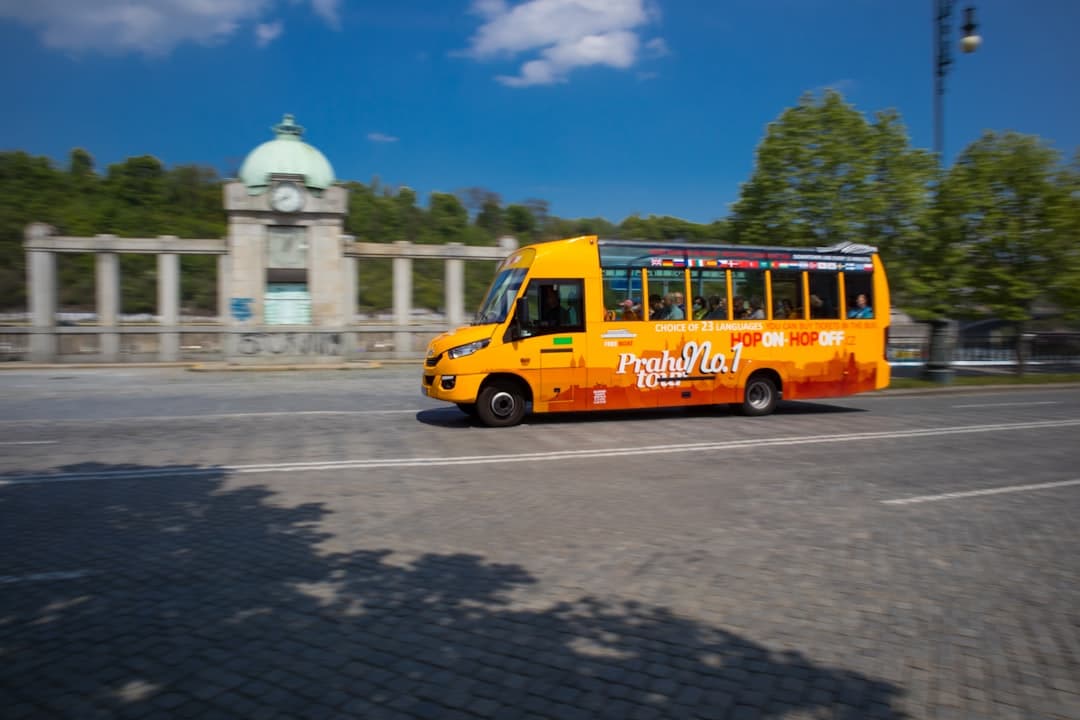
Charles Bridge is a medieval stone bridge crossing the Vltava River in the heart of Prague, connecting the Old Town to the Lesser Town (Malá Strana) and the castle district beyond. Built under Holy Roman Emperor Charles IV beginning in 1357, it was the only bridge crossing the river in Prague for centuries and served as the city's main artery for trade, processions, and daily life. Its 30 baroque statues — added from the late 17th century onward — depict saints and religious figures, and together they form one of the most striking outdoor sculpture galleries in Europe. The bridge is central to Czech identity in a way that goes beyond tourism: coronation processions crossed it, armies fought on it, and it survived floods that have repeatedly tested it over the centuries. Walking the bridge is a sensory experience that shifts depending on the hour. In daylight, street musicians play, artists sell prints, and the towers at either end frame dramatic views of the castle above and the river below. The bronze statue of St. John of Nepomuk — martyred by being thrown from this very bridge — has a worn gold patch on it where generations of visitors have rubbed it for good luck. The Old Town Bridge Tower at the eastern end is one of the finest Gothic gateways in Europe and can be climbed for elevated views over the whole panorama. The bridge is always open and free to walk, but timing is everything. By mid-morning in summer it becomes almost impossibly crowded — shoulder-to-shoulder with tour groups. Dawn is transformative: the city is quiet, mist sometimes sits on the water, and the castle glows behind the statues in the early light. Many seasoned visitors to Prague cite a pre-sunrise walk across Charles Bridge as one of the best things they've ever done in any European city.
Charlottenburg Palace
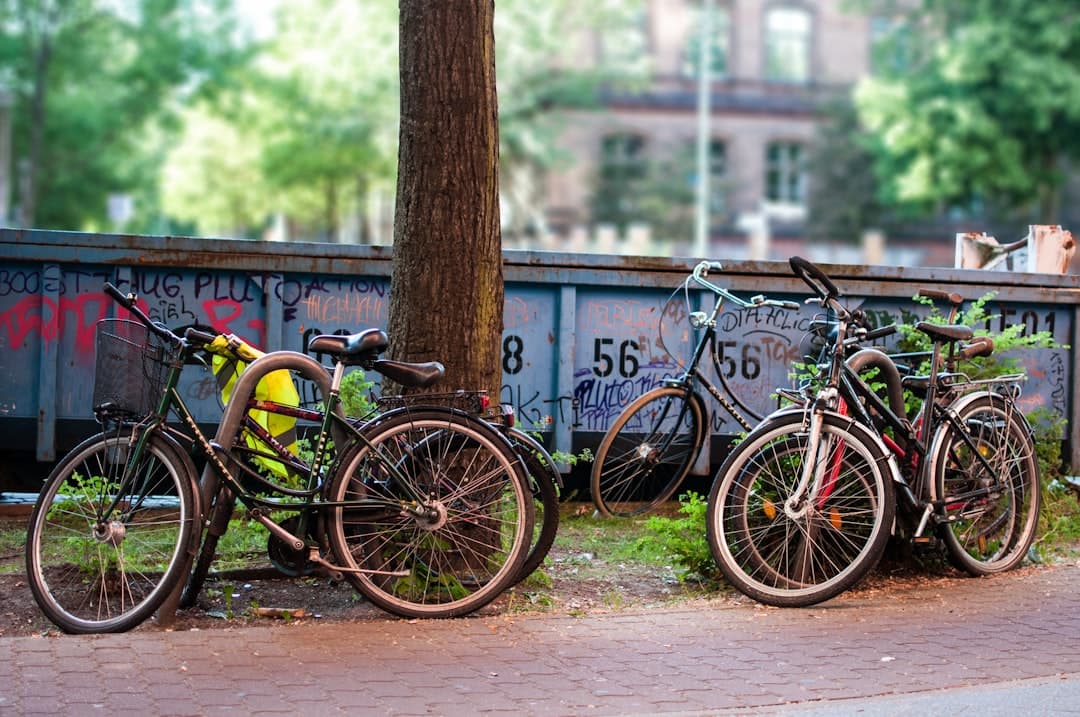
Charlottenburg Palace is Berlin's largest and most impressive royal palace, built at the end of the 17th century for Sophie Charlotte, the wife of the Prussian elector Friedrich III. What started as a modest summer residence grew over generations into a sweeping baroque and rococo complex — the German answer to Versailles, though with a distinctly Prussian restraint that makes it feel more livable than theatrical. It survived heavy bomb damage in World War II and was painstakingly reconstructed over decades, which gives it an extra layer of meaning: this is a building that Berlin chose to bring back. A visit here covers a lot of ground, literally and figuratively. Inside the palace, the Old Palace (Altes Schloss) takes you through lavishly decorated royal apartments, including the famous Porcelain Cabinet — a room lined floor-to-ceiling with hundreds of pieces of Chinese and Japanese porcelain that has to be seen to be believed. The New Wing (Neuer Flügel) holds Frederick the Great's elegant rococo apartments and a strong collection of Watteau paintings. Outside, the formal gardens stretch out behind the palace in classic French style — symmetrical paths, sculpted hedges, a carp pond, and a small mausoleum in the wooded section where Prussian royals are buried. The Belvedere teahouse near the lake holds Berlin's finest porcelain collection. The palace sits in the Charlottenburg district in western Berlin, a little removed from the main tourist circuit around Mitte, which means it draws fewer crowds than it deserves. A combined ticket covers the main palace rooms, but each building technically requires its own entry — decide in advance what you want to see or you'll spend time figuring out ticketing at the door. Tuesday mornings tend to be quieter. The gardens are free to enter and worth an hour on their own even if you skip the interiors entirely.
Chatuchak Weekend Market
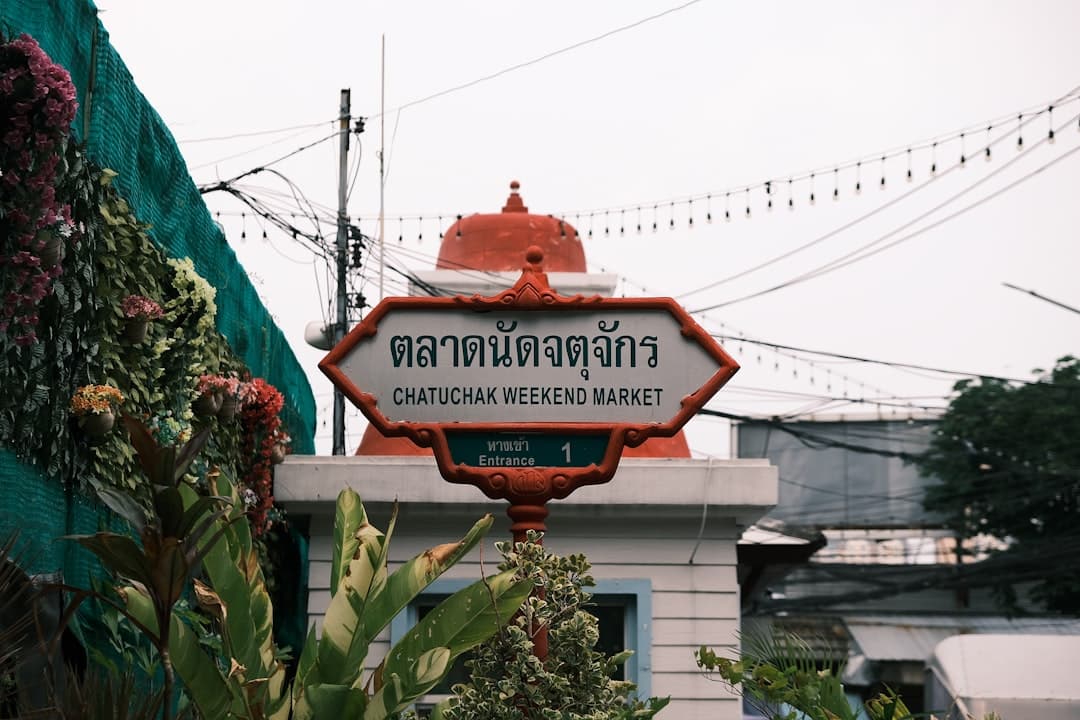
Chatuchak Weekend Market is a Bangkok institution — a vast open-air bazaar covering around 35 acres in the northern part of the city, with somewhere between 8,000 and 15,000 stalls depending on the weekend. It's one of the largest markets in the world, drawing both locals stocking up on household goods and travelers hunting for antiques, handmade crafts, vintage clothing, ceramics, live plants, and street food. If you can buy it in Thailand, there's a decent chance someone is selling it here. Navigating Chatuchak is part adventure, part endurance sport. The market is divided into numbered sections — Section 2 for antiques and collectibles, Section 7 for art and decorative items, Sections 10–26 for clothing and accessories, Section 3 for handicrafts — though the logic only becomes apparent after you've already gotten completely lost, which is inevitable and entirely part of the experience. Stalls spill into narrow lanes, vendors fan themselves in the heat, and the smell of pad kra pao and fresh coconut juice drifts through constantly. The food here is genuinely excellent and cheap: look for the cluster of no-frills restaurants along the southern edge, or grab iced coffee from one of the many carts scattered throughout. Come early — ideally by 9am — before the heat and the crowds peak simultaneously around midday. The official weekend market runs Saturday and Sunday, but the surrounding area also has a plant and flower market (open Wednesday and Thursday mornings) and an antiques and collectibles section that opens on Friday evenings. The Mo Chit BTS station or Chatuchak Park MRT stop puts you right at the entrance, making this one of the easiest major Bangkok experiences to reach without a taxi. Bring cash — most vendors don't take cards — and wear the most breathable clothes you own.
Checkpoint Charlie
Checkpoint Charlie was the main crossing point between East and West Berlin during the Cold War, operated by American forces from 1961 until German reunification in 1990. The name came from the NATO phonetic alphabet — Alpha and Bravo were other checkpoints — and this one sat on Friedrichstraße in the heart of the city, where foreign nationals, diplomats, and military personnel crossed between two radically different worlds separated by the Berlin Wall. In October 1961, Soviet and American tanks faced each other here in a standoff that brought the world to the edge of armed conflict. It was also the site of some of the most daring — and tragic — escape attempts from the East. Today, the checkpoint itself is a reconstruction. The original guardhouse is gone, and what you see on the street is a replica booth flanked by sandbags, with actors dressed as American soldiers available for photos. It's touristy in the extreme, but the surrounding context redeems it. The open-air Mauermuseum (Museum am Checkpoint Charlie), run by the Haus am Checkpoint Charlie foundation, tells the full story of the Wall and the escapes — including hidden compartments in cars, homemade hot air balloons, and underground tunnels — in exhaustive, moving detail. The street itself is lined with large photo panels documenting the history, so even without buying a museum ticket, you get real substance. The area gets extremely crowded, especially in summer, and the costumed soldiers charging for photos are a known tourist trap — skip that and focus on the museum if you want to actually understand what happened here. The nearby East Side Gallery (a preserved stretch of the Wall along the Spree) and the Topography of Terror offer deeper historical context if this subject grabs you, as it should.
Chelsea Market
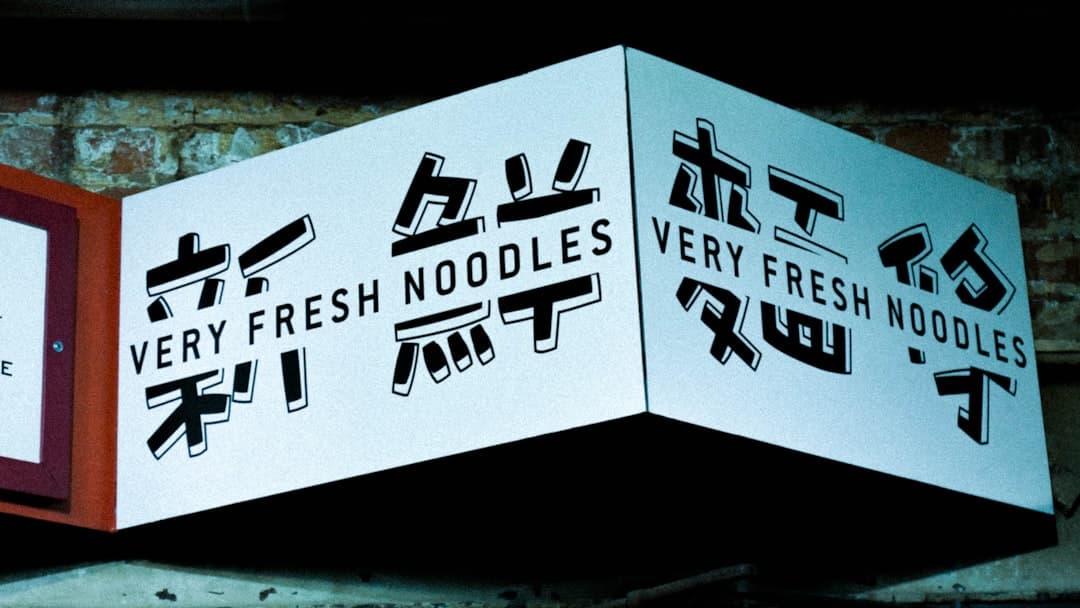
Chelsea Market is a sprawling indoor food hall and shopping destination housed in a former factory complex that once belonged to the National Biscuit Company — Nabisco — where the Oreo cookie was first mass-produced in 1912. The building runs the full block between 9th and 10th Avenues in the Meatpacking-adjacent part of Chelsea, and it was converted into its current form in the 1990s. Today it's one of the most visited indoor spaces in New York, anchored by dozens of food vendors, specialty retailers, and the offices of companies like Google above it. It sits directly below the High Line, making it a natural pairing with that elevated park. Inside, the experience is a mix of serious eating and casual grazing. The corridor winds through the old industrial bones of the building — exposed brick, vaulted ceilings, original iron columns, and a running water feature built from reclaimed pipes — giving it a texture that most food halls lack. Vendors include the Lobster Place, one of the city's best fishmongers and raw bars; Dickson's Farmstand Meats for serious charcuterie; Los Tacos No. 1 for some of the most reliably good tacos in Manhattan; Mokbar for Korean ramen; and Fat Witch Bakery for brownies. There's also Amy's Bread, Chelsea Thai, and a rotating cast of smaller stalls. On the retail side, you'll find independent shops, a bookshop, and kitchen supply stores. The market gets very crowded on weekend afternoons, especially between noon and 3pm, when the main corridor can feel like a bottleneck. Weekday mornings are a different world — calm, with vendors fully stocked and no lines at the popular spots. If you're coming for the Lobster Place's raw bar or Los Tacos, arrive early or expect a wait. The 9th Avenue entrance is the main one, but the 10th Avenue side is quieter and connects directly to the High Line access point, making it a smart route if you're planning to do both.
Chester Beatty Library
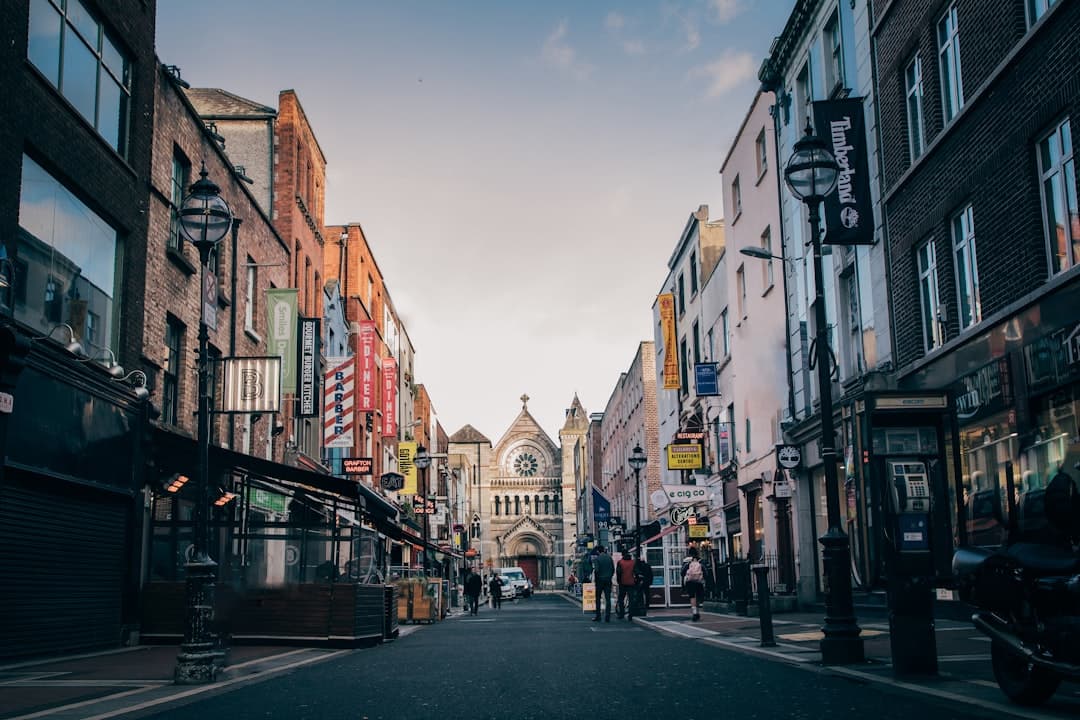
The Chester Beatty Library is a world-class museum and library housed within the grounds of Dublin Castle, holding one of the most extraordinary private collections of manuscripts, books, and decorative arts ever assembled. Sir Alfred Chester Beatty — an American-born mining magnate who became Ireland's first honorary citizen — spent decades acquiring religious texts, illuminated manuscripts, and art objects from across Asia, the Middle East, North Africa, and Europe. When he died in 1968, he left the entire collection to Ireland. The result is a free public institution that regularly ranks among Europe's finest museums, routinely beating out far more famous competitors in visitor satisfaction surveys. The collection is split across two main galleries. Arts of the Book traces the history of written and visual communication from ancient Egyptian papyri and Babylonian clay tablets through to Ottoman Qur'ans with breathtaking calligraphy, Japanese woodblock prints, and European illuminated manuscripts. Sacred Traditions explores how the world's major religions — Christianity, Islam, Buddhism, Hinduism, and more — have expressed faith through art and text. The objects are genuinely astonishing: some Qur'anic manuscripts here are among the finest in existence anywhere in the world, and the Pauline letters papyri are among the earliest known copies of the New Testament. The presentation is thoughtful and unhurried, with excellent contextual information that assumes curiosity but not expertise. Entry is completely free, which makes it absurdly good value for an hour or two of your time. Wednesday evenings are open until 8pm, making it an excellent option for a quiet cultural visit after the daytime crowds have thinned. The rooftop garden, accessible from the upper floors, offers a peaceful retreat and unexpected views over Dublin Castle's courtyard. The in-house Silk Road Café is a genuine highlight — serving Middle Eastern and Mediterranean food in a beautiful space beneath the building — and is popular with locals for lunch.
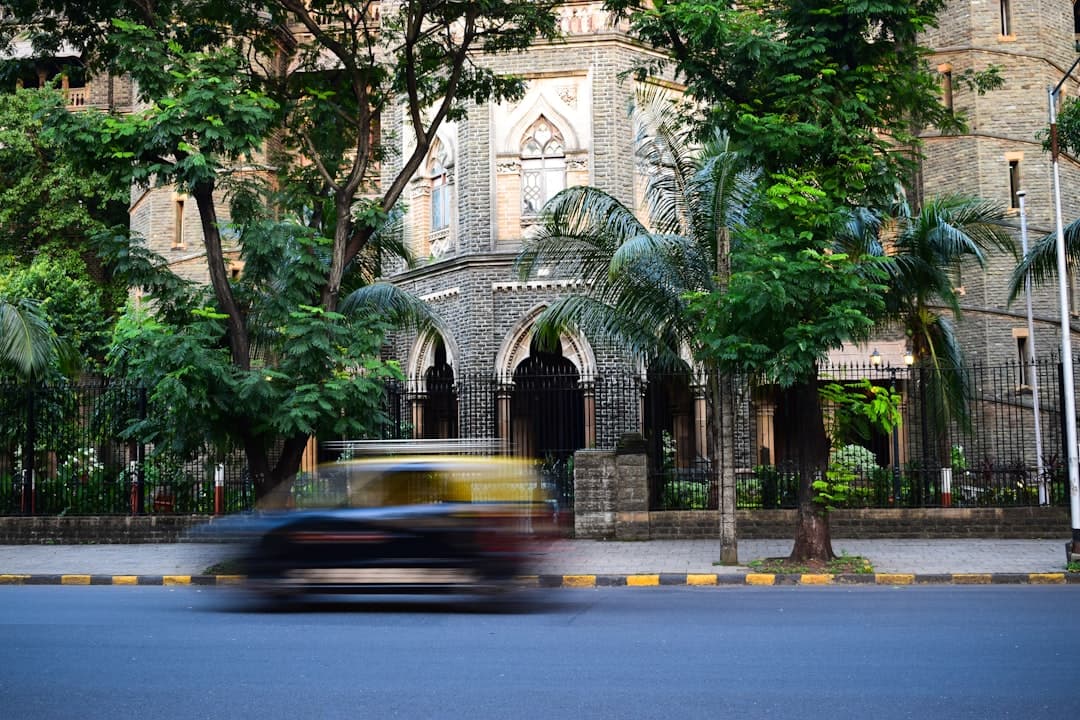
Chhatrapati Shivaji Terminus
Chhatrapati Shivaji Maharaj Terminus — still called CST or VT by almost everyone in Mumbai — is one of the most extraordinary railway stations on earth. Built between 1878 and 1888 by the British architect F.W. Stevens, it was designed to project imperial power and modern progress simultaneously, blending Victorian Gothic Revival architecture with Mughal and Hindu decorative details in a style sometimes called Indo-Saracenic. The result is a UNESCO World Heritage Site that looks more like a cathedral or a palace than a place to catch a commuter train. It remains a fully functioning station serving millions of passengers daily on both suburban and long-distance routes, which makes it one of the rare heritage monuments in the world that is also a living, breathing piece of urban infrastructure. The building itself is the main event. The exterior is an overwhelming cascade of turrets, pointed arches, gargoyles, stained glass, and a central dome topped by a statue representing Progress. Inside, the booking halls and waiting areas retain ornate ironwork, tiled floors, and carved stone details that most stations of this era have long since demolished or covered over. The best approach is simply to walk around it slowly — both inside and out — letting the layers of detail reveal themselves. Look for the animal carvings (a tiger for India, a lion for Britain), the stained glass panels, and the stone scrollwork that runs along almost every surface. Come during the morning or evening rush and you'll also witness one of Mumbai's most cinematic spectacles: tens of thousands of commuters surging through a UNESCO monument as if it were the most ordinary thing in the world. Entry to the station itself is free, and you don't need a ticket to walk through the main concourse areas, though you'll need a platform ticket (a small fee) to go onto the platforms. The best exterior views are from the street in front — stand back far enough to take in the full facade. Photography is generally permitted in public areas, though be mindful of security checkpoints and avoid photographing railway staff or security personnel directly. The surrounding Fort district is one of Mumbai's most architecturally rich neighborhoods, so combine this with a walk past the High Court, Bombay University, and the Oval Maidan for a full heritage stroll.
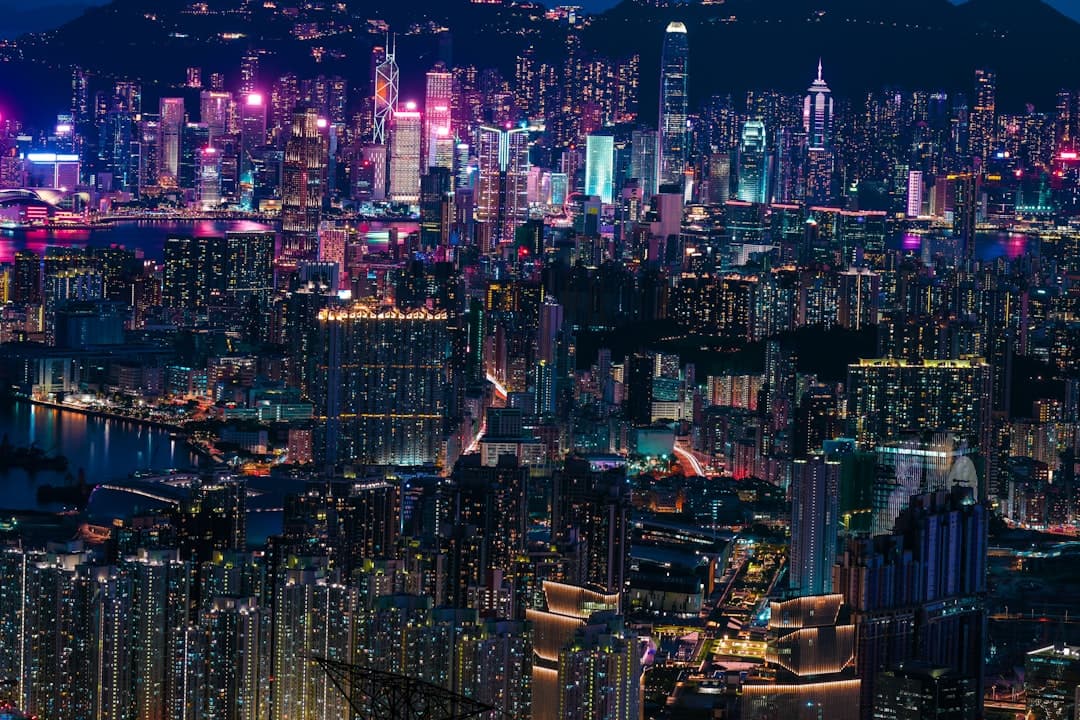
Chi Lin Nunnery
Chi Lin Nunnery is a large Buddhist nunnery in the Diamond Hill district of Kowloon, remarkable for being constructed entirely using traditional Tang Dynasty wooden joinery — no nails, no modern fasteners, just interlocking timber fitted together with ancient precision. The complex was rebuilt in this classical style between 1990 and 1998, replacing an older structure, and the result is something genuinely extraordinary: a serene, architecturally coherent ensemble of halls, pavilions, and lotus ponds that feels like a portal to a different era, sitting improbably in the middle of one of Asia's densest cities. Visitors move through a series of gated courtyards, each revealing another hall — the Main Hall houses a gilded Sakyamuni Buddha flanked by 18 disciples, all carved from camphor wood, and the craftsmanship is quietly stunning. The surrounding gardens, known as the Nan Lian Garden, are technically a separate public park but function as the nunnery's natural extension: manicured pine trees sculpted into cloud-like forms, a Tang-style wooden pavilion reflected in still water, and a golden stupa pagoda. The whole compound rewards slow walking and genuine attention. The nunnery is free to enter, which still surprises most visitors given the scale and quality of what's inside. It's in Diamond Hill, one MTR stop from Wong Tai Sin, and the station exit drops you almost at the gate. Go on a weekday morning for the quietest experience — weekends bring larger crowds, especially to the garden. There's a modest vegetarian restaurant on site if you want to extend the visit.
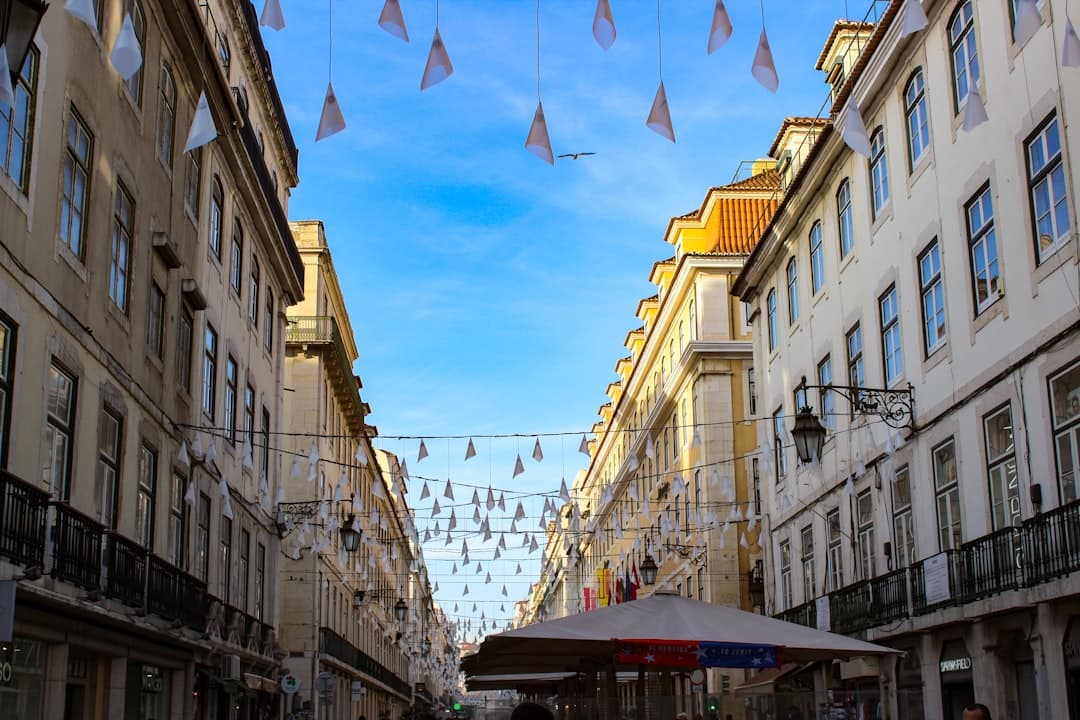
Chiado
Chiado is one of Lisbon's most beloved and historically significant neighborhoods, perched on a hillside between the Bairro Alto and the Baixa districts. It has been the city's intellectual and artistic heart for centuries — the poet Fernando Pessoa was a regular at its cafés, and the neighborhood's bookshops, theaters, and grand Beaux-Arts buildings give it a cultural weight you can feel just walking through it. A catastrophic fire in 1988 destroyed much of the area, but architect Álvaro Siza Vieira oversaw a meticulous restoration that brought it back to its pre-fire grandeur, which is part of why it feels so coherent and beautiful today. In practice, visiting Chiado means wandering a compact grid of elegant streets lined with independent bookshops, specialty food stores, concept boutiques, and some of Lisbon's most storied cafés. Bertrand Livraria on Rua Garrett — the oldest operating bookshop in the world, dating to 1732 — is an essential stop even if you don't buy anything. A Brasileira, the famous art nouveau café on the same street, is where you'll find the bronze statue of Pessoa sitting outside at a café table. The Museu do Chiado (now the MNAC, Museu Nacional de Arte Contemporânea) sits just off the main drag and holds an excellent collection of 19th and 20th-century Portuguese art. The Largo do Chiado square, flanked by two Baroque churches, is a natural gathering point and one of the city's finest public spaces. Chiado is genuinely walkable and central, making it easy to combine with nearby Bairro Alto for evening drinks or a descent into Baixa for the waterfront. Come on a weekday morning if you want the bookshops and cafés without the weekend tourist surge. The neighborhood gets crowded in summer but never feels as overrun as Alfama — it has enough working daily life to keep it grounded. Skip the tourist-trap coffee shops around the tram stops and head straight for Rua Garrett for the real thing.
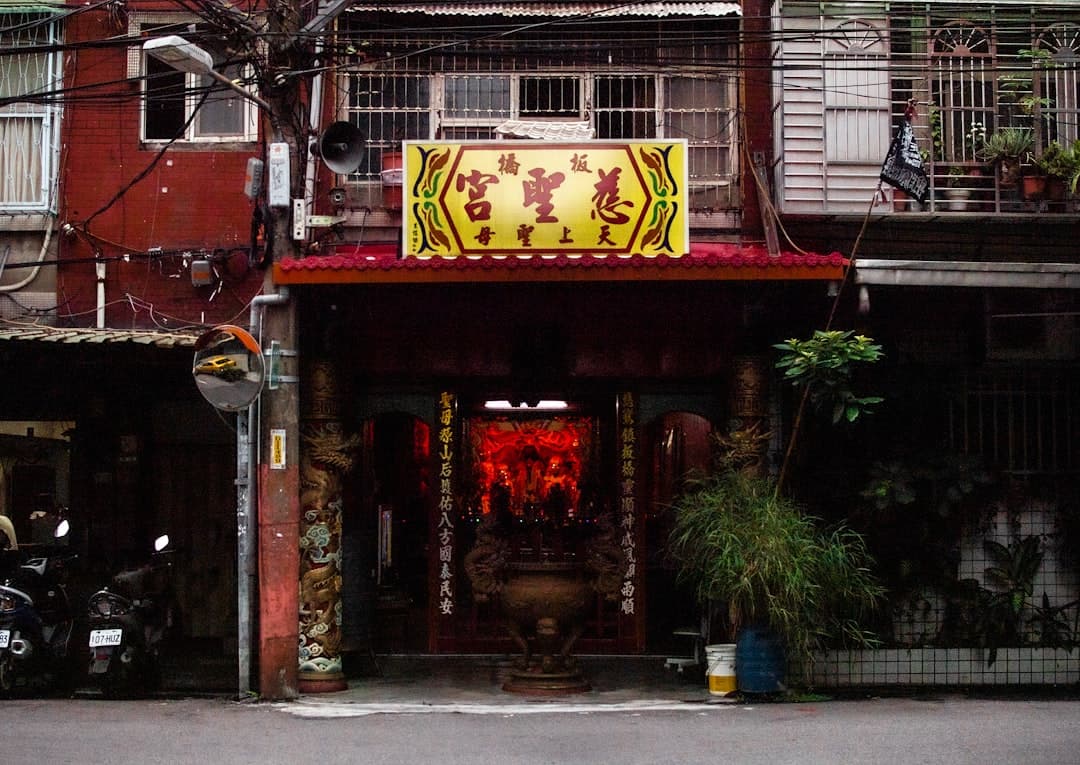
Chiang Kai-shek Memorial Hall
Chiang Kai-shek Memorial Hall is a massive white marble monument built to honor the Republic of China's longtime leader, who ruled Taiwan until his death in 1975. Completed in 1980, it sits at the heart of a sprawling formal plaza in central Taipei — flanked by the National Theater and National Concert Hall — and remains one of the most visited and most debated sites in the country. Whether you see Chiang as a modernizing force who laid the groundwork for Taiwan's economic miracle, or as a dictator responsible for the White Terror that killed and imprisoned thousands, this place demands you engage with Taiwan's complicated 20th-century history. The hall itself is hard to miss: 70 meters tall, topped with a blue octagonal roof, accessed by 89 steps representing Chiang's age at death. Inside, a massive bronze statue of the man himself presides over the main hall, where visitors gather on the hour to watch the slow, choreographed changing of the honor guard — one of Taipei's most genuinely impressive ceremonial experiences. The lower floors house museum exhibitions covering Chiang's life, military career, and the ROC government's history, including his personal effects and archives. The surrounding Liberty Square is a vast open plaza where locals practice tai chi at dawn, students hold protests, and tourists photograph the symmetrical layout against the skyline. The grounds are free to enter and open daily. The plaza is one of the best places in Taipei to experience the city's civic life — it's where major rallies happen, where families picnic on weekends, and where the National Theater puts on world-class performances. Come on the hour if you want to catch the guard change without waiting around. Early morning is genuinely magical for the light and the local crowd; midday in summer is brutally hot with almost no shade on the approach.
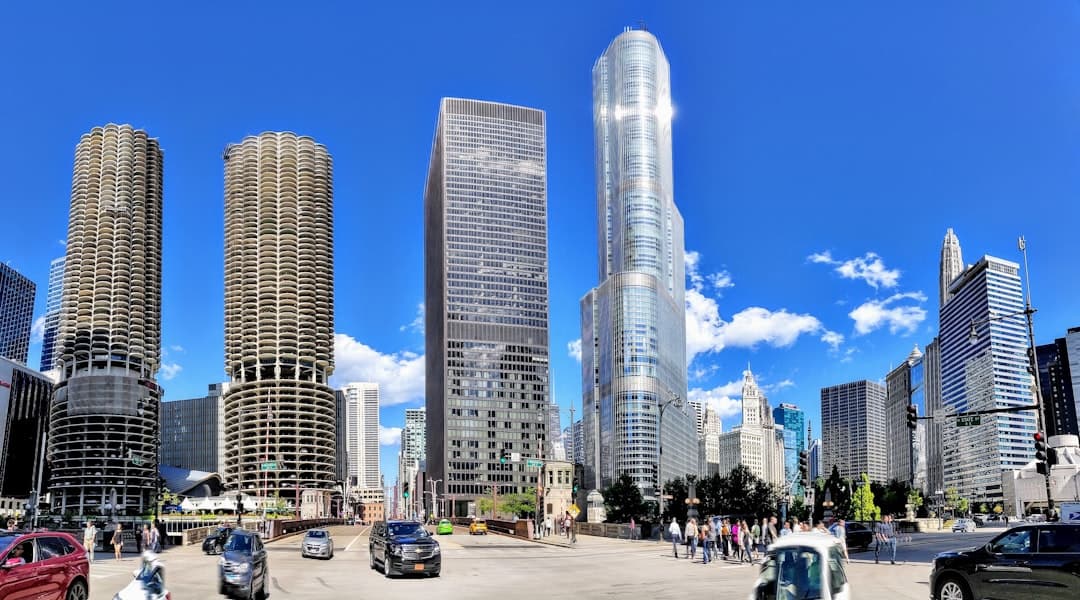
Chicago Riverwalk
The Chicago Riverwalk is a continuous pedestrian promenade running along the south bank of the Chicago River through the heart of downtown, stretching roughly a mile from Lake Shore Drive west to Lake Street. Completed in its current form around 2016 after years of phased development, it transformed what was once an underused industrial corridor into one of the most beloved public spaces in the city — a ground-level world beneath the roar of downtown traffic, where you're suddenly right at the water's edge with some of the greatest architecture in America rising on every side. In practice, the Riverwalk is a long, open-air room divided into distinct 'rooms' or zones, each with its own character. You'll find kayak and boat rentals, a seasonal beer garden, waterfront restaurants like the always-packed The Riverfront Café, Chicago's only floating bar, and a dedicated fishing pier. The architecture is genuinely extraordinary from down here — you can look straight up at the Wrigley Building, Marina City's iconic corncob towers, Trump Tower, and dozens of historic bridges. Architecture boat tours depart from here too, making it the staging ground for one of Chicago's best experiences. On summer evenings, the whole stretch fills with locals eating, drinking, and watching the river traffic drift by. The Riverwalk is free and publicly accessible year-round, though most of the restaurants and bars close from roughly November through April when the cold makes outdoor dining impractical. The western end near the bridges tends to be less crowded than the middle stretch by Wacker Drive, and early mornings are a genuinely special time to walk it before the lunch crowds arrive. If you're doing an architecture boat tour, book ahead — the Chicago Architecture Center Foundation runs the most respected ones and they sell out fast in summer.
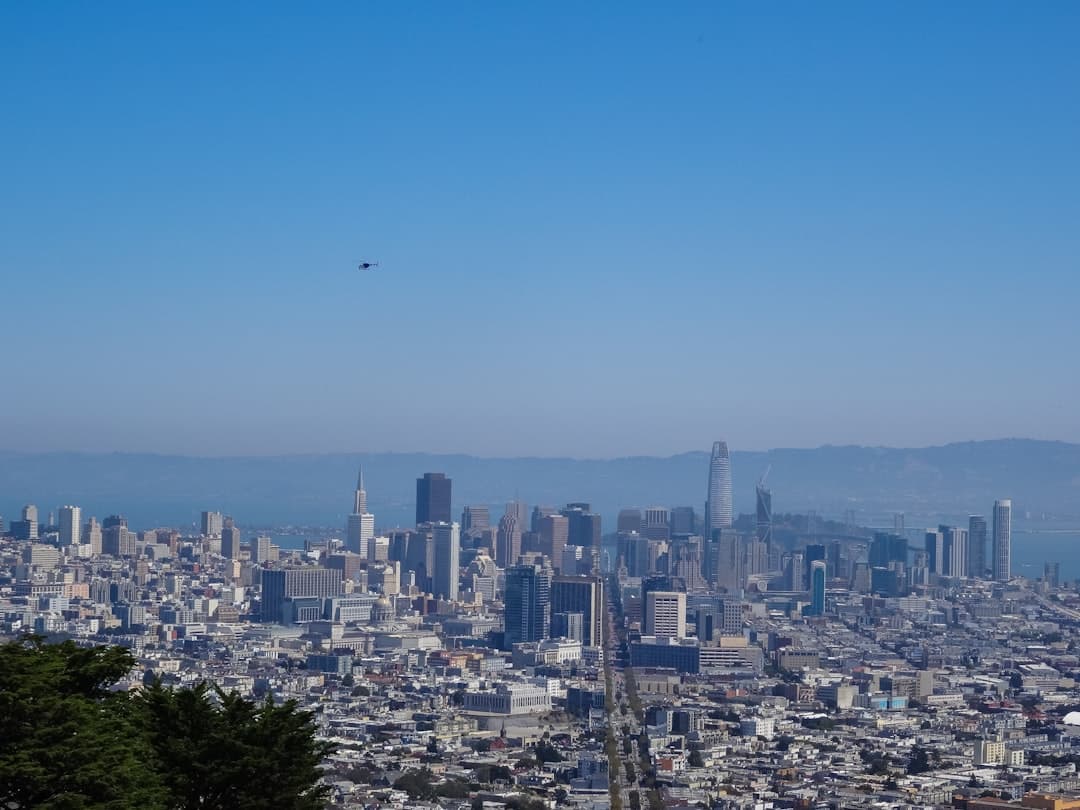
Chinatown San Francisco
San Francisco's Chinatown is the real thing — not a themed shopping district or a tourist novelty, but a living, breathing neighborhood that has been home to Chinese immigrants and their descendants since the 1850s. When it was established, it was the first significant Chinese settlement in North America, and it remains one of the most densely populated urban neighborhoods on the continent. It survived the 1906 earthquake (barely), survived repeated attempts by city officials to relocate it, and emerged tougher and more defined each time. The famous Dragon Gate on Grant Avenue, built in 1970, has become the neighborhood's iconic entry point, but what's inside those 24 blocks is far more interesting than the gate itself. Walking through Chinatown means navigating two distinct worlds running side by side. Grant Avenue — the main tourist drag — is lined with souvenir shops selling jade figurines, silk robes, and fortune cookies. It's fun, a little kitschy, and worth a stroll. But duck one block west to Stockton Street and you're suddenly in the neighborhood that actually feeds San Francisco's Chinese community: live fish tanks spilling out onto sidewalks, produce vendors selling bitter melon and gai lan, herbal medicine shops with ginseng roots hanging in the window. The Chinese Historical Society of America museum on Clay Street provides essential historical context. Dim sum at places like Great Eastern (a Bill Clinton favorite) or the old-school City View restaurant is practically mandatory. So is a stop at Golden Gate Fortune Cookie Factory on Ross Alley, a narrow lane where you can watch cookies being folded by hand on vintage machines. The neighborhood is compact — you can walk the whole thing in under an hour if you keep moving — but it rewards slowing down. Come on a weekday morning when the Stockton Street sidewalks are most alive with locals doing their shopping. Weekends bring bigger crowds and longer waits at the best dim sum spots. Lunar New Year (late January or February) transforms the neighborhood with parades, firecrackers, and street performances that draw hundreds of thousands of people — extraordinary to witness, chaotic to navigate.