
All Places
1,073 places around the world
1,073 places · page 4 of 45
Barranco
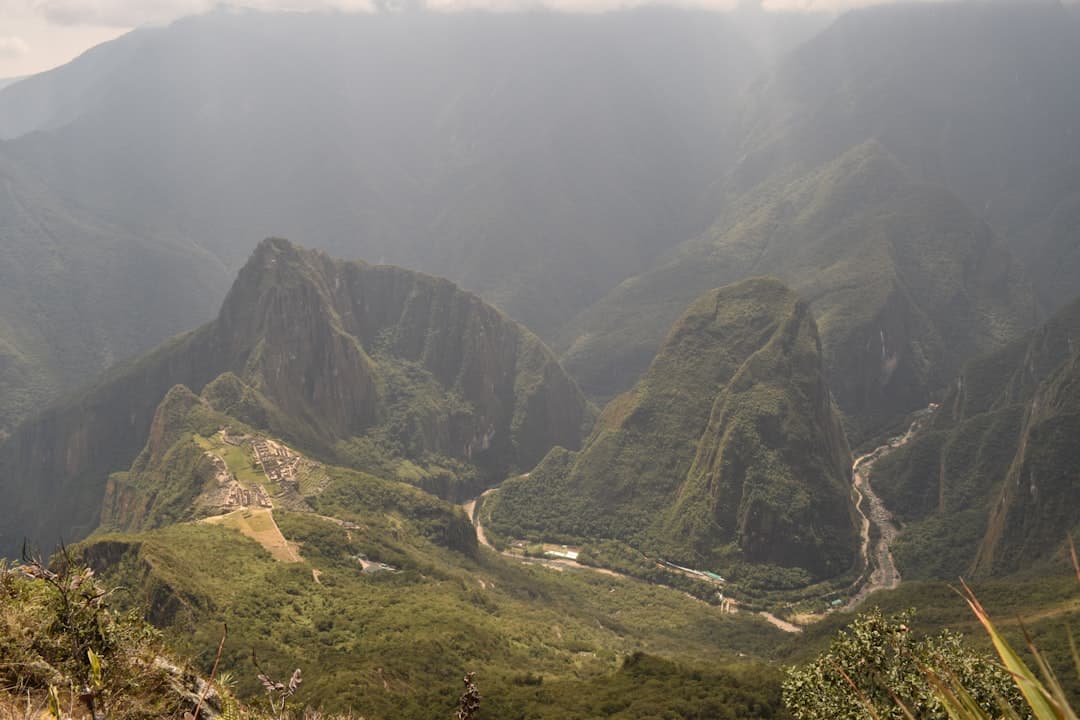
Barranco is a historic residential district perched on the cliffs above the Pacific Ocean, about 20 minutes south of Lima's city center. Once a summer retreat for Lima's elite in the late 19th and early 20th centuries, it fell into romantic decay and was eventually adopted by artists, musicians, and intellectuals. Today it's Lima's most culturally alive neighborhood — a compact grid of colorful republican-era houses, bougainvillea-draped walls, and museums that punch well above their weight. Walking Barranco means wandering past the famous Puente de los Suspiros (Bridge of Sighs), a wooden pedestrian bridge with a legend attached — hold your breath while crossing and make a wish. The streets around it are covered in murals and lead down to a barranca (ravine) that opens onto a clifftop walkway with sweeping ocean views. The Bajada de Baños path winds down to a small beach. MATE, the Mario Testino Museum on the main plaza, showcases world-class fashion and portrait photography, and the DÉDALO artisan market is the best design shopping in the city. As evening falls, the restaurants and bars along Avenida Grau and Jiron Junín fill up — this is where Lima goes to eat, drink, and hear live music. Barranco is small enough to explore on foot in a few hours, but most visitors end up staying much longer once they find a pisco sour they like. Come in the late afternoon to catch the golden light on the cliffs and stay for dinner — the seafood here rivals anything in Miraflores, and the atmosphere is far more local. Weekends bring more crowds and better live music; weekday evenings are quieter and easier for restaurants. Uber is the easiest way to get here, and the neighborhood is generally safe to walk around, though keep an eye on your phone after dark.
Barrio Santa Cruz
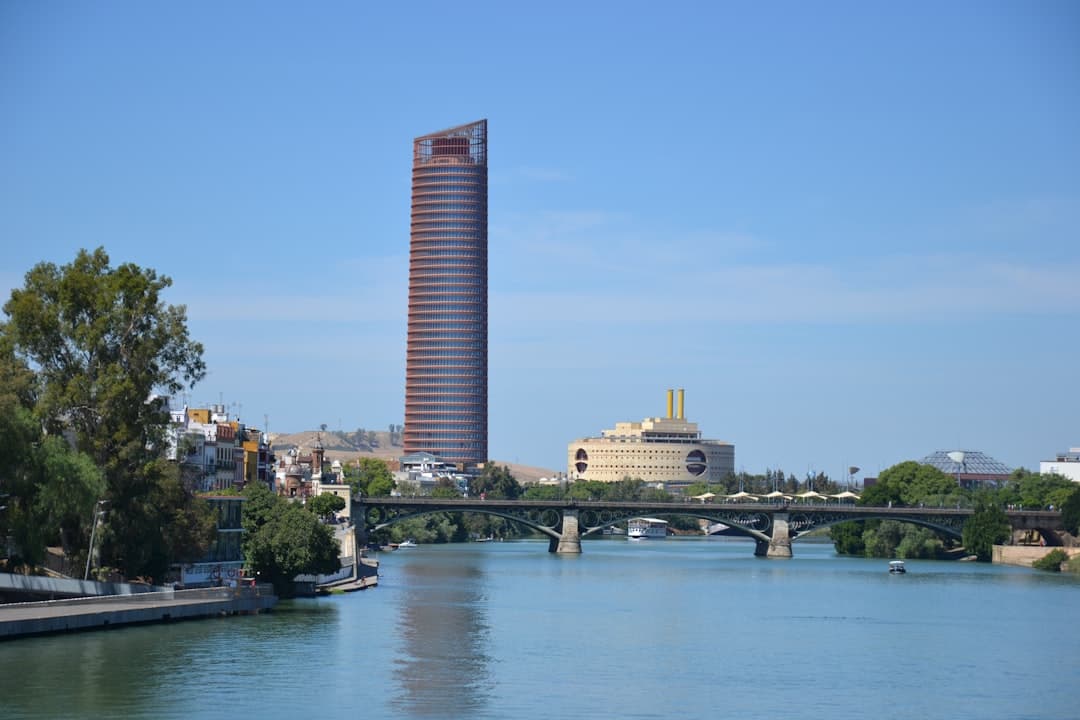
Barrio Santa Cruz is the old Jewish quarter of Seville — the judería — a tight tangle of whitewashed alleys, flower-draped patios, and hidden plazas tucked behind the walls of the Real Alcázar. It's one of the best-preserved medieval neighborhoods in Spain, dating back to when Seville was a city of three faiths, and it sits at the very heart of the old city, pressed between the cathedral and the Murillo Gardens. Today it's one of Seville's most visited neighborhoods, but the architecture, the scale, and the sensory atmosphere still justify every step. Wandering Santa Cruz is the main event. The alleys are genuinely disorienting in the best way — you'll pass the Plaza de Santa Cruz with its iron cross and orange trees, duck under jasmine-draped archways, stumble onto the Plaza de Doña Elvira where locals sit on tiled benches under the palms, and eventually find your way to the Callejón del Agua, a narrow lane that once ran water from the Alcázar to the city. Tapas bars and restaurants fill the ground floors of centuries-old buildings — Casa Román on Plaza de los Venerables is one of the oldest and most reliable spots for a glass of fino and jamón ibérico. The neighborhood rewards slow, aimless movement far more than a checklist approach. Come in the morning before 10am or in the evening after 7pm if you want the streets closer to yourself — midday in summer, Santa Cruz can feel overwhelmed by tour groups funneling from the cathedral to the Alcázar. In spring, the scent of orange blossom hits you at street level and is almost unreasonably good. The neighborhood is free to wander, so treat it as connective tissue between the major paid sites rather than a destination with a single entry point.
Basilica Cistern
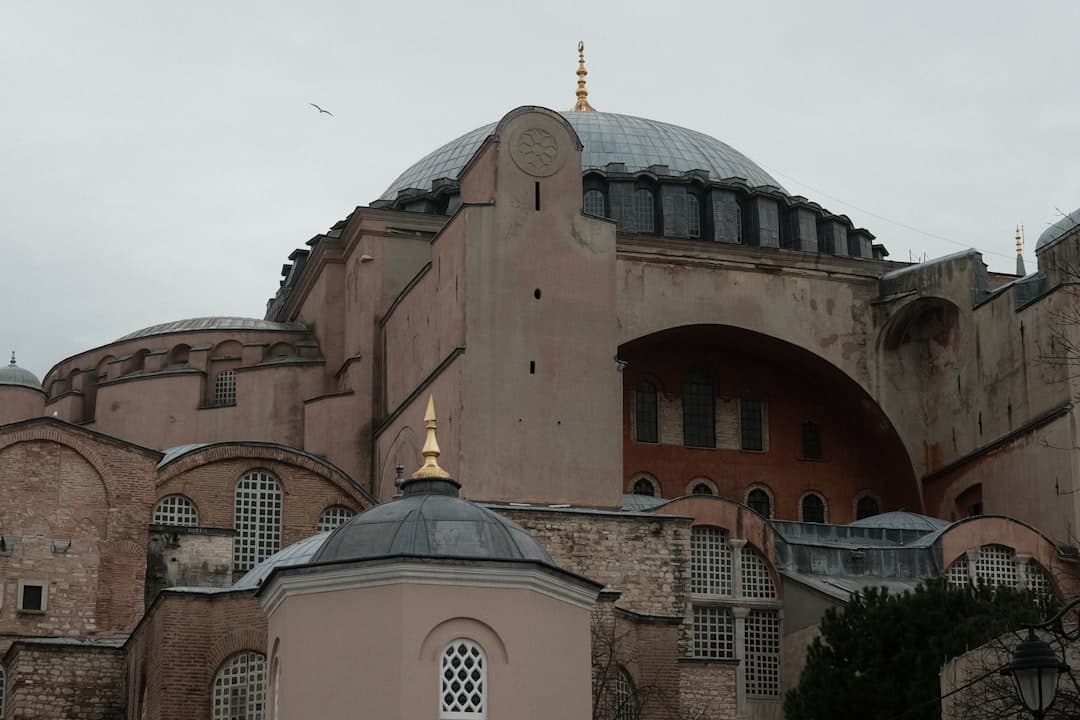
Beneath the bustling Sultanahmet district, the Basilica Cistern is a vast underground water reservoir built by the Byzantine Emperor Justinian I in 532 AD. It held up to 80,000 cubic metres of water for the Great Palace of Constantinople and the wider city — an engineering feat that kept one of the ancient world's greatest cities alive. For centuries after the Ottoman conquest it was largely forgotten, rediscovered only when a scholar noticed locals pulling up fish and water through holes in their floorboards. Today it's one of Istanbul's most atmospheric and genuinely unmissable sites. Descending the stone steps, you enter a cathedral-like space supported by 336 marble columns arranged in 12 rows — many of them salvaged from older Roman structures across the empire. The lighting is dim and amber-tinged, the shallow water still covers the floor, and the sound of slow-dripping water echoes everywhere. At the far end, two column bases rest on upturned Medusa heads — one sideways, one upside down — whose origins and purpose remain a subject of scholarly debate and endless tourist fascination. The cistern was renovated and partially reimagined in recent years, and now includes some theatrical light and sound installations alongside the ancient structure itself. The evening sessions (roughly 7:30–10pm) are worth seeking out if you're in Istanbul mid-week — the crowds thin, the lighting feels more dramatic, and the whole place takes on an almost cinematic quality. Come early in the morning if you want a quieter daytime visit; late morning through mid-afternoon is peak tourist traffic. The cistern is right next to the Hagia Sophia and just a short walk from the Blue Mosque, so it fits naturally into a Sultanahmet day — but don't treat it as a quick box-tick. It rewards slow exploration.
Basilica de Santa Maria del Mar
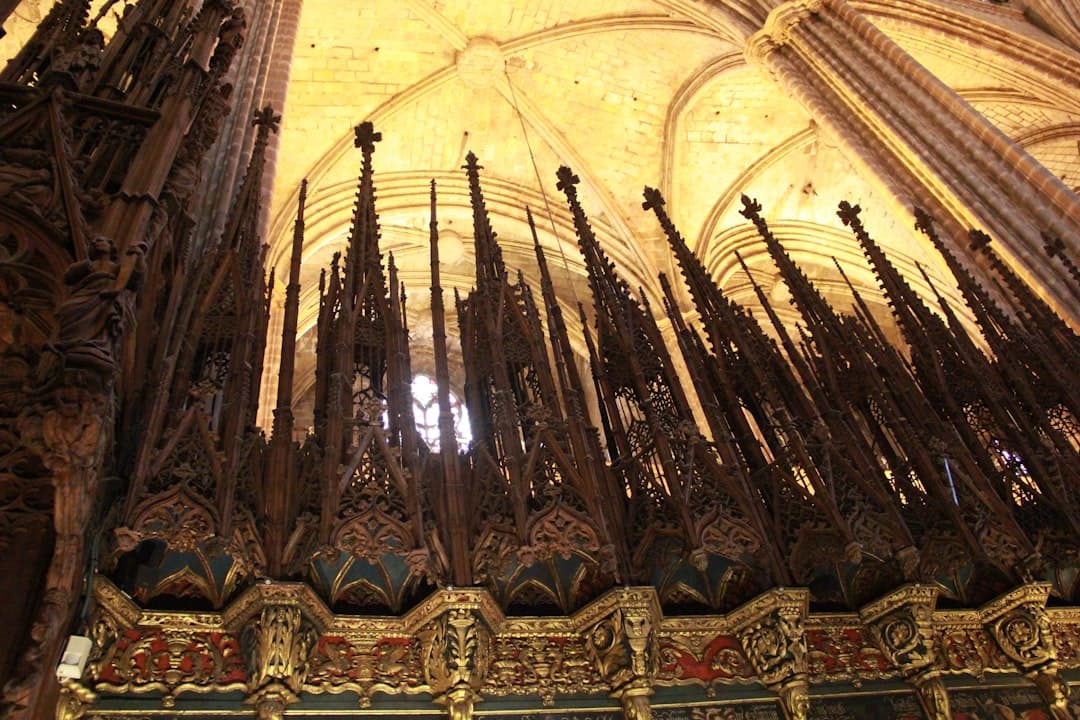
Santa Maria del Mar is a 14th-century Gothic church in the El Born neighbourhood of Barcelona, and many architects and historians consider it the finest example of Catalan Gothic architecture in existence. What makes it truly remarkable is its origin story: it was built between 1329 and 1383 almost entirely by the workers and merchants of the Ribera district — the stevedores of the nearby port carried the stone on their backs from Montjuïc quarry to the site, one load at a time. That community effort is baked into the building's DNA, and it's the reason the church feels different from the grand cathedral projects of the same era, which were typically top-down royal or ecclesiastical commissions. Step inside and the first thing that hits you is the space. Unlike Barcelona's more famous Cathedral in the Gothic Quarter — which is cluttered, dark, and ornamented to within an inch of its life — Santa Maria del Mar is almost shockingly stripped back. During the Spanish Civil War, anarchists burned the interior for 11 days, destroying the baroque additions that had accumulated over centuries. The fire was destructive, but it accidentally restored the church to something close to its original medieval austerity. What you see now are three vast, soaring naves of almost identical height, elegant octagonal columns spaced unusually wide apart, and windows that flood the space with filtered amber and blue light. The famous rose window above the entrance is a particular highlight — it was rebuilt in the 15th century after an earthquake destroyed the original. The church is still an active place of worship, which means access is split across the day — mornings and evenings for free visits, with a midday closure. If you visit during an evening slot on a weekday, you'll often find the church quiet and candle-lit, which is the best version of it. The novel 'La Catedral del Mar' by Ildefonso Falcones, set during the church's construction, became a massive bestseller and brought a whole new wave of visitors here — it's worth reading before you go if you want the history to land harder.
Basilica di Santa Maria Maggiore
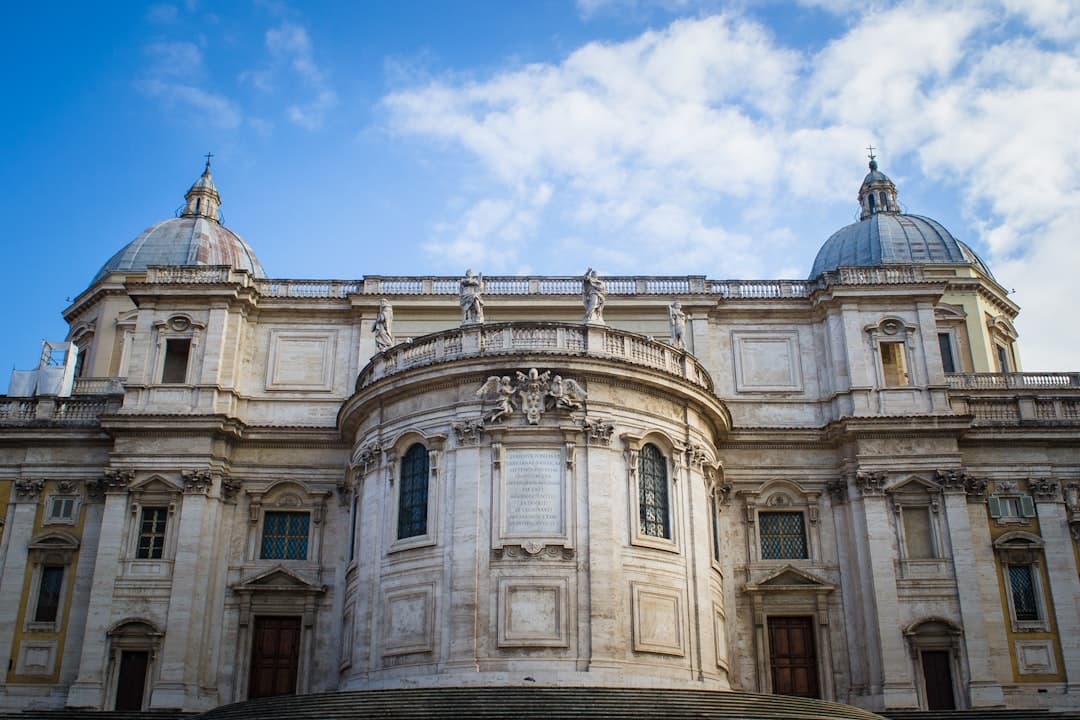
Santa Maria Maggiore is one of Rome's four papal basilicas — the great churches that rank above all others in the Catholic world — and it holds the distinction of being the largest church in Rome dedicated to the Virgin Mary. Founded in the 5th century and substantially rebuilt over the following centuries, it sits atop the Esquiline Hill and has been a place of pilgrimage for over 1,500 years. The basilica's founding legend is a good one: in 358 AD, the Virgin Mary reportedly appeared to Pope Liberius and a Roman nobleman in a dream, instructing them to build a church on the spot where snow would fall the following morning. On August 5th, snow fell on the Esquiline — in the middle of a Roman summer — and the church was born. That miracle is still commemorated every August 5th with a ceremony where white flower petals are released from the ceiling to simulate the snowfall. Inside, the basilica rewards slow, careful attention. The 5th-century mosaic panels along the nave walls are among the oldest surviving Christian mosaics in existence — Old Testament scenes rendered in glittering Byzantine gold that have outlasted virtually everything around them. The coffered ceiling, gilded with what is said to be the first gold brought from the Americas by Columbus, catches the light dramatically. The Sistine Chapel here — not to be confused with the one in the Vatican — is a lavish papal funerary chapel on the right side of the nave, while the Pauline Chapel opposite holds Borghese family tombs and a revered Byzantine icon of the Madonna. Beneath the high altar, a crystal and gold reliquary is said to contain fragments of the crib of Jesus from Bethlehem. Because Santa Maria Maggiore sits slightly off the main tourist circuit — it's near Termini station rather than the Colosseum or Piazza Navona — it draws fewer crowds than St. Peter's or San Giovanni in Laterano. That makes it easier to actually absorb what you're looking at. The exterior apse facing Piazza dell'Esquilino is particularly photogenic in the early morning, with its great 13th-century apse mosaics visible through the curved exterior wall. Come here after a visit to Palazzo Massimo across town to see how Roman mosaic-making evolved over centuries.
Basilica of the Holy Blood
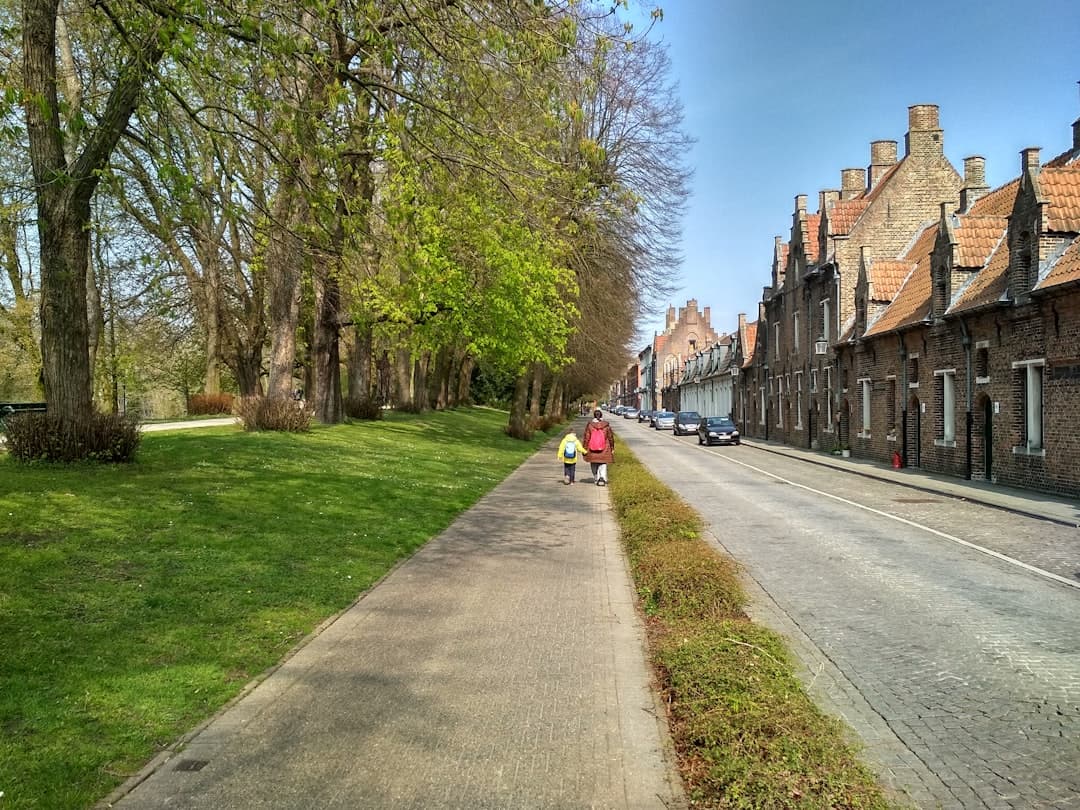
Tucked into a corner of the Burg — Bruges' grand ceremonial square — the Basilica of the Holy Blood is one of the most remarkable small churches in Europe. It was built in the 12th century to house a relic brought back from the Second Crusade: a cloth said to have been used to wipe the blood from Christ's body after the Crucifixion. The relic has been venerated here continuously for over 800 years, making this one of the oldest and most significant pilgrimage sites in the Christian world. The building itself is two churches stacked on top of each other — a dark, Romanesque lower chapel dedicated to St. Basil that dates to the 1100s, and a richly decorated neo-Gothic upper chapel rebuilt in the 19th century where the relic is kept. The experience is more intimate than you might expect. You enter the lower chapel first, a low-ceilinged, dimly lit space of bare stone that feels genuinely medieval — one of the best-preserved Romanesque interiors in Belgium. Then you climb a winding staircase to the upper chapel, where the reliquary is displayed in a side alcove. Every Friday, the relic is brought out and visitors can approach to venerate it — a tradition that draws both the deeply devout and the simply curious. The reliquary itself is extraordinary: a rock crystal cylinder mounted in a silver and gold tube, encased in an ornate outer reliquary studded with gems. There's also a small treasury museum adjoining the upper chapel with paintings, vestments, and historical objects related to the relic's long history. Admission to the basilica is free; the treasury museum charges a small fee. The basilica draws steady crowds throughout the day, so going early in the morning or later in the afternoon gives you a much better chance of quiet contemplation. The Friday veneration ceremony typically takes place at set times — worth checking ahead if that's what brings you here. The Burg square just outside is one of the finest in Belgium, so build in time to linger there before or after your visit.
Baths of Caracalla
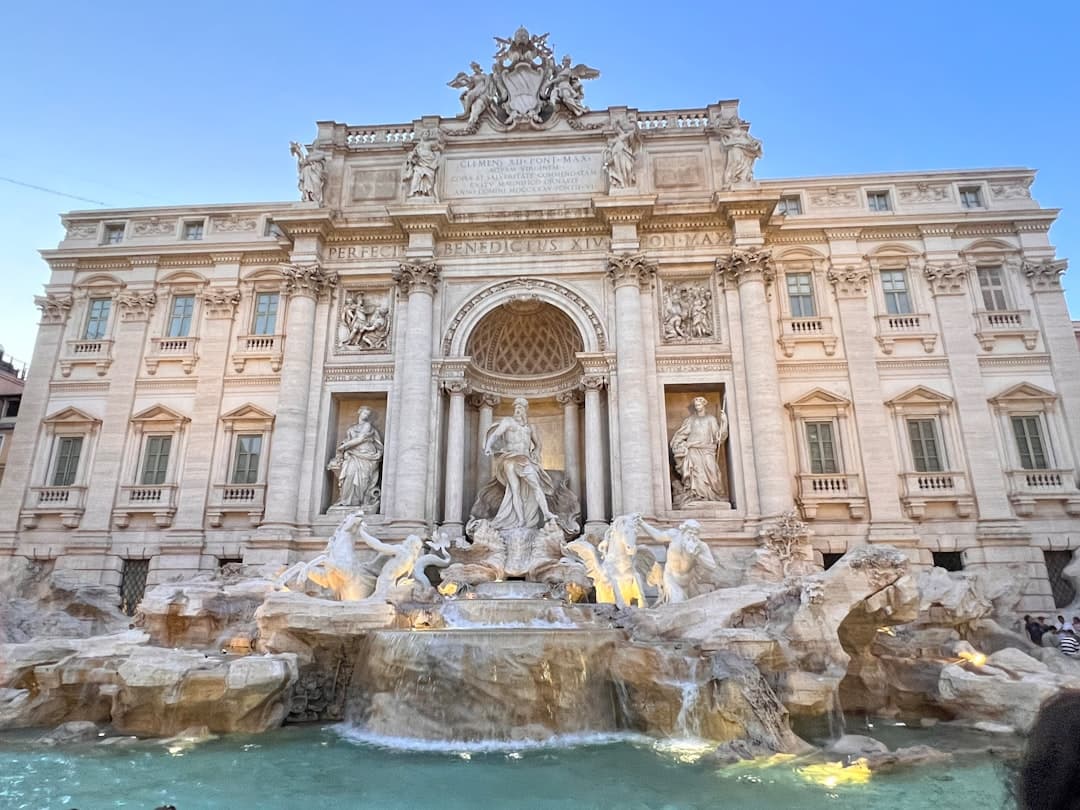
Built between 212 and 216 AD under Emperor Caracalla, these were once the second-largest public baths in the ancient world — a civic complex so vast it could accommodate around 1,600 bathers at a time. This wasn't just a place to wash; it was a full social and cultural hub, with libraries, gardens, shops, and gyms spread across a complex covering roughly 27 acres. The main building alone stands over 30 meters high in places, and enough of it survives to make the scale genuinely staggering. Walking through the ruins today, you move through enormous roofless halls where frescoed walls have given way to exposed brick and sky. The central frigidarium, caldarium, and tepidarium — cold, hot, and warm bathing rooms — are still readable as spaces, and the mosaic floors that once decorated the palaestrae (exercise courtyards) are remarkable. Many of the best mosaics and sculptures found here — including the famous Farnese Hercules and Farnese Bull — were hauled off to Naples centuries ago, but the site itself still rewards slow, attentive exploration. Underneath the complex, a network of tunnels used by workers to stoke the hypocaust heating system is partially accessible on guided visits. The Baths of Caracalla sit just south of the Aventine Hill, a short walk from the Circus Maximus, and are dramatically undervisited compared to the Colosseum or Roman Forum. Come on a weekday morning and you may have entire sections essentially to yourself. The site is also famously used for outdoor opera performances by Teatro dell'Opera di Roma in summer — if you can time your trip to catch a performance here, it's one of Rome's most memorable evenings.
Batu Caves
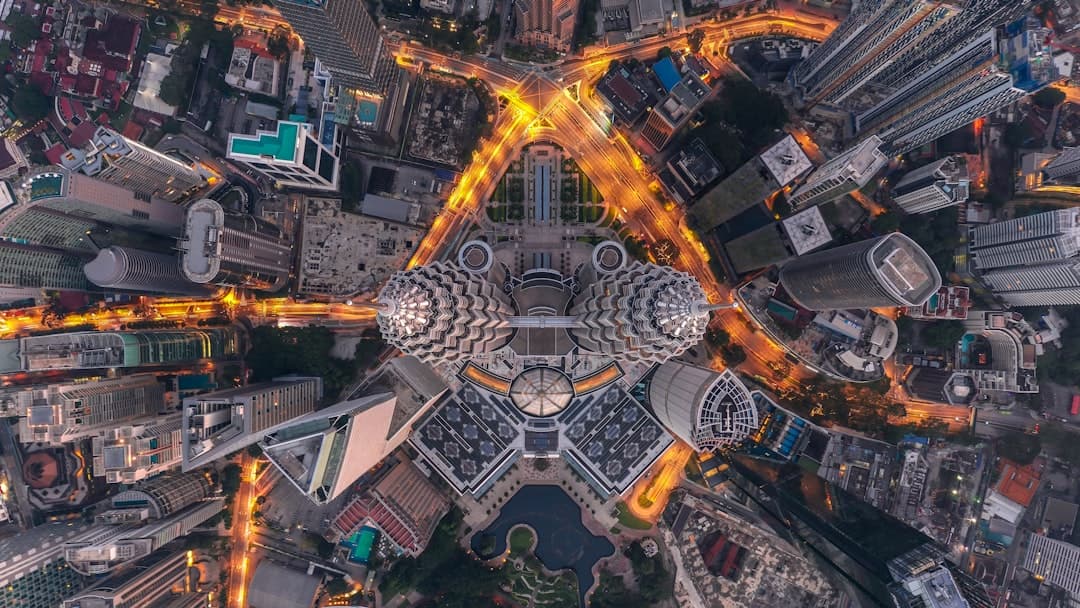
Batu Caves is a limestone hill complex about 13 kilometres north of central Kuala Lumpur, home to a series of caves and cave temples that have been a sacred Hindu pilgrimage site since the late 19th century. The centrepiece is the Cathedral Cave — a vast, cathedral-ceilinged cavern reached by a famous staircase of 272 steps, which were repainted in vivid rainbow colours in 2018. Guarding the entrance is a 42.7-metre golden statue of Lord Murugan, the Hindu deity of war and victory, one of the tallest statues of any deity in the world. For the Tamil Hindu community across Malaysia and beyond, this is one of the most significant religious sites in the country. Visiting means climbing those iconic steps past troops of bold, food-snatching macaque monkeys, then stepping into the enormous cave itself, where shafts of natural light pour through openings in the rock ceiling and illuminate Hindu shrines carved into the stone walls. The cavern is genuinely impressive — vast, atmospheric, and alive with incense, music, and devotees. Smaller cave temples nearby, including the Dark Cave (a separate eco-tourism site) and the Art Gallery Cave, are worth exploring if you have extra time. The whole complex rewards slow, curious visitors. The site is always busy, but the volume of visitors reaches an entirely different level during Thaipusam — the annual Hindu festival that typically falls in January or February — when over a million pilgrims descend on Batu Caves over three days in one of the world's largest religious gatherings. At normal times, arriving early in the morning means cooler temperatures, fewer crowds, and better light for photography. The caves are free to enter, though the Dark Cave tour requires a ticket. Monkeys are genuinely brazen here — keep bags zipped and food out of sight.
Bayon Temple
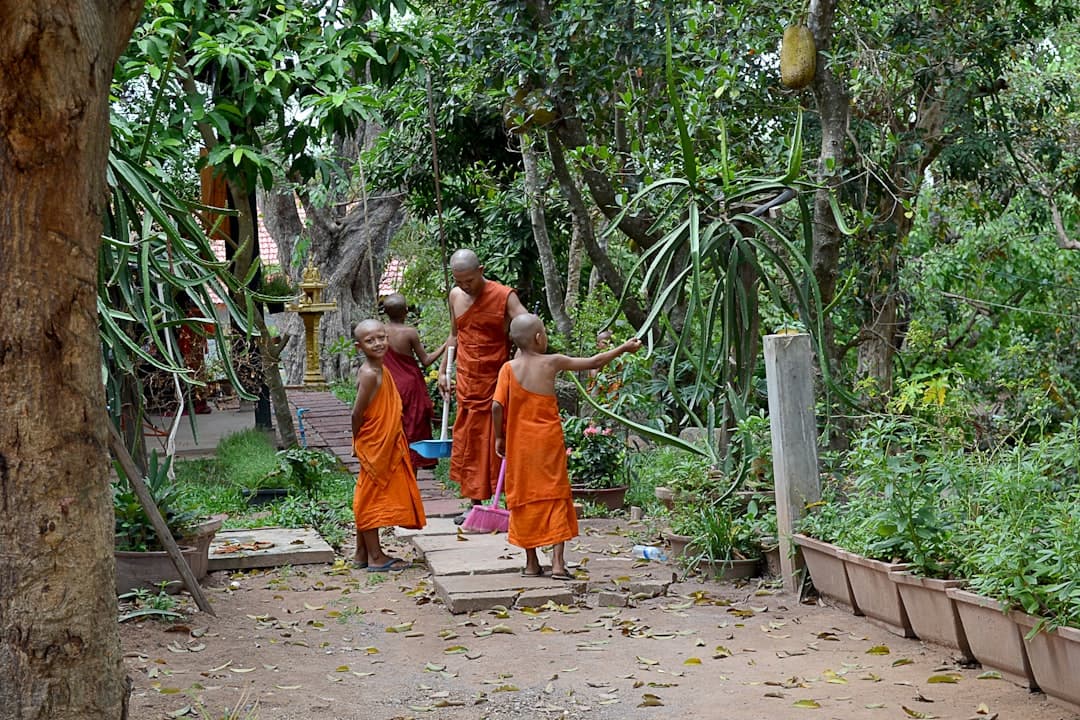
Bayon is the state temple of the Khmer king Jayavarman VII, built in the late 12th and early 13th centuries at the exact center of Angkor Thom, the last great capital of the Khmer Empire. What makes it unlike anything else on earth are its 54 towers, each carved with enormous serene faces — thought to represent either the bodhisattva Avalokiteshvara or Jayavarman VII himself, or perhaps both at once. Standing here, you're surrounded by more than 200 of these massive stone visages, all wearing the same enigmatic half-smile, gazing outward in every cardinal direction. It's one of the most photographed and most emotionally affecting ancient sites in all of Southeast Asia. Visiting Bayon is a slow, meandering experience. You enter through a jumble of bas-relief galleries on the lower levels — carved walls that stretch for hundreds of meters and depict scenes of battles, markets, cockfights, and daily Khmer life with extraordinary realism and warmth. These carvings are often overlooked in favor of the famous faces above, but they're worth real time. Then you climb to the upper terraces, where the towers rise around you and the faces begin to appear — first one, then suddenly dozens, peering from every angle. The light at different times of day transforms the mood entirely. Bayon is included in the standard Angkor Archaeological Park pass (one-day, three-day, or seven-day options) purchased at the official ticket center — you cannot buy entry at the gate. Arriving early, ideally before 8am, dramatically reduces the crowds. Midday is brutal both for heat and tour groups. The late afternoon light is beautiful on the stone faces, and many photographers consider the golden hour here unmissable. It's about 1.5km inside Angkor Thom from the South Gate, easily reached by tuk-tuk, bicycle, or as part of the classic Angkor loop.
Beacon Hill
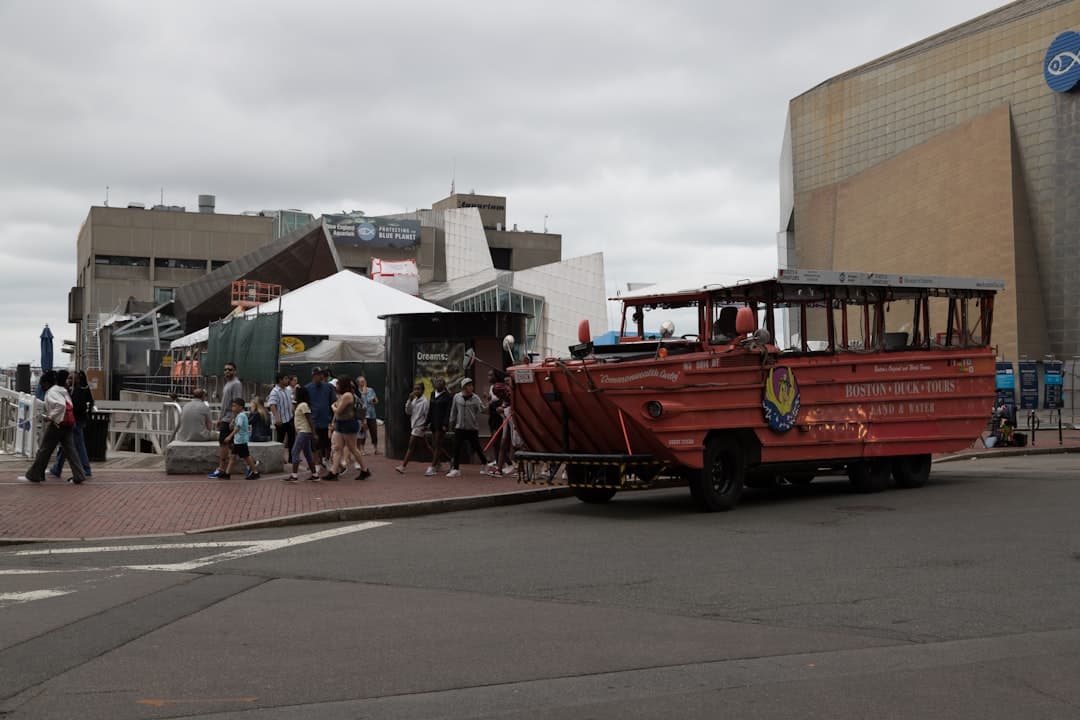
Beacon Hill is one of the oldest and best-preserved neighborhoods in the United States, a tight cluster of gas-lit cobblestone streets and Federal-style rowhouses that spills down from the Massachusetts State House toward the Boston Common. It was home to Boston Brahmins — the old-money elite who shaped American intellectual and political life — and the neighborhood's architecture reflects that serious, understated wealth. The area also played a crucial role in the abolitionist movement, with the north slope of the hill home to a vibrant free Black community before the Civil War. The African Meeting House, the oldest surviving Black church building in the country, still stands on Joy Street. Walking through Beacon Hill is the main event. You wander down Acorn Street — often called the most photographed street in America, a narrow lane of uneven cobblestones flanked by Federal rowhouses — then up and down the slope through streets lined with purple-paned windows, window boxes spilling seasonal flowers, and black iron fences. The State House's gold dome glints above it all. Charles Street at the base of the hill functions as the neighborhood's main artery, lined with antique shops, independent boutiques, and places to eat and drink — Tatte Bakery is an excellent stop for coffee and pastries. The Nichols House Museum on Mount Vernon Street offers a rare look inside one of these private homes, giving context to the architectural beauty you're admiring from the sidewalk. Beacon Hill is genuinely walkable and rewarding at almost any time of day, but it's particularly magical in the early morning before tourists arrive, and in the evening when the gas lamps actually glow. It connects directly to Boston Common and the Public Garden, making it easy to combine with a broader downtown exploration. Acorn Street and the surrounding blocks get crowded on weekends, especially in fall — if you want the neighborhood feeling quiet and photogenic, aim for a weekday morning.
Begijnhof
The Begijnhof — officially the Princely Beguinage Ten Wijngaarde — is one of the most serene and historically layered spots in all of Belgium. Founded in 1245, it was originally home to the Beguines, a remarkable movement of lay religious women who lived communally, worked independently, and answered to no religious order. They wove lace, cared for the sick, and built a self-sufficient community at a time when women had almost no autonomy outside the convent or marriage. The Beguines of Bruges are long gone — Benedictine nuns took over in 1927 — but the physical world they created survives almost untouched. UNESCO recognized it as a World Heritage Site in 1998, along with the other Flemish Béguinages of Belgium. Step through the gate and the city noise drops away almost immediately. The enclosure is a ring of whitewashed, step-gabled houses arranged around a central green planted with poplar trees — in spring, the grass is carpeted with daffodils, which has become one of Bruges' most iconic seasonal images. A small museum inside one of the original houses gives you a faithful reconstruction of how a Beguine would have lived: modest furniture, a spinning wheel, devotional objects. The Church of Our Lady of Consolation on the grounds dates to the 14th century and still holds regular services. The nuns who live here today maintain actual residence — this is not a museum village, but a working religious community. The Begijnhof sits at the southern edge of Bruges' historic center, just a short walk from the Minnewater (the so-called Lake of Love) and the broader Minnewater Park. Most visitors pass through in 20 minutes; the ones who slow down and sit on one of the benches, or wander the perimeter path, get something much better. Come early in the morning or on a weekday to experience something close to what this place has always been: genuinely quiet.
Begijnhof
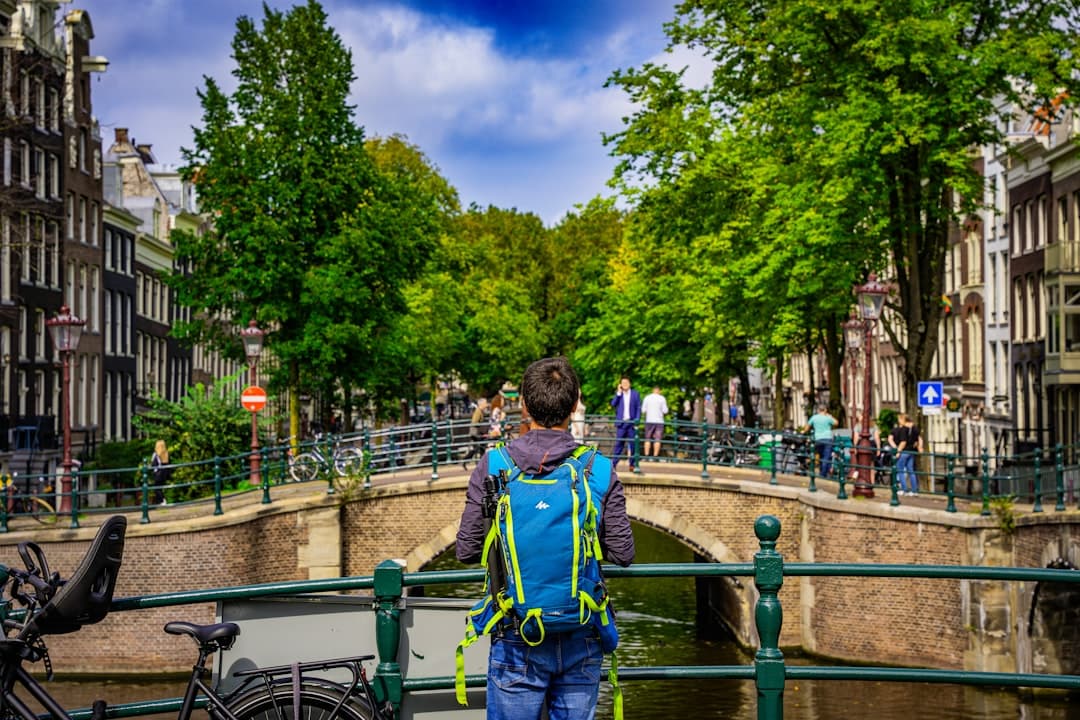
The Begijnhof is one of Amsterdam's oldest and most quietly remarkable places — a hidden courtyard dating back to the 14th century, tucked behind an unassuming wooden door off the busy Spui square. It was built as a residential community for the Beguines, a lay sisterhood of Catholic women who lived devout lives without taking formal vows. They kept this enclosed cluster of houses, gardens, and chapels running for centuries, right up until the last Beguine died in 1971. The space has been preserved almost exactly as it was, and stepping inside feels like the entire city has been switched off. Once you pass through the gate, you're standing in a neat, grassy courtyard ringed by historic gabled houses — some dating to the 1400s, including what is believed to be Amsterdam's oldest surviving wooden house, Het Houten Huys at number 34. There are two churches here: the English Reformed Church, which dates to the early 15th century and was used by the Pilgrim Fathers community before they sailed to America, and the clandestine Catholic Begijnhofkapel, which the Beguines used quietly for worship after they lost the larger church to the Protestants in 1578. You can visit both. The gardens are immaculate, the atmosphere is genuinely serene, and there are plaques and information boards that tell the story without overwhelming you. Entry is free and no booking is needed — just find the low wooden door on the south side of Spui square (there's also an entrance from the Amsterdam Historical Museum arcade on the other side). The courtyard opens daily around 10am and closes at 6pm. It's one of Amsterdam's most visited hidden gems, which means it can get busy mid-morning on weekends — arriving early or later in the afternoon gives you the best chance of experiencing the quiet that makes it so special. Silence and respect are expected; this is still a residential space.
Beihai Park
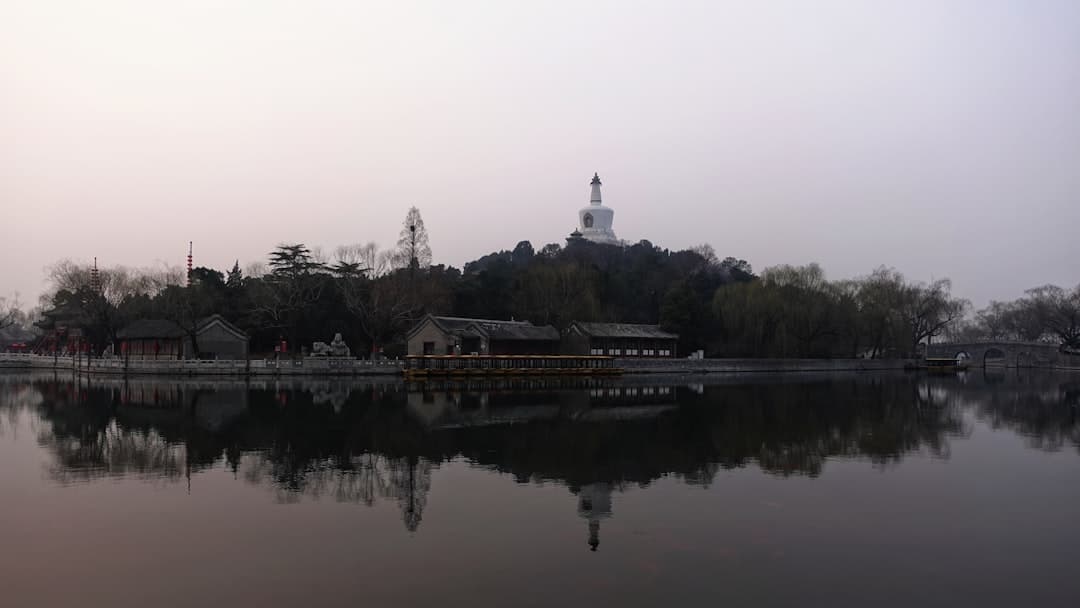
Beihai Park is one of the oldest and best-preserved imperial gardens in China, sitting just northwest of the Forbidden City in central Beijing. It was a pleasure ground for emperors dating back to the Liao dynasty roughly a thousand years ago, and its centrepiece — Beihai Lake — covers more than half the park's total area. The White Dagoba, a Tibetan-style Buddhist stupa perched on Jade Flower Island at the lake's heart, has been a fixture of the Beijing skyline since 1651, when it was built to commemorate a visit by the Dalai Lama. This is living imperial history that most visitors walk right past on their way to the Forbidden City. In practice, Beihai rewards slow exploration. You can rent a rowboat or take a ferry across the lake to Jade Flower Island, climb up to the White Dagoba for sweeping views over the rooftops toward the Forbidden City, and wander through the Fangshan restaurant — one of Beijing's most famous, serving imperial court cuisine that traces its recipes back to the Qing dynasty. The northern shore is lined with covered walkways, pavilions, and the Nine Dragon Screen, a stunning glazed-tile wall dating to 1402 and one of only three in China. In winter, when the lake freezes, locals lace up skates and take to the ice. The Google-listed hours of 6:30–9:00 AM look incorrect and almost certainly reflect early-morning entry times rather than closing times — the park typically opens around 6:30 AM and closes in the evening, with last entry around an hour before closing. Ticket prices are modest and split between park entry and individual attractions. Go on a weekday morning to have the willow-fringed paths to yourself, and budget more time than you think you'll need — this place has a way of holding you.
Beitou Hot Springs
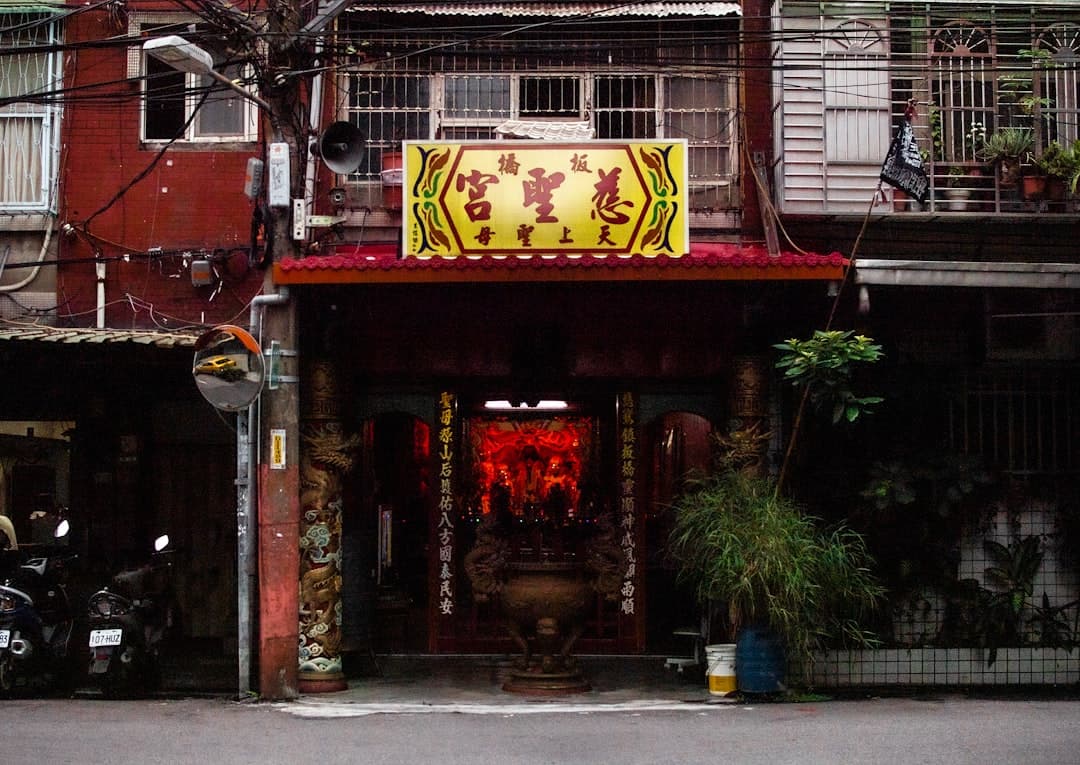
Beitou Hot Springs is one of Taiwan's most celebrated thermal bathing destinations, tucked into a forested valley about 30 minutes north of central Taipei by MRT. The area sits atop a geologically active zone near Yangmingshan volcano, and its waters are genuinely unusual — Beitou is one of only two places in the world where you'll find "green sulfur" spring water, a mildly radioactive, jade-tinted liquid with a pH so low it can bleach fabric. That scientific curiosity has made this a destination for serious hot spring enthusiasts, not just casual tourists. The heart of the public bathing scene is Millennium Hot Spring (千禧湯), an outdoor public pool complex on Zhongshan Road that charges a small entry fee and draws locals of all ages who come to soak, chat, and de-stress. Nearby, the Beitou Hot Spring Museum — a beautifully preserved 1913 Japanese colonial bathhouse — tells the story of how Japanese settlers first developed the area into a resort district in the late 19th century, a heritage still visible in the valley's architecture and bathing culture. Higher up the hill, more upscale private ryokan-style hotels offer indoor baths with the same storied waters. The address listed here corresponds to the Millennium Hot Spring facility specifically, which is the most accessible and affordable public option. The broader Beitou hot springs district stretches up the valley past the library and museum and is best explored on foot. Come on a weekday to avoid weekend crowds, and consider arriving when it opens to get a feel for locals starting their day with a morning soak.
Belfry of Bruges
The Belfry of Bruges is a medieval bell tower rising 83 metres above the Markt, Bruges' central market square. Built in stages between the 13th and 15th centuries, it was the city's commercial and civic heart — a place where city charters were kept, treasuries were stored, and the bells marked every hour of daily life. It's a UNESCO World Heritage Site and the most recognizable landmark in a city full of them, instantly familiar from countless photographs of Belgium. But photographs don't do justice to the sheer presence of it up close. The experience is almost entirely vertical. You climb 366 narrow, winding stone steps to reach the top, passing the treasury room, the old city archives chamber, and — the highlight for many — the carillon mechanism, a vast and beautifully maintained system of drums and cams that controls the 47 bronze bells hanging above. The bells themselves weigh anywhere from a few kilograms to over six tonnes. At the top, the panoramic view over Bruges' red-tiled rooftops, canals, and church spires is genuinely spectacular — one of those rare views that earns the climb. The carillon plays automatically every quarter hour and gives live concerts on Wednesday, Saturday, and Sunday evenings in summer, performed by the city's official carillonneur from the keyboard room partway up the tower. The climb is steep and the staircase narrow — not suitable for those with mobility issues or claustrophobia — but the crowds thin out significantly the higher you go. Buy tickets on arrival or online; early morning visits avoid the worst queues and give you the Markt to yourself on the way in.
Bellagio Fountains
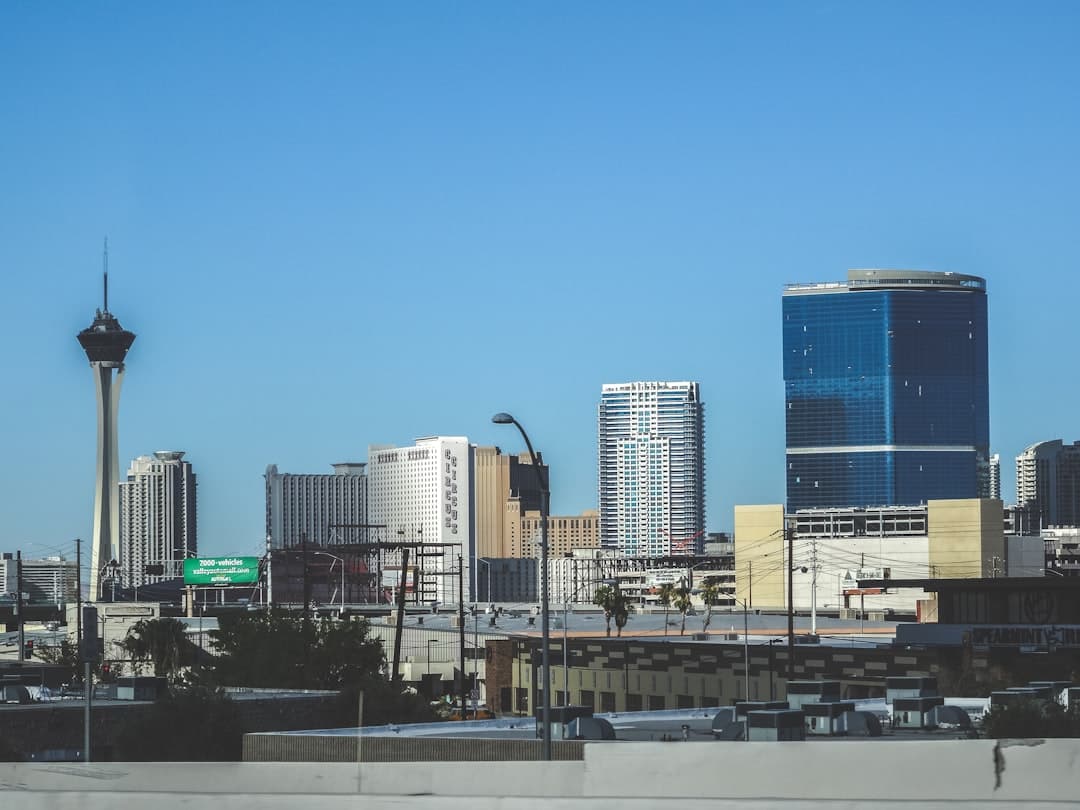
The Fountains of Bellagio are a free, open-air water show staged on an eight-acre artificial lake in front of the Bellagio hotel on the Las Vegas Strip. Designed by WET Design and unveiled when the Bellagio opened in 1998, the system uses over 1,200 individual water shooters and nozzles — including a row of dramatic Super Shooters that can launch water 460 feet into the air — all choreographed to music that ranges from Sinatra classics to operatic arias to pop anthems. It remains one of the most recognized landmarks in the United States, and it didn't cost a single cent to watch from the street. Shows run every 30 minutes in the afternoon and every 15 minutes from evening onward, with each performance lasting around 3–5 minutes and set to a different song. The lake stretches the full frontage of the hotel, so you can watch from the wide sidewalk along Las Vegas Boulevard, from the Bellagio's own promenade, or — with a drink in hand — from the terrace of the Lago restaurant or the Petrossian Bar inside. Nighttime is the headliner: the lights reflecting off the water, the jets catching neon from the Strip, and the synchronized swell of something like "Con te partirò" make it feel genuinely cinematic. Crowds are real, especially at prime evening slots. The best-kept secret is to walk around to the north end of the lake, closer to the hotel entrance, where the crowds thin out and you get a slightly different perspective on the taller central jets. Coming midweek and catching an early evening show — around dusk, when you still have some color in the sky — hits differently than the full-dark experience most visitors default to. There's no ticket, no line, and no catch.
Belvedere Palace
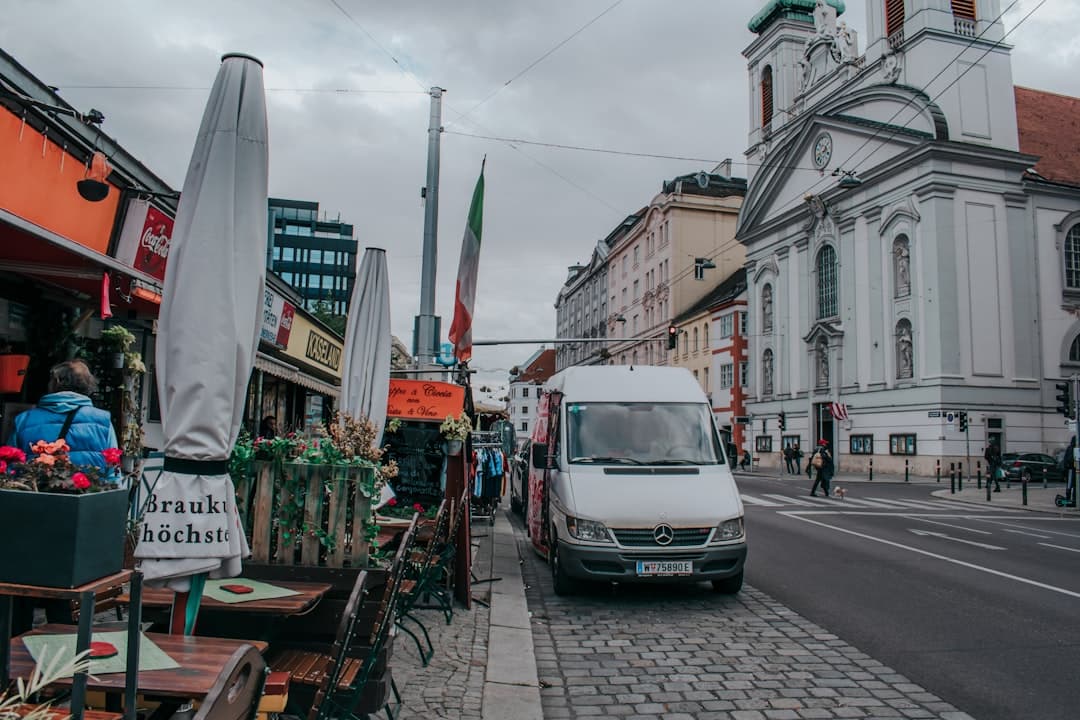
The Belvedere is a grand baroque palace complex built in the early 18th century for Prince Eugene of Savoy, one of the most powerful military commanders of his era. After his death, the Habsburg imperial family acquired it, and it eventually became one of Austria's most important museums. Today it houses the country's greatest collection of Austrian art — including works you'll recognize even if you've never set foot in Vienna. The complex splits into two palaces connected by formal gardens. The Upper Belvedere is where you'll spend most of your time: it holds the permanent collection, anchored by a room dedicated to Gustav Klimt that contains The Kiss, Judith, and several other iconic works. Beyond Klimt, you'll find Egon Schiele's raw, unsettling portraits and Oskar Kokoschka's expressionist canvases — together they make a compelling case for Vienna's turn-of-the-century art scene being one of the most creatively explosive moments in modern art history. The building itself is worth your attention too: the ceiling frescoes, the marble hall, and the grand staircase are genuinely spectacular. The Lower Belvedere houses temporary exhibitions and the Orangery. In between, the formal French-style gardens with their sphinx statues and tiered fountains are beautiful in almost any season. Buy your ticket online before you go — the line for The Kiss room can be significant in peak season, and while there's no timed entry in the traditional sense, mornings on weekdays are noticeably calmer. The Upper Belvedere is the essential visit; the Lower Belvedere is worth adding if you have time and interest in the current temporary show. The museum shop near the exit sells decent Klimt prints if you're looking for something more considered than a fridge magnet.
Belém Tower
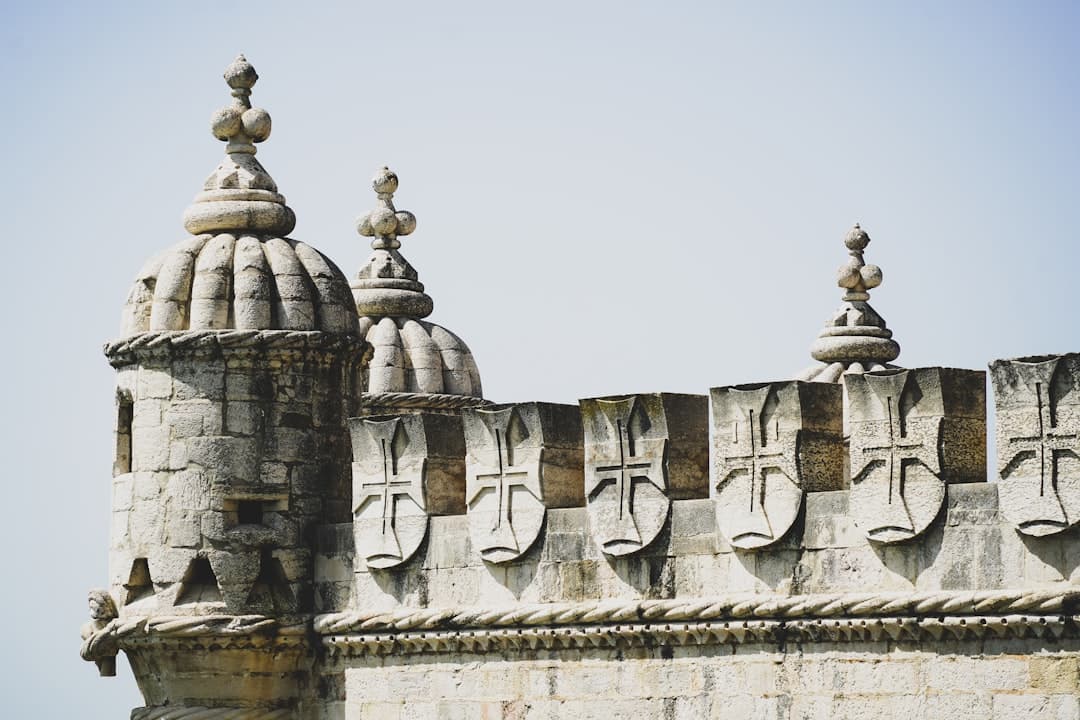
The Torre de Belém is a small but extraordinarily ornate fortified tower built between 1516 and 1521, commissioned by King Manuel I to guard the entrance to Lisbon's harbor. It sits at the edge of the Tagus River in the Belém district, and for centuries it was the last sight Portuguese explorers saw before sailing into the unknown — and the first thing they saw when they came home. It's one of the defining symbols of Portugal's Age of Discovery and a UNESCO World Heritage Site, recognized alongside the nearby Jerónimos Monastery as a masterpiece of Manueline architecture, a uniquely Portuguese style that fuses late Gothic stonework with maritime motifs and Moorish influences. Up close, the tower is genuinely dazzling. The exterior is carved with armillary spheres, knotted ropes in stone, crosses of the Order of Christ, and a famous rhinoceros head on the northwestern bastion — a nod to an Indian rhinoceros that passed through Lisbon in 1515, the first seen in Europe since Roman times. Inside, you climb through several floors of low-ceilinged rooms and steep stone staircases to reach the terrace at the top, where the views across the Tagus and back toward Lisbon are wide and genuinely beautiful. The interior is modest — don't expect lavish rooms — but the architecture itself is the attraction. Lines here can be brutal in summer, especially late morning and midday. The tower is small and manages visitor numbers, so queues snake down the riverfront walkway in peak season. Arrive right at opening time (10am) or go late afternoon to minimize the wait. The surrounding riverside promenade is pleasant either way — Belém is a neighborhood worth spending a full half-day in, pairing the tower with Jerónimos Monastery and a pastel de nata at the original Pastéis de Belém just a short walk away.
Ben Thanh Market
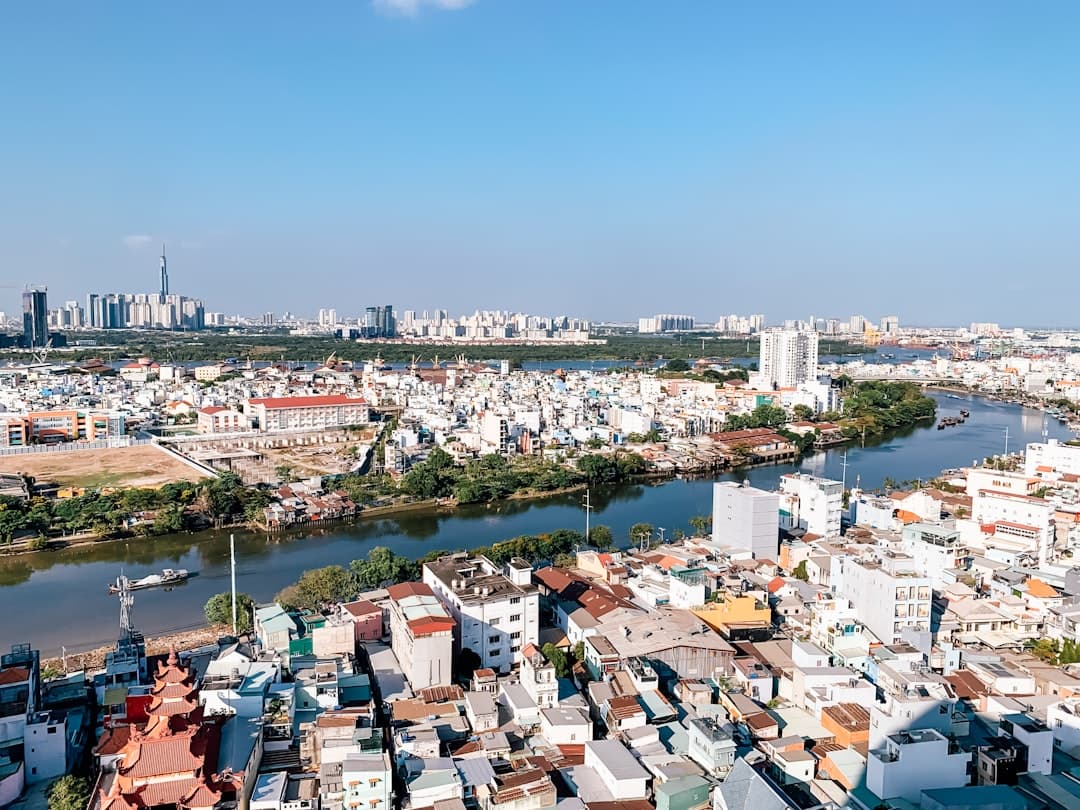
Ben Thanh Market is the most recognizable landmark in Ho Chi Minh City — a century-old covered market that has become the beating commercial heart of District 1. Built by the French in 1914, the market's distinctive clock tower gate has become shorthand for the city itself, appearing on postcards and souvenirs across Vietnam. It's not just a tourist attraction though; for generations of Saigonese, this was where you came to buy everything from fresh produce and live seafood to bolts of fabric, hardware, and street food. The market sits at the center of a major roundabout and the entrance to a new metro station, making it geographically unavoidable and symbolically central to the city's identity. Inside, the market is divided into rough sections: fresh produce and seafood toward the back, dry goods and clothing toward the front, and food stalls clustered along the interior perimeter. The produce section is a genuine working market — vivid piles of dragon fruit, rambutan, and pomelo stacked alongside fish, pork, and live shellfish. The dry goods section skews more toward visitors, with lacquerware, conical hats, ao dai fabrics, silk scarves, coffee, and every permutation of Vietnamese souvenir imaginable. Surrounding the market on all sides, especially along Le Loi and Phan Boi Chau, street vendors and small shops spill outward in every direction. Ben Thanh rewards early risers — arrive before 8am and you'll catch the market in full working mode before the tour groups arrive. Bargaining is expected on everything except food; a friendly smile and willingness to walk away usually gets you somewhere reasonable. The night market version, which opens on the surrounding streets after the main market closes around 6pm, is livelier and more social but almost entirely aimed at tourists.
Ben Youssef Madrasa
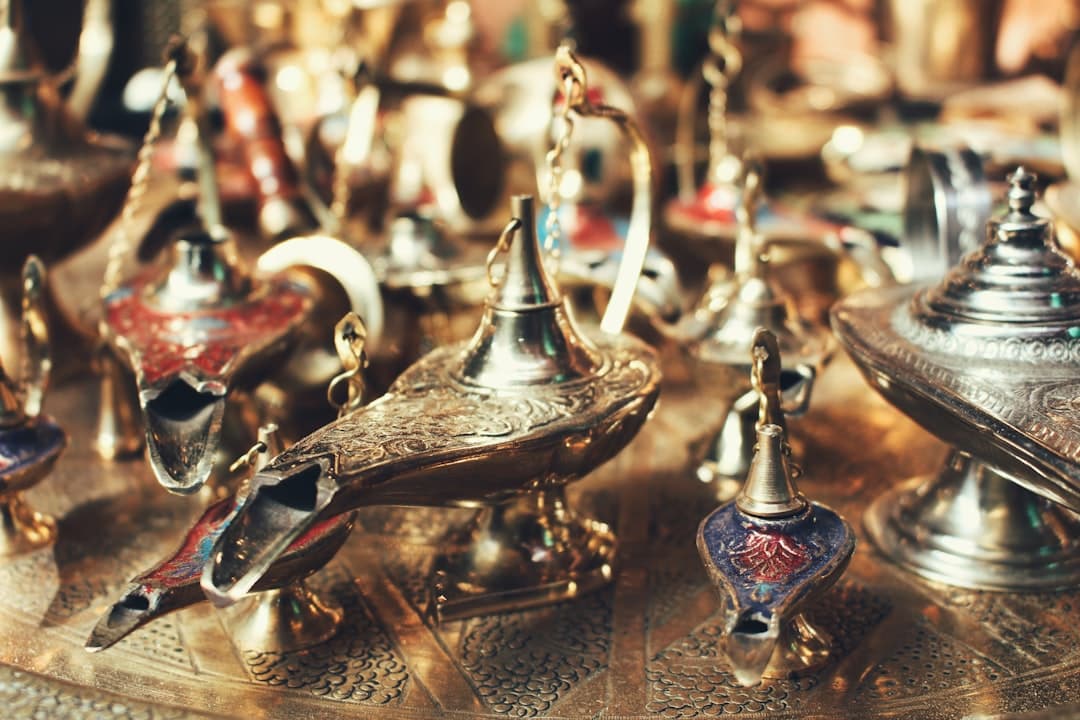
The Ben Youssef Madrasa is a former Islamic boarding school built in the 14th century and dramatically expanded under the Saadian sultan Moulay Abdallah in the 1560s. At its peak it housed around 900 students who came to Marrakech to study theology, law, and the Quran. It's one of the largest and most ornate madrasas ever built in North Africa, and for centuries it was the spiritual and intellectual heart of the medina. Today it functions as a monument — no longer a working school — but walking through it, you get a vivid sense of what it meant for a city to take education seriously enough to make a building this beautiful. The experience is essentially a slow, reverent wander through layered Islamic craftsmanship. The ground floor opens onto a central courtyard centered on a long marble pool, surrounded by walls covered in three distinct registers: intricate zellige tilework at the base, carved stucco arabesque in the middle, and soaring cedar latticework screens above. The details are staggering — you'll find yourself stopping every few steps to look more closely at something. A staircase leads up to the student cells, tiny austere rooms that ring the upper floors, the contrast between their plainness and the courtyard's extravagance is quietly affecting. The prayer hall at the far end rewards a long look at its carved mihrab. The madrasa sits just north of the Ben Youssef Mosque and a short walk from the Marrakech Museum, making it natural to combine all three in a half-day loop of the northern medina. Go early — by 10am the courtyard fills up and the photography gets competitive. Tuesday closing at 4:30pm is an anomaly worth double-checking before you go, as hours have historically shifted. Entry fees are modest by any standard and there's no need to book ahead.
Beng Mealea
Beng Mealea is a massive 12th-century Khmer temple about 65 kilometers east of Siem Reap, built around the same time as Angkor Wat and sharing much of its architectural DNA — same sandstone, same cosmological layout, same intricate bas-reliefs. Unlike the famous temples of the Angkor Archaeological Park, Beng Mealea has been left largely as it was found: collapsed galleries, roots splitting walls apart, stone blocks tumbled into chaotic piles that nature has been rearranging for centuries. It's raw, wild, and genuinely atmospheric in a way that the more heavily managed temples simply can't replicate. The experience here is genuinely exploratory. You clamber over fallen masonry, duck through narrow passageways, and climb a series of wooden walkways that wind through the ruins at various levels — some hugging the ground, others elevated above the rubble. The jungle hasn't just surrounded the temple; it's inside it. Fig trees and silk-cotton trees have sent roots through walls and across rooftops for so long that removing them would cause the structures to collapse entirely. You'll find galleries half-buried in earth, carved devatas peeking out from beneath moss, and long corridors where the ceiling has fallen in and vines hang through the gaps. Beng Mealea is not covered by the standard Angkor Pass, so you'll need a separate entry ticket (around $5 USD as of recent reports — always verify locally). The drive out from Siem Reap takes about 90 minutes each way, which is why most visitors treat it as a half-day or full-day trip, sometimes combined with a stop at the floating village of Kompong Khleang or the Roluos Group temples on the way back. Go early — not just to beat the heat, but because the morning light inside those half-open galleries is extraordinary.
Berlin Wall Memorial
The Berlin Wall Memorial on Bernauer Strasse is the city's most comprehensive site dedicated to the Wall that divided Berlin from 1961 to 1989. Unlike the East Side Gallery, which is essentially a painted artwork, this is a genuine historical monument — an open-air memorial stretching 1.4 kilometres along one of the most dramatic sections of the former border strip, complete with an original preserved segment of the Wall, the death strip, and watchtowers. It's managed by a foundation and treated with the seriousness the subject demands. Bernauer Strasse was historically significant precisely because the Wall ran along the back walls of apartment buildings here, meaning residents were literally walled into the East overnight — and some famously jumped from their windows to escape to the West in the Wall's first days. Visiting means walking the outdoor memorial along the former border, reading biographical panels about people who died attempting to cross, and peering through metal viewing slats into a preserved section of the death strip. There's an excellent documentation centre with viewing platforms, video testimonies, and rotating exhibitions. A small chapel marks the site of the Reconciliation Church, which was demolished by the East German government in 1985 because it stood inconveniently inside the death strip. The combination of physical remnants, personal stories, and intelligent curation makes this far more affecting than a simple monument. The outdoor sections are freely accessible at all hours — no entry fee, no ticket required. The visitor centre and documentation centre have their own opening hours and are worth building into your visit. Come on a weekday morning if you can: weekends draw crowds, and this is a place that rewards quiet contemplation. The nearest U-Bahn stop is Bernauer Strasse on the U8, and the tram also stops right outside.
Besakih Temple
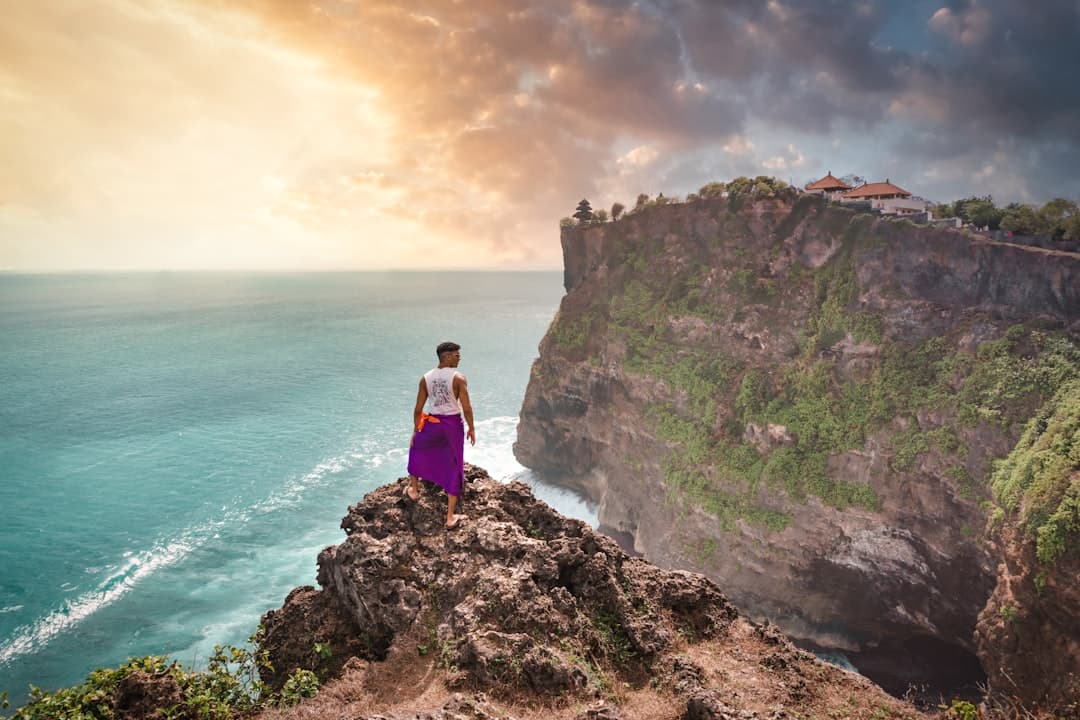
Besakih is the largest and most sacred Hindu temple complex in Bali, a sprawling series of more than 80 individual shrines and temples climbing the southwestern flank of Gunung Agung — the island's highest and most spiritually significant volcano. Balinese Hindus consider it the 'Mother Temple,' the spiritual center of their entire religious life, and it has been a place of worship for at least a thousand years. When Gunung Agung erupted violently in 1963, lava flows stopped just short of the complex, which many Balinese interpreted as divine protection. It remains an active, living place of worship — not a museum. Visiting Besakih is an immersive experience rather than a simple sightseeing stop. The main approach takes you up a long ceremonial pathway lined with vendors and through towering split gates called candi bentar. The central Pura Penataran Agung rises in dramatic multi-tiered black stone pagodas (meru) against the volcanic backdrop. Non-Hindu visitors cannot enter the inner sanctuaries, but you can walk the outer courtyards and terraced paths between temples, watching offerings being made and ceremonies unfolding around you. On major festival days — and there are hundreds annually across the complex — the entire hillside fills with worshippers in white and yellow, and the atmosphere is extraordinary. Besakih has a long-standing reputation for aggressive touts who approach visitors at the entrance offering to act as 'mandatory' guides — a scam. You are not required to hire a guide, though a legitimate, knowledgeable local guide genuinely adds value here given the complex's scale and religious context. The site is managed by the local village, and there is an official entrance fee. Arrive early — ideally by 8am — before tour groups from Ubud and the southern resort areas arrive en masse. The drive up through the regency of Karangasem, past clove farms and traditional villages, is itself part of the experience.
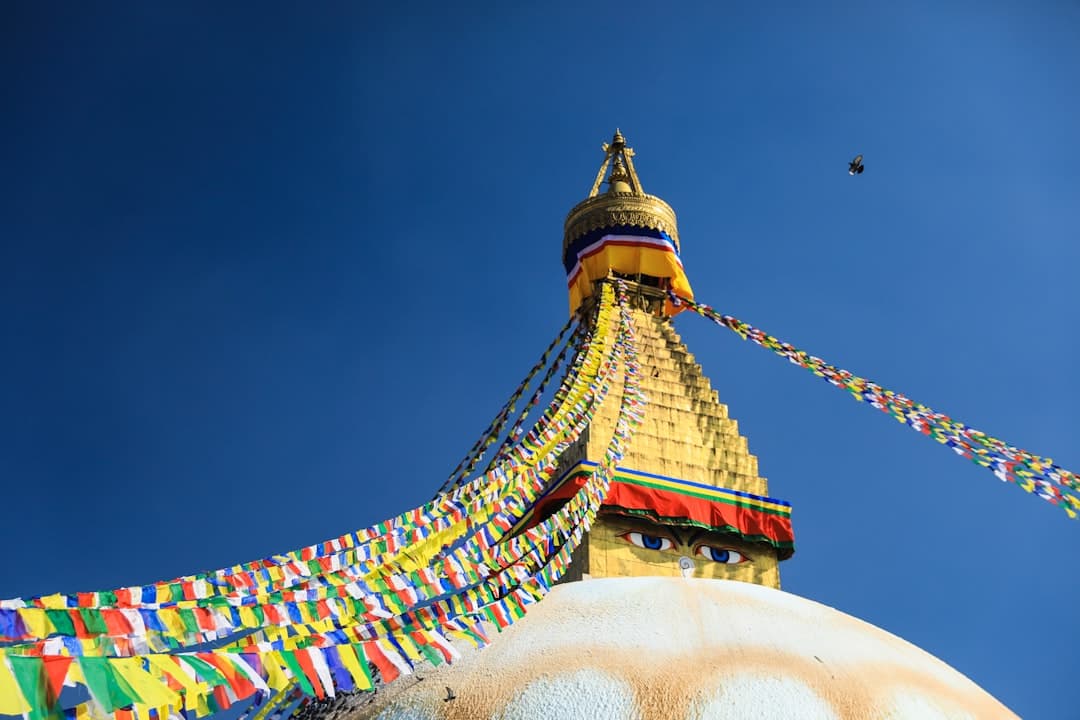
Bhaktapur Durbar Square
Bhaktapur Durbar Square is the historic heart of Bhaktapur, an ancient city in the Kathmandu Valley that was once the capital of a powerful medieval kingdom. The square is a UNESCO World Heritage Site and contains a remarkable concentration of temples, palaces, courtyards, and shrines built between the 12th and 18th centuries by the Malla kings, who poured their wealth and ambition into extraordinary works of brick and carved wood. Unlike the other two durbar squares in the valley — in Kathmandu and Patan — Bhaktapur's has a more coherent, lived-in feel. The 2015 earthquake caused significant damage across the valley, but Bhaktapur's square has been carefully restored and remains the most intact of the three. Wandering the square, you move through a series of distinct zones. The western end is anchored by the 55-Window Palace, a 17th-century royal residence with intricate peacock-motif carvings on its famous window. Nearby, the National Art Museum occupies former palace rooms and houses thangka paintings, manuscripts, and bronze work. The Nyatapola Temple — a soaring five-tiered pagoda built in 1702 and the tallest temple in Nepal — dominates the Taumadhi Square just east. Potters, priests, and schoolchildren share the same stone-paved lanes, and the smell of burning incense competes with freshly made juju dhau, the celebrated creamy buffalo-milk yogurt that Bhaktapur is famous for producing. Bhaktapur charges a foreign visitor entry fee (currently around $15 USD), which is collected at the city entrances — keep your ticket because it's sometimes checked again inside. The fee is worth it: it funds maintenance and keeps the area relatively tourist-light compared to Thamel in Kathmandu. Arrive early in the morning when the light is soft and the devotees are actively performing puja at the shrines. The square and surrounding old town are best explored on foot, and the lanes beyond the main square — toward the pottery district of Dattatraya Square — are worth every extra step.