
All Places
1,073 places around the world
1,073 places · page 3 of 45
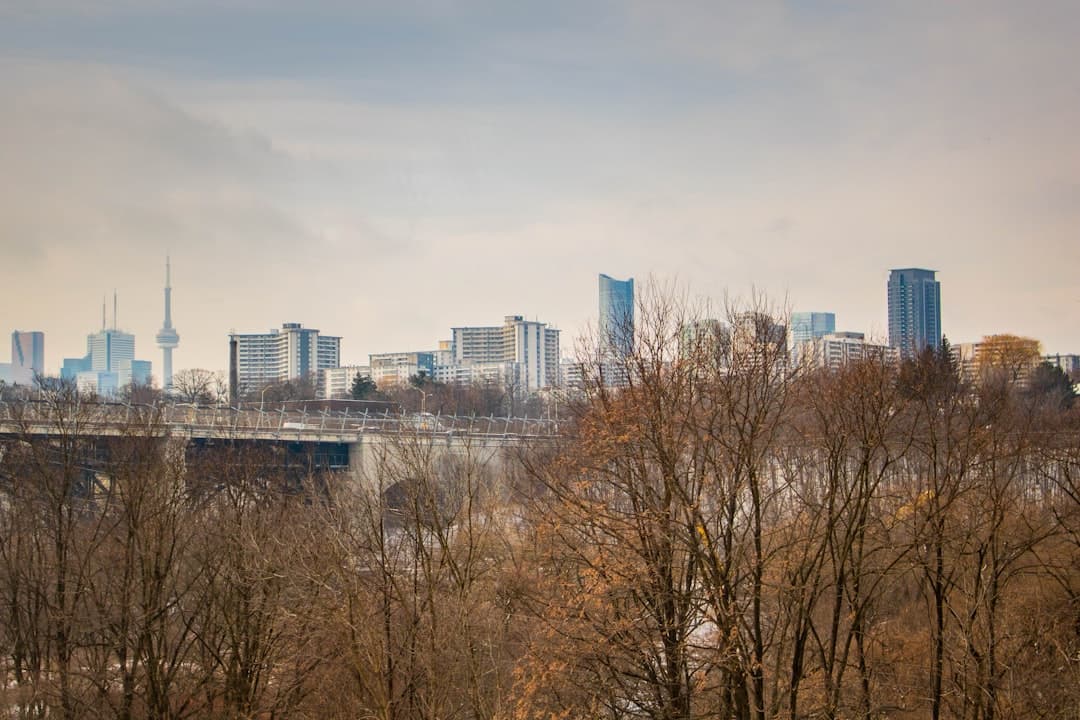
Art Gallery of Ontario
The Art Gallery of Ontario — universally known as the AGO — is one of the largest art museums in North America, housing a permanent collection of more than 100,000 works spanning centuries and continents. What makes it genuinely special is the building itself: architect Frank Gehry, who grew up just blocks away on Beverly Street, redesigned the gallery in a sweeping 2008 transformation called Transformation AGO. The result is a building that feels alive — a spiraling wooden staircase, a glass-and-wood façade along Dundas Street, and galleries that flow with unusual warmth for an institution this size. Inside, the collection ranges from a substantial holdings of European masters and an extraordinary collection of works by the Group of Seven and Tom Thomson — the painters who essentially invented a visual language for the Canadian landscape — to contemporary photography, African art, and one of the world's finest collections of works by Henry Moore, who donated hundreds of pieces himself. The Weston Family Learning Centre keeps younger visitors engaged, and the Galleria Italia, a long soaring room lined with Douglas fir and overlooking Dundas Street, is worth the visit on its own. Special exhibitions rotate through regularly and tend to be genuinely ambitious. The AGO sits in the Grange Park neighbourhood, steps from Chinatown and Kensington Market, which makes it easy to build a full day around. Wednesday and Friday evenings the gallery stays open until 9pm — these are quieter, atmospheric times to visit, especially for the permanent collection. Friday nights sometimes feature programming under the AGO's social series. Admission is free for visitors under 25, and the permanent collection alone easily justifies a few hours.
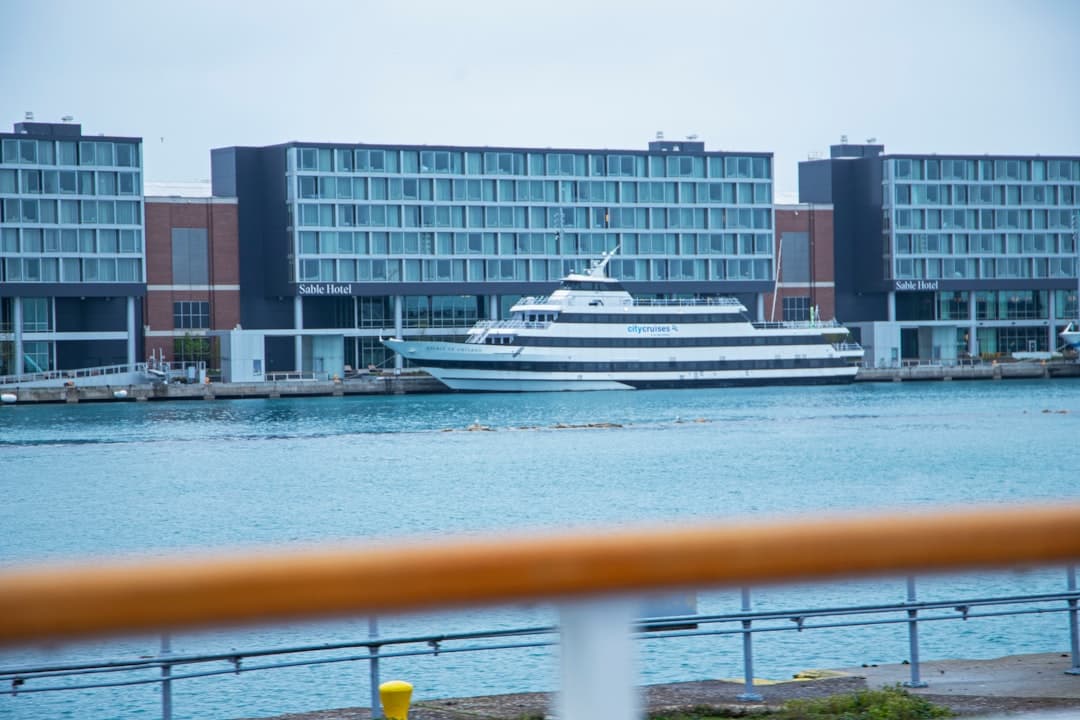
Art Institute of Chicago
The Art Institute of Chicago is one of the oldest and largest art museums in the United States, and by most measures one of the finest. Opened in 1893 in its current Beaux-Arts building on Michigan Avenue — right at the edge of Millennium Park — it holds a permanent collection of over 300,000 works spanning 5,000 years of human creativity. This is a world-class institution in every sense, not a regional curiosity: it owns some of the most recognizable paintings on the planet. In practice, visiting means wandering through galleries that shift from ancient Egyptian artifacts to French Impressionism to American modernism without ever feeling like a forced march. The crown jewels are well-known for good reason: Georges Seurat's enormous pointillist masterpiece 'A Sunday on La Grande Jatte,' Grant Wood's 'American Gothic,' Edward Hopper's 'Nighthawks,' and Georges-Pierre Seurat's work sit alongside a stunning collection of Impressionist paintings that rivals Paris. The Modern Wing, added in 2009 and designed by Renzo Piano, brings in floods of natural light and houses contemporary work that holds its own against the historic collection. Don't skip the Thorne Miniature Rooms — 68 tiny architectural interiors that are inexplicably captivating. Thursday evenings the museum stays open until 8pm, which is the savviest time to visit — crowds thin out noticeably after 5pm. The two bronze lion sculptures flanking the Michigan Avenue entrance are a Chicago landmark in their own right, dressed in various costumes by the museum for local celebrations. Members of the Chicago Public Library can get free admission with their library card, and Illinois residents under 14 get in free every day.
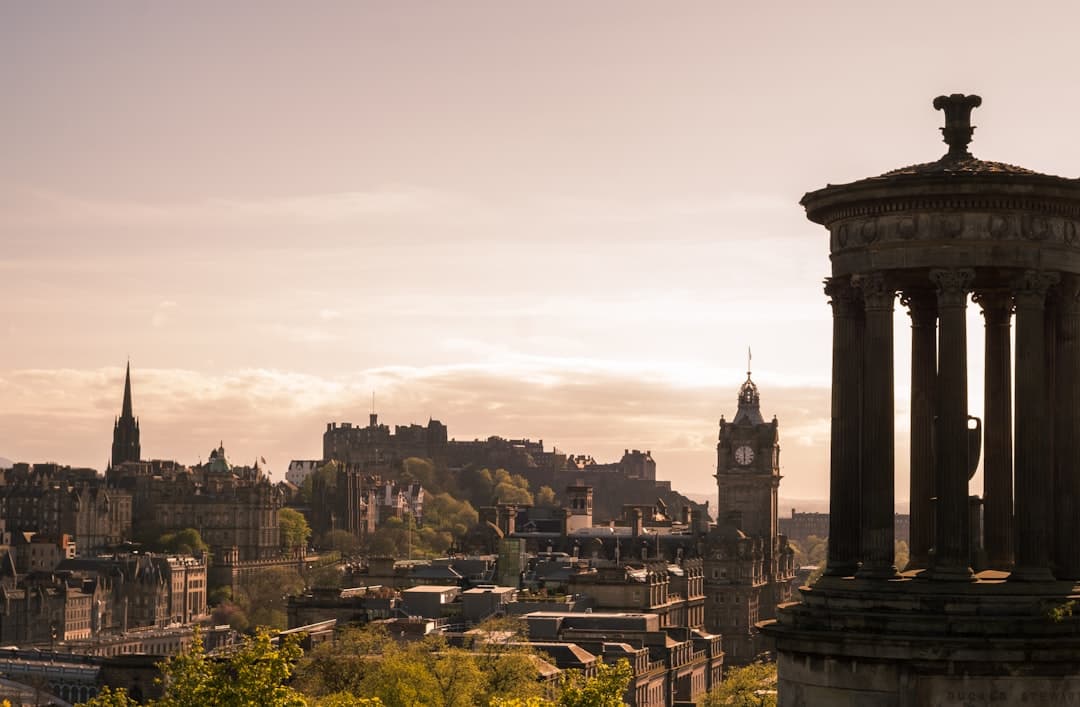
Arthur's Seat
Arthur's Seat is the dramatic rocky peak that dominates Edinburgh's skyline — a 251-metre-high extinct volcano sitting right inside the city, within Holyrood Park. It sounds improbable, but it's real: you can walk out of the Old Town, past the Scottish Parliament, and be on open moorland within minutes. The hill has been here for around 350 million years, and people have lived on and around it since the Bronze Age. It's one of the best-known natural landmarks in Scotland, and for many visitors, the view from the top is the single most memorable thing they do in Edinburgh. The climb itself takes between 45 minutes and an hour and a half depending on your route and fitness level. The most popular path winds up from Holyrood Park Road past the smaller peak of Salisbury Crags — dramatic basalt cliffs that make for great photos even if you don't summit — before a steeper final push to the top. On a clear day, the 360-degree panorama takes in the entire city below, the Firth of Forth, the bridges at Queensferry, the Pentland Hills to the south, and on exceptional days, the distant Highland peaks. The summit itself is rocky and often windy, and there's nothing up there — no café, no railing, no shelter — which is exactly why it feels so good when you get there. The park is free, open year-round, and requires no booking. Start from the Holyrood Park entrance near the Scottish Parliament or from the St Margaret's Loch car park for a slightly gentler approach. Weekday mornings are noticeably quieter than weekend afternoons. The ground can be genuinely boggy after rain, so proper footwear matters more than people expect.
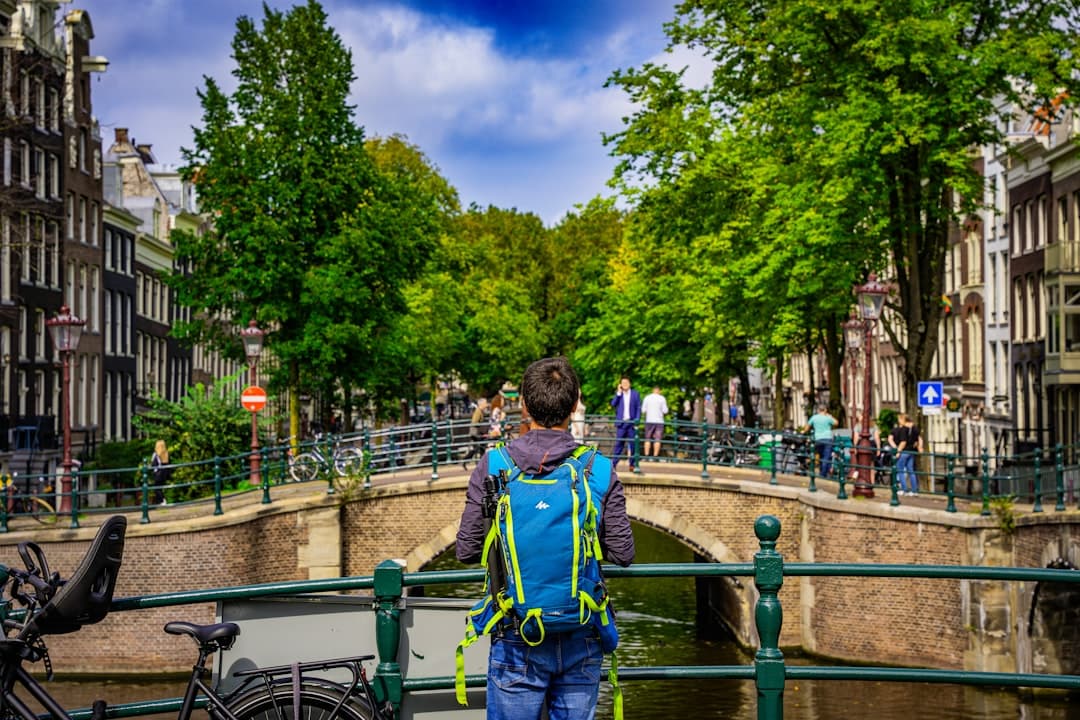
Artis Zoo
Artis Zoo — short for Natura Artis Magistra, Latin for 'nature is the teacher of art' — is the oldest zoo in the Netherlands and one of the oldest in the world, founded in 1838. It sits in the Plantage neighbourhood, just east of the city centre, and feels less like a conventional zoo and more like a Victorian-era pleasure garden that happens to have animals in it. The grounds are genuinely beautiful: mature trees, ornate 19th-century buildings, and a layout that rewards slow wandering rather than ticking off exhibits. The zoo holds around 700 species, from gorillas and sea lions to Komodo dragons and African penguins. The Aquarium, housed in a grand 1882 building, is one of the highlights — its centrepiece tank recreates an Amsterdam canal, complete with bicycles and shopping carts on the bottom. There's also a Planetarium, a Geological Museum, a Butterfly Pavilion, and a kids' farm. The animal enclosures are more naturalistic than many older European zoos, and the whole place has a relaxed, unhurried atmosphere that sets it apart from larger, more frenetic parks. Artis is a genuinely good half-day out for visitors of almost any age, but it earns particular loyalty from families and anyone who wants to get off the main tourist drag without actually leaving the city. The Plantage neighbourhood around it is worth lingering in — it's also home to the Dutch Resistance Museum and the Hortus Botanicus botanical garden, so you can easily string together a full day in this part of Amsterdam. Buy tickets online before you go to avoid queuing, especially on summer weekends.
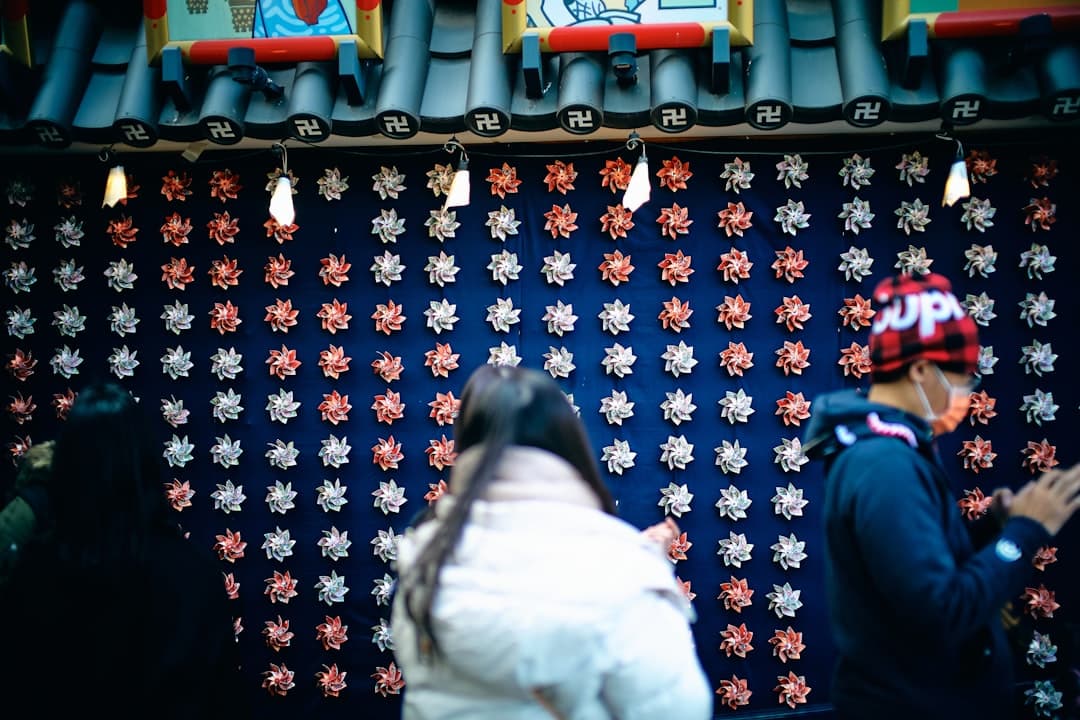
Asakusa
Asakusa is Tokyo's most historically preserved neighborhood, built around Senso-ji, a Buddhist temple founded in 628 AD — making it one of the oldest religious sites in the entire country. While most of Tokyo reinvents itself every decade, Asakusa has held onto its Edo-period character: narrow lanes, wooden shopfronts, festivals rooted in centuries of tradition, and a pace that feels genuinely different from the rest of the city. It sits in Taito Ward in eastern Tokyo, along the Sumida River, and for generations it was the heart of shitamachi — the working-class "low city" that embodied old Tokyo culture. A visit centers on walking from Kaminarimon Gate — the iconic giant red lantern you've definitely seen in photos — through Nakamise-dori, a 250-meter shopping street lined with vendors selling ningyo-yaki (sweet bean cakes), paper fans, lucky charms, and kitschy souvenirs, and arriving at the temple courtyard itself. You can light incense at the main hall, pull an omikuji fortune slip, and watch the flow of pilgrims and tourists mingle in a way that somehow still feels authentic. Beyond the main axis, the side streets hide excellent tempura restaurants, matcha soft-serve stalls, rickshaw pullers offering tours, and the Hoppy Street izakaya strip that fills with locals at dusk. Asakusa rewards wandering more than any itinerary. The Tokyo Skytree is visible from almost everywhere here, creating a striking contrast with the temple rooftops. Come early morning — before 8am if you can — when the incense smoke drifts undisturbed and the vendors are still setting up. The neighborhood is also a great base: well-connected by both Tokyo Metro and Tobu Skytree Line, with a solid range of ryokan-style guesthouses if you want to stay somewhere that feels nothing like a business hotel.
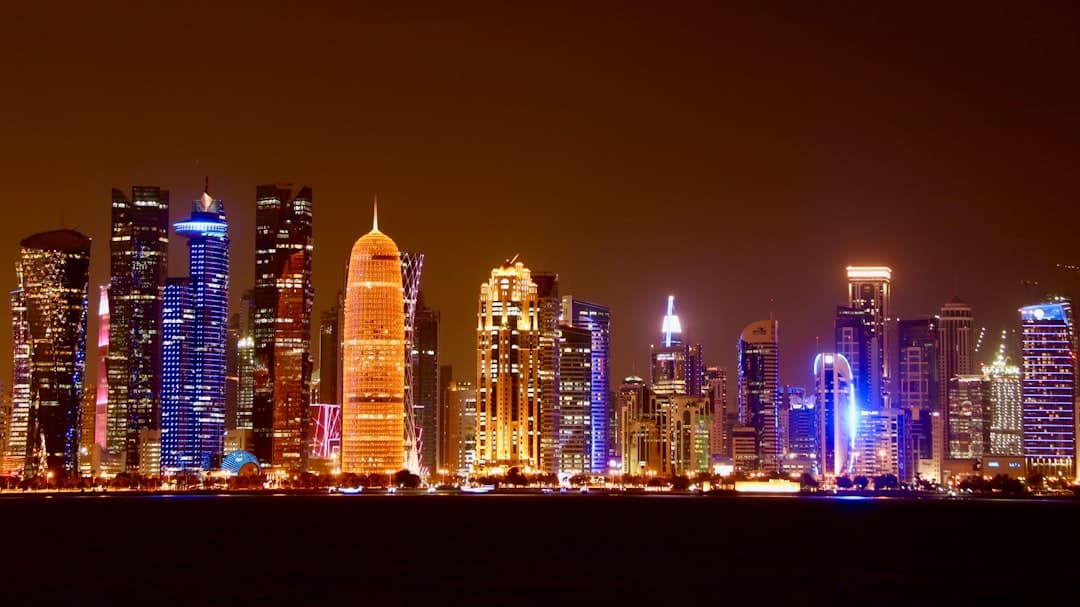
Aspire Park
Aspire Park is the largest public park in Qatar, set within the Aspire Zone — a 250-hectare sports and recreation complex in the Gharrafah district of southern Doha. It was developed as part of Qatar's preparations for the 2006 Asian Games, and the iconic Aspire Tower (also called the Torch) looms over it, still one of the most recognizable silhouettes on the Doha skyline. For a city that can feel relentlessly urban and air-conditioned, this is a genuine exhale — wide lawns, a large artificial lake, mature trees, and actual grass underfoot. The park revolves around a central lake where paddle boats are available for hire. A running and cycling trail loops around the perimeter — popular with early-morning joggers and evening strollers, especially in the cooler months. Families spread picnics across the lawns, children use the playgrounds, and the general atmosphere is relaxed and local. The Aspire Zone surrounds the park with the Khalifa International Stadium (one of the 2022 FIFA World Cup venues), the Hamad Aquatic Centre, and various sports facilities, so there's a sense of being in the middle of something purposeful even when you're just sitting on a bench. The park is free to enter and open around the clock, but the experience is almost entirely dependent on temperature — visiting in July or August is genuinely punishing. From October through April, especially in the evenings, it's one of the nicest places in Doha to simply be outside. Come after sunset on a weekend and you'll find it buzzing with Qatari families, South Asian expat groups, and joggers — a rare cross-section of the city's actual population.
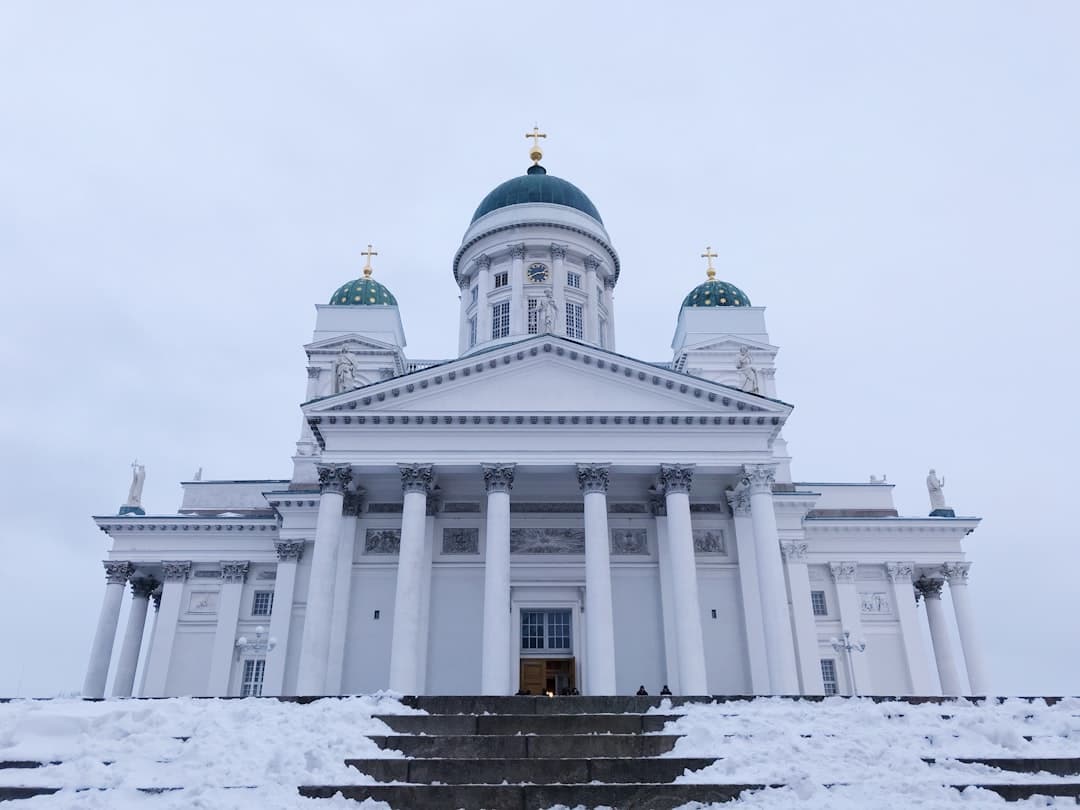
Ateneum Art Museum
The Ateneum is Finland's oldest and largest art museum, housed in a grand neoclassical building completed in 1887 right in the heart of Helsinki, steps from the central railway station. It holds the national collection of Finnish art spanning from the 18th century through to the mid-20th century, alongside a solid international collection that includes works by Van Gogh, Cézanne, and Edvard Munch. For anyone wanting to understand Finnish visual culture — its relationship with landscape, light, national identity, and independence — this is the essential starting point. The permanent collection is built around the Finnish Golden Age of the late 19th century, when painters like Akseli Gallen-Kallela, Albert Edelfelt, Helene Schjerfbeck, and Eero Järnefelt were essentially inventing what it meant to depict Finland. Gallen-Kallela's monumental Kalevala-inspired works are here, including the Aino Triptych — mythological, moody, and utterly distinctive. Schjerfbeck's self-portraits trace a life's work across decades. The international wing adds weight and context without overshadowing the Finnish material. Temporary exhibitions rotate regularly and tend to be ambitious, drawing major international names alongside deeper dives into Finnish art history. The museum is right on Kaivokatu, the street that runs along the south side of the railway station — you literally cannot miss the building. Wednesday and Thursday evening hours until 8pm are a genuine gift: the crowds thin out noticeably after about 5pm, and the quality of light inside the galleries at dusk is something else entirely. The café on the ground floor is a pleasant spot for a coffee break, and the museum shop stocks unusually good art books and prints.
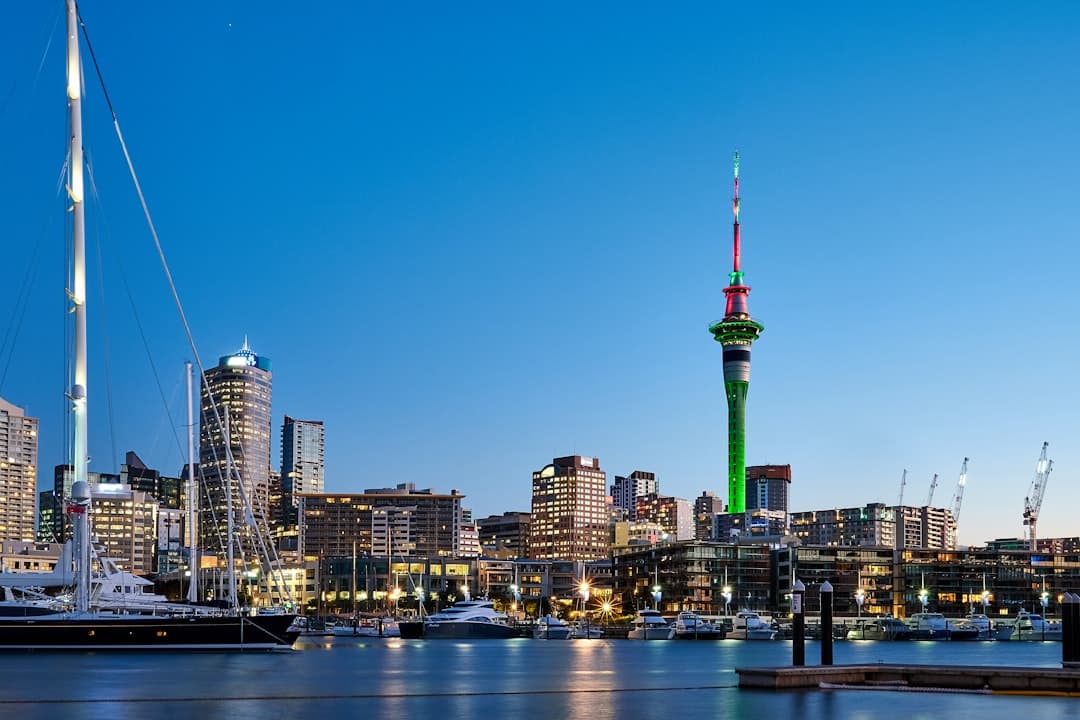
Auckland Art Gallery
Auckland Art Gallery Toi o Tāmaki is New Zealand's largest art institution, holding a collection of over 15,000 works spanning seven centuries. Sitting on the edge of Albert Park in the heart of the CBD, it's the cultural anchor of the city — the kind of place that gives a destination genuine artistic credibility. The gallery occupies a French Renaissance-style building from 1887, dramatically expanded in 2011 with a striking new wing designed by FJMT and Archimedia, featuring a soaring atrium canopy made from native kauri and pohutukawa timber that alone is worth the visit. Inside, the collection ranges from historic European masters to some of the most important Māori and Pacific art you'll find anywhere in the world. The Frances Hodgkins works are a highlight for anyone interested in New Zealand art history, and the rotating contemporary exhibitions draw internationally significant artists. The ground floor often features large-scale installations that stop you in your tracks, while the permanent galleries upstairs reward slower, more contemplative exploration. Free entry to the permanent collection means you can pop in for an hour or linger for most of the day without any guilt about getting your money's worth. The gallery sits right next to Albert Park, so a visit pairs naturally with a wander through one of the city's most pleasant green spaces. Wednesday evenings occasionally feature late programming and events — worth checking the website before you go. The café on site is decent and the shop carries some genuinely interesting New Zealand design objects if you're looking for a gift that isn't a fridge magnet.
Auckland War Memorial Museum
The Auckland War Memorial Museum sits at the top of the Auckland Domain, the city's oldest park, and does double duty as a world-class museum and a solemn memorial to New Zealanders lost in war. Built in neoclassical style and opened in its current form in 1929, it holds one of the finest collections of Māori and Pacific taonga (treasures) anywhere on earth — the kind of place that reframes your understanding of this part of the world within the first hour. Inside, you move between three distinct worlds across multiple floors. The ground level is dominated by the Māori court, where you walk through an entire carved meeting house and encounter a full-size waka taua (war canoe) that stops people dead in their tracks. The natural history galleries explore New Zealand's extraordinary geological story — including the volcanic field that Auckland itself sits on — and its lost wildlife, from moa to Haast's eagle. The upper floors shift to the wars galleries, which trace New Zealand's military history from the New Zealand Wars through to the present, with particular weight given to Gallipoli and the Western Front. The building also hosts a daily kapa haka cultural performance, which is well worth timing your visit around. The museum levies a suggested donation for New Zealand residents and a paid entry fee for international visitors, which surprises some people expecting a free public institution. Tuesday evenings see extended hours until 8:30pm, which is a genuinely quieter time to visit. The Domain surrounding the museum is beautiful and worth walking through before or after — the fernery and wintergardens are right there and free to enter.
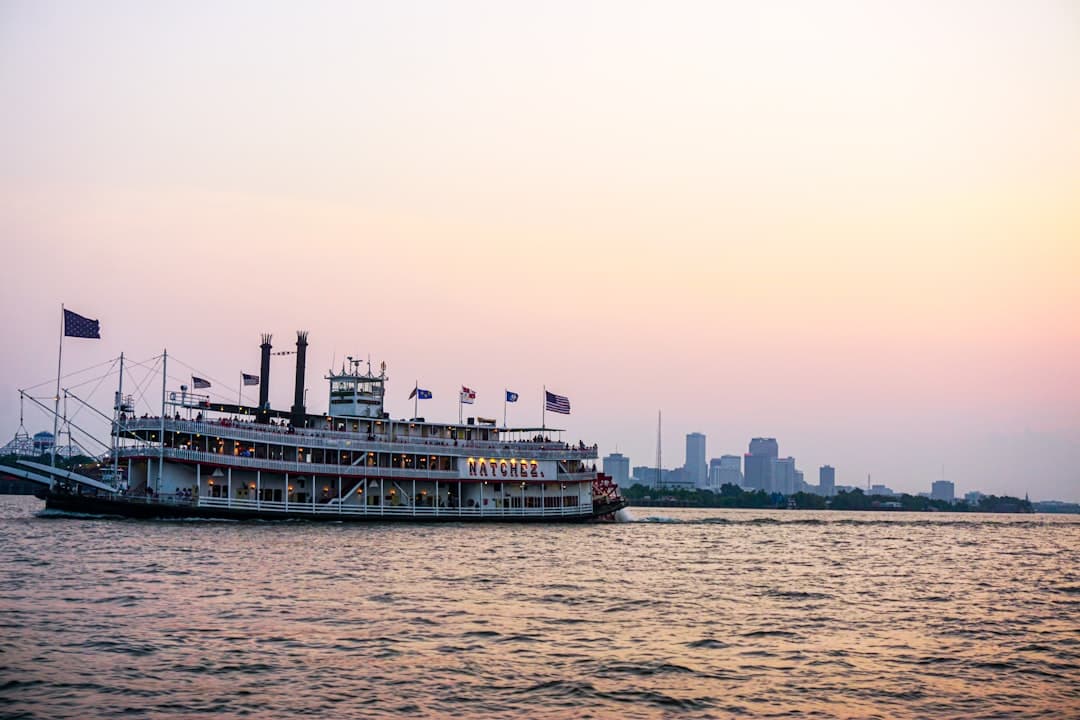
Audubon Park
Audubon Park is a 350-acre urban green space tucked into the Uptown neighborhood between the Mississippi River and St. Charles Avenue. Designed in the late 19th century and later reworked by landscape architect John Charles Olmsted — son of Frederick Law Olmsted — it served as the grounds for the 1884 World's Industrial and Cotton Centennial Exposition. Today it's one of the most beloved public parks in the South, a place where locals come to breathe, move, and simply be, surrounded by some of the most spectacular live oak trees you'll find anywhere in the country. The park's centerpiece is a lagoon loop trail of about 1.8 miles, popular with joggers, cyclists, and strolling families at almost any hour. Ancient live oaks draped in Spanish moss arc over the path, their roots buckling the ground in that particular New Orleans way. There's a small golf course, tennis courts, picnic areas, a wading pool and playground for kids, and the Audubon Zoo occupies the river side of the park — a well-regarded institution with a strong focus on Louisiana wildlife and wetlands habitats. The whole place has a lazy, leafy beauty that feels genuinely restorative. The park is free to enter and open early until late every day, making it perfect for a morning run before the heat sets in or a late-afternoon wander as the light goes golden through the oaks. The Magazine Street side borders a stretch of excellent coffee shops and restaurants — Camellia Grill is nearby, and the whole Uptown strip rewards exploration before or after. If you're combining a visit with the zoo, budget extra time and buy tickets separately at the gate.
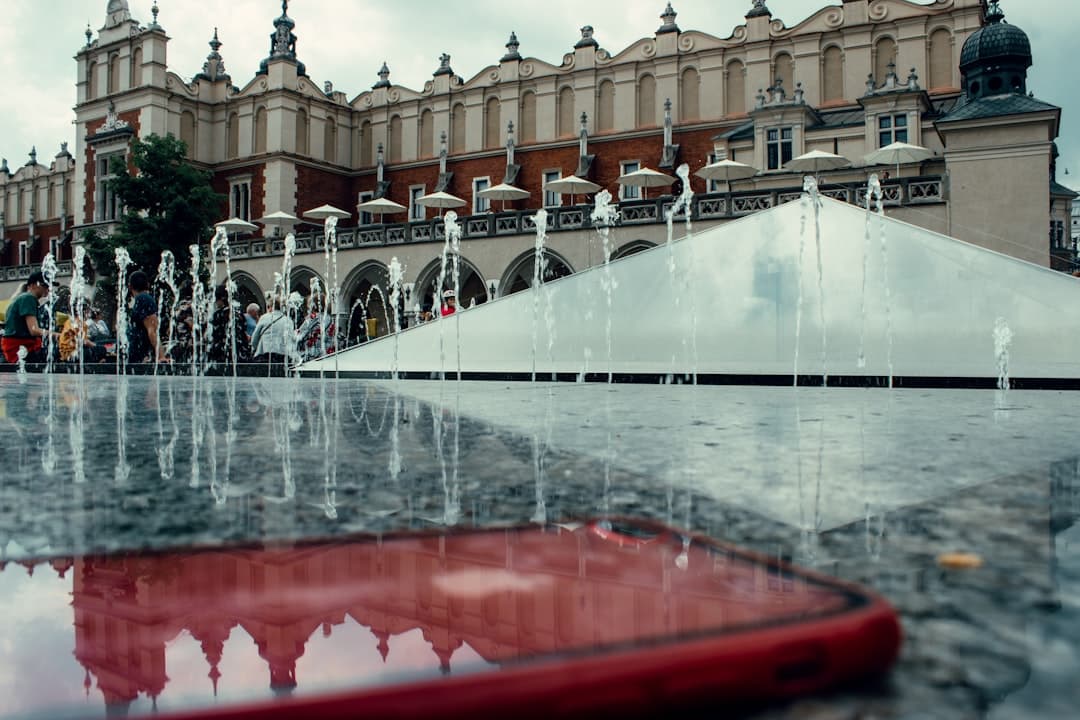
Auschwitz-Birkenau
Auschwitz-Birkenau was the largest Nazi concentration and extermination camp complex, where between 1940 and 1945 the German SS murdered approximately 1.1 million people — the vast majority of them Jewish men, women, and children deported from across occupied Europe. It is now a UNESCO World Heritage Site and the most visited Holocaust memorial in the world, operated as a museum by the Auschwitz-Birkenau State Museum. Coming here is not tourism in any conventional sense. It is an act of bearing witness to one of history's most documented atrocities, and it changes people. The site is split into two main sections roughly three kilometres apart. Auschwitz I, the original camp, contains the infamous 'Arbeit Macht Frei' gate, the preserved cell blocks that now house permanent exhibitions, the standing gallows, and the first gas chamber. Birkenau — Auschwitz II — is the far larger killing centre, where the industrial-scale murder took place. Its vast, flat landscape of ruined crematoria, collapsed barracks, and the railway tracks leading directly to the selection ramp is staggering in a way that photographs never prepare you for. A free shuttle bus connects the two sites. Guided tours, available in many languages, are strongly recommended — the exhibitions and plaques provide context, but a knowledgeable guide makes the human reality of what happened here far more comprehensible. Auschwitz-Birkenau is located in Oświęcim, about 70 kilometres west of Kraków — roughly 90 minutes by train or bus, or about an hour by car. Organised day trips from Kraków are extremely common and convenient. Entry to the museum is officially free, though guided tours carry a fee and a mandatory booking system is in place for visits during peak hours. Allow a full day. This is not a place to rush.
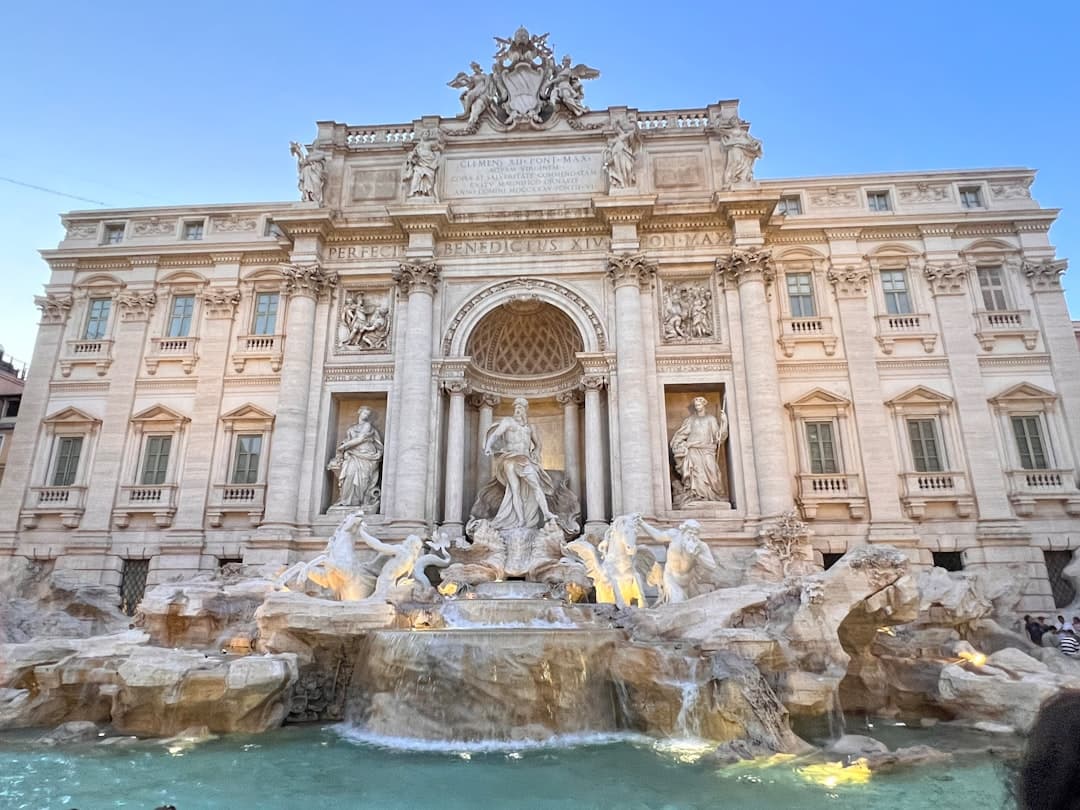
Aventine Hill & Orange Garden
The Aventine Hill is one of Rome's original seven hills, and for centuries it sat outside the city's official boundaries — which gave it a character quite different from the chaotic, monument-packed hills across the Tiber. Today it's a leafy, largely residential neighborhood that most tourists skip entirely, and that's precisely what makes it special. At its crown sits the Giardino degli Aranci — the Garden of Oranges, formally known as Parco Savello — a small municipal park planted with bitter orange trees that perfume the air from spring through winter. It's one of those places that feels like a local secret even though it isn't quite one. The garden itself is compact and unhurried. You walk through a gate in an old medieval wall and suddenly you're in a shaded terrace of orange trees with a panoramic terrace at the far end overlooking the Tiber, the dome of St. Peter's, and the rooftops of Trastevere below. It's one of the great views in Rome, and unlike the Gianicolo or Pincian Hill, you'll often have stretches of the terrace almost to yourself. A few steps away, the Knights of Malta Priory sits behind a plain wooden door — slip up to the keyhole and you'll see St. Peter's dome perfectly framed by a tunnel of hedges, one of Rome's most famous tricks of perspective. It's genuinely worth the thirty seconds it takes. The Aventine is best visited in the late morning or early afternoon on a weekday, when the garden feels calm and the light on the terrace is warm rather than flat. Come in November and the orange trees are heavy with fruit. Combine it with a visit to the nearby Basilica of Santa Sabina, one of Rome's oldest churches, whose fifth-century wooden doors are among the most important examples of early Christian art in the world. The whole hilltop circuit — garden, keyhole, church — takes about an hour and a half and requires almost no planning.
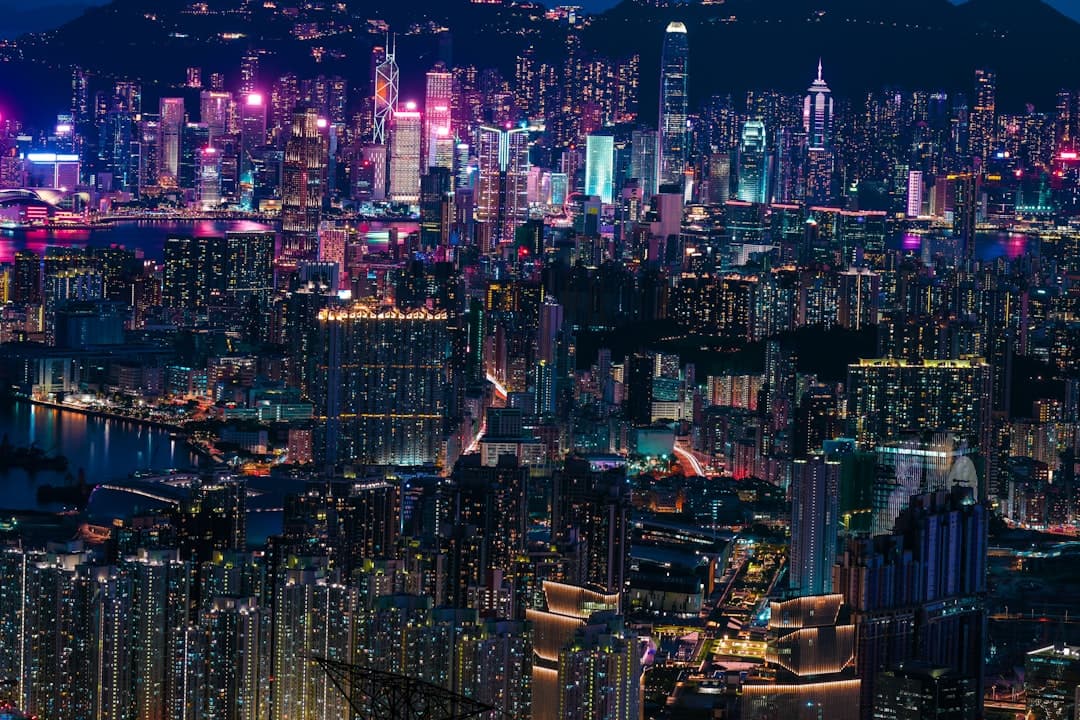
Avenue of Stars
The Avenue of Stars stretches along the Tsim Sha Tsui waterfront in Kowloon, facing the famous Victoria Harbour and the dramatic skyline of Hong Kong Island across the water. Modelled loosely on the Hollywood Walk of Fame, it celebrates Hong Kong's legendary film industry — one of the most prolific and influential in the world — with handprints, plaques, and statues honouring Cantonese cinema's biggest names. A bronze statue of Bruce Lee, perhaps Hong Kong's most globally recognised cultural export, stands as the centrepiece and the most photographed spot on the promenade. Walking the avenue, you'll pass tributes to film icons like Jackie Chan, Chow Yun-fat, and Maggie Cheung, though the real draw for most visitors is simply the view. The panorama of Victoria Harbour — with the dense, vertical skyline of Central and Wan Chai rising behind it — is genuinely one of the most dramatic urban vistas anywhere on earth. Come at night for the Symphony of Lights, a free laser and LED show synchronised across skyscrapers on both shores that runs nightly at 8pm and turns the harbour into a spectacle. The promenade reopened in 2019 after a major two-year renovation that extended the walkway and improved facilities, so it's now a well-maintained, pedestrian-friendly stretch. Arrive early evening to catch the golden-hour light on the skyline, then stay for the light show. The Star Ferry pier at Tsim Sha Tsui is just a short walk away, making it easy to combine with a cross-harbour crossing — one of the great cheap thrills of any Hong Kong visit.
Bab Doukkala
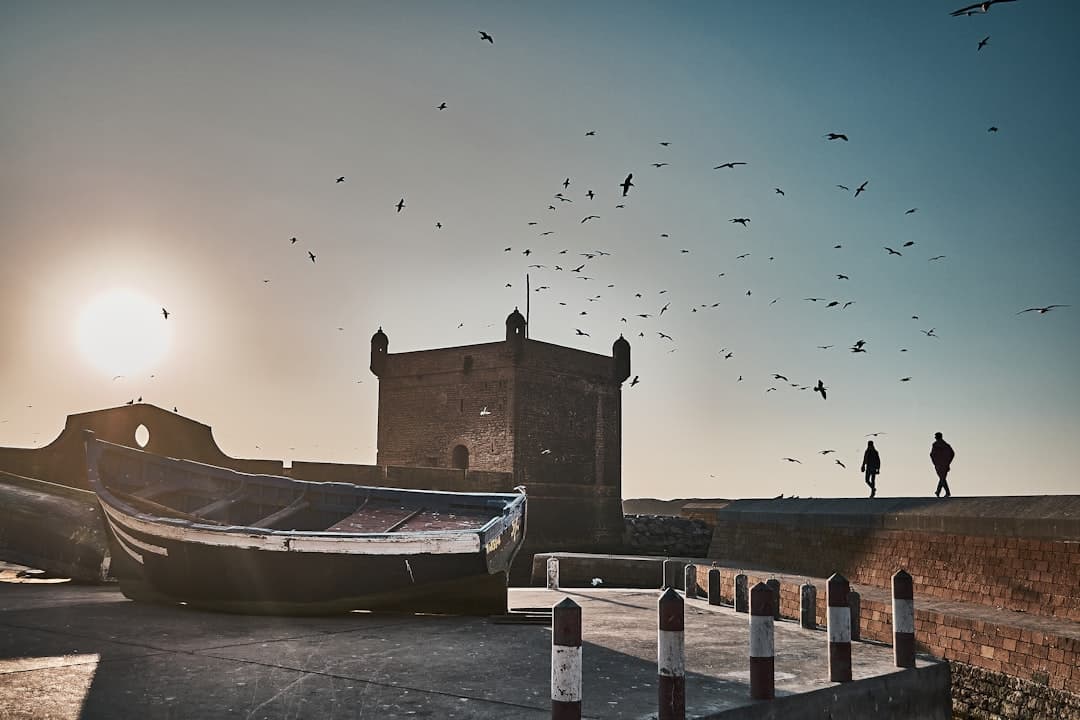
Bab Doukkala is one of the historic city gates that once controlled entry into Essaouira's medina, the old walled city on Morocco's Atlantic coast. Essaouira itself is a UNESCO-listed port town famous for its Portuguese-influenced ramparts, blue-and-white architecture, and reliably fierce ocean winds — and gates like Bab Doukkala were the original infrastructure that made the medina function as a fortified urban space. While Essaouira's most famous gate is Bab Marrakech, Bab Doukkala sits on the northern edge of the medina walls along Avenue Mohamed Zerktouni, marking one of the traditional entry points from the direction of Marrakech and the Doukkala region of Morocco. Visiting Bab Doukkala is less about a formal attraction and more about reading the city's bones. The gate itself is a solid, imposing stone archway — the kind that makes you instinctively slow down and look up. Pass through it and you transition from the modern street outside into the tighter, older world of the medina lanes. It's a threshold experience, and that liminal quality is the whole point. The surrounding area near the gate tends to be less tourist-saturated than the central souks and the main medina arteries, which means you're more likely to see locals going about their day — picking up groceries, chatting outside shops, navigating on motorbikes. The gate is best appreciated as part of a broader walk along Essaouira's ramparts and through the medina rather than as a standalone destination. Start here and head inward toward the souks, or use it as an exit point toward the newer part of town. Early morning is when the light hits the stonework well and the streets are quietest.
Bacalar Lagoon
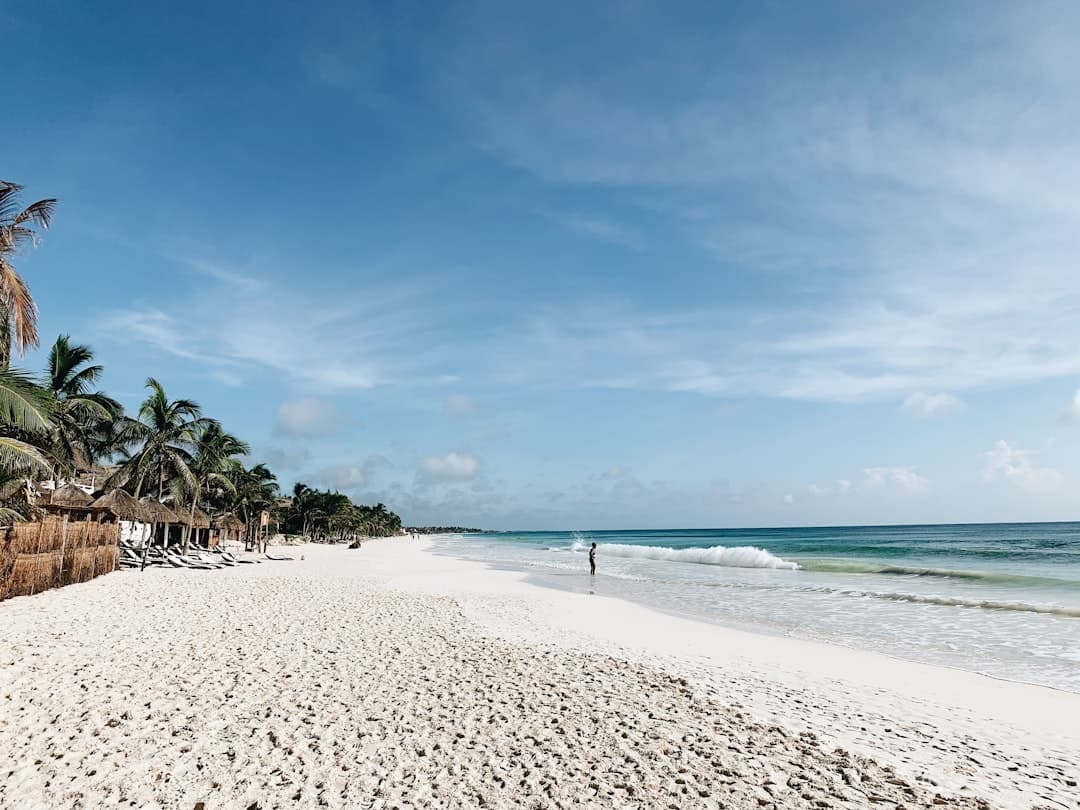
Bacalar Lagoon — officially the Laguna de los Siete Colores, or Lake of Seven Colors — is a 42-kilometer freshwater lagoon in the state of Quintana Roo, about two and a half hours south of Tulum. Fed by underground cenotes and surrounded by jungle, the water shifts through a genuinely astonishing spectrum: turquoise, teal, cobalt, and deep sapphire, all visible at once depending on depth and angle of light. Unlike the crowded Caribbean beaches to the north, Bacalar feels unhurried and genuinely alive — a place where pelicans glide low over the water and the pace slows without any effort on your part. Most people spend their time on or in the water. You can rent a kayak or stand-up paddleboard directly from the lakeshore, take a sailing trip on a traditional wooden lancha, or simply swim off a dock in visibility so good you can see the sandy bottom six meters down. The town of Bacalar itself is small and walkable — colonial buildings, a 17th-century Spanish fort called Fuerte San Felipe that once defended against pirate raids, and a malecon lined with palapas and small restaurants. The Cenote Azul, at the southern end of the lagoon, is one of the largest open cenotes in Mexico and worth the short trip. Bacalar is technically its own town, not part of Tulum, but it's increasingly on the radar of travelers using Tulum as a base for day trips or overnight stays. The magic hour here is early morning, when the water is glass-calm and the light turns everything golden. Most tour operators run half-day and full-day boat trips from the malecon — look for reputable operators near the main dock rather than booking through resort desks, as you'll get lower prices and more local guides.
Bahia Palace
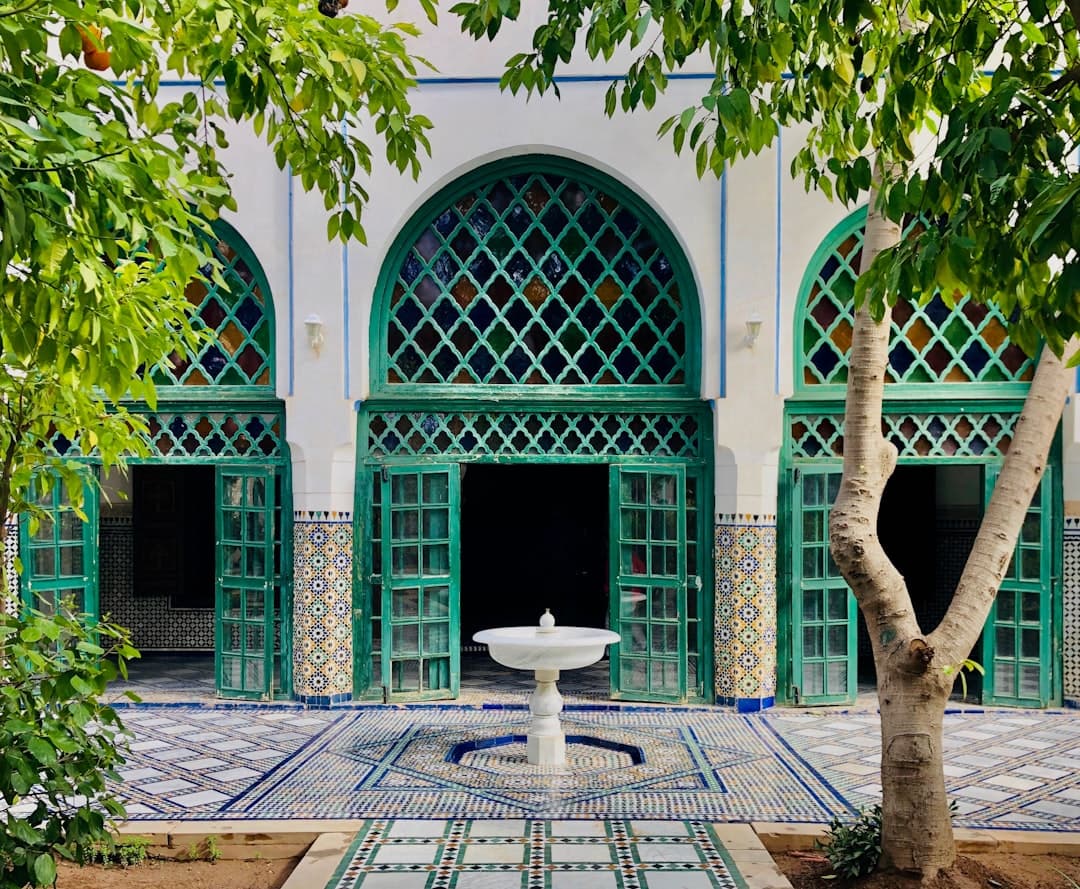
The Bahia Palace is one of the finest examples of Moroccan and Andalusian architecture in existence, built in the late 1800s by Si Moussa, grand vizier to the sultan, and later expanded by his son Ahmed ibn Moussa. The name means 'brilliance' in Arabic, and the palace was designed to be the greatest of its era — a statement of power and aesthetic ambition that drew the best craftsmen from across Morocco. It sits in the southern medina, not far from the mellah (the old Jewish quarter), and covers roughly eight hectares of rooms, courtyards, and gardens. Walking through the Bahia is a slow, absorbing experience. You move through a series of interconnected courtyards and reception rooms, each lavished with hand-painted cedar ceilings, intricate zellij tilework in geometric patterns, carved stucco walls, and marble floors. The Grand Courtyard is the showpiece — a vast open space surrounded by colonnaded galleries — but the smaller, more intimate apartments and the cool, shaded garden of orange and cypress trees are equally memorable. The palace housed the vizier's wives and concubines across separate wings, and the spatial politics of that arrangement are still legible in the layout. Come early — ideally right when it opens at 9am — before tour groups arrive and the narrow corridors fill up. Audio guides are available but optional; the architecture speaks for itself. The light in the painted rooms is best in the morning, when it filters in at a low angle and catches the color in the tilework. Tickets are cheap by any standard, and the palace is easily combined with a visit to the nearby El Badi Palace ruins and the Mellah for a full morning in the southern medina.
Bahnhofstrasse
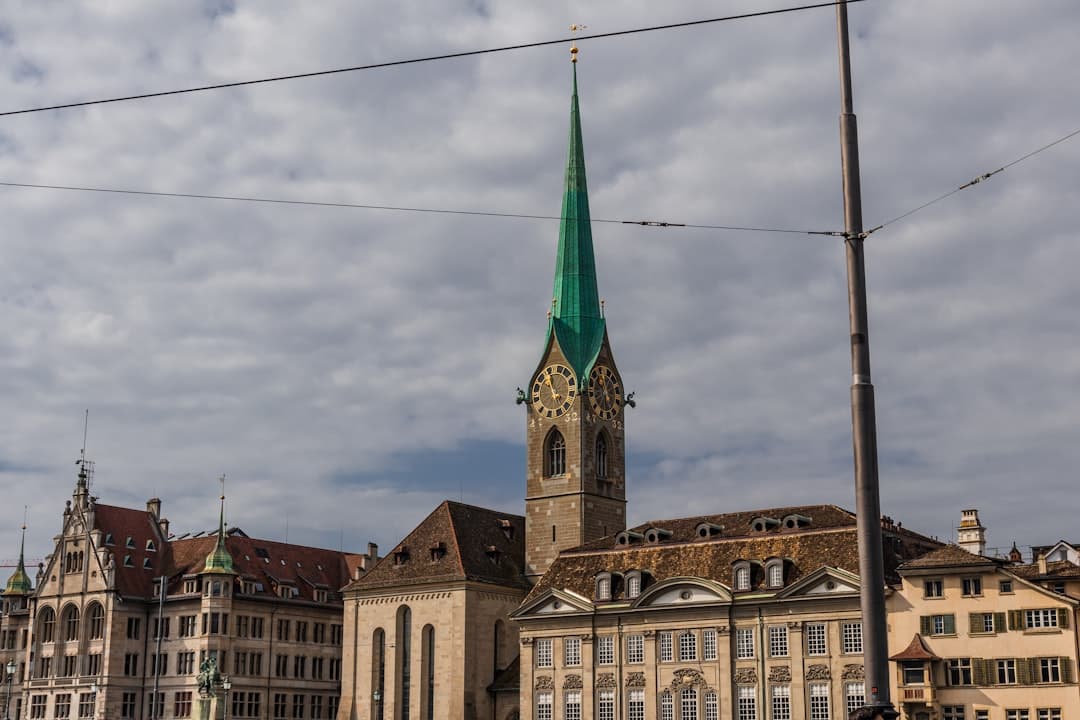
Bahnhofstrasse is Zurich's main commercial boulevard, running roughly a kilometre from the central train station (Hauptbahnhof) south to the shores of Lake Zurich. It's consistently ranked among the most expensive shopping streets in the world — alongside Fifth Avenue and the Champs-Élysées — and it shows. The wide, tree-lined pedestrian promenade is flanked by the flagship stores of Swiss watchmakers like Rolex, Patek Philippe, and IWC, luxury fashion houses, and the discreet facades of private banks that hold, according to local legend, enormous quantities of gold bullion in vaults deep beneath the street. Walking the street is as much an urban experience as a shopping one. You'll pass Confiserie Sprüngli at Paradeplatz — the historic chocolatier and café that has been operating since 1836 and is essentially a Zurich institution — and the grand Paradeplatz square itself, which serves as a hub for city trams and is flanked by the headquarters of UBS and Credit Suisse (now absorbed into UBS). The lake end of the street opens up to views over the Zürichsee, with Alps visible on clear days. Window shopping here is genuinely spectacular even if you're not spending. The street is entirely pedestrianised for most of its length, with trams running along a central track — so keep your wits about you. The best strategy is to walk the full length one way, then detour into the side streets of the Altstadt to the east for smaller shops, cafés, and a more human scale. Mornings on weekdays are the calmest time to visit; Saturday afternoons can feel overwhelmingly crowded. Most shops are closed on Sundays, which is worth knowing before you make a special trip.
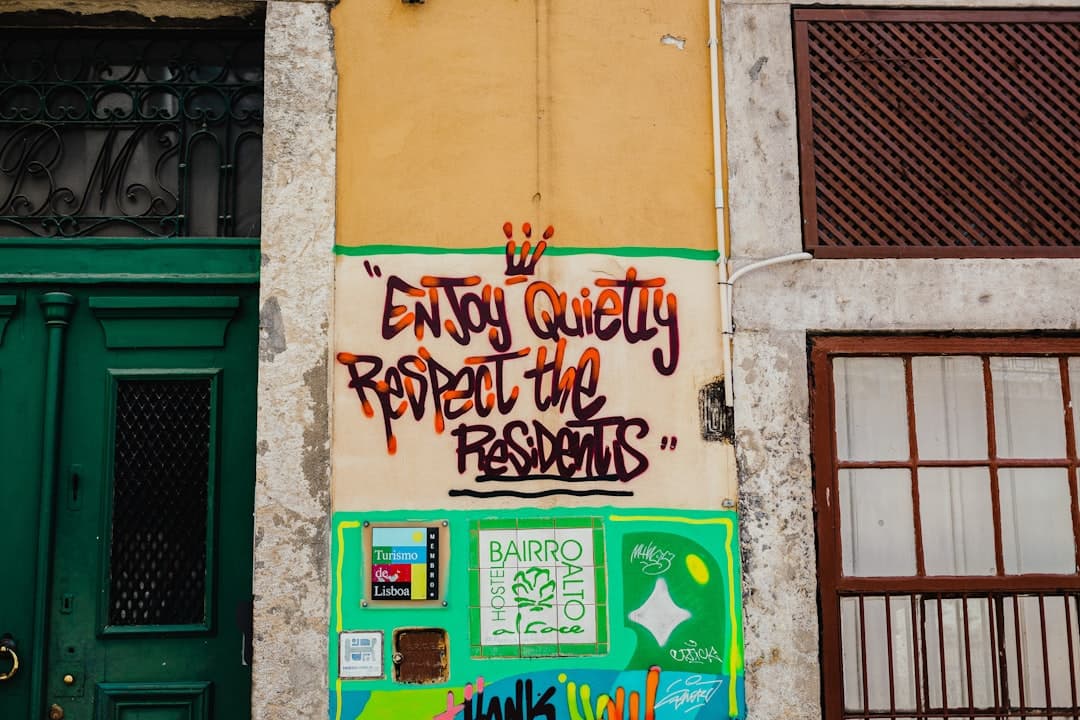
Bairro Alto
Bairro Alto — literally 'Upper Quarter' — is a dense grid of narrow streets perched on one of Lisbon's seven hills, just west of the city center. Built largely in the 16th century and long home to writers, artists, and political dissidents, it has always been a place where creativity and nightlife ran together. Today it's simultaneously one of Lisbon's most atmospheric neighborhoods and one of its most visited, beloved for a quality of streetlife that feels genuinely Portuguese rather than manufactured for tourists. During the day, Bairro Alto is surprisingly quiet — the streets belong to locals, small boutiques, independent record shops, concept stores, and the occasional traditional tasca (tavern) doing lunch. As evening falls, the neighborhood transforms completely. Dozens of bars open their doors, wine bottles appear on windowsills, and by 10 or 11pm the narrow lanes are packed with people moving between tascas and drinking spots, music spilling out of doorways. Fado houses — the authentic kind, where the mournful genre is taken seriously — are clustered here, making this one of the best places in Lisbon to hear live fado in a proper setting. Restaurante Zé da Mouraria, Sr. Fado, and O Faia are among the long-standing venues nearby. The classic approach is to arrive at dusk, walk the steep lanes up from Chiado or take the Elevador da Bica funicular from Rua de São Paulo, eat dinner at a traditional restaurant, and let the night take you. Avoid anywhere with a laminated English menu and a host standing outside — the good spots are the ones where you have to push a heavy door open yourself. Sunday and Monday nights are dramatically quieter than Thursday through Saturday, which can work in your favor if you want to hear fado without shouting over a crowd.
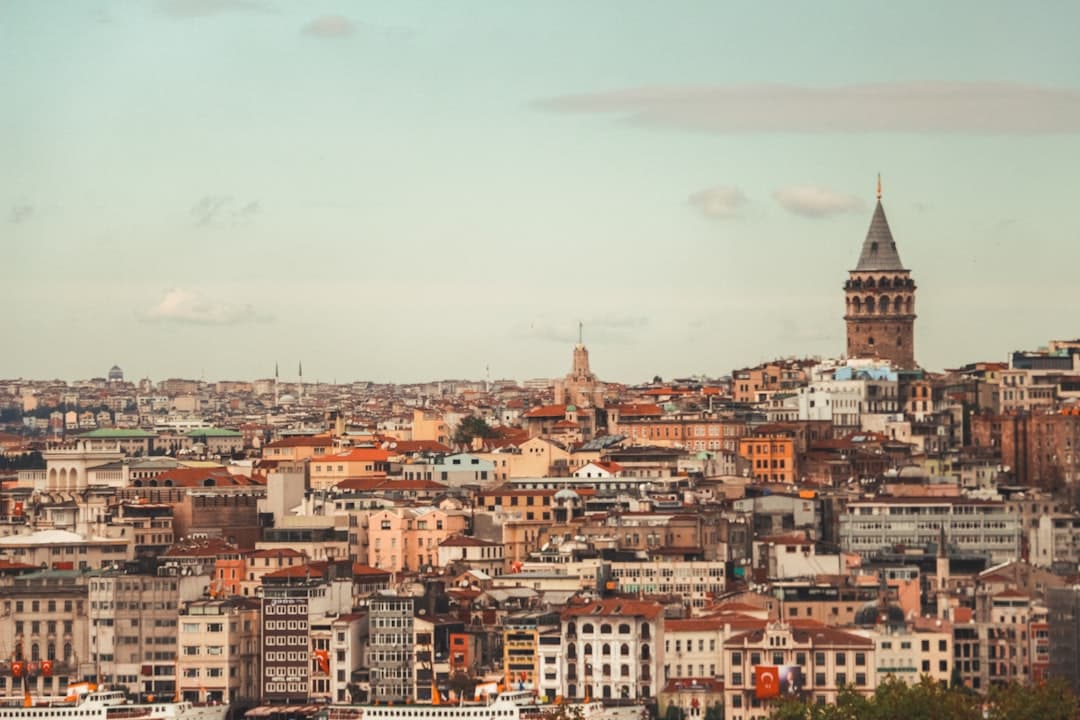
Balat
Balat is one of Istanbul's oldest and most atmospheric neighborhoods, tucked along the European shore of the Golden Horn in the Fatih district. For centuries it was home to the city's Jewish community — Sephardic Jews expelled from Spain in 1492 found refuge here under Ottoman rule — and before that, to Greek and Armenian populations. That layered history is still written into the streets: you'll find a working synagogue, a Greek Orthodox church, an Armenian church, and mosques all within a few minutes' walk of each other. The neighborhood fell into neglect during much of the 20th century, which paradoxically preserved its Ottoman-era urban fabric — the cracked plaster, the timber-framed houses, the steep cobblestone lanes — from the redevelopment that erased so much of Istanbul elsewhere. These days Balat has been rediscovered, especially by Istanbul's creative class and the cafe culture that follows. The main drag, Vodina Caddesi, is lined with colorful restored houses that have become a genuine Instagram landmark — tourists photograph the stacked facades of mustard yellow, terracotta, and dusty blue. But push one street back and the neighborhood is still very much itself: old men playing backgammon, women hanging laundry between windows, antique and junk dealers spilling their wares onto the pavement. The Ecumenical Patriarchate of Constantinople is nearby in the adjoining neighborhood of Fener, making the whole area a significant pilgrimage for Orthodox Christians. The Chora Church (Kariye Mosque), with its extraordinary Byzantine mosaics, is a short walk away. The best way to see Balat is on foot, without a plan. Come on a weekday morning when the light hits the steep streets at a good angle and before the tour groups arrive. Have breakfast or a coffee at one of the small cafes that have opened in former workshops and ground-floor spaces. The neighborhood is genuinely compact — you can cover the core area in a couple of hours — but it rewards slow wandering. Combine it with a walk along the Golden Horn waterfront and a visit to Fener for a half-day that covers some of Istanbul's most undervisited and historically rich ground.
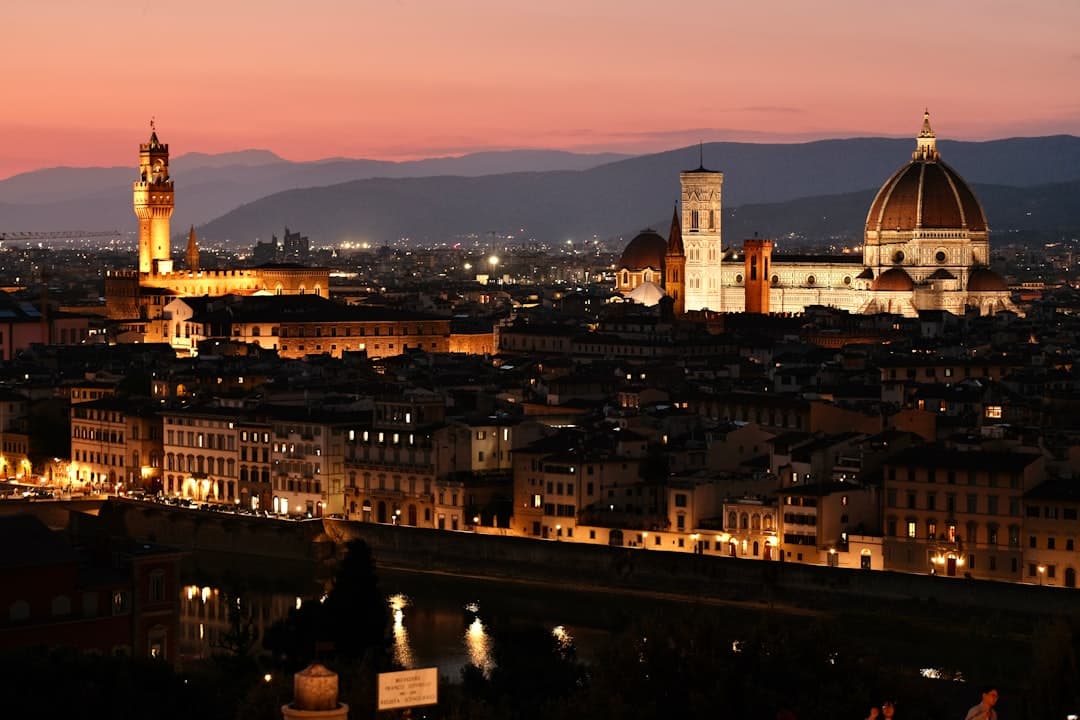
Baptistery of San Giovanni
The Baptistery of San Giovanni is one of the oldest and most important religious buildings in Florence — a compact, octagonal marble structure that predates the Duomo itself and served as the place where every Florentine, including Dante, was baptized for centuries. Built between the 11th and 13th centuries on what may have been a Roman site, it sits directly in front of the Cathedral of Santa Maria del Fiore in the very heart of the city. Its three sets of bronze doors are among the most celebrated works of art in the world, and its interior ceiling is covered in some of the most breathtaking Byzantine-style mosaics in all of Italy. Visitors enter the building to find a surprisingly intimate space dominated by the soaring mosaic ceiling — a 13th-century Last Judgment scene made from millions of tiny gold and colored glass tiles that cover almost every inch of the dome above you. The scale and detail are genuinely staggering. Outside, the real draw for most people is the East Doors, known as the Gates of Paradise — Lorenzo Ghiberti's masterwork, completed in 1452 after 27 years of work, depicting ten gilded bronze panels of Old Testament scenes with revolutionary three-dimensional perspective. The panels you see today are high-quality replicas; the originals are in the Museo dell'Opera del Duomo a short walk away. The Baptistery is included in the combined Duomo complex ticket, which covers the cathedral, the bell tower, the cupola climb, the museum, and this building — making it extraordinary value. The East Doors face the Duomo's main facade and are perpetually crowded; arrive early in the morning or visit late afternoon for a better look. Don't rush the interior — people fixate on the doors and breeze past the mosaics, which deserve at least 20 minutes of genuine attention.
Barbican
The Barbican is one of the best-preserved medieval defensive structures in Europe — a circular fortified gatehouse built around 1498–1499 to protect Krakow's northern flank from Ottoman and Tatar raids. It's part of the old city fortification system that once ringed the entire Old Town, and today it stands as one of only three surviving barbicans on the continent. Connected to the Florian Gate by a short neck of walls, it formed a formidable double-layered defensive trap for anyone trying to enter the city. Walking up to it for the first time, the sheer mass of the thing stops you — thick brick walls studded with 130 loopholes, a crenellated parapet, and seven turrets that give it an unmistakably dramatic silhouette. Inside, the Barbican is part of the Krakow Historical Museum network, and you can explore the interior to see exhibitions about the city's medieval defenses, old weaponry, and the history of the fortifications. The main draw, though, is the architecture itself — climbing up into the turrets, looking out through the loopholes, and trying to picture armies massing outside these walls. The circular interior courtyard sometimes hosts open-air exhibitions and cultural events in summer, which gives the space a lively atmosphere that contrasts nicely with its martial origins. The Barbican sits just outside the Planty — the green ring of parkland that replaced most of the old city walls in the early 19th century — and is the perfect starting or ending point for a walk around the Old Town. Entry is separate from the nearby Florian Gate but combination tickets are usually available. It's closed on Mondays. Summer afternoons get busy with tour groups, so arriving early or later in the day gives you more space to actually absorb the place.
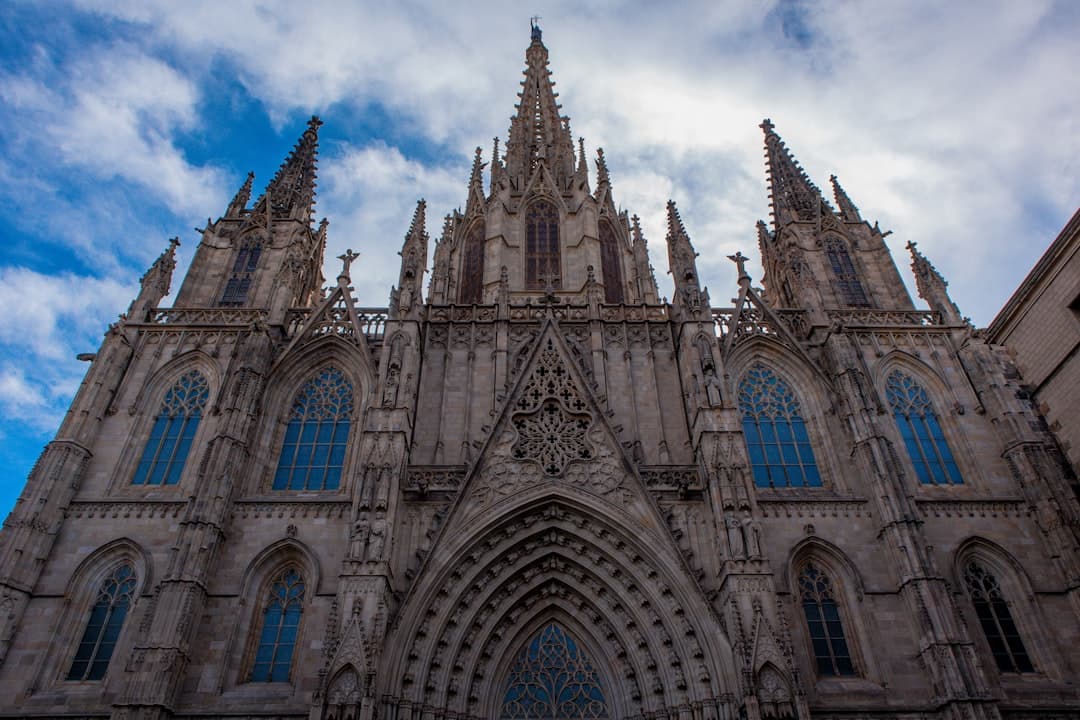
Barcelona Cathedral
The Barcelona Cathedral — formally the Cathedral of the Holy Cross and Saint Eulalia — is the Gothic heart of the Barri Gòtic, the old medieval quarter of Barcelona. Construction began in 1298 on the site of an earlier Romanesque church, though the famous neo-Gothic facade you see today wasn't completed until 1913, giving the exterior a slightly more polished look than the weathered interior might suggest. The cathedral is dedicated to Saint Eulalia, a young martyr from Roman Barcelona, and her remains are held in a crypt beneath the altar — one of the more quietly moving details of the whole building. Inside, the cathedral is vast and atmospheric: high Gothic vaulting, dozens of side chapels lining the nave, and a celebrated cloister that encloses a garden of magnolias and palm trees where a flock of white geese has lived for centuries. The geese are one of those Barcelona details that people remember long after everything else fades. The reason given is that 13 geese are kept in honor of Eulalia, who was martyred at age 13. You can access the rooftop by elevator for sweeping views over the Gothic Quarter's tight rooflines and, on clear days, out toward the sea. Timing your visit matters here. Entry is free in the morning (roughly before 12:30), but during midday the cathedral charges a modest combined entry fee that includes access to the choir, the crypt, and the rooftop elevator — which is actually the better deal if you want to see everything. The plaza outside, the Pla de la Seu, is one of Barcelona's great people-watching spots, and on Sunday mornings locals gather here to dance the sardana, a traditional Catalan circle dance. It's the kind of spontaneous, deeply local moment that makes visiting a cathedral feel like something more than tourism.
Barceloneta Beach
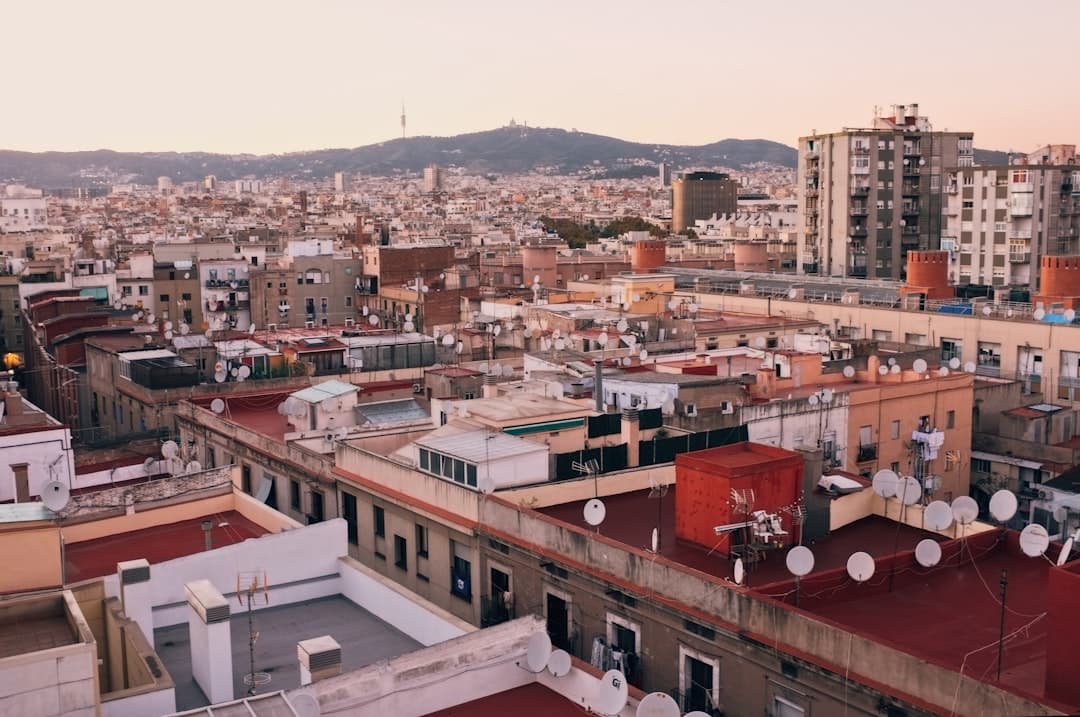
Barceloneta Beach is Barcelona's most famous stretch of sand, a 1.2-kilometer urban beach sitting at the edge of the historic Barceloneta neighborhood, just minutes from the Gothic Quarter. It was dramatically transformed for the 1992 Summer Olympics — the city cleared industrial port infrastructure, added the beachfront promenade known as the Passeig Marítim, and created the leisure coastline that exists today. Before that reinvention, locals barely used the waterfront. Now it's one of the most visited urban beaches in Europe, drawing millions of people every year. In practice, Barceloneta is equal parts beach and social scene. You swim, yes — the Mediterranean water is calm and warm from June through September — but you also sit at chiringuitos (beachside bars) drinking cold Estrella Damm or a Clara, watch the endless procession of joggers and cyclists on the promenade, and eat paella or grilled seafood at the clutch of restaurants along the Passeig Joan de Borbó that runs parallel to the beach. The beach has designated volleyball courts, a skate park nearby, and plenty of sun lounger rental operations. Frank Gehry's enormous copper Fish sculpture (Peix) glints at the far northern end near the Port Olímpic marina, serving as an unmistakable landmark. Come early in the morning if you want the beach relatively to yourself — by 11am in summer it's packed wall-to-wall. The western end near Barceloneta village is generally calmer and more local; the stretch toward Port Olímpic gets progressively younger and louder. Petty theft is a real issue, so leave valuables at the hotel. Sunday mornings are surprisingly pleasant for a walk even in cooler months, when the promenade fills with locals rather than tourists.
Barnes Foundation
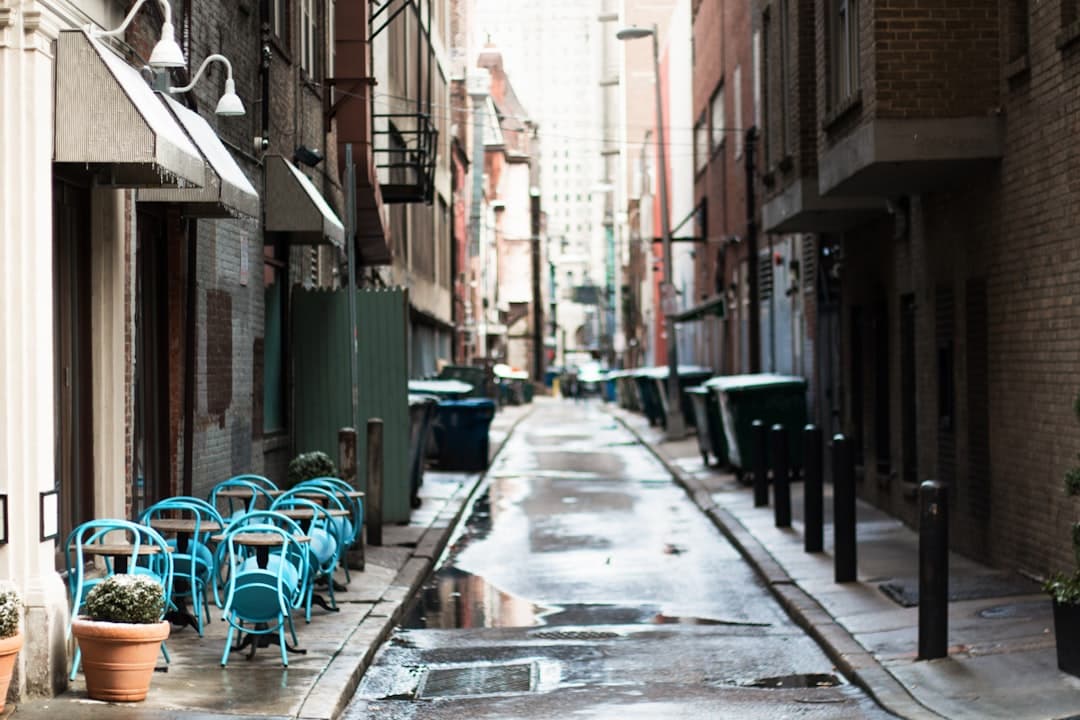
The Barnes Foundation holds one of the most extraordinary private art collections ever assembled — 181 Renoirs, 69 Cézannes, 59 Matisses, 46 Picassos, and dozens of works by Modigliani, Seurat, and Rousseau, among others. Albert C. Barnes, a Philadelphia-born chemist who made his fortune selling an antiseptic called Argyrol, spent decades in the early 20th century buying directly from artists and dealers in Paris, often before the rest of the world caught on. He didn't just collect — he had an entire philosophy about art education, and he arranged his collection in dense, floor-to-ceiling "ensembles" that mix paintings with ironwork, hinges, and furniture to draw out visual relationships. When it moved from its original Merion, Pennsylvania home to this purpose-built building on the Benjamin Franklin Parkway in 2012, the new space was controversially designed to recreate the exact room layouts and hanging arrangements of the original, down to the window proportions. Walking through the Barnes is unlike any other museum experience. There are no labels telling you whether a painting is "important" — Barnes hated that kind of hierarchy. You get a small booklet and you look. The galleries are intimate, the lighting is warm, and the sheer density of masterworks on every wall creates a kind of visual vertigo. You'll turn a corner and find yourself standing two feet from a large Cézanne card players painting, or a wall of African sculpture next to a Matisse. The hanging system is deliberate and rewards slow looking — if you rush, you'll miss most of what makes it special. The building sits right in the middle of Parkway Museums District, steps from the Rodin Museum and a short walk from the Philadelphia Museum of Art. Timed-entry tickets are strongly recommended, especially on weekends, and the Barnes keeps visitor numbers deliberately low to preserve the intimate atmosphere. The on-site restaurant and café are decent options for lunch. Closed Tuesdays and Wednesdays, so plan accordingly. If you can, visit on a weekday morning when it's quietest — you'll have stretches of the galleries almost entirely to yourself.